
South Africa Safari Destination South Africa flag

South Africa Safari Information

Inspiring New Ways

12 Tours 57 Tour Operators 0 Accommodation Properties

Starting from

$450PP

Overview

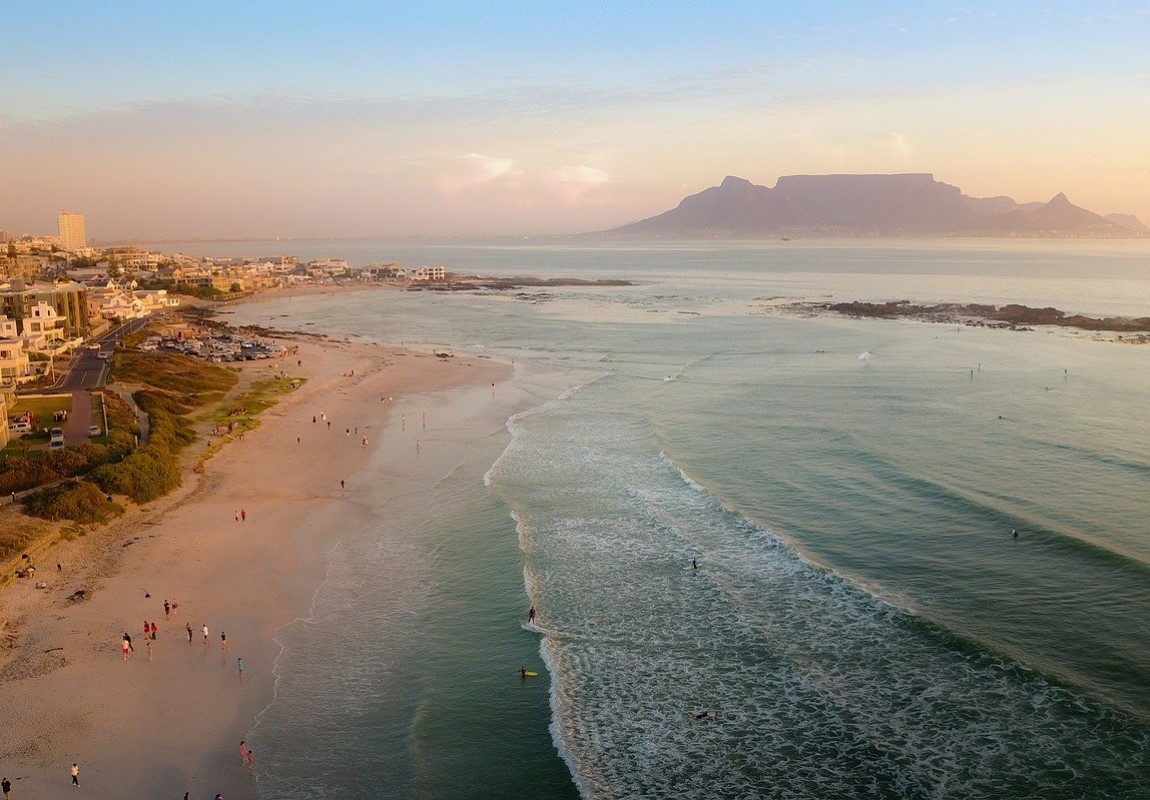
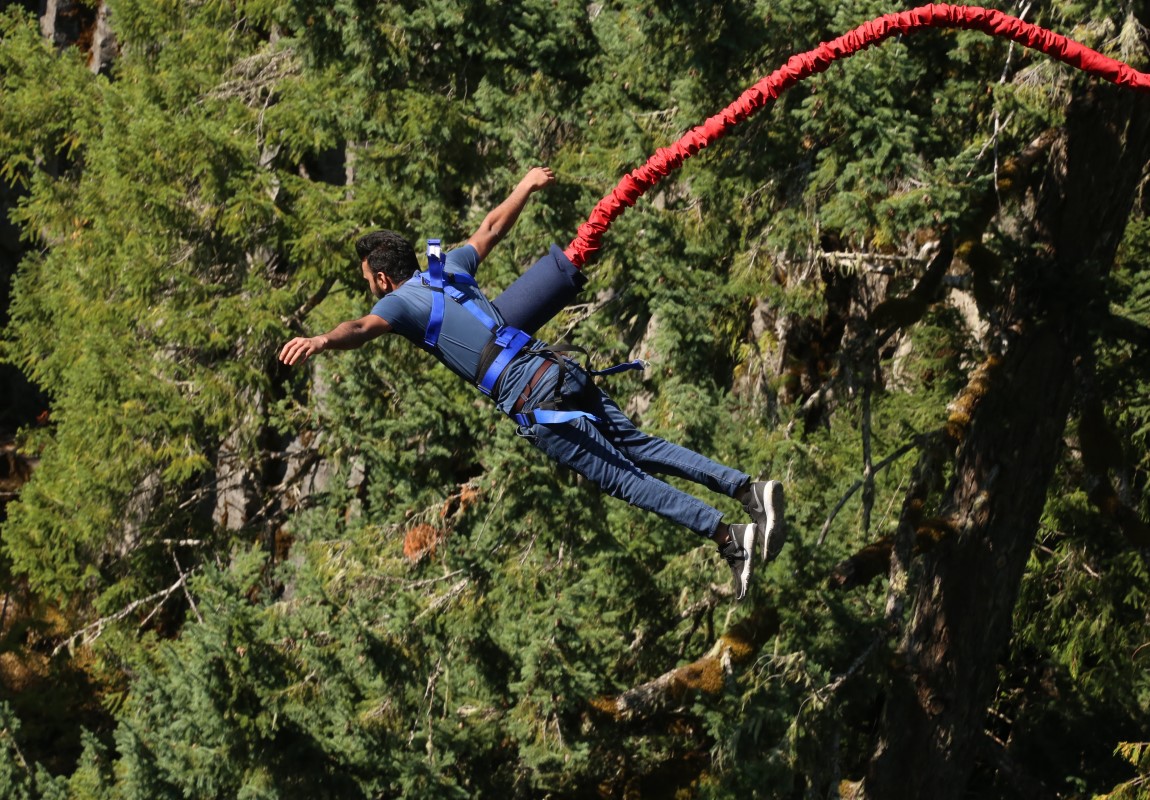
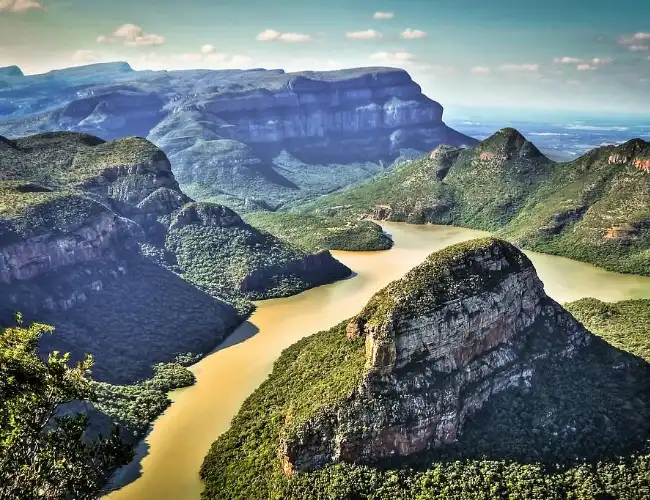
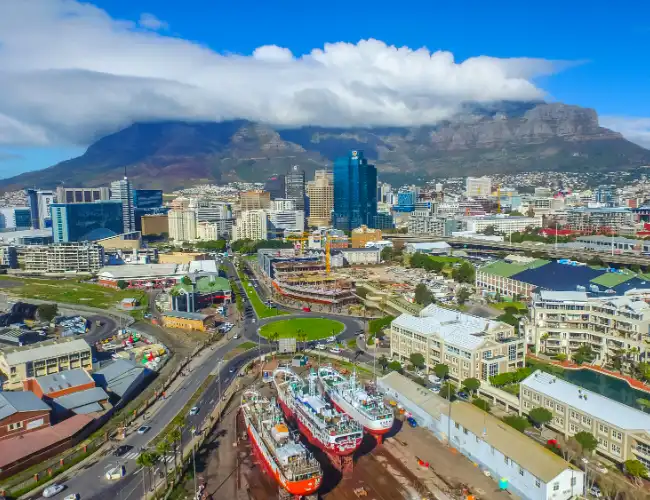
South Africa has some of the world's most diverse biodiversity, with numerous national parks and breathtaking landscapes ranging from mountains, lakes, and oceans to Winelands, game farms, and deserts. It's one of the world's adventure capitals, with many adrenaline-pumping activities like shark cage diving, bungee jumping, and paragliding. Kruger National Park is Africa's largest game reserve and the best place on the continent to see the Big Five. The Blyde River Canyon is the world's third largest for outdoor adventure, and the Drakensberg mountains' jagged peaks punch into the sky. Cape Town has an urban beat and is surrounded by white sand beaches. Private wildlife reserves in South Africa include Timbavati, Sabi Sands, Amakhala, Shamwari, and Kariega. South Africa safaris aren't the only thing to see here; there's also its colourful history, with many fascinating historical sites to visit such as Robben Island, where Nelson Mandela was imprisoned, the Natal battlefields, and the Apartheid Museum. The Garden Route in South Africa is a scenic stretch of coastline ideal for a leisurely self-drive. It runs technically from Mossel Bay to Storms River.

Rates (USD)
$310 pp/day
Currency
South African rand (ZAR)
Capital
Pretoria
Languages
English, Afrikaans, Zulu, Xhosa
High Season
October to March
Best Time to Go
May to September

Pros & Cons

  • Low-density tourism and eco-friendly lodges
  • Excellent wildlife viewing in northern parks
  • Beautiful and diverse scenery of dry desert, saltpans, savannah grasslands and delta waterways
  • Low population and vast, undeveloped areas
  • Political stability and safety
  • Expensive upmarket safaris with few budget options
  • Availability can be limited during high season

Map in Africa

South Africa Map in Africa

Safari Reviews

User Reviews
0.0/5
(0 Reviews)

Share Your Experience

Help other travelers by writing a review

Best Time to Visit – South Africa

May to September is the best time to visit South Africa for a wildlife safari. The east of the country (where the major parks are located) experiences its Dry season during these winter months. During the dry season, wildlife is easier to spot because vegetation thins and animals congregate around waterholes and rivers. The parks and reserves in Greater Kruger and KwaZulu-Natal Province are covered in the 'Kruger & Around' sections below. 
The dry and wet seasons in Cape Town are diametrically opposed to those in Kruger. As a result, the dry summer months of November to March are ideal for visiting Cape Town and its environs.

High Season
October to March
Low Season
April to September
Best Weather
November to March
Worst Weather
June to August

May to September (Dry Season)

  • Because there is less vegetation, wildlife is easier to spot, and animals congregate around rivers and waterholes.
  • There is little to no rain, and most days are sunny.
  • Except for Kruger during school holidays, low season and parks are not crowded.
  • Despite the fact that it is the Wet season in the Cape Region, there are many sunny days.
  • Wildlife viewing in Cape Region parks is excellent all year.
  • It is cold at night and early in the morning.
  • Game drives in open vehicles are freezing.
  • It is too cold for beach and general vacation activities.

October to April (Wet Season)

  • The scenery turns green and everything looks new after the first rains.
  • The best time for bird watching, with migratory birds present.
  • Rains are mostly brief afternoon showers that will not disrupt your trip.
  • When is the best time to visit Cape Town and the Garden Route?
  • Wildlife viewing in Cape Region parks is excellent all year.
  • Game drives are less cold.
  • During the peak season, it becomes extremely crowded.
  • Because the bush is thicker and wildlife is more difficult to spot, wildlife viewing can be slow.
  • It is extremely hot in December, January, and February, and parks are extremely crowded during the December school holidays.

Best Time to Go to South Africa by Major Park

Most parks offer wildlife viewing all year, but it is best during the dry season when wildlife is easier to spot. Kgalagadi gets extremely hot from December to February, so it's best to visit during the cooler months.


Wildlife & Animals

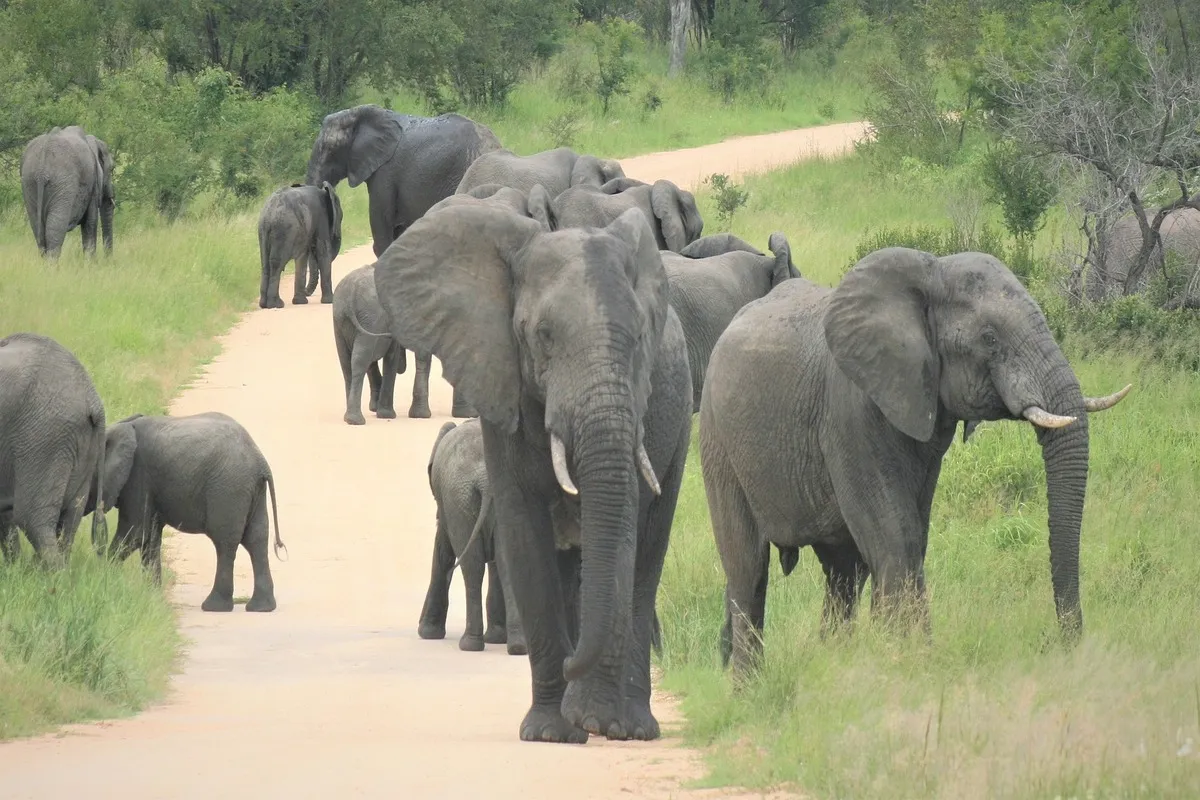
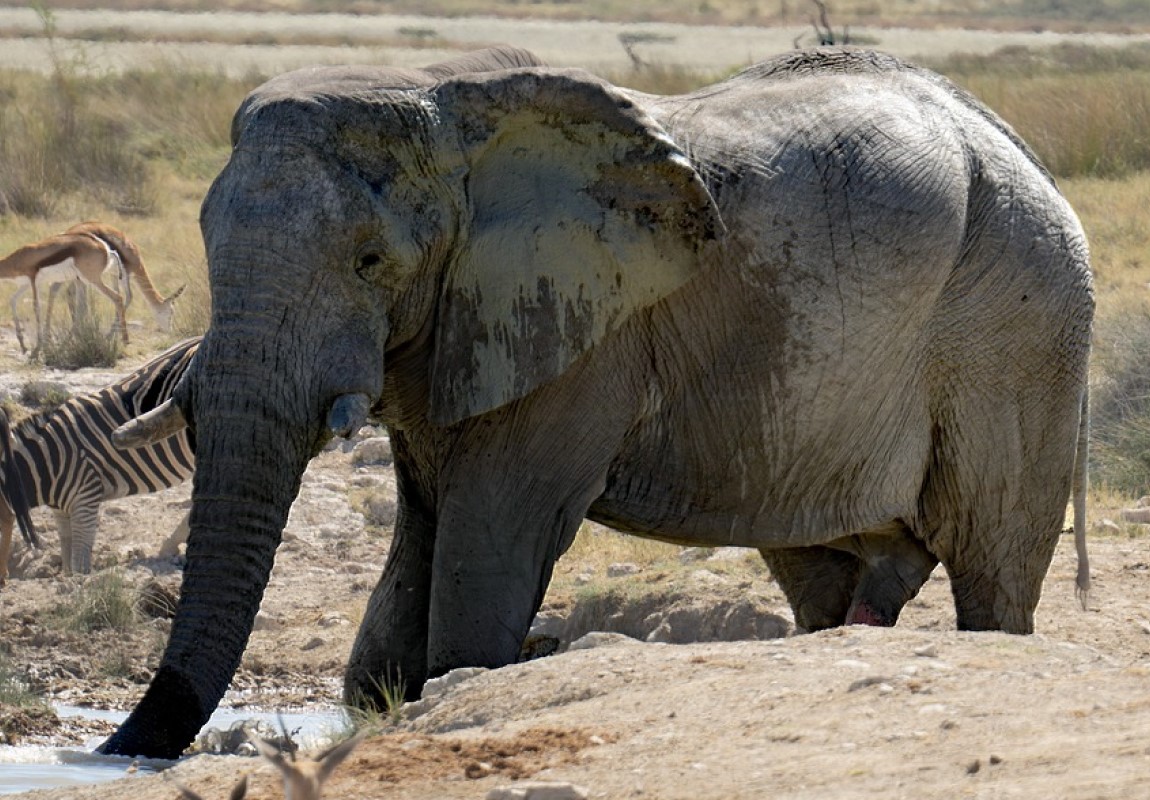
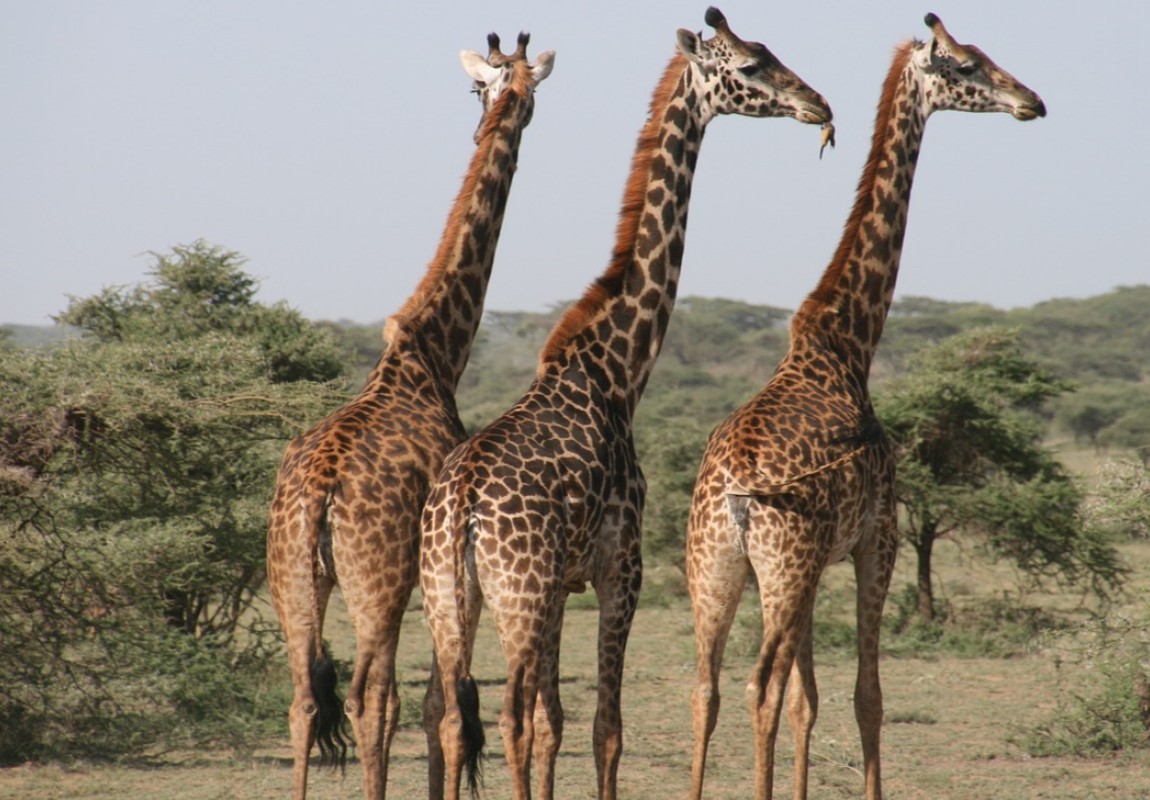
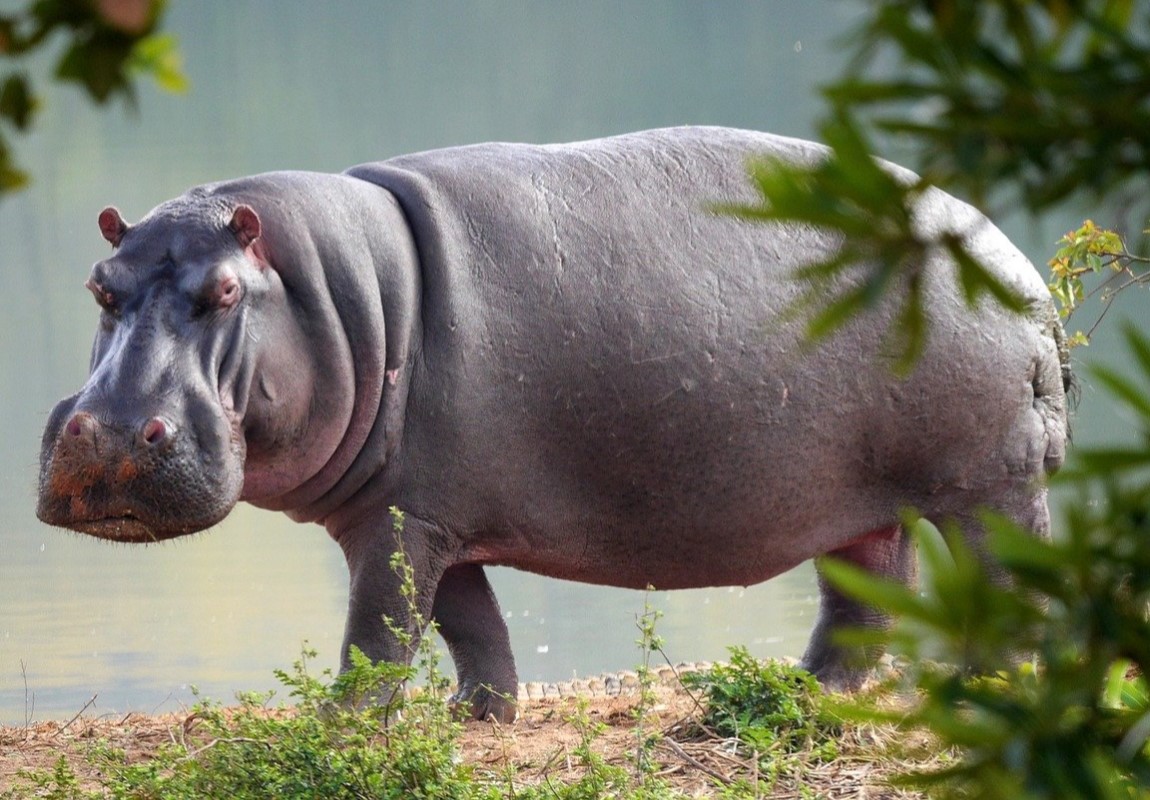
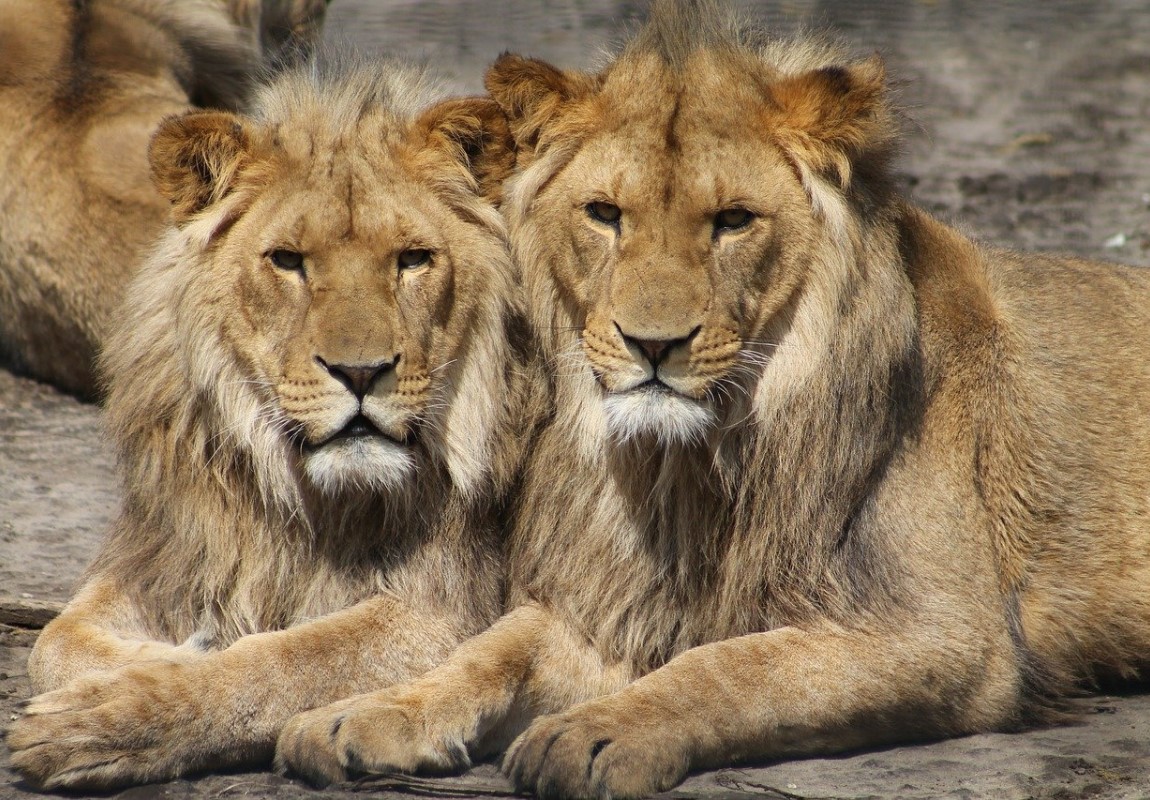
South Africa is a popular destination for wildlife enthusiasts. All of the Big Five, as well as other large animals such as giraffes, hippopotamuses, and numerous antelope species, can be seen in South Africa's extensive network of parks. This list includes the white rhino, though its black counterpart is much more difficult to locate. The Cape mountain zebra is a common sight in the country's west, and the leopard is especially visible in Sabi Sand Game Reserve. The scenic KwaZulu-Natal parks are best for seeing rhinos, while Kruger National Park offers excellent general wildlife viewing. The main attraction in Sabi Sand is seeing the Big Five, and it is well-known for its habituated leopards.

Wildlife Highlights

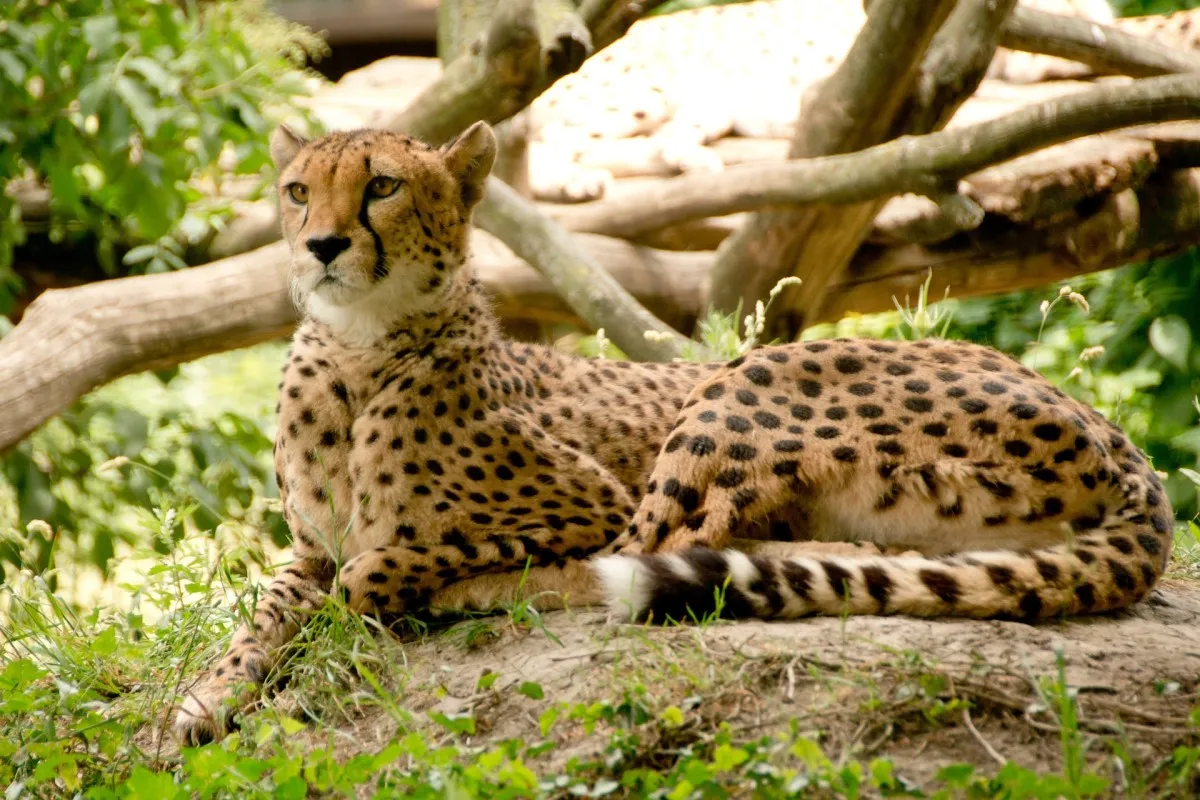
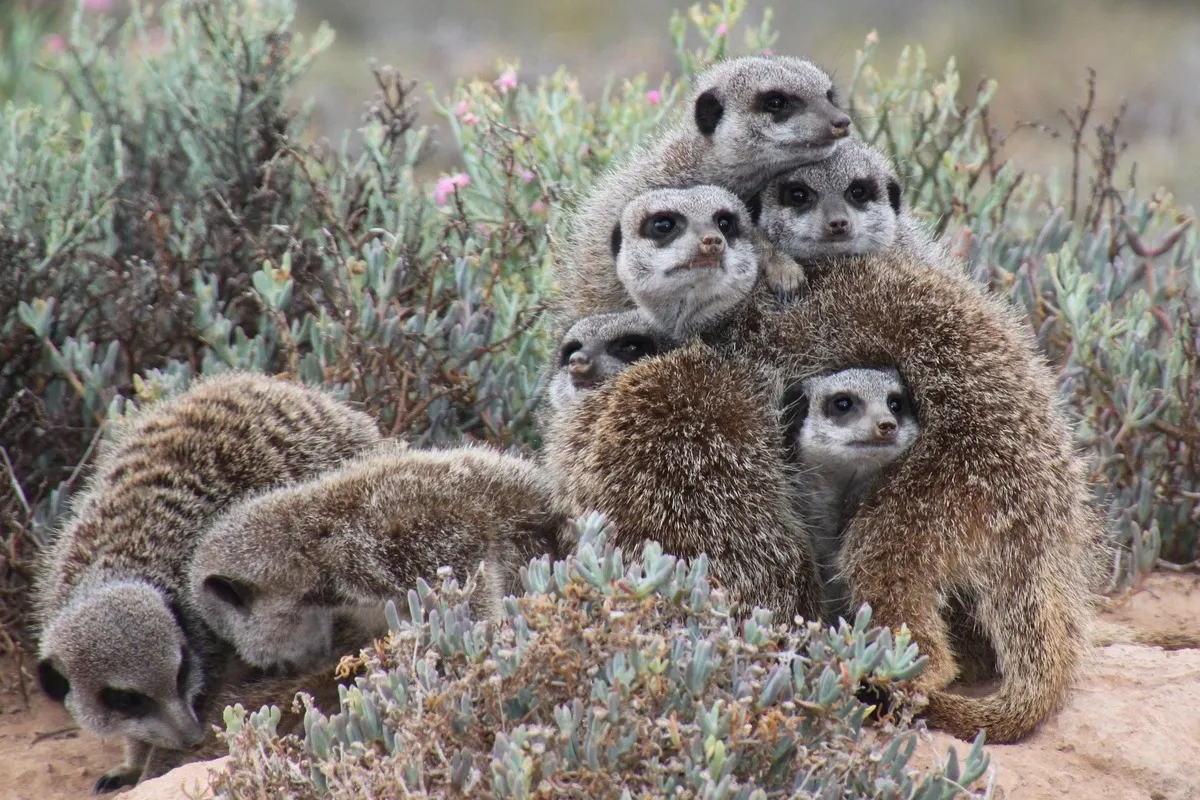
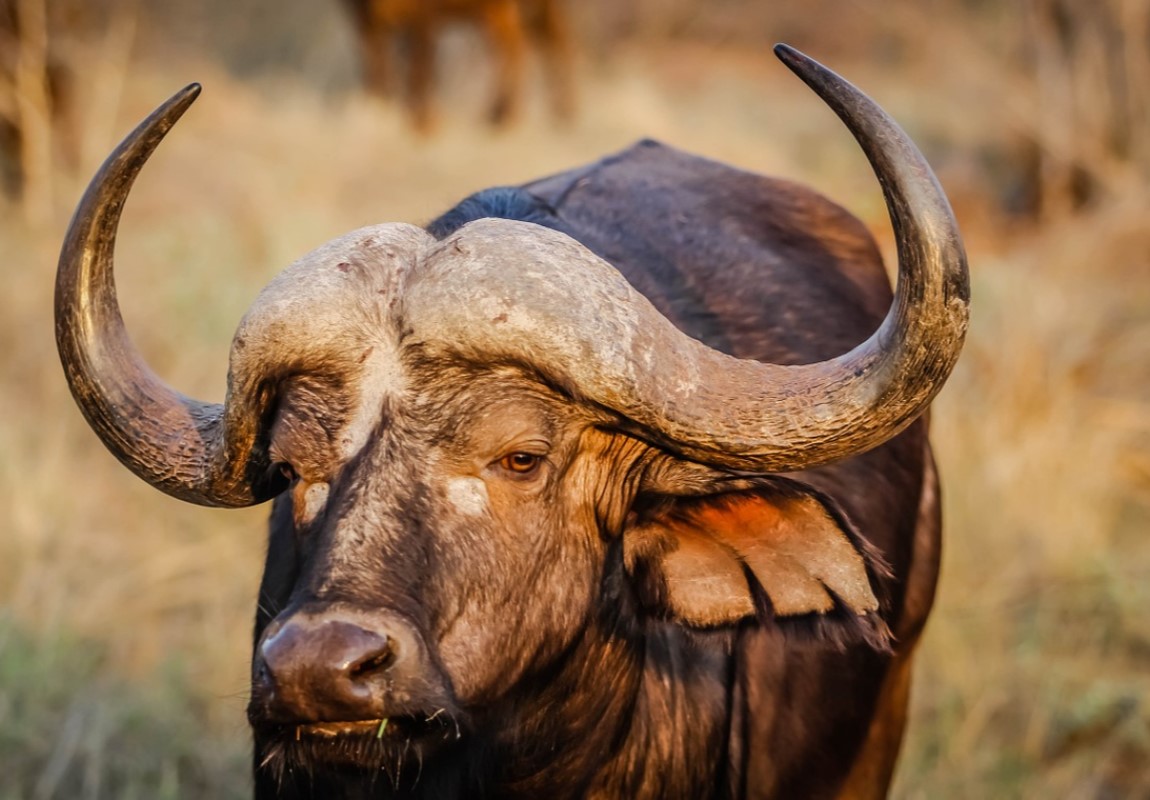
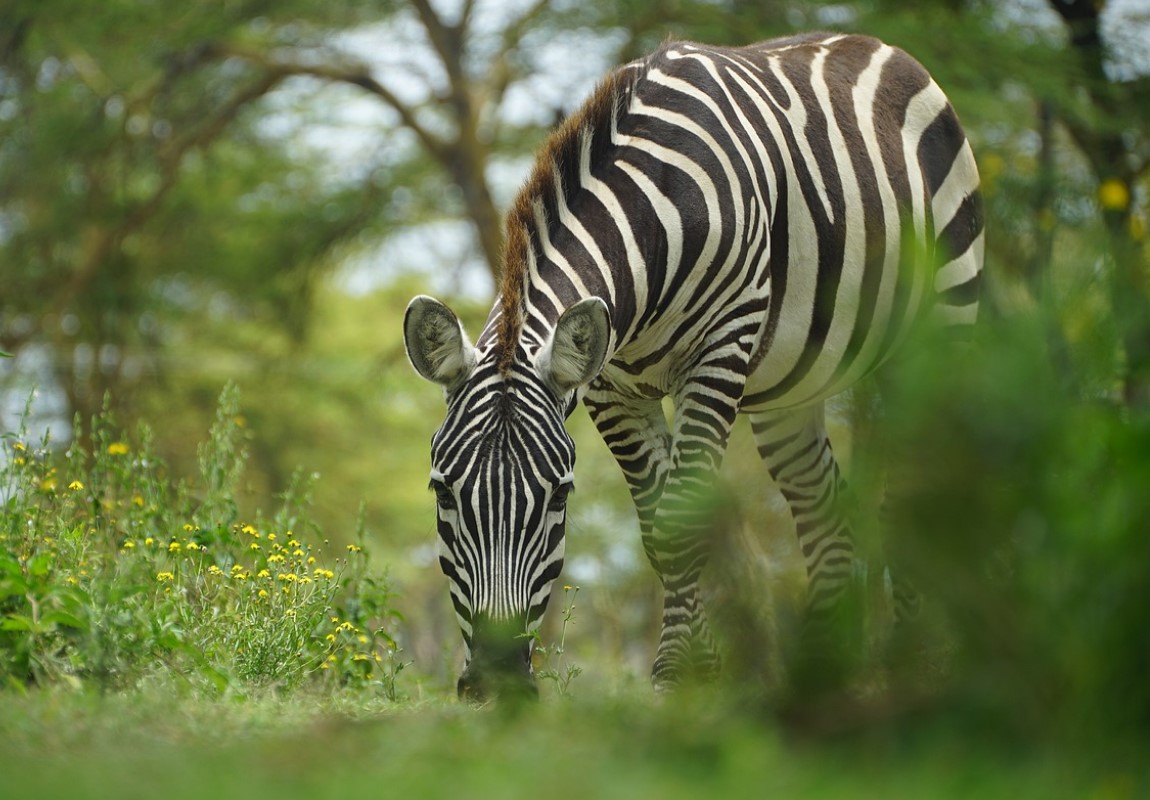
Burchell's zebra, impala, greater kudu, blue wildebeest, waterbuck, warthog, Cape buffalo, giraffe, and hippopotamus are among the ungulates found in South Africa. Black and white rhinoceroses, African elephants, African wild dogs, cheetahs, leopards, lions, and spotted hyenas are also present. Gemsbok, also known as oryx, nyala, bushbuck, and springbok, can be found throughout the country. Mountain Zebra National Park is home to the Cape Mountain Zebra, which is endemic to South Africa. Another endemic to the country is the black wildebeest, which thrives in Karoo reserves, and some dry-country specials can be seen in the Kalahari habitat. Meerkat, gemsbok, springbok, and bat-eared fox are among them.

Best Time for Wildlife Viewing

South Africa can be visited at any time of year, but the best time to see wildlife is during the dry season from May to September. Because water is scarce and animals can be found near waterholes, the end of the Dry season (August-September) is especially rewarding. Early morning and afternoon drives in open vehicles can be very cold in the middle of the Dry season (June-August).

Birds

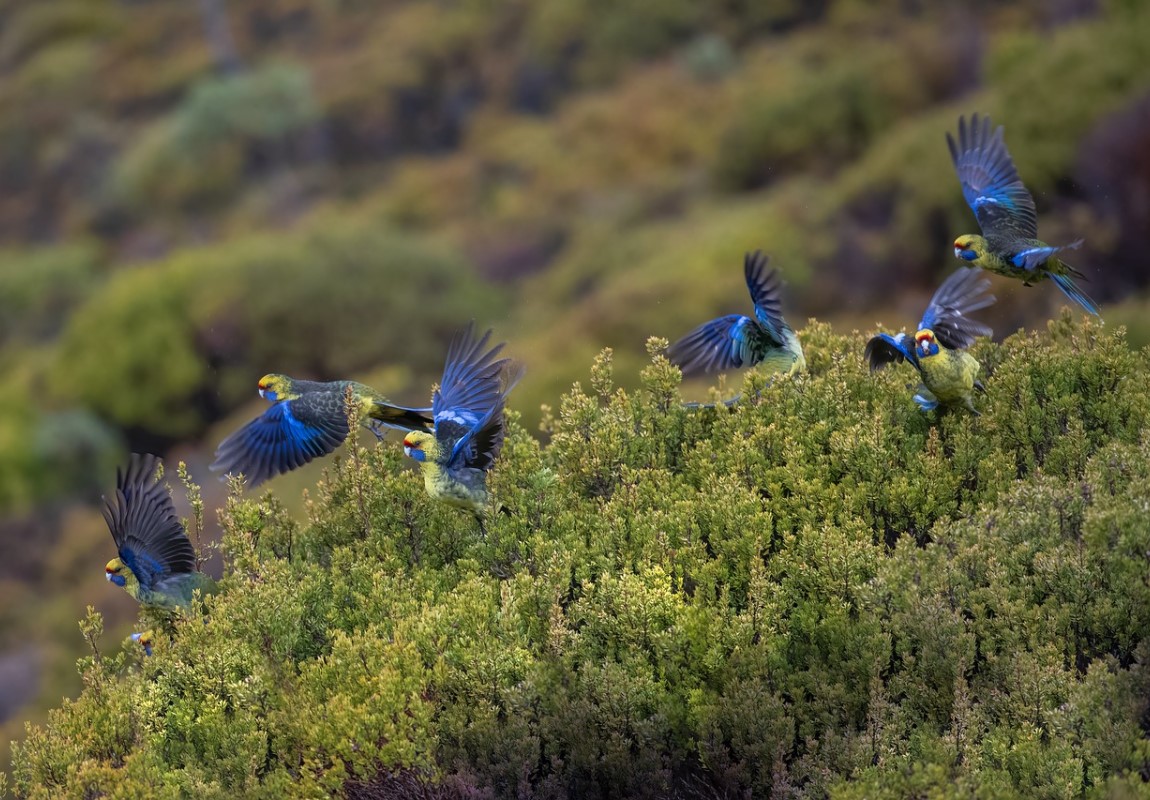
South Africa has the most endemic bird species on the African continent. The sheer variety of flora found in the Cape Floristic Region makes birding in the Cape particularly enjoyable. South Africa is home to a diverse range of resident and migratory species. South Africa and its offshore islands are home to approximately 849 bird species. Of these, 125 are vagrants, and about 30 are endemic to South Africa or the larger South Africa/Lesotho/Eswatini region. The majority of these species are restricted to South Africa's three distinct biomes (large, naturally occurring communities of flora and fauna): grassland, fynbos, and the Karoo. Migratory birds visit from November to April.

Best Time for Wildlife Viewing

South Africa's birdlife is at its peak from November to April, when Eurasian and intra-African migrants are present. Many resident bird species are nesting and breeding plumage at this time of year. However, the dry season is preferable for wildlife viewing.

Activities

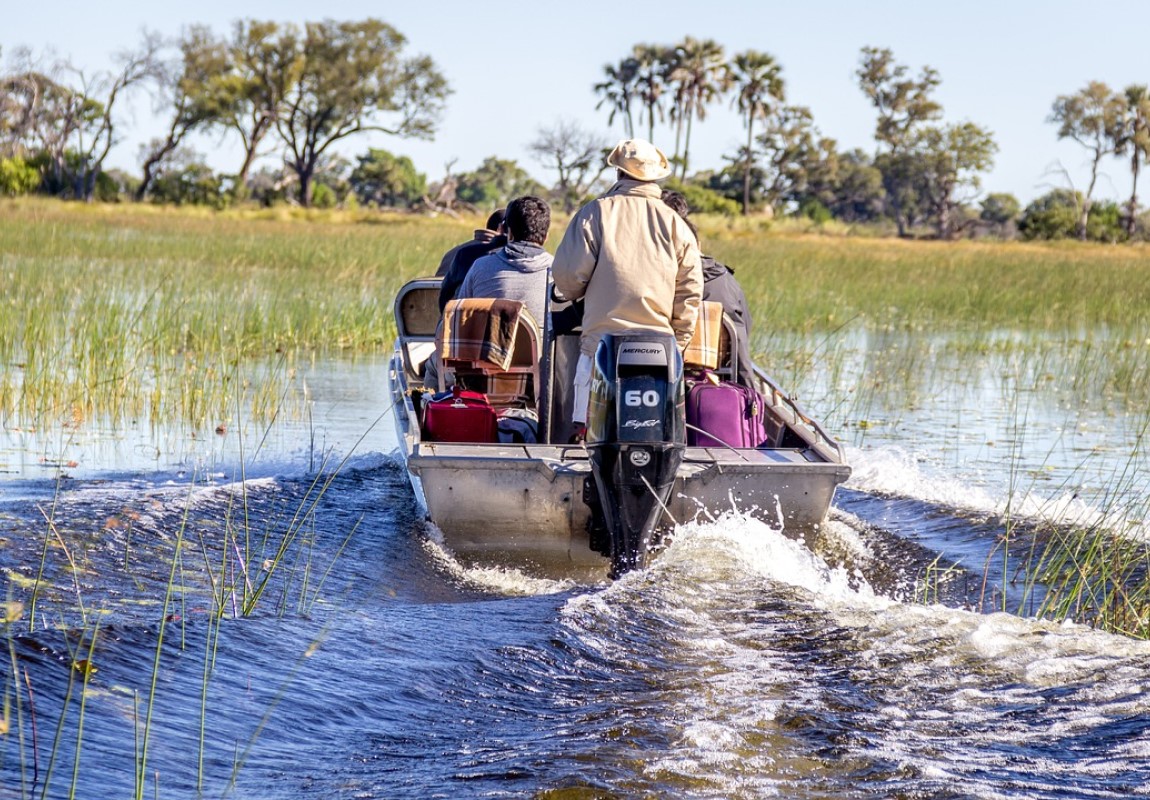
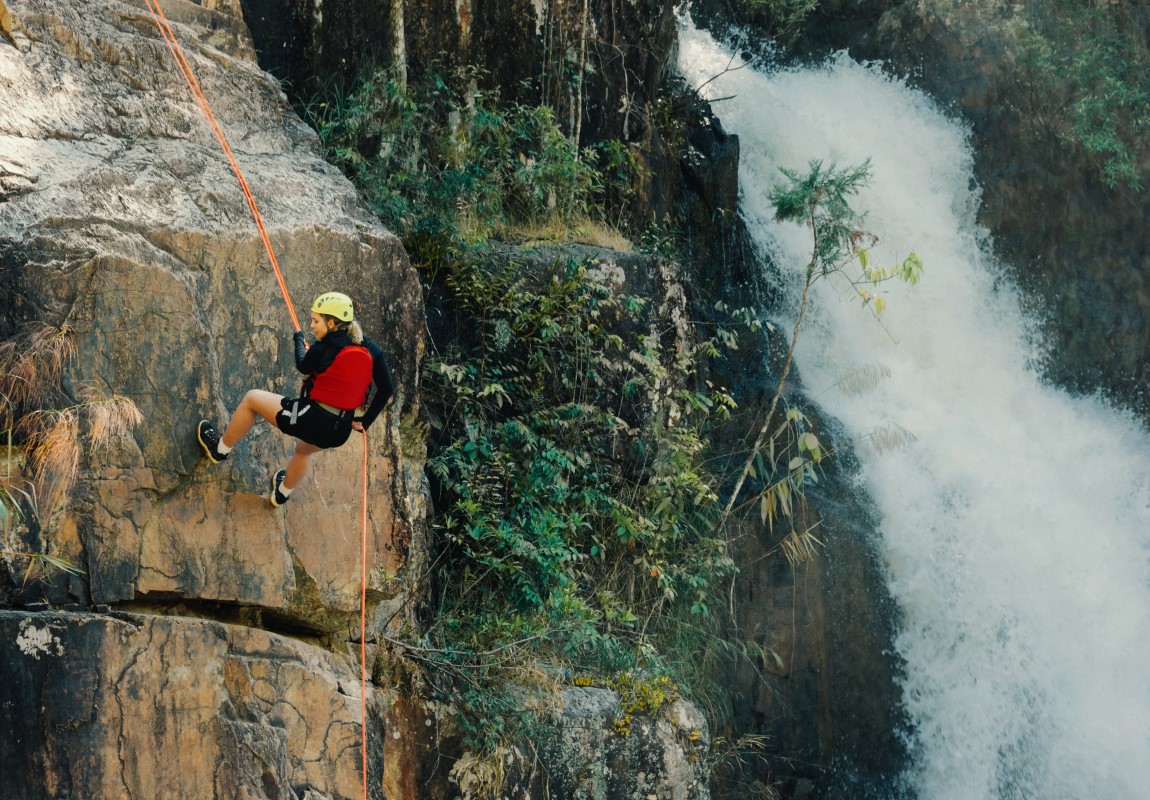
From game drives and walking safaris to cultural encounters and adventure excursions, South Africa offers a wide variety of activities for every type of traveler.

Cuisines

South African cuisine reflects the diverse range of culinary traditions embodied by its various communities. Khoisan people foraged over 300 species of edible food plants, including the rooibos shrub legume, whose culinary value continues to influence South African cuisine. Following encounters with Bantu pastoralists, domestic cattle and cultivated crops supplemented traditional Khoisan meat preservation techniques. A fusion of indigenous and external influences makes up South African cuisine. These include Dutch, French, Indian, and Southeast Asian. They all had an indelible impact on the local cuisine and culture. 
Cooked grains (primarily maize), pumpkin, beans, fermented milk, and roasted or stewed meat dominated the South African diet. South Africans raised sheep and goats, but beef has always been the most highly sought-after meat. 
Ground beef is combined with onions, eggs, garlic, salt, black pepper, butter, herbs, and spices to make a frikkadel. 
Cape Malay curry is made with meat (usually lamb or chicken), garlic, ginger, onions, tomatoes, potatoes, and a variety of spices such as cumin, coriander, turmeric, and masala powder. 
Mala Mogodu: A traditional stew made of beef tripe and intestines, onions, garlic, peppers, tomatoes, herbs, and spices. 
Denningvleis refers to a South African stew made with meat simmered with onions, garlic, tamarind paste, and different spices like cloves, allspice, and bay leaves.

Culture

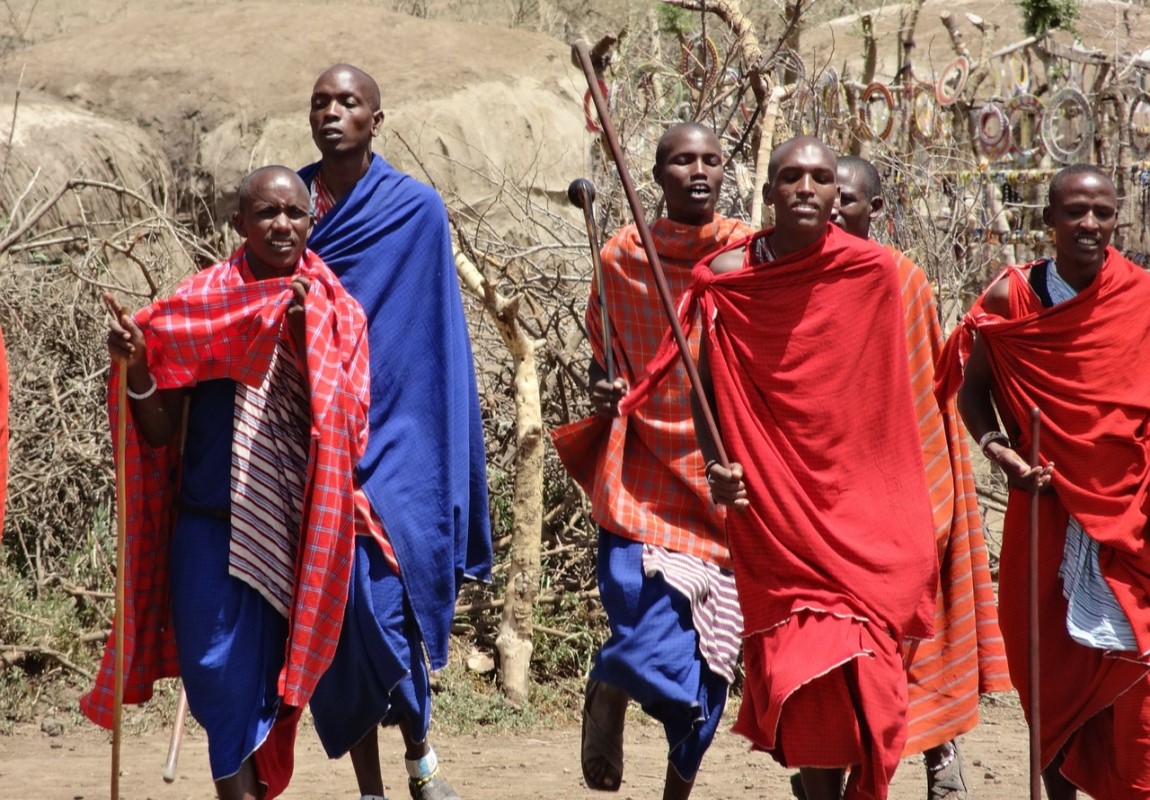
South Africa was once home to a wide range of African tribes and peoples, each with its own language and customs. Because of its many different cultures and religions, South Africa has been designated the "rainbow nation." To name a few, Zulu, Xhosa, Pedi, Tswana, Ndebele, Khoisan, Hindu, Muslim, and Afrikaner people live within South Africa's borders. 
South Africa is the inheritor of a legacy of indigenous livelihoods (most notably, the Khoi and the San), as well as Bantu immigration, slavery, colonisation, settler economies, and liberation movements. 
South Africa has 11 official languages, which means that all of the major languages spoken in the country are recognised. Sepedi, Sesotho, Setswana, siSwati, Tshivenda, Xitsonga, Afrikaans, English, isiNdebele, isiXhosa, and isiZulu are among these languages. 
Many popular South African arts, such as township jazz and pop music, religious choral music, and so-called "traditional" dances performed competitively by mine workers in decidedly unconventional settings, are a fusion of cultural influences.

National Parks & Game Reserves

South Africa is home to some of the most spectacular national parks and game reserves in Africa. From vast savannahs to dense forests, each park offers unique landscapes, diverse wildlife, and unforgettable safari experiences. Whether you’re searching for the Big Five or hidden natural wonders, South Africa has something for every safari enthusiast.

Balule Nature Reserve

Balule Nature Reserve is a privately managed conservation area forming part of the Greater Kruger...

Tembe Elephant Park

Tembe Elephant Park is a protected wildlife reserve located in northern KwaZulu-Natal, near the b...

Manyeleti Game Reserve

Manyeleti Game Reserve is a privately managed conservation area located between Kruger National P...

Weenen Game Reserve

Weenen Game Reserve is a scenic protected area located in the rolling thornveld and river valleys...

Zulu Nyala Private Game Reserve

Zulu Nyala Private Game Reserve is a well-known private safari reserve located in KwaZulu-Natal, ...

Shamwari Private Game Reserve

Shamwari Private Game Reserve is one of South Africa’s most celebrated private conservation are...

Panorama Route

The Panorama Route is one of South Africa’s most celebrated scenic journeys, running through th...

Amakhala Game Reserve

Amakhala Game Reserve is a private conservation area located in the Eastern Cape of South Africa,...

Phinda Private Game Reserve

Phinda Private Game Reserve is a renowned private conservation area located in northern KwaZulu-N...

Ulusaba Private Game Reserve

Ulusaba Private Game Reserve is an exclusive luxury safari destination located in the western sec...

Tankwa Karoo National Park

Tankwa Karoo National Park is one of South Africa’s most remote and starkly beautiful protected...

uMkhuze Private Game Reserve

uMkhuze Private Game Reserve is a renowned conservation area in northern KwaZulu-Natal, forming p...

Table Mountain National Park

Table Mountain National Park is one of South Africa’s most iconic protected areas, stretching a...

Idube Private Game Reserve

Idube Private Game Reserve is an intimate and well-established safari reserve located within the ...

Kapama Private Game Reserve

Kapama Private Game Reserve is one of South Africa’s largest and most prestigious private game ...

Mala Mala Private Game Reserve

Mala Mala Private Game Reserve is one of South Africa’s most iconic and prestigious safari dest...

Djuma Private Game Reserve

Djuma Private Game Reserve is a renowned safari destination located in the heart of the Sabi Sand...

Ithala Game Reserve

Ithala Game Reserve is a scenic conservation area located in northern KwaZulu-Natal, South Africa...

Timbavati Game Reserve

Timbavati Game Reserve is a vast and ecologically important private reserve located on the wester...

Waterberg Biosphere Reserve

The Waterberg Biosphere Reserve is a vast and ecologically diverse region located in Limpopo Prov...

Kwandwe Private Game Reserve

Kwandwe Private Game Reserve is a premier safari destination located in South Africa’s Eastern ...

Dulini Private Game Reserve

Dulini Private Game Reserve is an exclusive safari reserve located within the western sector of t...

Londolozi Private Game Reserve

Londolozi Private Game Reserve is one of South Africa’s most celebrated safari destinations, lo...

Sabi Sabi Game Reserve

Sabi Sabi Game Reserve is a world-renowned private safari reserve located within the iconic Sabi ...

Spioenkop Nature Reserve

Spioenkop Nature Reserve is a scenic and historically significant protected area located in the K...

Thornybush Private Game Reserve

Thornybush Private Game Reserve is one of South Africa’s most respected and luxurious private safa...

Lion Sands Private Game Reserve

Lion Sands Private Game Reserve is a prestigious safari destination located in the southern part ...

Singita Private Game Reserve

Singita Private Game Reserve is one of Africa’s most prestigious and conservation-driven safari...

Pilanesberg National Park

Pilanesberg National Park is one of South Africa’s most accessible and geologically fascinating...

Makalali Private Game Reserve

Makalali Private Game Reserve is a private wildlife reserve located in the Limpopo Province of So...

Inyati Private Game Reserve

Inyati Private Game Reserve is a well-established luxury safari reserve located in the western se...

Cape Town

Cape Town is a vibrant coastal city located in the Western Cape Province of South Africa, and whi...

Mbombela

Mbombela is a city in the Mpumalanga province of South Africa that is surrounded by natural beaut...

Johannesburg

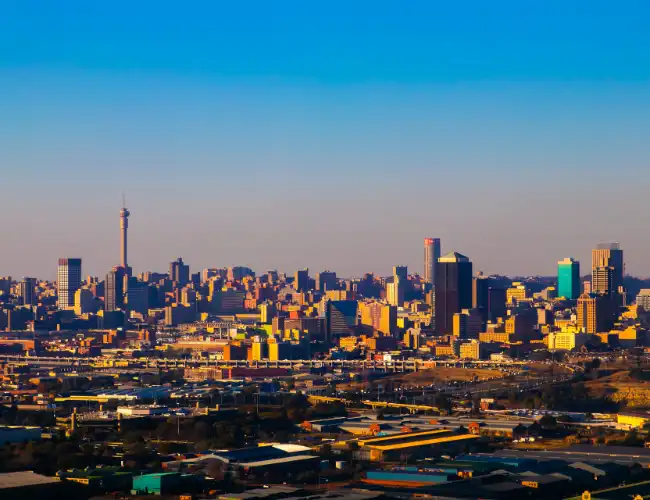
Johannesburg, also known as Joburg, is the largest city in South Africa and a hub for business, c...

Hazyview

Hazyview is a town located in the Mpumalanga Province of South Africa and is situated near the Kr...

Hoedspruit

Hoedspruit is a small town located in the Limpopo Province of South Africa, and it is a gateway t...

Showing 1-0 of 0 reviews
Recently Added
5 Stars Only
4 Stars and above
3 Stars and above

No reviews yet for this destination. Be the first to share your experience !

Safety & Security

In our opinion, South Africa is a safe nation to visit. This is especially true if your stay is largely for an organised safari or tour. Every year, more than 10 million tourists visit South Africa, and the vast majority of them have a pleasant experience. South Africa, on the other hand, has a high level of both petty and violent crime. The majority of crime occurs in major cities such as Johannesburg and Durban, although most problems may be prevented by using basic safety precautions.

Please see the links below for travel advice on South Africa Safari Trips:

General Safety Tips

  • Keep valuables secure and avoid displaying expensive items
  • Stay alert in crowded areas and tourist hotspots
  • Use registered tour operators and licensed guides
  • Follow local customs and respect cultural sensitivities
  • Keep copies of important documents in a safe place

Safari Safety

  • Always follow your guide's instructions during game drives
  • Stay inside your vehicle unless instructed otherwise
  • Keep noise levels low to avoid startling wildlife
  • Never approach or feed wild animals
  • Carry essential medications and first aid supplies

Health & Medical

Before traveling to South Africa, consult with your healthcare provider about recommended vaccinations and health precautions. Common recommendations include malaria prophylaxis, hepatitis A and B vaccines, and routine immunizations. Carry any necessary medications and consider travel insurance that covers medical emergencies.

Getting There

The southern African air transport hub is O.R. Tambo International Airport (JNB) in Johannesburg. The majority of subsequent travel is by car. Some people choose self-drive because of South Africa's excellent roads and facilities. In most cases, your local tour operator will arrange airport pickup and additional transportation as part of your tour package. Other international airports are located in Cape Town and Durban, but there are few direct flights from Europe or America to either destination.

Travel Requirements

  • All foreign visitors must have a passport that is valid for at least six months.
  • All foreign visitors must have a return or onward ticket.
  • Most citizens do not require a visa and will be issued a 90-day entry permit upon arrival.
  • Additional documents may be required if you are travelling with minors who are accompanied by only one or no biological parents. For more information, contact your local embassy or visit the official website.

Domestic Transportation

Domestic flights are regularly scheduled throughout the country, and charter flights to and from safari camps are available. Several domestic airlines fly to Kruger Mpumalanga International Airport (MQP) near Kruger National Park, as well as Skukuza Airport within the park. Federal Airlines has flights to several upscale safari destinations scheduled.

Domestic flights are available with the following airlines: 

The best time to visit South Africa for safari depends on the region and your interests. For Kruger National Park and private reserves (Sabi Sands, Timbavati), the dry winter season from May to September offers excellent wildlife viewing as vegetation is sparse and animals congregate around water sources. June to August brings cool to cold temperatures (5-25°C/41-77°F) with crisp mornings perfect for game drives. September to October is peak season with hot weather and concentrated wildlife. Summer (November to March) brings afternoon thunderstorms, lush landscapes, newborn animals, migratory birds, and lower prices, though vegetation is dense making wildlife harder to spot. For Cape Town and Western Cape, summer (November-March) offers perfect weather for beaches, wine regions, and outdoor activities with temperatures 20-30°C/68-86°F. Cape winter (June-August) brings rain but is ideal for whale watching in Hermanus (July-November). Garden Route is pleasant year-round. Addo Elephant Park is excellent year-round. South Africa offers diverse experiences across regions, making it a year-round destination with seasonal advantages depending on your focus.
South Africa safari costs vary widely from budget-friendly to ultra-luxury options. Budget camping safaris and self-drive options start from $100-200 per person per day including basic accommodation and park fees. Mid-range lodge safaris in Kruger or private reserves cost $300-600 per person per day. Luxury safaris in private game reserves (Sabi Sands, Timbavati, Madikwe) range from $600-1,200 per person per day. Ultra-luxury properties like Singita, andBeyond, and Royal Malewane cost $1,500-3,000+ per person per night. A typical 7-day South Africa safari combining Kruger/Sabi Sands with Cape Town costs $3,000-12,000 per person depending on accommodation level. Self-drive safaris in Kruger National Park offer excellent value: park entry fees ($25-40 per day), rest camp accommodation ($50-150 per night), and vehicle rental ($40-80 per day). Private reserves offer all-inclusive experiences with exceptional guiding, two game drives daily, meals, premium drinks, and exclusive wildlife viewing. Cape Town hotels range from $50-500+ per night. South Africa provides exceptional value compared to East Africa with world-class accommodation, infrastructure, and diverse experiences beyond safaris including wine regions, Garden Route, and cultural attractions.
Visa requirements for South Africa vary by nationality. Citizens of the United States, United Kingdom, European Union countries, Australia, New Zealand, Canada, Japan, and many other countries receive visa-free entry for tourist visits up to 90 days. Upon arrival at airports or land borders, you receive a free entry stamp valid for 90 days. Citizens of countries requiring visas must apply at South African embassies or consulates before travel - e-visa systems are not available for South Africa. Your passport must be valid for at least 30 days beyond your intended departure date and have at least two blank pages (preferably more if visiting multiple countries). South Africa is strict about passport requirements - insufficient blank pages can result in denied boarding or entry. Children traveling require unabridged birth certificates and additional documentation - check specific requirements. If transiting through South Africa to other countries, you may need transit visas depending on nationality and layover duration. Yellow fever vaccination certificate is required if arriving from or transiting through yellow fever endemic countries. Always verify current visa requirements well before travel as policies can change and application processes may take weeks.
Yellow fever vaccination is required only if arriving from yellow fever endemic countries - your certificate will be checked at entry. South Africa itself is not a yellow fever risk area. No other vaccinations are legally required for entry. However, strongly recommended vaccinations include Hepatitis A and B, Typhoid, Tetanus, and Rabies (if visiting remote areas or working with animals). Malaria prophylaxis is recommended for specific regions: northeastern Kruger National Park (particularly lowveld areas bordering Mozambique and Zimbabwe), northern KwaZulu-Natal including iSimangaliso Wetland Park, and Limpopo Province lowveld areas - particularly during summer wet season (November-April). Southern and western Kruger, Sabi Sands southern sections, Cape Town, Garden Route, Johannesburg, and most of South Africa are malaria-free or very low risk. Consult a travel medicine specialist 6-8 weeks before departure. South Africa has excellent medical facilities in major cities (Johannesburg, Cape Town, Durban) with world-class hospitals and healthcare comparable to developed countries. Private hospitals offer superior service. Medical insurance is essential as healthcare is expensive. Bring adequate supplies of personal medications. Tap water is safe to drink in major cities and most tourist areas.
South Africa has areas of exceptional beauty and tourism infrastructure but also faces crime challenges requiring awareness and precautions. Tourist areas, safari lodges, and organized tours are generally safe with good security. However, South Africa has relatively high crime rates, particularly in cities. Safety guidelines: In cities (Johannesburg, Cape Town, Durban) avoid walking alone especially at night, use registered taxis or Uber rather than public transport, don't display valuables (jewelry, expensive cameras), stay in well-established tourist areas, and avoid townships without organized tours. Car safety: keep doors locked and windows up, don't leave valuables visible in vehicles, park in secure lots, and be alert at traffic lights. Safari areas (Kruger, private reserves) are very safe with professional guides, lodge security, and low crime. Follow wildlife safety instructions. Cape Town tourist areas (V&A Waterfront, Table Mountain, wine regions) are generally safe during day. Garden Route is safe and family-friendly. Townships tours should only be done with reputable guides. Crime is generally opportunistic rather than violent toward tourists. Use common sense, stay alert, follow local advice, and don't take unnecessary risks. Millions visit South Africa safely annually enjoying incredible experiences. Reputable tour operators, lodges, and guides prioritize guest safety.
South Africa offers exceptional wildlife diversity, particularly in Kruger National Park and private reserves. The Big Five are reliably present: lions (healthy populations throughout Kruger and private reserves), leopards (excellent viewing particularly in Sabi Sands which has one of Africa's highest leopard densities), elephants (large populations especially in northern Kruger), buffalos (massive herds throughout), and rhinos (both black and white rhinos with South Africa hosting majority of world's rhino populations). Kruger hosts 147 mammal species including wild dogs (endangered but present), cheetahs, hyenas, giraffes, zebras, hippos, crocodiles, and diverse antelope species (impala, kudu, waterbuck, nyala, bushbuck, eland, sable, roan). Private reserves like Sabi Sands offer exceptional Big Five viewing with habituated animals allowing closer encounters. Addo Elephant National Park specializes in elephants with over 600 individuals plus lions, buffalos, and black rhinos. Hluhluwe-iMfolozi has excellent rhino populations. Pilanesberg offers Big Five near Johannesburg. Kgalagadi Transfrontier Park features desert-adapted lions with black manes, cheetahs, and gemsbok. South Africa has over 860 bird species. Marine wildlife includes great white sharks (cage diving), whales (southern right whales June-November), penguins (Boulders Beach), and dolphins. Wildlife viewing success is high year-round with professional guides in private reserves ensuring exceptional experiences.
Kruger National Park and private game reserves offer different safari experiences with distinct advantages. Kruger National Park (19,485 km²): South Africa's largest and most famous park, government-run with self-drive options, affordable accommodation (rest camps $50-200 per night), excellent wildlife diversity, extensive road network allowing flexibility, day visitors allowed, restricted to designated roads only (no off-road driving), limited to 2 game drives daily if staying in park, larger vehicles with more passengers, and regulations include speed limits and strict schedules. Private Game Reserves (Sabi Sands, Timbavati, Klaserie, others): unfenced areas bordering Kruger allowing animals to move freely between parks, exclusive lodges with all-inclusive packages ($600-3,000+ per night), exceptional guiding with highly trained rangers, off-road driving permitted to follow animals through bush, unlimited game drives (typically 2 daily plus optional extras), night drives allowed revealing nocturnal species, walking safaris available, smaller vehicles (6-9 guests maximum), more personalized experiences, habituated animals allowing closer viewing, particularly leopards, sundowner drinks in bush, and luxury amenities. Best choice depends on budget, experience level, and preferences. Kruger offers authentic self-drive adventure and excellent value. Private reserves provide exclusive, guided luxury experiences with superior wildlife viewing, particularly for Big Five and leopards. Many visitors combine both: Kruger for adventure and private reserves for pampering.
Packing for South Africa requires consideration of diverse climates, safari activities, and city visits. Safari essentials: neutral-colored clothing (khaki, olive, beige, brown) in lightweight breathable fabrics, long-sleeved shirts and long pants (sun protection, insects, and thorny vegetation), warm fleece or down jacket for cold winter mornings (May-August can be 5-15°C/41-59°F), wide-brimmed hat, sunglasses, and SPF 50+ sunscreen. Footwear: comfortable walking shoes or lightweight boots for walking safaris, sandals for lodges, closed-toe shoes for game drives. Cape Town and cities: casual smart clothing for restaurants and wine estates, swimwear for beaches, light jacket for evenings, comfortable walking shoes. Photography equipment: camera with telephoto lens (200-400mm ideal for safari), spare batteries and memory cards, wide-angle lens for landscapes, and camera bag. Other essentials: insect repellent with DEET (only for malaria areas), binoculars (essential for wildlife viewing), personal first-aid kit and medications, reusable water bottle, and daypack. Wine country: smart casual for wine tastings and upscale restaurants. Garden Route: outdoor clothing for hiking and activities. Seasonal considerations: winter (June-August) requires warm layers for early morning game drives including beanie and gloves. Summer (December-February) needs rain jacket and light clothing. Most luxury lodges provide laundry service. South Africa has excellent shopping if you forget items.
South Africa has no single "best" safari destination as each offers unique experiences. Kruger National Park is South Africa's flagship park and most famous destination offering diverse wildlife including Big Five, excellent infrastructure, self-drive flexibility, varied accommodation from camping to luxury, and reliable wildlife viewing year-round. Best for: first-time safari-goers, self-drivers, families, budget travelers, and those wanting extensive exploring. Sabi Sands Private Game Reserve adjoining Kruger offers Africa's best leopard viewing, exceptional Big Five sightings, luxury lodges with world-class guiding, off-road driving, night drives, and exclusive experiences. Best for: luxury safari-goers, photographers, guaranteed Big Five viewing, special occasions. Madikwe Game Reserve in North West Province is malaria-free, Big Five present, excellent for families with children (many lodges accept young kids), and reasonable accessibility from Johannesburg (3.5 hours). Tswalu Kalahari Reserve offers desert wildlife including black-maned Kalahari lions, meerkats, exclusive wilderness, and intimate camps - ultimate luxury in remote location. Addo Elephant National Park specializes in elephants (600+) plus Big Five, malaria-free, and family-friendly near Port Elizabeth. Pilanesberg offers Big Five near Johannesburg (2 hours) making it ideal for short trips. Most itineraries combine safari (Kruger/Sabi Sands/private reserves) with Cape Town (city, wine, coast) for comprehensive South African experiences.
South Africa safari duration depends on your interests and whether combining with other regions. For safari only: minimum 3-4 days in Kruger or private reserves provides good wildlife experiences with multiple game drives. Ideal safari duration is 5-7 days allowing comprehensive wildlife viewing, different areas of parks, and relaxed pacing without feeling rushed. For comprehensive South Africa trip: 10-14 days enables combining safari with other highlights. Typical itinerary: Kruger/Sabi Sands (4-5 days safari), Cape Town (3-4 days for city, Table Mountain, Cape Point, wine regions), optional Garden Route or whale watching (2-3 days). Ultimate 14-21 days covers safari, Cape Town, wine regions (Stellenbosch, Franschhoek), Garden Route (Knysna, Plettenberg Bay), and additional activities like shark cage diving or Drakensberg Mountains. Self-drive Kruger safaris: minimum 4-5 days allows exploring different regions (southern, central, northern sections each offer distinct ecosystems). Private reserve stays: 3-4 nights per lodge is ideal for settling in, multiple game drives, and maximizing wildlife encounters. Consider that Kruger is massive - driving between regions takes hours, so more days allow comprehensive exploration. South Africa offers exceptional diversity beyond safaris - wine regions, beaches, mountains, cities - making 14+ days rewarding for experiencing the country's full spectrum. Many visitors return multiple times to explore different regions.
Yes, Kruger National Park is one of Africa's best destinations for self-drive safaris offering freedom, flexibility, and excellent value. Requirements: valid driver's license (international license recommended), suitable rental vehicle (sedan acceptable on main roads but 4WD/SUV recommended for comfort and ground clearance), park entry permit purchased at gates or online ($25-40 per person per day), and rest camp accommodation bookings (essential during peak season). What to expect: well-maintained tar and gravel roads totaling 2,500km, excellent maps and guidebooks available, clear signage throughout park, speed limits (50km/h on tar, 40km/h on gravel, 20km/h in camps), designated roads only (no off-roading), 12 main rest camps plus satellite camps with accommodation, restaurants, shops, and fuel, and wildlife viewing from your vehicle (staying inside vehicle is mandatory except at designated spots). Tips for success: arrive early (gates open at sunrise) as animals are most active early morning and late afternoon, drive slowly scanning vegetation and water sources, download wildlife tracking apps, bring binoculars and field guides, pack snacks and water, follow park rules strictly, and be patient - wildlife sightings require time and luck. Self-drive limitations: no off-road driving (missing animals just off roads), no night drives (gates close at sunset), less expert guidance compared to guided safaris, and you may miss animal behaviors or tracks that guides would spot. Best experience: combine self-drive Kruger (3-4 days) with private reserve guided experience (2-3 days) for balanced adventure and luxury.
South Africa offers the most diverse safari accommodation range in Africa, from budget camping to ultra-luxury lodges. Budget options: Kruger rest camps ($50-150 per night) with self-catering chalets, communal kitchens, and basic amenities; camping sites ($20-40 per night); backpacker lodges near parks. Mid-range: comfortable lodges and tented camps ($200-400 per person per night) with en-suite bathrooms, good meals, swimming pools, and guided game drives - excellent value and quality. Luxury: upscale lodges in private reserves ($600-1,200 per person per night) with spacious suites, gourmet cuisine, premium wines, exceptional service, spa facilities, and expert guides. Ultra-luxury: iconic properties like Singita ($1,500-4,000+ per person per night), andBeyond, Londolozi, Royal Malewane with world-class design, private plunge pools, butler service, award-winning cuisine, wine cellars, and bespoke experiences. Private reserves offer all-inclusive experiences (meals, drinks, game drives, walking safaris). Kruger rest camps offer self-catering or restaurant options with various room types from basic huts to luxury guesthouses. Treehouse accommodations: unique platforms in private reserves for sleeping under stars. Family accommodations: many lodges offer family suites, private guides, and child-friendly programs. Malaria-free reserves like Madikwe have excellent family-friendly lodges. South Africa's accommodation standards are world-class with exceptional service, design, and attention to detail across all price categories.
Yes, comprehensive travel insurance is strongly recommended for South Africa though less critical than remote African destinations due to excellent medical infrastructure. Ensure coverage includes: medical emergencies and treatment (South Africa has world-class private hospitals but healthcare is expensive - costs can reach $500-2,000+ per day for hospital stays), trip cancellation and interruption (protect safari deposits and pre-paid accommodations), lost or delayed baggage, rental vehicle excess coverage, and activities including game drives, walking safaris, shark cage diving, adventure sports, and scenic flights. South Africa-specific considerations: crime-related incidents (theft, mugging) - ensure policy covers personal belongings and emergency assistance. Medical facilities in major cities (Johannesburg, Cape Town, Durban) are excellent, but costs are high without insurance. Private hospitals require proof of insurance or payment upfront. Remote areas have limited medical services. Adventure activities: cage diving with great white sharks, bungee jumping, paragliding, and other adventure sports may require specific coverage. Rental vehicle insurance: comprehensive coverage recommended due to road conditions and driving risks. Many safari lodges and operators don't require insurance proof but it's essential for financial protection. Medical evacuation coverage is less critical than East Africa due to nearby advanced facilities. Purchase insurance immediately after booking to maximize benefits. Recommended insurers include World Nomads, Allianz, and travel insurance specialists offering South Africa coverage.
South Africa's official currency is the South African Rand (ZAR), with exchange rates typically around 15-19 ZAR to 1 USD. The Rand is divided into 100 cents. Currency is stable and widely available. US dollars, British pounds, and euros can be exchanged at banks, airports, and forex bureaus but Rand is needed for most transactions. Credit cards (Visa and Mastercard) are widely accepted in cities, lodges, restaurants, shops, and tourist areas - South Africa has excellent banking infrastructure. ATMs are abundant in cities and towns with reliable availability and reasonable fees. Contact your bank about international fees. Mobile payments and contactless cards are common. Tipping culture: restaurants 10-15%, safari guides $10-20 per person per day, lodge staff $10-15 per person per day, petrol attendants R5-10, porters R5-10 per bag, tour guides 10%. Many safari lodges accept credit cards or USD but verify beforehand. Budget cash needs: approximately R500-1,000 ($30-60) daily for incidentals, tips, markets, and small purchases. Cape Town, Johannesburg, and tourist areas have competitive exchange rates at forex bureaus (better than airports). Kruger rest camps accept cards but have limited banking facilities - carry sufficient cash. South Africa's developed economy makes banking and payments easy and secure with fraud protection systems, though inform your bank of travel dates to avoid card blocks.
Yes, South Africa is one of Africa's most family-friendly safari destinations with accommodations and parks welcoming children of all ages. Many lodges accept children from birth, some have minimum ages (6-12 years), and few are adults-only - always verify policies. Family-friendly features: malaria-free reserves (Madikwe, Pilanesberg, Eastern Cape reserves) eliminating health concerns, private lodges offering family suites and interconnecting rooms, children's programs including junior ranger activities, child-friendly meal options, swimming pools and playgrounds, flexible game drive schedules, private vehicle options allowing flexibility for young children, and experienced guides skilled at engaging children. Age considerations: walking safaris typically require minimum age 12-16 years. Game drives in vehicles welcome all ages. Private vehicles recommended for families with young children (under 6) for flexibility and bathroom needs. Many lodges offer babysitting services. Kruger self-drive safaris are excellent for families offering flexibility, rest camp facilities with playgrounds and swimming pools, affordable family accommodations, restaurant options, and ability to take breaks as needed. Activities beyond game drives: swimming, guided bush walks (age-appropriate), wildlife tracking, stargazing, and cultural experiences. Safety: South African lodges prioritize child safety with fenced areas where appropriate, swimming pool supervision, and child-proofed accommodations. Teenagers particularly enjoy the adventure, wildlife encounters, and photography opportunities. South Africa's combination of wildlife, beaches, and attractions makes it ideal for multi-generational family safaris.
Tipping is customary in South Africa's tourism industry, though less formalized than East Africa. Recommended guidelines: Safari guides/rangers: R150-250 ($10-20) per person per day for excellent service - guides at luxury lodges expect higher amounts. Safari trackers: R100-150 ($7-12) per person per day. Lodge staff: R150-200 ($10-15) per person per day (placed in communal tip box distributed among housekeepers, chefs, waiters, maintenance, management). Private guides: R200-300 ($15-20) per person per day. Walking safari guides: R200-250 per person per day given specialized skills. Restaurant servers: 10-15% of bill (sometimes included as service charge - check bill). Tour guides: 10% of tour cost or R150-200 for day tours. Taxi/Uber drivers: round up or add 10%. Petrol attendants: R5-10 (they pump gas and clean windscreens). Hotel porters: R10-20 per bag. Tips can be given in South African Rand (preferred) or US dollars. Most lodges provide envelopes for guide tips and communal tip boxes with suggested amounts. Credit card tipping is accepted at some restaurants and lodges. For multi-day safaris, factor R1,500-2,500 ($100-150) total per person for all tipping. South African service industry relies partially on tips, though base wages are generally higher than elsewhere in Africa. Tip according to service quality - exceptional guides deserve generous recognition for enhancing your experience.
South Africa has diverse climates across regions due to its size and geographical variations. Kruger and Lowveld: Summer (November-March) is hot and humid (25-35°C/77-95°F) with afternoon thunderstorms, lush vegetation, and wet conditions. Winter (May-September) offers cool to cold mornings (5-15°C/41-59°F) warming to pleasant days (20-27°C/68-81°F), dry conditions, and excellent wildlife viewing. Cape Town and Western Cape: Mediterranean climate with hot, dry summers (December-February, 20-30°C/68-86°F) ideal for beaches and outdoor activities. Winter (June-August) brings rain, cooler temperatures (10-18°C/50-64°F), and occasional strong winds. Best weather September-April. Garden Route: Temperate year-round (15-25°C/59-77°F) with rain distributed throughout year - pleasant for most activities anytime. KwaZulu-Natal Coast: Subtropical with warm, humid summers and mild winters (15-28°C/59-82°F) - ideal beach weather October-April. Johannesburg and Highveld: Summer brings afternoon thunderstorms (20-30°C/68-86°F). Winter is dry and sunny with cold nights (0-20°C/32-68°F), occasional frost. Drakensberg Mountains: Cool with snow possible in winter peaks. Pack layers for safari: winter game drives require warm clothing including jackets, beanies, and gloves as open vehicles get very cold at dawn. Summer needs rain gear, sun protection, and light clothing. South Africa's weather is generally predictable and pleasant with abundant sunshine year-round in most regions.
South Africa has 11 official languages reflecting its rainbow nation diversity: English, Afrikaans, Zulu, Xhosa, Sotho, Tswana, Pedi, Venda, Tsonga, Swati, and Ndebele. English is the primary language for tourism, business, government, and education, making South Africa extremely accessible for international travelers. English proficiency is excellent in tourist areas, cities, safari lodges, and among guides. Most South Africans speak multiple languages. Afrikaans (derived from Dutch) is widely spoken particularly in Western Cape, Free State, and rural areas - about 13% speak it as first language. Zulu is most widely spoken indigenous language (about 23% of population), particularly in KwaZulu-Natal. Xhosa is second largest (about 16%), predominantly in Eastern Cape - Nelson Mandela was Xhosa. Other African languages are regional: Sotho in Free State, Tswana in North West, Pedi in Limpopo. In tourist areas, English communication is seamless. Safari guides speak excellent English with specialized wildlife knowledge. Cape Town is predominantly English and Afrikaans. Johannesburg is multilingual with English dominant in business. Learning basic Zulu or Afrikaans phrases enhances cultural experiences and delights locals. South African English has unique vocabulary, pronunciation, and expressions influenced by Afrikaans and indigenous languages - "braai" (barbecue), "robot" (traffic light), "lekker" (nice/pleasant). For travelers, widespread English fluency makes South Africa comfortable and accessible.
South Africa has excellent international connectivity and domestic infrastructure. International flights arrive at O.R. Tambo International Airport (JNB) in Johannesburg - Africa's busiest airport serving as primary hub, or Cape Town International Airport (CPT). Major airlines include South African Airways, British Airways, Emirates, Qatar Airways, Turkish Airlines, KLM, Lufthansa, and many others with direct flights from major global cities. Domestic travel: Extensive domestic flight network connects Johannesburg, Cape Town, Durban, Port Elizabeth, and smaller airports including Kruger Mpumalanga International Airport (MQP) near Kruger, Hoedspruit (HDS) for private reserves, and George (GRJ) for Garden Route. Airlines include SAA, FlySafair, Kulula, Lift, and others - flights are affordable ($50-200 depending on route and advance booking). Road travel: Excellent road network with well-maintained highways connecting all major destinations. Rental cars widely available ($30-80 per day) - driving is on the left side. Johannesburg to Kruger (4-5 hours), Cape Town to Garden Route (4-5 hours), Johannesburg to Cape Town (13-14 hours or fly 2 hours). Luxury options: Rovos Rail and Blue Train offer iconic luxury train journeys between cities. Intercity buses: Greyhound, Intercape, and others connect major cities affordably. Self-driving is easy and popular with GPS, good signage, and scenic routes. Most safari itineraries combine flights for long distances and transfers or self-drive for shorter distances. Private transfers and shuttles available from lodges.
South Africa offers extraordinary diversity beyond safaris. Cape Town: Table Mountain (cable car or hike), Cape Point and Cape of Good Hope, V&A Waterfront (shopping, dining, entertainment), Robben Island (Nelson Mandela prison tour), Kirstenbosch Botanical Gardens, colorful Bo-Kaap neighborhood, and stunning beaches (Clifton, Camps Bay). Wine Regions: Stellenbosch, Franschhoek, and Paarl offer world-class wine estates with tastings, gourmet restaurants, beautiful architecture, and Cape Dutch heritage. Garden Route: scenic coastal drive featuring Knysna (lagoon and oysters), Plettenberg Bay (beaches), Tsitsikamma National Park (suspension bridge, forest walks), and charming towns. Wildlife experiences: shark cage diving in Gansbaai, whale watching in Hermanus (southern right whales June-November), penguin colony at Boulders Beach, and Big Five safaris. Adventure activities: bungee jumping at Bloukrans Bridge (world's highest commercial bridge bungee), sandboarding, paragliding, surfing, and hiking. Cultural experiences: Soweto township tours learning apartheid history, Constitutional Court and Apartheid Museum in Johannesburg, Zulu cultural villages, and Freedom Trail sites. Drakensberg Mountains: dramatic peaks, hiking trails, San rock art, and scenic beauty. Panorama Route: Blyde River Canyon (third largest canyon), God's Window, Bourke's Luck Potholes, and waterfalls. iSimangaliso Wetland Park: UNESCO site with hippos, crocodiles, and pristine beaches. South Africa combines wildlife, beaches, mountains, cities, wine, culture, and adventure creating comprehensive destination for diverse interests.
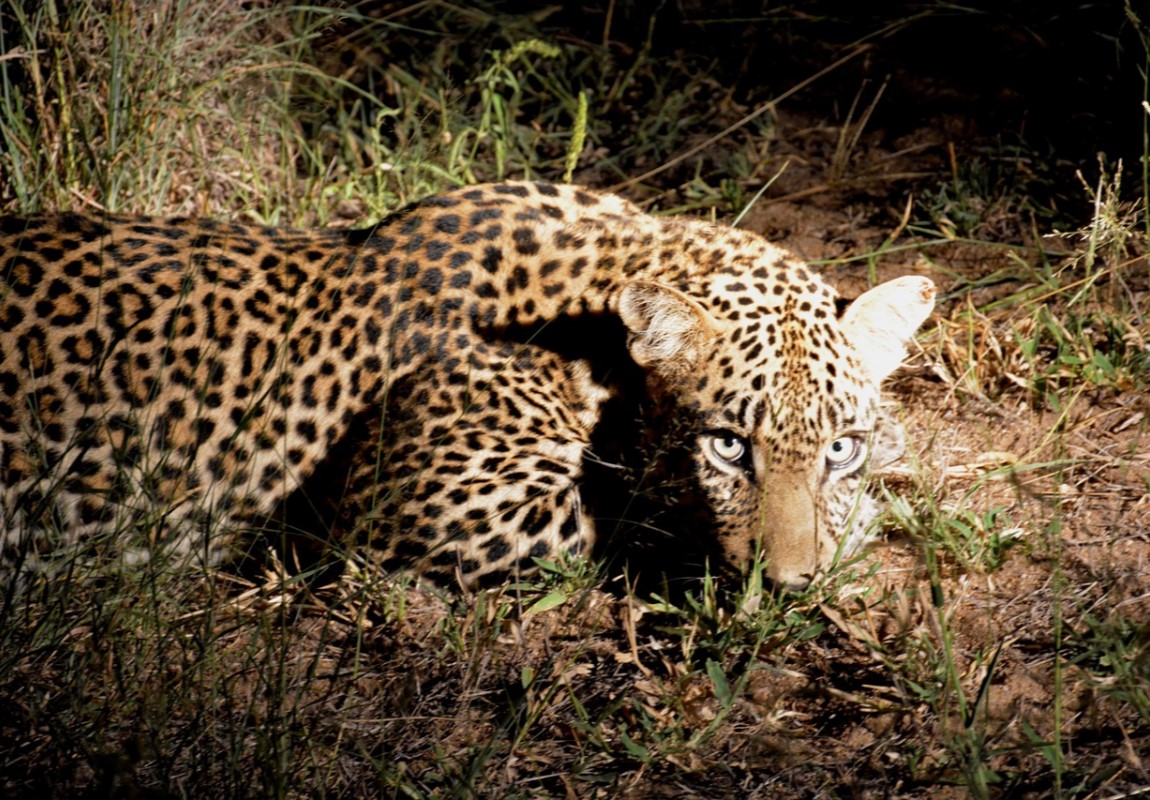
Sabi Sands Private Game Reserve is globally renowned as one of the world's premier safari destinations, particularly famous for exceptional leopard viewing. Located adjacent to Kruger National Park with no fences allowing wildlife to roam freely, Sabi Sands (65,000 hectares) offers exclusive, luxury safari experiences. What makes it special: Leopard capital of the world - Sabi Sands has the highest density of leopards and best leopard sightings globally with multiple habituated individuals allowing close encounters and exceptional photography. Reliable Big Five viewing - virtually guaranteed sightings of lions, leopards, elephants, buffalos, and rhinos with experienced guides who know animal movements and territories. Exceptional guiding - Sabi Sands guides are among Africa's best trained with extensive experience, tracking skills, and wildlife knowledge. Off-road driving - unrestricted off-road access allows following animals through bush for optimal viewing and positioning. Habituated wildlife - animals are accustomed to vehicles allowing closer approaches and natural behavior observation. Night drives - revealing nocturnal species including leopards hunting, civets, genets, and bush babies. Walking safaris - experiencing bush on foot with armed rangers. Luxury lodges - world-class properties including Londolozi, Singita, MalaMala, Lion Sands, and others offering exceptional accommodation, service, cuisine, and amenities. Private reserve exclusivity - limited vehicles per sighting ensuring intimate experiences without crowds. Best time: year-round exceptional, dry season (May-October) optimal for visibility and wildlife concentrations. Sabi Sands represents the pinnacle of African safari experiences combining wildlife abundance, expert guiding, and luxury accommodation.
Yes, South Africa is one of the world's premier destinations for great white shark encounters, offering cage diving experiences. Gansbaai (2 hours from Cape Town) is the "Great White Shark Capital" with highest concentrations particularly at Shark Alley between Dyer Island and Geyser Rock. Season: year-round but peak season is April to September when water temperatures are cooler and shark activity highest. June-August sees most sharks. Cage diving experience: boat trips depart early morning (3-4 hours total), travel to shark areas where crew use chum (fish oil and bait) to attract sharks, divers enter submerged cage wearing wetsuits and breathing through supplied regulators or using hookah systems, and sharks approach cage allowing face-to-face encounters (1-2 meters away). No diving certification required - anyone over 12 years can participate. Surface viewing available for non-divers. Cost: approximately R1,500-2,500 ($100-150) per person including transfers from Cape Town. Safety: cages are secure steel structures, sharks are not baited to attack cages, and experienced crews manage interactions. Controversy: cage diving and chumming has sparked debate about conditioning sharks to associate boats with food. Responsible operators follow strict guidelines. Other shark experiences: Aliwal Shoal and Protea Banks (KwaZulu-Natal) offer shark diving with ragged-tooth sharks, tiger sharks, and bull sharks. Durban has shark nets and drum lines for beach safety. Two Oceans Aquarium in Cape Town features shark exhibits. Great white shark encounters provide thrilling, unforgettable wildlife experiences unique to South Africa.
Zulu is South Africa's most widely spoken indigenous language (about 12 million speakers), and learning basic phrases delights locals even though English is widespread. Here are 10 essential Zulu phrases with pronunciations:

1) Sawubona (sah-woo-BOH-nah) - Hello (singular), Sanibonani (sah-nee-boh-NAH-nee) - Hello (plural)
2) Unjani? (oon-JAH-nee) - How are you?
3) Ngiyaphila (n-gee-yah-PEE-lah) - I am fine
4) Ngiyabonga (n-gee-yah-BOH-ngah) - Thank you
5) Ngiyabonga kakhulu (n-gee-yah-BOH-ngah kah-KOO-loo) - Thank you very much
6) Ngiyacela (n-gee-yah-CEH-lah) - Please
7) Yebo (YEH-boh) - Yes
8) Cha (chah) - No
9) Uxolo (oo-KOH-loh) - Sorry/Excuse me
10) Hamba kahle (HAM-bah KAH-leh) - Go well/Goodbye (to person leaving), Sala kahle (SAH-lah KAH-leh) - Stay well/Goodbye (to person staying)

Bonus phrases: Yebo, yes! (YEH-boh yess) - enthusiastic agreement, Eish (aysh) - expression of surprise or concern. Wildlife words: Ibhubesi (lion), Indlovu (elephant), Ingwe (leopard), Ubhejane (rhino). South Africans appreciate visitors attempting Zulu greetings, especially in KwaZulu-Natal. Your safari guides will happily teach you more phrases and cultural insights!

Change Currency

Loading currencies...

Give your feedback