
 English
 French
Waterberg Biosphere Reserve 
Waterberg Biosphere Reserve - South Africa Wildlife Destination
Starting from
$500PP
Overview
The Waterberg Biosphere Reserve is a vast and ecologically diverse region located in Limpopo Province, South Africa, recognized by UNESCO as a Biosphere Reserve for its outstanding natural and cultural value. Characterized by dramatic sandstone cliffs, rolling plateaus, deep valleys, and bushveld plains, the Waterberg represents one of South Africa’s most important conservation landscapes. The area supports a mosaic of habitats ranging from savanna and woodland to riverine systems, allowing for exceptional biodiversity. It is less crowded than major safari hubs, offering visitors a more exclusive and immersive wilderness experience combined with strong conservation, cultural heritage, and sustainable tourism initiatives.
Pros & Cons
- Unspoiled and less crowded wilderness
- Diverse landscapes and ecosystems
- Excellent Big Five conservation areas
- Strong focus on sustainable tourism
- Large area requires time to explore fully
- Wildlife sightings can be spread out
- Limited public-access areas compared to national parks
Map in South Africa

Want to Visit Waterberg Biosphere Reserve?


Want to Visit Waterberg Biosphere Reserve?
Wildlife & Animals
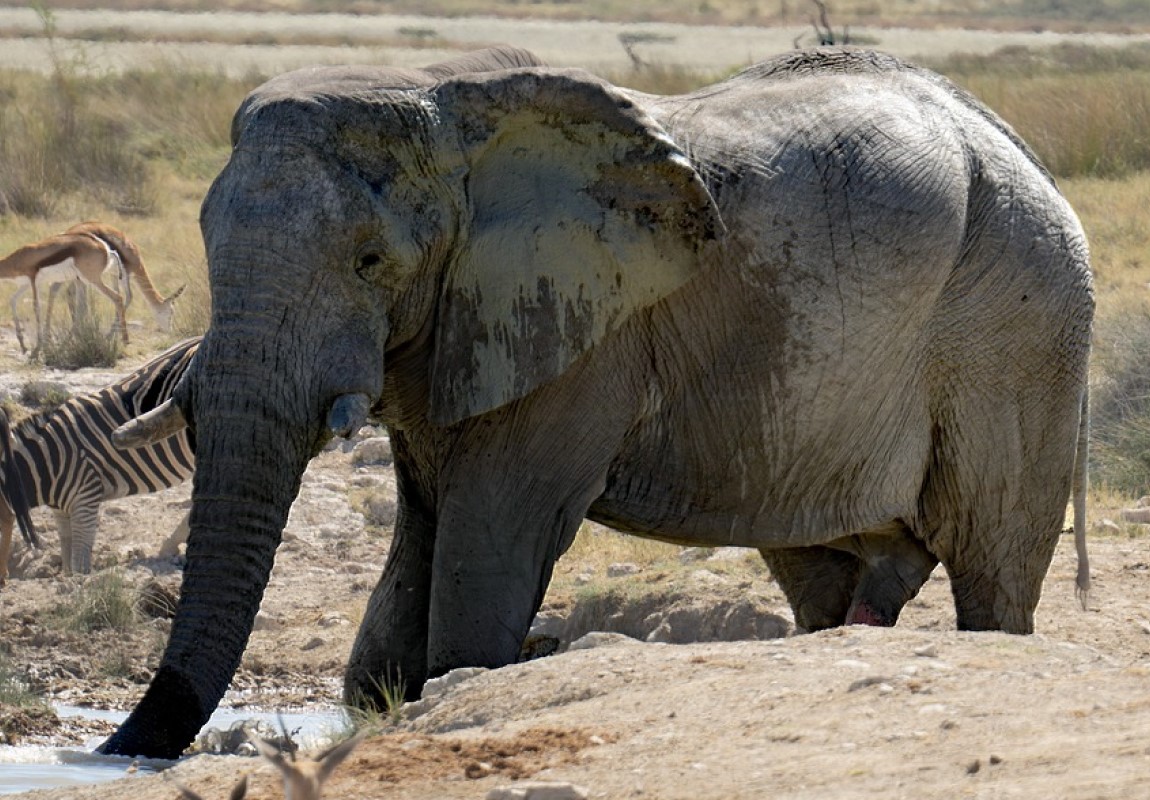
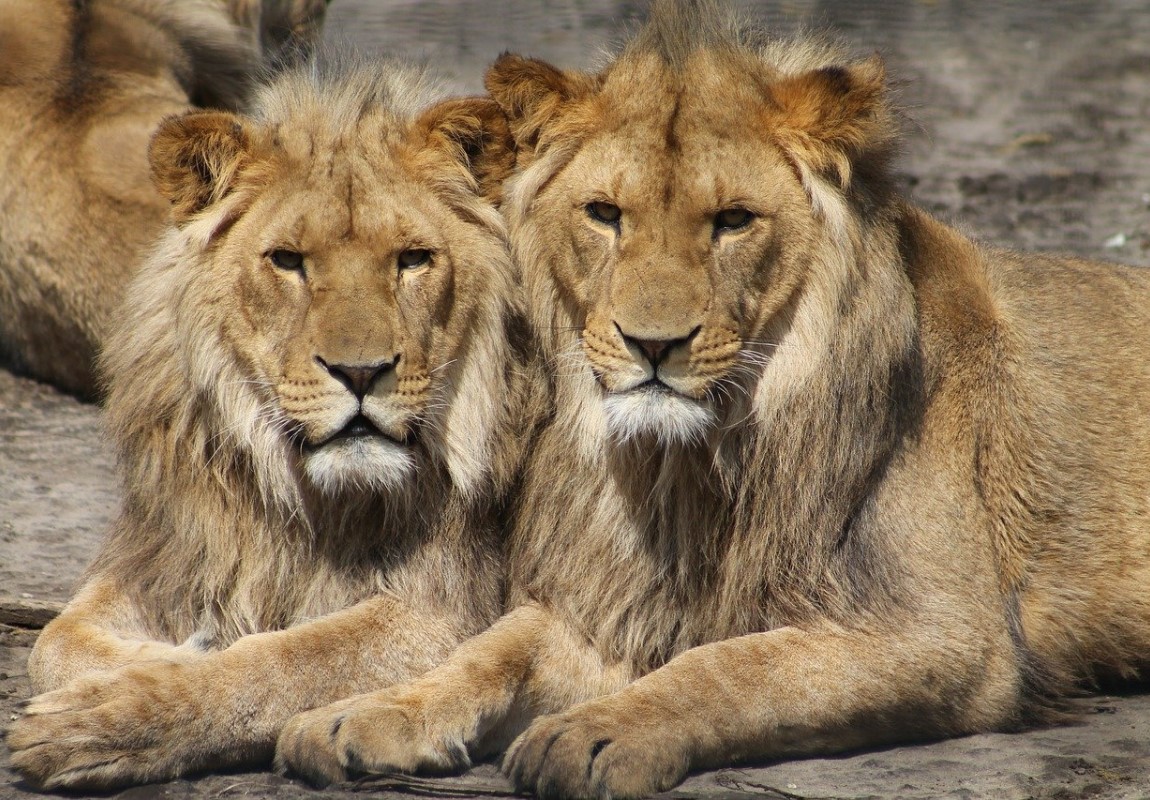
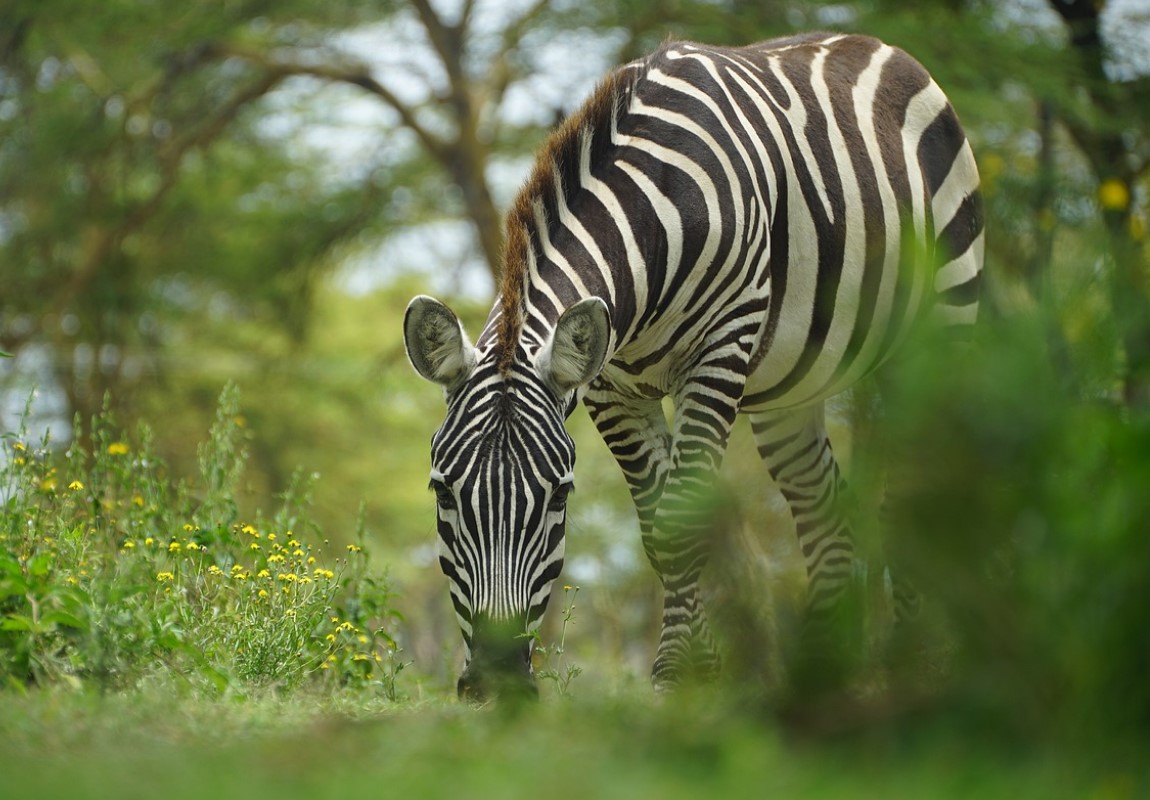
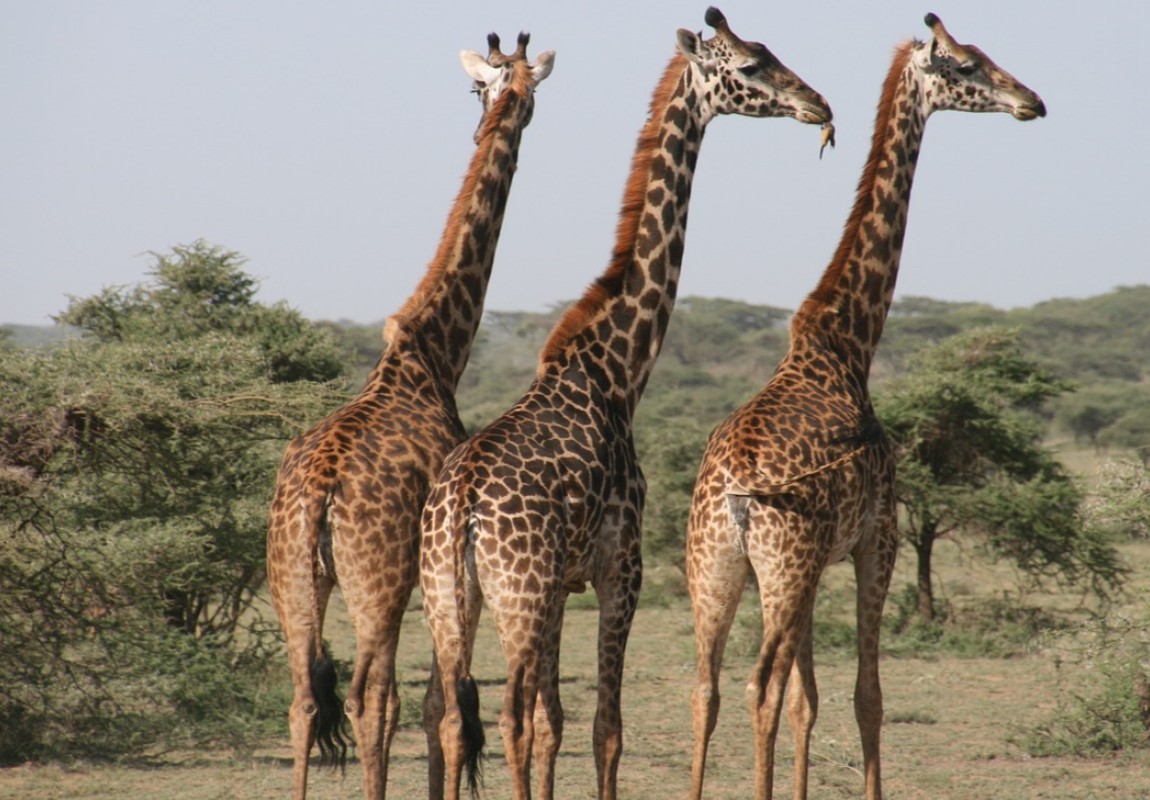
The Waterberg Biosphere Reserve supports an impressive range of wildlife due to its size and ecological diversity. Many private reserves within the biosphere protect Big Five species including elephant, lion, leopard, rhino, and buffalo. Plains game such as giraffe, zebra, kudu, eland, and wildebeest are widespread, while predators like cheetah and spotted hyena occur in suitable habitats. The region also shelters rare and endangered species, benefiting from low human pressure and extensive conservation management. Its rugged terrain provides natural refuges for wildlife, allowing animals to thrive in relatively undisturbed conditions.



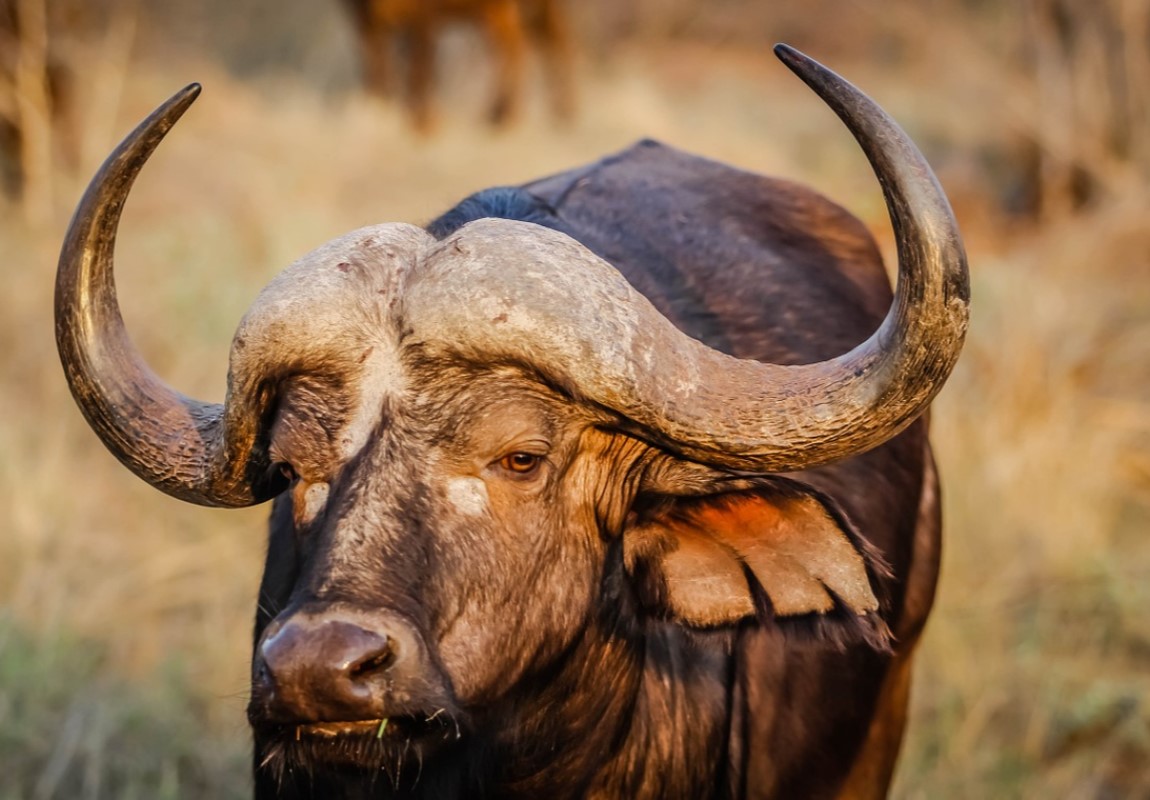
Wildlife Highlights
One of the key wildlife highlights of the Waterberg is its role as a stronghold for endangered species, particularly rhinos and cheetahs, within well-managed private reserves. The dramatic landscapes enhance sightings, with elephants moving through valleys and antelope grazing across open plateaus. Night drives and guided walks in select reserves further enrich wildlife encounters, offering insights into both large mammals and smaller nocturnal species.
Best Time for Wildlife Viewing
The best time for wildlife viewing in the Waterberg Biosphere Reserve is during the dry season from May to September. During this period, vegetation thins out and animals concentrate around permanent water sources, improving visibility. Cooler temperatures also make extended game drives and walking safaris more comfortable.
Want to Visit Waterberg Biosphere Reserve?
Birds
The Waterberg Biosphere Reserve is internationally recognized as a premier birding destination, hosting over 450 recorded bird species. Its varied habitats support raptors, woodland birds, grassland specialists, and riverine species. The cliffs and escarpments provide nesting sites for large birds of prey, while savannas and wetlands attract a wide range of resident and migratory birds, making the region rewarding for both casual birdwatchers and serious ornithologists.

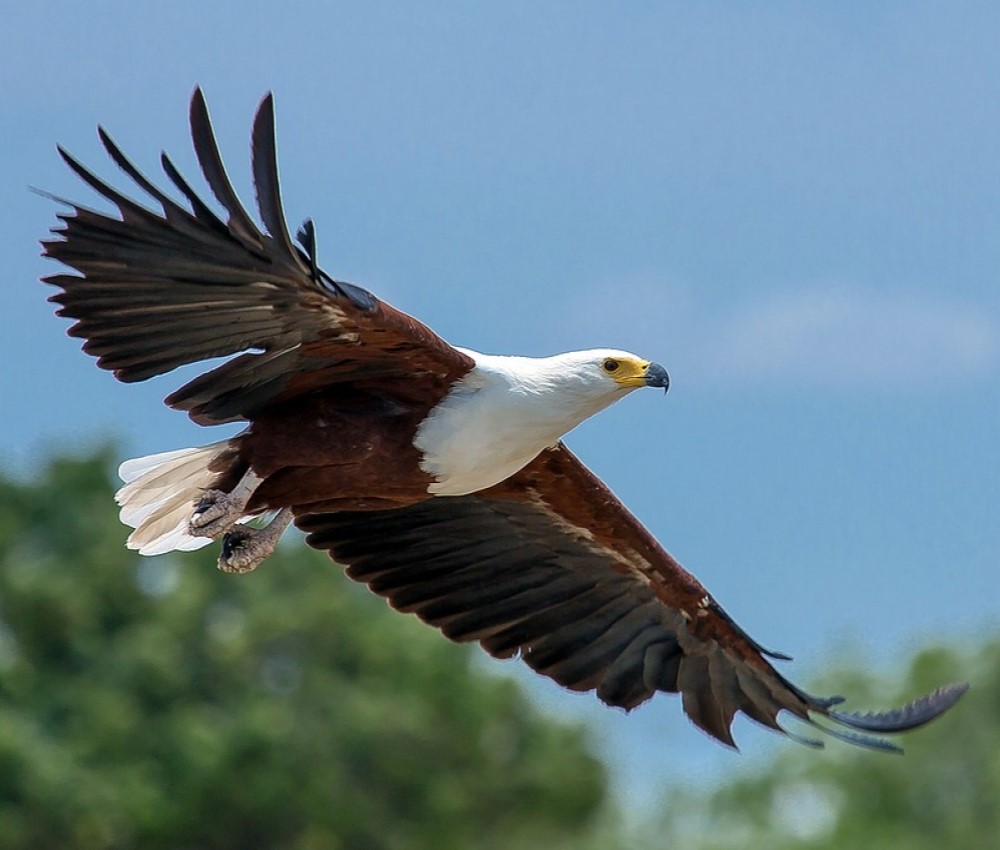


Best Time for Birding
The best time for birdwatching in the Waterberg is from November to March, coinciding with the summer rains and the arrival of migratory species. This period also marks the breeding season, when birds are more vocal and display vibrant plumage, increasing the chances of memorable sightings.
Want to Visit Waterberg Biosphere Reserve?
Best Time to Visit – Waterberg Biosphere Reserve
The best time for wildlife viewing in the Waterberg Biosphere Reserve is during the dry season from May to September. During this period, vegetation thins out and animals concentrate around permanent water sources, improving visibility. Cooler temperatures also make extended game drives and walking safaris more comfortable.
May to September (Dry Season)
- Excellent wildlife visibility
- Cooler daytime temperatures
- Ideal conditions for walking safaris
- Cold early mornings
- Dusty conditions late in the dry season
October to March (Wet Season)
- Lush landscapes
- Peak birding season
- Fewer tourists
- Dense vegetation limits wildlife visibility
- Hot and humid weather
Want to Visit Waterberg Biosphere Reserve?
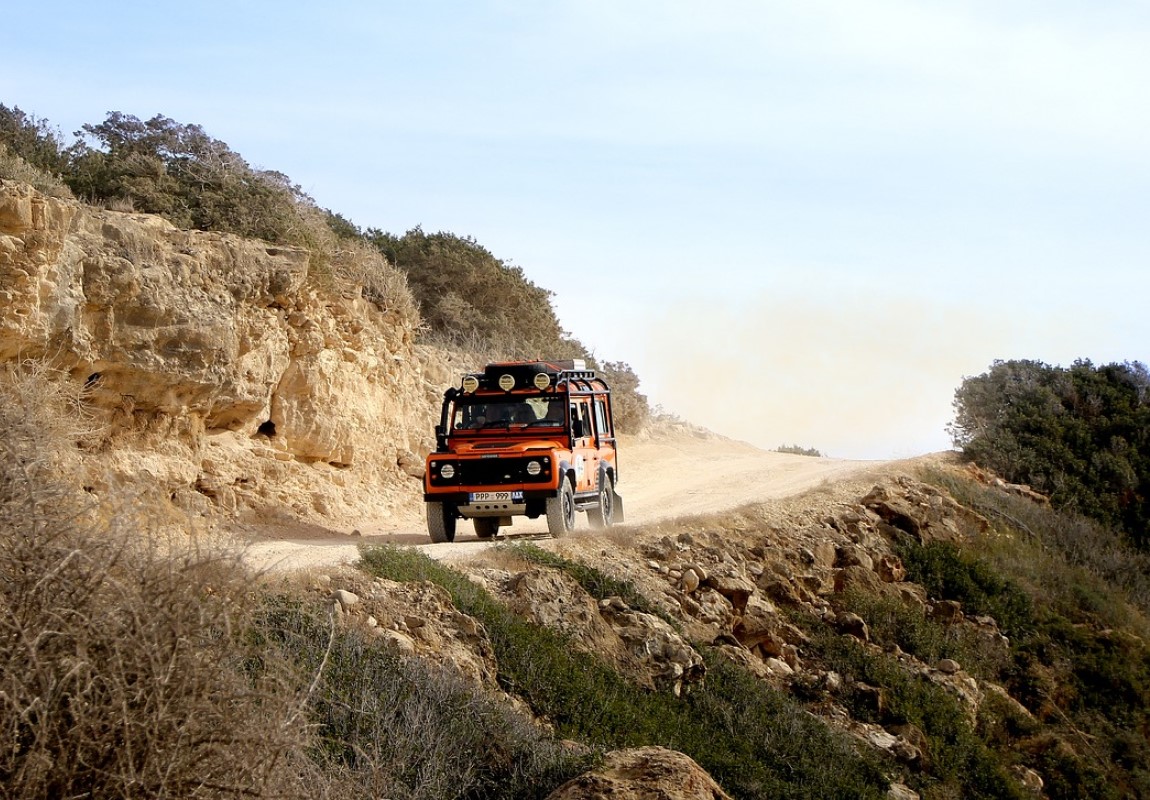
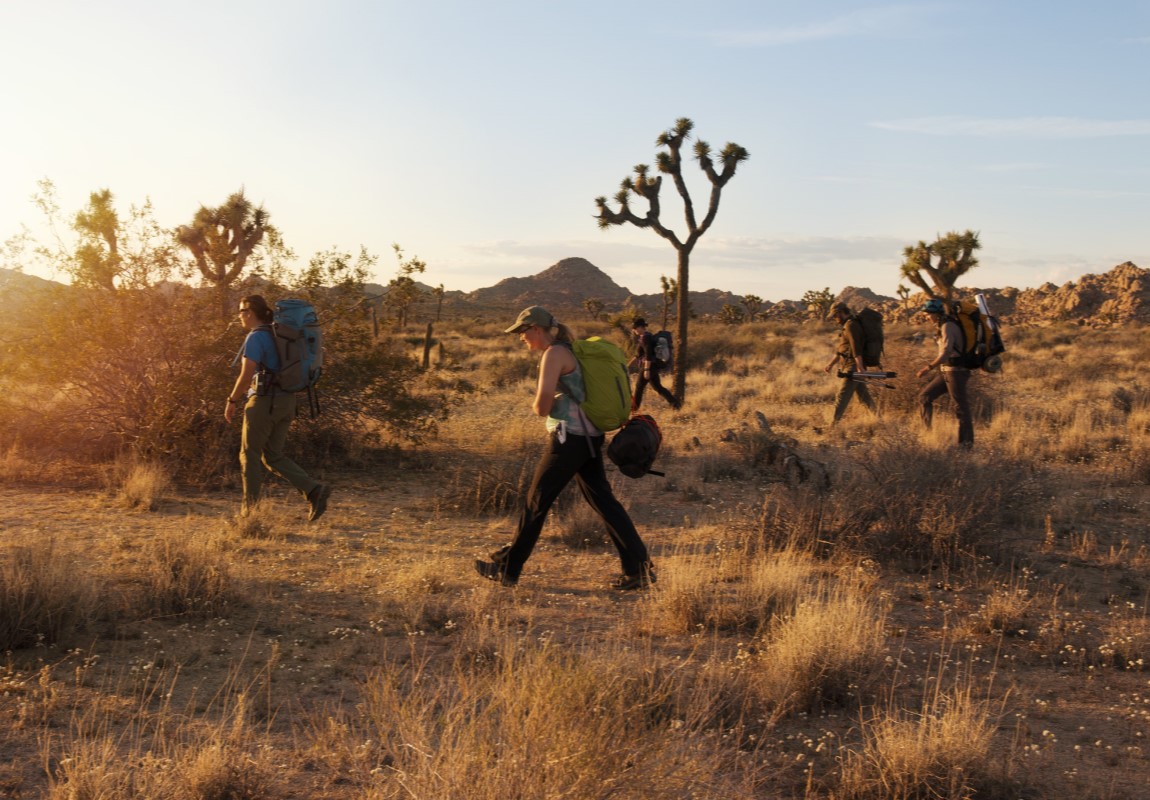
Activities
Explore popular activities available in and around Waterberg Biosphere Reserve.
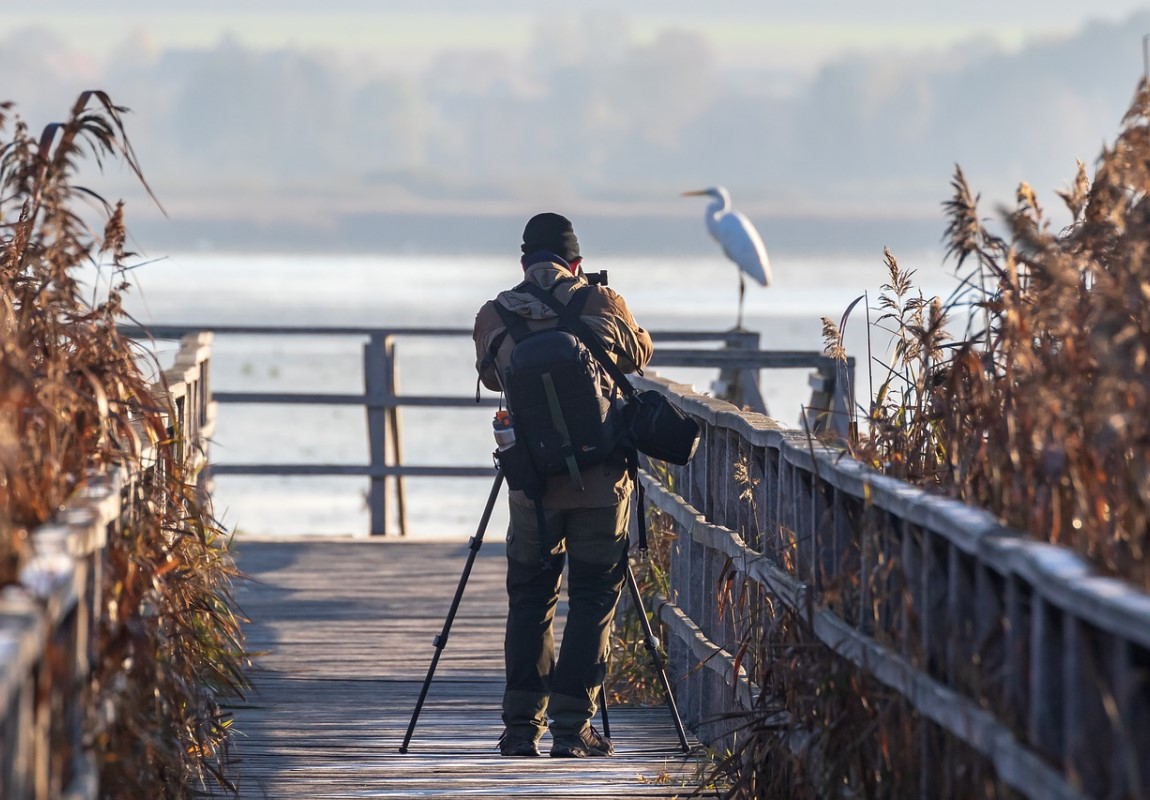
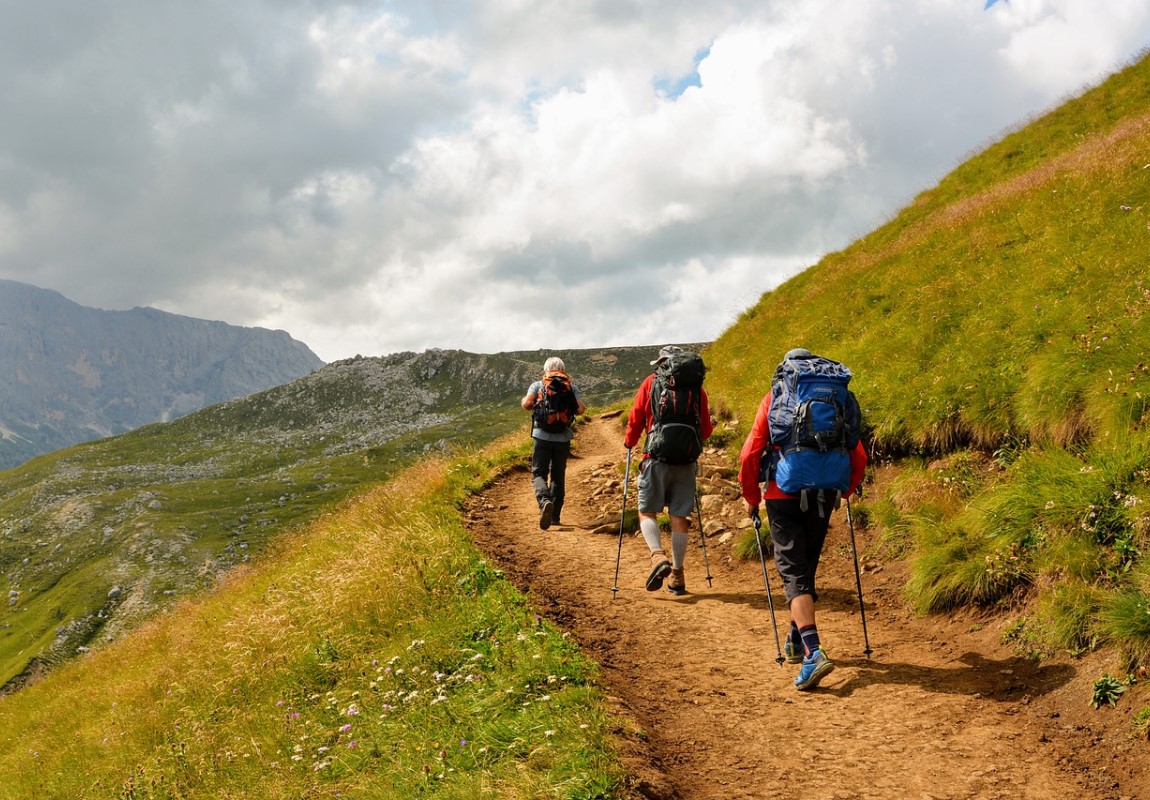
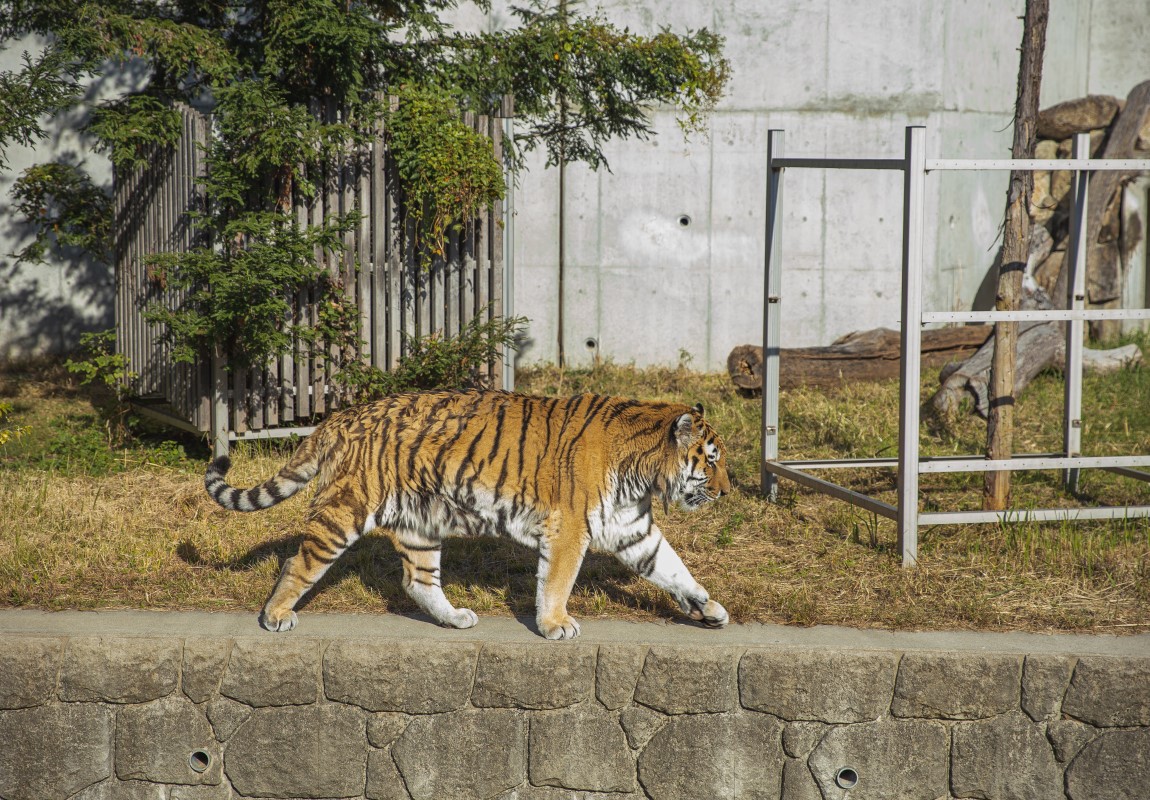
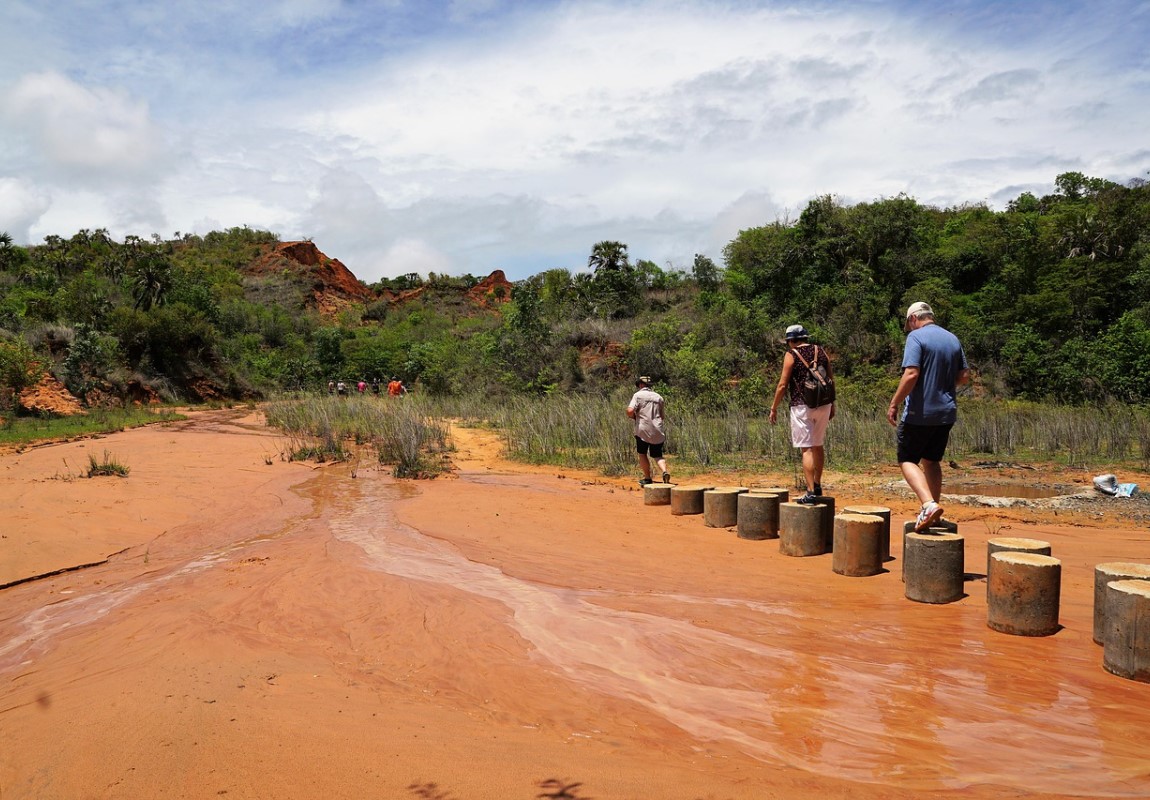
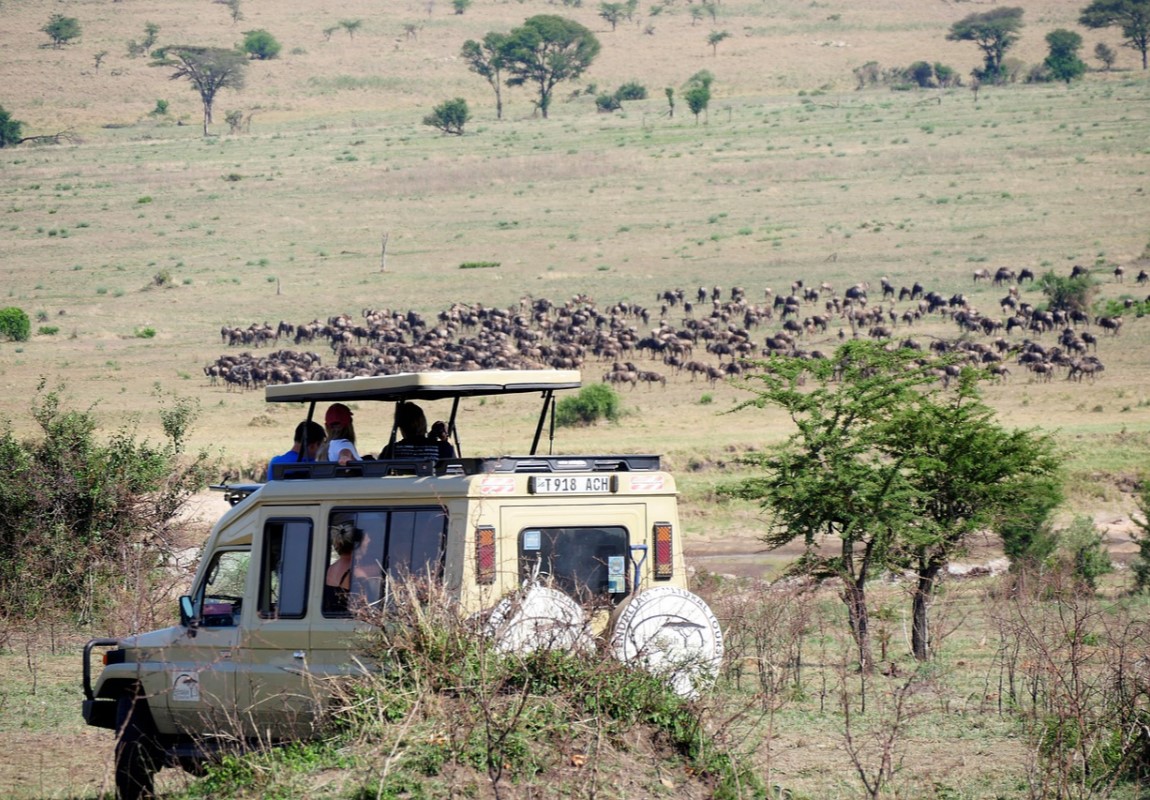
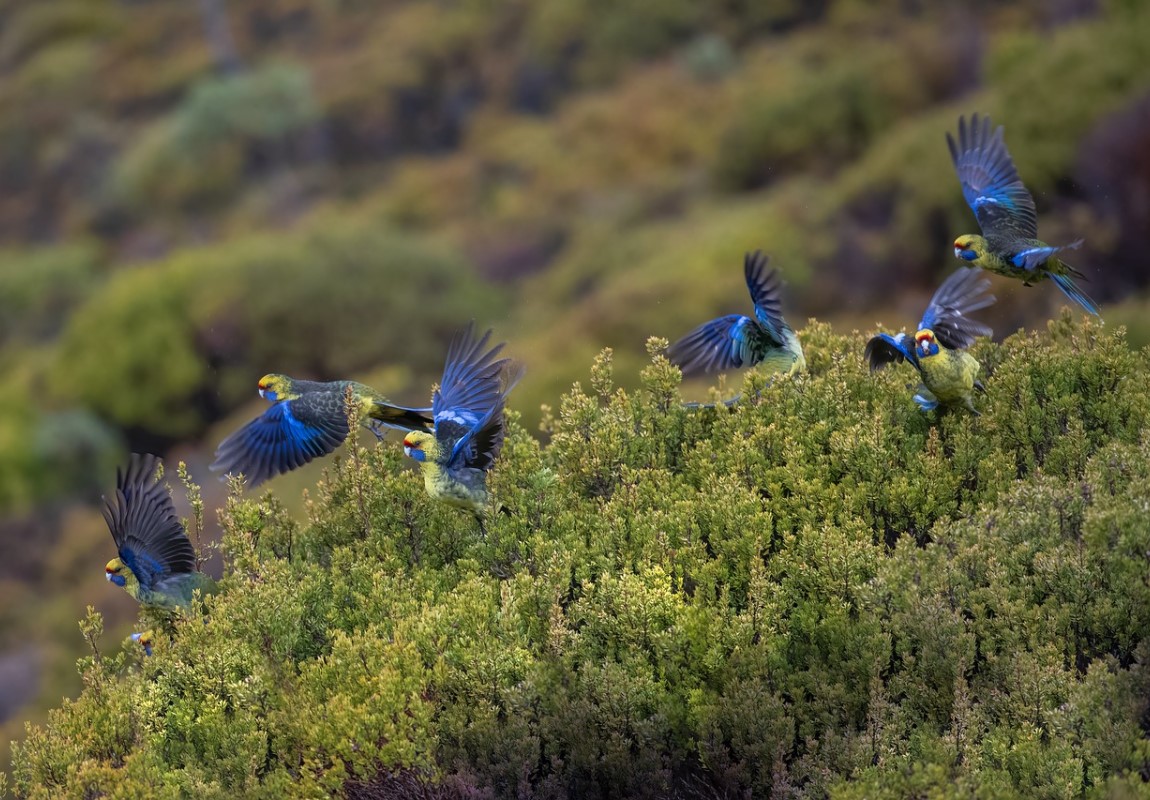
Want to Visit Waterberg Biosphere Reserve?
No FAQs available for this park yet.
