

Zimbabwe Safari Destination Zimbabwe flag

Zimbabwe Safari Information

A world of wonders.

44 Tours 89 Tour Operators 0 Accommodation Properties

Starting from

$300PP

Overview

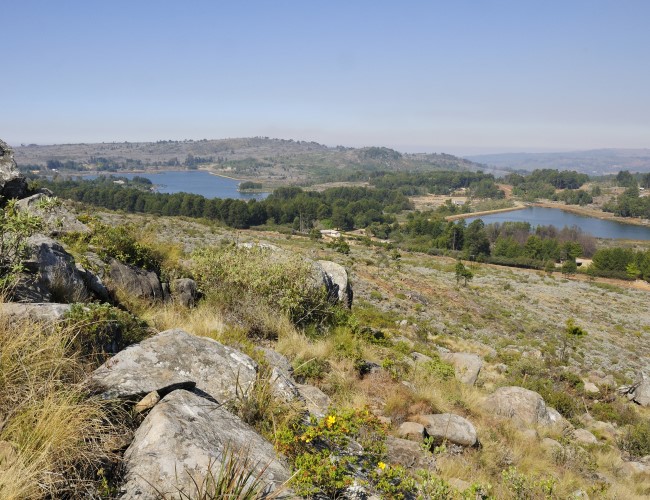
Zimbabwe is one of the best Southern African safari destinations. In spite of its political difficulties, it offers a better safari experience and is home to some of the absolute best guides in the business. Zimbabwe sits between two extraordinary streams; the peaceful Limpopo toward the south and the powerful Zambezi toward the north. Here guests rush to see one of the marvels of the natural world – the fabulous Victoria Falls. From the mountains and forests of the Eastern Highlands, and the stone peaks in Matopos to the mopane forests of Hwange and the waters of Lake Kariba, there is a lot here to appreciate. Mana Pools National Park, beneath the Kariba dam divider, is a UNESCO World Heritage site and wildlife paradise. For those needing a less well-trampled way, Gonarezhou National Park in the southeast is a distant wilderness region, and the country's second-biggest national park. Chizarira National Park, toward the south of Kariba dam, is another wild and detached spot, ideal for the more adventurous. 

Rates (USD)
$200 pp/day
Currency
Zimbabwean dollar
Capital
Harare
Languages
English
High Season
July to October
Best Time to Go
May to September

Pros & Cons

  • Low-density tourism and eco-friendly lodges
  • Excellent wildlife viewing in northern parks
  • Beautiful and diverse scenery of dry desert, saltpans, savannah grasslands and delta waterways
  • Low population and vast, undeveloped areas
  • Political stability and safety
  • Expensive upmarket safaris with few budget options
  • Availability can be limited during high season

Map in Africa

Zimbabwe Map in Africa

Safari Reviews

User Reviews
0.0/5
(0 Reviews)

Share Your Experience

Help other travelers by writing a review

Best Time to Visit – Zimbabwe

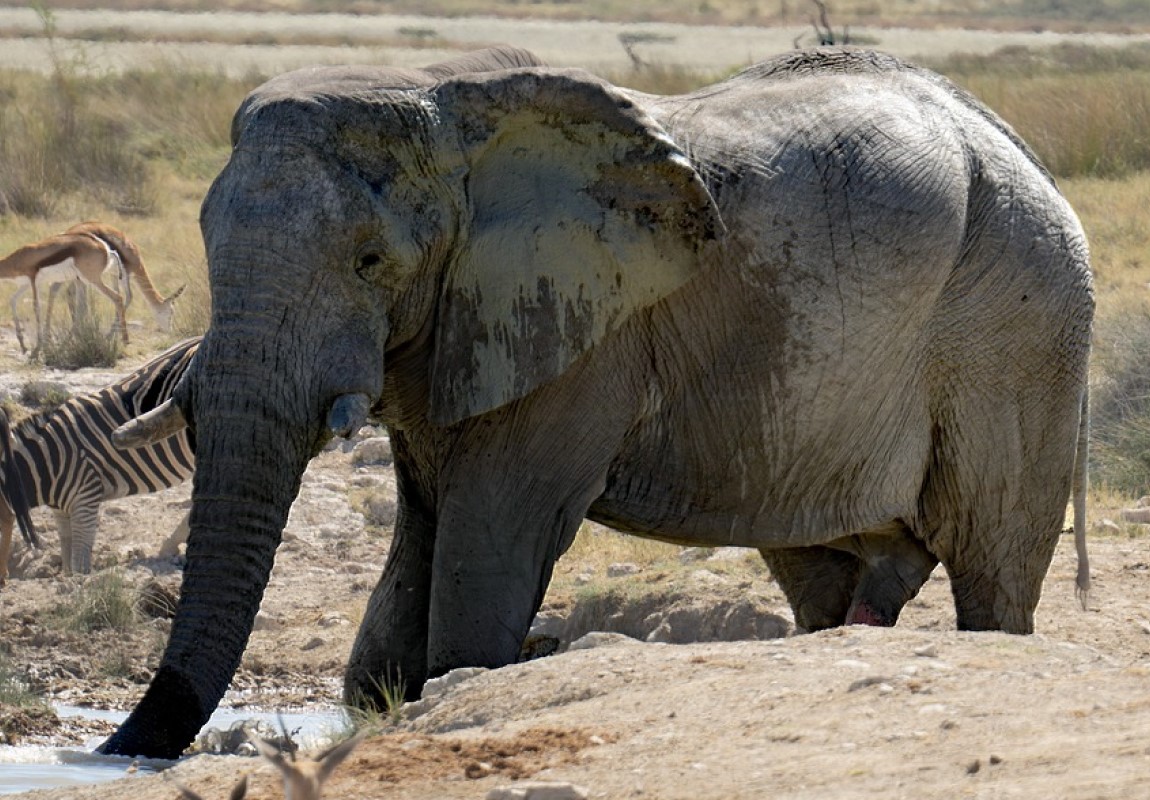
The dry season in Zimbabwe runs from May to September and is the best time for wildlife enthusiasts to visit. At this time Victoria Falls is most amazing and wildlife viewing is amazing as animals assemble around the streams and waterholes. This is particularly obvious in Hwange where the artificially pumped waterholes draw in enormous crowds of the elephant.

High Season
July to October
Low Season
November to April
Best Weather
April, May and September
Worst Weather
October & February

April to October (Dry Season)

  • Vegetation is thin and Wildlife can be easily spotted around river crossing and waterholes
  • Clear blue skies and most of the days are sunny
  • There are very less mosquitoes because of little rain
  • Even in high season, most of the parks will not get crowded except Victoria falls
  • The best time to see Victoria Falls is from May to September
  • Morning game drives can be difficult due to Cold weather, so warm clothes are recommended
  • October can get very hot
  • From March to May massive clouds of spray will block the view of Victoria Falls

November to March (Wet Season)

  • The best time for bird watching and migratory birds are present
  • The scenery is beautiful and green
  • As It's less crowded, rates are likely to be lower
  • Newborn baby animals can be spotted
  • Difficult to spot animals as they are no longer dependant on rivers and waterholes to drink
  • Victoria Falls might just be a small stream from October to December as the flow of the Zambezi river is at its lowest

Best Time to Go to Zimbabwe by Major Park

Most parks offer wildlife viewing opportunities throughout the year, yet they are at their best during the Dry season when wildlife is simpler to spot. Hwange is best visited in September and October when it is a magnet for large elephant groups. Photograph chances of Victoria Falls are best between May and December. The rainy season is a delightful time in Zimbabwe and phenomenal for birdwatching, however, the road conditions can be an issue, particularly the 4x4 tracks in Mana Pools.

Wildlife & Animals

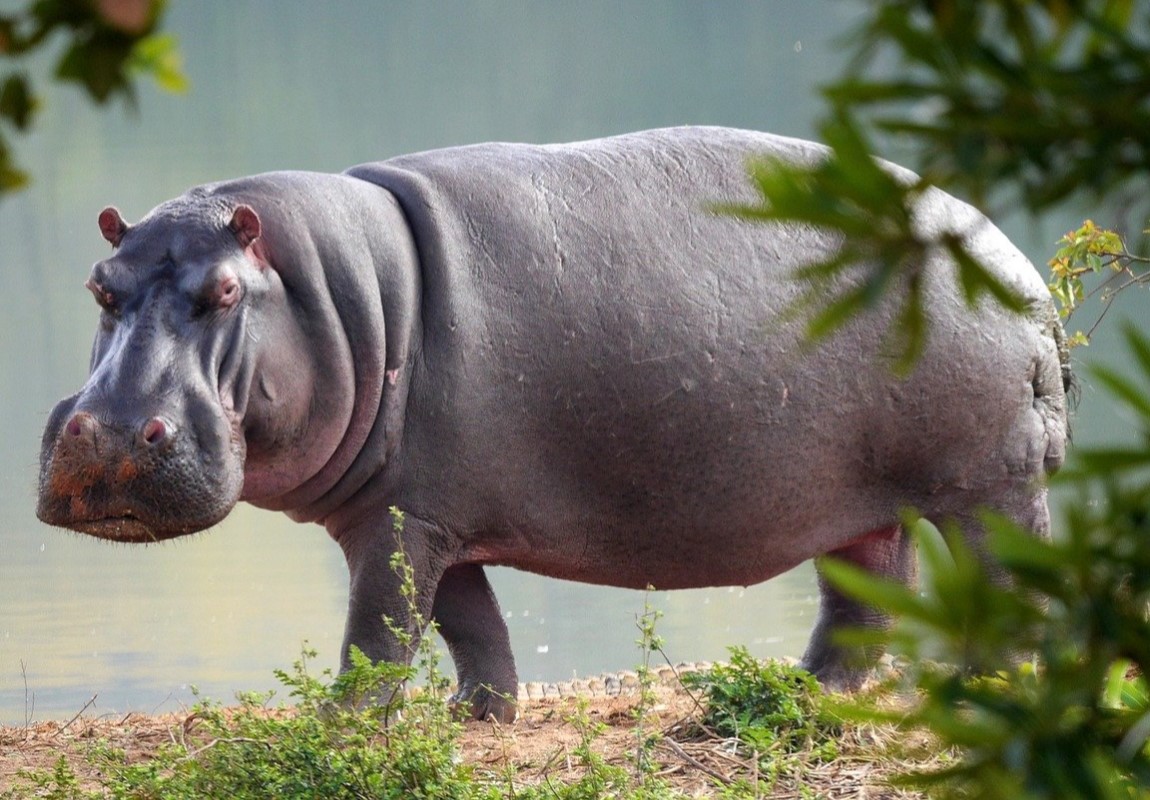
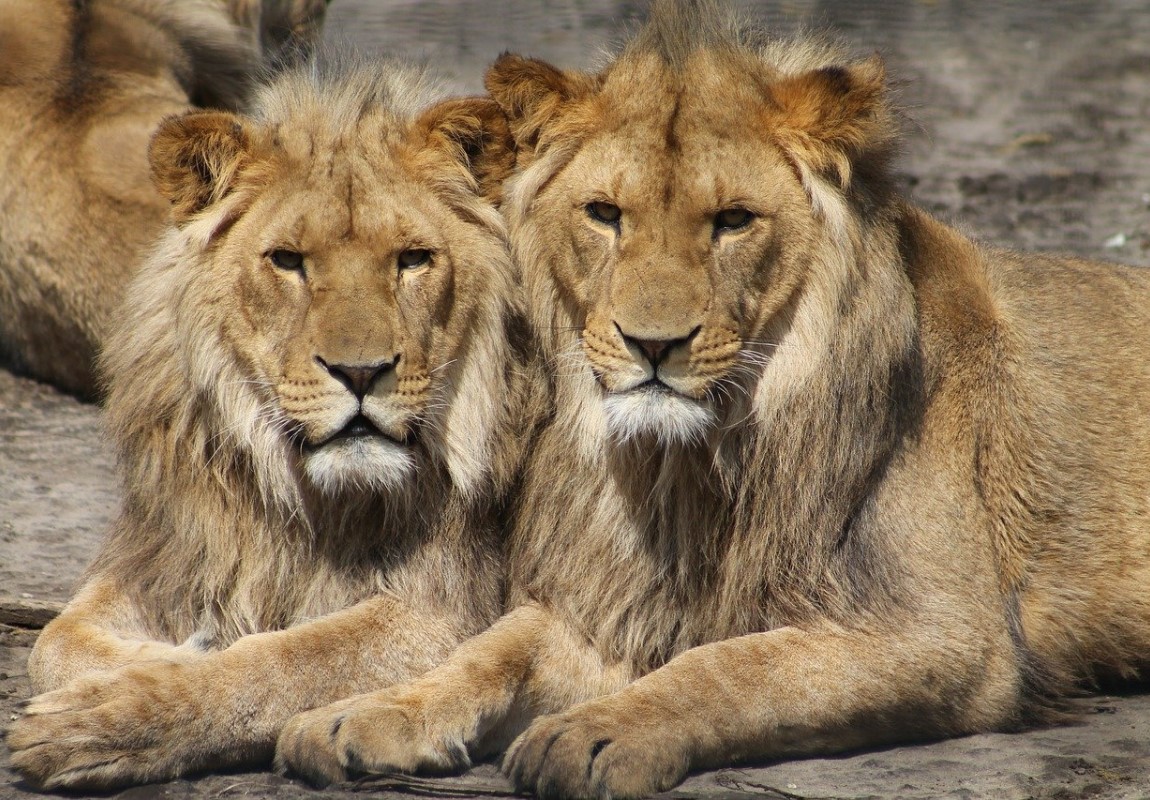
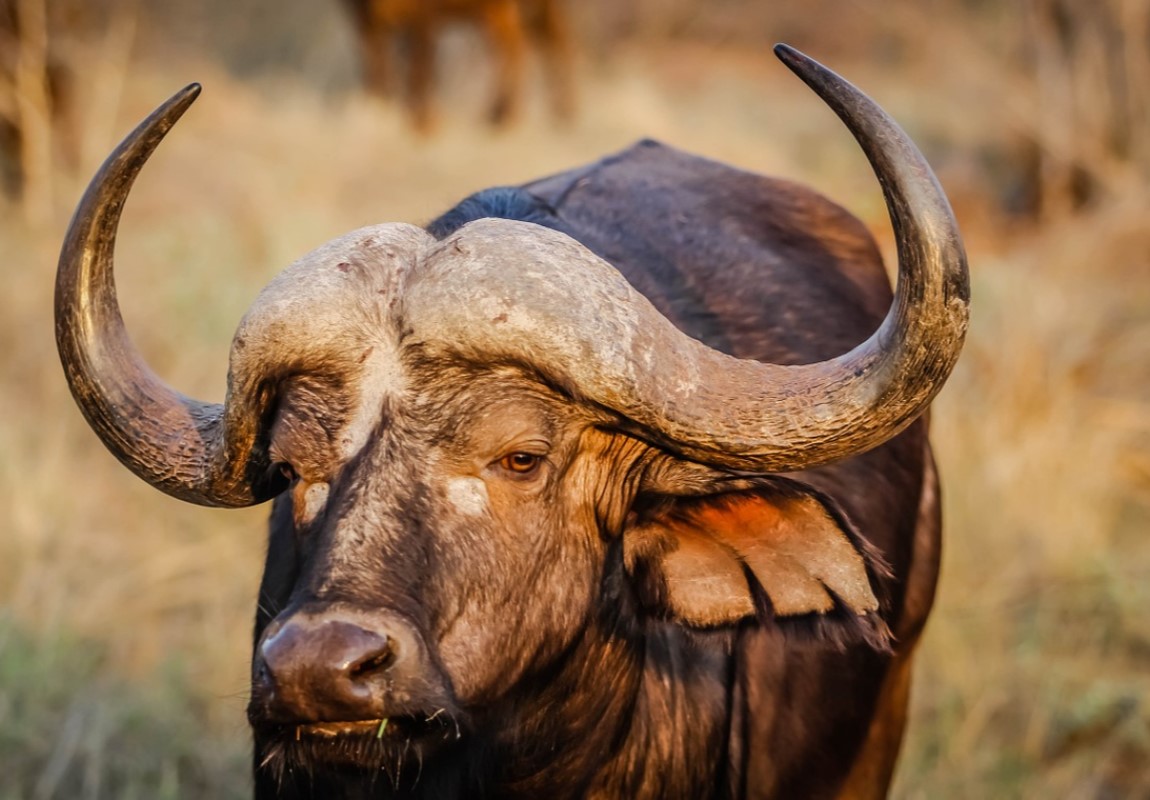
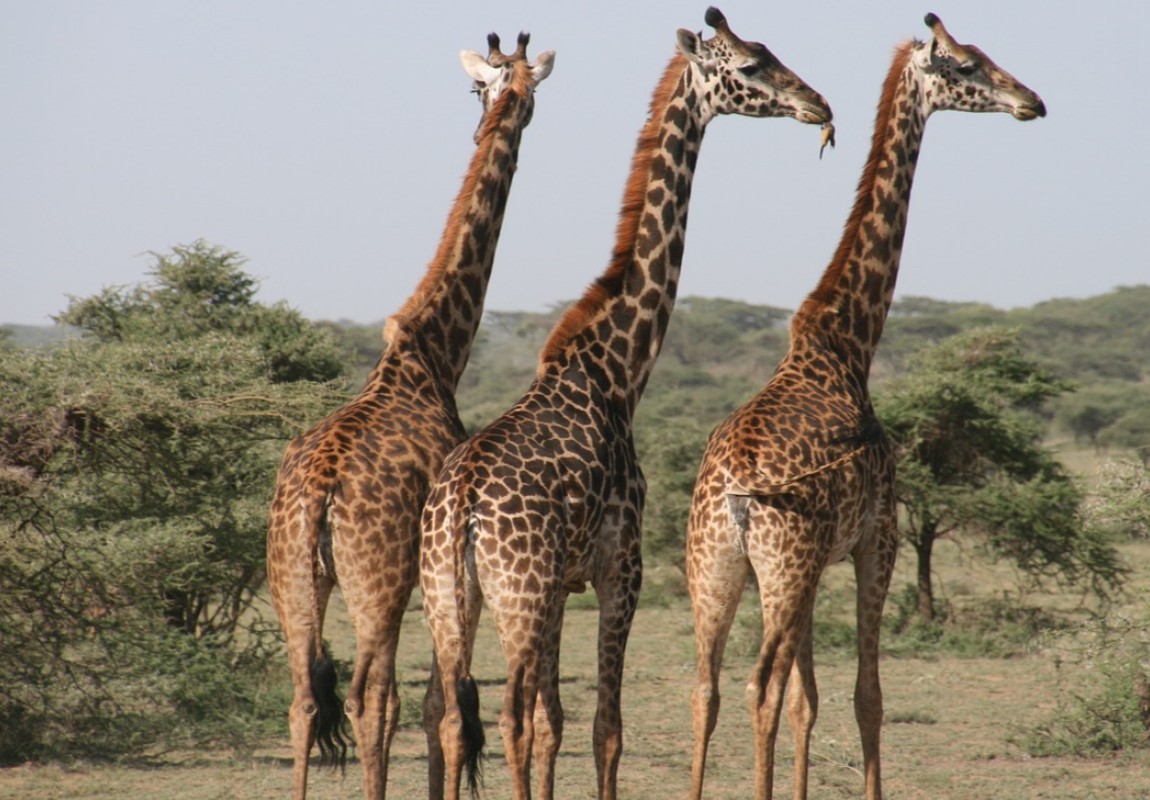
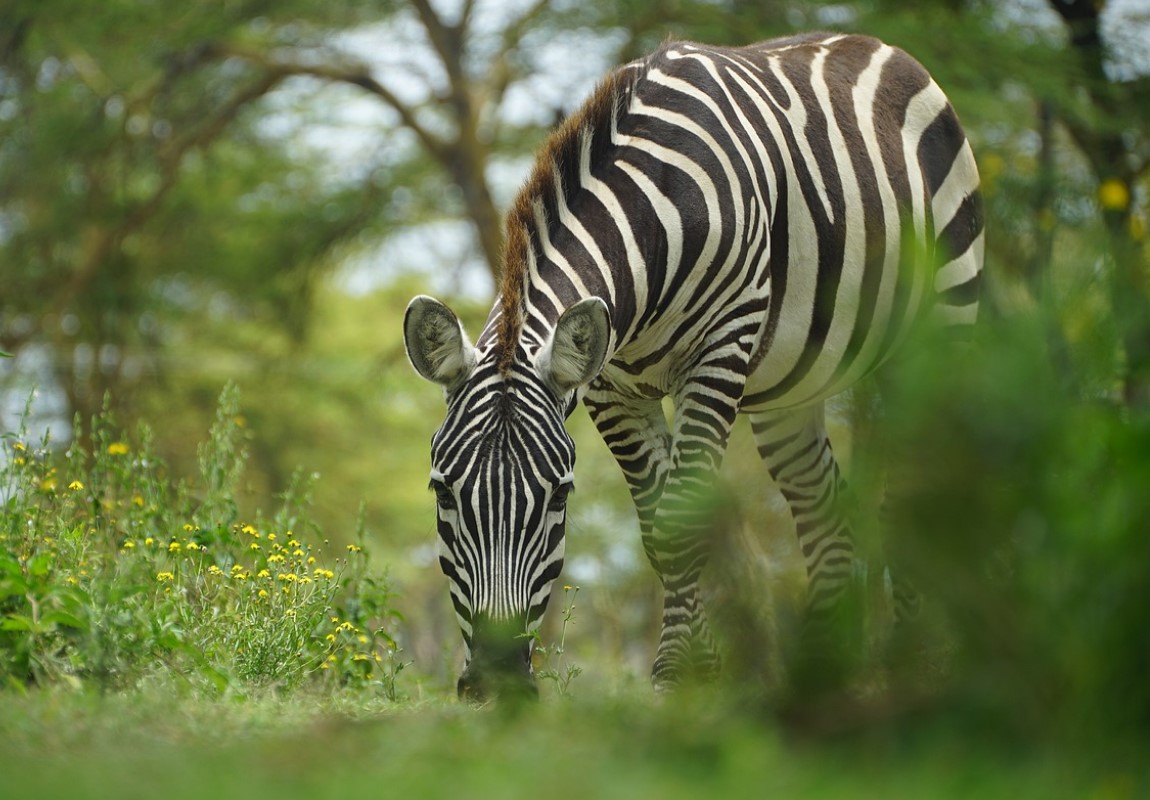
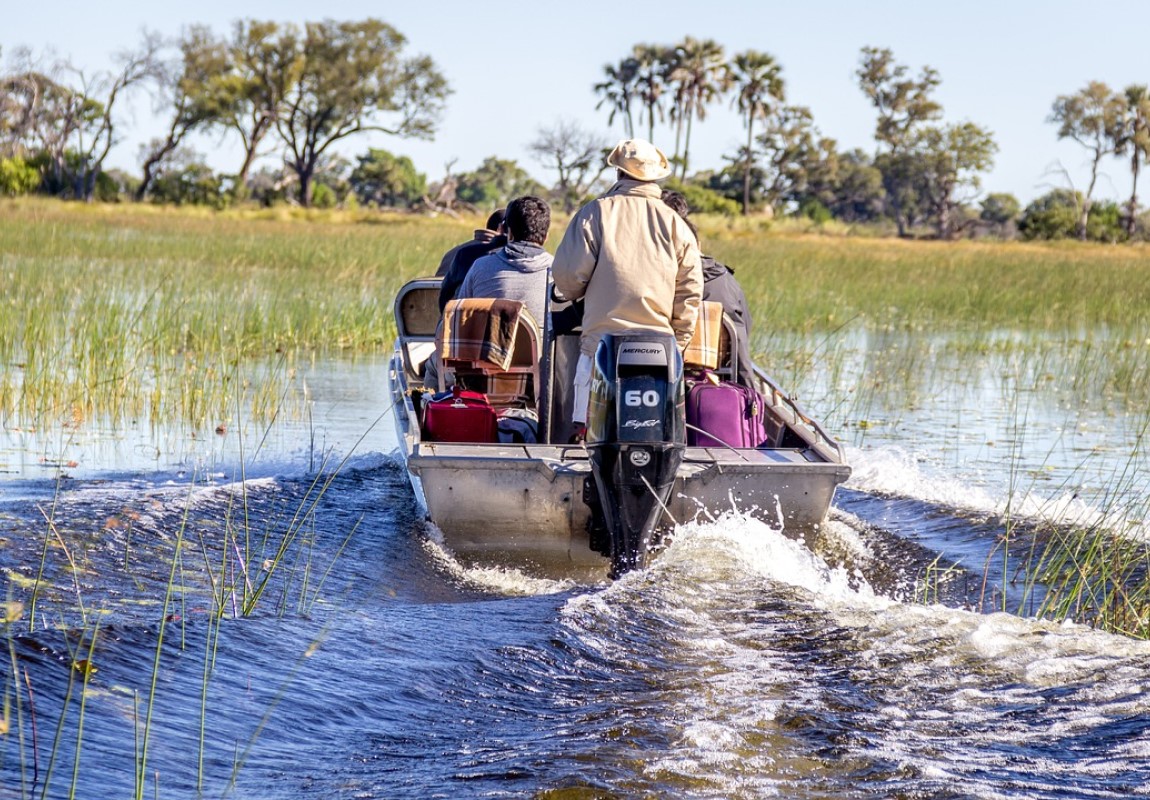
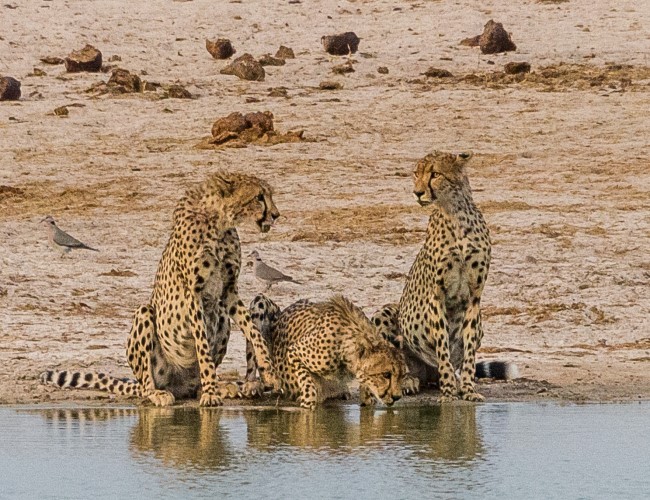
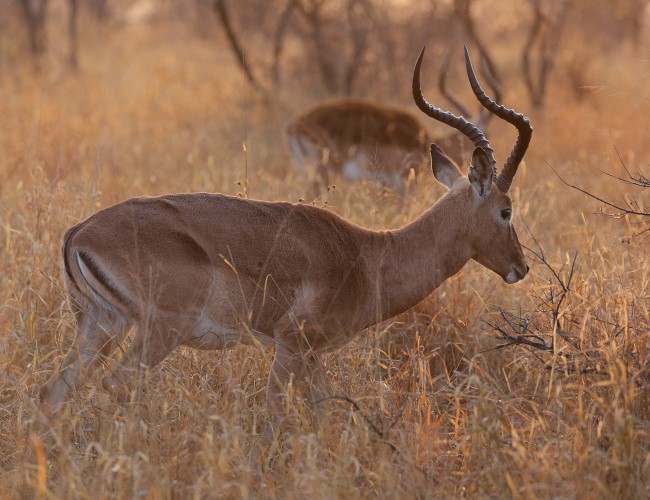
The wildlife of Zimbabwe happens preeminently in the remote or rough territory, in national parks and private wildlife reserves, in miombo forests and prickly acacia or kopje. Huge groupings of African buffalo, Black rhinoceros and African bush elephants are found along the stream's edges, while predators like lions, wild dogs and African leopards, along with African wildcat, serval, honey badger, civet and spotted hyaenas can be spotted regularly. Kudu, southern giraffe, plains zebra, impala, waterbuck, sable, roan, wildebeest, and even gemsbok feed on the encompassing fields and hippos and crocodiles are likewise various. Mana Pools National Park is an exciting off-the-beaten-track destination and offers unmatched wild to be explored by 4x4, by walking or by canoe. The truly accessible Hwange National Park has incredible variety and is astounding for great overall wildlife viewing.

Wildlife Highlights

The glorious sable antelope is a Hwange exceptional as well as brown hyena, bat-eared fox and springhare, which inhabit the Kalahari sands of the territory. Zimbabwe is a decent destination to see the endangered wild dog, and the nocturnal honey badger has become very acclimated in some areas of the parks and can once in a while be spotted around camps and camping areas at night.

Best Time for Wildlife Viewing

The best time to visit Zimbabwe for a wildlife viewing experience is during the dry season from May to October when water is scant, and animals assemble at waterholes and rivers. Afternoon showers can be expected in the Wet season from November to March.

Birds

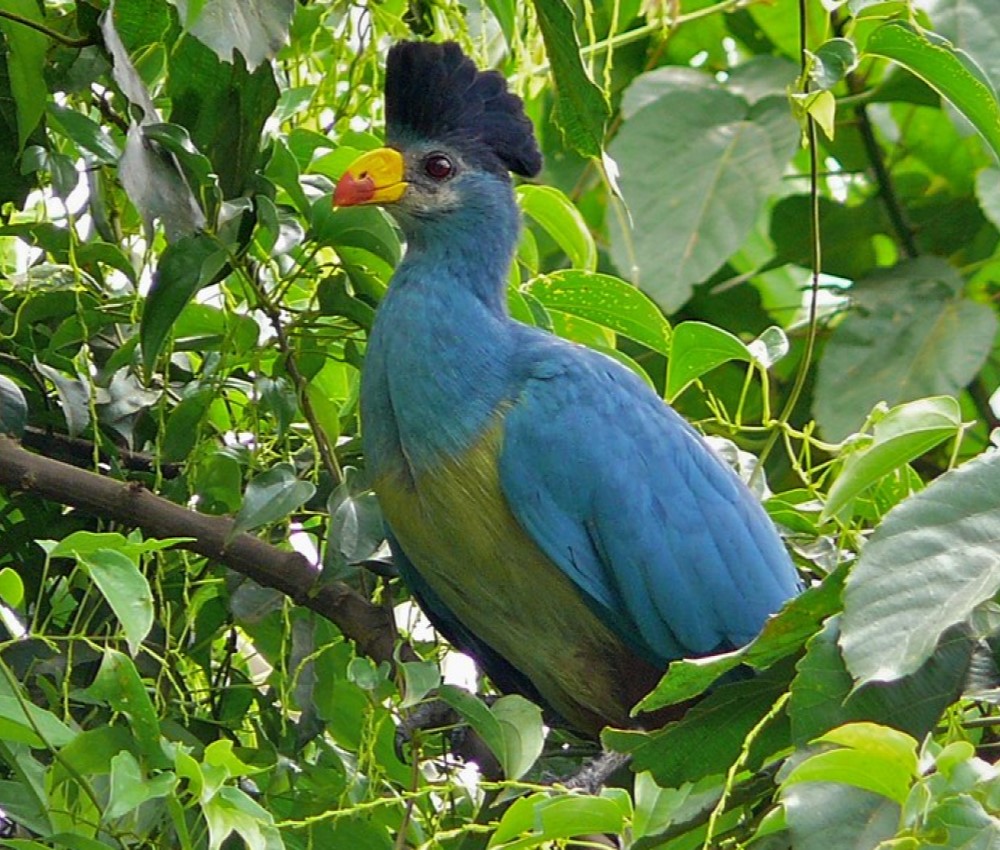
Birding in Zimbabwe is by far one of the most remunerating experiences any beginner or genuine birder can envision. With over 670 species Zimbabwe flaunts varied habitats going from the lower Zambezi's Southern Carmine Bee-eater breeding sites to the Blue Swallow's Eastern highlands montane prairies. To truly encounter all that Zimbabwe brings to the table you require at a minimum couple of these habitats with their different birds. The country has no endemic birds, however, a few close endemics can be found in the worldwide significant Eastern Zimbabwe Mountains Endemic Bird Area (EBA).

Best Time for Wildlife Viewing

The best time to visit Zimbabwe for birding is during the wet season in summer between November and April when resident birds are nesting and migratory birds are available. The scenery is lush and at its most beautiful, but this isn't the best time for general wildlife viewing.

Activities

From game drives and walking safaris to cultural encounters and adventure excursions, Zimbabwe offers a wide variety of activities for every type of traveler.

Cuisines

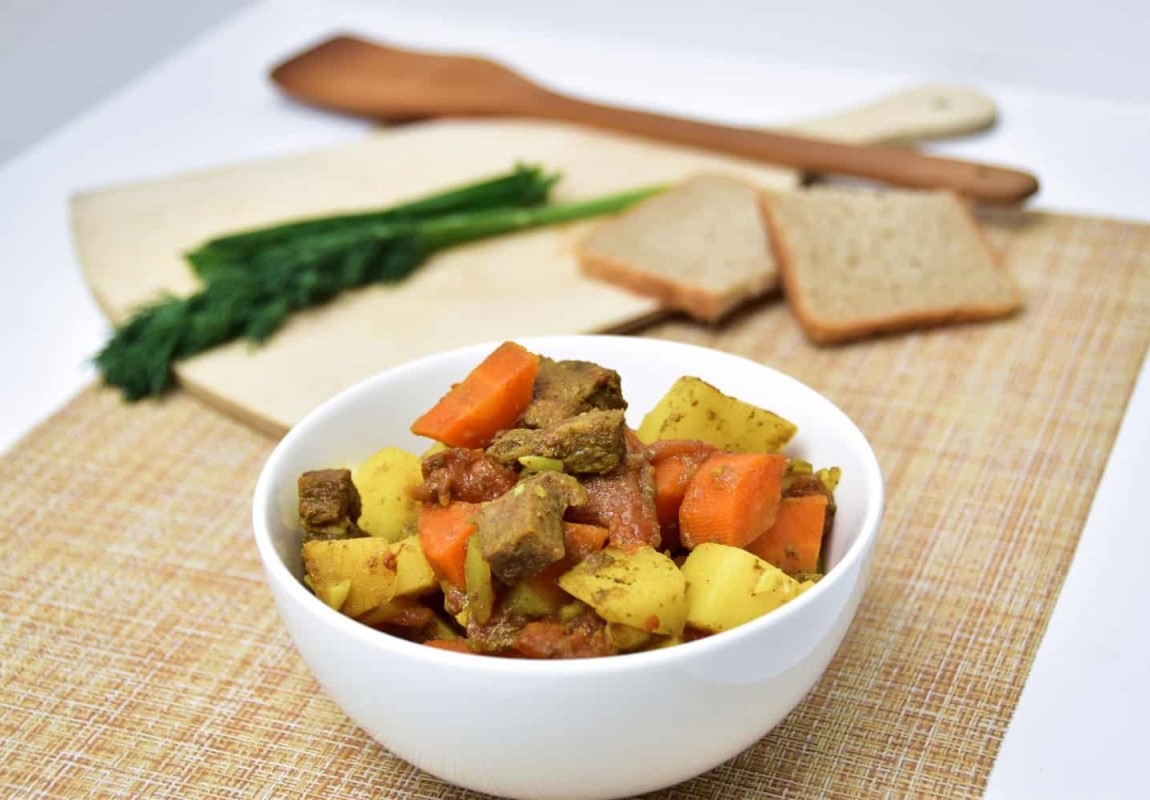
Zimbabwe's food is described by its exceptional and well-defined flavours on account of the utilization of flavours and spices in the majority of the recipes they prepare. The assortment of flavours and textures is amazing. This nation has an exceptionally rich and delicious culinary culture whose dishes stick out, in addition to their flavour, additionally for the simplicity of their preparation. The trick is to utilize high-quality raw materials. Meat products of different types prevail in the eating routine of individuals in Zimbabwe. Another main ingredient in the eating routine of the Zimbabwean public is fish; Particularly freshwater fish. Typically, they are cooked on a barbecue and eaten with rice or corn. However, they are likewise ready with various sorts of vegetables, both cooked and crude. 
Some of the prominent dishes in Zimbabwe foods are Sadza (a sort of bread prepared with corn flour), Muriwo Unedovi (comprises of a plate of green cabbages prepared with a rich peanut butter sauce), Maheu (a well-known and common beverage in Zimbabwe), Mabhonzo emombe (stew prepared with beef bones), Nyama (cooked with leaves of various vegetables or with beans), Kapenta (a fish of Lake Tanganyika) and Traditional chicken stew.

Culture

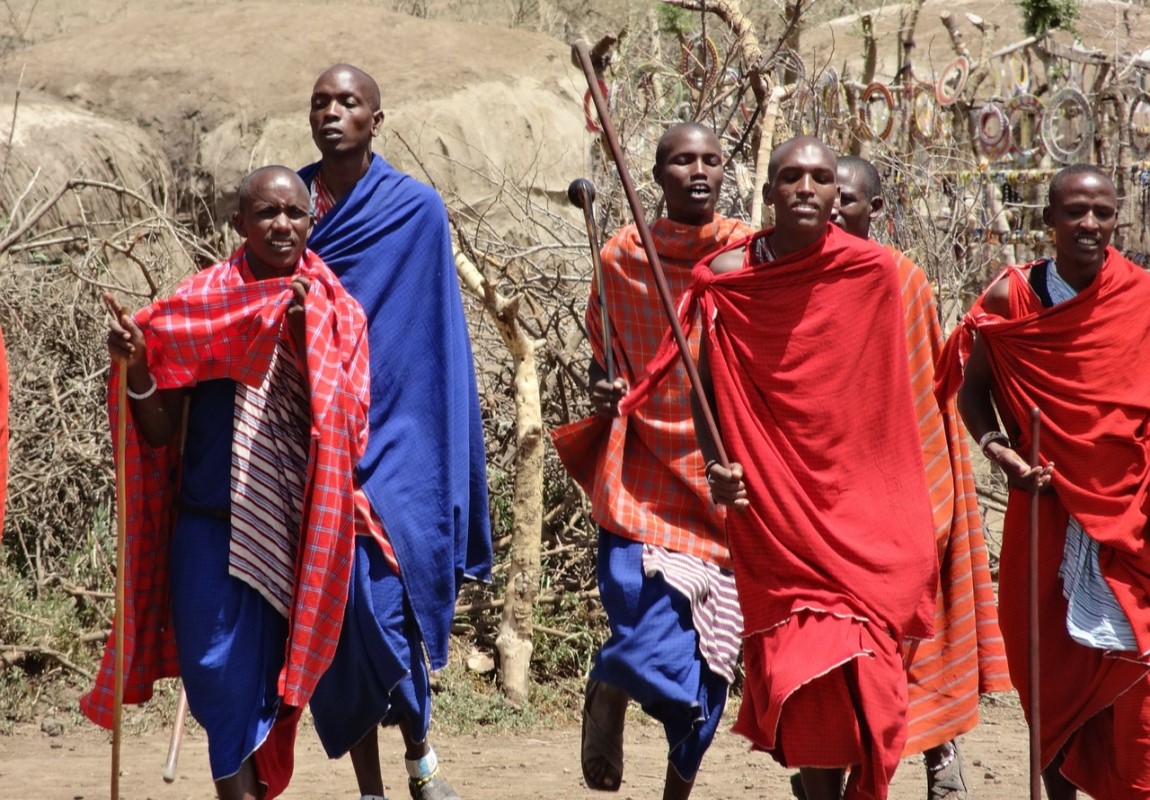
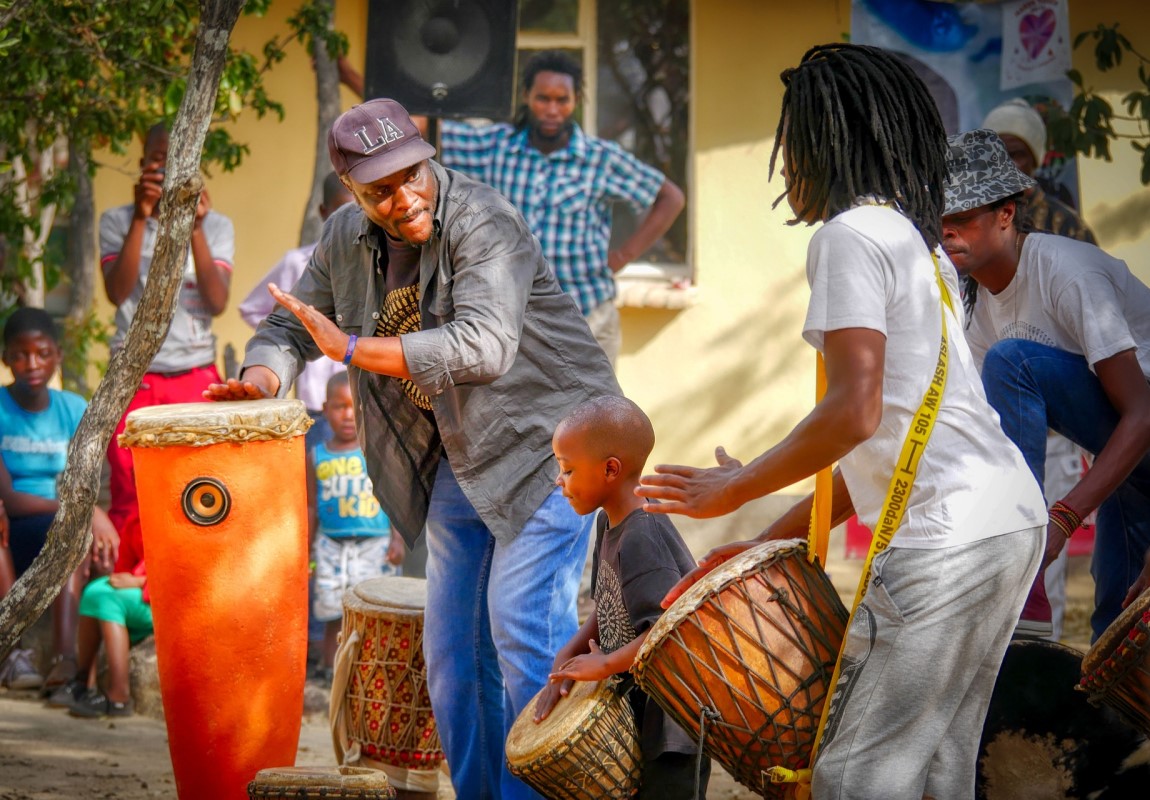
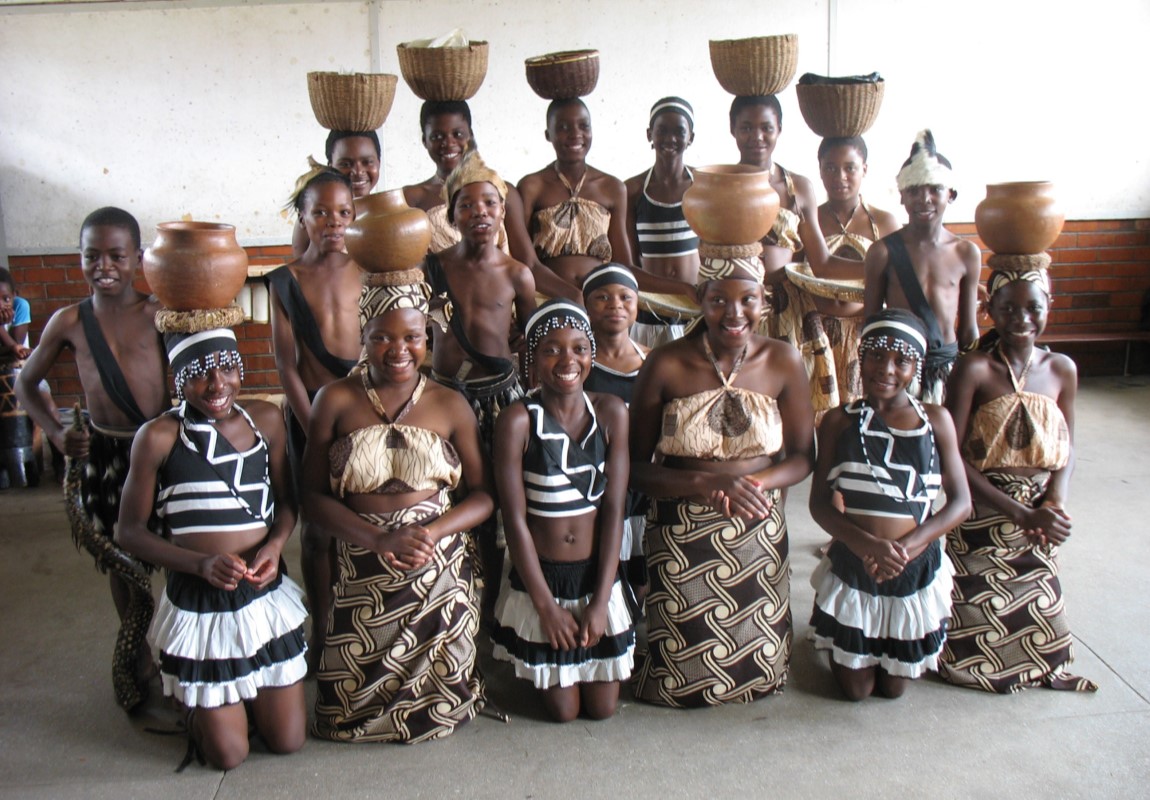
Zimbabwe has many different cultures, which might incorporate beliefs and ceremonies, one of them being Shona. Zimbabwe's biggest ethnic group is Shona. The indigenous people of Zimbabwe follow back to Bantu origins and are accepted to have populated the land for over 10 centuries. The Shona and Ndebele individuals are the two biggest ethnicities. Conventional arts in Zimbabwe incorporate pottery, basketry, textiles, jewellery and carving. Among the distinctive characteristics are evenly designed woven crates and stools cut out of a solitary piece of wood. Shona sculpture in modern times has turned into a combination of African old stories with European influences. It is generally respected across the globe.

National Parks & Game Reserves

Zimbabwe is home to some of the most spectacular national parks and game reserves in Africa. From vast savannahs to dense forests, each park offers unique landscapes, diverse wildlife, and unforgettable safari experiences. Whether you’re searching for the Big Five or hidden natural wonders, Zimbabwe has something for every safari enthusiast.

Hwange National Park

Hwange National Park is the largest and most famous natural reserve in Zimbabwe. It is situated i...

Matobo National Park

The Matobo National Park forms the core of the Matobo or Matopos Hills, a region with granite kop...

Mana Pools National Park

Mana Pools National Park is a UNESCO World Heritage site and wildlife paradise. Mana Pools has be...

Nyanga National Park

Nyanga National Park lies in the north of Zimbabwe's Eastern Highlands. One of the first national...

Chizarira National Park

Situated in the northwestern space of Zimbabwe, Chizarira National Park is one of the most isolat...

Zambezi National Park

Zambezi National Park is a national park located upstream of Victoria Falls on the Zambezi River ...

Matusadona National Park

Matusadona National park is situated on the shores of Lake Kariba. It is limited on the west by t...

South Gonarezhou NP

Gonarezhou National Park is situated in the southeastern part of Zimbabwe and is the second-large...

Harare

Harare is the capital city of Zimbabwe and while it is not known for its wildlife areas, there ar...

Bulawayo

Bulawayo is the second largest city in Zimbabwe and is located in the southern part of the countr...

Victoria Falls

Victoria Falls Town is a popular tourist destination located in the north-western part of Zimbabw...

Kariba

Kariba is a town located on the shores of Lake Kariba in Zimbabwe and is a popular destination fo...

Showing 1-0 of 0 reviews
Recently Added
5 Stars Only
4 Stars and above
3 Stars and above

No reviews yet for this destination. Be the first to share your experience !

Safety & Security

A world of opportunities awaits you on your trip to Zimbabwe, including spectacular views of the renowned Victoria Falls, wildlife adventures in national parks such as Hwange National Park with its large herds of elephants and Matobo National Park, where leopards roam freely and birds of prey soar in the sky, and scenic wonders such as Lake Kariba and Gonarezhou National Park's Chilojo Cliffs and Chivilla waterfalls.
Zimbabwe is, for the most part, a safe country. Visitors should, however, be cautious on busy streets and keep their goods within sight.

Please see the links below for travel advice on Zimbabwe Safari Trips:

General Safety Tips

  • Keep valuables secure and avoid displaying expensive items
  • Stay alert in crowded areas and tourist hotspots
  • Use registered tour operators and licensed guides
  • Follow local customs and respect cultural sensitivities
  • Keep copies of important documents in a safe place

Safari Safety

  • Always follow your guide's instructions during game drives
  • Stay inside your vehicle unless instructed otherwise
  • Keep noise levels low to avoid startling wildlife
  • Never approach or feed wild animals
  • Carry essential medications and first aid supplies

Health & Medical

Before traveling to Zimbabwe, consult with your healthcare provider about recommended vaccinations and health precautions. Common recommendations include malaria prophylaxis, hepatitis A and B vaccines, and routine immunizations. Carry any necessary medications and consider travel insurance that covers medical emergencies.

Getting There

There are very few airlines that fly directly to Zimbabwe. Many of the international flights to Harare, Victoria Falls or Bulawayo require a change in South Africa, and then it’s only a short flight to the final destination. Most tourists fly to Victoria Falls Airport (VFA), found 18km/11mi south of the town of Victoria Falls, and continue from there by vehicle or charter plane. Hwange, Zimbabwe's most well-known park, is situated within driving distance of Victoria Falls. In most cases, your local tour administrator will orchestrate pick-up from the airport and arrange further transportation as a feature of your safari package.

Travel Requirements

  • All foreign visitors need a passport that is valid for at least six months
  • Passports must have minimum of three blank pages
  • Citizens from most nationalities do not require a visa and will get a 30-day entry permit on arrival.
  • When arriving from a country in Africa or the Americas where yellow fever is present, a yellow fever vaccination certificate is required.
  • If you are visiting Zambia and Zimbabwe, there is a joint visa for both countries available at all major ports of entry into Zambia and Zimbabwe.

Domestic Transportation

Limited scheduled domestic flights between Harare, Bulawayo and Victoria Falls within Zimbabwe can be booked with the following carriers: Air Zimbabwe Fastjet

The best time to visit Zimbabwe for safari is during the dry season from May to October when wildlife concentrates around rivers and waterholes, making animals easier to spot. June to August offers excellent game viewing with pleasant temperatures (15-27°C/59-81°F) and minimal rainfall. September to October is peak season with intense wildlife concentrations and hot temperatures (30-40°C/86-104°F). For Victoria Falls, April to June provides the most spectacular water flow after rainy season - the falls are at their peak with massive spray clouds visible from kilometers away. July to October offers lower water levels with better visibility of the falls' rock faces and the famous Devil's Pool swim opportunity (August-December when water is safe). The wet season (November to April) brings lush green landscapes, migratory birds, newborn animals, dramatic thunderstorms, and lower prices, though some remote areas become inaccessible. Hwange National Park is exceptional August-October for wildlife concentrations. Mana Pools offers unique experiences May-October with walking safaris and canoe trips.
Zimbabwe safari costs are moderate compared to neighboring Botswana but higher than Kenya or Tanzania due to quality focus. Budget camping safaris start from $150-250 per person per day. Mid-range lodge safaris cost $300-500 per person per day. Luxury safaris range from $600-1,200 per person per day. Ultra-luxury exclusive camps cost $1,200-2,500+ per person per day. A typical 7-day Zimbabwe safari combining Hwange and Victoria Falls costs $3,000-8,000 per person depending on accommodation level. Mana Pools mobile camping safaris cost $400-800 per day. Victoria Falls activities are additional: helicopter flights ($150-300), white-water rafting ($140-160), bungee jumping ($160), gorge swing ($130), and Devil's Pool ($120). National park fees are moderate: Hwange ($20-30 per day), Victoria Falls entry ($30-50), Mana Pools ($15-25). Zimbabwe offers excellent value particularly in mid-range and luxury categories with high-quality guides, exclusive concessions, and authentic wilderness experiences. Multi-day packages often include discounts. Combining Zimbabwe with Botswana (Chobe) or Zambia creates comprehensive regional safari experiences.
Most international visitors require a visa to enter Zimbabwe. Single-entry tourist visas cost $30 for US citizens, $55 for UK citizens, and $45-55 for most other nationalities, valid for 90 days. Double-entry visas cost $45 (useful if doing day trips to Zambia/Botswana from Victoria Falls). You can obtain visas on arrival at international airports (Harare, Victoria Falls) and land borders - the process is straightforward taking 15-30 minutes. The KAZA Univisa costs $50 and allows multiple entries to Zimbabwe and Zambia for 30 days - excellent value if spending time in Victoria Falls area and crossing between countries. For extended Southern Africa trips, multiple-entry visas are available. E-visa applications are available online but on-arrival visas are reliable and convenient. Your passport must be valid for at least 6 months beyond entry date with at least 2-3 blank pages for stamps. Yellow fever vaccination certificate is required if arriving from yellow fever endemic countries. Payment at borders accepts USD cash, credit cards (sometimes), or mobile payments. Some nationalities have visa-free or visa-on-arrival arrangements. Always check current requirements as policies can change.
Yellow fever vaccination is required if arriving from yellow fever endemic countries - your certificate will be checked at entry points. It's recommended but not mandatory if arriving from non-endemic countries. Other strongly recommended vaccinations include Hepatitis A and B, Typhoid, Tetanus, Rabies (especially for walking safaris, mobile camping, and remote areas), Meningitis, and Polio booster. Malaria prophylaxis is essential for all safari areas including Hwange, Mana Pools, Victoria Falls region, and Zambezi Valley - these are high-risk malaria zones particularly November-June (wet season). Higher altitude areas like Harare and Eastern Highlands have lower risk. Consult a travel medicine specialist 6-8 weeks before departure as some vaccines require multiple doses over weeks. Zimbabwe has reasonable medical facilities in Harare and Bulawayo but limited services in remote safari areas. Bring adequate supplies of personal medications in original packaging with prescriptions. Bilharzia (schistosomiasis) is present in Lake Kariba, Zambezi River, and some freshwater bodies - avoid swimming in natural water sources. For canoe safaris on Zambezi, follow guide advice regarding water safety and hippo/crocodile presence. Medical evacuation insurance is essential as serious emergencies require evacuation to South Africa.
Yes, Zimbabwe is generally safe for tourists, especially in established tourism areas including Victoria Falls, Hwange, and major safari parks. The country welcomes visitors warmly with friendly people and professional tourism infrastructure. Safari areas and national parks maintain good safety standards with experienced guides and rangers. Victoria Falls town is safe but exercise normal precautions - avoid walking alone late at night, use registered taxis or hotel transport, secure valuables, and stay alert in markets. Petty theft can occur in tourist areas. Political demonstrations occasionally occur in Harare - avoid crowds and political gatherings. Wildlife safety is paramount - Zimbabwe has dangerous animals including elephants, lions, hippos, and crocodiles. Always follow guide instructions, never approach wildlife independently, and respect camp rules in unfenced properties. Walking safaris and canoe trips are safe with professional armed guides who are extensively trained. Mana Pools allows unguided walking (unique in Africa) but requires confidence and wildlife awareness - most visitors use guides. Road conditions vary - main routes are reasonable but some areas have potholes. Use reputable tour operators, stay informed about conditions, and respect wildlife. Zimbabwe's greatest appeal is its authentic wilderness experiences with fewer tourists than East Africa, offering exclusive encounters with professional guides maintaining high safety standards.
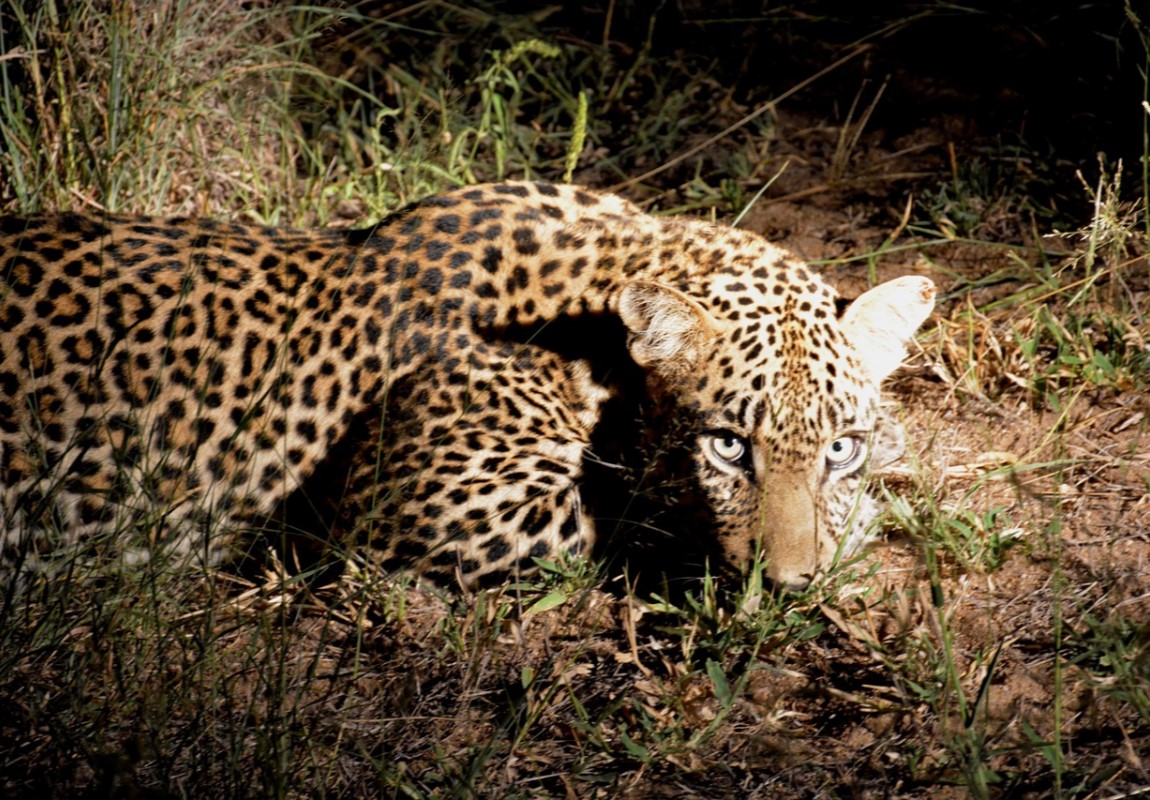
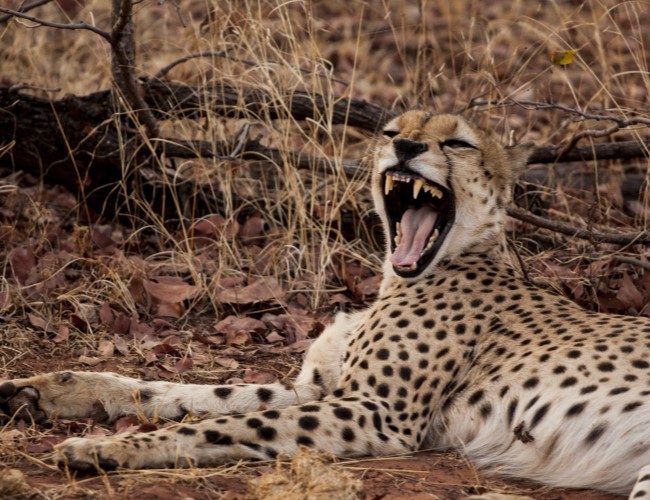
Zimbabwe offers exceptional wildlife diversity, particularly in Hwange and Mana Pools. The Big Five are present: lions (healthy populations in Hwange, Mana Pools, and private conservancies), leopards (excellent viewing especially in Mana Pools), elephants (Zimbabwe has large populations with Hwange hosting 40,000-50,000 elephants), buffalos (massive herds particularly in dry season), and rhinos (both black and white rhinos in private conservancies and specialized rhino tracking experiences). Hwange has one of Africa's largest elephant populations with spectacular dry season concentrations at waterholes. Other common sightings include zebras, giraffes, hippos, crocodiles, wild dogs (endangered but present in Hwange and Mana Pools), cheetahs, hyenas, various antelope species (impala, kudu, waterbuck, sable, roan, eland, bushbuck), warthogs, and baboons. Mana Pools is famous for elephant interactions, with elephants standing on hind legs to reach tree pods. Zimbabwe has over 670 bird species including endemics. Lake Kariba offers excellent aquatic wildlife and fishing. The diversity of ecosystems from Zambezi Valley to woodland savannas supports incredible biodiversity. Wildlife viewing is exceptional May-October with highest concentrations September-October.
Victoria Falls is one of the Seven Natural Wonders of the World - the world's largest sheet of falling water at peak flow (though not tallest or widest individually). The Zambezi River plunges 108 meters over 1,708-meter-wide cliff creating spectacular curtains of water, massive spray clouds (visible from 30km), constant rainbows, and deafening roar earning its local name "Mosi-oa-Tunya" (The Smoke That Thunders). Zimbabwe vs Zambia sides: Zimbabwe side offers the best overall views with 16 viewpoints along maintained paths showcasing Main Falls, Horseshoe Falls, Rainbow Falls, Devils Cataract, and Eastern Cataract - approximately 75% of falls visible. Zimbabwean infrastructure is excellent with paved paths, raincoats available, and spectacular viewpoints including Knife Edge Bridge. Zambia side offers closer proximity to falls, less crowded experiences, and access to Devil's Pool (swim at falls edge). Most visitors stay Zimbabwe side (Victoria Falls town) for better facilities, more accommodation options, activities, restaurants, and comprehensive falls views. Peak water flow (April-June) creates massive spray making viewing wet but spectacular. Low water (September-December) offers better visibility of rock faces and geological features. Both sides are worth visiting if time permits - day trips between countries are easy with KAZA Univisa. Victoria Falls is Africa's most accessible natural wonder with activities ranging from helicopter flights to bungee jumping, white-water rafting to sunset cruises.
Packing for Zimbabwe requires consideration of diverse activities, seasonal temperatures, and Victoria Falls spray. Essential clothing: neutral colors (khaki, olive, beige, brown) in lightweight breathable fabrics, long-sleeved shirts and long pants (sun protection, insects, and thorny vegetation), warm fleece or jacket for cold winter mornings (June-August can be 5-15°C/41-59°F at dawn), wide-brimmed hat, sunglasses, and SPF 50+ sunscreen. Footwear: comfortable walking shoes or lightweight boots (essential for walking safaris at Mana Pools), sturdy sandals, closed-toe shoes. Victoria Falls specifics: waterproof rain jacket or poncho (falls spray soaks you April-July), waterproof camera cover, quick-dry clothing, waterproof bag for electronics. Photography equipment: camera with telephoto lens (200-400mm for vehicle safaris, 70-200mm for walking safaris), wide-angle lens for landscapes and falls, spare batteries, memory cards, lens cloth, and dust-proof bag. Other essentials: insect repellent with DEET (mosquitoes and tsetse flies), antihistamine cream, headlamp or flashlight, personal first-aid kit and medications, reusable water bottle, dry bags for canoe safaris. Mobile camping safaris: sleeping bag liner, personal toiletries, and quick-dry towel. Most lodges offer laundry service. Avoid camouflage patterns (restricted) and bright colors. Pack light but prepare for temperature extremes and wet conditions at falls.
Zimbabwe has no single "best" park as each offers unique experiences. Hwange National Park is Zimbabwe's flagship and largest park (14,650 km²) with exceptional elephant populations (40,000+), diverse wildlife including all Big Five, excellent dry season concentrations at waterholes (particularly August-October), varied accommodation from budget camps to luxury lodges, and easy access from Victoria Falls (2.5 hours). Best for: first-time visitors, elephant viewing, photography, accessibility. Mana Pools National Park is UNESCO World Heritage Site offering unique walking safaris (only park allowing unguided walking), spectacular Zambezi River setting, canoeing safaris, famous elephants standing on hind legs, high predator densities, and authentic wilderness experiences. Best for: adventurous travelers, walking safaris, photographers, canoe trips. Matusadona National Park on Lake Kariba offers water-based safaris, excellent fishing, lion populations, scenic mountain backdrop, and houseboat safaris. Matobo National Park features stunning granite formations, highest rhino densities (both black and white), rock art sites, and Cecil Rhodes' grave. Gonarezhou National Park provides remote wilderness, dramatic Chilojo Cliffs, large elephant herds, and authentic bush experiences. Most itineraries combine Hwange (accessible wildlife) + Mana Pools (wilderness adventure) + Victoria Falls (spectacle and activities) for comprehensive Zimbabwe experience.
A minimum of 7-8 days is recommended for a fulfilling Zimbabwe safari experience. A typical 7-day itinerary includes: Victoria Falls (2 days for falls viewing and activities), Hwange National Park (3-4 days for wildlife viewing), and travel days. For comprehensive exploration, 10-12 days allows visiting multiple parks: Victoria Falls (2 days), Hwange (3-4 days), Mana Pools (3-4 days for walking and canoeing). The ultimate 14-day Zimbabwe experience combines all major destinations including Matobo Hills for rhino tracking, Lake Kariba for houseboats, extended Mana Pools adventures, and possibly Gonarezhou for remote wilderness. Consider travel times: Victoria Falls to Hwange (2.5 hours by road), Hwange to Mana Pools (6-7 hours or fly 1.5 hours), Victoria Falls to Mana Pools (fly 2 hours). Mana Pools requires minimum 3-4 nights to fully appreciate walking safaris, canoe trips, and wildlife encounters. Hwange rewards 3-4 nights with different areas and waterhole experiences. Victoria Falls deserves 2 days minimum for falls viewing and activities. More days provide relaxed pacing, better wildlife opportunities, and time to settle into wilderness rhythm. Many camps have 2-3 night minimum stays. Zimbabwe is best experienced slowly, allowing time for multiple activities and unexpected wildlife encounters rather than rushed park-hopping.
Walking safaris are guided wilderness walks where you track and observe wildlife on foot with armed professional guides - Zimbabwe pioneered this concept alongside Zambia and remains Africa's premier walking safari destination. Mana Pools National Park is legendary because it's the only major African park allowing unguided walking, though most visitors wisely use professional guides. What makes Mana Pools special: Habituated wildlife - animals are accustomed to people on foot, allowing closer encounters than vehicle-based viewing. Elephants, lions, buffalos, and other species tolerate human presence at respectful distances. Terrain - open floodplains, riverine forests, and Zambezi River frontage create ideal walking conditions with excellent visibility and varied habitats. Professional guides - Zimbabwean walking guides undergo rigorous training and testing, ranking among Africa's best with exceptional tracking skills, wildlife knowledge, and safety protocols. Experience - walking puts you at wildlife's level, heightening senses and creating intimate connections with nature impossible from vehicles. You track elephants through jesse bush, encounter lions on foot (maintaining safe distances), observe smaller species and ecosystems, and learn tracking, animal behavior, and bushcraft. Safety protocols include armed guides carrying heavy-caliber rifles, reading animal body language, maintaining proper distances, and retreating when necessary. The thrill combines adrenaline with deep wilderness immersion. Walking safaris typically last 2-4 hours morning and afternoon. Minimum age 12-16 years depending on guide assessment. This is quintessential Zimbabwe safari experience offering authentic African adventure.
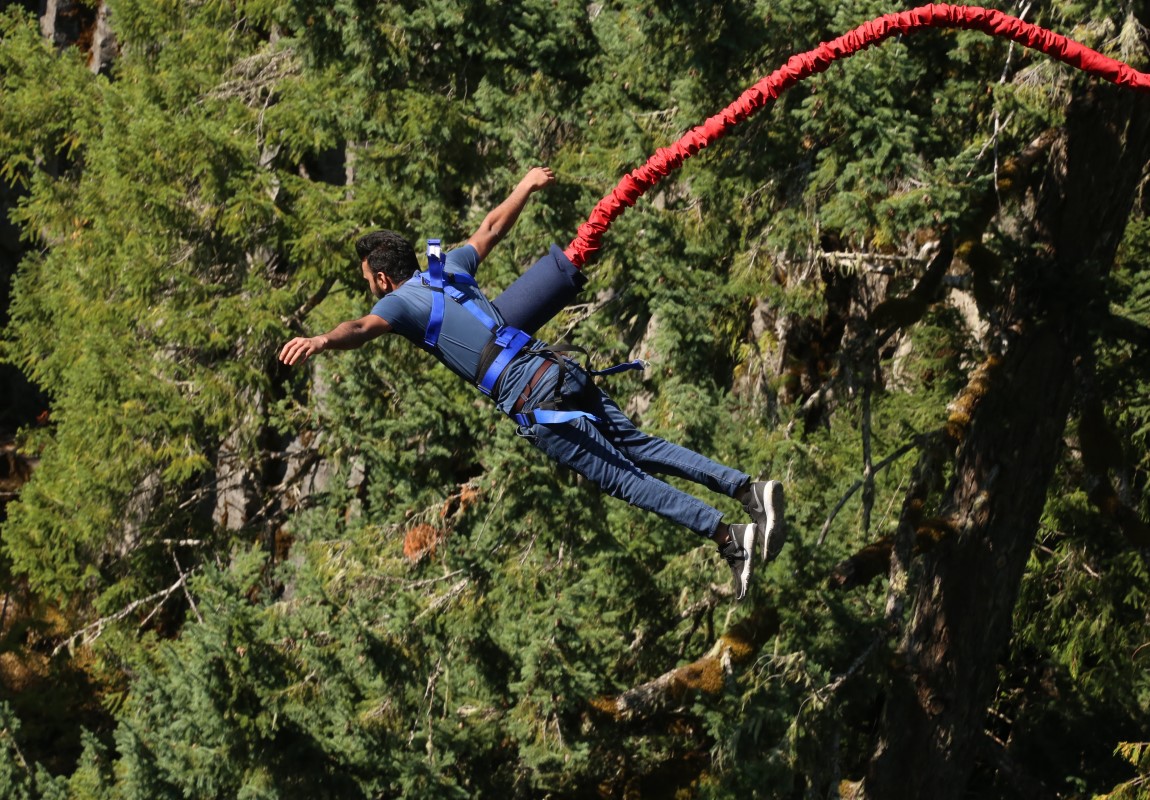
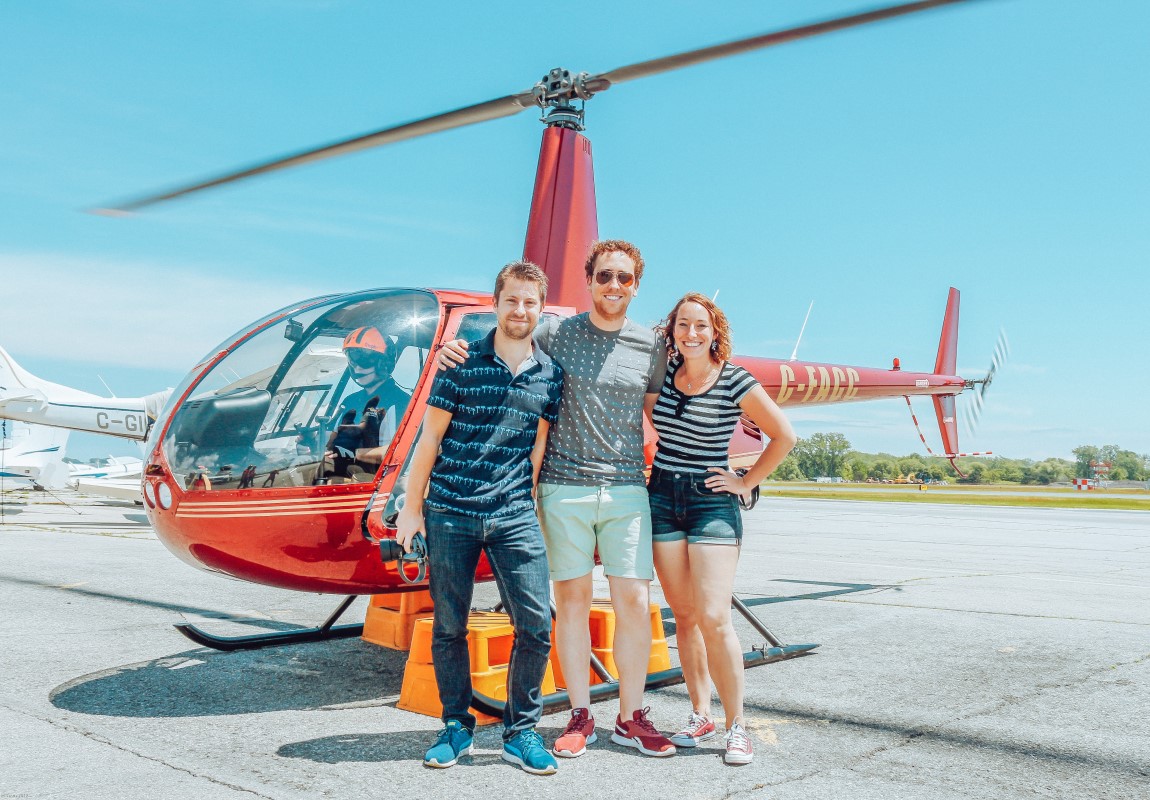
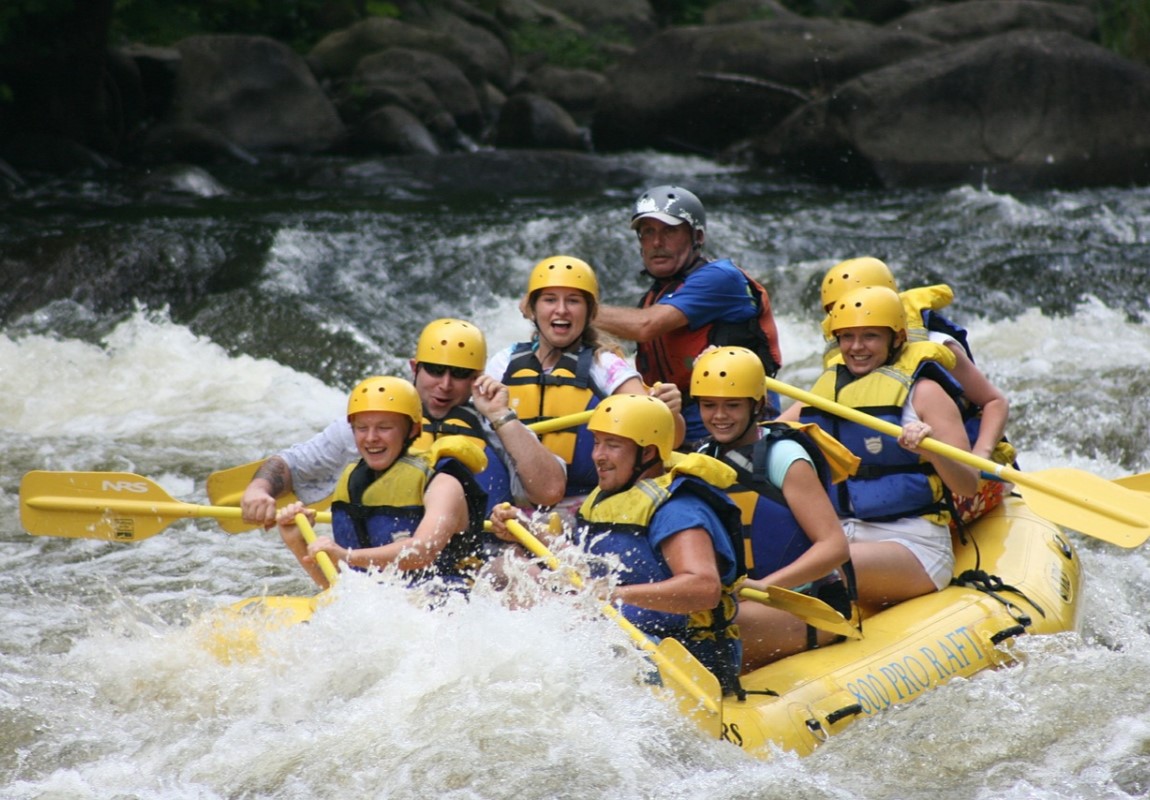
Victoria Falls offers extraordinary range of adventure and scenic activities. Viewing the falls: Zimbabwean side entry ($30-50) with 16 viewpoints, paved paths, and spectacular perspectives of Main Falls and entire curtain - morning visits best for rainbows. Helicopter flights: "Flight of Angels" (13-25 minutes, $150-300) - breathtaking aerial views of falls, gorges, and Zambezi River. Microlight flights: open-cockpit flying over falls ($170-200). White-water rafting: world-class Grade 5 rapids below falls - full-day trips ($140-160) with 23+ rapids including Commercial Suicide, Oblivion, and Star Trek. Bungee jumping: 111-meter jump from Victoria Falls Bridge ($160) - one of world's highest commercial bungees. Gorge swing: 70-meter pendulum swing across gorge ($130). Zip-lining: Flying Fox across gorge ($50) and canopy tours. Devil's Pool (Zambia side): swim at falls edge in natural rock pool ($120-150, September-December when safe). Sunset/sunrise cruises: relaxing Zambezi River cruises with wildlife viewing, drinks, and snacks ($50-80). Canoeing: upper Zambezi gentle float trips suitable for families ($75-120). Game drives: Zambezi National Park adjoining Victoria Falls. Lion encounters: walk with habituated lions ($150-160). Elephant interactions: ethical elephant experiences ($130-150). Village tours: local community and market visits. Fishing: tiger fishing expeditions. The Boma dinner: traditional African dining with cultural performances. Activities can be combined with multi-day packages offering discounts.
Zimbabwe offers diverse accommodation options balancing authenticity with comfort. Budget camping: public campgrounds and basic facilities ($20-50 per person) in national parks - bring own equipment or join budget camping safaris. Mid-range lodges and camps: comfortable tented camps and lodges with en-suite bathrooms, good food, pools, and bush ambiance ($200-400 per person per night full board) - excellent value and quality. Luxury safari camps: spacious tents or chalets with premium amenities, gourmet cuisine, excellent service, private decks, and exclusive locations ($500-900 per person per night). Ultra-luxury: iconic properties like Singita Pamushana, andBeyond lodges, Somalisa Expeditions with world-class service, private guides, exclusive concessions, and bespoke experiences ($1,000-2,500+ per person per night). Mobile camping: authentic expedition-style camps with professional crews in Mana Pools and remote areas ($400-600 per person per night) - canvas tents, camp chairs, bush dining under stars. Victoria Falls town: wide range from backpacker hostels to 5-star hotels including Victoria Falls Hotel (historic colonial property). Hwange has diverse options from self-catering lodges to ultra-luxury camps in private concessions. Mana Pools features intimate camps with exceptional guiding. Many Zimbabwe camps are unfenced allowing wildlife to roam freely through properties. Accommodation styles emphasize authentic wilderness rather than urban luxury, with focus on exceptional guiding and genuine bush experiences.
Yes, comprehensive travel insurance is absolutely essential for Zimbabwe safaris. Ensure coverage includes: medical emergencies and evacuation (critical - medical evacuation from remote Mana Pools or Hwange to Harare or South Africa can cost $50,000-100,000+), trip cancellation and interruption (safari deposits are substantial and often non-refundable within 60-90 days), lost or delayed baggage, and adventure activities including game drives, walking safaris, canoe safaris, white-water rafting, bungee jumping, helicopter flights, and gorge activities. Verify policy specifically covers walking safaris with dangerous animals and extreme adventure activities at Victoria Falls - some insurers exclude high-risk activities. Medical facilities in remote areas are extremely limited - serious emergencies require air evacuation to better facilities. Victoria Falls adventure activities carry inherent risks requiring adequate coverage. Many Zimbabwe safari operators require proof of comprehensive insurance including evacuation coverage before confirming bookings. Purchase insurance immediately after making first deposit to maximize coverage benefits. Read policy exclusions carefully regarding adventure activities, pre-existing conditions, wildlife encounters, and evacuation limits. Emergency evacuation coverage should be minimum $250,000. Recommended insurers include World Nomads, IMG Global, Medjet Assist, and specialist adventure travel insurance providers experienced with African safaris and extreme activities.
Zimbabwe's currency situation is unique and evolving. As of 2024, Zimbabwe uses multiple currencies: US Dollar (USD) is the primary and most widely accepted currency for tourism - safaris, lodges, activities, and restaurants quote and accept USD. The Zimbabwe Gold (ZiG) is the official local currency but USD dominates tourism sector. South African Rand is also accepted in some locations. Euro and British Pound are sometimes accepted at major establishments. For travelers, bring US dollars in good condition - bills should be dated 2009 or newer (2013+ strongly preferred), be clean without tears or excessive wear, and in various denominations ($1, $5, $10, $20, $50, $100). Smaller denominations ($1, $5, $10) are essential for tips, small purchases, and markets. Credit cards (Visa and Mastercard) are accepted in Victoria Falls, major lodges, and cities but not universally - cash remains essential. ATMs are available in Victoria Falls, Harare, and Bulawayo but reliability varies and daily limits apply. Most safari packages are pre-paid in USD. Budget $300-500 cash for tips, drinks, souvenirs, and incidental expenses on week-long safaris. Victoria Falls activities accept USD. Change is often given in mixed currencies. Mobile payments (EcoCash) are used locally but require local setup. Zimbabwe's economy is cash-based for tourism - carry sufficient USD and protect it securely.
Yes, children can enjoy Zimbabwe safaris though age restrictions apply to certain activities. Walking safaris typically require minimum age 12-16 years depending on camp, guide assessment, and wildlife encounters - strictly enforced for safety as walking with dangerous animals requires maturity and instant instruction compliance. Game drives in vehicles welcome children of all ages though long drives may challenge very young ones. Many camps have minimum age policies: some accept children from age 6-8, others from 12+, and some are adults-only. Family-friendly properties include Elephant Camp Victoria Falls, Nehimba Lodge, certain Hwange camps with family tents and interconnecting rooms, and Victoria Falls hotels with pools and activities. Victoria Falls activities have varying age limits: helicopter flights (no minimum but lap infants free), white-water rafting (15+ years), bungee jumping (14+ years), gorge swing (13+ years), gentle upper Zambezi canoeing (suitable for children 6+), sunset cruises (all ages). Mana Pools walking safaris and canoe trips generally require age 12+ minimum. Consider malaria risk - discuss prophylaxis with pediatricians as all safari areas are malaria zones. Private vehicle safaris offer more flexibility than group tours for families. Zimbabwe's combination of Victoria Falls (accessible, diverse activities) and Hwange (comfortable lodges, reliable wildlife viewing) works well for families. Teenagers (12+) can fully experience Zimbabwe including walking safaris and most adventure activities.
Tipping is customary and essential income for Zimbabwe safari staff. Recommended guidelines: Safari guide: $15-25 per person per day for excellent service - Zimbabwe guides are highly trained professionals, particularly walking safari guides who undergo rigorous certification. Walking safari guides: $20-30 per person per day given specialized skills and intensive training. Vehicle driver (if separate from guide): $10-15 per person per day. Camp/lodge staff: $15-20 per person per day (placed in communal tip box distributed among housekeepers, chefs, waiters, maintenance staff). Canoe safari guides: $15-20 per person per day. Victoria Falls activity guides: $10-15 depending on activity and service quality. Tips are given in US dollars (strongly preferred and expected) at the end of your stay at each camp or activity. Most camps provide envelopes for guide tips and communal tip boxes with suggested amounts posted. For multi-camp safaris, tip at each location. Group travelers should coordinate tipping to ensure fair amounts. Factor $250-400 total per person for tips on a 7-10 day safari into your budget. Zimbabwe tourism staff work hard with relatively low base wages making tips crucial income. For exceptional service, particularly outstanding walking guides who enhance experiences significantly through knowledge, safety, and wildlife encounters, tip generously. Cash tips in USD are essential as staff rely on this income for families.
Zimbabwe has a subtropical climate with distinct wet and dry seasons and significant regional variations. Dry season (May-October): clear sunny days with minimal rainfall. May-August is winter with cold mornings and evenings (5-15°C/41-59°F), particularly in June-July when temperatures can drop near freezing at dawn, warming to pleasant 20-27°C/68-81°F during day. September-October becomes very hot (30-40°C/86-104°F) with some areas experiencing extreme heat, though this is peak wildlife viewing season. Wet season (November-April): hot and humid with afternoon thunderstorms, temperatures 25-35°C/77-95°F, dramatic skies, lush vegetation, and seasonal water sources. December-February is summer peak with heaviest rains. Regional variations: Zambezi Valley (Mana Pools) is hot and humid year-round with winter lows 10-15°C, summer highs 35-40°C. Hwange has milder temperatures due to elevation. Victoria Falls area is warm year-round with significant spray-induced cooling near falls April-July. Eastern Highlands are cooler due to altitude. Pack layers as early morning game drives and walking safaris can be very cold (winter) requiring warm jackets, beanies, and gloves, while midday becomes hot requiring sun protection. Weather is predictable during dry season with consistent sunshine and excellent visibility. Wet season offers dramatic photography with storm clouds and lush landscapes but some areas become muddy or inaccessible.
Zimbabwe has 16 official languages reflecting its cultural diversity. English is the primary language for tourism, business, government, and education, making Zimbabwe extremely accessible for international travelers. English proficiency is excellent in tourist areas, safari lodges, Victoria Falls, and cities. Safari guides speak excellent English with specialized wildlife and ecology vocabulary. The most widely spoken indigenous languages are Shona (spoken by approximately 70% of population, primarily in northern and central regions) and Ndebele (spoken by about 20%, primarily in western regions including around Hwange and Victoria Falls). Other recognized languages include Venda, Tonga, Shangani, Kalanga, Sotho, Nambya, Xhosa, and several others. In tourist areas, English communication is seamless. Rural areas may have varying English proficiency, but guides always facilitate translation. Learning basic Shona or Ndebele phrases enhances experiences and delights locals. Zimbabweans are educated and multilingual - most speak English plus one or more indigenous languages. For travelers, widespread English fluency makes Zimbabwe comfortable and easy to navigate. Signs, menus, tourism information, and communications are in English. Safari guides often teach visitors local phrases during safaris, and cultural exchanges benefit from language interactions. Zimbabwe's linguistic diversity adds richness to cultural experiences while English ensures accessibility.
International flights arrive at Robert Gabriel Mugabe International Airport (HRE) in Harare or Victoria Falls International Airport (VFA). Major airlines include South African Airways, Ethiopian Airlines, Kenya Airways, Emirates (via Johannesburg), and regional carriers. Most safari itineraries use Victoria Falls as entry point due to proximity to Hwange and regional connections. Travelers often fly into Victoria Falls and out of Harare (or reverse) for efficient routing. Travel options: Road transfers - Victoria Falls to Hwange (2.5 hours, reasonable tar road), Harare to Hwange (6-7 hours), Victoria Falls to Mana Pools (8-10 hours rough roads). Domestic flights - scheduled services connect Victoria Falls, Harare, Hwange, and Mana Pools (Air Zimbabwe, Fastjet Zimbabwe) taking 1-2 hours. Charter flights offer flexibility for remote camps. Self-driving is possible with proper 4WD vehicle, GPS, and camping equipment - main routes are reasonable but remote areas require serious off-road capability. Most visitors choose organized safaris with road or flight transfers arranged by operators. Mana Pools often requires 4WD convoy for safety and river crossings. Victoria Falls is easily accessible with good infrastructure. Border crossings to Botswana (Chobe), Zambia (Livingstone), and South Africa are straightforward with proper visas. Multi-country itineraries are popular and logistically manageable with proper planning.
Yes, Zimbabwe combines excellently with neighboring countries for comprehensive Southern African experiences. Popular combinations include: Zimbabwe + Zambia: Victoria Falls spans both countries - visit both sides (Zimbabwe for best views, Zambia for Devil's Pool), combine with South Luangwa walking safaris or Lower Zambezi canoe safaris. KAZA Univisa ($50) facilitates easy crossing. Zimbabwe + Botswana: combine Hwange/Victoria Falls with Chobe National Park (1.5 hours from Victoria Falls) for elephant concentrations, or add Okavango Delta for water-based safaris creating diverse ecosystem experiences. Zimbabwe + South Africa: connect Victoria Falls with Kruger National Park, Sabi Sands, or Cape Town for comprehensive safari-to-coast itineraries. Fly via Johannesburg hub. Zimbabwe + Mozambique: combine safaris with Indian Ocean beaches, diving, and island escapes for bush-and-beach experiences. Zimbabwe + Namibia: link Victoria Falls with Etosha National Park, Skeleton Coast, or Sossusvlei dunes for dramatic desert landscapes contrasting with lush Zimbabwe. Multi-country Southern Africa circuit: comprehensive 14-21 day itineraries visiting Zimbabwe (Victoria Falls + Hwange), Botswana (Chobe + Okavango), Zambia (Livingstone + South Luangwa), and South Africa (Kruger). Logistics require planning visas, borders, and transfers but safari operators arrange seamless itineraries. Allow minimum 10-14 days for meaningful multi-country experiences. Victoria Falls' central location makes it ideal hub for regional exploration.
Hwange National Park is Zimbabwe's flagship wildlife reserve and largest protected area (14,650 km²), famous for several exceptional features. Elephant populations: Hwange hosts 40,000-50,000 elephants - one of Africa's largest concentrations with spectacular herds particularly during dry season (July-October) when animals converge on artificial waterholes and natural pans. Dry season waterholes: the park has 60+ artificial pumped waterholes supporting wildlife during dry months creating reliable, exceptional viewing opportunities. Photographers particularly love waterhole sessions with dramatic wildlife interactions. Diverse wildlife: all Big Five present with healthy lion populations (approaching 500), leopards, large elephant herds, buffalos (sometimes thousands together), and growing rhino populations in intensive protection zones. Additionally, wild dogs (endangered but present), cheetahs, giraffes, zebras, and diverse antelope species including sable, roan, eland, and tsessebe. Varied landscapes: from Kalahari sandveld to mopane woodlands, teak forests to grasslands creating habitat diversity supporting 100+ mammal species and 400+ bird species. Accessibility: relatively easy access from Victoria Falls (2.5 hours) making it practical for shorter safaris. Accommodation diversity: ranging from budget camping to ultra-luxury private concessions. Best season: August-October for intense wildlife concentrations when 20,000+ elephants and other species congregate around shrinking water sources. Hwange offers classic African safari experiences with reliable, spectacular wildlife viewing in stunning wilderness settings.
Canoe safaris are unique water-based wildlife experiences where you paddle silently along rivers observing wildlife from water level - Zimbabwe offers exceptional canoe safari opportunities on the Zambezi River. Mana Pools National Park is premier destination for canoe safaris along the Zambezi River frontage offering multi-day expeditions or half-day paddles. Experience includes: paddling past elephants drinking and bathing at river edges (incredibly close encounters from water level), navigating around hippos with expert guide management of safe passages and distances, watching crocodiles basking on sandbanks, observing diverse birdlife including fish eagles, kingfishers, herons, and storks, and camping on islands or riverbanks under African stars. Canoe safaris typically combine paddling with walking safaris and traditional game drives for comprehensive wilderness experiences. Upper Zambezi above Victoria Falls offers gentler float trips suitable for families and beginners with wildlife viewing of hippos, crocodiles, elephants, and birds. Expeditions range from 2-hour paddles to 3-5 day multi-day safaris covering 20-60km. Physical requirements are moderate - reasonable fitness for paddling but guides adjust pace appropriately. Two-person canoes are standard with professional guide leading convoy. Safety protocols include guide training in river navigation, hippo/crocodile behavior, reading water conditions, and emergency response. Sunrise and sunset paddles offer spectacular lighting, cooler temperatures, and peak wildlife activity. This quintessential Zimbabwe adventure combines wildlife, wilderness immersion, and active participation creating unforgettable experiences distinct from vehicle safaris.
Shona is Zimbabwe's most widely spoken indigenous language (about 70% of population), and learning basic phrases delights locals even though English is widespread. Here are 10 essential Shona phrases with pronunciations:

1) Mhoro (mm-HOH-roh) - Hello (informal), Makadii (mah-kah-DEE) - How are you?
2) Ndiri bhoo (n-DEE-ree boh) - I am fine
3) Mazvita (mahz-VEE-tah) - Thank you
4) Ndatenda (n-dah-TEN-dah) - Thank you very much
5) Ndapota (n-dah-POH-tah) - Please
6) Hongu (HOHN-goo) - Yes
7) Kwete (KWAY-tay) - No
8) Pamusoroi (pah-moo-soh-ROY) - Excuse me/Sorry
9) Mangwanani (mahn-gwah-NAH-nee) - Good morning
10) Chisarai zvakanaka (chee-SAH-rye zvah-kah-NAH-kah) - Goodbye/Stay well

Bonus wildlife words: Shumba (lion), Nzou (elephant), Ngwena (crocodile), Mvuu (hippo), Mbada (leopard). Zimbabweans are warm and friendly people who greatly appreciate visitors attempting Shona, even just basic greetings. Your safari guides will happily teach you more phrases and help with pronunciation during your travels!

Change Currency

Loading currencies...

Give your feedback