

Rwanda Safari Destination Rwanda flag

Rwanda Safari Information

The land of a thousand hills

50 Tours 161 Tour Operators 3 Accommodation Properties

Starting from

$750PP

Overview

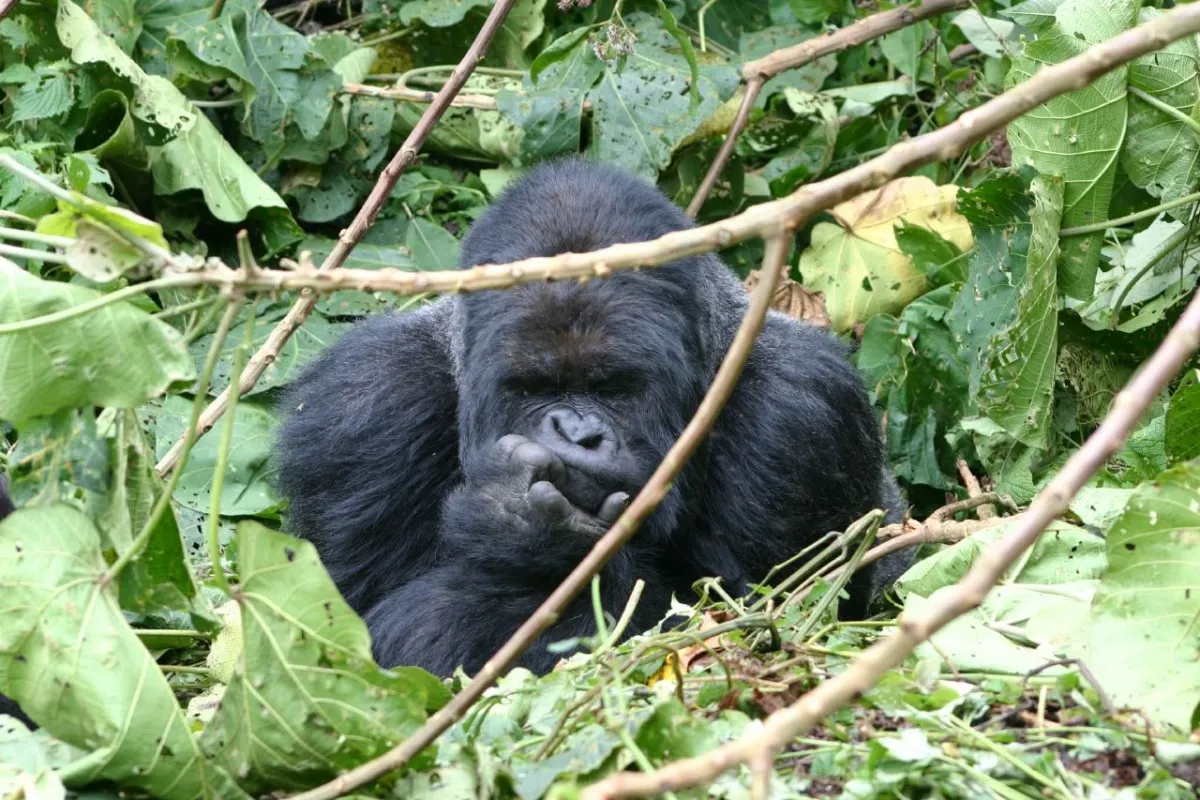
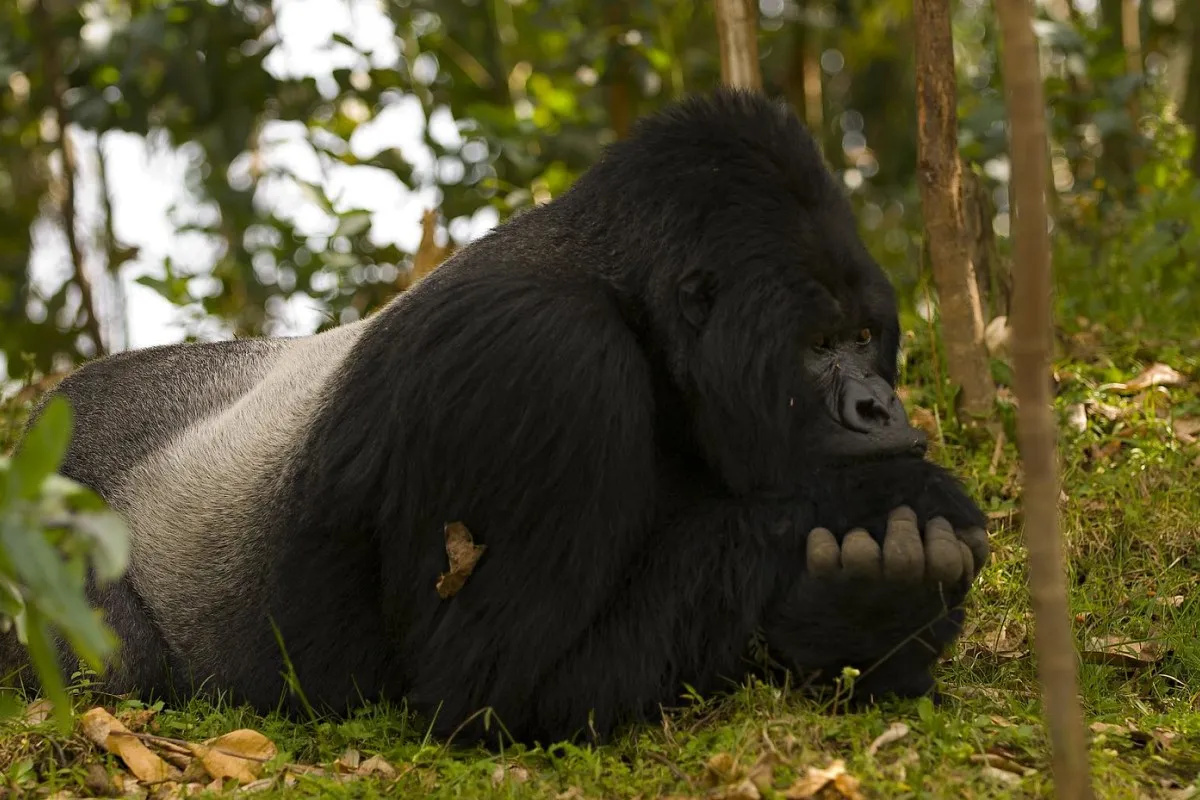
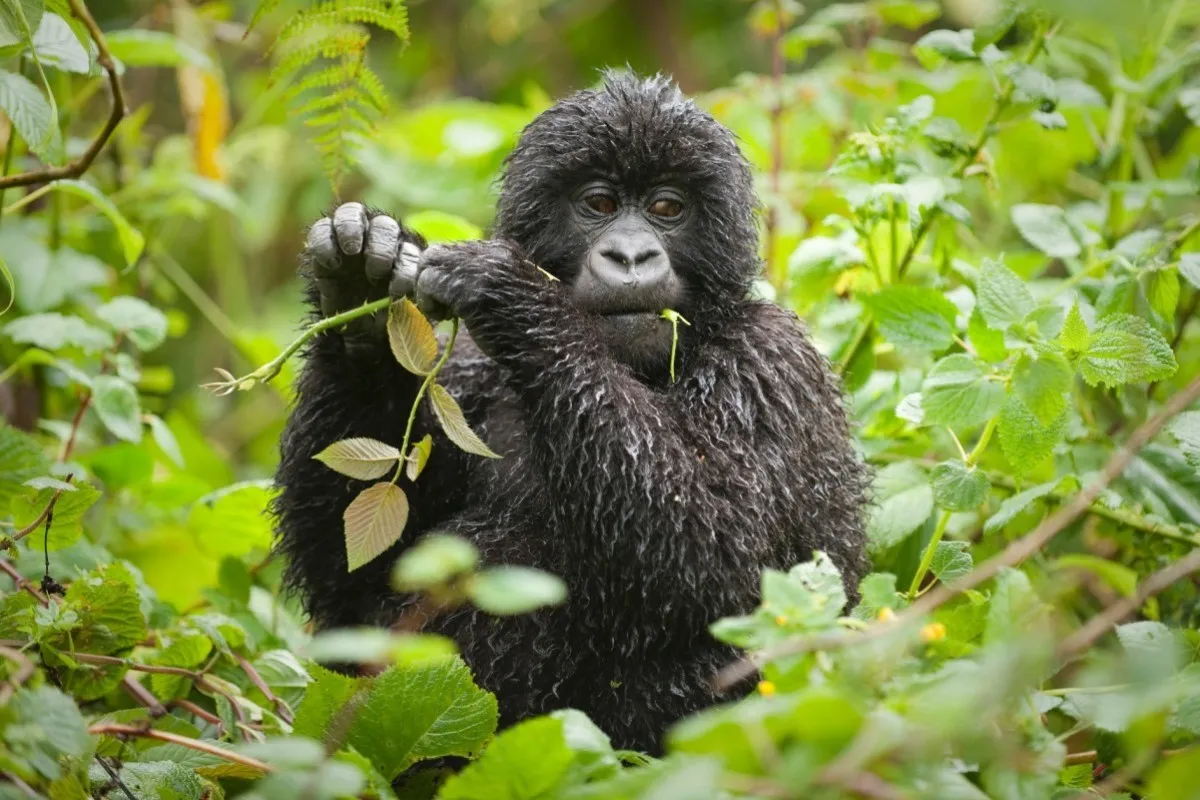
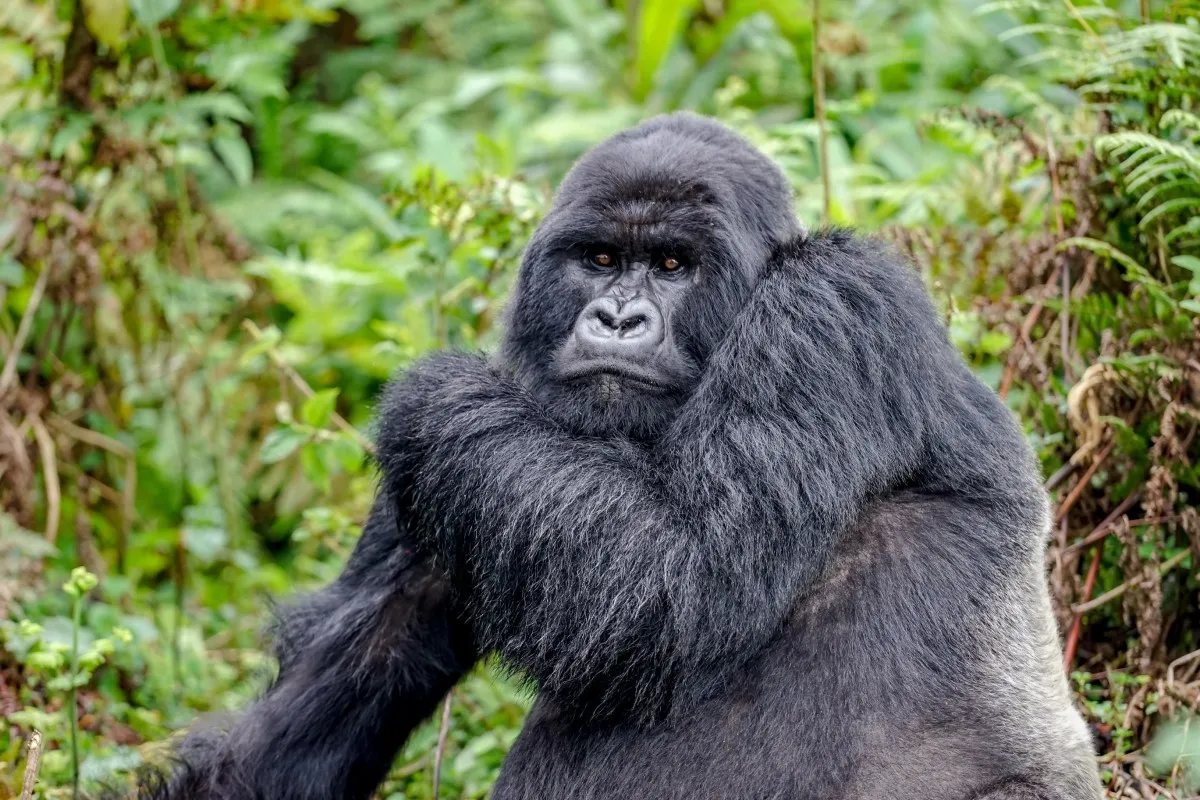
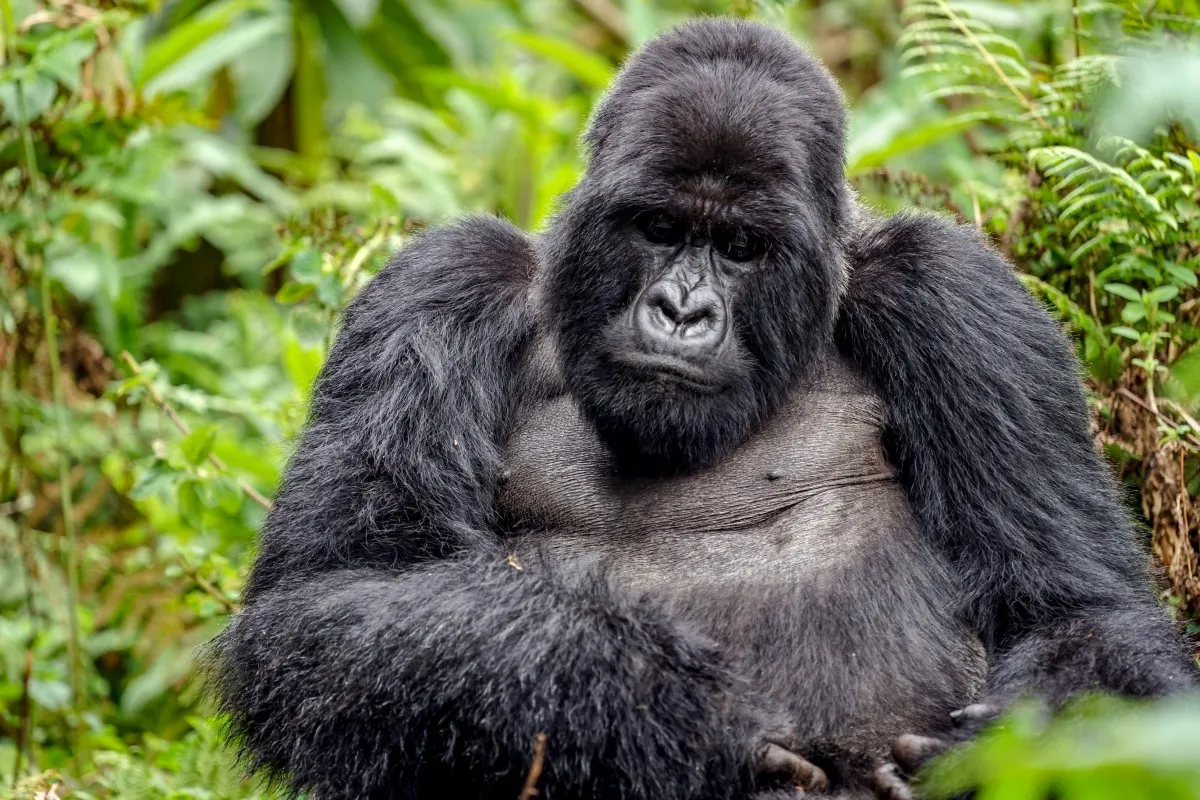
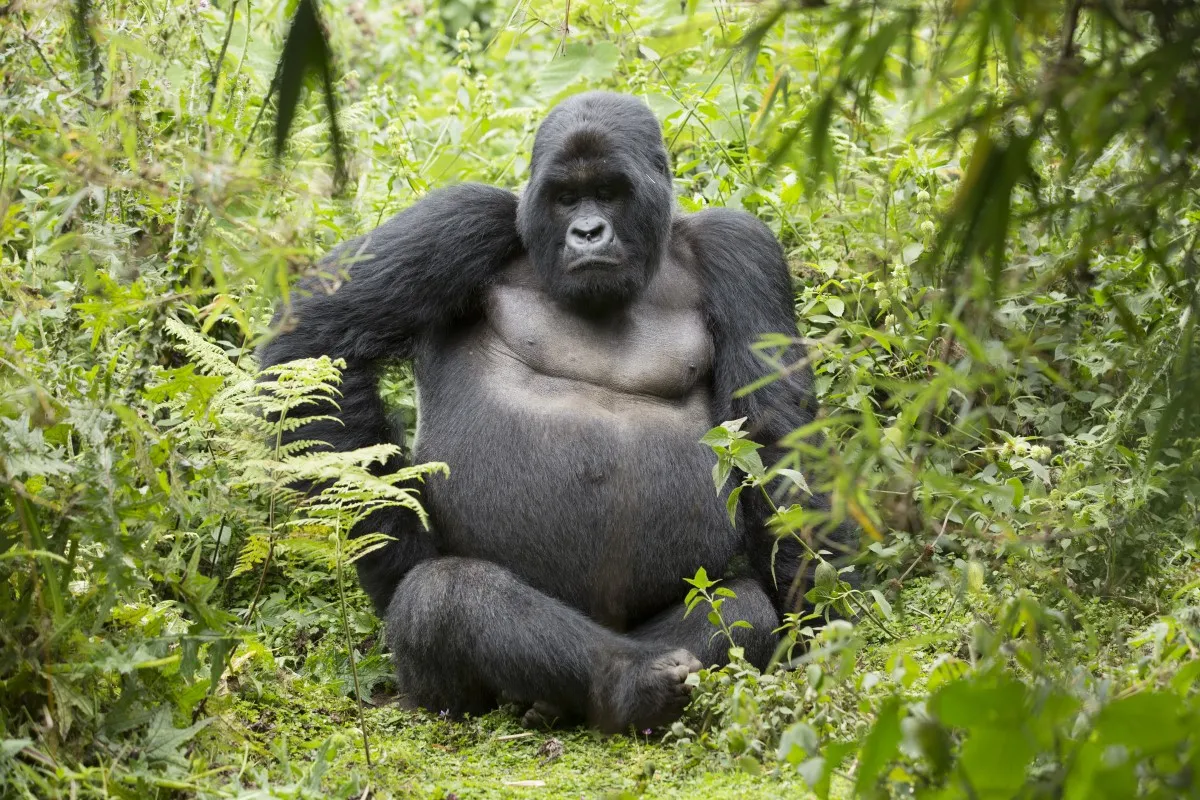
Rwanda is known as the Land of a Thousand Hills. It is a landlocked country in Central Africa, bordered by Burundi, the Democratic Republic of the Congo, Tanzania, and Uganda. It gives an immersive experience in life with its Gorilla trekking. Chimpanzees and many other primates can also be found in Nyungwe Forest, Rwanda. It is a place of smouldering volcanoes, lavish mountains, historic rainforests and an abundance of wildlife, as well as rich and diverse vegetation. Volcanoes National Park is particularly famous for its gorilla trekking and volcano hikes. Around 13 species of monkeys can be spotted which is 25% of Africa's monkey species in this park.

Rates (USD)
$475 pp/day
Currency
Rwandan franc (‎RWF‎)‎
Capital
Kigali
Languages
French, English, Swahili
High Season
June to September
Best Time to Go
June to September

Pros & Cons

  • Low-density tourism and eco-friendly lodges
  • Excellent wildlife viewing in northern parks
  • Beautiful and diverse scenery of dry desert, saltpans, savannah grasslands and delta waterways
  • Low population and vast, undeveloped areas
  • Political stability and safety
  • Expensive upmarket safaris with few budget options
  • Availability can be limited during high season

Map in Africa

Rwanda Map in Africa

Safari Reviews

User Reviews
0.0/5
(0 Reviews)

Share Your Experience

Help other travelers by writing a review

Best Time to Visit – Rwanda

The dry season in Rwanda runs from June to mid-September and is the best time for wildlife enthusiasts to visit. There is another, shorter, dry season which runs from December to February. Due to its higher elevation, Rwanda enjoys a cooler temperature than some other equatorial countries.

High Season
June to September
Low Season
March, April, October & November
Best Weather
June to August
Worst Weather
March and April

June to September (Dry Season)

  • Perfect time for gorilla trekking
  • Remarkable Wildlife & Birding
  • Forest trails are less slippery
  • Less crowded in high seasons
  • There is more sunshine
  • Limited Gorilla permits so need to book in advance
  • Gorilla Permits are expensive
  • Chimpanzees trekking will be better in the Wet season

October to May (Wet Season)

  • Savannah scenery is greener in this season
  • More discounts because of low season
  • Best season for chimpanzees trekking
  • Forest trails become slippery and challenging
  • Trekking becomes difficult in heavy rains

Best Time to Go to Rwanda by Major Park

The dry season in Rwanda runs from June to mid-September and is the best time for wildlife enthusiasts to visit. There is another, shorter, dry season which runs from December to February. Due to its higher elevation, Rwanda enjoys a cooler temperature than some other equatorial countries.

Wildlife & Animals

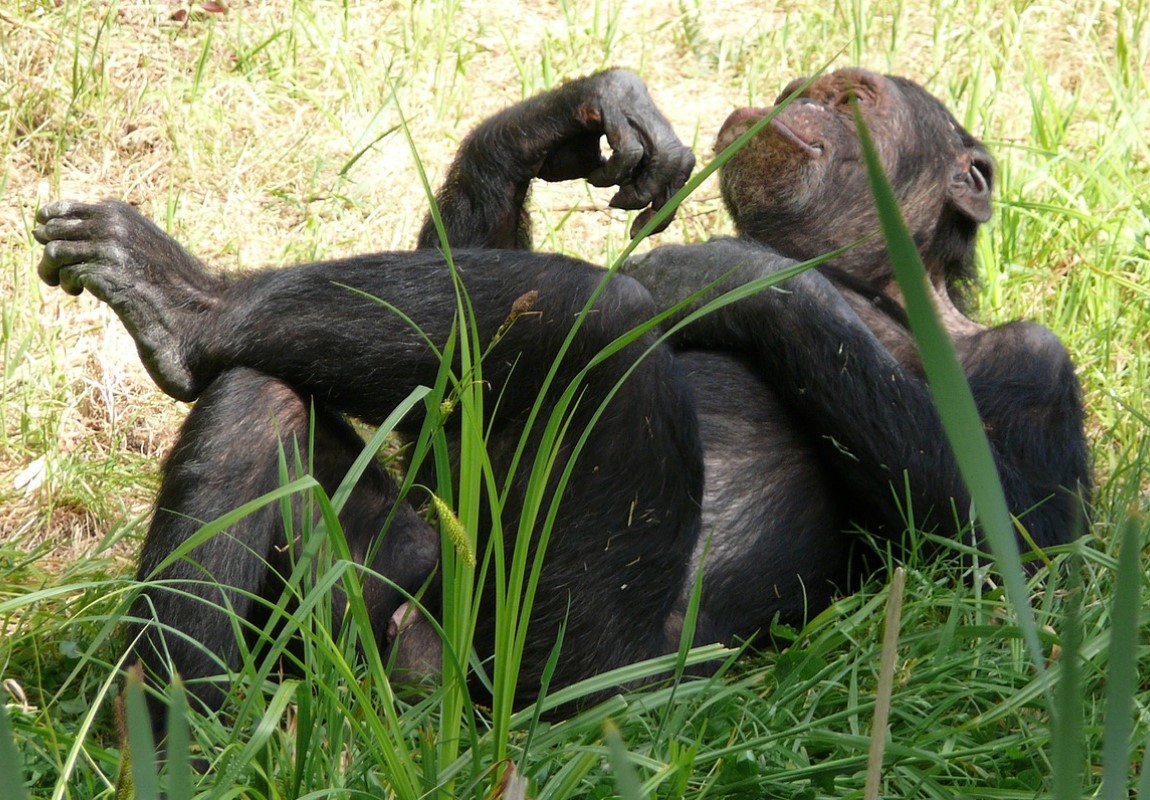
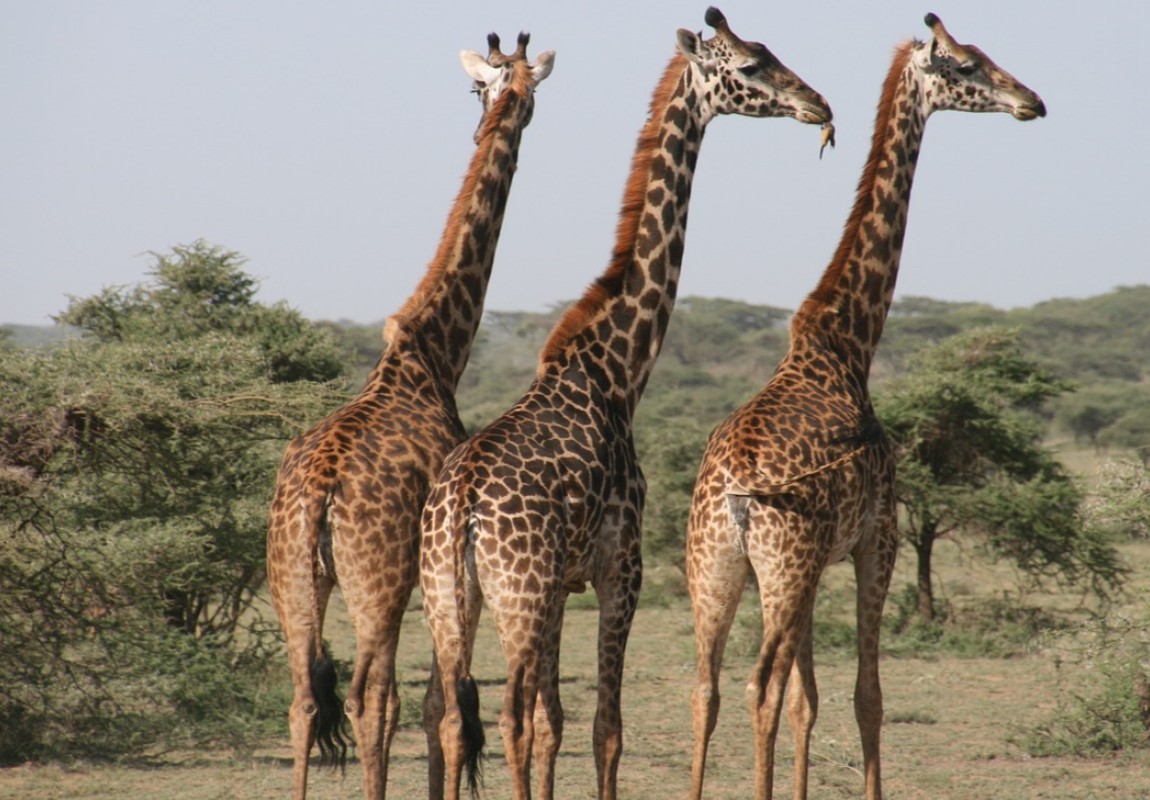
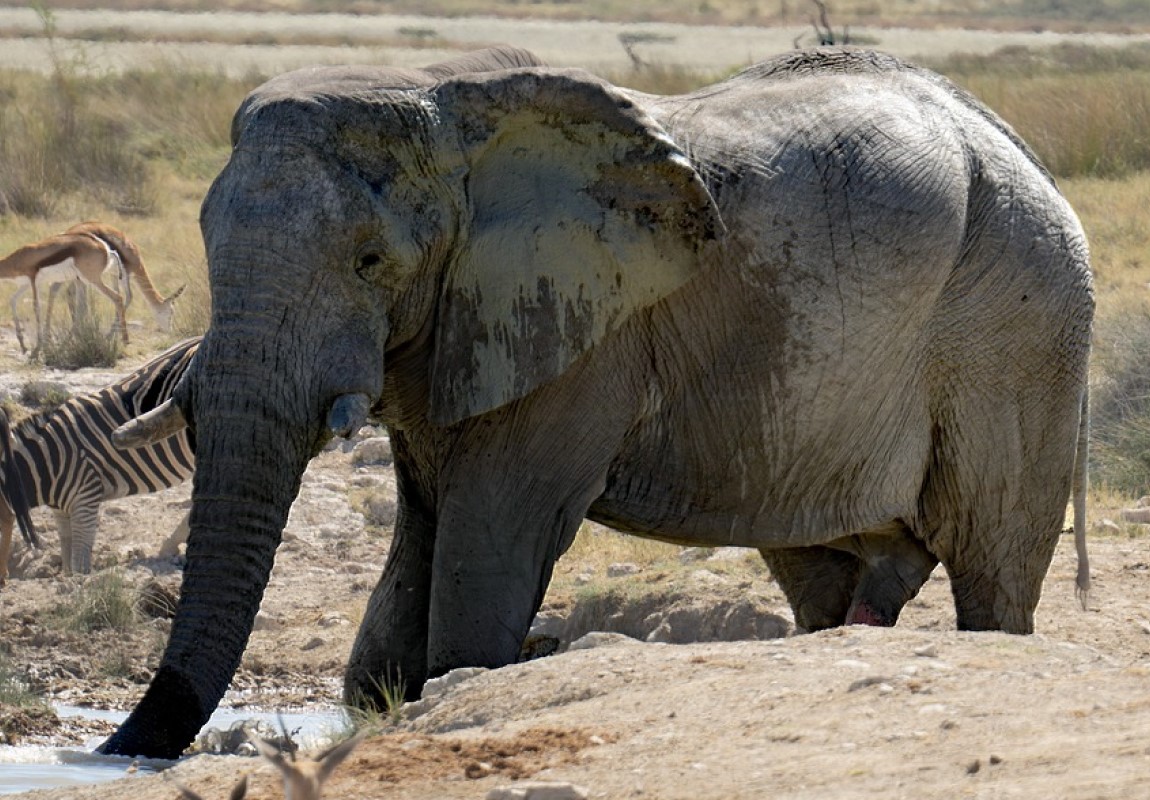
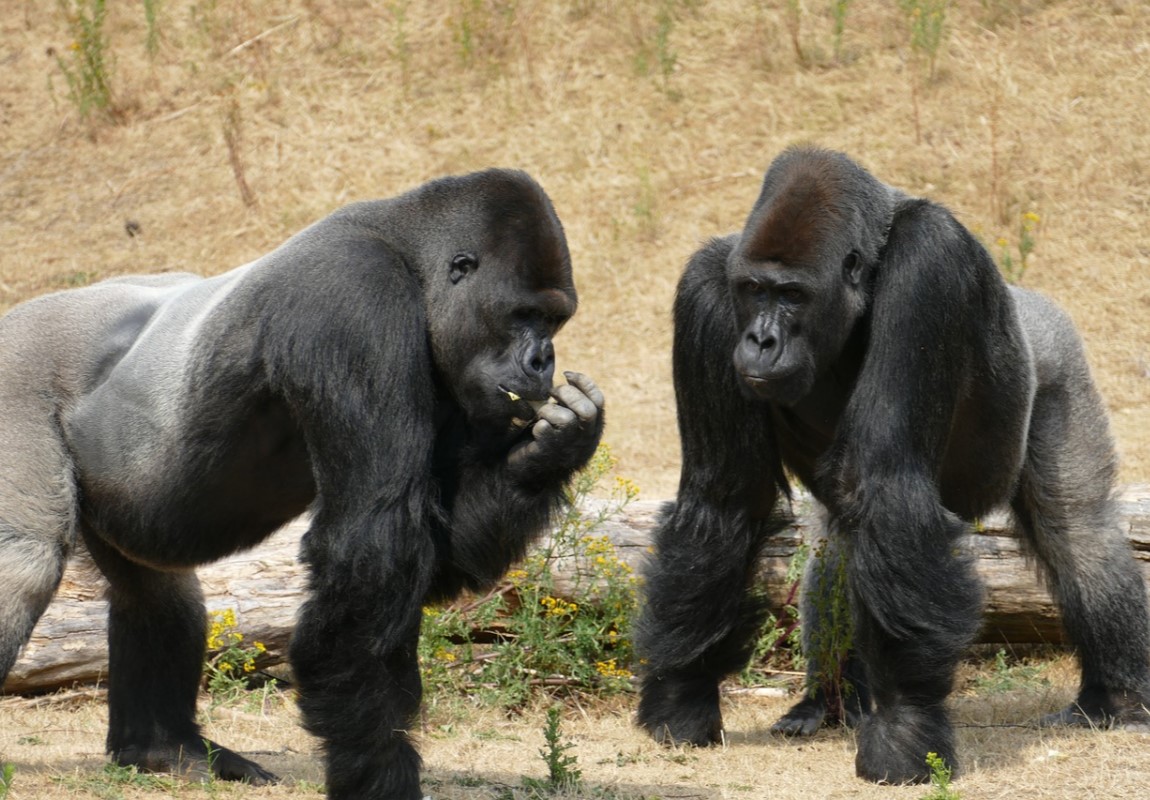
Rwanda has the greatest diversity of large mammals found in its four national parks which are designated conservation areas. Nyungwe Forest boasts thirteen primate species including chimpanzees and Ruwenzori colobus arboreal monkeys; the Ruwenzori colobus moves in groups of up to 400 individuals, the largest troop size of any primate in Africa. Akagera contains typical savanna animals such as giraffes and elephants, while Volcanoes are home to an estimated one-third of the worldwide mountain gorilla population.
Wildlife Highlights

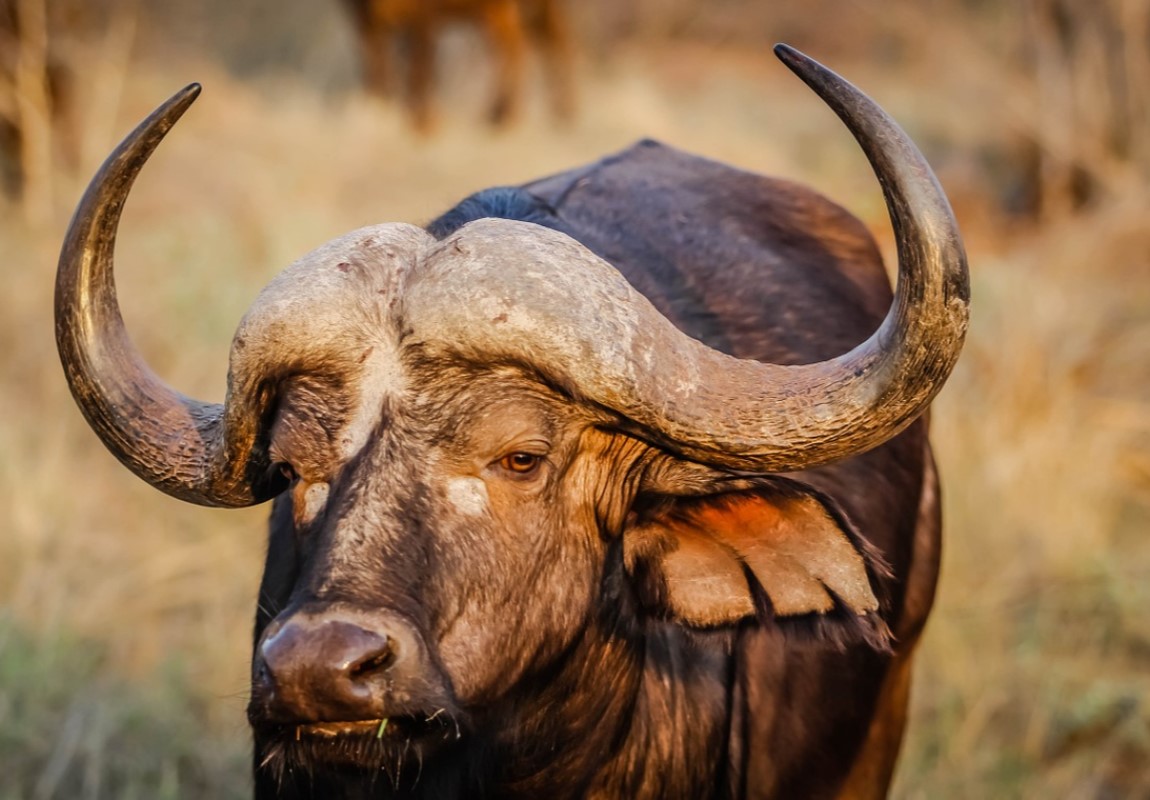
A variety of primates can be found in Rwanda which includes Mountain Gorilla, Chimpanzees, Golden monkeys, l’Hoest’s monkeys, Rwenzori colobus and red-tailed monkeys. Except for the Leopard all four of the Big 5 can be also found in Akagera National Park in which elephants and buffalo can be spotted easily but the lion and rhino sightings are a bit more hit-and-miss. Cheetah is not available in Rwanda.

Best Time for Wildlife Viewing

Gorilla trekking can be done around the year and sightings are pretty much guaranteed. Chimpanzee trekking is a little bit tricky and the best time to visit is in the Wet season from October to February. The best time for wildlife viewing is in the Dry season from December to February. It's better to avoid the Wet season from March to May.

Birds

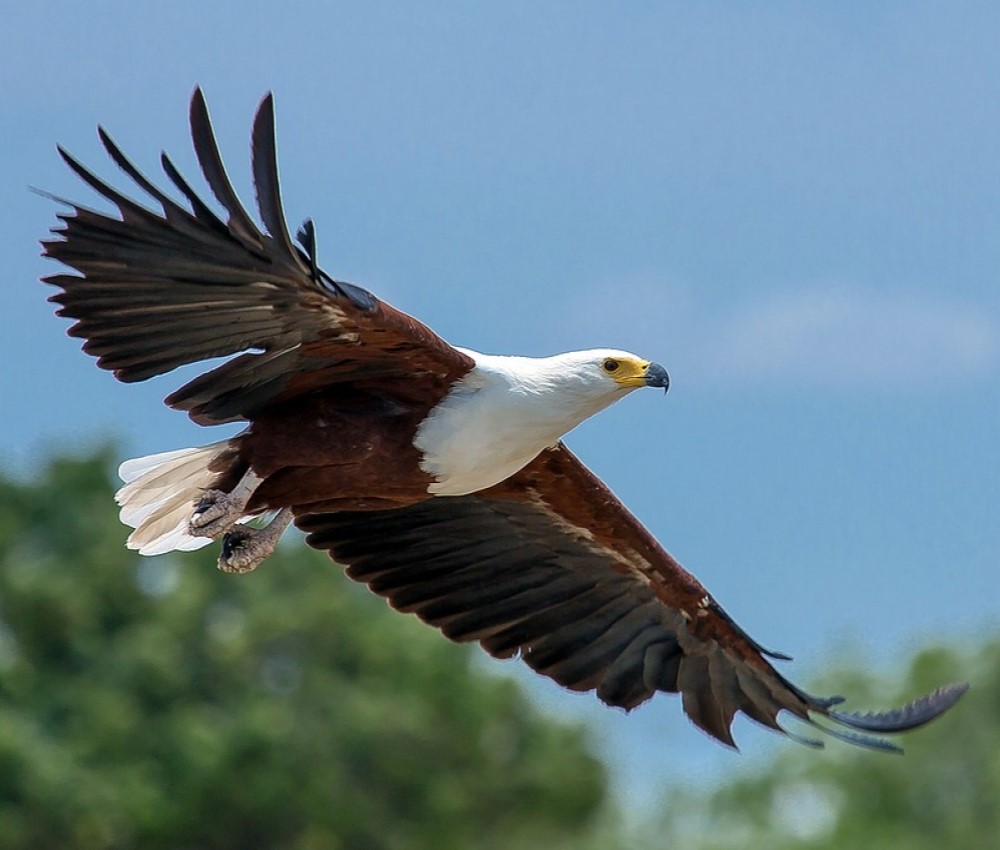
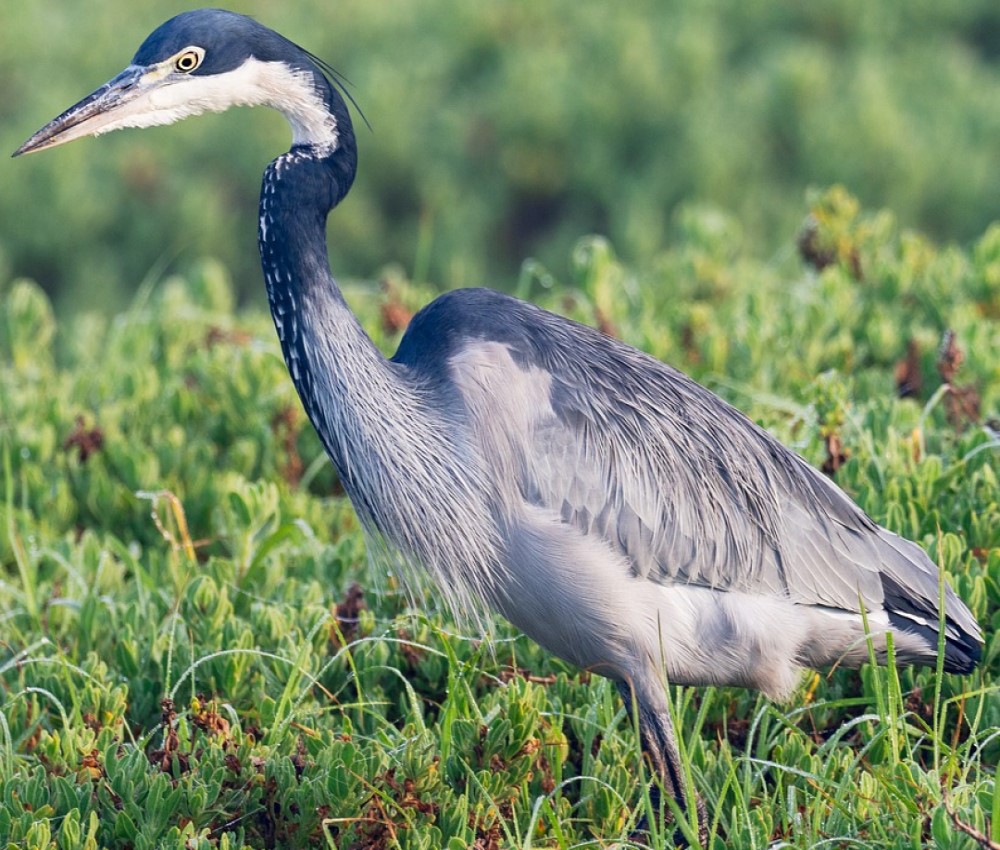
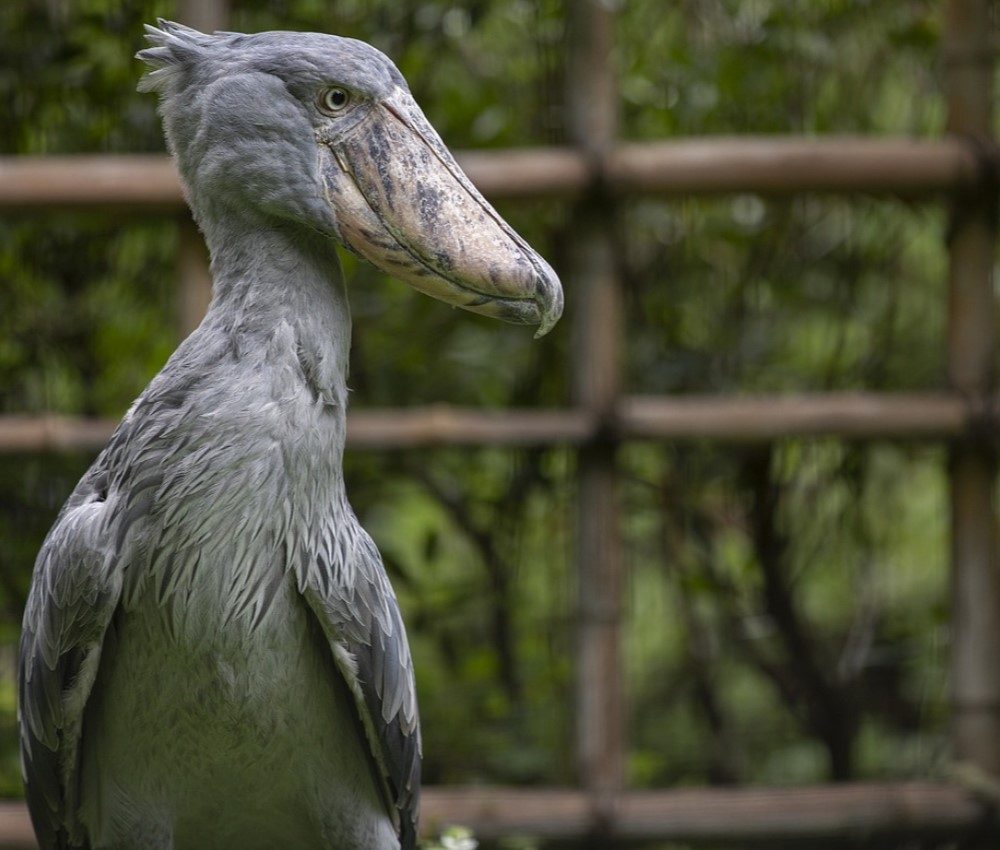
Rwanda is a perfect birding destination with its 711 bird species, with variation between the east and the west. Nyungwe Forest in the west has recorded around 280 species of which 26 are endemic to the Albertine Rift. Some of the Endemic species include the Rwenzori turaco and handsome spurfowl. The eastern side features savanna birds such as the black-headed gonolek and those associated with swamps and lakes, including storks and cranes. The globally endangered species are 9 and species introduced are 3 out of a total of 711 species. Balaeniceps rex (shoebill) and Agapornis Fischer (Fischer's lovebird) are among them. 
Best Time for Wildlife Viewing

Birding can be done throughout the year in Rwanda, especially when most of the species are residents. Most of the bird species can be found in Nyungwe National park and the best time to visit there is from January to June. Logistics can be challenging in the wet season. Forest trails and hiking are easier in the dry season from June to September.

Activities

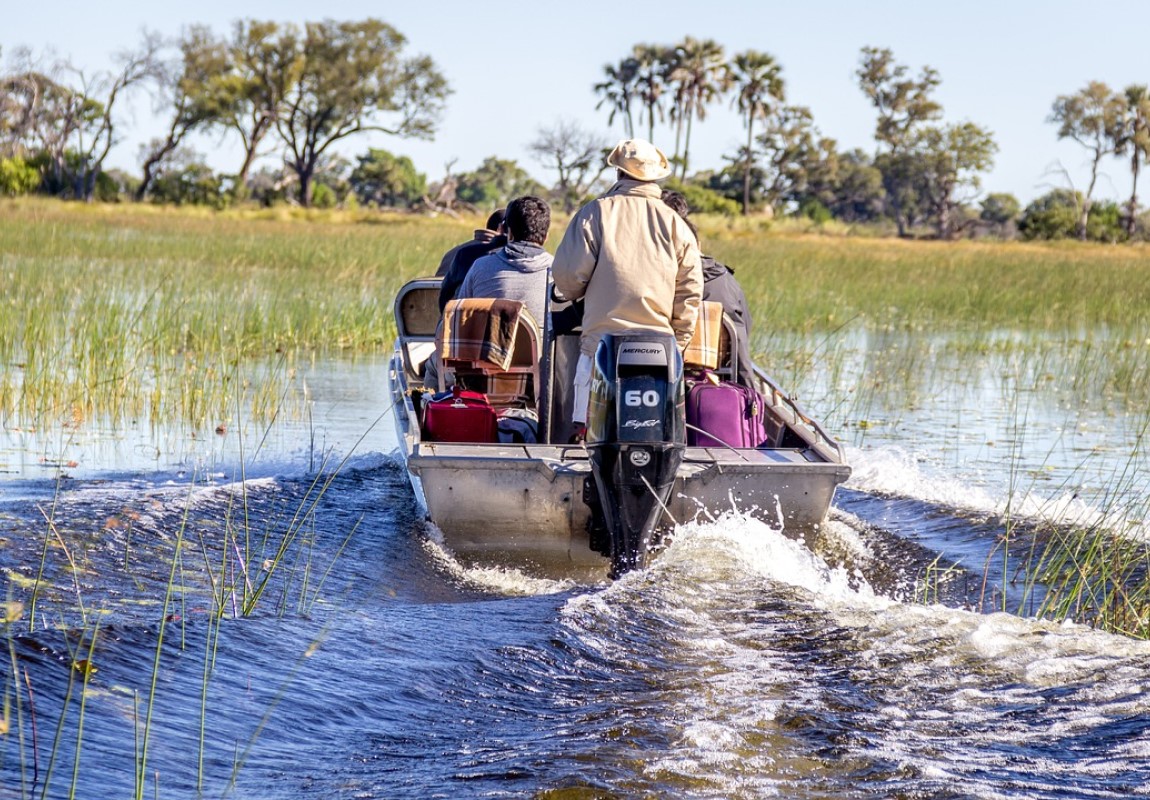
From game drives and walking safaris to cultural encounters and adventure excursions, Rwanda offers a wide variety of activities for every type of traveler.
Cuisines

Rwandan food is quite simple, with beans, bananas, sweet potatoes, potatoes, and sorghum being the most common foods. Dairy products are also widely consumed, particularly a traditional drink of curdled milk. Those who can afford to do so also eat meat, primarily beef, goat, and chicken. Sorghum and banana beers are common as well.

Culture

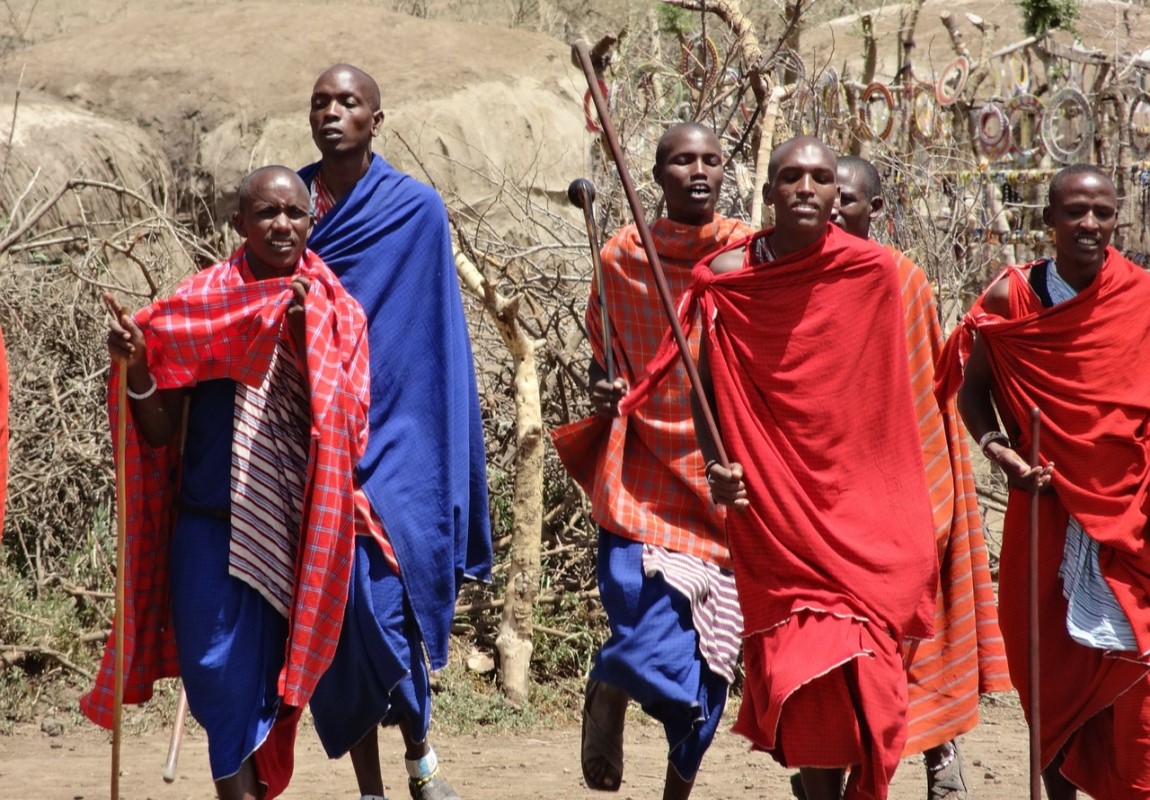
Rwanda's three ethnic groups have been identified with distinct aspects of the economy: the Tutsi with cattle, the Hutu with the land, and the Twa with the forests. Each group had distinct roles in public rituals, and each group had a distinctive mode of dress. The monarchy served as an important unifying symbol, representing the interest of all three ethnic groups. Hutu and Tutsi were also linked together throughout much of the territory in a system of cattle vassalage, in which Tutsi patrons provided cattle to Hutu clients.

National Parks & Game Reserves

Rwanda is home to some of the most spectacular national parks and game reserves in Africa. From vast savannahs to dense forests, each park offers unique landscapes, diverse wildlife, and unforgettable safari experiences. Whether you’re searching for the Big Five or hidden natural wonders, Rwanda has something for every safari enthusiast.
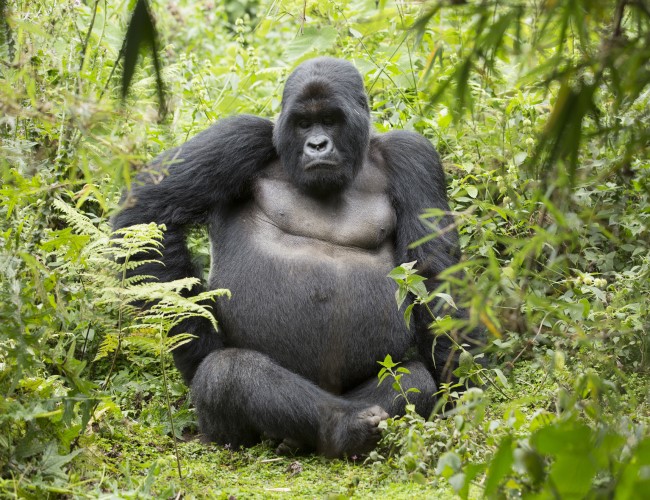
Volcanoes National Park

Volcanoes National Park lies along the Virunga Mountain range,(also known as Parc National des Vo...

Akagera National Park

Akagera National Park is named after the Akagera River which streams along its eastern boundary. ...
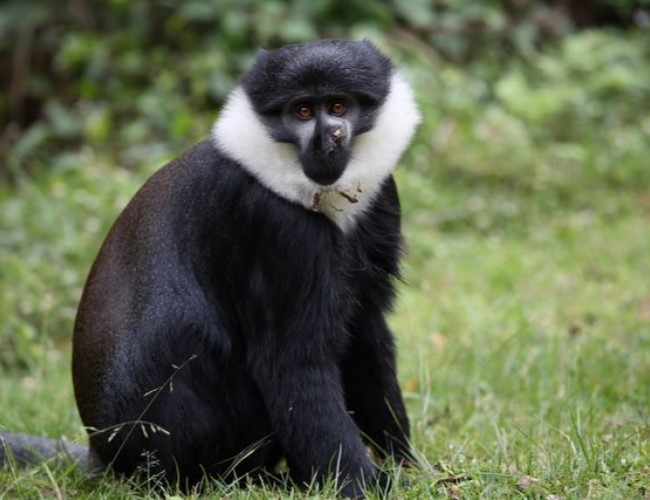
Nyungwe National Park

Situated in the South West corner of Rwanda, Nyungwe National Park is a lavishly biodiverse mount...

Gishwati Mukura National Park

Gishwati Forest Reserve is a protected reserve in the northwestern part of Rwanda, not far from L...
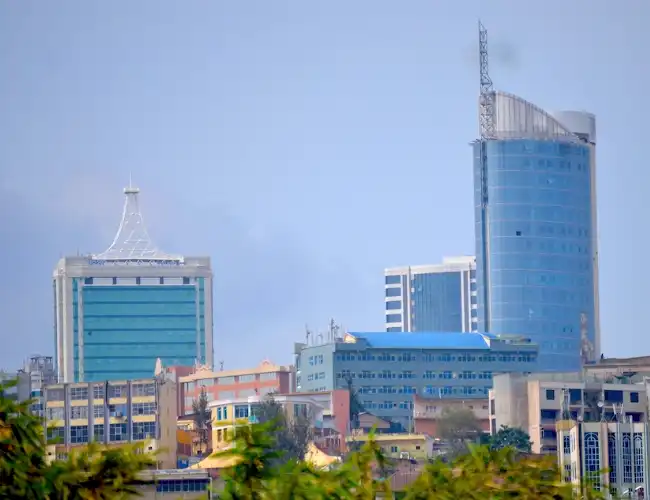
Kigali

Kigali, the capital city of Rwanda, is a great starting point for exploring the country's rich wi...

Showing 1-0 of 0 reviews
Recently Added
5 Stars Only
4 Stars and above
3 Stars and above

No reviews yet for this destination. Be the first to share your experience !

Safety & Security

Rwanda, in our opinion, is a safe place to visit. This is especially true if your vacation is largely for an organized safari. Although some governments have recommended against visiting some isolated border areas, all popular tourist spots are generally safe. Please visit the travel advisory links below for more information. Every year, a large number of tourists visit Rwanda, and the vast majority of them have a pleasant experience.

Please see the links below for travel advice on Rwanda Safari Trips:

General Safety Tips

  • Keep valuables secure and avoid displaying expensive items
  • Stay alert in crowded areas and tourist hotspots
  • Use registered tour operators and licensed guides
  • Follow local customs and respect cultural sensitivities
  • Keep copies of important documents in a safe place

Safari Safety

  • Always follow your guide's instructions during game drives
  • Stay inside your vehicle unless instructed otherwise
  • Keep noise levels low to avoid startling wildlife
  • Never approach or feed wild animals
  • Carry essential medications and first aid supplies

Health & Medical

Before traveling to Rwanda, consult with your healthcare provider about recommended vaccinations and health precautions. Common recommendations include malaria prophylaxis, hepatitis A and B vaccines, and routine immunizations. Carry any necessary medications and consider travel insurance that covers medical emergencies.

Getting There

Kigali International Airport (KGL), on the outskirts of Kigali, would most likely be your point of entry point into the country. There are currently no direct flights from any North American city to Kigali. All require at least one stop, with most major cities, including New York, Toronto, Sao Paolo and Montreal only requiring one stop. Direct flights are available from Amsterdam and Brussels. There are also direct flights on Turkish Airlines, from Istanbul, and from Dubai on Rwanda Air. There are no direct flights from Doha and Qatar. Flights from major cities in Asia, such as Hong Kong and Singapore, also require one stop. Flights from Sydney, Australia presently require two stops.

Rwanda is quite tiny, and most people travel inside the country by car. Rwanda's speed limit is 60 kilometres per hour on all roads. Akagera Aviation, on the other hand, provides charter helicopter transfers to and from any place in the country.

Travel Requirements

  • All foreign visitors need a passport that is valid for at least six months
  • Passports must have a clean and a full visa page for endorsement.
  • When arriving from a yellow-fever-infected country in Africa or the Americas a yellow fever vaccination certificate is required.
  • As of January 2018, citizens of all countries are now eligible for visas on arrival at US$30 for 30 days. More details at www.migration.gov.rw
  • For people visiting Rwanda in conjunction with Kenya and/or Uganda, it is possible to buy a joint visa for all three countries with advance application. See www.migration.gov.rw for details.

Domestic Transportation

RwandAir operates the only domestic route between Kigali and Kamembe Airport (KME) in Rusizi, at the southern end of Lake Kivu. Travellers rarely use this flight.

Gorilla trekking in Rwanda is possible year-round, but the best times are during the two dry seasons: mid-December to early February and June to September. During these periods, trails are less muddy, hiking conditions are more favorable, and forest vegetation is slightly less dense, though rain is still possible as Rwanda has a tropical highland climate. The long dry season (June-September) is peak tourist season with higher demand for permits and accommodations - book 6-12 months in advance. The wet seasons (March-May and October-November) offer advantages including lower accommodation rates (some lodges offer discounts), fewer tourists on trails, lush green forest landscapes, and better availability of last-minute permits. Gorillas are actually easier to locate during wet season as they don't travel far for food. Volcanoes National Park operates year-round with gorilla trekking every day except December 25th. For combining gorilla trekking with wildlife safaris in Akagera, June-September is ideal. Rwanda's temperate climate (15-27°C/59-81°F year-round due to high altitude) makes any time comfortable for visiting, with no extreme heat typical of lowland African destinations.
Rwanda gorilla trekking is premium-priced positioning itself as luxury destination. Gorilla trekking permits: $1,500 per person for one hour with one gorilla family - significantly higher than Uganda ($800) but includes conservation funding and park development. A typical 3-day gorilla trekking package costs $2,500-5,000 per person including permit, mid-range accommodation (2 nights), transfers, and meals. Luxury 3-day packages: $4,000-8,000+ per person with high-end lodges. Comprehensive Rwanda safaris: 5-7 days combining gorilla trekking with golden monkey tracking ($100), Akagera wildlife safari, and Kigali city tour costs $3,500-10,000+ per person depending on accommodation level. Accommodation ranges from budget guesthouses ($50-100 per night) to mid-range lodges ($200-400 per night) to ultra-luxury like Bisate Lodge, One&Only Gorilla's Nest, and Singita Kwitonda ($1,500-3,000+ per night). Additional activities: golden monkey tracking ($100), Dian Fossey tomb hike ($75), cultural visits, and Akagera park fees ($50 per person per day). Rwanda positions itself as high-value, low-volume tourism focusing on luxury experiences and conservation funding. Despite higher costs, Rwanda offers convenience (2-hour drive from Kigali to Volcanoes versus 8-10 hours in Uganda), excellent infrastructure, safety, and cleanliness making it appealing for time-constrained or luxury-focused travelers.
Rwanda has simplified visa requirements making entry straightforward for most visitors. Visa-free entry: Citizens of all African countries, Commonwealth nations, and Francophone countries receive visa-free entry for 30-90 days depending on nationality. Visa on arrival: Available for most other nationalities including US, UK, EU, Australia, Canada, and China - costs $50 for single-entry 30-day tourist visa. Processing takes 15-30 minutes at Kigali International Airport or land borders. E-visa: Available online through Rwanda's official immigration portal before travel - recommended for smoother entry, same $50 cost, processing 1-3 business days. East Africa Tourist Visa: $100 allowing multiple entries to Rwanda, Uganda, and Kenya for 90 days - excellent value if visiting multiple countries. Your passport must be valid for at least 6 months beyond entry date with at least one blank page (preferably more). Yellow fever vaccination certificate is mandatory for all travelers and strictly enforced at entry - you will not be allowed entry without it. Visa extensions available through Rwanda Directorate General of Immigration if staying longer than initial permit. Rwanda has efficient, professional immigration processing making entry smooth and quick. Always verify current requirements as policies can change, though Rwanda continues liberalizing visa access to promote tourism.
Yellow fever vaccination is mandatory for all travelers entering Rwanda regardless of origin country - this is strictly enforced and you must present your yellow fever certificate upon arrival. Without it, you will be denied entry or required to be vaccinated at the airport. Other strongly recommended vaccinations include Hepatitis A and B, Typhoid, Tetanus, Rabies (especially for gorilla trekking and rural areas), Meningitis, and Polio booster. Malaria prophylaxis is recommended for lowland areas including Akagera National Park and areas below 1,800 meters, particularly during rainy seasons. Kigali and Volcanoes National Park area (high altitude 2,400+ meters) have very low to no malaria risk, but some travelers still take prophylaxis as precaution. Consult a travel medicine specialist 6-8 weeks before departure as some vaccines require multiple doses over weeks. Rwanda has good medical facilities in Kigali with private hospitals and clinics offering quality care. King Faisal Hospital and University Teaching Hospital are well-equipped. Rural areas have basic health centers. For gorilla trekking, you must be in excellent health - anyone with contagious illnesses (colds, flu, COVID symptoms) will not be permitted to trek to protect endangered gorillas who share 98% of our DNA and are highly vulnerable to human diseases. Bring comprehensive first-aid kit and personal medications in original packaging with prescriptions.
Yes, Rwanda is one of Africa's safest countries for tourists and often considered the safest in East Africa. The country has achieved remarkable stability and security since the 1994 genocide with strong governance, low crime rates, and professional tourism infrastructure. Kigali is exceptionally clean, safe, and well-organized with minimal crime - visitors can walk around safely during day and evening in main areas, though normal precautions apply. Rwanda has strict laws including plastic bag ban (enforced at entry - bags confiscated), ban on chewing gum, littering fines, and dignity laws requiring modest dress. Security is visible throughout with police presence and community policing. Gorilla trekking is safe with armed rangers accompanying all groups, protecting against wildlife and ensuring safety. Parks and tourist areas maintain excellent security standards. Women travelers find Rwanda particularly safe and welcoming. Road safety is good with well-maintained roads and relatively disciplined driving. Rwanda's tourism industry is professionally managed with high standards. However, border areas with DRC (Democratic Republic of Congo) have occasional security concerns - follow travel advisories and avoid unauthorized border crossings. Use registered taxis or hotel transport, secure valuables, and stay informed about local conditions. Wildlife safety requires following ranger instructions during gorilla trekking and national park visits. Rwanda's transformation into safe, clean, organized destination makes it appealing particularly for first-time Africa visitors seeking comfort and security alongside adventure.
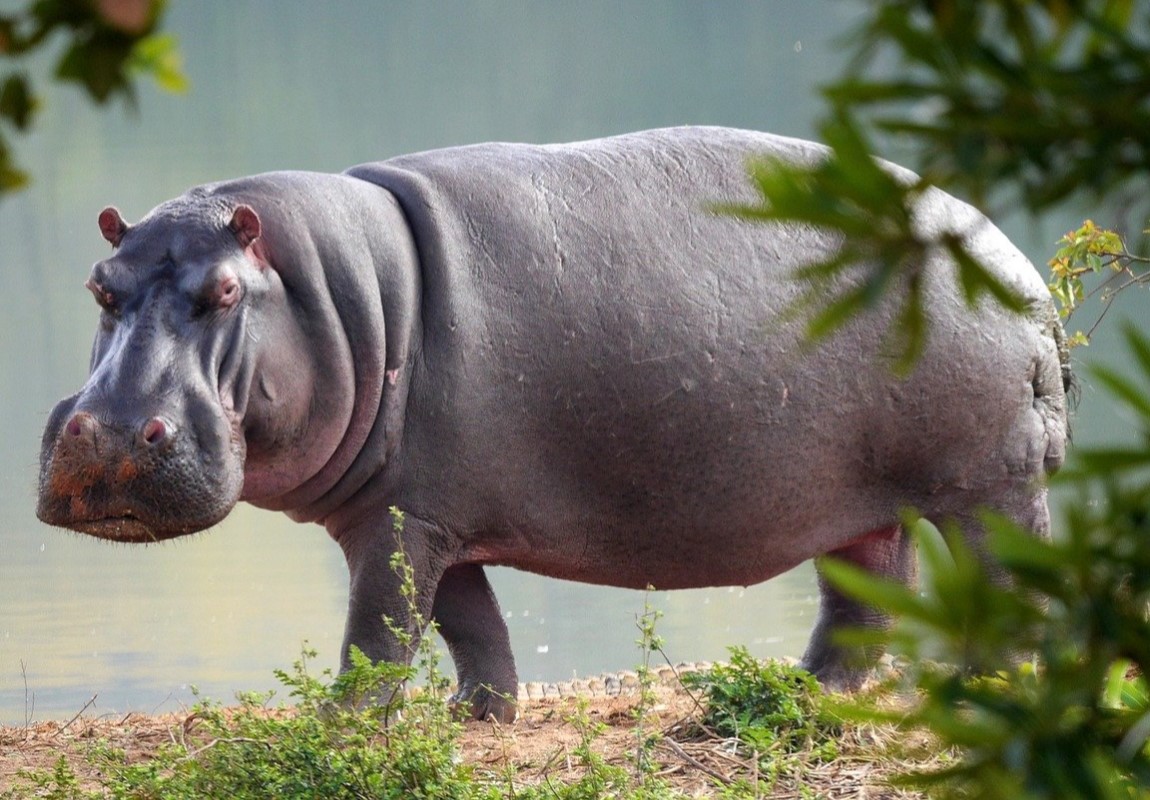
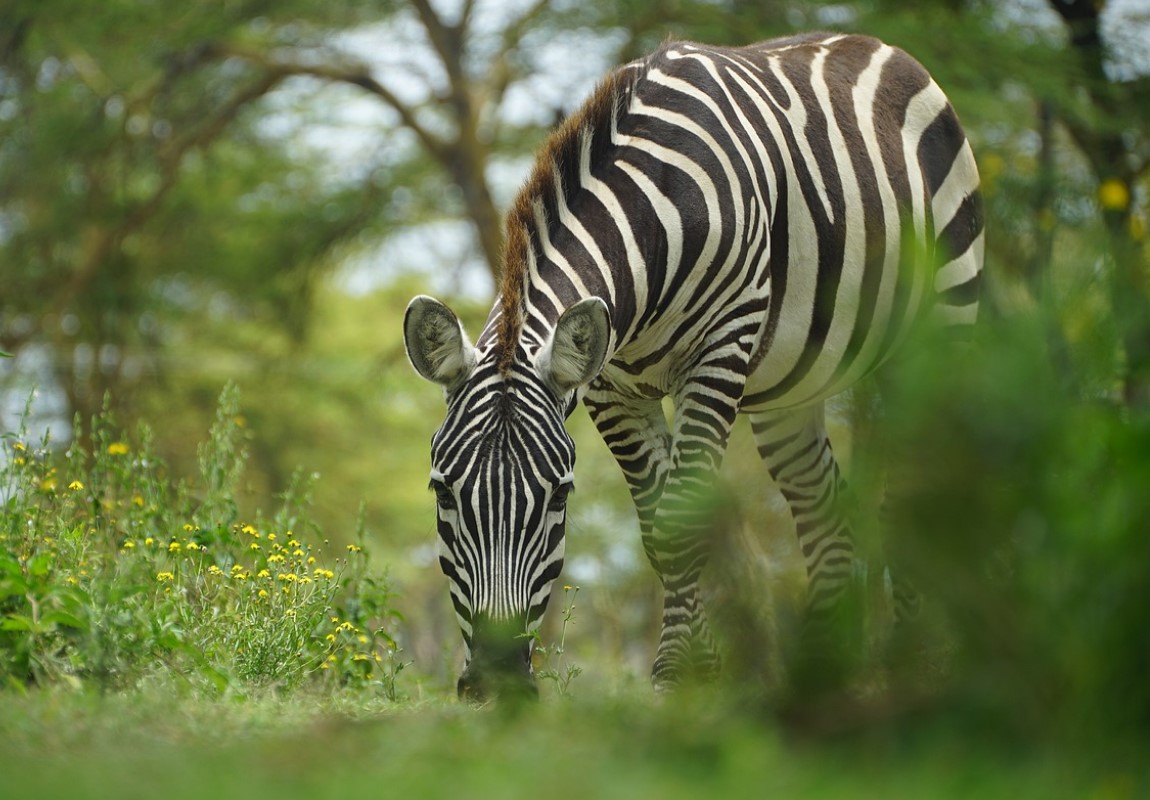
Rwanda offers unique primate experiences alongside traditional wildlife. Mountain gorillas: approximately 604 gorillas in Volcanoes National Park - over one-third of world's remaining population. Ten habituated families available for trekking with guaranteed sightings (98%+ success rate). Golden monkeys: endangered species endemic to Albertine Rift found in Volcanoes National Park bamboo forests - playful, photogenic primates. Akagera National Park has successfully reintroduced Big Five: lions (reintroduced 2015), leopards, elephants, black rhinos (reintroduced 2017), and buffalos. Additional wildlife includes zebras, giraffes, hippos, crocodiles, various antelope species (topi, impala, bushbuck, eland, waterbuck), warthogs, baboons, vervet monkeys, and hyenas. Nyungwe Forest National Park hosts 13 primate species including chimpanzees (400+, tracking available at $150), L'Hoest's monkeys, Ruwenzori colobus (400+ individuals in massive troops), golden monkeys, and more. Over 310 bird species in Nyungwe including 29 Albertine Rift endemics. Rwanda has 700+ bird species total. Akagera offers boat safaris on Lake Ihema with hippos, crocodiles, and waterbirds. Wildlife densities in Akagera are moderate compared to East African parks but improving with conservation success. Rwanda's appeal is endangered primates (gorillas, chimps, golden monkeys) and conservation success stories rather than traditional Big Five concentrations.
Rwanda and Uganda both offer mountain gorilla trekking but with significant differences. Permit costs: Rwanda charges $1,500 per permit versus Uganda's $800 - Rwanda is significantly more expensive but positions as premium experience. Accessibility: Rwanda's Volcanoes National Park is 2-3 hours drive from Kigali International Airport on good paved roads. Uganda's Bwindi is 8-10 hours from Kampala or requires domestic flights. Rwanda offers same-day gorilla trekking from arrival, while Uganda requires overnight travel. Trekking terrain: Rwanda's Volcanoes has more open bamboo forests and volcanic slopes making trekking generally easier with better visibility. Uganda's Bwindi is steep, dense "impenetrable forest" with more challenging terrain. Infrastructure: Rwanda has more luxury high-end lodges clustered near park gates. Uganda has excellent options but more dispersed and mid-range focused. Tourism experience: Rwanda feels more organized, efficient, and streamlined with slick operations. Uganda offers more adventurous, authentic bush experience. Briefing and rules: Both similar but Rwanda's briefings include cultural performances. Group size and time: both countries allow 8 people per gorilla family for one hour. Gorilla populations: Uganda has more gorillas (459 in Bwindi and Mgahinga) versus Rwanda (604 in Volcanoes) but Rwanda's are in single park while Uganda's spread across two locations. Choose Rwanda for: convenience, luxury, less driving, easier trekking, combining with other African destinations. Choose Uganda for: value, adventure, authentic experience, combining with other Uganda parks. Both offer unforgettable life-changing gorilla encounters.
Packing for Rwanda gorilla trekking requires specific gear for mountain rainforest conditions. Essential trekking gear: sturdy waterproof hiking boots with good ankle support and traction (essential - trails are steep, muddy, and slippery), long-sleeved shirt and long pants in neutral colors (thick fabric for protection from stinging nettles, thorns, and vegetation), waterproof rain jacket and pants (rain possible any time), gardening gloves for grabbing vegetation and protection, gaiters to keep pants dry and protect from insects, and walking stick (provided by park but can bring your own). Clothing: lightweight layers for varying temperatures (morning cold 10-15°C/50-59°F, midday warmer), fleece or light jacket, breathable fabrics that dry quickly, and change of clothes for after trek. Photography: camera with medium zoom lens (70-200mm ideal - gorillas are close so long telephoto unnecessary), spare batteries (cold drains them), memory cards, waterproof camera cover or dry bag, lens cloth, and no flash allowed. Other essentials: daypack (20-30L) for water, snacks, and camera, 2+ liters water, energy snacks, insect repellent, sunscreen, sunglasses, basic first-aid kit, personal medications, and hand sanitizer. Optional: trekking poles for stability, knee supports if needed, and binoculars for forest birding. Porters available for hire at $15-20 - highly recommended even if fit, as they carry packs, provide physical support on difficult sections, and earn crucial income supporting local communities. What NOT to bring: bright colors (disturb wildlife), perfumes/colognes (gorillas sensitive to scents), and excessive jewelry. Pack light but prepare for wet, muddy conditions at altitude in dense forest.
Gorilla trekking difficulty in Rwanda varies from moderate to strenuous depending on gorilla family location and weather conditions. Treks can last 1-6 hours (average 2-4 hours) through steep volcanic slopes, bamboo forests, and dense vegetation at 2,400-3,000+ meters altitude. Volcanoes National Park terrain includes steep climbs, muddy trails (especially after rain), thick vegetation requiring pushing through undergrowth, stinging nettles, and potentially slippery conditions. Physical requirements: reasonable fitness to hike several hours on steep, uneven terrain at altitude. Ability to scramble over obstacles and maintain balance on slopes. Some sectors are easier than others - discuss with operator when booking if concerned about difficulty. Age restrictions: minimum age strictly 15 years (passport required for verification). No maximum age if physically capable - visitors in 60s-70s regularly trek successfully. Health requirements: must be healthy without contagious illnesses. Anyone showing cold, flu, or respiratory symptoms will be turned away (no refunds) to protect gorillas. Tips for easier experience: hire porter ($15-20) - they carry your pack and provide physical support pushing/pulling on difficult sections. Request less strenuous gorilla families when booking if concerned. Use walking stick (provided). Take your time - guides adjust pace to slowest member. Train with cardio and hill walking before trip if possible. The one magical hour with gorillas makes any difficulty worthwhile - standing meters from wild mountain gorillas in their natural habitat is profound, life-changing experience worth the effort.
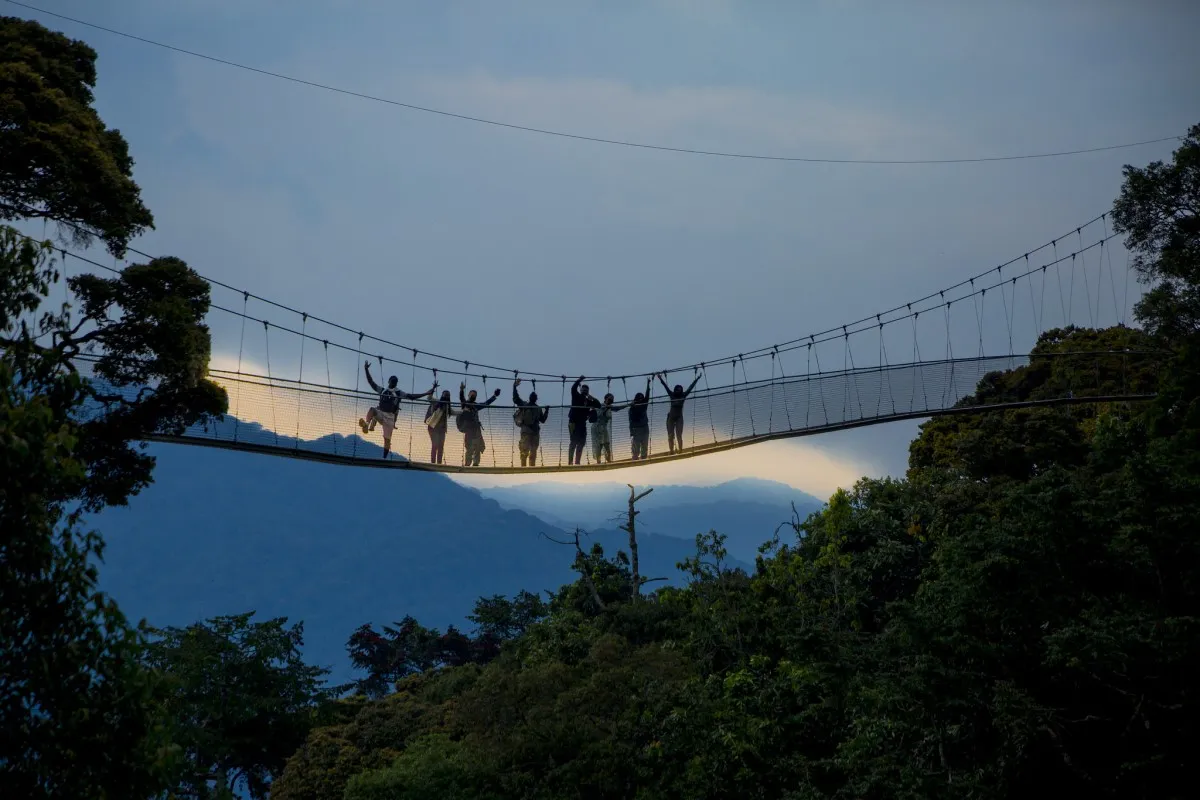
Rwanda's three main parks offer distinct experiences. Volcanoes National Park is Rwanda's flagship and most visited, world-famous for mountain gorilla trekking with 10 habituated families, golden monkey tracking ($100), Dian Fossey tomb hike ($75), stunning volcanic landscapes with 5 volcanoes including active Nyiragongo in neighboring DRC, and proximity to Kigali (2-3 hours). Best for: gorilla trekking, luxury lodges, accessibility, iconic wildlife experiences. Akagera National Park in eastern Rwanda offers traditional Big Five wildlife safaris with successful conservation including lion and rhino reintroductions, varied ecosystems from savannah to wetlands, boat safaris on Lake Ihema with hippos and crocodiles, bird watching (500+ species), and affordable accommodation from camping to mid-range lodges. Best for: classic safari experiences, birding, combining with gorilla trekking, value. Nyungwe Forest National Park in southwest is ancient montane rainforest with chimpanzee tracking ($150), 13 primate species including massive Ruwenzori colobus troops (400+ individuals), canopy walkway (50m high, 200m long), 310 bird species with Albertine Rift endemics, and hiking trails through pristine forest. Best for: primate diversity, birding, forest experiences, adventurous travelers. Most comprehensive Rwanda itineraries combine Volcanoes (gorillas) + Akagera (wildlife) + Nyungwe (chimps) over 7-10 days. Short trips (3-5 days) focus on Volcanoes for gorillas plus Kigali city tour. Volcanoes is best for first-time visitors prioritizing gorilla trekking.
Rwanda safari duration depends on your interests and budget. Minimum for gorillas: 3 days (day 1: arrive Kigali and transfer to Volcanoes, day 2: gorilla trek, day 3: return to Kigali and depart) - tight schedule suitable for time-constrained visitors. Recommended gorilla trekking: 4-5 days allowing Kigali city tour (genocide memorial, markets, cultural sites), Volcanoes National Park (2 nights) for gorilla trek and optional golden monkey tracking or Dian Fossey hike, and relaxed pacing without rushing. Comprehensive Rwanda: 7-8 days combining Volcanoes (gorillas, 2-3 nights), Akagera (wildlife safari, 2 nights), and Nyungwe (chimpanzee tracking, 2 nights) plus Kigali - covers all major destinations and activities. Ultimate Rwanda experience: 10-12 days allows extended time in each park, multiple gorilla treks (second permit $1,500), golden monkey tracking, cultural experiences, birding, and relaxation at luxury lodges. Multi-country options: combine Rwanda gorillas (3-4 days) with Uganda (more gorillas or chimps), Tanzania (Serengeti), or Kenya (Masai Mara) for comprehensive East African safari. Consider: gorilla trekking is physically demanding - allow rest day after. Transfer times between parks: Kigali to Volcanoes (2-3 hours), Volcanoes to Nyungwe (5-6 hours), Nyungwe to Akagera (6-7 hours or via Kigali). More days provide relaxed pacing and recovery time. Rwanda's small size makes it easy to cover multiple parks in week. Many visitors focus exclusively on gorillas (3-5 days) as primary draw.
Rwanda offers diverse accommodation focusing on mid-range to luxury options. Budget options: limited budget accommodations with guesthouses and basic hotels in Kigali and near parks ($50-100 per night) - Rwanda has fewer budget options than Uganda as it targets higher-end market. Mid-range lodges: comfortable properties with good facilities, en-suite bathrooms, meals, and pleasant settings ($150-300 per person per night) - excellent value with quality and service. Near Volcanoes: Le Bambou Gorilla Lodge, La Locanda, Garden Place Hotel, and others offer comfort 30-60 minutes from park. Luxury lodges: upscale properties with exceptional service, gourmet cuisine, beautiful design, and prime locations ($400-800 per person per night). Near Volcanoes: Sabyinyo Silverback Lodge, Mountain Gorilla View Lodge, Virunga Lodge with spectacular volcano views. Ultra-luxury: world-class properties including Bisate Lodge (wilderness camp, $1,500-2,000+ per night), One&Only Gorilla's Nest (luxury resort with spa), Singita Kwitonda (ultra-exclusive), and andBeyond properties. These offer private guides, butlers, exquisite design, conservation experiences, and bespoke service ($1,500-3,000+ per night). Kigali: range from budget guesthouses to 5-star hotels like Kigali Marriott and Radisson Blu. Akagera: limited options from basic campsites to Magashi Camp (luxury) and Ruzizi Tented Lodge (mid-range). Nyungwe: One&Only Nyungwe House (luxury) and Nyungwe Top View Hill Hotel (mid-range). Rwanda emphasizes quality and service with lodges supporting conservation and communities. Most properties near Volcanoes have volcano views and community involvement.
Yes, comprehensive travel insurance is essential for Rwanda. Ensure coverage includes: medical emergencies and treatment (Rwanda has good medical facilities in Kigali but expensive without insurance, and limited services in rural areas), medical evacuation (critical for remote areas - evacuation from Volcanoes to Kigali or international facilities can cost $30,000-100,000+), trip cancellation and interruption (gorilla permits are non-refundable if cancelled within 60-90 days, and $1,500 permits represent significant investment), lost or delayed baggage, and adventure activities including gorilla trekking, hiking, and wildlife safaris. Rwanda-specific considerations: gorilla trekking at altitude with physical demands and potential injuries requires coverage. If you fall ill on trek day with contagious illness, you forfeit permit (no refunds) - insurance should cover this loss though many policies exclude gorilla permit costs in exclusions. Medical facilities in Kigali (King Faisal Hospital, University Teaching Hospital) are good but expensive. Remote areas have basic health centers only. Serious emergencies require evacuation. Political stability is excellent but travel insurance provides peace of mind. Many tour operators require proof of adequate insurance before confirming bookings. Purchase insurance immediately after booking to maximize coverage benefits. Read policy carefully regarding gorilla trekking coverage, pre-existing conditions, adventure activities, and evacuation limits. Emergency evacuation coverage should be minimum $250,000. Recommended insurers include World Nomads, IMG Global, and specialist adventure travel insurance providers experienced with African safaris and primate trekking.
Rwanda's official currency is the Rwandan Franc (RWF), with exchange rates typically around 1,100-1,300 RWF to 1 USD. US dollars are widely accepted in tourism sector including lodges, restaurants, tour operators, and for paying gorilla permits - though permits must be paid in advance through tour operators or government portal. Bills should be dated 2009 or newer (2013+ preferred) as older bills may be rejected. Credit cards (Visa and Mastercard) are accepted in Kigali hotels, upscale restaurants, and some lodges, but not universally - cash remains essential particularly outside Kigali. ATMs are available in Kigali with reliable availability - Bank of Kigali, Equity Bank, and others. ATMs accept international cards and dispense Rwandan Francs. Limited ATM access outside Kigali - withdraw sufficient cash before leaving capital. Exchange money at banks or authorized forex bureaus in Kigali for best rates. Airport exchange rates are reasonable. Most safari packages are pre-paid in USD including gorilla permits, accommodation, and transfers. Cash needs: budget $200-400 for tips, drinks, souvenirs, and incidental expenses during week-long safari. Tipping: guides RWF 20,000-30,000 ($20-30) per person per day for gorilla trekking guides, lodge staff RWF 15,000-20,000 ($15-20) per person per day, porters RWF 15,000-20,000 ($15-20) essential to hire. Tips can be given in RWF or USD. Kigali has good banking infrastructure. Mobile money (MTN Mobile Money) is popular locally but requires local registration. Overall Rwanda's payment systems are reliable with growing cashless options in cities.
Gorilla trekking in Rwanda has strict age restrictions. Minimum age is 15 years (strictly enforced with passport verification required) - no exceptions. This protects both children (physically demanding, potentially dangerous) and gorillas (children more likely to carry contagious diseases and have difficulty following safety instructions). For families with younger children: consider golden monkey tracking (minimum age typically 12 years), cultural visits to Iby'Iwacu Cultural Village, nature walks, visiting Dian Fossey Gorilla Fund center, and Kigali city tours including genocide memorial (age-appropriate for older children/teens). Akagera National Park welcomes children for traditional game drives with no age restrictions - excellent for families. Boat safaris on Lake Ihema suitable for all ages. Many lodges accept families with children offering family rooms and kid-friendly meals. Teenagers 15+ can participate in gorilla trekking if physically fit and mature enough to follow instructions. Parents should honestly assess if teen can handle 2-6 hours steep hiking, following rules (staying quiet, maintaining distance, not making eye contact), and remaining calm around large wild animals. For families prioritizing gorillas, consider Uganda's Bwindi which also has 15-year minimum but Uganda offers more family-friendly safari options (Queen Elizabeth, Murchison Falls) and value. Rwanda works well for families with teenagers (15+) who can do gorilla trek while enjoying Rwanda's clean, safe, organized environment. Younger children are better suited for Uganda, Tanzania, Kenya, or South Africa with more family-friendly safari options.
Tipping in Rwanda follows East African customs with specific expectations for gorilla trekking. Recommended guidelines: Gorilla trekking guides: RWF 20,000-30,000 ($20-30) per guest per trek - guides work hard managing groups, locating gorillas, and ensuring safety. Trackers: RWF 10,000-15,000 ($10-15) per guest - trackers locate gorillas before trek and communicate positions. Porters: RWF 15,000-20,000 ($15-20) per porter - strongly encouraged to hire even if you don't need help, as this provides crucial income to local communities and supports conservation. Hiring porter is considered supporting community development. Lodge staff: RWF 15,000-25,000 ($15-25) per guest per day placed in communal tip box distributed among housekeepers, chefs, waiters, guides, and maintenance. Safari drivers/guides: RWF 20,000-30,000 ($20-30) per guest per day for dedicated guide services in Akagera or transfers. Restaurant servers: 10% of bill. Tour guides for cultural visits: RWF 10,000-15,000. Tips are given in Rwandan Francs (preferred) or US dollars at the end of service. Most lodges provide envelopes and tip boxes with suggested amounts. For gorilla trekking, tips are given immediately after trek - bring cash specifically for this. Factor RWF 200,000-300,000 ($200-300) total per person for tips during week-long Rwanda safari including gorilla trek. Rwanda's tourism staff provide excellent professional service and rely partially on tips. For exceptional experiences, tip generously - guides and trackers enhance gorilla encounters significantly through their expertise and dedication. Cash tips essential as electronic tipping isn't available. Carry small denomination USD ($5, $10, $20) or Rwandan Franc notes for convenience.
Rwanda has a temperate tropical highland climate moderated by altitude (most areas 1,500-2,500 meters) making it comfortable year-round without extreme heat typical of lowland Africa. Two dry seasons: June to September (long dry season) with warm days (20-27°C/68-81°F), cool nights (10-15°C/50-59°F), clear skies, and minimal rainfall - best weather for trekking. December to February (short dry season) offers similar pleasant conditions though slightly more rainfall possible. Two wet seasons: March to May (long rains) with heavy afternoon storms, muddy trails, cooler temperatures, and lush vegetation. October to November (short rains) with lighter, more sporadic rainfall. Volcanoes National Park (2,400-3,000+ meters): cool year-round with morning temperatures 10-15°C/50-59°F, afternoon warming to 20-25°C/68-77°F, fog and mist common, rain possible any time, and cold at night especially dry season. Pack warm layers. Akagera National Park (lower altitude): warmer temperatures 25-30°C/77-86°F during day, pleasant nights, less rainfall than highlands, and typical savannah climate. Kigali (1,500 meters): pleasant year-round 20-27°C/68-81°F with cool evenings. Nyungwe Forest: cool and misty similar to Volcanoes. Rwanda's "Land of a Thousand Hills" means weather varies by altitude and location. Pack layers for temperature fluctuations - mornings and evenings cold, midday warmer. Rain gear essential year-round for sudden showers. Dry seasons offer better trekking conditions but gorillas present year-round. Overall Rwanda has some of Africa's most pleasant, temperate weather making it comfortable for visitors year-round unlike hot, humid lowland destinations.
Rwanda has four official languages reflecting its history and regional integration. Kinyarwanda is the national language spoken by nearly 100% of population as first language - unifying factor in Rwanda's culture and identity. It's a Bantu language with complex grammar. French was colonial language and remains official language taught in schools, used in government, and spoken by older generations and educated elite, though declining in everyday use. English became official language in 2003 (Rwanda joined Commonwealth) and is primary language of education, business, and tourism. English proficiency has grown rapidly particularly among younger generations and urban populations. Swahili became fourth official language in 2017 promoting East African integration - increasingly common particularly in commerce and border regions. For travelers: English is widely spoken in tourism sector including guides, lodges, restaurants, and Kigali. All gorilla briefings conducted in English (translators available if needed). Tour guides speak excellent English. Kigali has strong English communication. Rural areas have varying English proficiency but tourism staff always speak English. French is understood in tourism but less emphasized now. Learning basic Kinyarwanda phrases delights locals and shows cultural respect - Rwandans appreciate any attempt at their language. "Muraho" (hello), "Murakoze" (thank you), and "Mwiriwe" (good afternoon) are appreciated. Rwanda's linguistic diversity reflects its regional connections while Kinyarwanda provides national unity. English fluency makes Rwanda very accessible for international travelers.
International flights arrive at Kigali International Airport (KGL), Rwanda's only international airport serving as East Africa hub. Major airlines include RwandAir (national carrier with extensive African and international network), Ethiopian Airlines, Kenya Airways, Qatar Airways, Brussels Airlines, Turkish Airlines, KLM, and others. Direct flights available from Europe (Brussels, Amsterdam, London), Middle East (Dubai, Doha, Istanbul), and African cities (Nairobi, Dar es Salaam, Johannesburg, Addis Ababa). No direct flights from North America - connect through Europe or Africa. Domestic travel: Rwanda is small (26,338 km²) making road transfers practical for all destinations. Kigali to Volcanoes National Park: 2-3 hours (110km) on good paved roads through scenic countryside - morning drive allows same-day gorilla trekking. Kigali to Akagera National Park: 2.5-3 hours (110km) on improved roads. Kigali to Nyungwe Forest: 5-6 hours (225km) on paved roads through beautiful landscapes. Helicopter transfers: available for luxury travelers wanting quick access - Kigali to Volcanoes (20 minutes by helicopter). Akagera Aviation offers scenic flights and transfers. Most visitors use road transfers arranged by tour operators in comfortable 4WD vehicles with driver-guides. Public transport available but not recommended for tourists. Rwanda's compact size, excellent roads, and short distances make it easy to visit multiple parks in one trip. Border crossings: Uganda border (Katuna/Gatuna) 2 hours from Kigali for combining Rwanda gorillas with Uganda safaris. Tanzania border for Serengeti connections. DRC border for Nyiragongo volcano (requires careful planning and security assessment). Rwanda's efficient infrastructure and small size make logistics straightforward.
Rwanda offers diverse experiences beyond gorillas showcasing culture, wildlife, and landscapes. Kigali: Kigali Genocide Memorial (powerful, emotional education about 1994 genocide and Rwanda's recovery - essential for understanding Rwanda), Inema Arts Center (contemporary Rwandan art), local markets (Kimironko Market for crafts and culture), restaurants, clean safe streets, and beautiful hillside views. Akagera National Park: Big Five wildlife safaris with lions, elephants, rhinos, leopards, buffalos, boat safaris on Lake Ihema with hippos and crocodiles, birding (500+ species), and successful conservation story. Nyungwe Forest National Park: chimpanzee tracking, 13 primate species, canopy walkway (thrilling forest canopy experience 50 meters high), hiking trails, waterfalls, and bird watching with Albertine Rift endemics. Lake Kivu: beautiful freshwater lake on Congo border with beaches, water sports (kayaking, swimming - bilharzia-free), island hopping, coffee plantations, and relaxing resort towns (Gisenyi, Kibuye, Cyangugu) - perfect post-trek relaxation. Cultural experiences: Iby'Iwacu Cultural Village near Volcanoes offering traditional dance, archery, cultural learning from ex-poachers turned conservationists. King's Palace Museum in Nyanza showing traditional royal architecture. Coffee tours: Rwanda produces excellent specialty coffee visit cooperatives and plantations for tastings and processing tours. Golden monkey tracking: endemic endangered primates in Volcanoes bamboo forests - playful, photogenic. Dian Fossey tomb hike: pay respects to legendary gorilla researcher at her grave between Visoke and Karisimbi volcanoes. Rwanda offers surprising diversity in small package making it easy to combine multiple experiences in one trip.
The Kigali Genocide Memorial is Rwanda's primary memorial and museum commemorating the 1994 genocide against the Tutsi where approximately 1 million people were killed in 100 days. Located on hill in Kigali's Gisozi neighborhood, the memorial serves as final resting place for over 250,000 genocide victims. What to expect: Permanent exhibitions documenting genocide history, causes, international community failure, personal testimonies, photographs, and artifacts. Children's memorial with photos and stories of young victims (deeply emotional). Exhibits on other genocides worldwide providing context. Beautiful memorial gardens with burial grounds where victims are laid to rest. Wall of names (ongoing project identifying victims). Educational center promoting reconciliation and peace. Should you visit: Yes, if you want to understand Rwanda's history, resilience, and remarkable recovery - essential for contextualizing modern Rwanda's achievements. The experience is emotionally challenging, heavy, and deeply moving. Allow 2-3 hours minimum. Not recommended for young children due to graphic content and emotional weight. Entry is free though donations welcomed supporting genocide survivors. Guides available to provide context and answer questions. Photography restricted in certain areas. Visitors should dress modestly and behave respectfully. The memorial emphasizes Rwanda's message of "Never Again" while honoring victims and educating about genocide prevention. Most Rwanda visitors find memorial profoundly important experience providing understanding of Rwanda's journey from tragedy to hope. The country's transformation becomes more meaningful after understanding what Rwandans overcame. Memorial is powerful testament to human resilience, reconciliation, and healing.
Yes, Rwanda combines excellently with neighboring East African countries creating comprehensive regional safaris. Rwanda + Uganda: most popular combination - gorilla trekking in both countries (different families), chimpanzee tracking in Uganda's Kibale, wildlife safaris in Uganda's Queen Elizabeth or Murchison Falls, and East Africa Tourist Visa ($100) facilitates easy border crossing. Land border at Katuna/Gatuna is 2 hours from Kigali. Rwanda + Tanzania: combine Rwanda gorillas with Serengeti migration, Ngorongoro Crater, or Zanzibar beaches. Fly Kigali-Kilimanjaro/Arusha. Great for comprehensive East African experience with primates and classic safari. Rwanda + Kenya: link Rwanda gorillas with Masai Mara migration, Amboseli elephants, or Nairobi. Fly Kigali-Nairobi. East Africa Visa covers both countries. Rwanda + DRC (Democratic Republic of Congo): adventurous travelers combine Rwanda gorillas with climbing Nyiragongo active volcano (overnight on crater rim) - requires careful planning and security assessment. Border crossings at Gisenyi/Goma. Multi-country East Africa circuit: comprehensive 14-21 day itineraries visiting Rwanda (Volcanoes), Uganda (Bwindi, Queen Elizabeth, Murchison), Kenya (Masai Mara), Tanzania (Serengeti, Ngorongoro) for ultimate East African safari. Logistics: Rwanda's central location and good connections make multi-country trips practical. East Africa Visa ($100) covers Rwanda, Kenya, and Uganda simplifying border crossings. Flights between capitals are short (Kigali-Nairobi 1.5 hours, Kigali-Entebbe 1 hour). Most safari operators arrange seamless multi-country itineraries. Allow 10-14 days minimum for meaningful two-country experiences. Rwanda's gorillas complement perfectly with Uganda's wildlife safaris and Tanzania/Kenya's migration creating diverse, comprehensive East African adventures.
Kinyarwanda is Rwanda's national language, and learning basic phrases shows respect and delights locals even though English is widely spoken in tourism. Here are 10 essential Kinyarwanda phrases with pronunciations:

1) Muraho (moo-RAH-hoh) - Hello (general greeting)
2) Mwaramutse (mwah-rah-MOOT-seh) - Good morning
3) Mwiriwe (mwee-REE-weh) - Good afternoon/evening
4) Amakuru? (ah-mah-KOO-roo) - How are you?/What's the news?
5) Ni meza (nee MEH-zah) - I'm fine/It's good
6) Murakoze (moo-rah-KOH-zeh) - Thank you
7) Murakoze cyane (moo-rah-KOH-zeh CHYAH-neh) - Thank you very much
8) Yego (YEH-goh) - Yes
9) Oya (OH-yah) - No
10) Murabeho (moo-rah-BEH-hoh) - Goodbye

Bonus phrases: Ntawundi (n-tah-OON-dee) - There is no problem/Don't worry, Urakoze cyane (thank you so much - emphatic). Wildlife: Ingagi (gorilla), Inkende (golden monkey). Rwandans are warm, friendly people who greatly appreciate visitors attempting Kinyarwanda, even simple greetings. Your guides will happily teach you more phrases. Kinyarwanda has tonal elements making pronunciation important but locals are patient and encouraging with learners. Making effort with local language enhances cultural connections!

Change Currency

Loading currencies...

Give your feedback