Mauritius Safari Destination Mauritius flag

Mauritius Safari Information

It's a pleasure

0 Tours 8 Tour Operators 0 Accommodation Properties

Starting from

$750PP

Overview

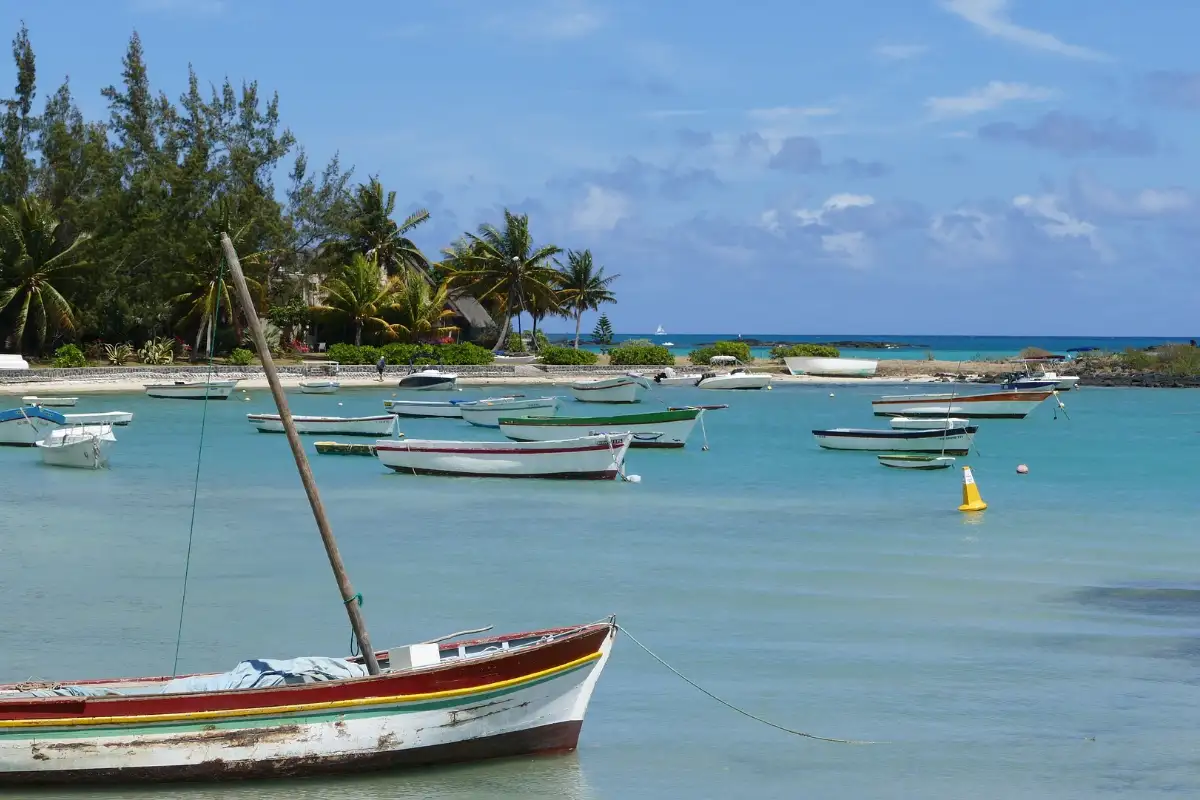
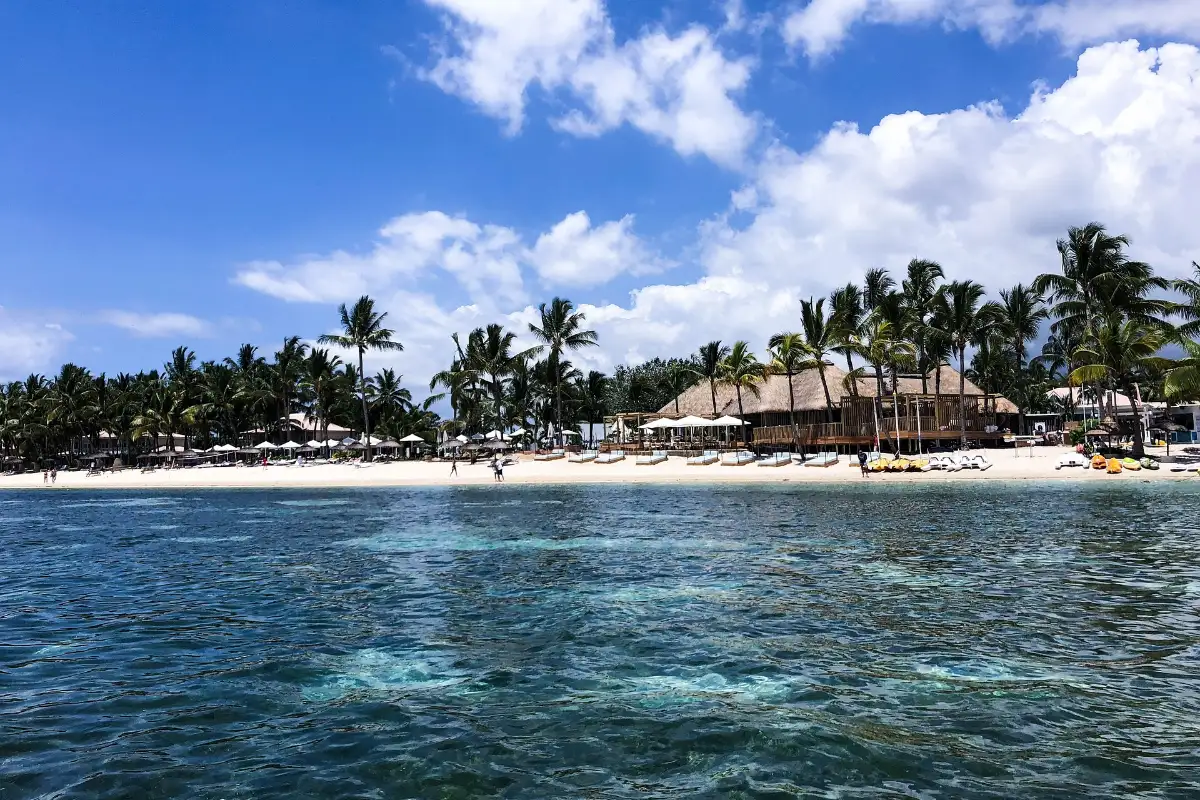
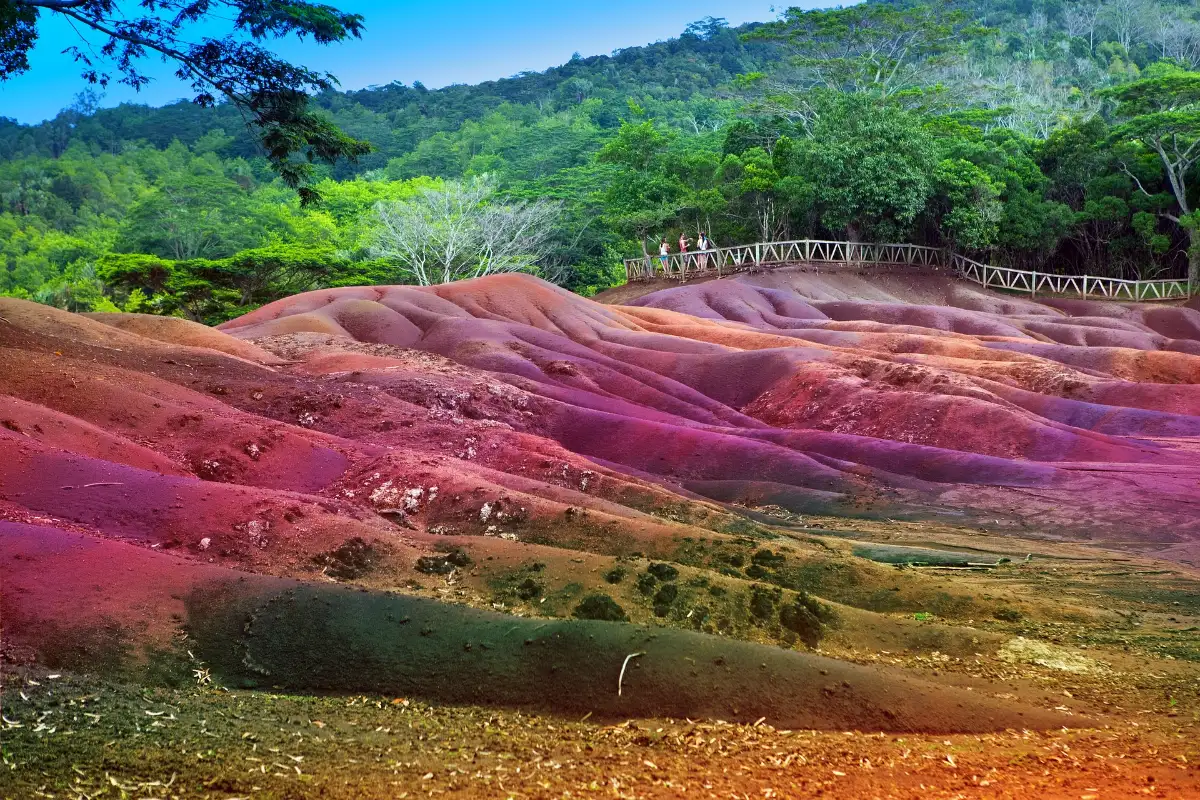
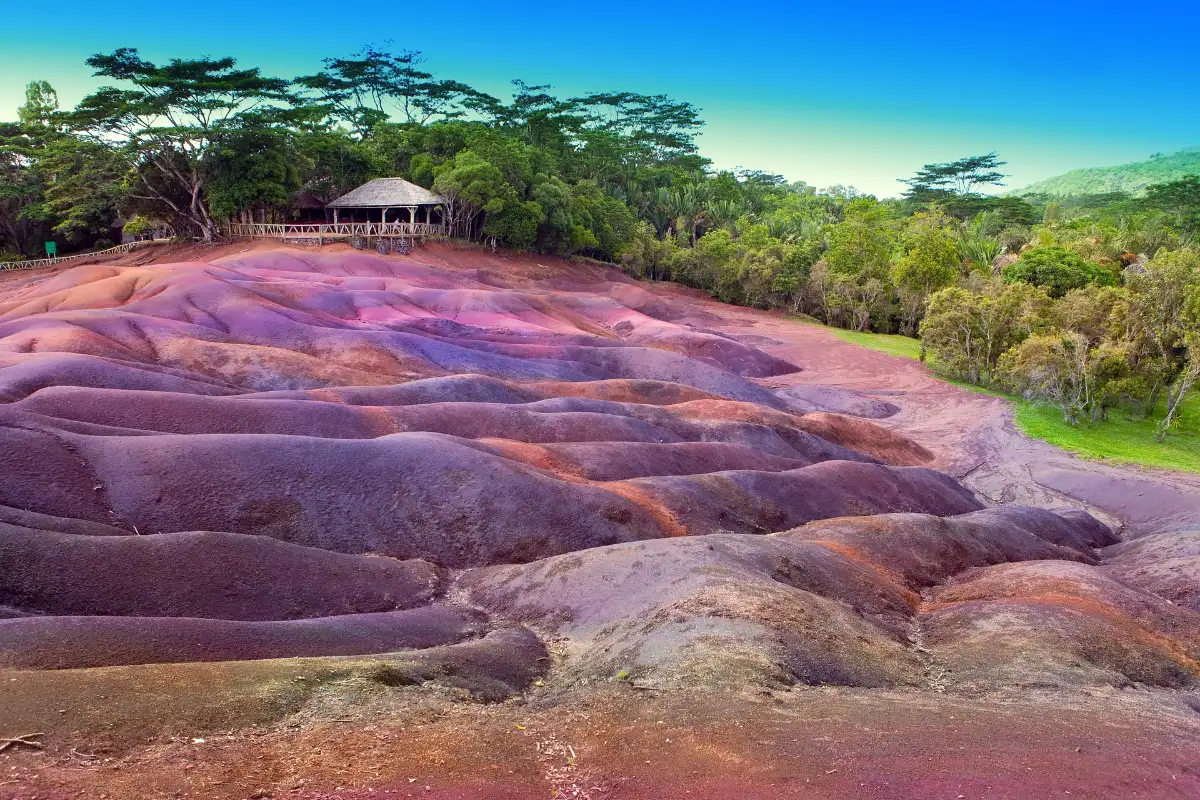
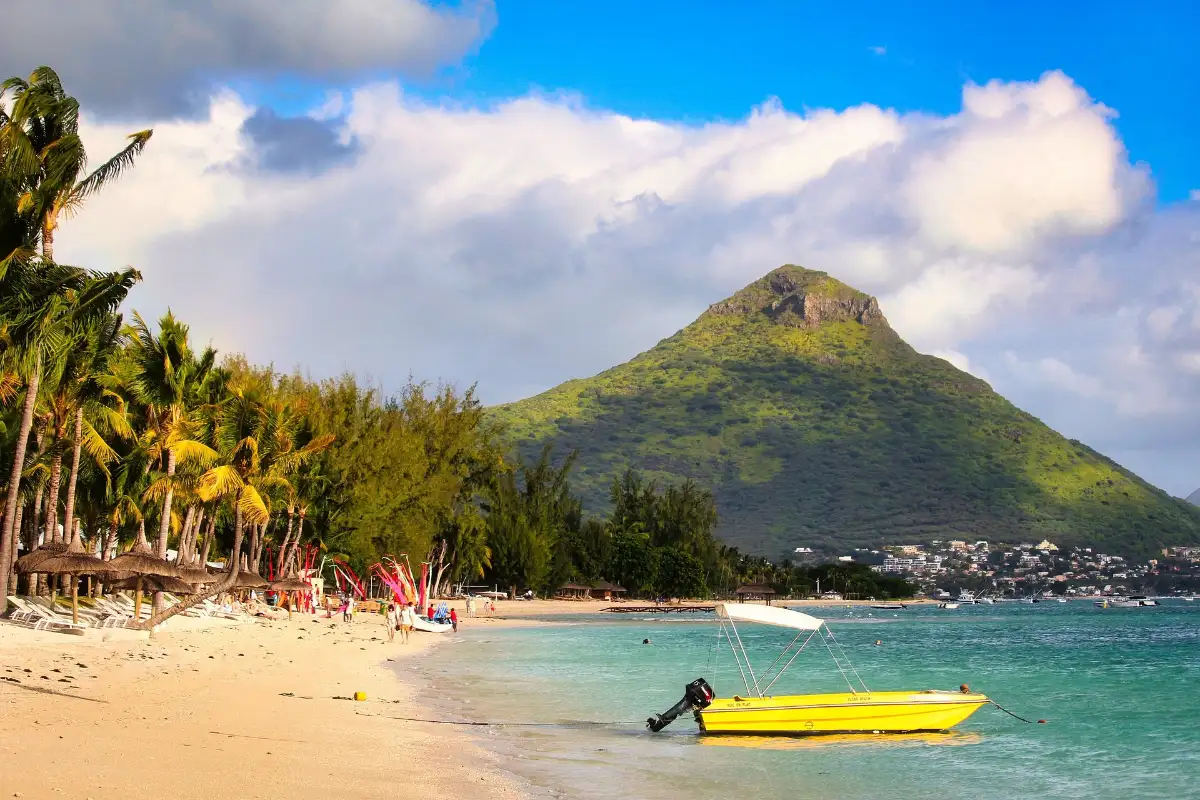
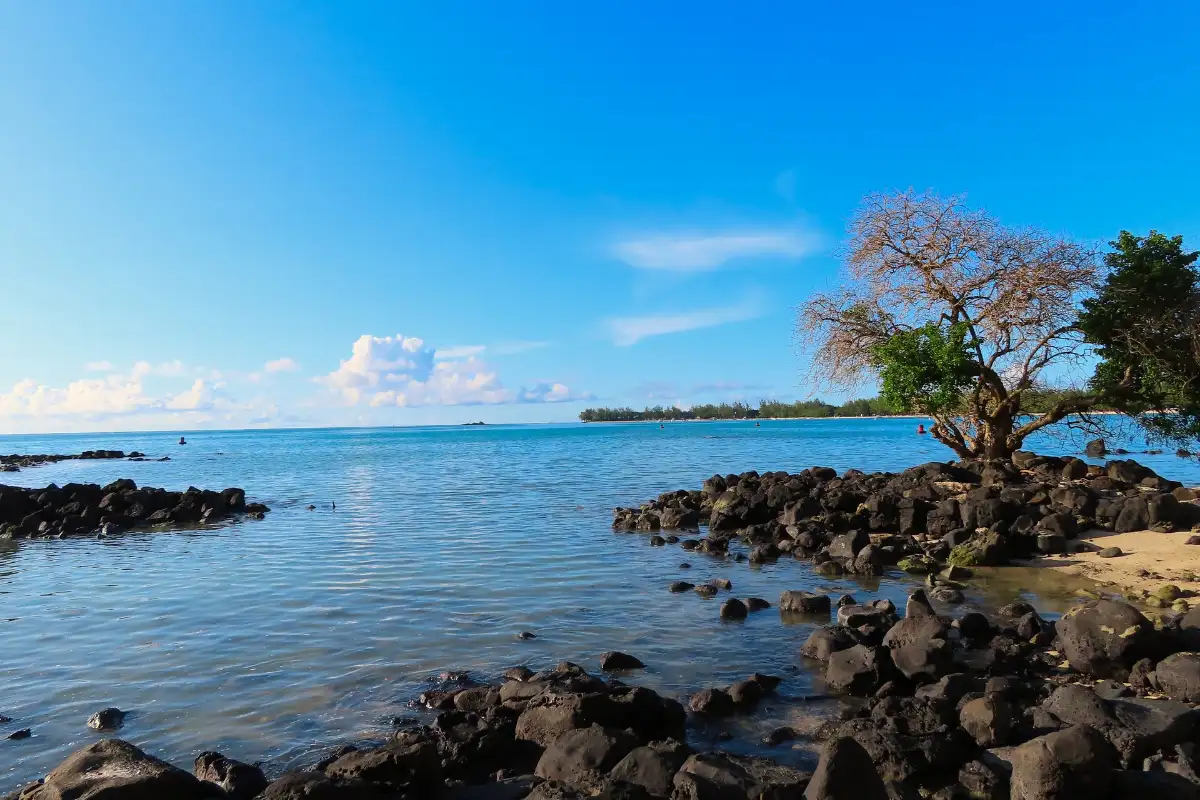
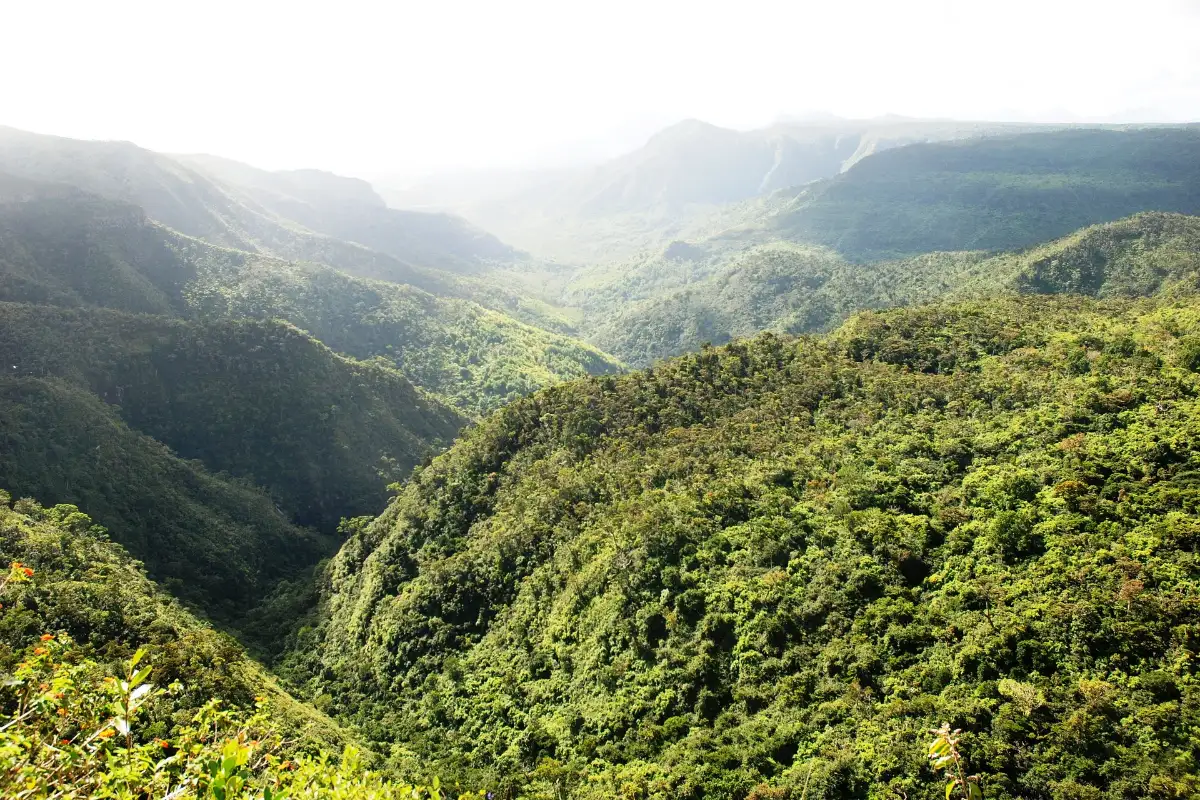
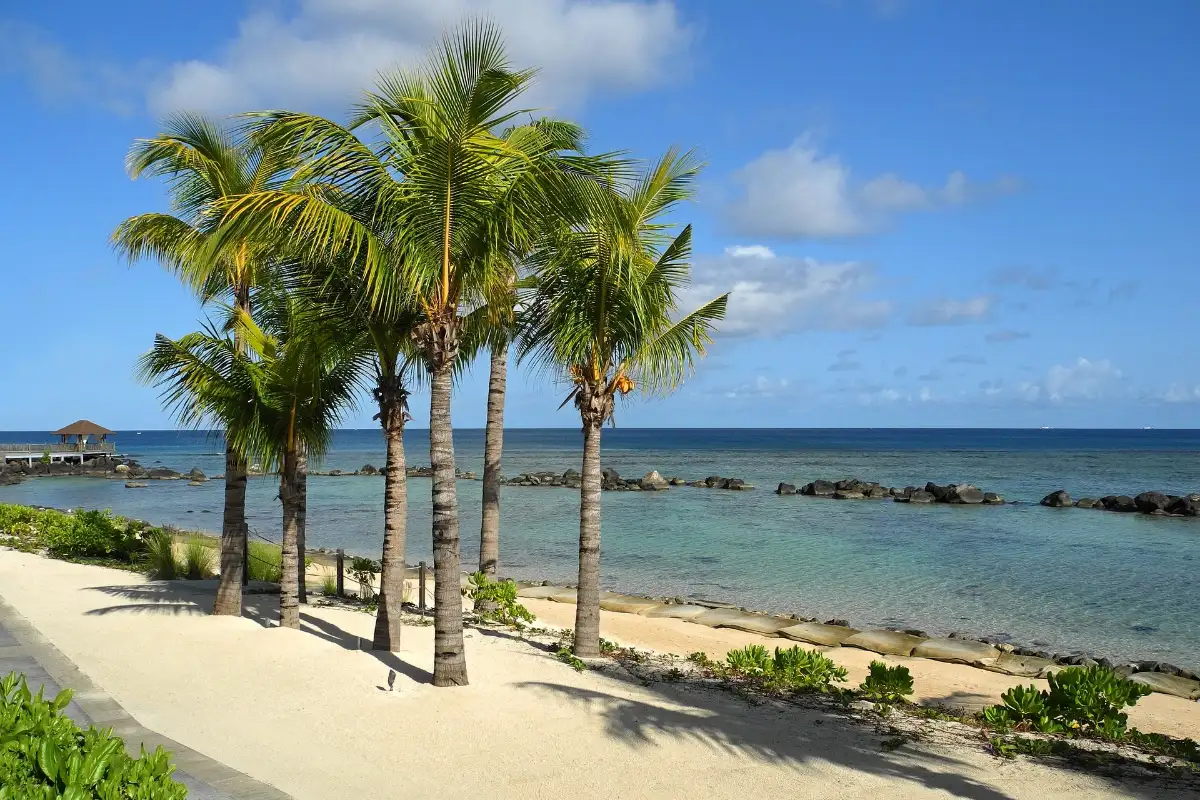
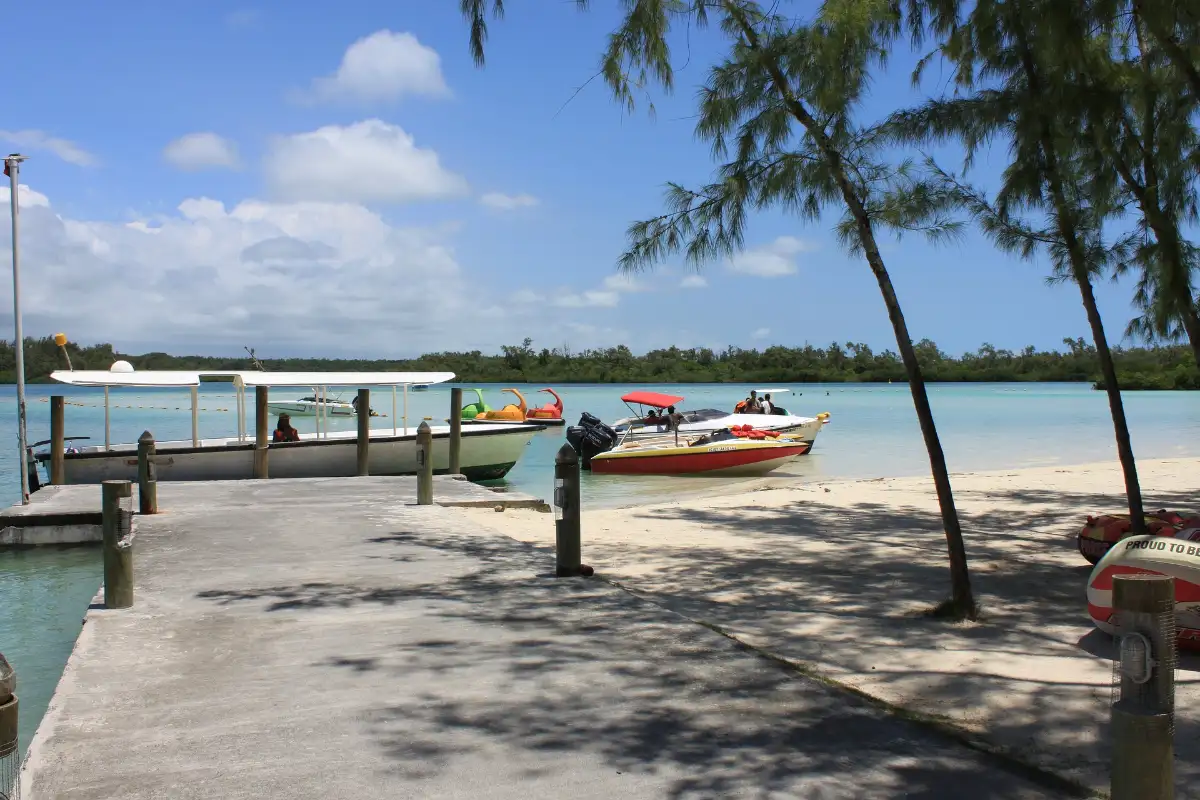
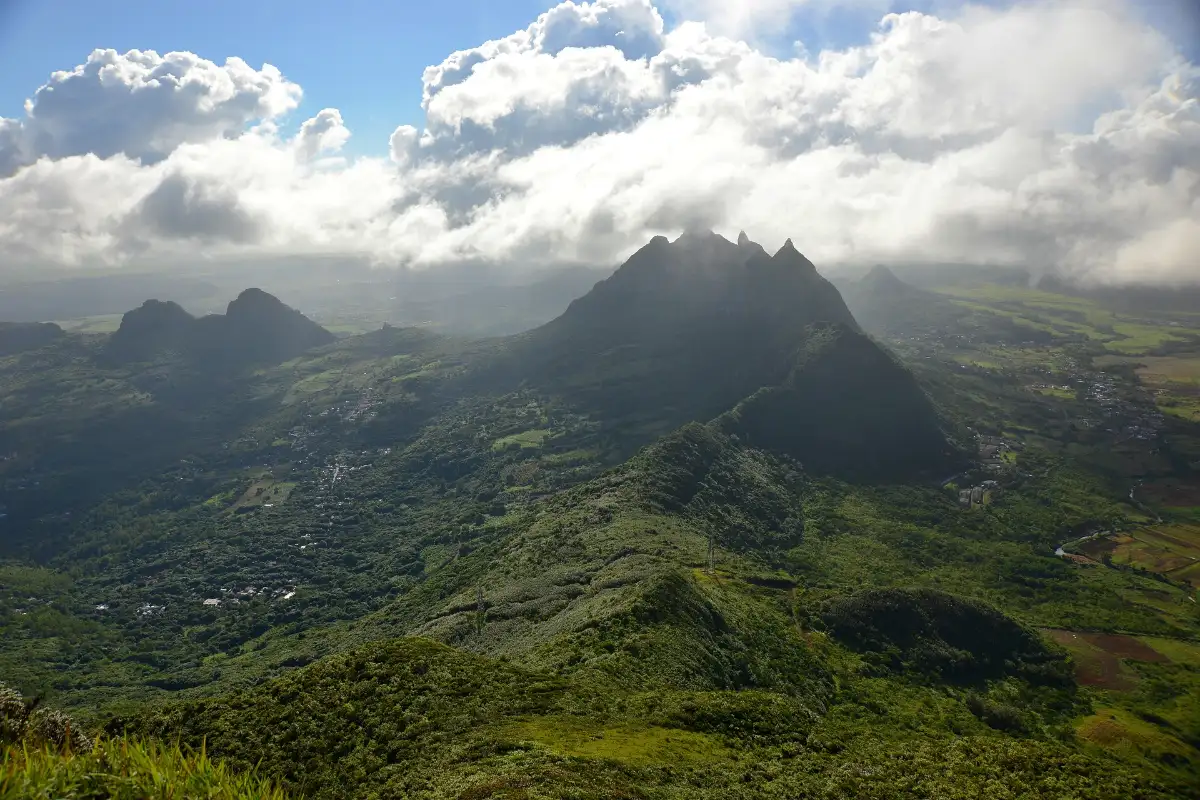
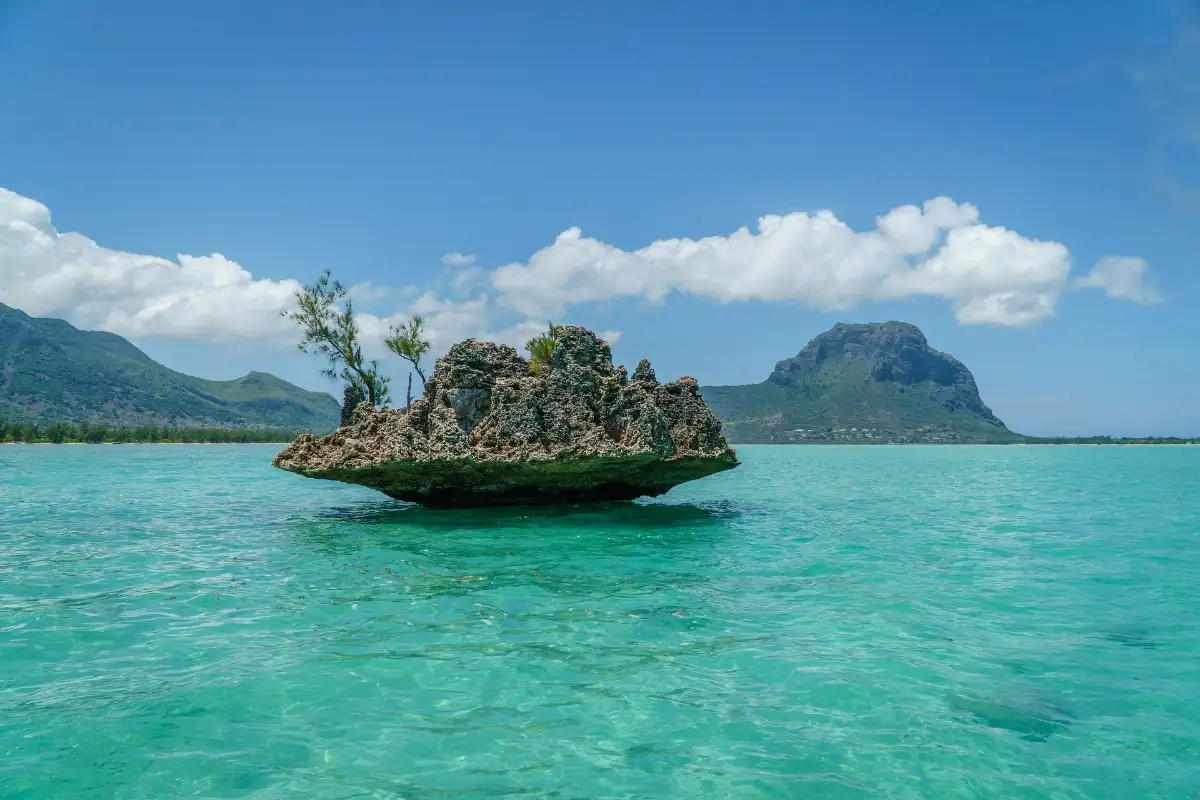
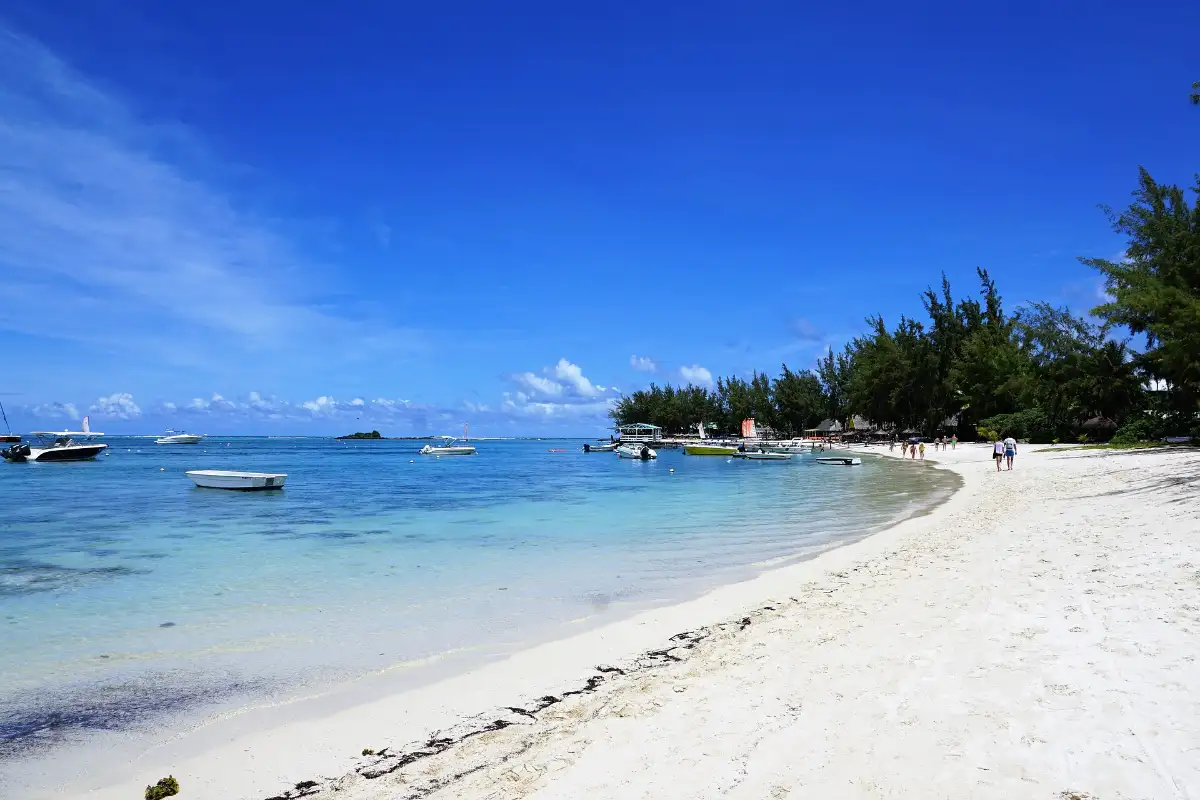
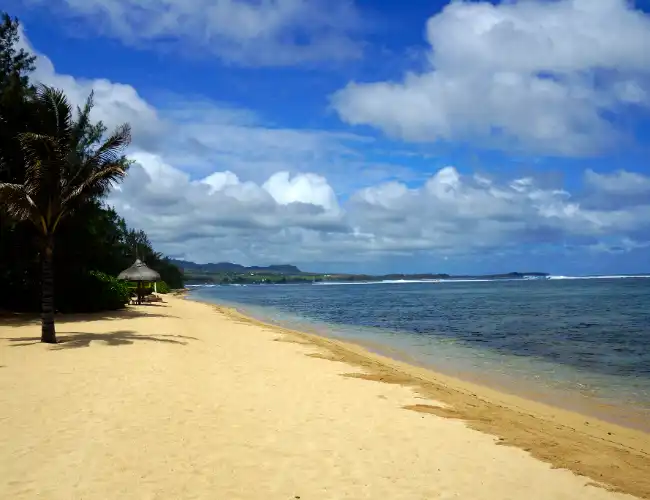
The beauty of Mauritius is beyond words. Rich with lush forest, wild waterfalls, unique wildlife, rocky mountains, white sand beaches and breathtaking crystal clear turquoise lagoons, Mauritius is a dream holiday destination for tourists from all over the world. If you crave a little adventure, there is plenty to explore. Mauritius is becoming one of the most popular destinations for tourists from all over the world looking for a high-end holiday on a tropical amazing paradise island.Go hiking in Black River Gorges National Park, enjoy shopping at Flacq market and wander around the extensive botanical gardens. Make time to connect with people; the diversity of cultures is perhaps the island’s biggest asset. Port Louis, the bustling capital of Mauritius, is the most popular tourist destination, with French colonial architecture and great retail and leisure options. Grand Baie is also a popular tourist destination. Chamarel, a settlement in the area of the Black River, is another unique location where visitors may witness a dune with seven different hues. The dunes are sometimes referred to as the "Seven-Colored Earth." The spot's peculiarity is what makes it so popular with travellers.

Rates (USD)
$900 pp/day
Currency
Mauritian Rupee
Capital
Port Louis
Languages
Kreol, English, French
High Season
November to April
Best Time to Go
May, June and September to November

Pros & Cons

  • Low-density tourism and eco-friendly lodges
  • Excellent wildlife viewing in northern parks
  • Beautiful and diverse scenery of dry desert, saltpans, savannah grasslands and delta waterways
  • Low population and vast, undeveloped areas
  • Political stability and safety
  • Expensive upmarket safaris with few budget options
  • Availability can be limited during high season

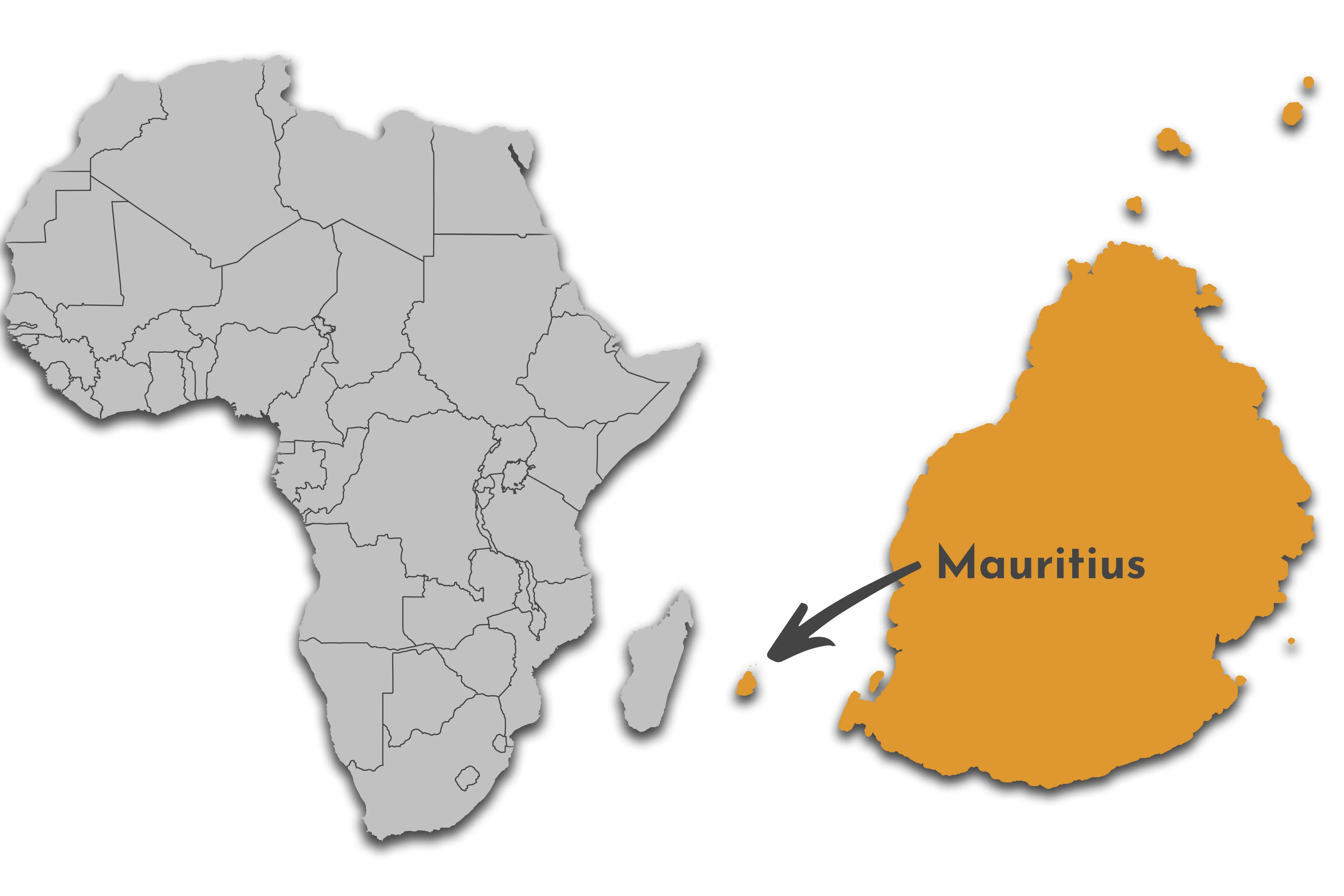
Map in Africa

Mauritius Map in Africa

Safari Reviews

User Reviews
0.0/5
(0 Reviews)

Share Your Experience

Help other travelers by writing a review

Best Time to Visit – Mauritius

Mauritius is accessible to tourists all year. May, June, and September to November are great months. Most travellers from the northern hemisphere, however, come to Mauritius to escape their winter, which lasts from December to April. However, the cyclone season lasts from January through March. Even if there is no cyclone, rainfall is usually heavy at that time. Winds on the east and south coasts can be strong in July and August.

High Season
December to April
Low Season
May to September
Best Weather
May, June and September to November
Worst Weather
January to March

May to September (Dry Season)

  • Beautiful weather with loads of sunshine
  • It is less hot and humid than during the Wet season
  • The whale watching season lasts from June to October
  • Ideal for exploration and trekking
  • The east coast has a lot of wind, especially in July and August

October to April (Wet Season)

  • Winter beach destination in the northern hemisphere
  • Hot and consistent downpour
  • January to March is cyclone season
  • The Christmas and Easter seasons are extremely busy

Best Time to Go to Mauritius by Major Park

Mauritius has a tropical climate and is located in the southern Indian Ocean. Mauritius's beautiful sun-kissed weather is what makes it a popular tourist destination. The months of May through December are ideal for visiting Mauritius since the weather is cool, dry, and bright. The ideal summer weather and friendly atmosphere attract travellers from all over the world looking for a holiday spot where they can relax and enjoy the sun and waves at beaches. While the island nation is endowed with a welcoming temperature that lasts all year, there are a few things you should know about its weather before packing your bags and heading out for a vacation on the islands.

Activities

From game drives and walking safaris to cultural encounters and adventure excursions, Mauritius offers a wide variety of activities for every type of traveler.

Cuisines

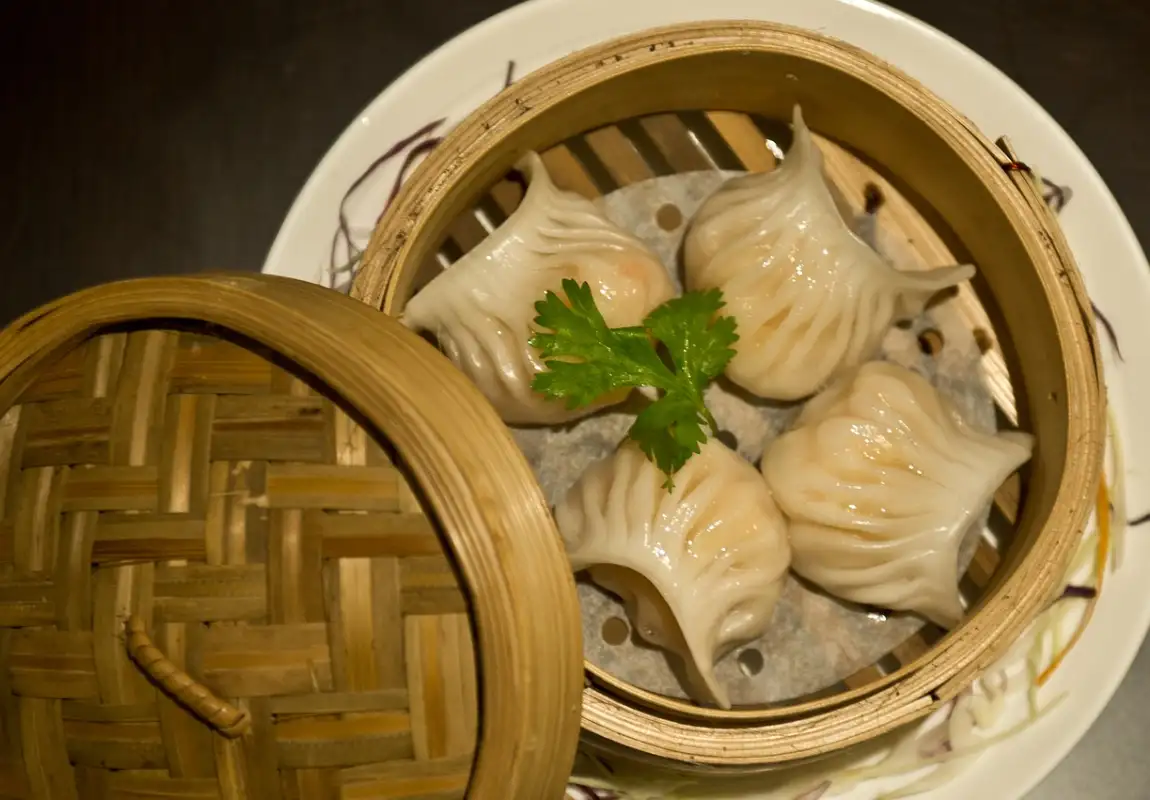
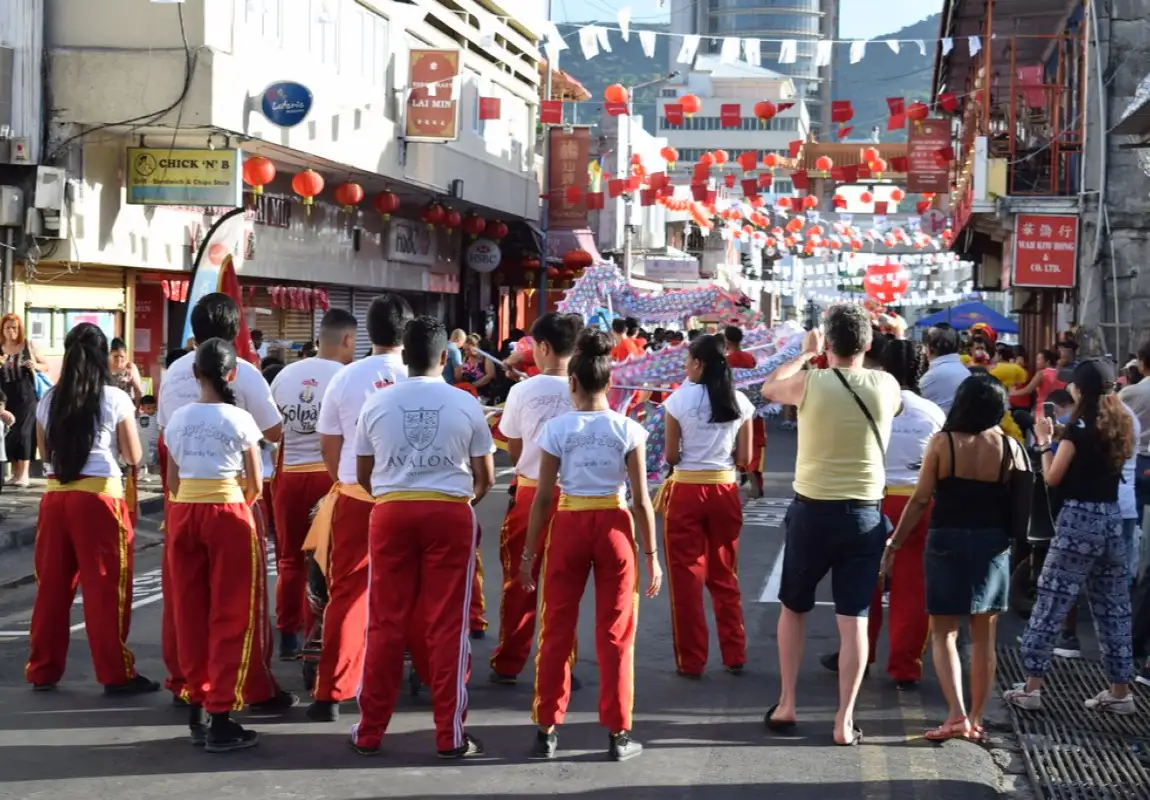
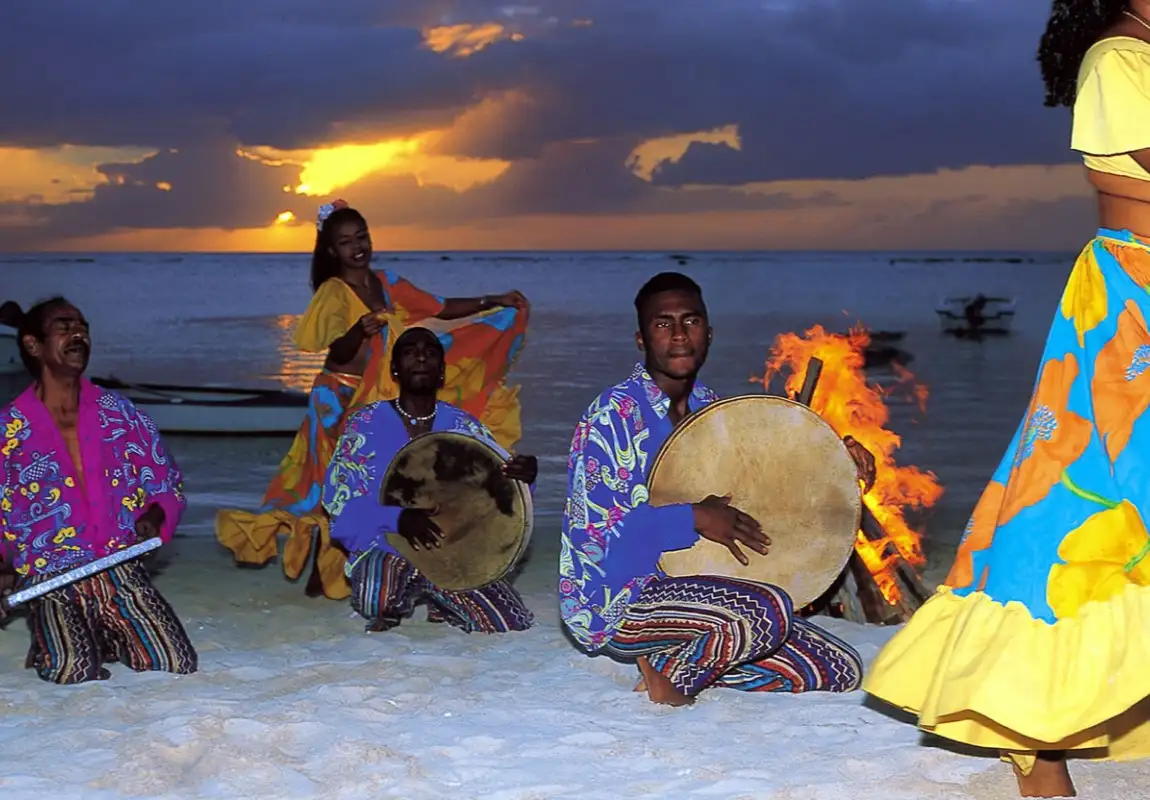
Mauritius has a diverse culture. The coexistence of Mauritanians of Indian, African, European, and Chinese ancestry has resulted in the sharing of cultures and values, collective participation in festivals, and increased understanding between people from different backgrounds. It is a plural society with four major ethnic groups and four major religious groups; it is often referred to as a "rainbow nation."
Mauritius has no widely accepted official language; however, the vast majority of Mauritians (86.5%) speak Kreol. The Kreol language is a hybrid of African and Asian languages, with French influences. The majority of the population speaks Kreol, making it the country's lingua franca. However, there is no agreed-upon written form of Kreol, making its adoption as the official national language difficult.

Culture

Mauritius has a diverse culture. The coexistence of Mauritanians of Indian, African, European, and Chinese ancestry has resulted in the sharing of cultures and values, collective participation in festivals, and increased understanding between people from different backgrounds. It is a plural society with four major ethnic groups and four major religious groups; it is often referred to as a "rainbow nation."
Mauritius has no widely accepted official language; however, the vast majority of Mauritians (86.5%) speak Kreol. The Kreol language is a hybrid of African and Asian languages, with French influences. The majority of the population speaks Kreol, making it the country's lingua franca. However, there is no agreed-upon written form of Kreol, making its adoption as the official national language difficult.

National Parks & Game Reserves

Mauritius is home to some of the most spectacular national parks and game reserves in Africa. From vast savannahs to dense forests, each park offers unique landscapes, diverse wildlife, and unforgettable safari experiences. Whether you’re searching for the Big Five or hidden natural wonders, Mauritius has something for every safari enthusiast.

Bel Ombre

Bel Ombre is one of Mauritius’ most famous and scenic coastal regions, located on the island’...

Showing 1-0 of 0 reviews
Recently Added
5 Stars Only
4 Stars and above
3 Stars and above

No reviews yet for this destination. Be the first to share your experience !

Safety & Security

From our perspective, Mauritius is a safe place. Although there is an occasional minor crime, there is no need for concern if you take conventional safety precautions as you would at home. Take care of your personal stuff and never leave valuables unattended. When leaving your self-catering accommodation, make sure you lock all doors and windows.

Please see the links below for travel advice on Mauritius Safari Trips:

General Safety Tips

  • Keep valuables secure and avoid displaying expensive items
  • Stay alert in crowded areas and tourist hotspots
  • Use registered tour operators and licensed guides
  • Follow local customs and respect cultural sensitivities
  • Keep copies of important documents in a safe place

Safari Safety

  • Always follow your guide's instructions during game drives
  • Stay inside your vehicle unless instructed otherwise
  • Keep noise levels low to avoid startling wildlife
  • Never approach or feed wild animals
  • Carry essential medications and first aid supplies

Health & Medical

Before traveling to Mauritius, consult with your healthcare provider about recommended vaccinations and health precautions. Common recommendations include malaria prophylaxis, hepatitis A and B vaccines, and routine immunizations. Carry any necessary medications and consider travel insurance that covers medical emergencies.

Getting There

Sir Seewoosagur Ramgoolam International Airport (MRU) is 48 kilometres/30 miles south of Port Louis. You will be met at the airport if you have booked a package. If not, most hotels can arrange transportation. Otherwise, a taxi is an easy option.All of the major vehicle rental companies are available at the airport, so you can get a car to explore the island as well.

Travel Requirements

  • All foreign visitors must have a passport that is valid for the duration of their intended stay until their return to their home country. All visitors must have a return ticket.
  • When travelling from a yellow-fever-infected country in Africa or the Americas, a yellow-fever vaccination certificate is required.
  • Tourists from certain countries, including the United Kingdom, European Union countries, the United States, Canada, Australia, New Zealand, Israel, South Africa, and China, do not require a visa.
  • You may need a visa depending on your nationality and the length of your intended stay. Check with your local Mauritius embassy or the immigration website.

Domestic Transportation

In Mauritius, there are no domestic flights.

Mauritius enjoys a tropical climate with two distinct seasons making it a year-round destination. May to December (winter/dry season) is considered best time with pleasant temperatures (17-25°C/63-77°F), lower humidity, minimal rainfall, calm seas perfect for water sports, clear skies ideal for beach activities, and peak tourist season July-August and December. This is ideal for diving, snorkeling, hiking, and outdoor activities. November to April (summer/wet season) brings warmer temperatures (25-33°C/77-91°F), higher humidity, occasional cyclones (January-March, though direct hits are rare), afternoon thunderstorms, rougher seas on some coasts, but lush green landscapes and lower accommodation prices. Best months overall: May, June, September, October, and November offer perfect balance of good weather, fewer crowds, and reasonable prices. December to February is hottest and wettest but still pleasant with brief showers. Cyclone season (January-March) means monitoring weather forecasts, though resorts have safety protocols. For diving and snorkeling: October to December offers best underwater visibility. For kitesurfing: May to October brings consistent trade winds. For whale watching: June to October for humpback whales. For budget travelers: February to May offers best deals on accommodation. Mauritius's east coast is generally windier and rougher, west coast calmer and sunnier year-round. Peak season (July-August, December-January) requires advance booking and higher prices but guarantees excellent weather.
Mauritius vacation costs vary significantly by travel style and season. Budget travel: $50-100 per day including guesthouses or budget hotels ($25-50 per night), local restaurants and street food ($10-20), public buses (very cheap, $0.50-2 per journey), and free/low-cost beaches. Mid-range travel: $150-300 per day with 3-4 star hotels or boutique properties ($80-150 per night), good restaurants mixing local and tourist spots ($25-50), car rental ($30-50 per day), and paid activities. Luxury travel: $400-1,000+ per day featuring 5-star resorts like One&Only Le Saint Géran, Four Seasons, LUX* Belle Mare ($300-800+ per night), fine dining ($50-100+ per meal), private transfers, spa treatments, and premium activities. All-inclusive resorts: popular option ranging from $150-500+ per person per night covering accommodation, meals, drinks, water sports, and activities. Examples: Shandrani Beachcomber (mid-range), Constance Belle Mare Plage (luxury). Typical week-long vacation: budget $700-1,500, mid-range $2,000-4,000, luxury $5,000-15,000+ per person. Activities costs: diving ($50-80 per dive), catamaran cruises ($80-150), parasailing ($50-70), undersea walk ($60-80), zip-lining ($40-60), and dolphin watching ($50-80). Flights: vary greatly depending on origin - from Europe $500-1,200, from Asia $400-800, from Africa $300-600. Peak season (July-August, December) commands 30-50% premiums. Mauritius offers excellent value for tropical island destination with options across all budgets, though luxury resorts compare to Maldives or Seychelles pricing.
Mauritius has very tourist-friendly visa policies. No visa required for most visitors: citizens of virtually all countries receive visa-free entry for tourist visits. Upon arrival at Sir Seewoosagur Ramgoolam International Airport, immigration stamps your passport with free tourist visa valid initially for 60 days (can be extended to 180 days). Requirements for entry: valid passport with at least 6 months validity beyond departure date, confirmed onward or return ticket, proof of accommodation (hotel booking or invitation letter), and sufficient funds for stay (though rarely checked). Tourist visa conditions: no work permitted, must have return/onward ticket, and intended for tourism only. Visa extensions: can extend tourist visa up to total 180 days by applying at Passport and Immigration Office in Port Louis - requires proof of funds, accommodation, and valid reasons. Overstaying visa results in fines and potential entry bans. Long-term stays: work permits, occupation permits, and residence permits available for those wanting to work, invest, or retire in Mauritius but require separate applications. Always check current requirements before travel as policies can change, though Mauritius maintains open tourism policy. No yellow fever vaccination certificate required unless arriving from endemic country. Entry process is straightforward taking 15-30 minutes at immigration. Mauritius actively welcomes tourists with minimal bureaucracy making entry smooth and hassle-free for visitors from around the world.
Mauritius has no mandatory vaccination requirements for most travelers making it one of easiest tropical destinations health-wise. Yellow fever: vaccination certificate required ONLY if arriving from yellow fever endemic countries (parts of Africa and South America) or having transited through endemic areas for more than 12 hours. Direct arrivals from Europe, Asia, most of Africa, and Americas do not require yellow fever vaccination. Recommended vaccinations: Hepatitis A and B (food and waterborne diseases), Typhoid (contaminated food/water risk), Tetanus (up-to-date booster), and MMR (measles, mumps, rubella - ensure routine vaccinations current). Malaria: Mauritius is malaria-free requiring no prophylaxis - major advantage over many tropical destinations. Dengue fever: present in Mauritius, particularly during warm, wet months (January-April). No vaccine available, so use insect repellent with DEET, wear long sleeves/pants during dawn and dusk, and use mosquito nets if needed. Chikungunya: also mosquito-borne, occasionally present. Same prevention as dengue. Zika virus: very low risk but pregnant women should consult doctors. Healthcare: Mauritius has good medical facilities with modern hospitals in Port Louis, Curepipe, and tourist areas. Private clinics offer quality care. Pharmacies well-stocked. Travel insurance recommended for medical emergencies. Tap water: generally safe to drink in hotels and restaurants, though bottled water widely available and recommended for sensitive stomachs. Sun protection essential: high UV index requires SPF 50+ sunscreen, hats, sunglasses, and caution during midday. Overall Mauritius is very safe health-wise with minimal disease risks compared to many tropical destinations, excellent medical infrastructure, and no malaria making it ideal for families and health-conscious travelers.
Yes, Mauritius is one of the safest destinations in Africa and Indian Ocean with low crime rates, stable democracy, and welcoming culture. General safety: violent crime against tourists is rare. Petty theft (pickpocketing, bag snatching) can occur in Port Louis markets, crowded areas, and beaches - use normal precautions. Don't display expensive jewelry or electronics, secure valuables in hotel safes, don't leave belongings unattended on beaches, and be alert in markets. Tourist areas and resorts are very safe with security measures. Beaches: some beaches have strong currents and undertows - always swim in designated areas, observe warning flags, never swim alone, and heed lifeguard warnings. Coral reefs generally protect lagoons making swimming safe, but ocean side can be dangerous. Check conditions before swimming. Road safety: Mauritians drive on left (British colonial influence). Roads can be narrow, winding, and congested. Driving requires caution, awareness, and patience. Motorcycles and scooters pose risks - wear helmets. Public transport buses are safe but crowded. Rental cars should have comprehensive insurance. Water activities: reputable operators have good safety records. Use licensed providers for diving, parasailing, undersea walks, and water sports. Check equipment and safety briefings. Weather safety: cyclones occur January-March. Resorts have protocols and warnings. Follow official advice during cyclone warnings. Sun safety: intense tropical sun requires protection - sunscreen, hats, shade breaks, and hydration essential to avoid heat stroke. Scams: occasional taxi overcharging, tour touts, and street vendors being pushy - negotiate prices beforehand. Women travelers: Mauritius is safe for solo women with respectful culture, though normal precautions apply. Overall Mauritius maintains excellent safety reputation with professional tourism industry, friendly locals, and stable environment making it stress-free destination for families, couples, and solo travelers.
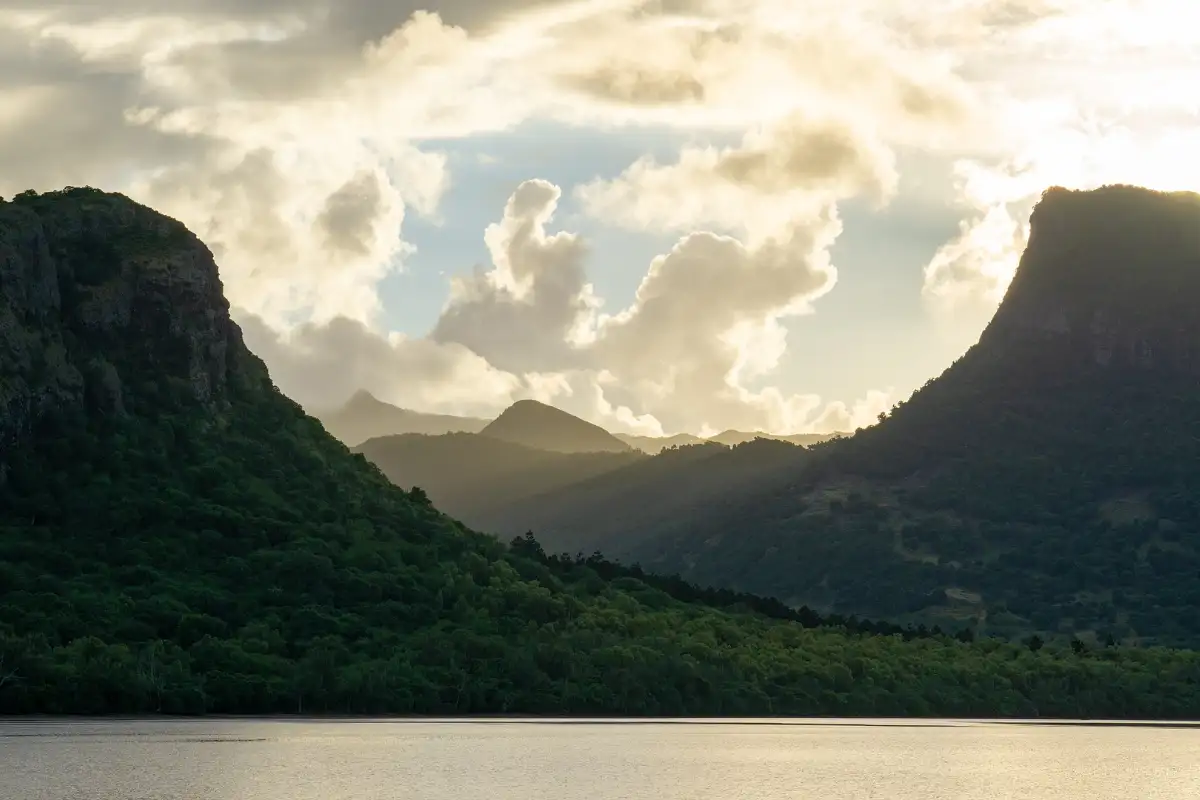
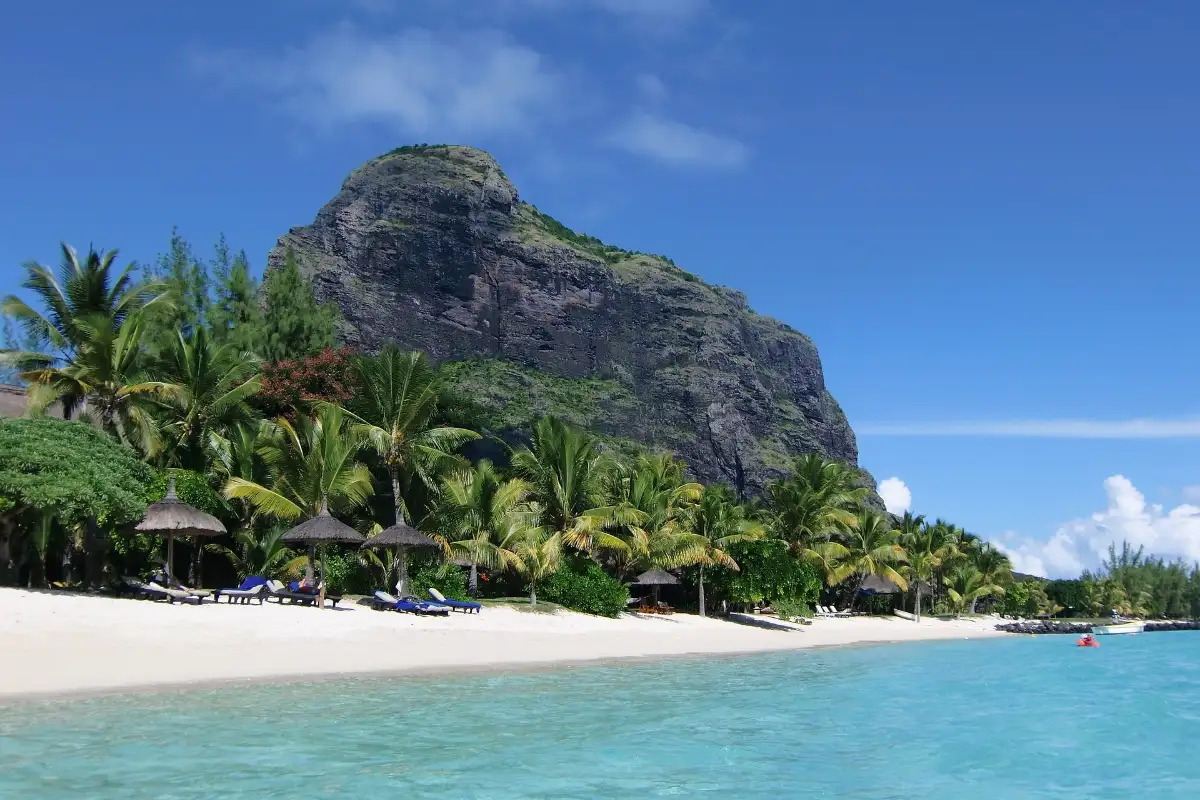
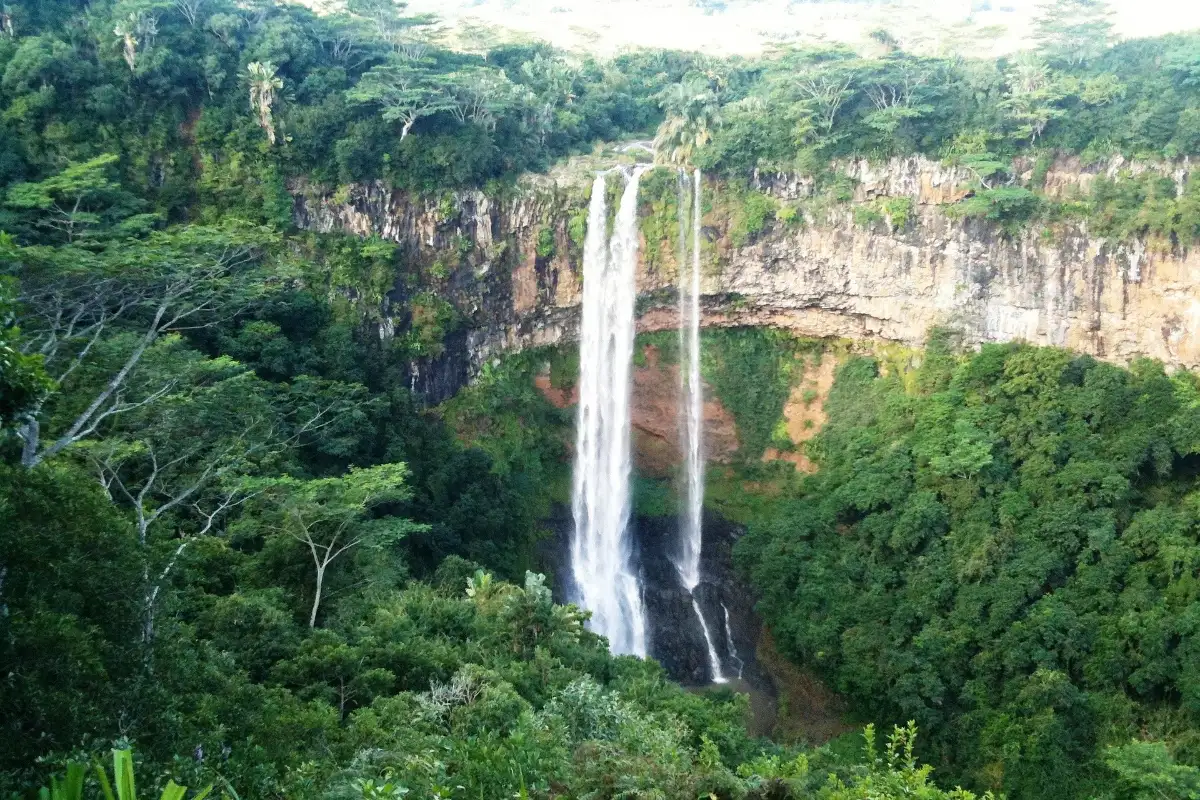
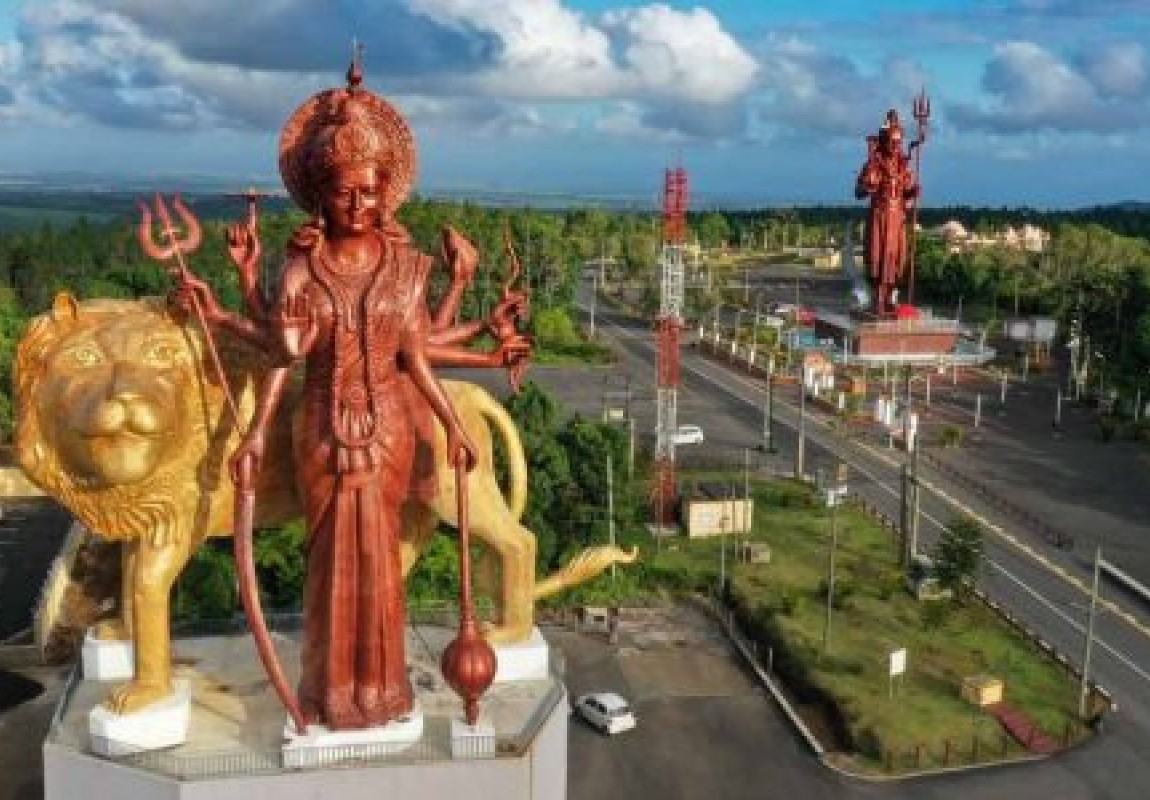
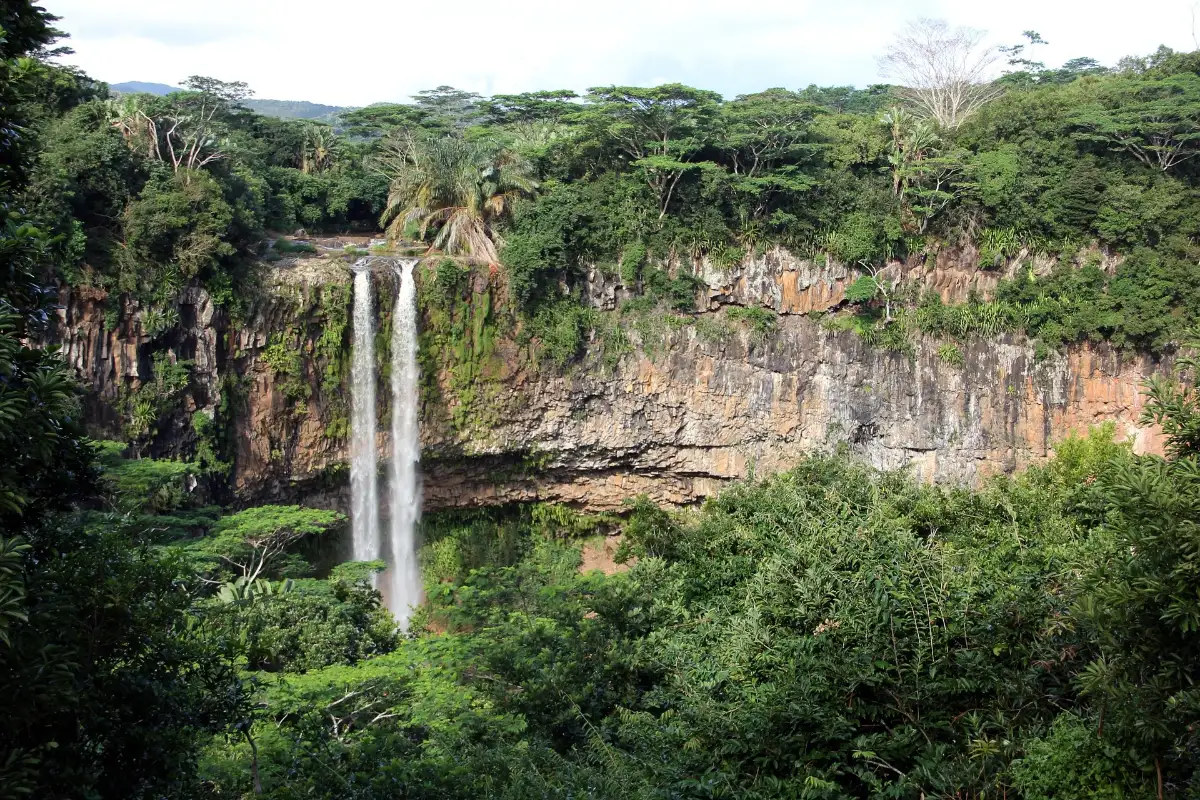
Mauritius offers diverse attractions beyond beaches combining natural beauty, culture, and adventure. Seven Colored Earths (Chamarel): unique geological formation with sand dunes displaying seven distinct colors (red, brown, violet, green, blue, purple, yellow) caused by volcanic rock weathering - surreal landscape with nearby Chamarel Waterfall (100m cascade). Le Morne Brabant: UNESCO World Heritage Site - dramatic 556m basalt monolith jutting from ocean, symbol of slave resistance, challenging hike (3-4 hours) with spectacular 360° views of lagoons, coral reefs, and underwater waterfall optical illusion. Black River Gorges National Park: 67km² of lush rainforest with hiking trails, endemic birds including pink pigeon and Mauritian flying fox, waterfalls (Alexandra Falls, Black River Falls), viewpoints, and diverse flora. Port Louis: capital city with Central Market (vibrant local life, street food, souvenirs), Caudan Waterfront (shopping, dining, entertainment), Aapravasi Ghat (UNESCO site documenting indentured labor), Blue Penny Museum (rare stamps), and Fort Adelaide. Île aux Cerfs: stunning island with pristine beaches, water sports paradise, championship golf course, restaurants, and day-trip heaven accessible by boat from Trou d'Eau Douce. Grand Bassin (Ganga Talao): sacred crater lake and Hindu pilgrimage site with impressive 33m Shiva statue, colorful temples, peaceful atmosphere, and Maha Shivaratri festival (February-March) attracting thousands. Pamplemousses Botanical Garden: Sir Seewoosagur Ramgoolam Botanical Garden featuring giant water lilies, palm trees, spice plants, endemic species, and colonial history. Underwater waterfall: optical illusion off Le Morne viewable from helicopter/plane - sand and silt runoff creates appearance of underwater cascade. Casela Nature Parks: safari adventures with lions, zip-lining, quad biking, and animals. La Vanille Reserve: giant tortoises, crocodile farm, and tropical vegetation. Beaches: Trou aux Biches, Flic en Flac, Belle Mare, and Blue Bay offer pristine sand and turquoise waters.
Packing for Mauritius requires preparation for tropical beach vacation with some adventure activities. Clothing essentials: light, breathable clothing in cotton or moisture-wicking fabrics, swimwear (at least 2 sets), cover-ups and sarongs for beach, shorts and t-shirts for casual wear, sundresses or light pants, light sweater or jacket for air-conditioned restaurants and evenings (May-September can be cool), smart casual attire for upscale restaurants (some require long pants/closed shoes for men), and modest clothing for temple visits (covered shoulders and knees). Footwear: comfortable walking sandals, flip-flops for beach, water shoes for rocky beaches and reef walking, sneakers for hiking (Black River Gorges, Le Morne), and dress shoes for formal dining. Sun protection: SPF 50+ sunscreen (reef-safe preferred), after-sun lotion, wide-brimmed hat or cap, UV-protective sunglasses, and lip balm with SPF. Water activities: snorkeling gear (though often provided), underwater camera or waterproof phone case, dry bag for valuables, and rash guard or dive skin for sun protection. Other essentials: insect repellent with DEET (mosquitoes during wet season), prescription medications, basic first-aid kit, reusable water bottle, universal power adapter (Type C and G plugs - UK-style three-pin), phone/camera chargers and power bank, travel documents and copies, credit cards and some cash (Mauritian Rupees or USD/Euro). Optional: binoculars for bird watching, hiking backpack, snorkeling vest for safety, gopro or action camera, and light rain jacket for summer showers. What NOT to pack: excessive formal wear (Mauritius is relaxed), too many clothes (laundry services available), and bulky beach toys (resorts provide equipment). Pack light, breathable fabrics suitable for hot, humid tropical climate with occasional rain. Most resorts have shops for forgotten items though at premium prices.
Mauritius is a water sports paradise offering exceptional activities for all levels. Diving and snorkeling: coral reefs with diverse marine life, 30+ dive sites including wrecks, walls, and drift dives, PADI courses available, colorful fish, sea turtles, moray eels, and occasional dolphins. Best sites: Blue Bay Marine Park, Coin de Mire, Cathedral (advanced), and Gunner's Quoin. Cost: $50-80 per dive, snorkeling $15-30. Kitesurfing and windsurfing: consistent trade winds May-October make Mauritius world-class destination. Le Morne is kitesurfing hub with international competitions. One Ocean and other schools offer lessons. Cost: lessons $50-80 per hour. Parasailing: soar 50-80 meters above turquoise lagoons with spectacular views. Available at most beach resorts. Cost: $50-70 for 15 minutes. Undersea walk: helmet diving experience walking on seabed feeding fish - no diving certification required, suitable for non-swimmers. Cost: $60-80. Catamaran cruises: day trips to islands (Île aux Cerfs, Île aux Bénitiers, Gabriel Island) with snorkeling, BBQ lunch, and drinks. Sunset cruises available. Cost: $80-150. Stand-up paddleboarding (SUP): calm lagoons perfect for SUP with rentals at beaches and resorts. Kayaking: explore coastlines, mangroves, and islands at your own pace. Deep-sea fishing: marlin, tuna, and wahoo with half-day ($300-500) or full-day ($600-1,000) charters. Submarine experience: Blue Safari Submarines take you 35m underwater observing marine life through large windows - family-friendly. Cost: $100-120. Surfing: Tamarin Bay has good waves May-September for intermediate surfers. Dolphin watching: speedboat trips to see spinner and bottlenose dolphins in natural habitat (Tamarin area). Cost: $50-80. Whale watching: June-October for humpback whales off west coast. Most resorts include non-motorized water sports (kayaks, paddleboards, windsurfing, snorkeling gear) in rates. Mauritius's protected lagoons make water activities safe and accessible for all ages and abilities.
Ideal Mauritius vacation length depends on your interests and pace preference. Minimum recommended: 5-7 days allows experiencing main highlights - 2-3 days beach relaxation at one resort, 1-2 days island excursions (Île aux Cerfs catamaran trip, dolphin watching), 1 day cultural and scenic tour (Seven Colored Earths, Chamarel Waterfall, Black River Gorges), 1 day water activities, and relaxation time. This provides good introduction without feeling rushed. Ideal duration: 10-14 days enables comprehensive exploration at relaxed pace - split between 2-3 different areas (north, south, east, or west coast) experiencing varied landscapes and atmospheres, multiple water sports and activities, hiking Le Morne or Black River Gorges, cultural visits (Port Louis, temples, markets), day trips to all major attractions, spa days, and genuine rest. This allows proper vacation rhythm alternating activity and relaxation. Extended stay: 14-21+ days for honeymoons, complete relaxation, exploring lesser-known areas, diving certification, kitesurfing lessons, and truly unwinding. Many visitors spend 2+ weeks enjoying the paradise lifestyle. Weekend getaway: 3-4 days possible from African or Middle Eastern locations for quick beach escape focusing on one resort area and relaxation. Consider: Mauritius is relatively small (65km x 45km) making it possible to see main highlights in week, but island lifestyle encourages slower pace. Rushing defeats purpose of tropical paradise vacation. Many travelers split time: 7 days Mauritius + 3 days Rodrigues Island (quieter, more remote) for extended adventure. Best approach: minimum one week focusing on relaxation and highlights, extending to 10-14 days for comprehensive experience without feeling touristy rush. Mauritius rewards slow travel with beach days, good food, and island time rather than frantic sightseeing.
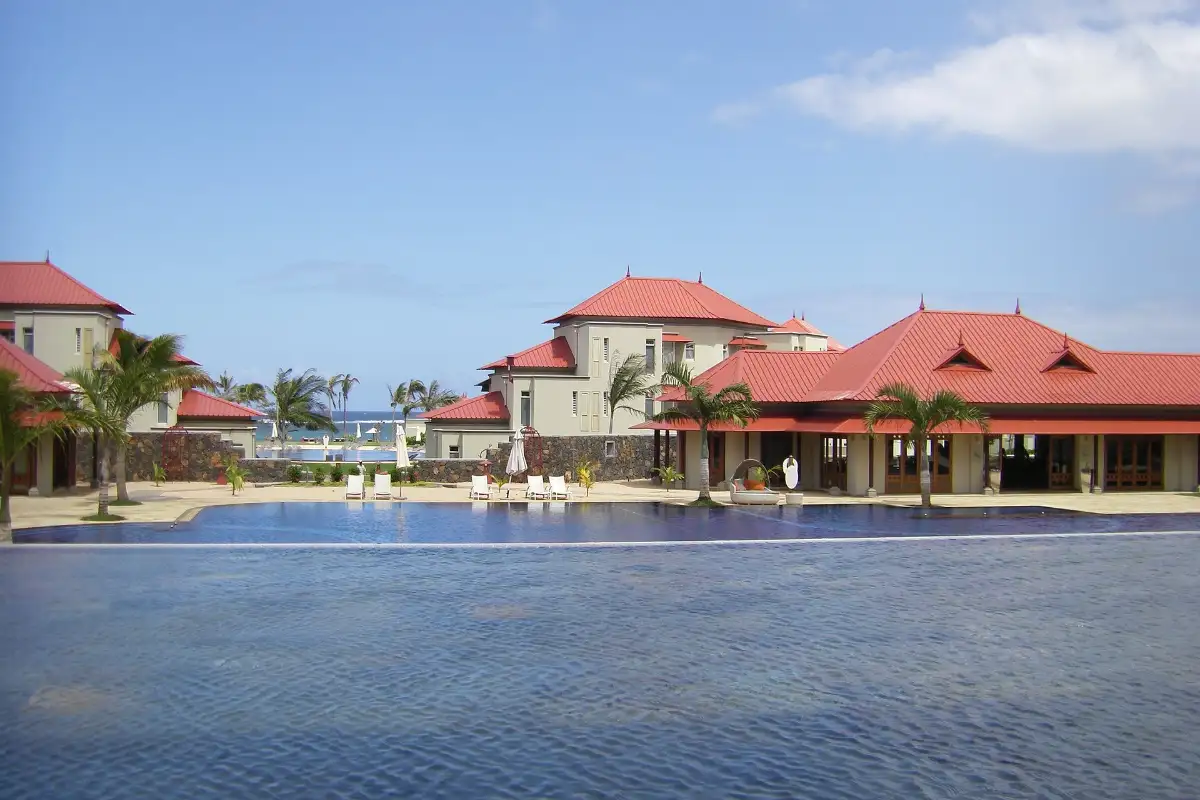
Mauritius offers diverse accommodation from budget guesthouses to ultra-luxury resorts. Budget guesthouses and B&Bs: $25-50 per night providing basic rooms, local hospitality, authentic experience, and locations away from tourist beaches - good for independent travelers. Examples: Chez Lorna, Chez Patrick. Mid-range hotels and small resorts: $80-150 per night with comfortable rooms, pools, restaurants, and beach access - good value without all-inclusive expectations. Examples: Pearle Beach Resort, Veranda Resorts. 4-star resorts: $150-300 per night featuring good facilities, multiple restaurants, water sports, kids clubs, and beachfront locations. Many offer all-inclusive options. Examples: Maritim Resort, Shandrani Beachcomber, Sugar Beach. 5-star luxury resorts: $300-800+ per night with exceptional service, gourmet dining, spa facilities, premium water sports, butler service, and pristine beaches. Examples: Constance Belle Mare Plage, LUX* Belle Mare, The Oberoi, Shangri-La's Le Touessrok. Ultra-luxury: $800-2,000+ per night at exclusive properties like One&Only Le Saint Géran, Four Seasons Resort, St. Regis Mauritius with world-class everything. All-inclusive resorts: very popular in Mauritius covering meals, drinks (alcoholic and non-alcoholic), water sports, and activities. Simplifies budgeting and provides value. Examples: Beachcomber resorts, LUX* properties, Club Med. Villas and apartments: $100-500+ per night for self-catering options offering privacy, space, and flexibility - ideal for families or groups. Airbnb widely available. Coastal areas: North coast (Grand Baie area) is liveliest with nightlife, restaurants, and activities. East coast (Belle Mare, Trou d'Eau Douce) has best beaches and calmest waters. West coast (Flic en Flac, Tamarin) offers sunset views and dolphin watching. South coast (Le Morne, Bel Ombre) is quieter with dramatic scenery. Most resorts are beachfront with direct lagoon access. Peak season (July-August, December-January) requires advance booking and premium pricing. Mauritius caters excellently to honeymooners with romantic packages, couples-only areas, and sunset experiences.
Yes, comprehensive travel insurance is strongly recommended for Mauritius despite being relatively safe destination. Ensure coverage includes: medical emergencies and treatment (Mauritius has good private hospitals but medical costs can be high without insurance - private clinics charge $100-300+ for consultations, hospital stays $200-500+ per day), medical evacuation (critical for serious emergencies requiring evacuation to South Africa, Reunion, or international facilities - costs $30,000-100,000+), trip cancellation and interruption protecting pre-paid resort bookings and flights (particularly for expensive luxury resorts), lost or delayed baggage, and water sports activities including diving, parasailing, kitesurfing, and undersea walks. Mauritius-specific considerations: tropical cyclones January-March can disrupt travel requiring trip interruption coverage and accommodation extensions. Verify policy covers cyclone-related cancellations. Water activities: diving accidents, decompression sickness, and water sports injuries require adequate coverage. Some insurers exclude certain activities - read policy carefully. Flight delays: Mauritius's remote location means flight disruptions can cascade causing missed connections - adequate coverage for accommodation and rebooking essential. Medical facilities: while good, serious emergencies may require evacuation to Reunion or South Africa for specialized care. Rental vehicle insurance: comprehensive coverage recommended for self-drive including collision damage waiver and theft protection. Many credit cards provide some travel insurance but verify coverage adequacy particularly for medical evacuation. Purchase insurance immediately after booking to maximize coverage benefits. Recommended insurers include World Nomads, Allianz, travel insurance specialists offering tropical beach destination coverage. Given Mauritius vacation investments (expensive resorts, long-haul flights), adequate insurance provides essential peace of mind and financial protection.
Mauritius's official currency is the Mauritian Rupee (MUR or Rs), with exchange rates typically around 40-45 MUR to 1 USD, 45-50 MUR to 1 EUR. Major currencies accepted: US dollars, Euros, and British pounds are widely accepted at hotels, resorts, tourist restaurants, and shops, though exchange rates may be less favorable than official rates. Many resorts quote prices in euros or dollars. Credit cards (Visa and Mastercard) are widely accepted in hotels, resorts, restaurants, shops, and tourist areas - Mauritius has good banking infrastructure. ATMs abundant in towns and tourist areas with reliable cash availability. Withdraw local currency for best exchange rates. ATM daily limits typically 10,000-25,000 MUR ($200-500). Exchange options: banks, exchange bureaus (found in Port Louis, Grand Baie, airports), and hotels (worst rates). Bank rates are best. Keep exchange receipts for reconverting excess rupees at departure. Airport exchange available but with slightly inferior rates. Budget daily cash needs: all-inclusive resort guests need minimal cash - maybe 500-1,000 MUR ($10-25) for tips and incidentals. Independent travelers budget 1,500-3,000 MUR ($35-75) daily for meals, transport, and activities. Tipping: restaurants 10% (often included as service charge - check bill), hotel staff 50-100 MUR per service, tour guides 200-500 MUR per day, taxi drivers round up or 50 MUR. Public transport very cheap: buses 20-50 MUR per journey. Rental cars $30-50 per day. Most expenses can be charged to room at resorts. Mauritius has modern, reliable banking making payments easy. Carry some local currency for markets, street food, buses, and small purchases. Mobile payments growing but cash and cards remain primary. Overall Mauritius's currency system is straightforward and tourist-friendly.
Absolutely! Mauritius is exceptional family destination offering safe beaches, kid-friendly resorts, and diverse activities suitable for all ages. Family-friendly resorts: many properties specialize in families with kids clubs (ages 3-12), teen clubs, family rooms, connecting rooms, kids pools with slides, playgrounds, organized activities, babysitting services, and children's menus. Examples: Maritim Resort & Spa (excellent kids club), Sugar Beach Resort, LUX* Belle Mare (family-focused), La Pirogue (kids club, family villas), and Club Med La Pointe aux Canonniers (renowned kids programs). Baby-friendly: many resorts provide cribs, high chairs, bottle warmers, and baby food. Some have baby clubs for toddlers. Beach safety: protected lagoons with calm, shallow waters perfect for children to play safely. Lifeguards at resort beaches. Coral reefs outside lagoons protect swimming areas from waves and currents. Activities for kids: glass-bottom boat tours, snorkeling (shallow reefs teeming with colorful fish), catamaran cruises to islands, dolphin watching, undersea walk (minimum age 7-10), Casela Nature Parks (safari, zip-lining, giant tortoises), La Vanille Reserve (crocodile feeding, giant tortoises kids can interact with), submarine rides (minimum age 2-3), stand-up paddleboarding, kayaking, and beach games. Educational experiences: Pamplemousses Botanical Garden, Blue Penny Museum, and cultural visits teach children about island ecology and history. Safety: Mauritius is very safe for families with low crime, excellent healthcare, safe food, and no malaria. Family-friendly culture: Mauritians love children and are welcoming to families. Restaurants accommodate kids well. Age considerations: toddlers enjoy shallow beach play and resort pools. School-age children (6-12) can do most activities. Teenagers enjoy water sports, diving, hiking, and more adventurous activities. Mauritius offers stress-free family vacation combining beach relaxation with activities keeping children entertained and engaged.
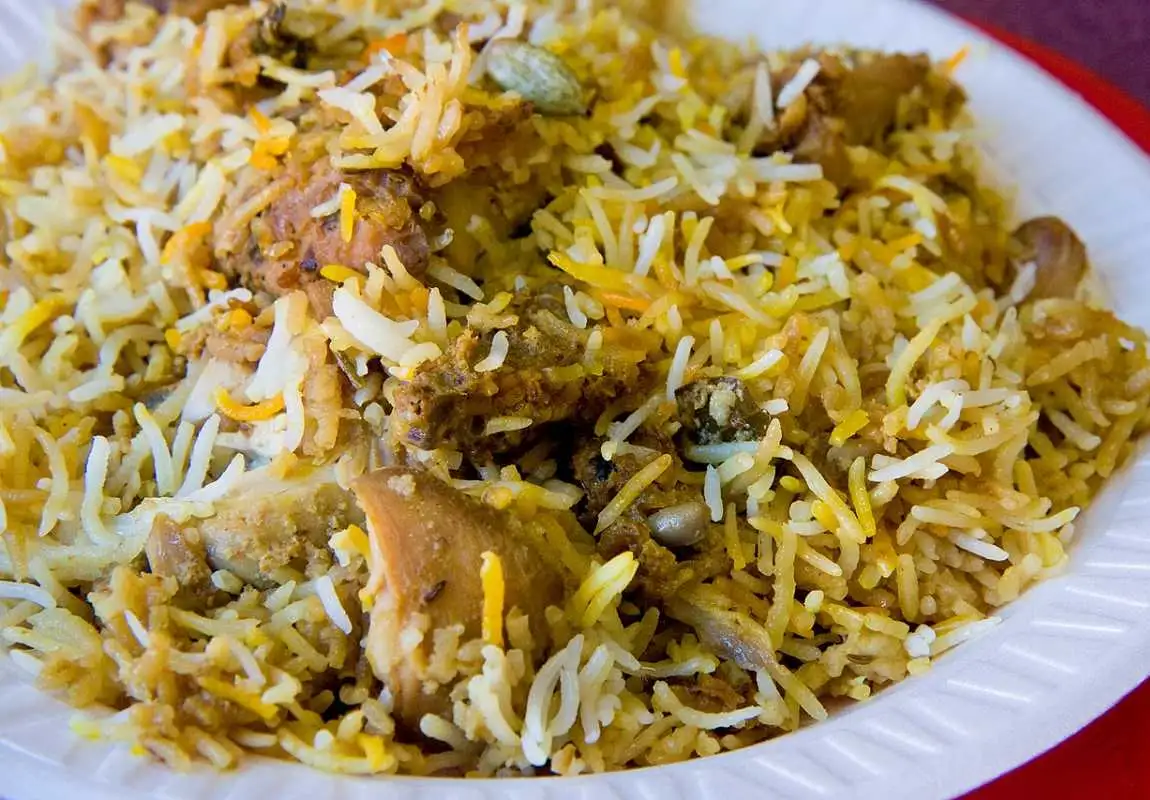
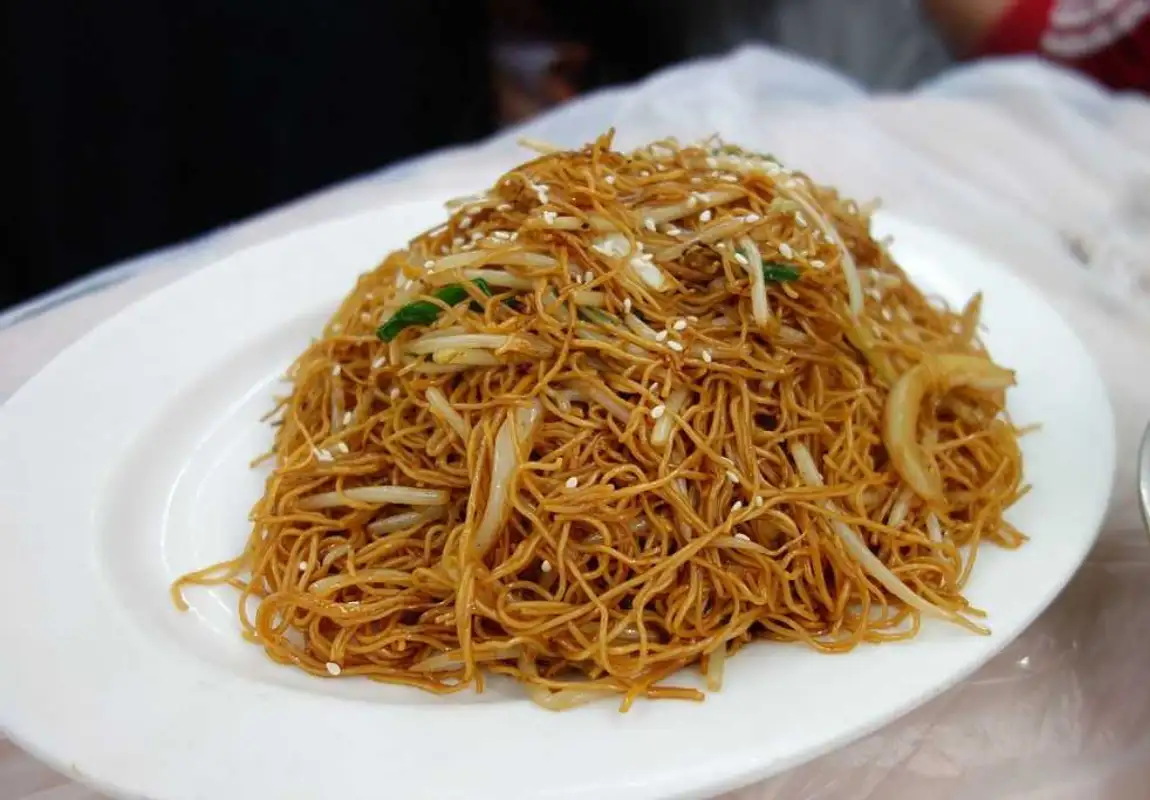
Mauritian cuisine reflects the island's multicultural heritage blending Indian, Creole, French, Chinese, and African influences into unique fusion. Must-try dishes: Dholl puri - thin flatbread filled with yellow split peas served with bean curry, rougaille (tomato sauce), pickles, and chutneys - national street food obsession. Gateaux piments - chili cakes/lentil fritters, crispy and spicy snack. Vindaye - tangy fish or chicken curry with mustard seeds, turmeric, and vinegar. Mine frit - fried noodles with vegetables and meat, Chinese-Mauritian creation. Biryani - fragrant spiced rice with chicken, lamb, or seafood showing Indian influence. Octopus curry (cari ourite) - tender octopus in aromatic curry sauce. Bouillon - hearty fish or chicken broth with vegetables. Rougaille saucisse - spicy tomato-based sausage stew. Gateau patate - sweet potato cake dessert. Alouda - cold milk drink with basil seeds and agar-agar jelly, refreshing treat. Fresh seafood: lobster, crab, prawns, fish (red snapper, marlin, tuna) prepared Creole-style, grilled, or in curries - often caught daily. Street food: sample local cuisine at Port Louis Central Market, Grand Baie beachfront stalls, and food courts. Cheap, authentic, delicious. Drinks: Phoenix beer (local brew), rum (Green Island, New Grove brands), alouda, coconut water, and fresh tropical fruit juices (pineapple, mango, passion fruit, lychee). Fine dining: upscale resorts offer French-influenced cuisine alongside Mauritian specialties. Dietary considerations: vegetarian options abundant due to Indian influence. Halal, kosher, and vegan options available particularly in Port Louis and tourist areas. Spice levels vary - Mauritian food can be spicy, so indicate preference when ordering. Eating customs: mixing cuisines in one meal is normal. Rice and bread accompany most dishes. Hand-eating common in Indian restaurants. Mauritius's food scene is highlight of visit showcasing island's diverse cultural heritage in delicious fusion cuisine.
Mauritius has harmonious multicultural society with Indian (Hindu), Creole, Muslim, Chinese, and European influences creating unique tolerant culture. General etiquette: Mauritians are friendly, welcoming, and laid-back. Greetings include handshakes, "bonjour" (French), or "namaste" (Hindu). Dress code: beachwear confined to beaches and pools - cover up when leaving beach areas. Modest dress for religious sites (temples, mosques, churches) with covered shoulders and knees, shoes removed at temples and mosques. Most restaurants accept casual smart clothing. Religious respect: Mauritius is predominantly Hindu (48%) followed by Christian (32%), Muslim (17%), and others. Respect all religions - ask permission before photographing religious ceremonies, avoid visiting temples during prayers without invitation, and show respect at sacred sites like Grand Bassin. Language: English, French, and Mauritian Creole all widely spoken. French is lingua franca alongside English. Locals often mix languages mid-sentence. Learning basic French or Creole phrases appreciated. Tipping: 10% in restaurants (often included as service charge), hotel staff 50-100 MUR per service, tour guides 200-500 MUR per day. Not always expected but appreciated. Social customs: Mauritians value family highly. Hospitality is important - accepting food/drink offers shows respect. Public displays of affection are moderate - hand-holding acceptable, excessive kissing frowned upon. Photography: always ask permission before photographing people, particularly at religious sites or fishing villages. Some may expect small payment. Pace of life: "island time" prevails - things move slower than Western standards. Patience and flexibility essential. Beaches: topless sunbathing generally not acceptable except at some private resort beaches. Nude bathing illegal. Environmental respect: Mauritius promotes eco-tourism - don't damage coral, litter beaches, or disturb wildlife. Plastic bags banned - use reusable bags. Overall Mauritius's multicultural tolerance makes it welcoming, accepting destination where visitors feel comfortable regardless of background.
International flights arrive at Sir Seewoosagur Ramgoolam International Airport (MRU) in Mahébourg, southeast Mauritius, about 45km from Port Louis. Major airlines: Air Mauritius (national carrier), Emirates (via Dubai), Turkish Airlines (via Istanbul), Air France (Paris), British Airways (London), South African Airways (Johannesburg), Kenya Airways (Nairobi), and others. Direct flights from Europe (London, Paris, Frankfurt, Zurich), Middle East (Dubai, Doha), Asia (Delhi, Mumbai, Singapore, Hong Kong), Africa (Johannesburg, Nairobi), and Australia. No direct flights from North America - connect through Europe, Middle East, or South Africa. Getting around Mauritius: Rental cars ($30-50 per day) offer best flexibility for independent exploration. Roads generally good, though narrow and winding in places. Drive on left (British influence). International license required. GPS recommended. Car rentals available at airport and major towns. Taxis: widely available but expensive - negotiate rates beforehand or use meter. Airport to north coast 1,500-2,000 MUR ($35-45), to west coast 2,000-2,500 MUR ($45-55). Public buses: extensive cheap network covering entire island (20-50 MUR per journey) but crowded, slow, and confusing routes for tourists. Good for budget travelers and cultural immersion. Hotel transfers: most resorts arrange transfers (private or shared) from airport - book in advance. Cost 1,000-3,000 MUR ($25-70) depending on location. Motorcycle/scooter rentals: available in tourist areas (200-400 MUR per day) - requires international license and caution on roads. Tours: organized tours with transport included cover major sights ($50-100 per day). Boat transfers: for island excursions (Île aux Cerfs, etc.). Mauritius is small (65km x 45km) making it easy to explore - north to south 1.5-2 hours, east to west 1-1.5 hours. Most visitors rent car for few days while basing at resort for beach relaxation.
Yes, Mauritius combines excellently with several destinations creating enhanced Indian Ocean or African experiences. Mauritius + Reunion Island: neighboring French territory (30-minute flight) offering dramatic volcanic landscapes, active Piton de la Fournaise volcano, mountain hiking, cirques (natural amphitheaters), and cultural experiences. Combine beach relaxation in Mauritius with adventure hiking in Reunion. 3-4 days Reunion adds diversity. Mauritius + Rodrigues Island: smaller, quieter Mauritian island (1.5 hour flight) with authentic fishing village culture, pristine beaches, excellent snorkeling, and relaxed atmosphere. Perfect for escaping tourist crowds. 3-4 days Rodrigues extends off-beaten-path experience. Mauritius + South Africa: combine Cape Town (wine regions, Table Mountain, culture, wildlife), Kruger safari, or Garden Route with Mauritius beach relaxation. Popular safari-and-beach combination. 7 days safari + 7 days Mauritius creates ultimate African vacation. Mauritius + Dubai: stopover in Dubai (shopping, luxury, desert safaris, modern architecture) en route to Mauritius via Emirates. 3-4 days Dubai breaks long journey. Mauritius + Seychelles: ultimate Indian Ocean luxury combining two paradises with different characters - Seychelles granite boulders and pristine islands, Mauritius cultural diversity and activities. Expensive but unforgettable. 7 days each creates dream vacation. Mauritius + Madagascar: adventurous combination with Madagascar's unique wildlife (lemurs), baobab avenues, and Tsingy formations contrasting Mauritius's refinement. Requires planning and stamina. 10 days Madagascar + 7 days Mauritius reward. Multi-destination Indian Ocean: comprehensive 3-4 week itineraries visiting Mauritius + Seychelles + Maldives for ultimate tropical paradise tour. Logistics: Mauritius's location makes regional connections feasible. Air Mauritius, Air Seychelles, and regional carriers connect islands. Allow 10-14 days minimum for meaningful two-destination experiences. Most popular combinations are Mauritius + Reunion (easiest), Mauritius + South Africa (safari-beach), and Mauritius as standalone destination (7-14 days) experiencing everything island offers.
Mauritian Creole (Kreol Morisien) is the most widely spoken language in daily life, though French and English are also common. Learning basic Creole phrases delights locals. Here are 10 essential Mauritian Creole phrases with pronunciations:

1) Bonzour (bon-ZOOR) - Hello/Good morning
2) Bonswar (bon-SWAR) - Good evening
3) Ki manière? (kee mahn-YER) - How are you?
4) Mo bien (moh bee-EN) - I'm fine
5) Mersi / Mersi anpil (mer-SEE / mer-SEE ahn-PEEL) - Thank you / Thank you very much
6) Silvouple (seel-voo-PLAY) - Please
7) Wi (wee) - Yes
8) Non (nohn) - No
9) Pardon (par-DON) - Sorry/Excuse me
10) Orevwar (oh-rev-WAR) - Goodbye

Bonus phrases: Kot ou abite? (Where do you live?), Mo content (I'm happy), Annou ale (Let's go), Bonzour toulmonn (Hello everyone). Food: Manze (food), Leau (water), Diri (rice). Mauritians are multilingual and friendly - they'll appreciate your effort to speak Creole even if just basic greetings, and will happily help you practice. Most also speak French and English making communication easy for visitors!

Change Currency

Loading currencies...

Give your feedback