Mozambique Safari Destination Mozambique flag

Mozambique Safari Information

Explore the Unexplored

0 Tours 18 Tour Operators 0 Accommodation Properties

Starting from

$580PP

Overview

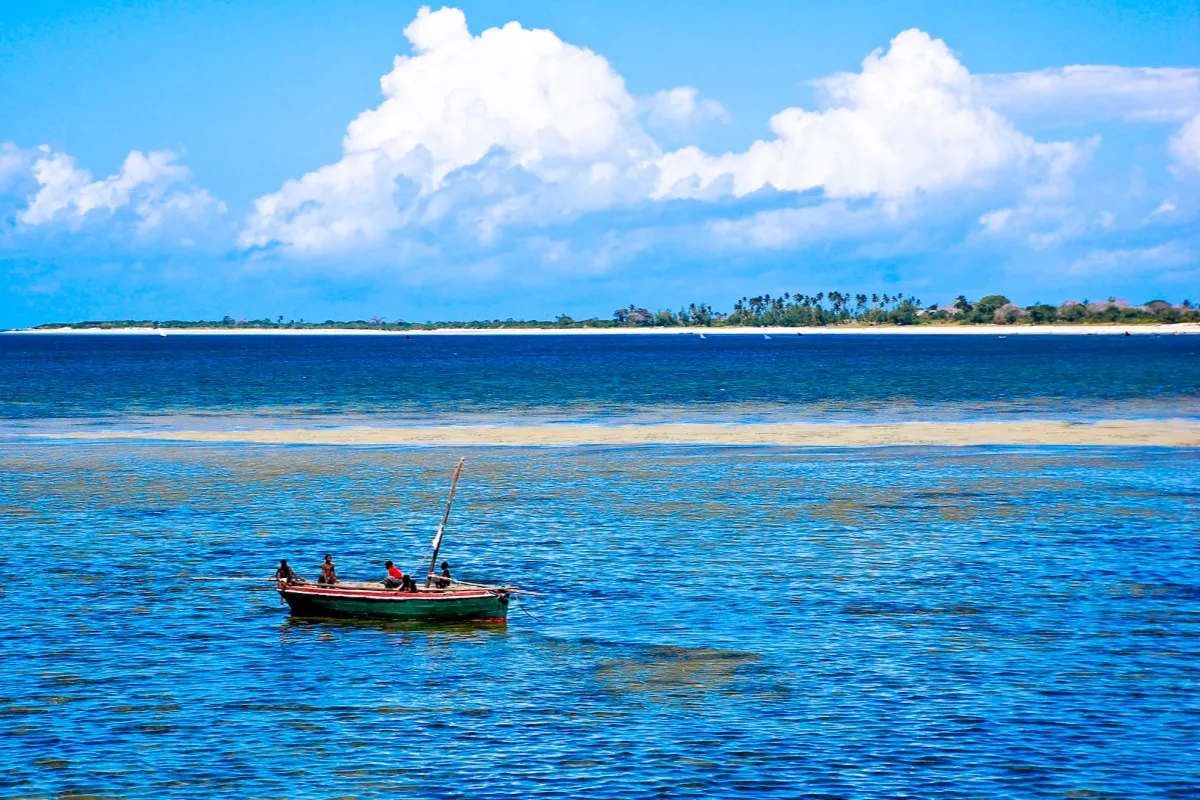
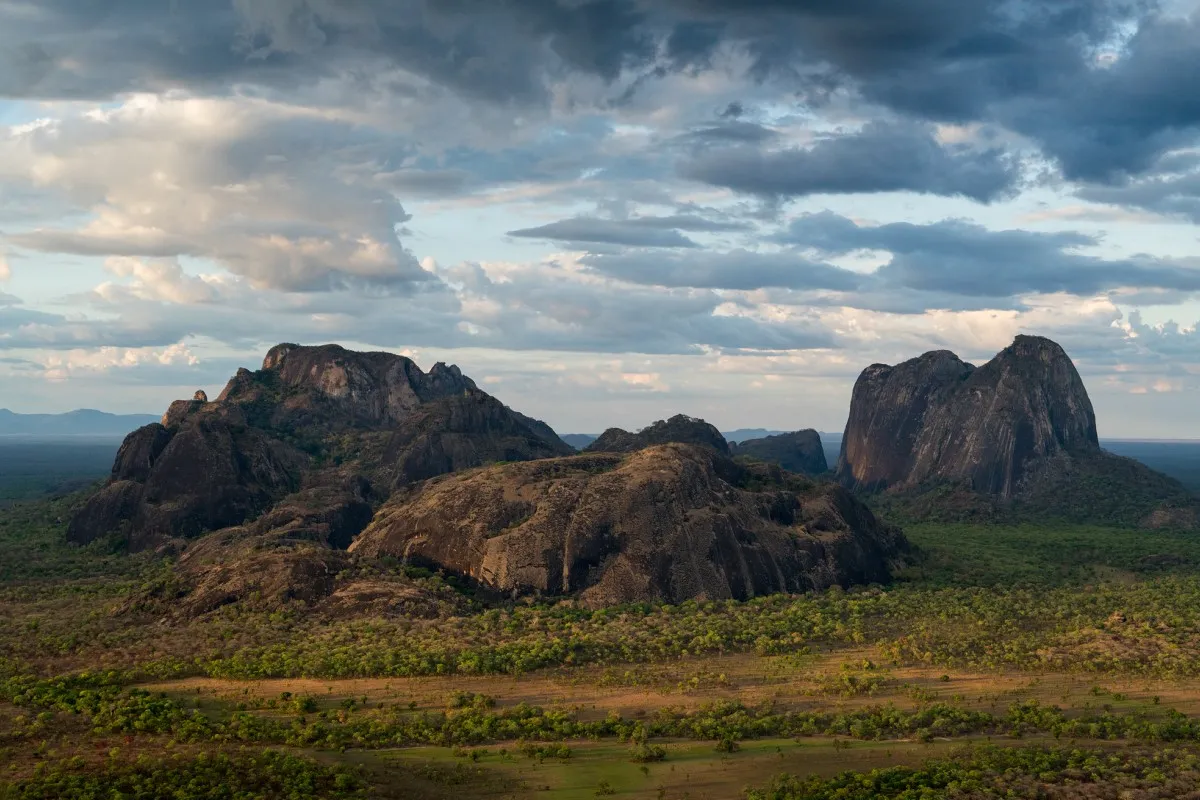
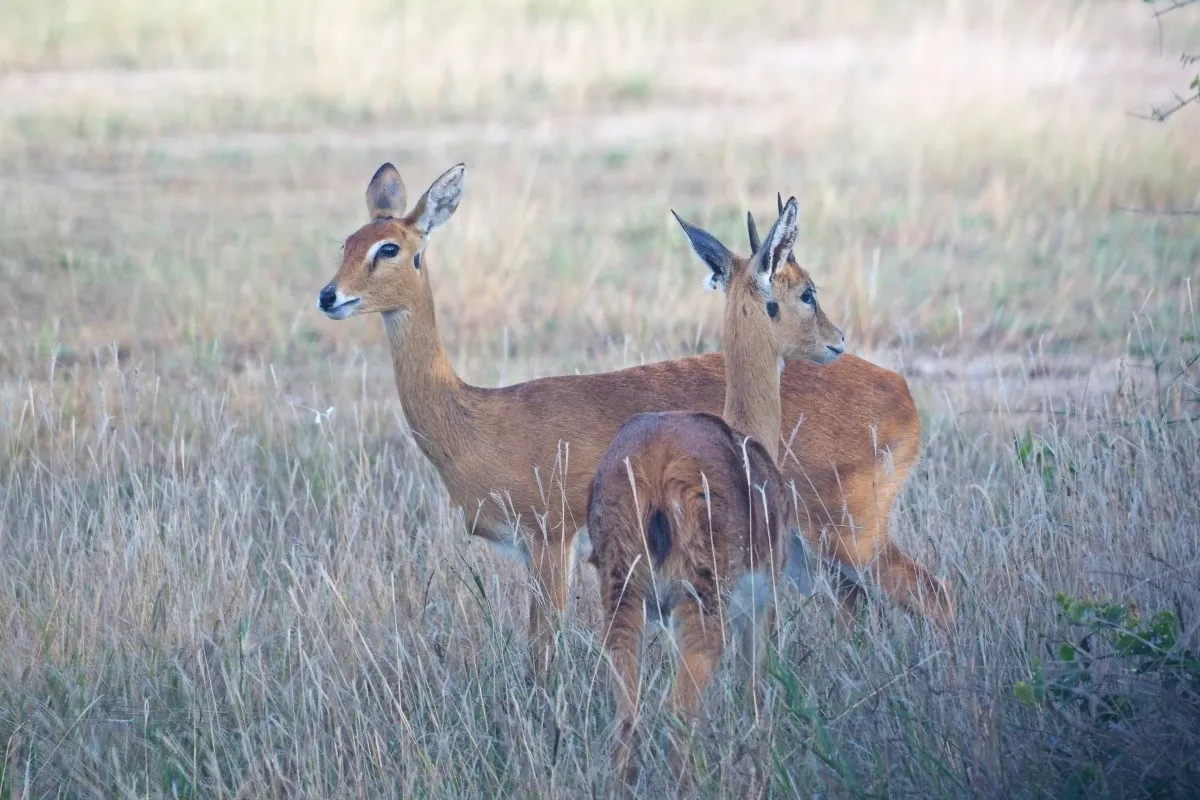
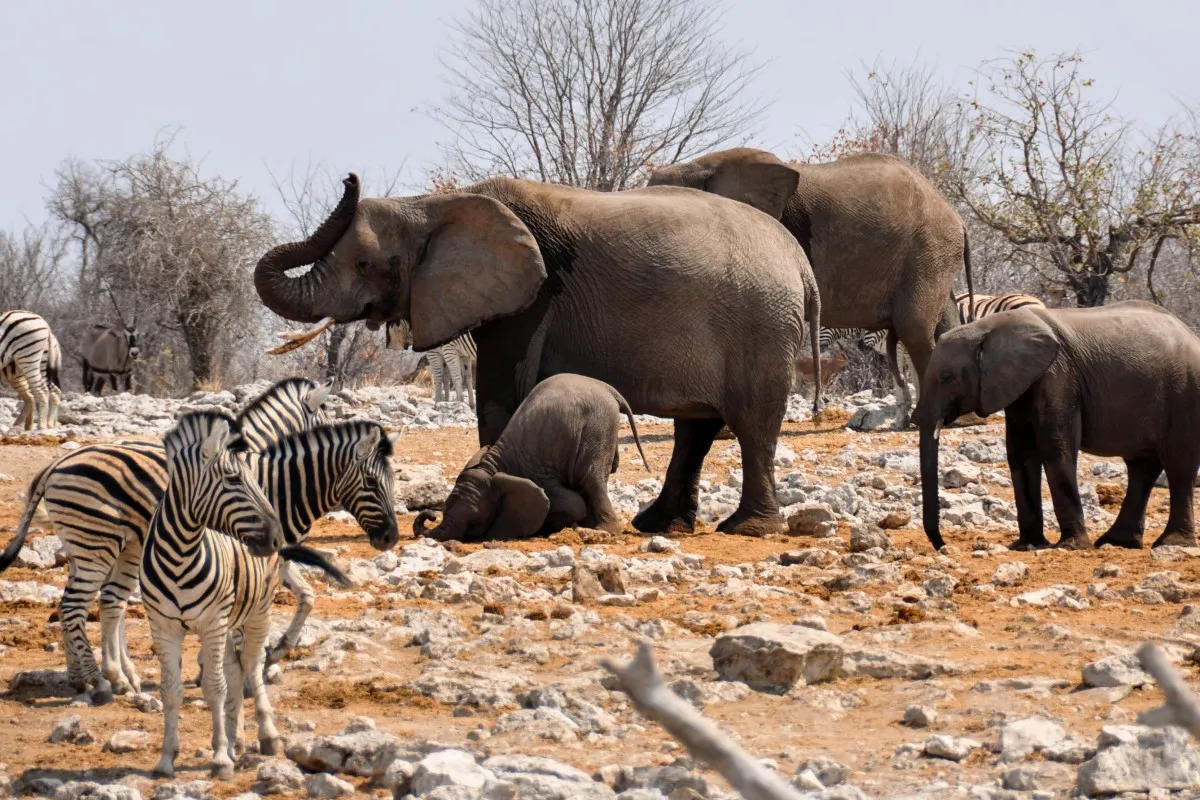
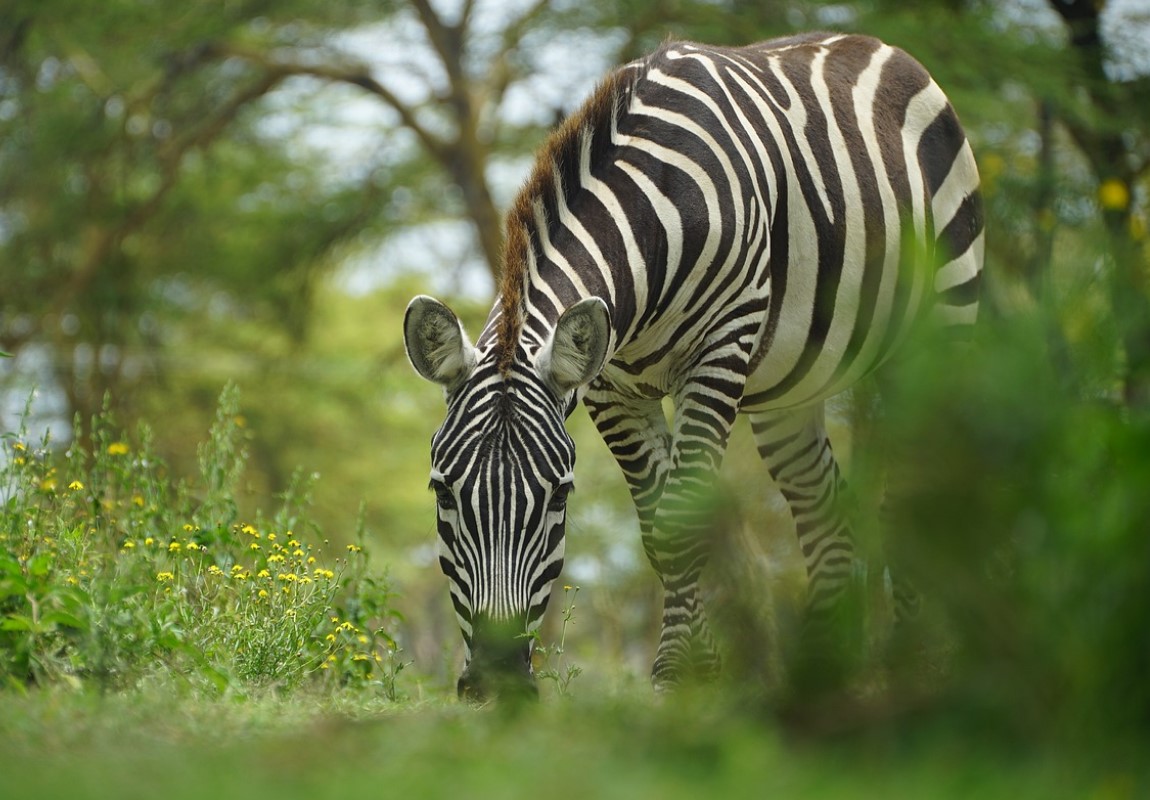
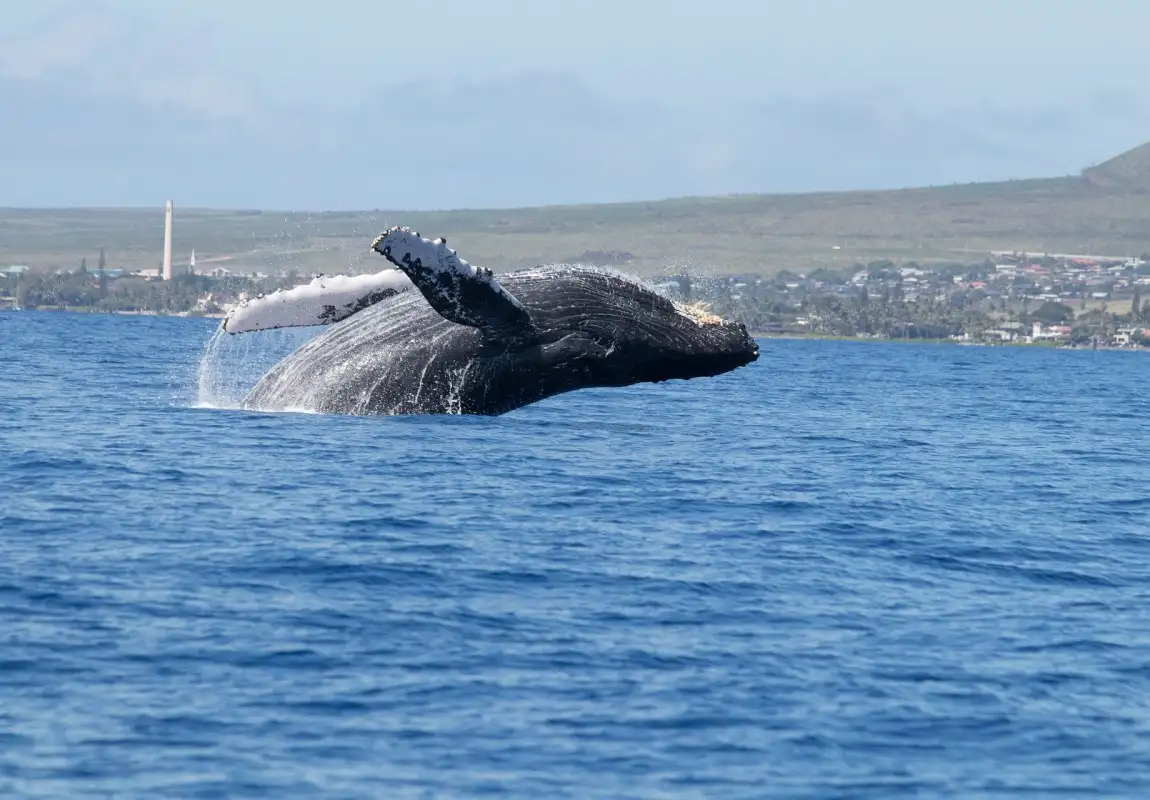
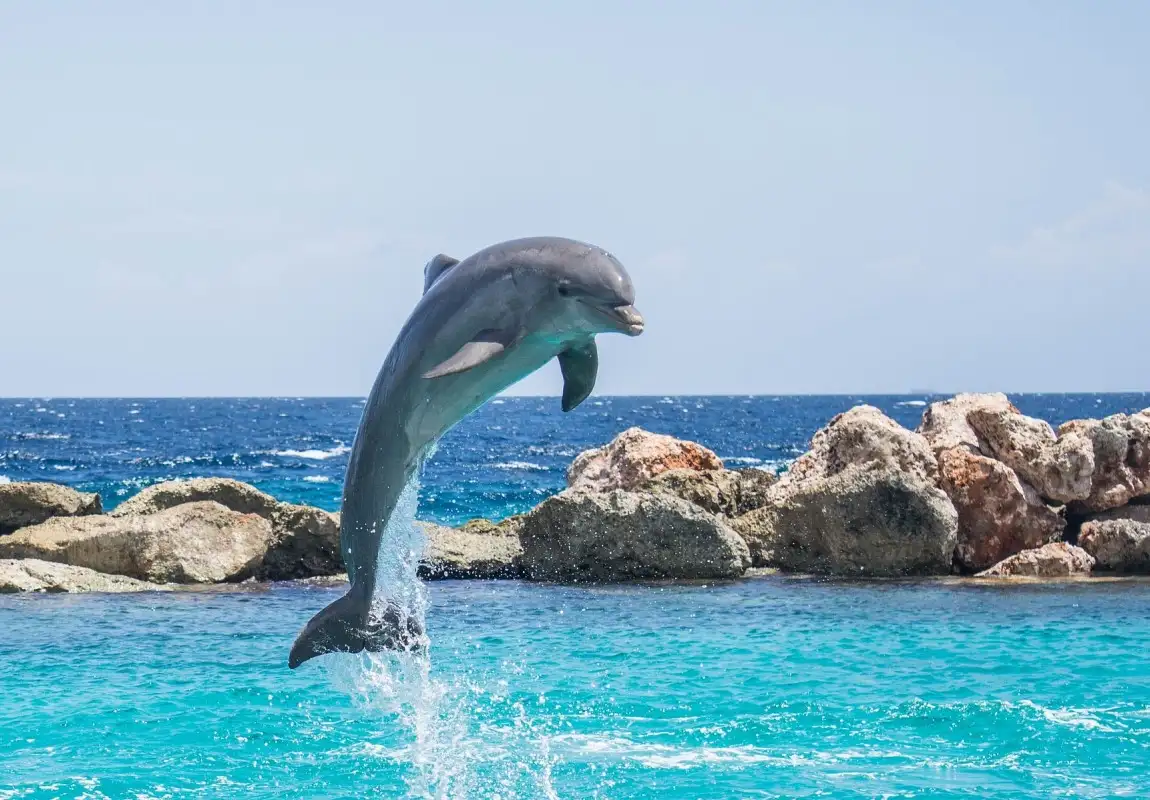
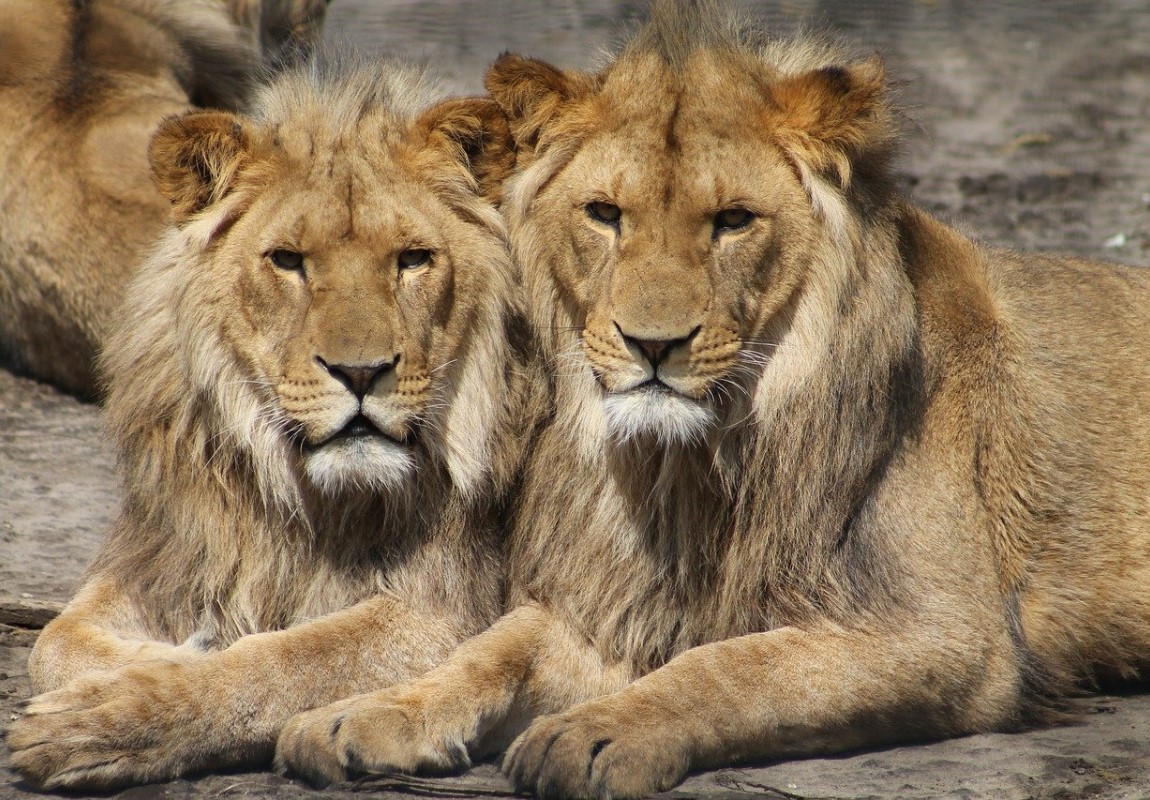
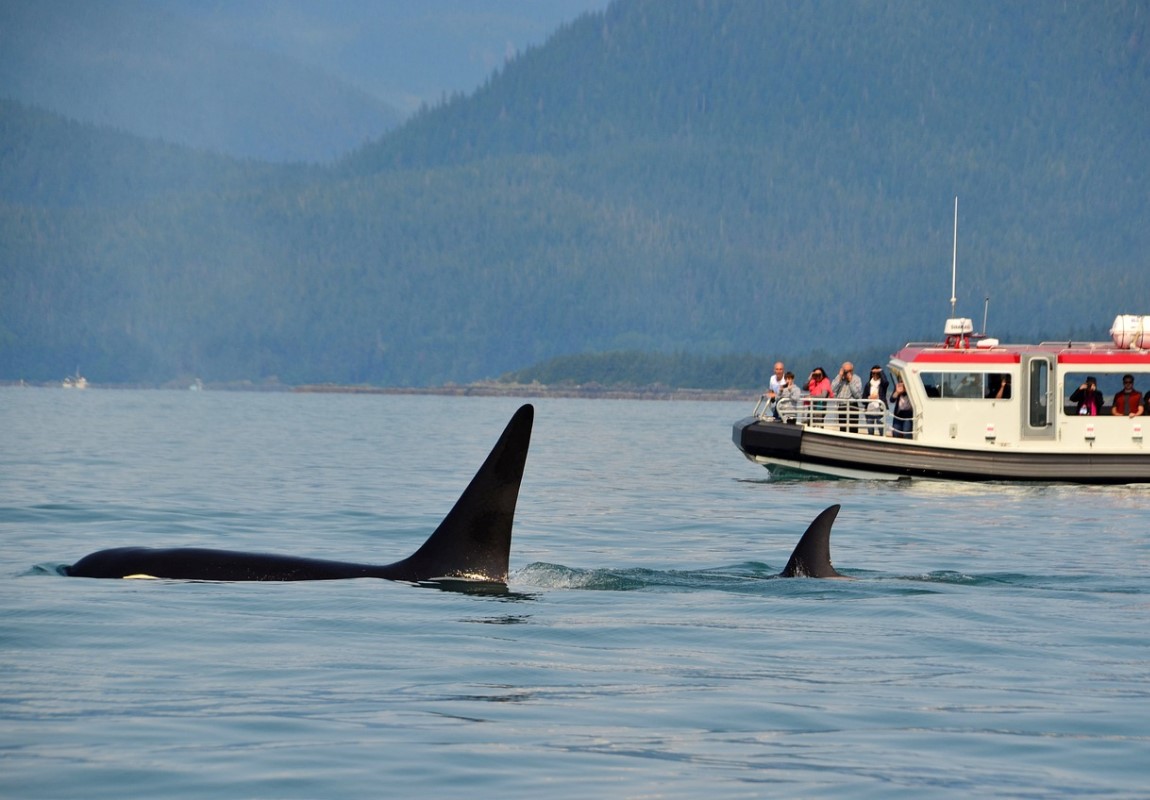
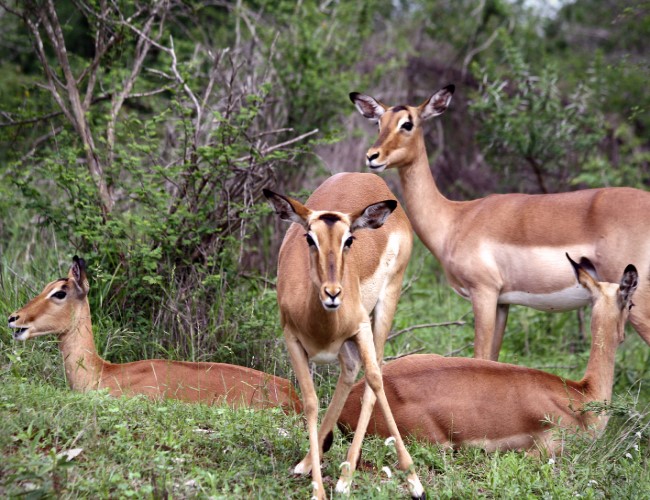
A Mozambique safari allows you to fully explore the maritime animals. Mozambique, located on the Indian Ocean coast, is home to several famous beaches and islands. This tropical paradise has a lot to offer tourists, including exquisite, rise-covered seashores and blue oceans, abundant coral reefs, and uninhabited archipelagos.Quirimbas is an archipelago comprising more than 32 islands, where wildlife incorporates a plenitude of marine life like turtles, whales and dolphins, as well as flourishing coral reefs. The Bazaruto Archipelago comprises five main islands which offer clear blue waters, fish of each shade of the rainbow and sandy seashores. In the oceans encompassing these islands visitors can see more than 2,000 sorts of fish, just as dolphins, turtles, whale sharks and the interesting dugong. Gorongosa National Park is one of the most luxuriously assorted parks on the planet. Earlier, it was the best wildlife safari in Mozambique. The Niassa Nature Reserve is hard to get to however is definitely worth the work as it is home to over 10,000 elephants, more than 200 wild dogs, as well as lions, hyenas and three endemic species; the Boehms zebra, Johnston's impala and Niassa wildebeest.

Rates (USD)
$440 pp/day
Currency
Metical (MZN)
Capital
Maputo
Languages
Portuguese
High Season
May to October
Best Time to Go
April to November

Pros & Cons

  • Low-density tourism and eco-friendly lodges
  • Excellent wildlife viewing in northern parks
  • Beautiful and diverse scenery of dry desert, saltpans, savannah grasslands and delta waterways
  • Low population and vast, undeveloped areas
  • Political stability and safety
  • Expensive upmarket safaris with few budget options
  • Availability can be limited during high season

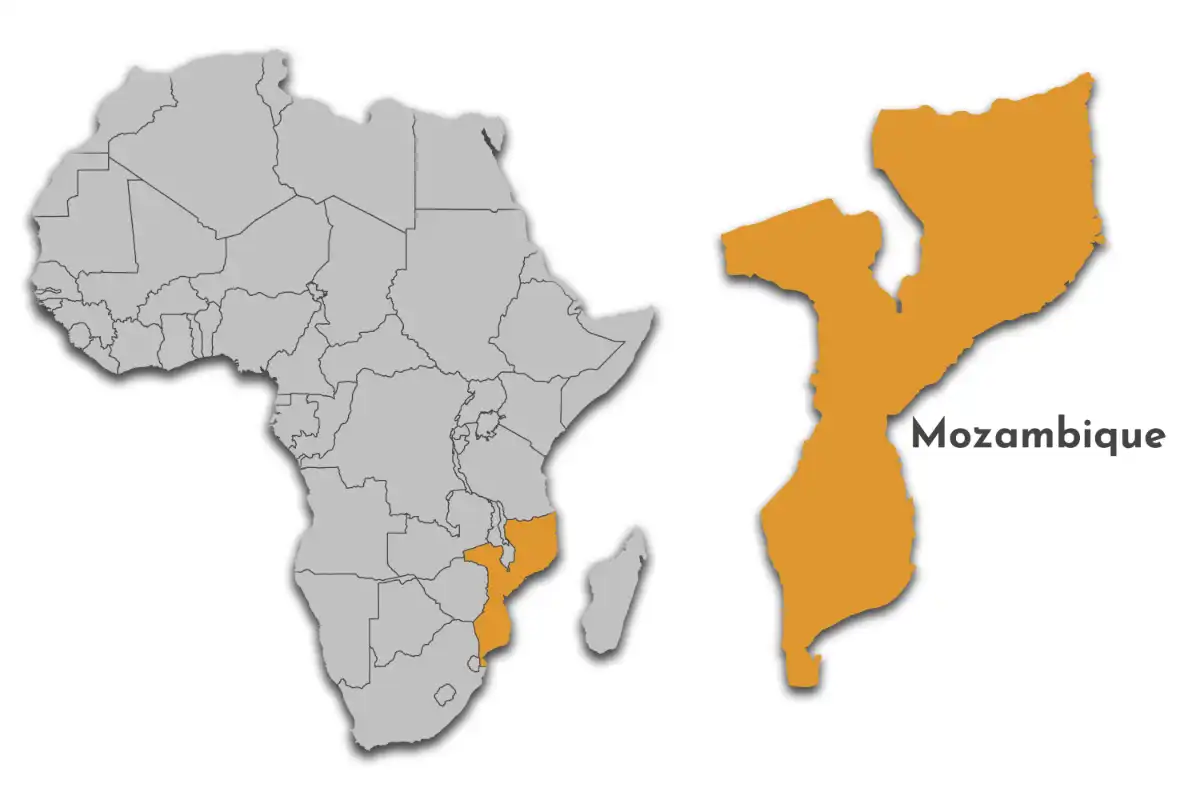
Map in Africa

Mozambique Map in Africa

Safari Reviews

User Reviews
0.0/5
(0 Reviews)

Share Your Experience

Help other travelers by writing a review

Best Time to Visit – Mozambique

The best time to visit Mozambique is in April and November. Mozambique is for the most part visited as a beach destination. The waterfront resorts can be visited consistently, however, January and February will more often than not be exceptionally wet, which may ruin an ocean-side occasion. Diving and snorkelling are at their best from April to June and from September to November. During these months the water is clear and quiet, and perceivability is awesome. 
Wildlife viewing is best from the middle to the end of the Dry season from July to October, as the bush has thinned out and animals gather around the few residual water sources.

High Season
May to October
Low Season
November to April
Best Weather
May to October
Worst Weather
December to March

May to October (Dry Season)

  • Humpback whales migrate from June to November
  • Clear blue skies and most of the days are sunny
  • Best time for diving and snorkelling
  • There are very less mosquitoes because of little rain
  • Wildlife viewing is at its best
  • Morning game drives can be difficult due to Cold weather, so warm clothes are recommended
  • July and August can be windy on the coast

November to April (Wet Season)

  • The best time for bird watching and migratory birds are present
  • The scenery is beautiful and green
  • Rains are mostly afternoon showers
  • Newborn baby animals can be spotted
  • Turtle nesting season
  • Sea breezes on the coast make the heat bearable
  • Gets very Hot & Humid
  • Difficult to spot animals as they are no longer dependant on rivers and waterholes to drink
  • Some dirt roads become impassable

Best Time to Go to Mozambique by Major Park

Gorongosa, Limpopo, and Niassa are excellent safari sites, however, they have limited wildlife and bad roads. The dry season, from July to October, is the greatest time to visit these parks. When water is scarce, animals congregate near dependable water sources. The hedge is also more narrow, making it easier to notice animals. May, June, and November are also pleasant months.
Coastal regions such as Maputo, Bazaruto, and the Quirimbas archipelagos are known for their beaches and oceans, as well as activities such as snorkelling, diving, and ocean safaris. These parks can be visited on a regular basis, albeit the rainy months of January and February should be avoided. The greatest months for water sports are April to June and September to November, when the ocean is generally quite clean, allowing for incredible visibility.

Wildlife & Animals

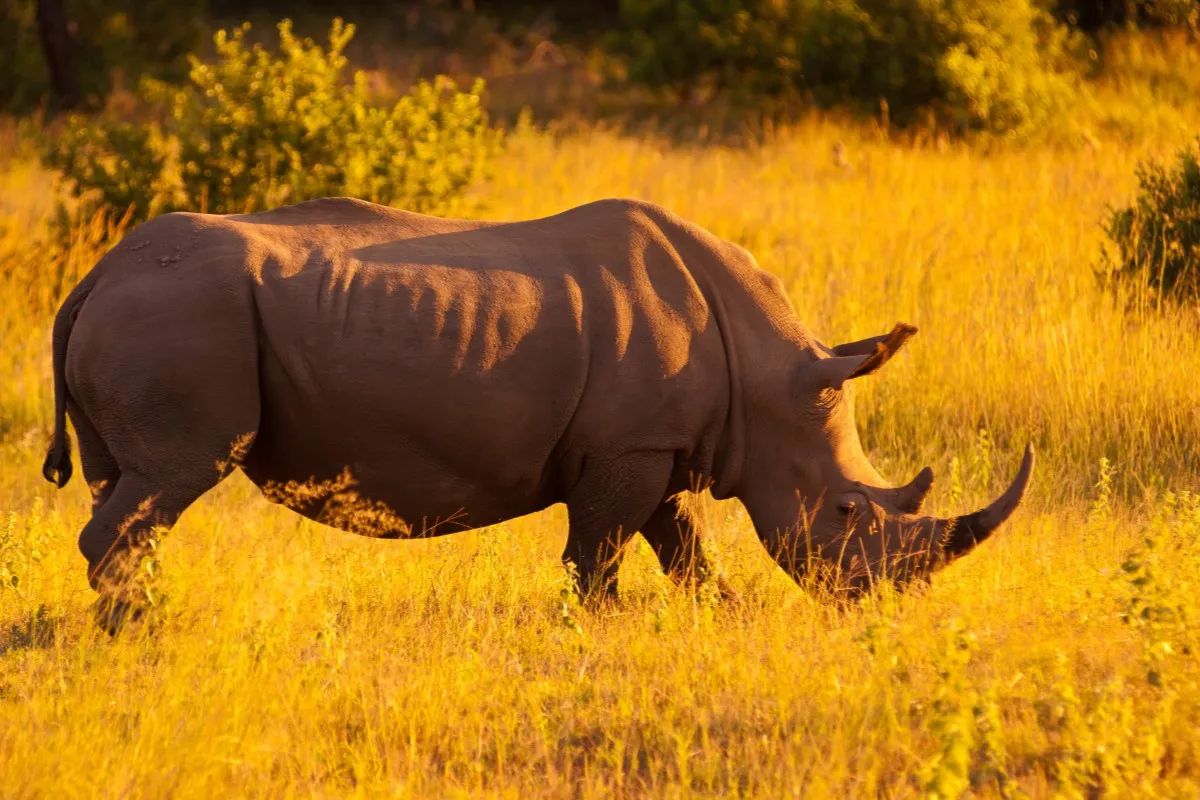
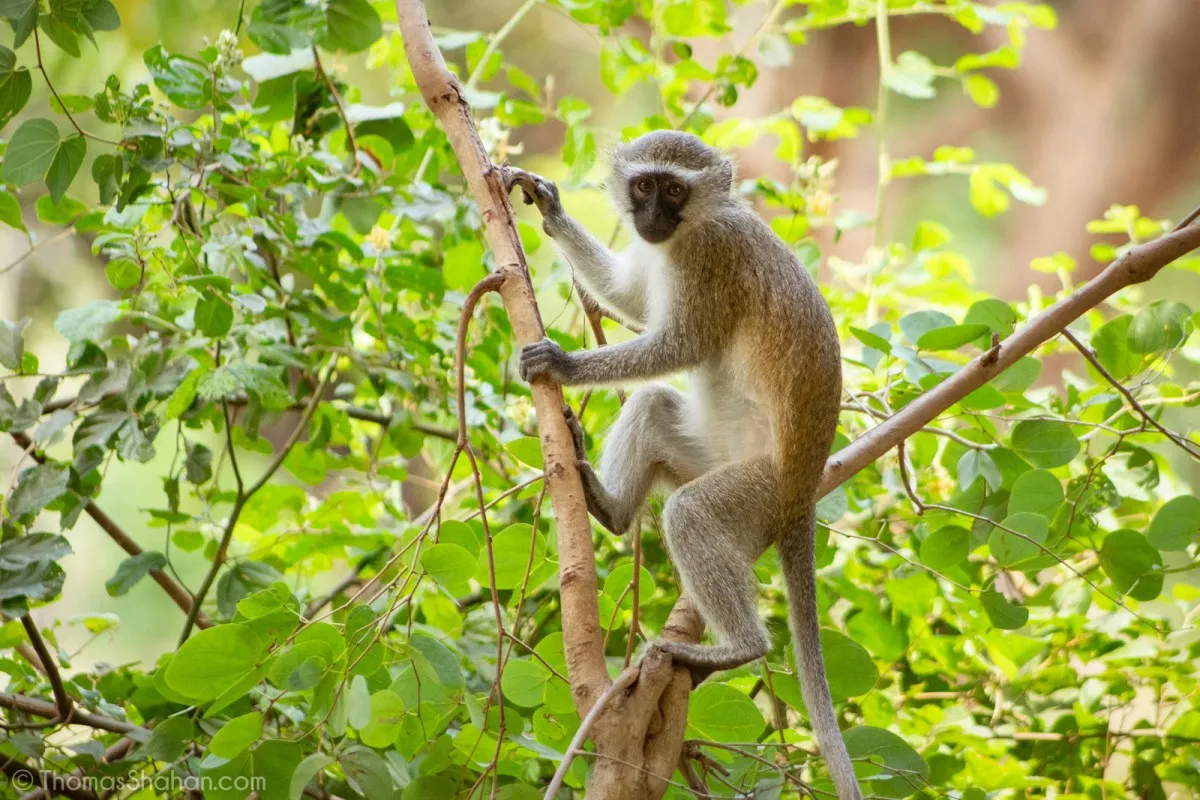
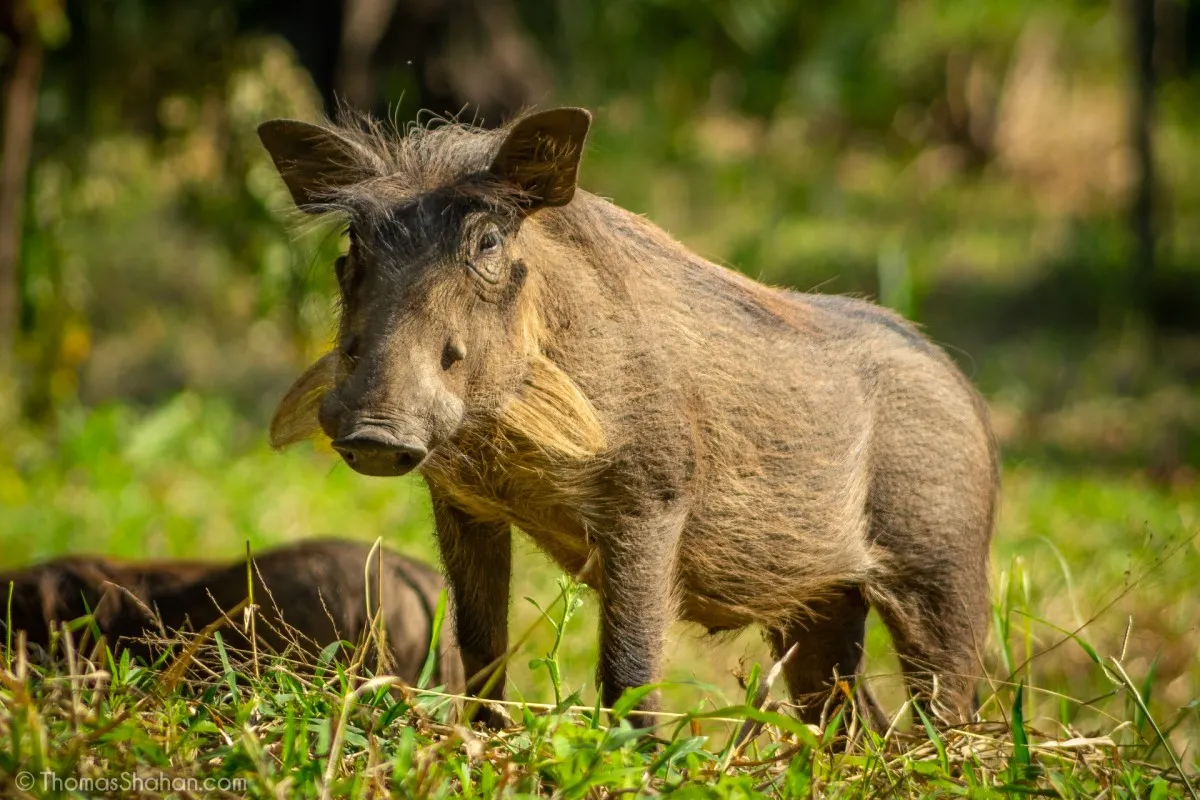
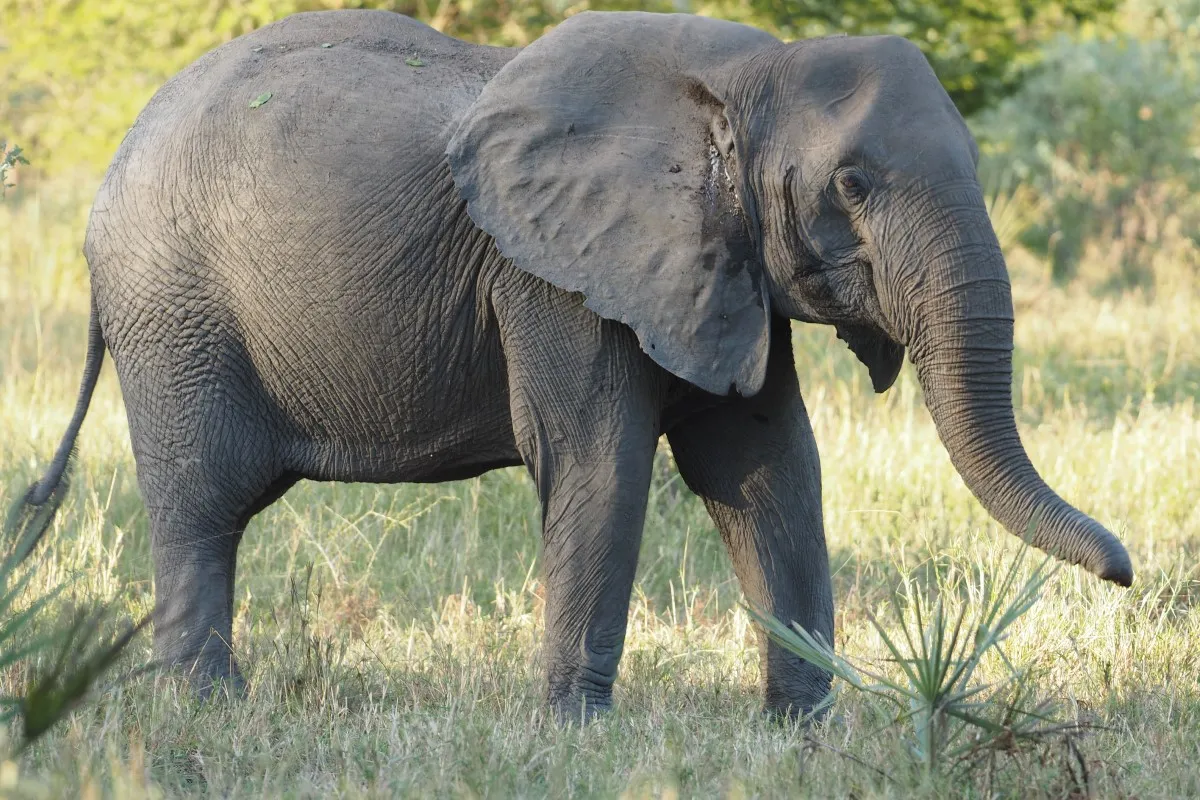
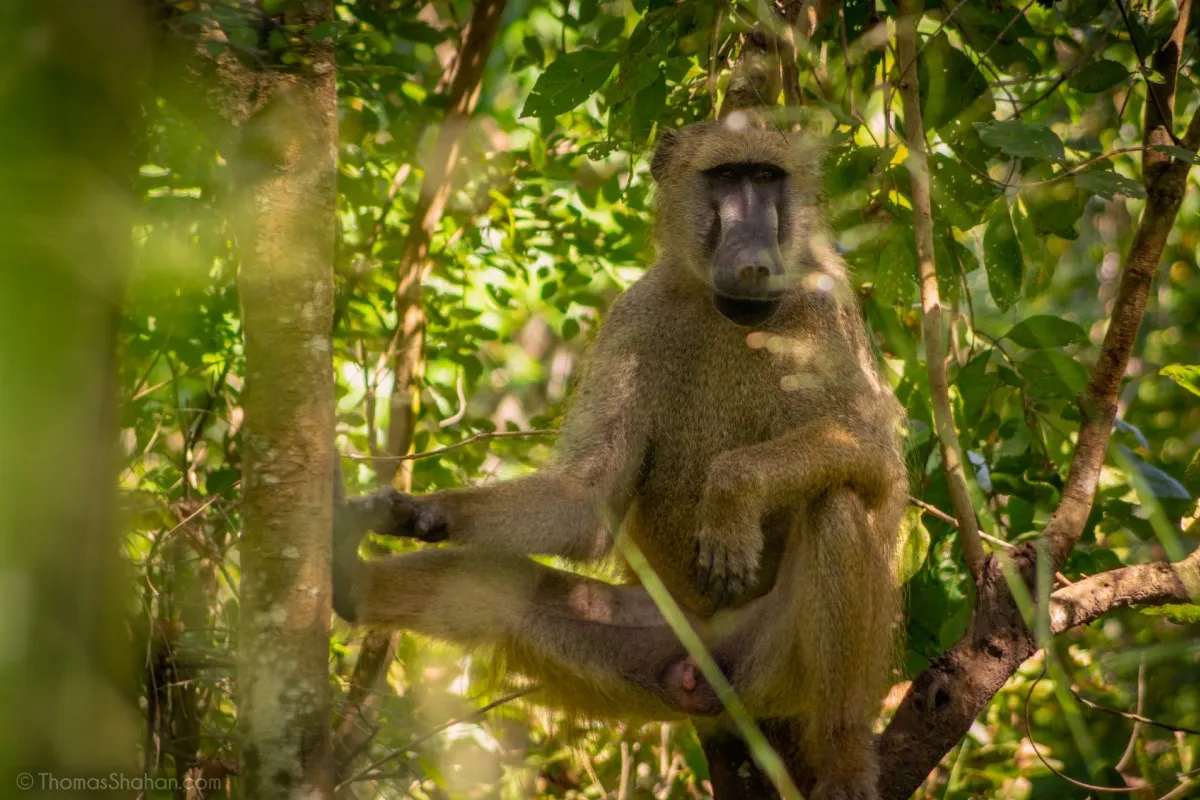
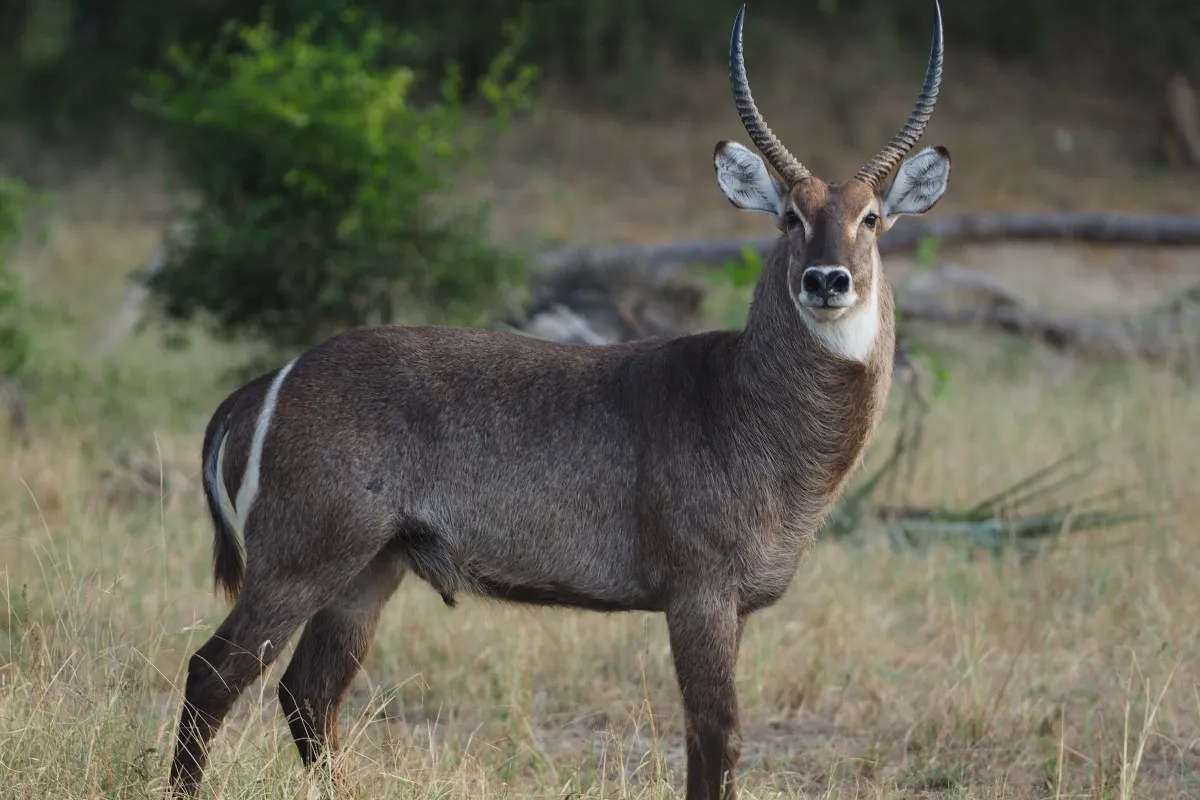
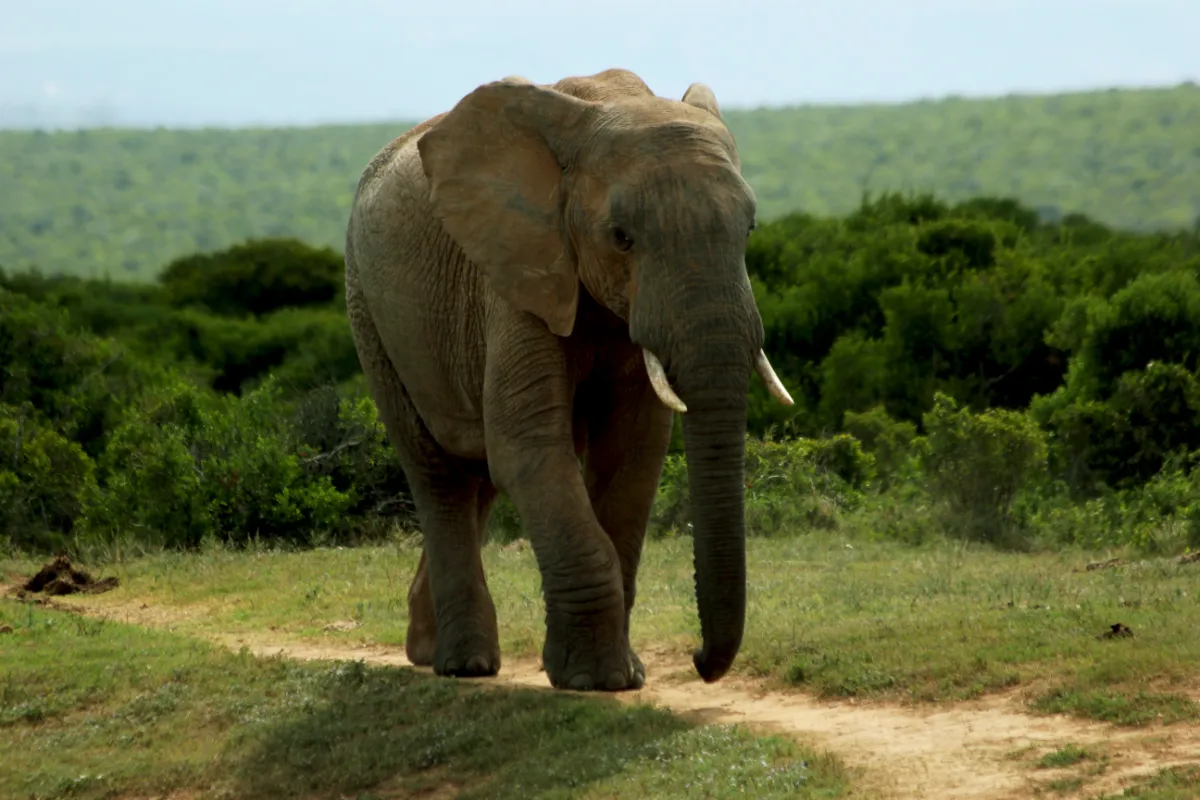
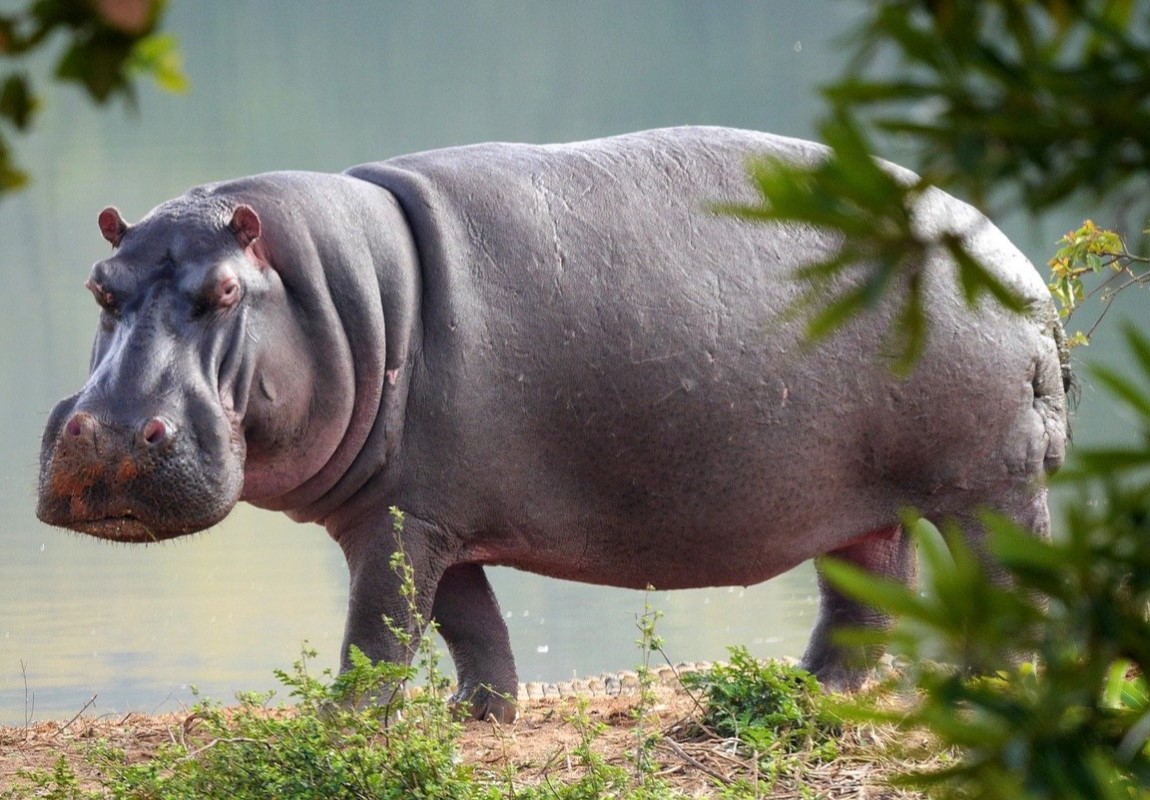
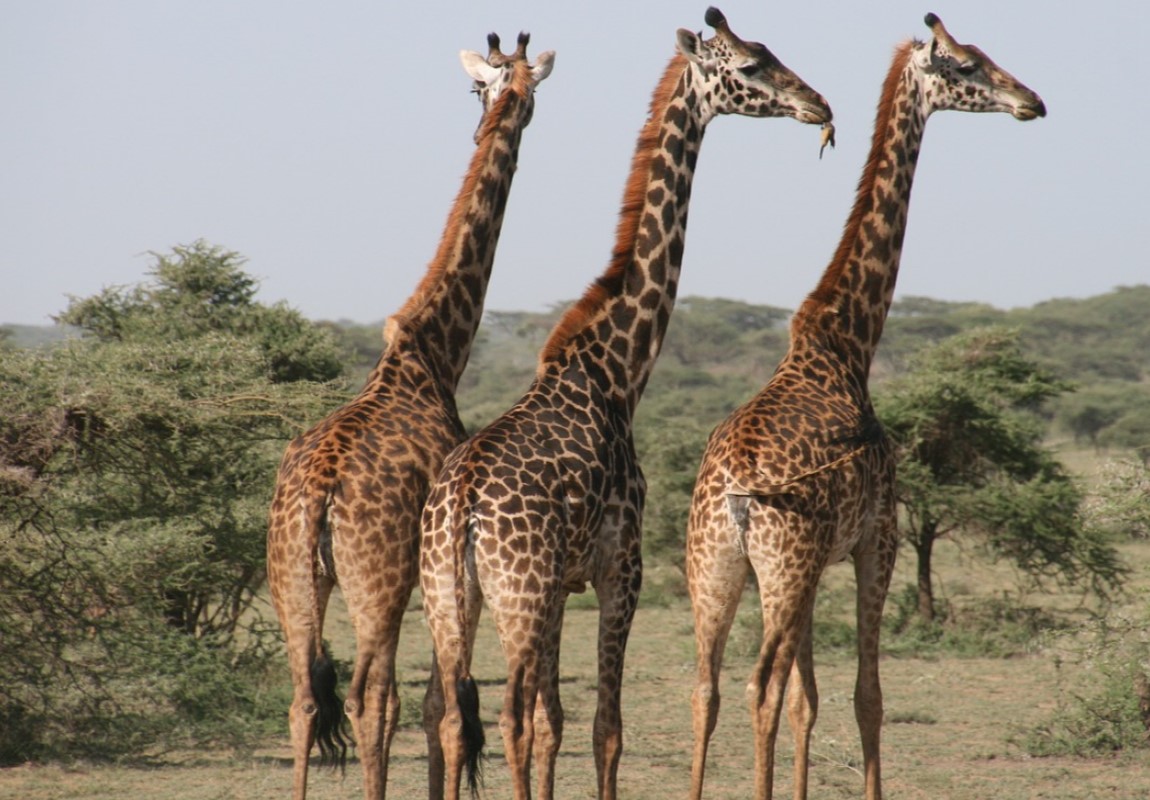
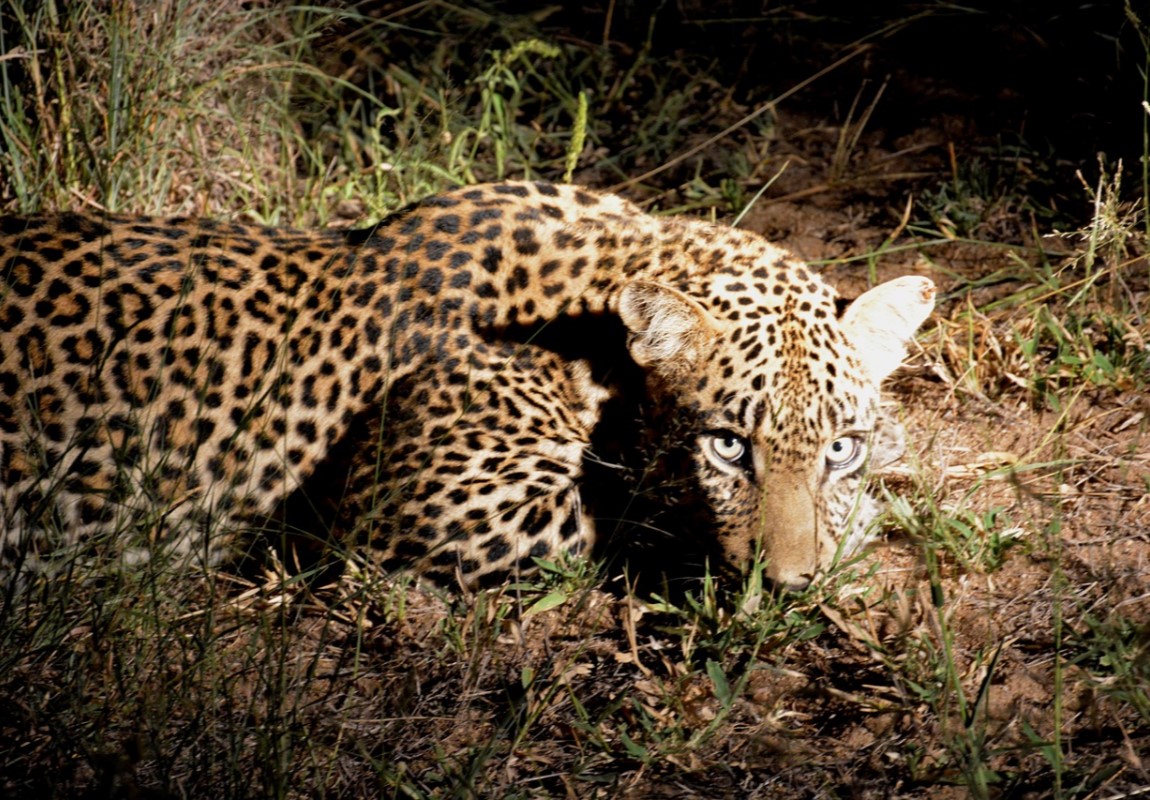
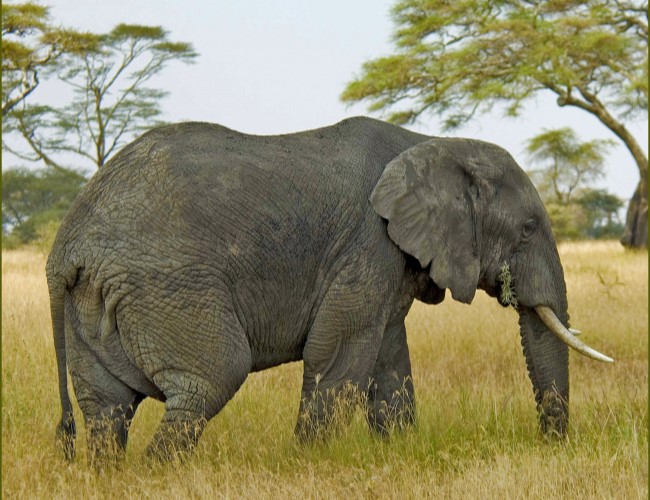
Mozambique has a range of various habitat types and ecologically rich and diverse wildlife. Infrastructure and facilities are still limited in certain parks, yet creature numbers are gradually on the expansion. Ungulates found here incorporate the common warthog, the hippopotamus and the South African giraffe and around twenty types of antelope including the common eland, the Lichtenstein's hartebeest, the greater kudu, the sable antelope, the nyala, the waterbuck, the blue wildebeest and the Cape bushbuck. There are African bush elephants, lions, leopards, Southeast African cheetahs, genets, mongooses, hyenas, jackals and various types of carnivores. Primates are represented by bushbabies, vervet monkeys, blue monkeys, chacma baboons and yellow baboons. 
Wildlife Highlights

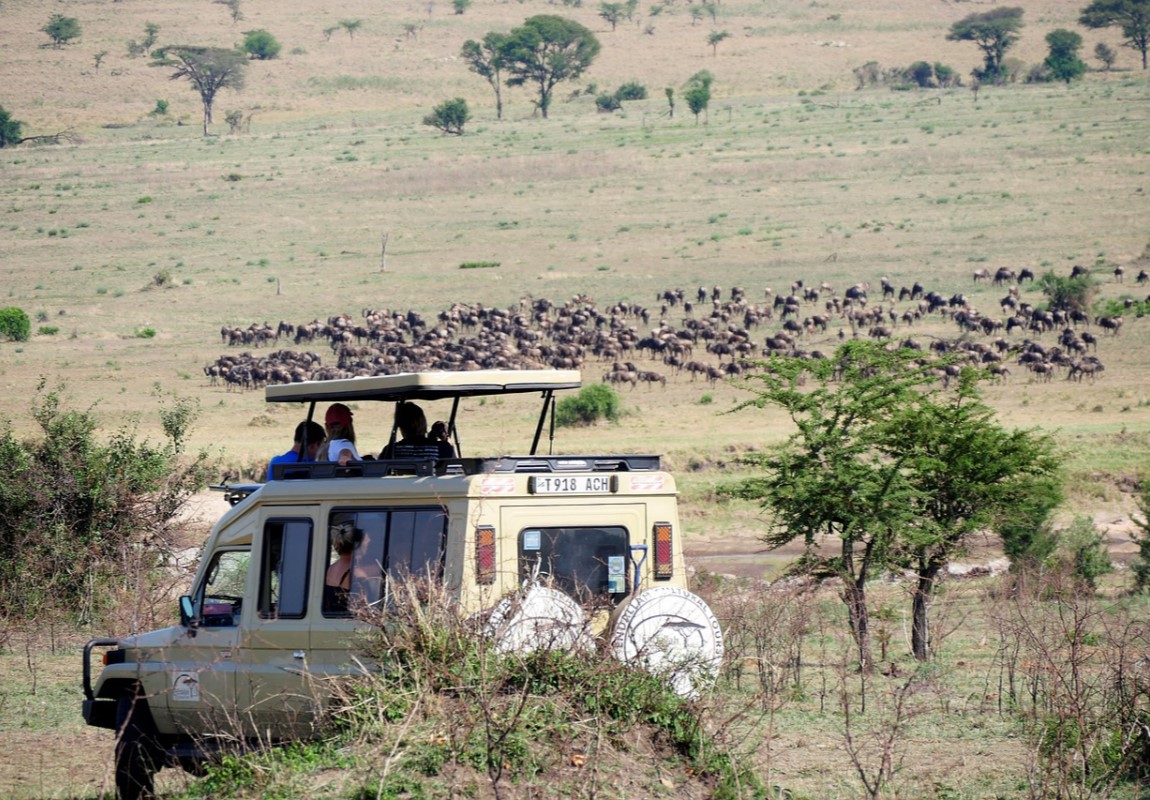
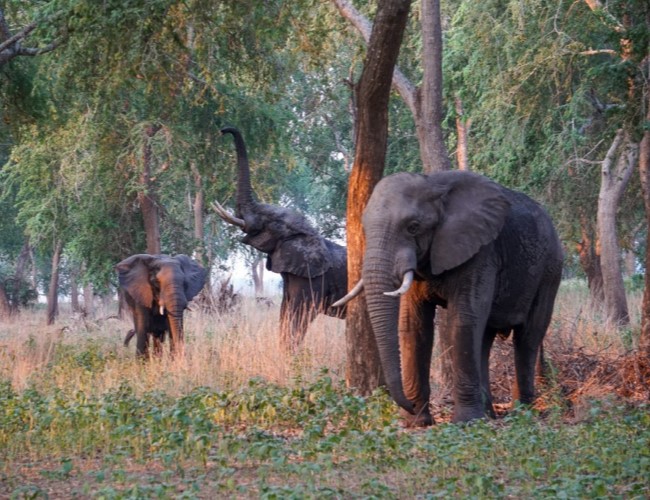
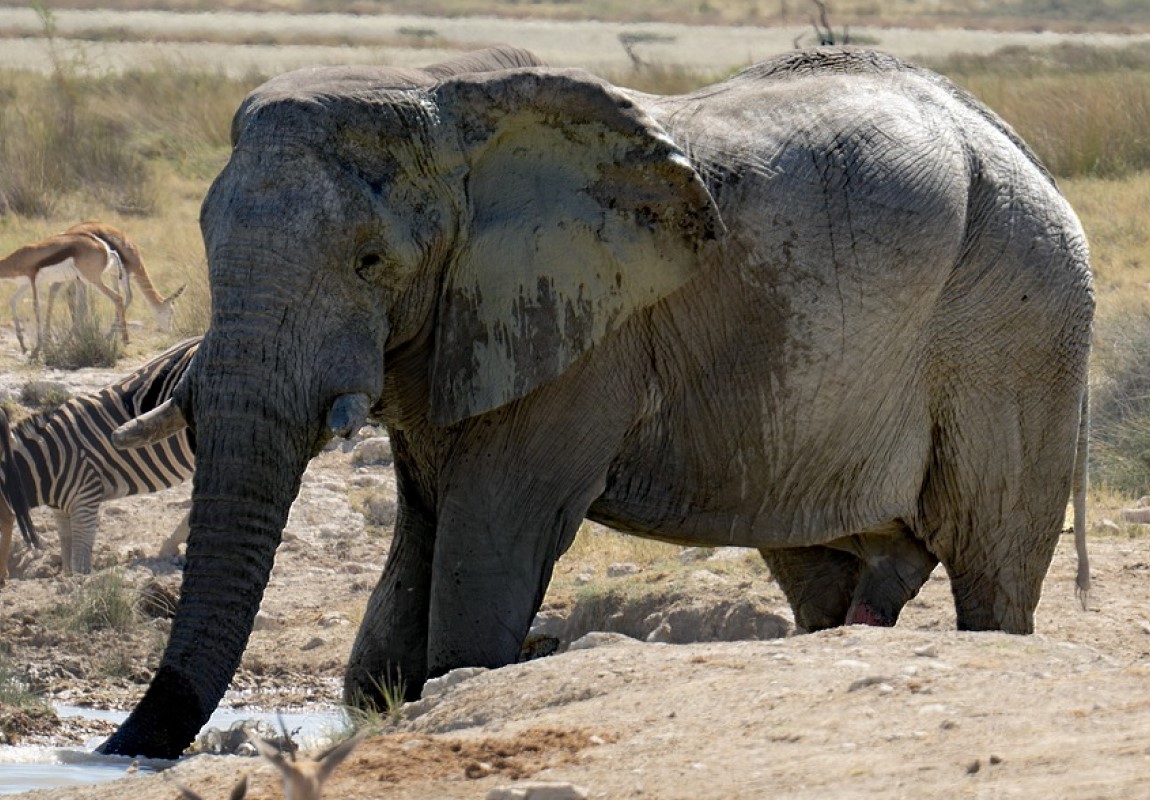
Maputo Special Reserve offers incredible ocean safaris and elephants are effortlessly spotted ashore. Niassa and Limpopo are both huge ecosystems with a decent assortment of creatures and Gorongosa is home to four of the Big Five, and offers the best all-around exemplary safari as of now. The coral reefs are overflowing with beautiful fish. Humpback whales move through these waters and a few sorts of dolphins are around consistently. Bazaruto is one of the keep-going fortresses on the East African coast for the baffling dugong.

Best Time for Wildlife Viewing

The best time to visit Mozambique for a wildlife viewing experience is during the dry season from May to October when water is scant, and animals assemble at waterholes and rivers. The bush is less lavish as of now, and animals are easier to spot. From October until the rains, it tends to be agonizingly hot. The wettest months are January and February, and the south of the nation once in a while encounters substantial flooding during those months. Other activities, for example, ocean safaris, snorkelling and diving can be possible throughout the year, although the water is for the most part clear and quiet with the best perceivability from April to June and from September to November.

Birds

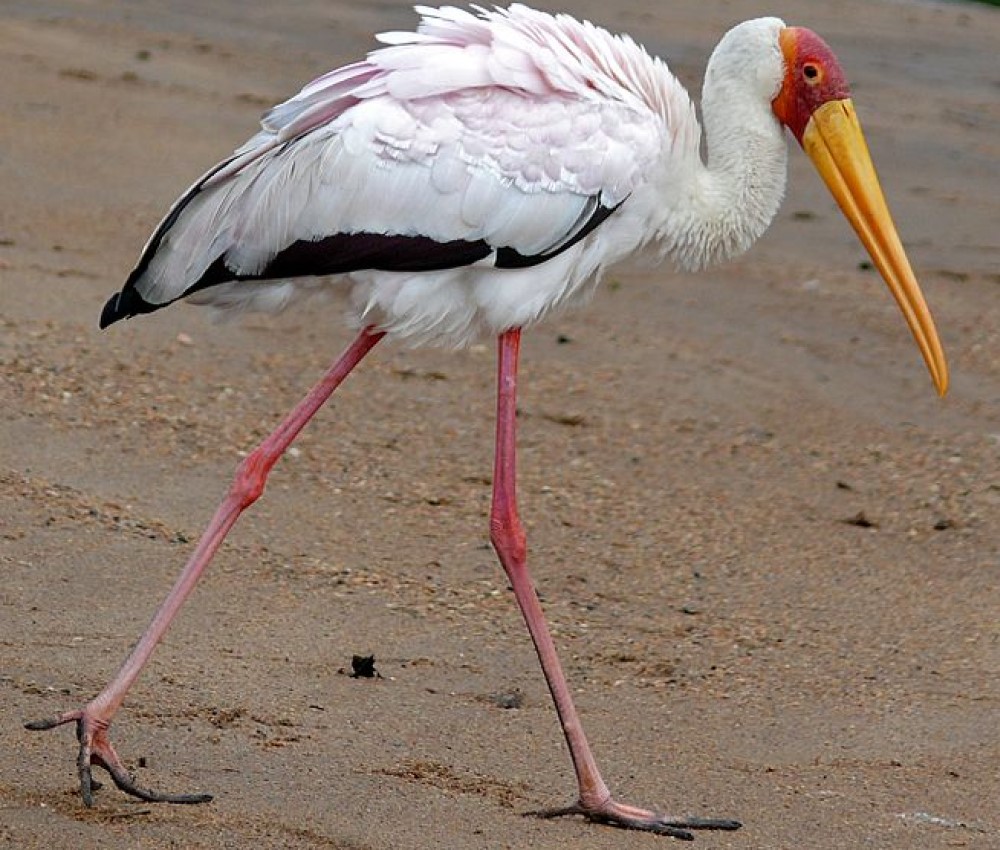
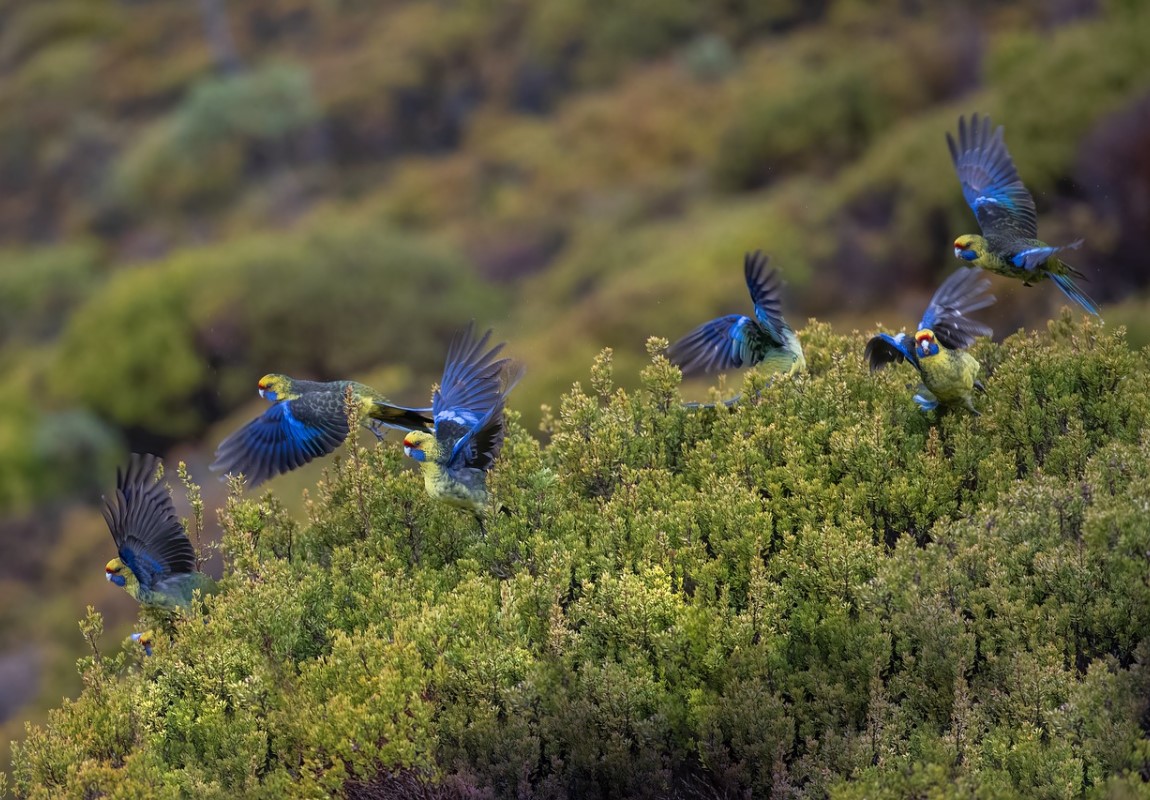
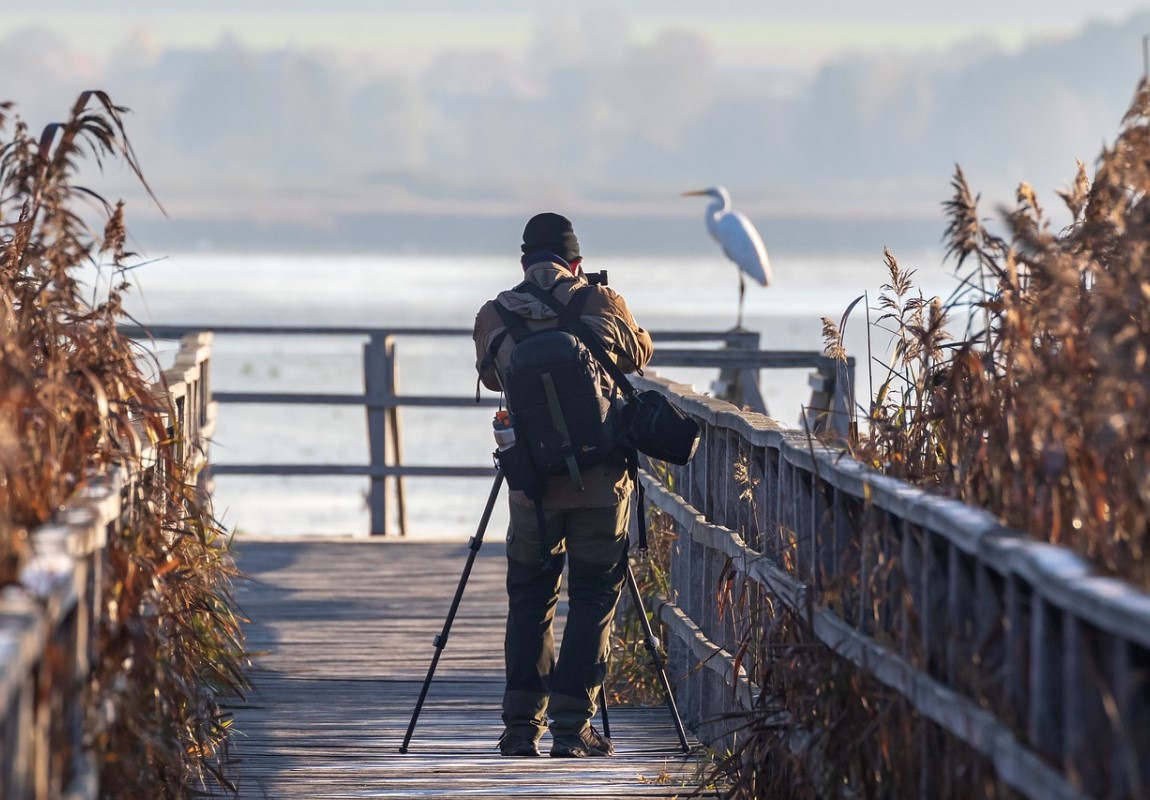
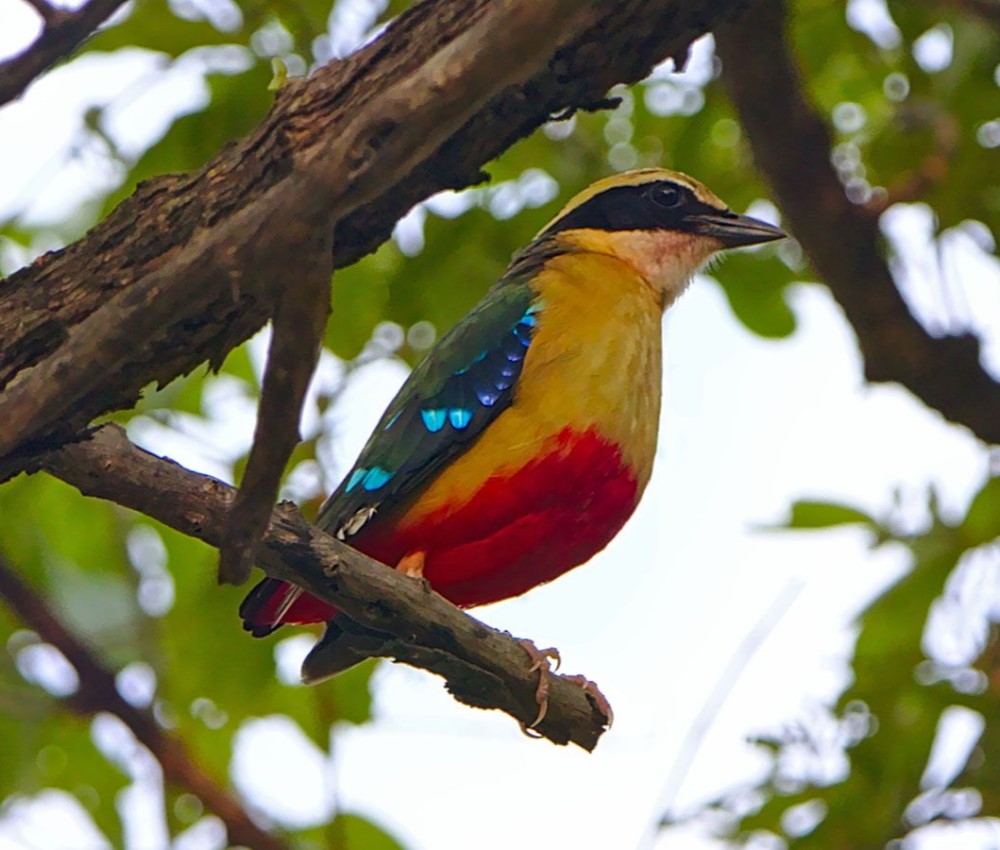
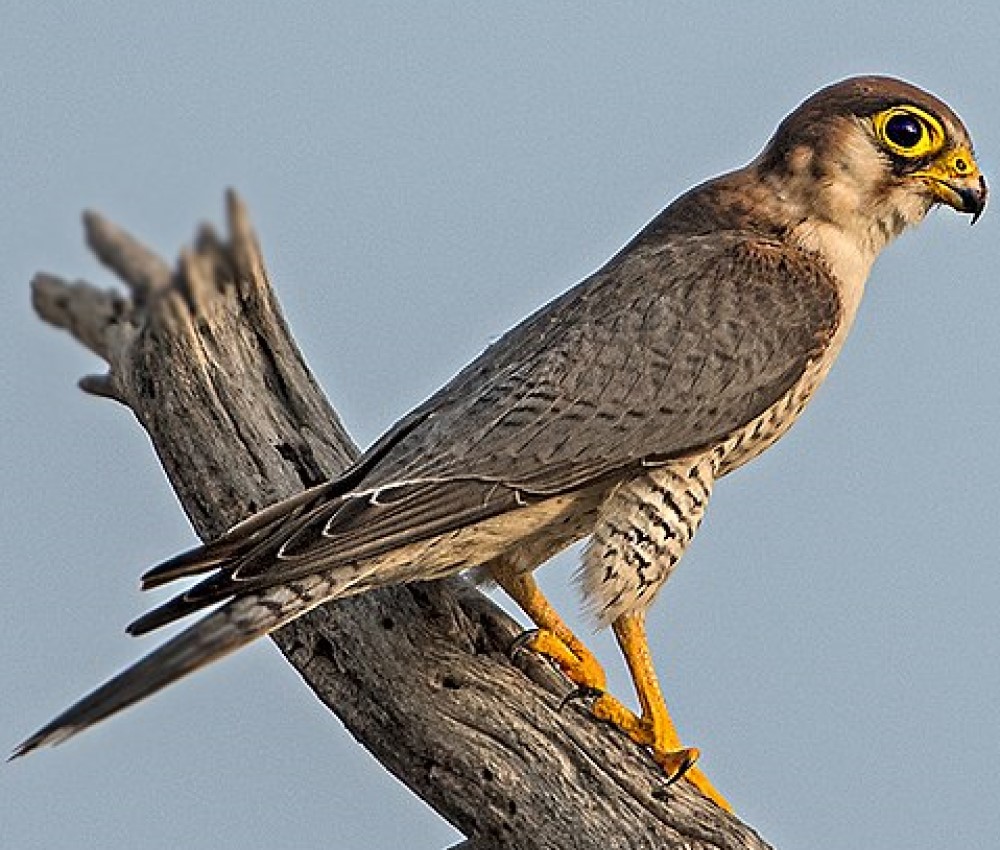
Birding in Mozambique is by far one of the most remunerating experiences any beginner or genuine birder can envision. Large numbers of birds are either resident in or migrate across Mozambique, with around 768 species having been recorded, including 34 globally threatened species. Some notable examples include the lesser jacana, the crab-plover, the mangrove kingfisher, the Böhm's bee-eater, the racket-tailed roller, the African pitta, the green-headed oriole, the collared palm thrush, the pale batis, the lowland tiny greenbul, the lesser seed cracker and the locust finch.
Best Time for Wildlife Viewing

Mozambique is a delightful place for Bird lovers which can be done throughout the year. However, the Best time for Birding is in the Wet season from November to April when migratory birds from Europe and northern Africa are available. During this time, most of the resident bird species are nesting and breeding plumage. The dry season is the best time for Wildlife viewing from May to October.

Activities

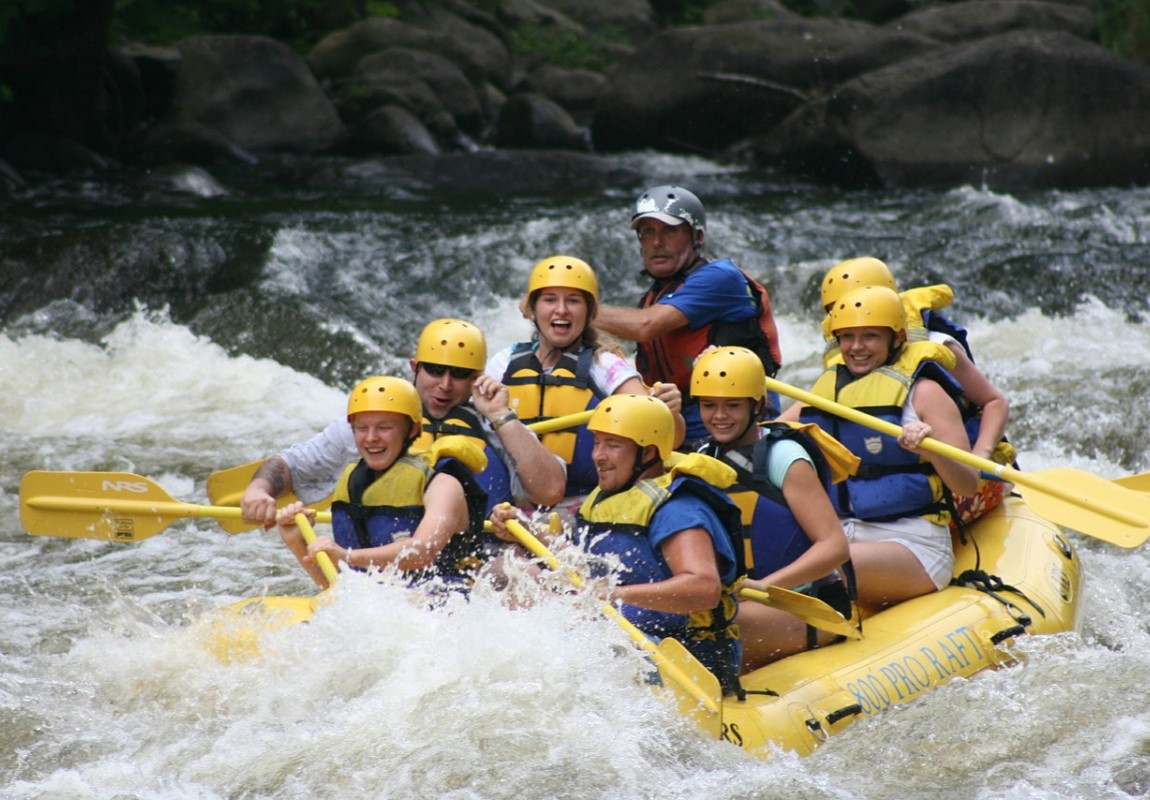
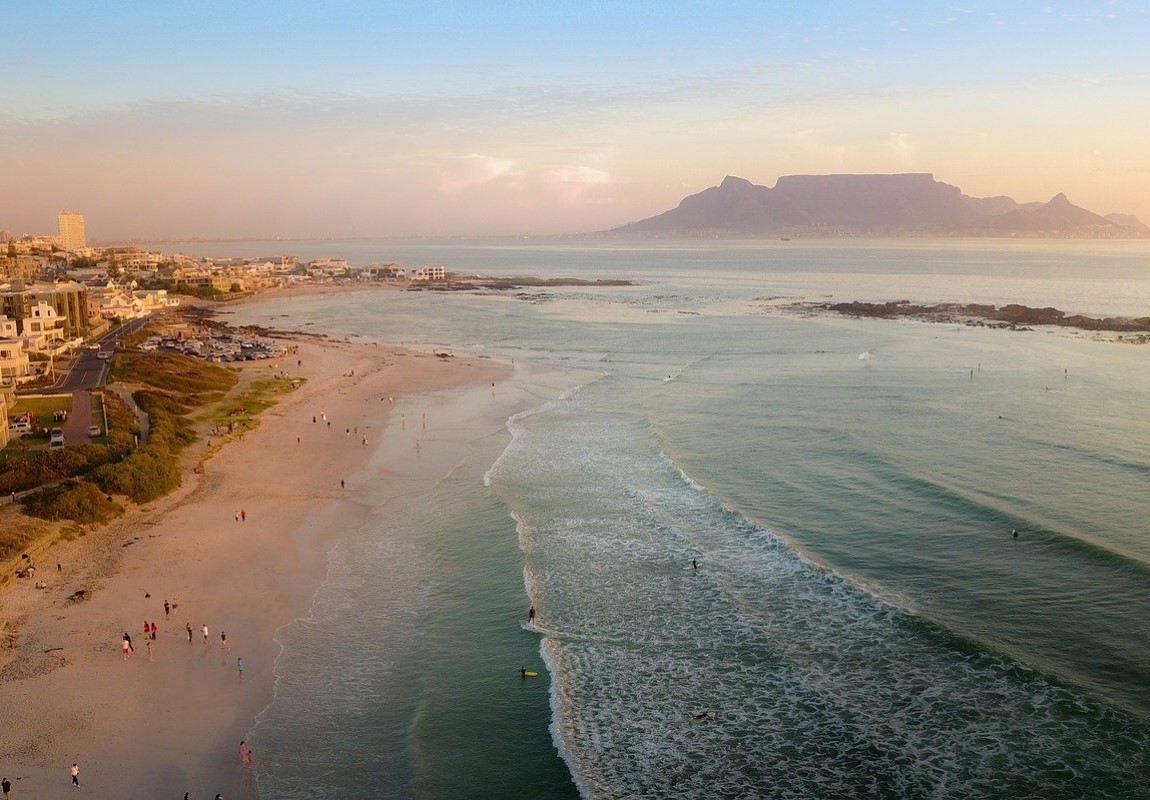
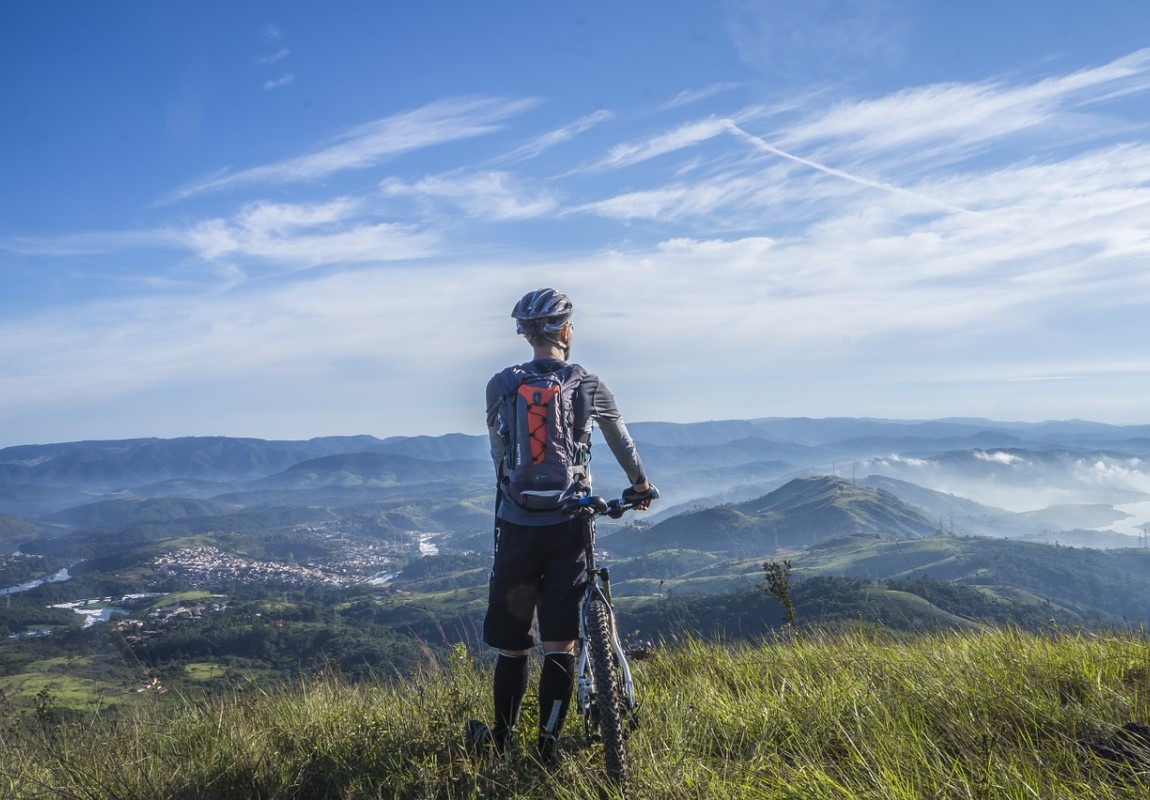
From game drives and walking safaris to cultural encounters and adventure excursions, Mozambique offers a wide variety of activities for every type of traveler.
Cuisines

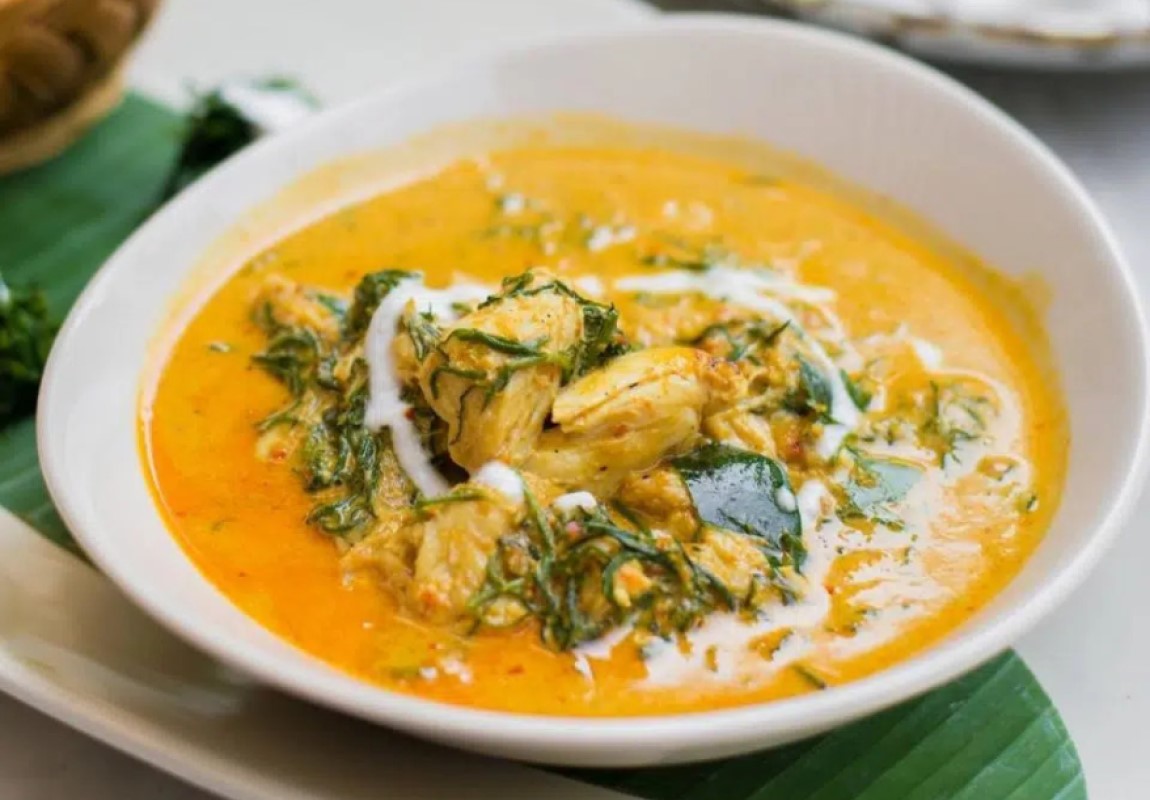
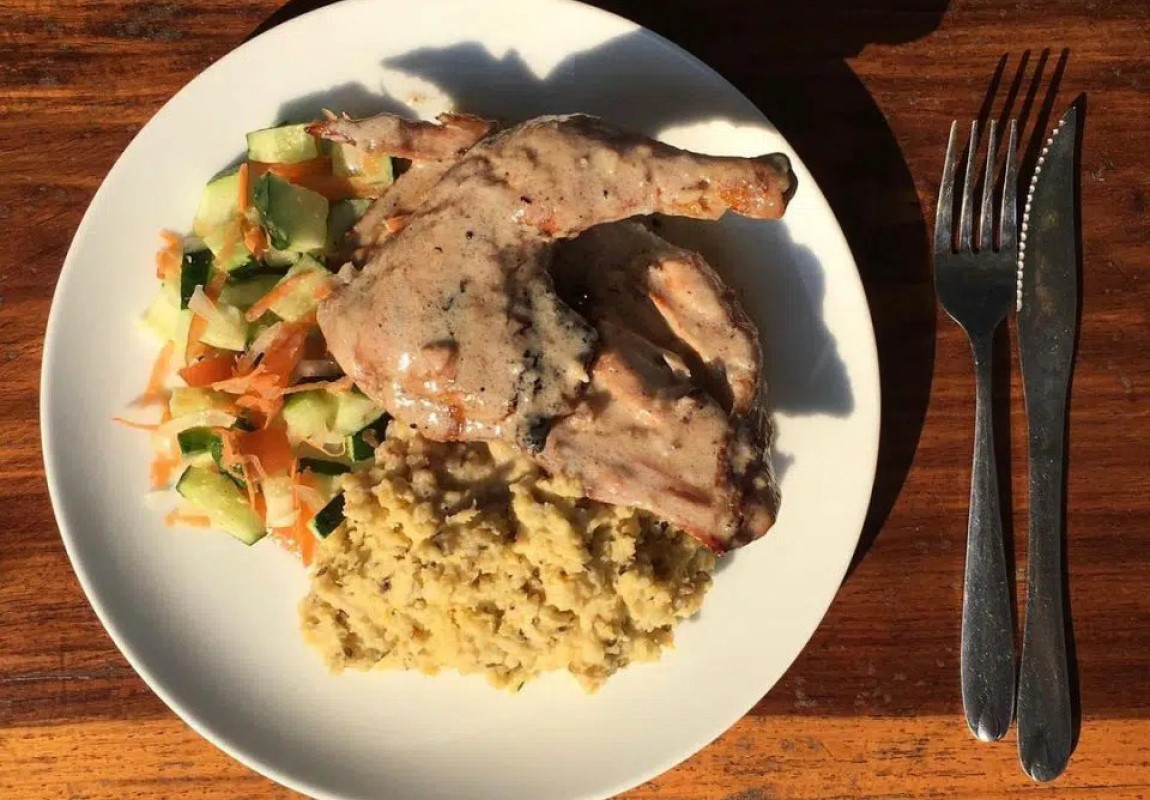
The cuisine of Mozambique has profoundly been influenced by the Portuguese and Arab, who presented new yields, flavourings, and cooking strategies. The staple nourishment for some, Mozambicans is xima (chi-mah), a thick porridge produced using maize/corn flour. Cassava and rice are likewise eaten as staple carbs. These are presented with sauces of vegetables, meat, beans or fish. Other typical ingredients incorporate cashew nuts, onions, bay leaves, garlic, coriander, paprika, pepper, red pepper, sugar cane, corn, millet, sorghum and potatoes. Piri-piri is a broadly Mozambican chilli sauce and marinade used for cooking and as an everyday table fixing. Feijoada is a generous bean stew, cooked with beef, pork or both. It has a base of tomato and onion and is stewed until it has a sleek surface. Mucapata is a starchy side dish that is something between cornmeal and xima.
Culture

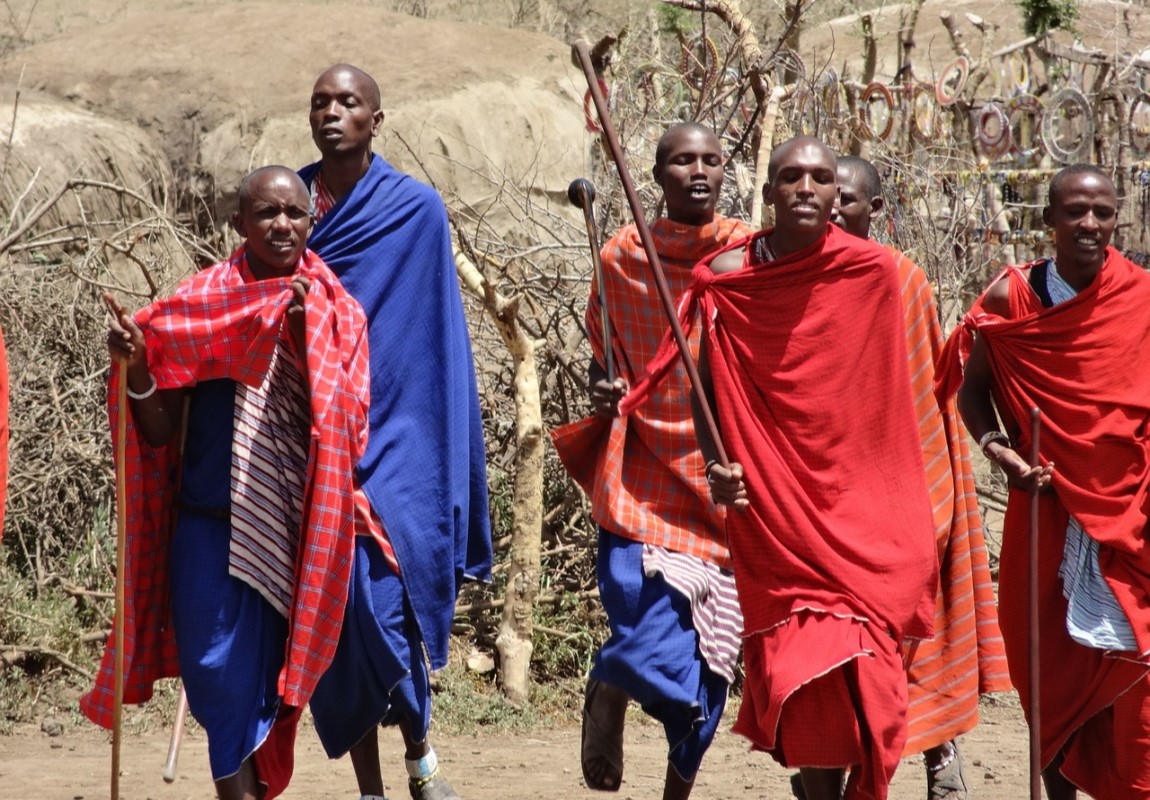
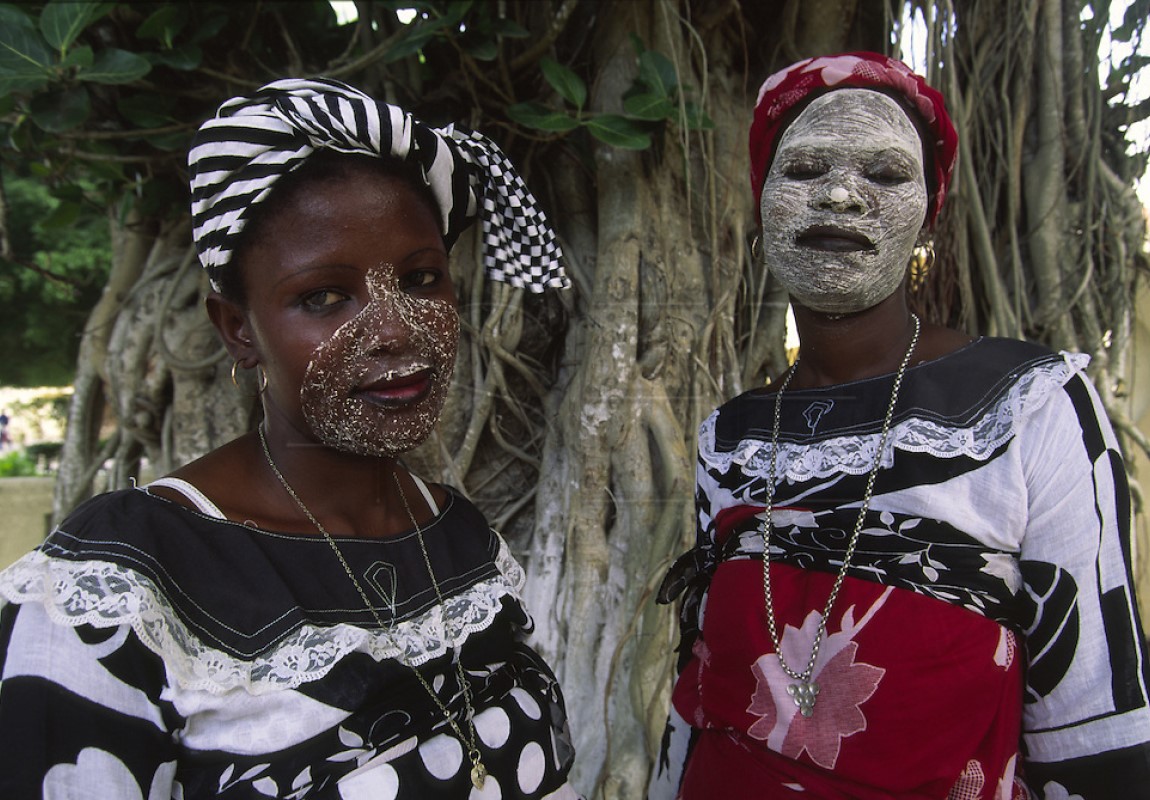
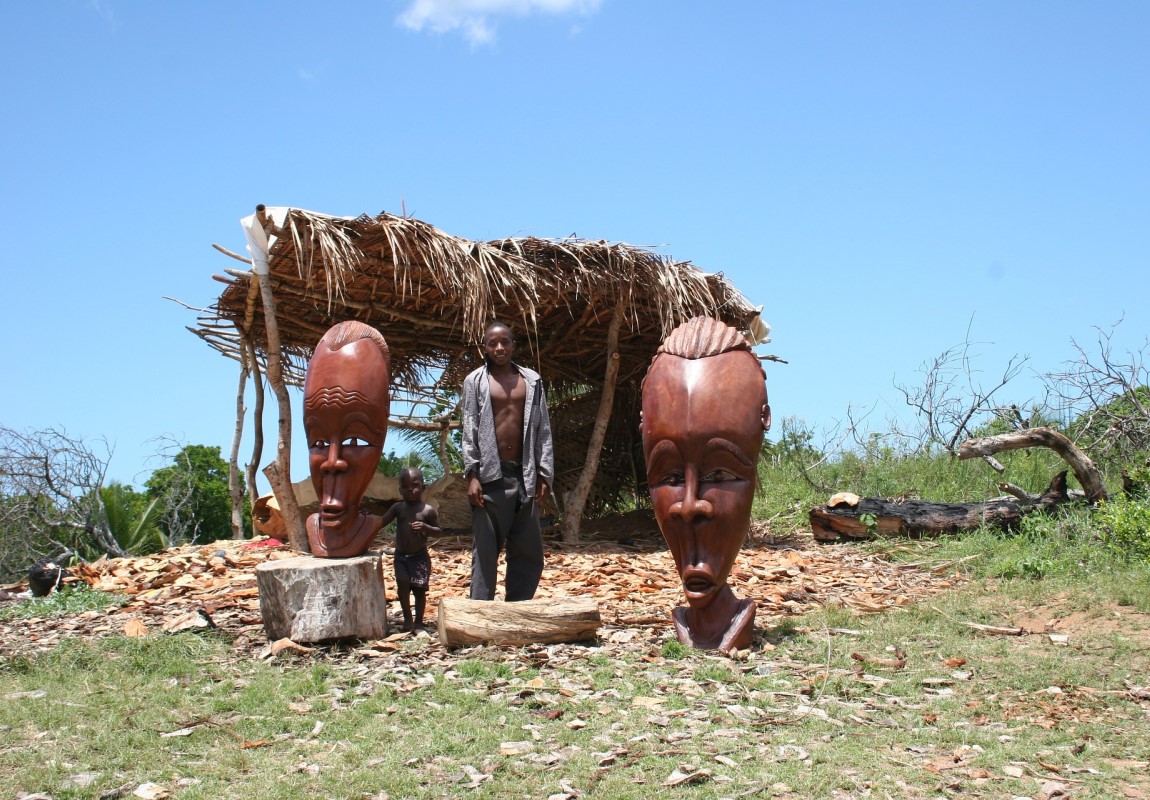
Mozambique is a beautiful country in southeastern Africa. Mozambique is wealthy in natural resources, is biologically and culturally assorted, and has a tropical climate. The culture of Mozambique is in enormous part gotten from its set of experiences of Bantu, Swahili, and Portuguese rule. Its primary language is Portuguese. Its median religion is Roman Catholicism, yet just around 40% of the occupants are Christian. The vital ethnic gatherings in Mozambique are Makhuwa, Tsonga, Makonde, Shangaan, Shona, Sena, Ndau, and other native groups. Football is the most famous game in Mozambique. Mozambique lies to a great extent within the tropics, and a significant part of the coastline is dependent upon the occasional impact of the Indian Ocean rainstorm downpours.
National Parks & Game Reserves

Mozambique is home to some of the most spectacular national parks and game reserves in Africa. From vast savannahs to dense forests, each park offers unique landscapes, diverse wildlife, and unforgettable safari experiences. Whether you’re searching for the Big Five or hidden natural wonders, Mozambique has something for every safari enthusiast.
Niassa National Reserve

The Niassa Reserve in northern Mozambique, is the biggest reserve in Mozambique, with the best co...
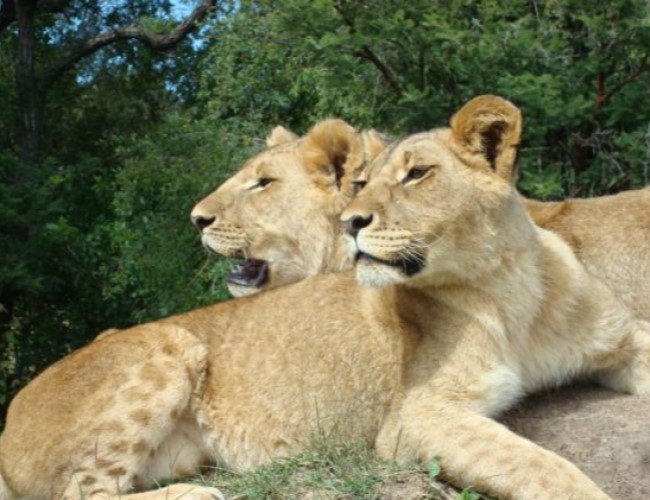
Gorongosa National Park

Situated in the core of central Mozambique, Gorongosa National park lies at the southern end of t...

Maputo Special Reserve

Maputo Special Reserve combines lakes, wetlands, swamp timberlands, grasslands and mangrove backw...

Zinave National Park

On the verge of becoming one of Africa's most commended wilderness destinations having been prono...
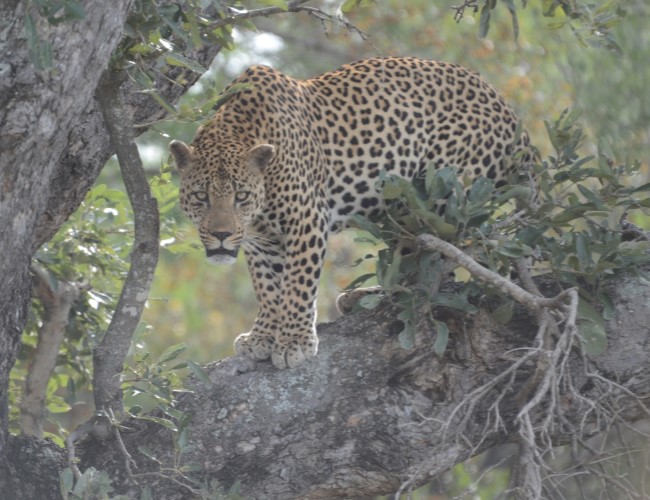
Gilé National Reserve

Gilé National Park is a Mozambican Park situated in the northeastern piece of Zambezia Province....

Limpopo National Park

With the strong Shingwedzi flowing through its heart, Limpopo National Park is populated with a w...
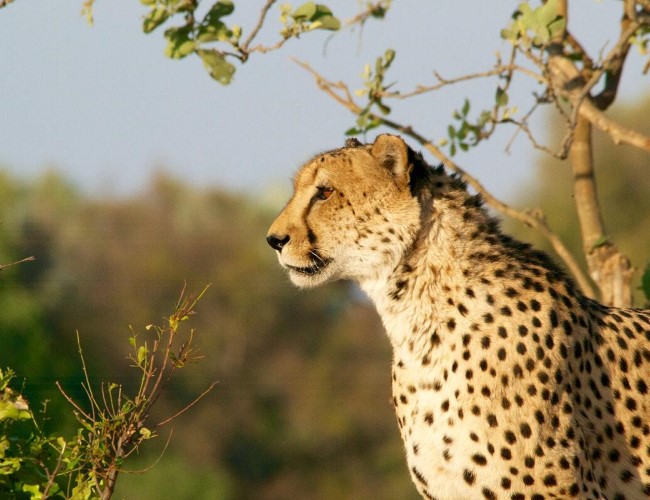
Banhine National Park

Banhine National Park is known for its semi-arid savannah, where we can observe peculiar species,...

Marromeu National Reserve

Situated along the Indian Ocean coast of Mozambique, halfway between Quirimbas Archipelago and Ma...

Ponta do Ouro

Ponta do Ouro is a popular tourist destination in Mozambique known for its beautiful beaches, cle...

Vilankulo

Vilankulo is a coastal town located in the Inhambane Province of Mozambique, in Southern Africa. ...

Maputo

Maputo, the capital city of Mozambique, is known for its beautiful beaches, historical landmarks,...

Pemba Town

Pemba Town is a beautiful coastal city in northern Mozambique known for its pristine beaches, tur...

Showing 1-0 of 0 reviews
Recently Added
5 Stars Only
4 Stars and above
3 Stars and above

No reviews yet for this destination. Be the first to share your experience !

Safety & Security

Mozambique, in our opinion, is a safe place to visit. Several governments have cautioned against visiting certain places, but tour operators will only take you to safe areas. If you're considering a self-drive journey in Mozambique, you should check out the travel warnings listed below. Theft is widespread in cities, as it is in many other nations, but occurrences can be readily avoided by using basic safety procedures. Every year, a large number of tourists visit Mozambique, and the majority of them have a pleasant experience.

Please see the links below for travel advice on Mozambique Safari Trips:

General Safety Tips

  • Keep valuables secure and avoid displaying expensive items
  • Stay alert in crowded areas and tourist hotspots
  • Use registered tour operators and licensed guides
  • Follow local customs and respect cultural sensitivities
  • Keep copies of important documents in a safe place

Safari Safety

  • Always follow your guide's instructions during game drives
  • Stay inside your vehicle unless instructed otherwise
  • Keep noise levels low to avoid startling wildlife
  • Never approach or feed wild animals
  • Carry essential medications and first aid supplies

Health & Medical

Before traveling to Mozambique, consult with your healthcare provider about recommended vaccinations and health precautions. Common recommendations include malaria prophylaxis, hepatitis A and B vaccines, and routine immunizations. Carry any necessary medications and consider travel insurance that covers medical emergencies.

Getting There

Most international travellers arrive in Mozambique by air, usually at Maputo international airport, located about 3km/2mi from the capital, Maputo. If you are already in the region then you can self-drive or take a bus. Mozambique is a large country, so unless you have a couple of months, most self-drive is restricted to the south of the country. Many tourists come to Mozambique for a beach holiday in Bazaruto Archipelago in the south or Quirimba Archipelago in the north.

CR Aviation runs scheduled flights to some of the lodges in these archipelagos.

Travel Requirements

  • A passport with a six-month validity period and at least six blank passport pages.
  • Except for ordinary passport holders visiting Namibia from a visa-exempt jurisdiction, visitors must obtain a tourist visa. Check the visa exemption list to see if you need a visa.
  • Visas can be obtained on arrival at Hosea Kutako International Airport or Walvis Bay Airport for visitors from 41 countries.
  • Visitors from endemic countries must be immunised against yellow fever and carry a yellow fever certificate for verification.

Domestic Transportation

Your travel operator will normally book all domestic and charter flights as part of your package. Scheduled domestic flights are available with the following airlines:

International Flight Connections

The best time to visit Mozambique depends on your activities and destinations. Dry season (May to October) is generally best with pleasant temperatures (20-28°C/68-82°F), low humidity, minimal rainfall, calm seas perfect for diving and snorkeling, excellent beach conditions, and peak wildlife viewing in Gorongosa National Park. June to August brings cooler temperatures, particularly pleasant for beach holidays, though southern areas can be chilly for swimming. September to October offers warmer weather, excellent diving visibility, and fewer tourists. Wet season (November to April) features hot, humid conditions (25-35°C/77-95°F), afternoon thunderstorms, lush green landscapes, potential cyclones (January-March, mainly affecting central and northern coasts), rougher seas affecting boat trips, and lower prices. However, this is best time for surfing with bigger swells, excellent for fishing (sailfish and marlin season October-April), and great for photography with dramatic skies. Best months overall: May, June, September, and October offer perfect balance of excellent weather, calm seas, and reasonable prices. Diving and snorkeling: April to June and September to November provide best underwater visibility in Bazaruto and Quirimbas archipelagos. Whale sharks: October to April in Tofo and Inhambane. Manta rays: year-round with peaks May to August. Surfing: May to September for consistent swells in Tofo. Mozambique's long coastline means conditions vary by region - south generally drier, north more tropical. Peak season (July-September, December-January) requires advance booking and higher prices.
Mozambique costs vary dramatically by travel style and destination. Budget travel: $30-60 per day including basic guesthouses or hostels ($10-25 per night), local restaurants and markets ($10-20), public transport (chapas - minibuses are very cheap $1-5), and free beaches. Maputo and Tofo are budget-friendly bases. Mid-range travel: $100-200 per day with comfortable lodges or 3-star hotels ($40-80 per night), good restaurants ($20-40), private car rental or organized transfers ($40-80 per day), and activities. Luxury travel: $400-1,000+ per day featuring exclusive island lodges like andBeyond Benguerra Island, Azura Retreats, Quilalea Private Island ($500-1,500+ per night all-inclusive), fine dining, private transfers, helicopter flights, and premium diving. Typical week-long vacation: budget $500-1,000, mid-range $1,500-3,000, luxury $5,000-15,000+ per person. Activities costs: diving ($50-90 per dive), whale shark swimming ($80-120), dhow safaris ($80-150), Gorongosa safari ($150-300 per day), and island hopping ($100-200). Flights: international to Maputo from Johannesburg ($150-300), from Europe ($600-1,200). Domestic flights Maputo-Vilankulo ($180-250), to Pemba ($200-300). Mozambique offers excellent value in budget/mid-range compared to neighboring countries, though luxury island lodges rival Seychelles/Maldives pricing. Southern areas (Tofo, Inhambane) are affordable. Northern archipelagos (Bazaruto, Quirimbas) cater to luxury market with premium pricing. Self-drive camping safaris offer adventure on budget. Maputo is more expensive than provincial areas. Overall Mozambique provides diverse options from backpacker paradise to ultra-luxury tropical islands.
Most international visitors require a visa to enter Mozambique with varying requirements by nationality. E-visa available: citizens of most countries including USA, UK, EU, Canada, Australia can apply online through oficial evisa.gov.mz portal. Cost $50 for single-entry 30-day tourist visa, processing 2-5 business days. Print confirmation for immigration. Visa on arrival: available at Maputo International Airport and some land borders for citizens of many countries including USA, UK, EU, Australia - costs $50 cash (USD, Euro, or South African Rand accepted), processing 30-60 minutes. Bring passport photos. Not all borders offer visa on arrival - verify before travel. Land borders from South Africa (Lebombo/Ressano Garcia, Kosi Bay) and other neighbors sometimes have longer processing. Embassy visas: can obtain from Mozambican embassies abroad if preferred for guaranteed entry. Requirements: passport valid for at least 6 months beyond departure date with minimum 3 blank pages (Mozambique stamps are large), confirmed accommodation, return or onward ticket, and sufficient funds (though rarely checked). Yellow fever vaccination certificate required if arriving from endemic countries. Visa extensions: possible at Immigration Offices in major cities extending up to 90 days total. South African residents: simplified SADC visa protocols exist. Always verify current requirements as policies change. E-visa system occasionally experiences technical issues - allow buffer time before travel. Multiple-entry visas available for those planning to cross into neighboring countries and return. Mozambique's visa process has improved significantly with e-visa introduction though some travelers still experience delays at borders. Plan accordingly and have backup documentation.
Mozambique requires yellow fever vaccination certificate if arriving from yellow fever endemic countries - strictly enforced at entry. Recommended vaccinations include Hepatitis A and B (food and waterborne diseases), Typhoid (contaminated food/water risk), Tetanus (up-to-date booster), Rabies (especially for rural areas, beaches with dogs, and wildlife areas), Cholera (occasional outbreaks, particularly post-flooding), and Polio booster. Malaria prophylaxis is essential for all areas including beaches, cities, and national parks - Mozambique is high-risk malaria zone year-round with increased risk November-May (wet season). Consult travel medicine specialist 6-8 weeks before departure as some vaccines require multiple doses. Malaria prevention: take antimalarial medication as prescribed (start before arrival, continue during and after trip), use insect repellent with DEET 30-50%, wear long sleeves/pants during dawn and dusk, sleep under mosquito nets (provided by most lodges), and consider treating clothes with permethrin. Healthcare: limited medical facilities with reasonable care in Maputo private clinics but basic services in provincial areas. Remote beach lodges and islands have minimal facilities requiring medical evacuation for serious issues. Bring comprehensive first-aid kit, personal medications in original packaging, water purification tablets or LifeStraw, diarrhea medication, and antimalarial supplies. Tap water: not safe to drink anywhere - use bottled water exclusively. Food safety requires caution - eat freshly cooked hot foods, avoid raw vegetables unless properly washed, and avoid street food unless clearly fresh. Bilharzia (schistosomiasis): present in freshwater lakes and rivers - avoid swimming in natural freshwater. Ocean and pools are safe. Travel insurance with medical evacuation coverage is essential given limited facilities in remote areas. Emergency evacuation to South Africa or international facilities can cost $50,000-150,000+.
Mozambique's safety situation varies significantly by region requiring awareness and precautions. Generally safe regions: southern areas including Maputo, Tofo, Inhambane, Vilankulo, and Bazaruto Archipelago have established tourism infrastructure and are generally safe with normal precautions. Tourist areas have good security. Maputo safety: capital city requires vigilance - avoid walking alone at night particularly in downtown areas and Costa do Sol, don't display valuables or expensive cameras, use registered taxis or Uber/Bolt, secure belongings in hotel safes, and stay alert in markets and crowded areas. Petty theft and bag snatching occur. Wealthy neighborhoods (Sommerschield, Polana) are safer than downtown. Beach safety: some beaches have strong currents and riptides - swim only at lifeguarded beaches or protected areas, never swim alone, and heed warning signs. Tofo and Vilankulo beaches generally safe. Coastal areas safe but avoid isolated beaches after dark. Regions requiring caution: Cabo Delgado Province (far north) has experienced insurgent activity since 2017 affecting areas north of Pemba - avoid Palma, Mocimboa da Praia, and northern areas. Check current advisories. Quirimbas Archipelago southern islands (Ibo, Medjumbe, Quilalea) remain accessible and safe but verify conditions. Most governments advise against travel to northern Cabo Delgado. Road safety: roads vary from good to poor with potholes, livestock, and pedestrians. Night driving dangerous due to poor lighting, animals, and potential crime. Use reputable rental companies and 4WD for remote areas. Land mines: cleared from tourist areas but avoid unmarked paths in remote regions particularly central provinces. Wildlife: Gorongosa National Park is safe with armed guides. Marine life: respect ocean conditions, strong currents, and marine animals. Overall Mozambique is safe in tourist areas with proper precautions. Use reputable tour operators, stay informed about regional conditions, follow local advice, and avoid northern Cabo Delgado. Millions visit safely annually enjoying stunning beaches and friendly people.
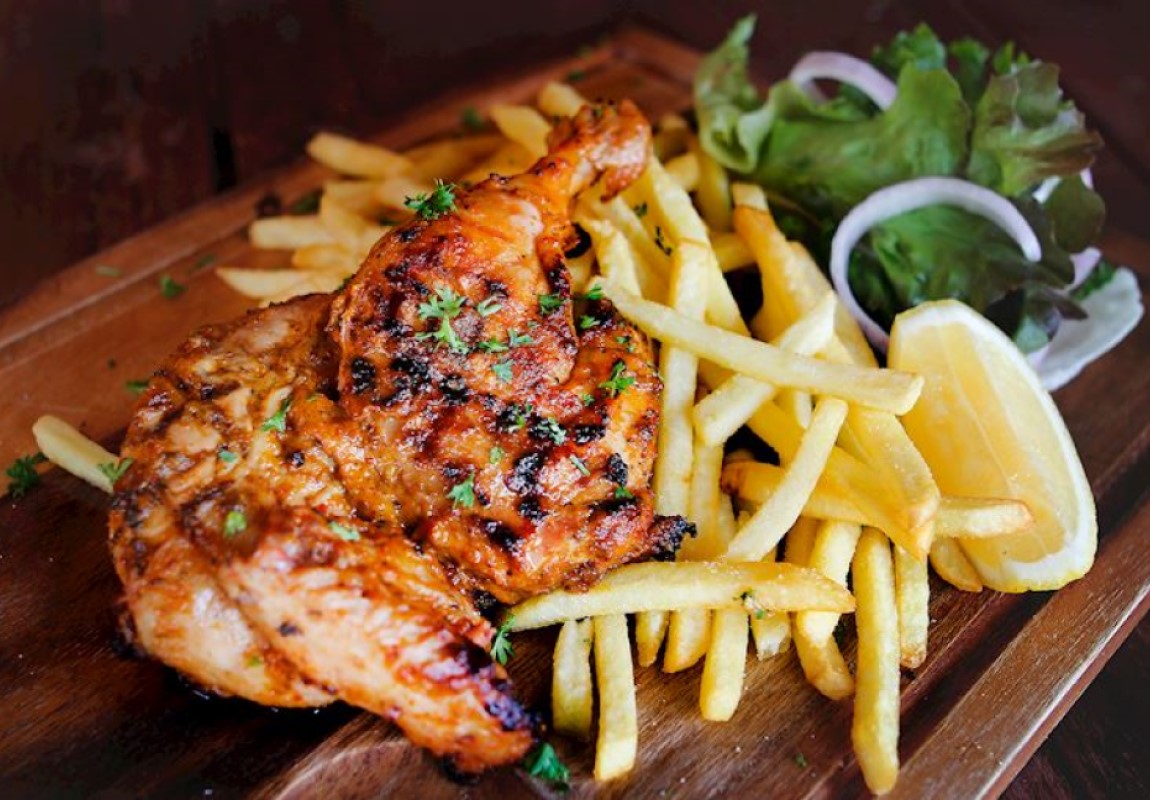
Mozambique offers spectacular beaches, tropical islands, diverse marine life, and emerging wildlife areas. Tofo Beach (Inhambane): world-renowned diving and snorkeling with whale sharks (year-round, peak October-April), manta rays, dolphins, and turtles. Laid-back beach town with backpacker vibe, excellent diving operators, surfing, and vibrant nightlife. Perfect for budget and mid-range travelers. Bazaruto Archipelago: pristine tropical paradise with six islands (Bazaruto, Benguerra, Magaruque, Santa Carolina, Bangué, Shell Island) featuring white sand beaches, turquoise waters, diverse marine life (dugongs, dolphins, turtles), excellent diving and snorkeling, dhow sailing, and luxury lodges. Marine national park protecting coral reefs. Accessible from Vilankulo. Quirimbas Archipelago: remote northern islands (32 islands) with exclusive lodges, pristine coral reefs, historical Ibo Island (Portuguese fort, colonial architecture), exceptional diving, marine wildlife, and ultimate seclusion. More expensive and remote than Bazaruto. Maputo: vibrant capital with Portuguese colonial architecture, Fortress of Maputo (1787 fort), Central Train Station (beautiful colonial building), FEIMA craft market (souvenirs, art, crafts), lively bars and restaurants, peri-peri chicken (Mozambique specialty), and cultural museums. Gateway city often overlooked but worth 1-2 days. Gorongosa National Park: spectacular wildlife comeback story after civil war devastation. Elephants, lions, buffalos, hippos, crocodiles, diverse antelope species, over 400 bird species, beautiful Mount Gorongosa, and conservation success. Central Mozambique, accessible from Beira or Maputo (6-7 hours drive). Inhambane: charming colonial town with Portuguese architecture, Cathedral of Our Lady of Conception (200+ years old), coconut palms, dhows, relaxed atmosphere, and gateway to Tofo. Ilha de Moçambique: UNESCO World Heritage Site - historic island connected to mainland by bridge, Portuguese colonial history, Fort São Sebastião (oldest European building in Southern Hemisphere), museums, crumbling colonial architecture, and cultural significance. Northern Mozambique. Pemba: northern beach town with stunning bay (one of world's largest natural harbors), beaches, diving, and gateway to Quirimbas. Ponta do Ouro: southern beach near South Africa border, popular with South African tourists, diving, dolphins, and relaxed vibe.
Packing for Mozambique requires preparation for tropical beach conditions, diving activities, and potential safari if visiting Gorongosa. Clothing essentials: lightweight, breathable clothing in cotton or quick-dry fabrics, swimwear (2-3 sets), beach cover-ups, shorts and t-shirts, sundresses or casual wear, long-sleeved shirts and long pants (malaria protection and sun), light sweater for air-conditioned spaces and evening breezes, smart casual for upscale restaurants, and modest clothing for Maputo city and mosques (covered shoulders/knees). Footwear: flip-flops for beach, comfortable walking sandals, water shoes for rocky beaches and reef protection, sneakers for city walking, and closed-toe shoes for evening dining. Diving/snorkeling gear: own mask and snorkel if preferred (rentals available), reef-safe sunscreen, underwater camera or waterproof phone case, dive certification card if diving, and dry bag for valuables on boats. Sun protection: SPF 50+ reef-safe sunscreen (essential - intense tropical sun), after-sun lotion or aloe vera, wide-brimmed hat or cap, UV-protective sunglasses, and lip balm with SPF. Malaria prevention: insect repellent with DEET 30-50% (essential), antimalarial medication, mosquito net (most lodges provide), long sleeves/pants for dawn and dusk, and antihistamine cream for bites. Other essentials: comprehensive first-aid kit including antimalarials, diarrhea medication, antibiotics, personal medications, water purification tablets or LifeStraw, hand sanitizer, toilet paper (public facilities often lack), headlamp or flashlight (power outages common), universal adapter (Type C, F, M plugs - South African three-pin common), cash (USD and Mozambican Metical), copies of passport and visa, and reusable water bottle. Optional: binoculars for whale watching and birding, Portuguese phrasebook, snorkel vest for safety, GoPro or action camera, and light rain jacket (wet season). What NOT to pack: excessive formal wear (Mozambique is casual), expensive jewelry (security risk), camouflage clothing (can be restricted), and single-use plastics (environmental concern). Pack light, practical clothing suitable for hot, humid tropical climate with excellent beach and underwater activities.
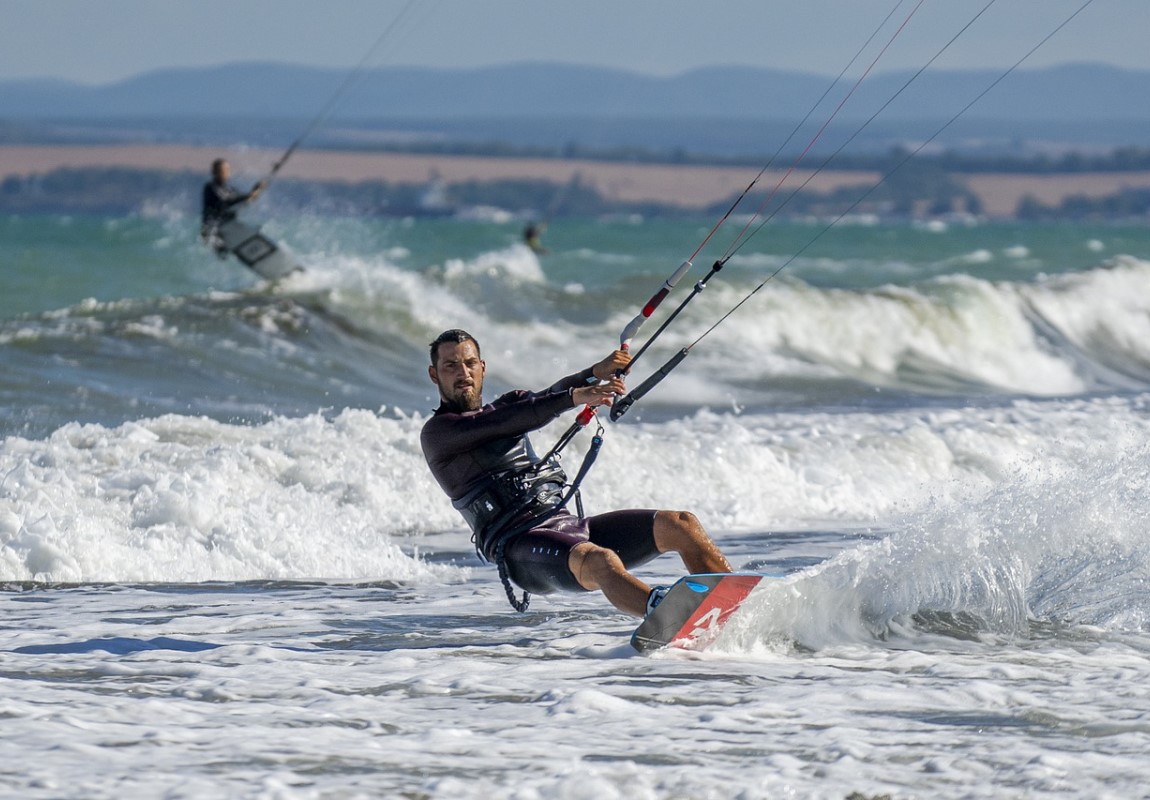
Mozambique is world-class marine destination offering exceptional underwater experiences. Diving and snorkeling: pristine coral reefs, dramatic walls, diverse marine life including whale sharks, manta rays, dolphins, turtles, reef sharks, rays, and tropical fish. Best sites: Tofo (whale sharks, mantas), Bazaruto Archipelago (Two Mile Reef, Santa Carolina), Quirimbas Archipelago (remote pristine reefs), Ponta do Ouro (dolphins, sharks), and Inhambane. Cost: $50-90 per dive, PADI courses available. Snorkeling excellent directly from beaches and islands. Whale shark encounters: Tofo is global hotspot for year-round whale shark sightings with peak October-April. Snorkel alongside gentle giants (10+ meters long) with responsible operators. Cost: $80-120 per person. Success rate very high. Manta ray diving: resident manta rays at cleaning stations particularly Tofo and Bazaruto. Year-round with peaks May-August. Dhow sailing: traditional wooden sailing boats for sunset cruises, island hopping, and multi-day safaris. Authentic Mozambican experience. Cost: $80-150. Surfing: Tofo has consistent breaks suitable for intermediate surfers, particularly May-September. Board rentals and lessons available. Other spots include Ponta do Ouro and Guinjata Bay. Kitesurfing and windsurfing: growing sport with consistent wind particularly southern beaches. Vilankulo and Ponta do Ouro are emerging spots. Deep-sea fishing: sailfish, marlin, tuna, wahoo, and dorado. October-April is peak season. Full-day charters $400-800. Kayaking: explore coastlines, mangroves, and calm bays. Popular in Bazaruto and Inhambane. Stand-up paddleboarding: calm waters perfect for SUP. Rentals at beach resorts. Dolphin watching: resident pods particularly around Ponta do Ouro and Inhambane. Swimming with dolphins available through operators. Island hopping: boat trips exploring Bazaruto and Quirimbas islands with snorkeling, beach time, and seafood lunches. Mozambique's long pristine coastline, warm waters, and diverse marine life create unparalleled opportunities for water enthusiasts from budget backpackers to luxury travelers.
Ideal Mozambique duration depends on destinations and activities. Minimum recommended: 7-8 days covers southern highlights - Maputo (1-2 days for city exploration and arrival), Tofo/Inhambane (4-5 days for diving, whale sharks, beach relaxation, surfing), and travel time. This provides good introduction to Mozambique's beaches and marine life without excessive rushing. Comprehensive trip: 10-14 days allows visiting multiple regions - Maputo (1-2 days), Tofo (3-4 days for diving and marine life), Vilankulo/Bazaruto Archipelago (3-4 days for island paradise and dhow safaris), Gorongosa National Park (2-3 days for wildlife safari), and travel time. This covers beaches, marine activities, wildlife, and culture. Extended exploration: 14-21+ days enables northern adventure adding Quirimbas Archipelago (4-5 days for exclusive islands and diving), Pemba area, Ilha de Moçambique (historical exploration), extended Bazaruto time, or southern areas like Ponta do Ouro. Ultimate for divers and island lovers. Beach focus: 7-10 days concentrating on one or two beach areas (Tofo + Bazaruto, or Quirimbas exclusively) for diving, relaxation, and marine activities without constant movement. Safari combination: 10-14 days combining Mozambique beaches with South African Kruger safari (3-4 days) creates perfect wildlife-beach combination - drive from Kruger across Lebombo border to southern Mozambique. Consider: Mozambique's size (2,500km coastline) and infrastructure mean travel between regions takes time. Maputo to Tofo (6 hours drive), Tofo to Vilankulo (8 hours), Vilankulo to Gorongosa (12 hours), or use domestic flights (expensive). Remote islands require boat/plane transfers. More days allow relaxed beach time absorbing laid-back Mozambican rhythm. Best approach: minimum one week for beach/diving focus in south, 10-14 days for comprehensive experience combining regions, or extended stays for deep exploration and ultimate relaxation. Mozambique rewards slow travel with its pristine beaches, incredible diving, and "hakuna matata" atmosphere.
Mozambique offers diverse accommodation from backpacker hostels to ultra-luxury island lodges. Budget hostels and guesthouses: $10-30 per night providing basic rooms, shared bathrooms, communal kitchens, and social atmosphere. Tofo has excellent backpacker scene with Fatima's Nest, Bamboozi, and others. Maputo hostels popular with budget travelers. Mid-range lodges and hotels: $40-120 per night with comfortable en-suite rooms, pools, restaurants, and beachfront or beach access. Examples: Casa Barry (Tofo), Smugglers (Tofo), Bahia Mar (Vilankulo). Good value and quality. 4-star beach resorts: $120-300 per night featuring good facilities, multiple restaurants, diving centers, water sports, and beautiful settings. Examples: Archipelago Resort (Vilankulo), Hotel Avenida (Maputo). Solid comfort and service. Luxury island lodges: $400-1,500+ per night all-inclusive with exceptional service, gourmet dining, premium diving, private beaches, and pristine settings. Examples: andBeyond Benguerra Island (Bazaruto, $800-1,500+), Azura Retreats (Benguerra and Quilalea, $600-1,200+), Anantara Bazaruto (luxury resort, $400-800+). Ultra-luxury private islands: $1,000-3,000+ per night at exclusive properties like Quilalea Private Island, Medjumbe Private Island, and Vamizi Island with ultimate privacy, butler service, world-class diving, and celebrity clientele. Safari lodges: Gorongosa has Explore Gorongosa camps and lodges ($150-400 per night) combining wildlife and comfort. Self-catering apartments: available in Tofo, Vilankulo, Maputo ($30-100 per night) providing flexibility and budget savings. Ideal for families and longer stays. Camping: beach camping at some locations (very basic) or organized camping safaris with equipped camps. Regional differences: Tofo/Inhambane has budget to mid-range focus. Bazaruto and Quirimbas cater to luxury market. Maputo offers city hotels across budgets. Northern areas limited options outside luxury lodges. Peak season (July-September, December-January) requires advance booking and premium prices. Mozambique offers excellent value in budget/mid-range while luxury island experiences rival Maldives/Seychelles. Most lodges embrace laid-back beach atmosphere prioritizing natural beauty over urban luxury.
Yes, comprehensive travel insurance is absolutely essential for Mozambique given limited medical facilities, malaria risk, and adventure activities. Ensure coverage includes: medical emergencies and treatment (medical facilities are basic even in Maputo with limited specialized care, provincial areas have minimal facilities requiring potential evacuation), medical evacuation (critical - evacuation from remote beaches or islands to South Africa or international facilities can cost $50,000-200,000+), trip cancellation and interruption, lost or delayed baggage, and adventure activities including diving, snorkeling, surfing, whale shark swimming, and dhow sailing. Mozambique-specific considerations: malaria is high risk requiring coverage for treatment if contracted. Medical evacuation is most critical as serious medical conditions require immediate transport to South Africa (Johannesburg or Nelspruit) where quality care is available. Remote beach lodges and islands have no medical facilities. Diving accidents and decompression sickness need hyperbaric chamber access (nearest in South Africa). Political instability in northern Cabo Delgado may affect travel requiring trip interruption coverage. Road accidents on challenging roads with poor emergency services need coverage. Food and waterborne illnesses are common. Marine injuries (jellyfish, stone fish, coral cuts) require treatment. Many adventure activities standard to Mozambique travel (diving, ocean activities) may be excluded by some insurers - read policy carefully. Verify diving is covered particularly if doing multiple dives or advanced diving. Purchase comprehensive travel insurance immediately after booking flights/accommodation. Recommended insurers include World Nomads, DAN (Divers Alert Network) for diving-focused coverage, IMG Global, and specialized adventure travel insurance providers. Emergency evacuation coverage should be minimum $250,000. Given Mozambique's limited medical infrastructure, remote locations, malaria risk, and adventure activities, adequate insurance is non-negotiable for protecting health and financial investment.
Mozambique's official currency is the Mozambican Metical (MZN), with exchange rates typically around 60-65 MZN to 1 USD, varying by black market vs official rates. US dollars widely accepted at hotels, lodges, tour operators, and tourist restaurants, though local currency needed for markets, local restaurants, transport, and small purchases. South African Rand also accepted in southern areas due to proximity and tourism. Credit cards (Visa and Mastercard) accepted at upscale hotels, lodges, and some restaurants in Maputo, Tofo, and Vilankulo, but cash essential elsewhere. Many places add 5-10% surcharge for card payments. ATMs available in Maputo, major towns (Tofo, Inhambane, Vilankulo, Pemba), and some beach areas dispensing Meticais. Reliability varies - don't rely solely on ATMs. Daily withdrawal limits typically 5,000-10,000 MZN ($80-160). Exchange options: banks offer official rates (best), exchange bureaus exist in cities, hotels provide exchange but with poor rates, and informal money changers offer better than official rates but carry risk (technically illegal). Many travelers use combination of ATM withdrawals and USD cash. Bring small denomination USD ($1, $5, $10, $20) for tips and small purchases. Budget daily cash needs: budget travelers 1,000-2,000 MZN ($15-30) for meals, transport, incidentals. Mid-range 2,000-4,000 MZN ($30-65). Luxury lodge guests need minimal cash as most expenses included or charged to account. Tipping: restaurants 10%, dive guides 100-200 MZN per day, hotel staff 50-100 MZN per service, safari guides 200-300 MZN per day. Public transport very cheap: chapas 20-50 MZN per journey. Fuel expensive if self-driving. Keep mix of USD cash, local currency, and cards. Remote areas and islands may not have banking facilities - carry sufficient cash. Mozambique remains largely cash-based economy requiring advance planning. Mobile money (M-Pesa) growing but requires local registration.
Yes, Mozambique can be excellent family destination though requires more planning than typical beach holidays due to malaria and health considerations. Family-friendly areas: southern beaches (Tofo, Vilankulo, Ponta do Ouro) are safest and most developed. Bazaruto Archipelago offers family-friendly lodges with calm waters, snorkeling, and activities. Maputo has family attractions. Avoid northern Cabo Delgado due to security concerns. Family-friendly lodges: many properties welcome families with family rooms, interconnecting rooms, kids activities, swimming pools, and flexible meal times. Examples: Archipelago Resort (Vilankulo), Bahia Mar (Vilankulo), some Bazaruto lodges, and Maputo beach resorts. Some exclusive lodges have minimum age requirements (often 12+). Beach activities: calm lagoons protected by reefs perfect for children to swim and play. Snorkeling with tropical fish suitable for kids 6+. Kayaking, paddleboarding, and beach games. Dhow sailing appeals to children. Island hopping adventures. Marine life: whale shark encounters suitable for strong swimmers (minimum age 8-12 depending on operator). Dolphin watching, turtle nesting season viewing, and colorful reef fish snorkeling. Health considerations: malaria prophylaxis essential - consult pediatrician about appropriate antimalarials for children's ages. Insect repellent and protective clothing crucial. Ensure children stay hydrated and use high SPF sunscreen. Only bottled water. Food safety important - stick to well-cooked foods at reputable establishments. Safety: supervise children constantly near ocean due to currents. Mozambique beaches generally safe but require vigilance. Avoid leaving children with unknown individuals. Age considerations: toddlers (2-5) enjoy beaches and pools but require constant supervision and malaria protection challenges some parents. School-age (6-12) can enjoy snorkeling, marine life, cultural experiences, and beach activities. Teenagers (13+) can participate in diving (certification age 12+), surfing, and adventure activities. Educational value: marine biology, Portuguese colonial history, African culture, and conservation provide learning opportunities. Many families successfully visit Mozambique combining beaches with wildlife (Gorongosa) creating memorable African adventure. Requires realistic expectations about infrastructure and health precautions.
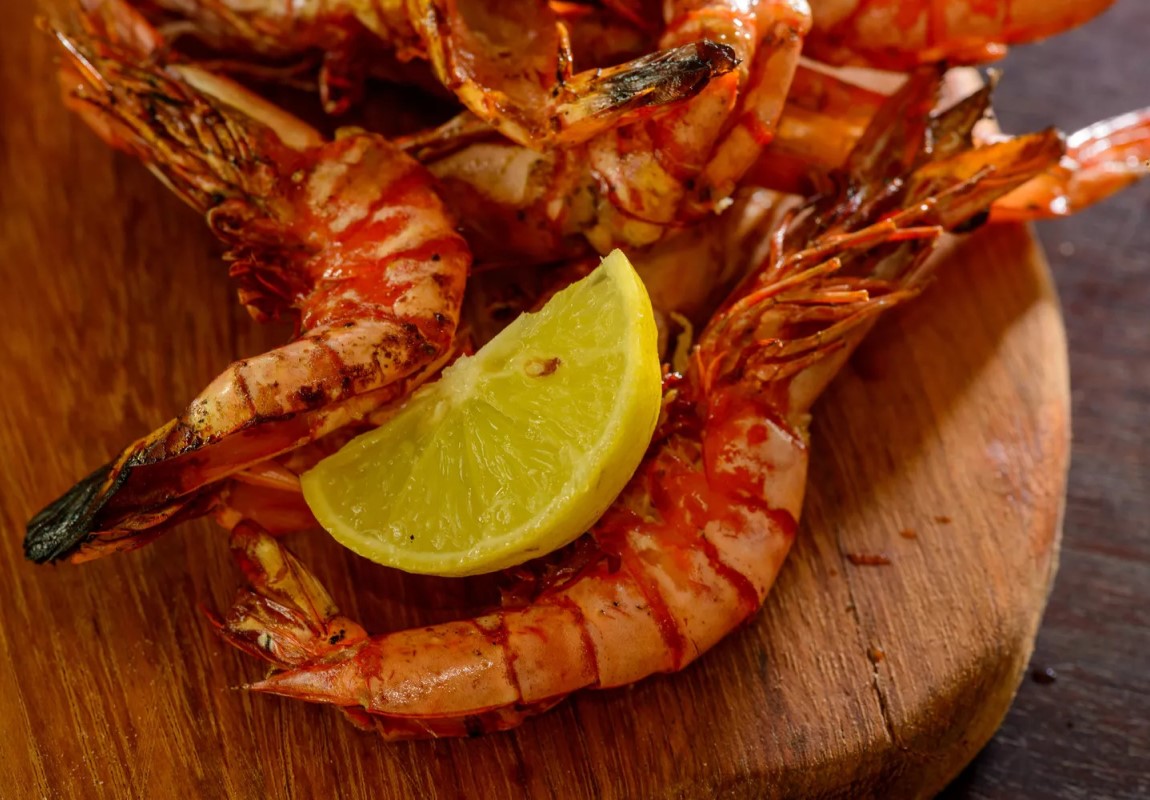
Mozambican cuisine reflects Portuguese colonial influence, African traditions, and coastal abundance with emphasis on seafood. Must-try dishes: Peri-peri chicken (frango piri-piri) - Mozambique's most famous dish, grilled chicken marinated in fiery African bird's eye chili sauce. National obsession available everywhere from street stalls to upscale restaurants. Matabicho varies by preparation but means "kill the bug" - breakfast dish. Prawns (camarão) - fresh giant prawns grilled with peri-peri, garlic butter, or lemon - Mozambique specialty, particularly in Inhambane and coastal areas. Expensive but unforgettable. Seafood: lobster (lagosta), crab (caranguejo), squid (lula), fish (peixe) prepared grilled, in coconut curry, or peri-peri style - fresh daily catches. Matapa - traditional dish with cassava leaves cooked in peanut and coconut sauce with garlic, often including prawns or crab. Creamy, rich, and authentically Mozambican. Xima (also called ugali or pap) - thick maize porridge, staple starch accompanying stews and grilled meats. Eat with hands. Chamuças - samosas filled with meat or vegetables, Portuguese-influenced snack. Coconut rice (arroz de coco) - fragrant rice cooked in coconut milk, perfect accompaniment to seafood. Dobrada - tripe stew, Portuguese-style with beans and spices. Fresh tropical fruits: mangoes, papayas, pineapples, coconuts, cashew fruit, and passion fruit. Street food: grilled corn, roasted cashews (Mozambique is major cashew producer), fresh coconut water. Drinks: 2M and Laurentina (local beers), R&R rum (Mozambican sugarcane rum), fresh fruit juices, and Portuguese wines. Portuguese influence: excellent bread (pãozinho), pastries (pastéis), espresso coffee, and European-style restaurants particularly in Maputo. Dining options: beach shacks serve fresh seafood at reasonable prices (150-300 MZN/$2-5), mid-range restaurants (300-600 MZN/$5-10), upscale restaurants in Maputo and resorts (1,000+ MZN/$15+). Vegetarian: challenging as Mozambican cuisine centers on seafood and meat, but increasing options in tourist areas. Spice level: peri-peri is hot - specify "não picante" if you want mild. Mozambique's food scene showcases incredible seafood, bold flavors, and Portuguese-African fusion creating memorable culinary experiences.
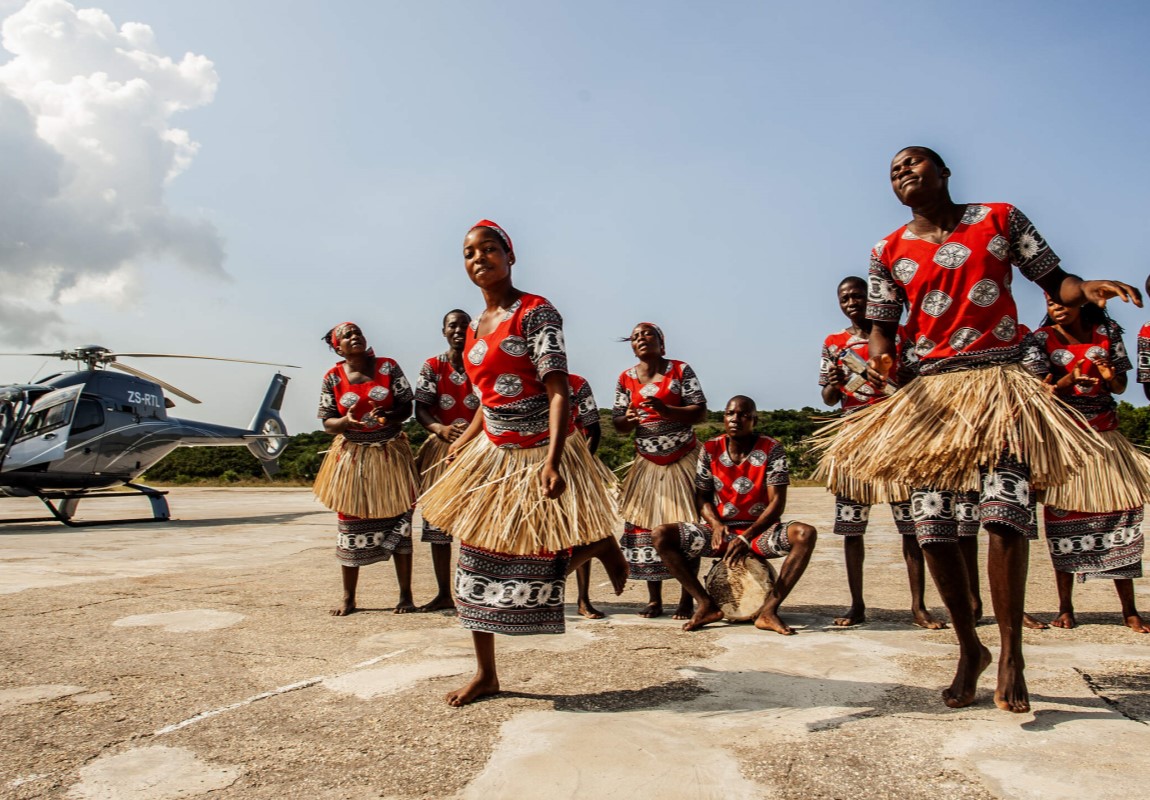
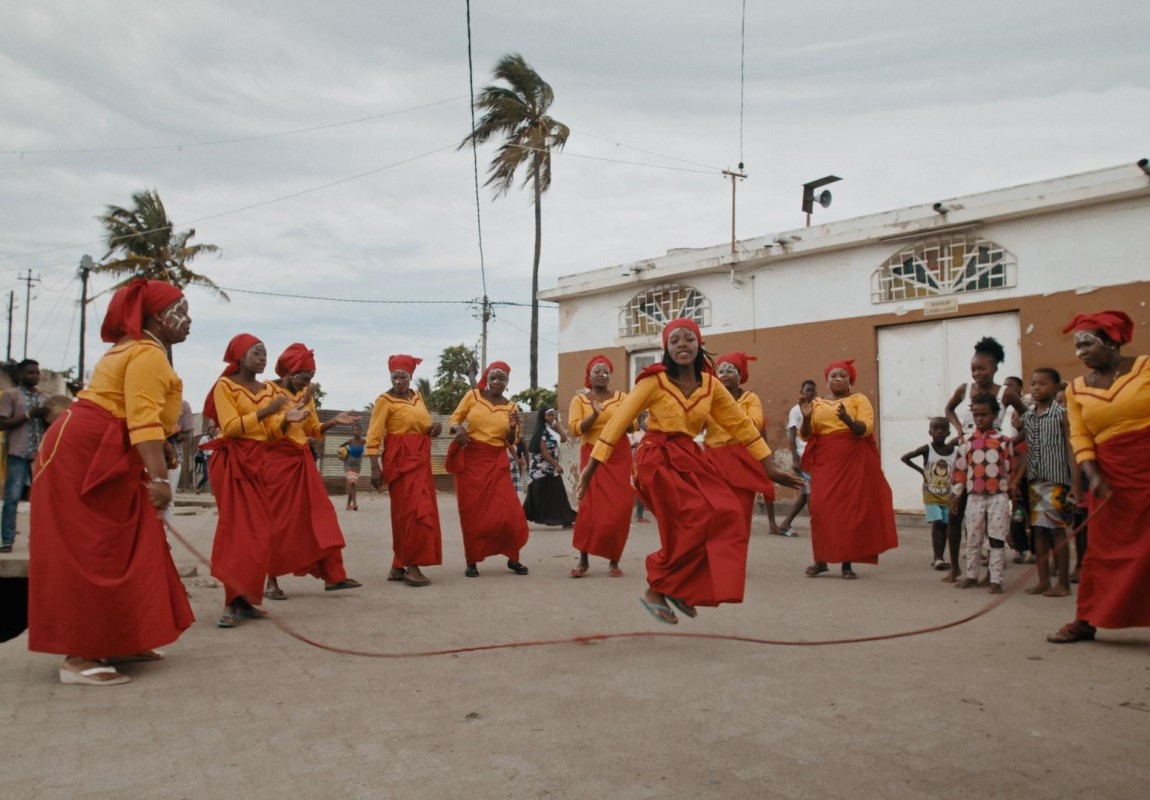
Mozambique has warm, welcoming culture blending African traditions with Portuguese colonial influence and coastal Swahili heritage. General etiquette: Mozambicans are friendly, laid-back, and hospitable. Greetings important - handshakes standard, "bom dia" (good morning) or "olá" (hello) appreciated. Take time for proper greetings before business. Dress code: conservative outside beach areas - covered shoulders and knees in towns, markets, and when visiting locals. Beachwear confined to beaches. Maputo is more cosmopolitan but modest dress respected. Women should dress conservatively in Muslim areas (northern coast). Language: Portuguese is official language essential for deeper interaction. English spoken in tourist areas but limited elsewhere. Learning basic Portuguese phrases greatly enhances experience and shows respect. Locals appreciate any attempts at Portuguese. Religion: diverse with Christianity (Catholic majority due to Portuguese influence, various Protestant denominations), Islam (particularly coastal and northern areas), and traditional African beliefs. Respect all religions - ask permission before photographing religious ceremonies, dress modestly at mosques and churches. Tipping: 10% in restaurants (often not included), hotel staff 50-100 MZN per service, dive guides 100-200 MZN per day, safari guides 200-300 MZN per day. Not always expected but appreciated. Social customs: Mozambicans value family, community, and relationships. Hospitality is paramount - accepting food/drink offers shows respect. Pace of life slower than Western standards - patience essential. "África time" prevails. Public displays of affection moderate - hand-holding acceptable, excessive kissing frowned upon. Photography: always ask permission before photographing people. Some may expect small payment (10-50 MZN). Never photograph military, police, government buildings, or airports. Environmental respect: beaches remain largely pristine - don't litter, damage coral reefs, or disturb marine life. Take only photos, leave only footprints. Music and dance: integral to culture - marrabenta music, traditional dances. Mozambicans love to dance and celebrate. Beach culture: topless sunbathing not culturally acceptable. Nude bathing illegal. Respect local sensibilities. Safety awareness: while friendly, be alert to belongings in crowded areas. Don't display wealth ostentatiously. Overall Mozambique's relaxed, friendly culture creates welcoming atmosphere for visitors. Showing respect for customs, language efforts, and cultural sensitivity ensures positive interactions with proud, warm-hearted Mozambican people.
International flights arrive at Maputo International Airport (MPM), Mozambique's main gateway in the capital. Major airlines: LAM (Linhas Aéreas de Moçambique - national carrier), TAP Air Portugal, Ethiopian Airlines, Kenya Airways, South African Airways, and Airlink connecting through Johannesburg (most common route - 1.5 hours), Lisbon, Addis Ababa, and Nairobi. Regional airports: Vilankulo (for Bazaruto Archipelago), Pemba (northern gateway), Beira (central), Nampula, and Inhambane with domestic connections. Getting around: Self-drive rental cars ($40-80 per day) offer independence though challenging - roads vary from good tar (EN1 coastal highway) to rough dirt requiring 4WD. International license required. Drive on left (Portuguese influence). GPS essential. Fuel stations sparse in remote areas - fill up whenever possible. Popular route: Maputo to Tofo (6 hours), Tofo to Vilankulo (8 hours) on mostly decent roads. Domestic flights: LAM operates between major cities - Maputo-Vilankulo ($180-250), Maputo-Pemba ($200-300), Maputo-Beira. Small aircraft with luggage restrictions. Schedules unreliable - build flexibility. Chapas (minibus taxis): cheap local transport covering all routes (20-200 MZN depending on distance) but very crowded, uncomfortable, slow, and departing when full. Authentic local experience for budget travelers. Maputo to Tofo 150-200 MZN ($2-3), takes 8-10 hours. Private transfers: organized through hotels/tour operators ($50-150 depending on distance) offering comfort and reliability. Backpacker buses: operators like Mozambique Connection run tourist buses between Maputo, Tofo, Vilankulo on schedules (200-400 MZN/$3-6). More comfortable than chapas. Boats: essential for reaching Bazaruto and Quirimbas islands from Vilankulo or Pemba. Dhows (traditional sailing boats) and motorboats operated by lodges or tour operators. Helicopter transfers: luxury lodges arrange helicopter transfers (expensive, $200-500+ per person). Within cities: Maputo has Uber and taxis. Tofo walkable. Vilankulo small and manageable on foot or bicycle. Mozambique's size and infrastructure mean travel takes time - patience and flexibility essential. Most tourists combine flights for long distances with self-drive or transfers for regional exploration.
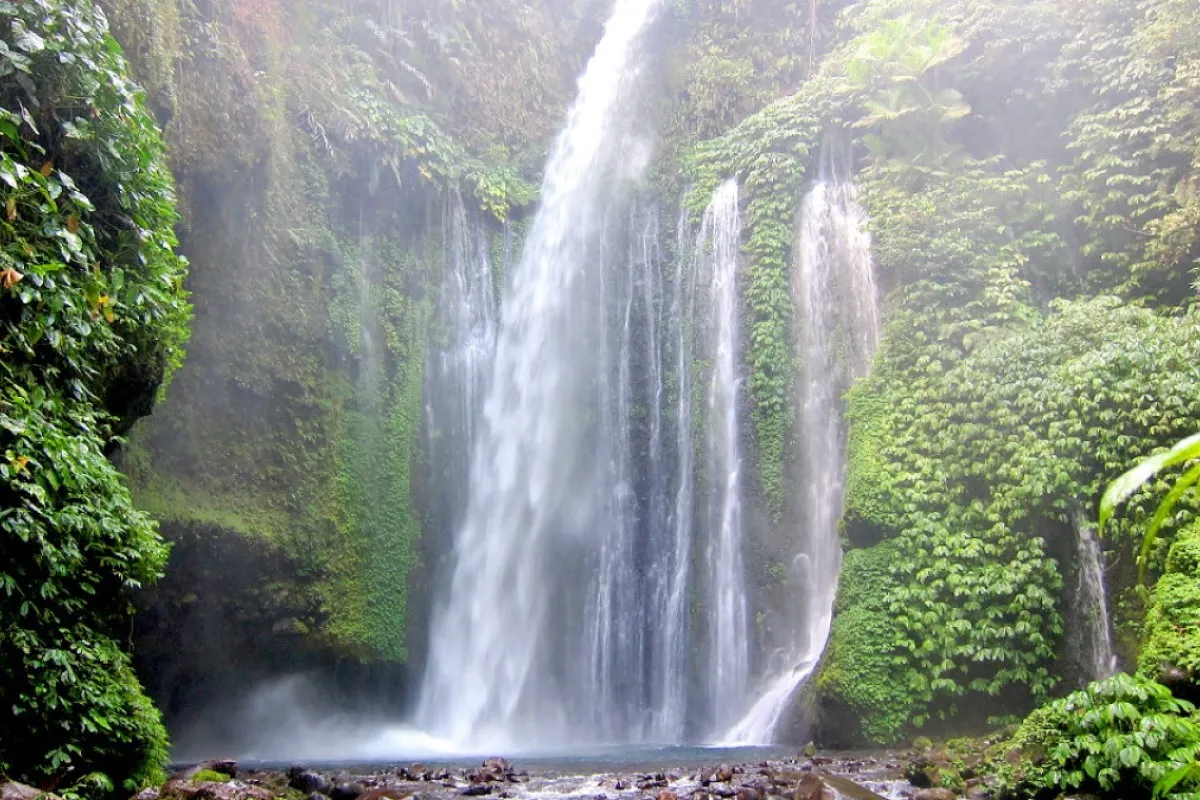
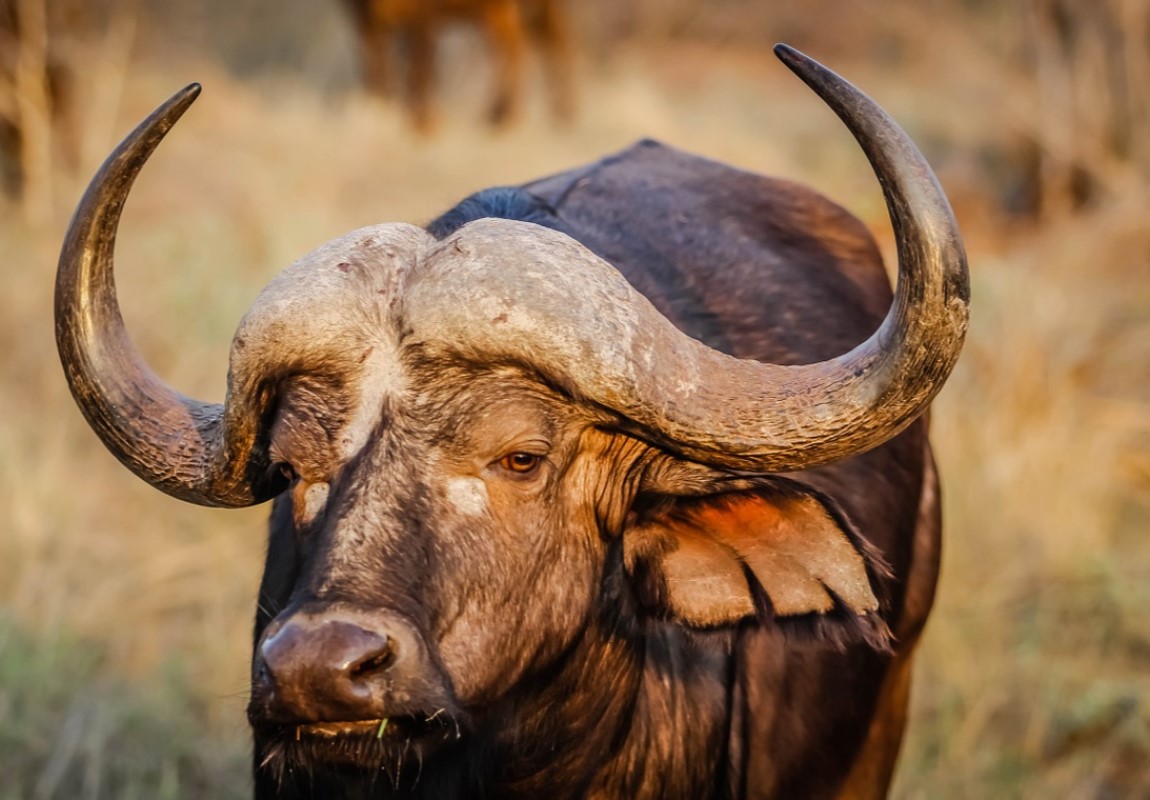
Gorongosa National Park in central Mozambique represents one of Africa's greatest conservation success stories and emerging safari destination. History: once considered among Africa's finest parks with incredible wildlife diversity, Gorongosa was devastated during Mozambique's civil war (1977-1992) when wildlife populations were decimated by poaching and conflict. Post-war recovery began slowly until 2004 when Gorongosa Restoration Project (partnership between Mozambique government and Carr Foundation) launched ambitious restoration. Wildlife: remarkable recovery with elephants (increasing herds), lions (reintroduced 2018-2019, breeding successfully), buffalos (growing populations), hippos, crocodiles, various antelope species (waterbuck, reedbuck, oribi, sable, eland), warthogs, baboons, and over 400 bird species. Predators slowly returning including leopards and hyenas. Compared to East Africa wildlife densities remain moderate but rapidly improving. Mount Gorongosa: 1,863m peak with montane rainforest, waterfalls, endemic species, and spectacular views. Hiking trails and cultural experiences with local communities. Activities: game drives, bird watching, Mount Gorongosa hiking, community visits, conservation experiences, and Lake Urema boat safaris (hippos, crocodiles, waterbirds). Accommodation: Explore Gorongosa operates tented camps and lodges ($150-400 per night) combining comfort with wilderness. Chitengo Camp is main base. Accessibility: 800km north of Maputo (12 hours drive) or fly to Beira then 3 hours drive. Domestic flights possible. Who should visit: travelers interested in conservation stories, authentic wilderness with fewer tourists, supporting community-based conservation, and seeing Africa's recovery rather than peak wildlife densities. Best time: dry season (May-October) for easier game viewing and road access. Why visit: supporting Gorongosa directly funds conservation and community development. Experiencing Africa's restoration rather than exploitation. Seeing genuine wilderness with personal guides (low visitor numbers). Understanding successful conservation models. Beautiful scenery combining savannah, wetlands, mountains. Growing wildlife populations reward patient observers. Gorongosa won't rival Serengeti or Kruger for quantity but offers quality, authenticity, purpose, and hope - perfect for conscious travelers valuing conservation over tick-box Big Five sightings.
Yes, Mozambique combines excellently with neighboring Southern African destinations creating diverse regional experiences. Mozambique + South Africa: most popular combination - Kruger National Park safari (3-4 days) followed by Mozambique beaches (7-10 days) creates perfect wildlife-beach experience. Drive from Kruger across Lebombo/Ressano Garcia border (1 hour) to southern Mozambique (Ponta do Ouro, Maputo) or fly Johannesburg-Maputo. Cape Town + Mozambique also works via flights. Mozambique + Zimbabwe: combine Victoria Falls (2-3 days) with Mozambique beaches via flights Harare/Victoria Falls to Maputo. Less common but spectacular falls-to-beach combination. Mozambique + Zambia: link South Luangwa safari with Mozambique via flights through Johannesburg. Walking safari in Zambia, beach in Mozambique creates adventure-relaxation balance. Mozambique + Malawi: overland travelers often combine Lake Malawi (freshwater snorkeling, beach relaxation) with Mozambique coast. Cross border at Zobue or Mandimba. Both offer laid-back beach/lake experiences. Multi-country Southern Africa circuit: comprehensive 3-4 week itineraries visiting Kruger/South Africa (safari), Mozambique (beaches/diving), Victoria Falls/Zimbabwe, Botswana (Okavango), creating ultimate Southern Africa experience. Logistics: Mozambique's location makes regional connections practical. Johannesburg is main hub for flights to Mozambique and other Southern African destinations. Overland travel possible but time-consuming - roads vary quality. Most combine flights for efficiency. Visas: verify multi-entry visas if crossing borders multiple times. Popular itineraries: 7 days Kruger + 7 days Mozambique beaches (safari-beach classic), 5 days Victoria Falls + 10 days Mozambique, 10 days Mozambique + 5 days Cape Town. Allow 14-21 days for meaningful two-country experiences. Mozambique's pristine beaches, excellent diving, and emerging wildlife complement perfectly with Southern Africa's established safari destinations creating comprehensive regional adventures balancing wildlife, adventure, beaches, and culture.
Portuguese is Mozambique's official language, and learning basic phrases greatly enhances your experience and shows cultural respect. Here are 10 essential Portuguese phrases with pronunciations:

1) Olá / Bom dia (oh-LAH / bom DEE-ah) - Hello / Good morning
2) Boa tarde / Boa noite (BOH-ah TAR-deh / BOH-ah NOY-teh) - Good afternoon / Good evening
3) Como está? (KOH-moo eh-STAH) - How are you?
4) Estou bem (eh-STOH behm) - I'm fine
5) Obrigado/Obrigada (oh-bree-GAH-doo/dah) - Thank you (male/female speaker)
6) Por favor (por fah-VOR) - Please
7) Sim / Não (seem / now) - Yes / No
8) Desculpe (deh-SKOOL-peh) - Sorry/Excuse me
9) Quanto custa? (KWAN-toh KOOSH-tah) - How much does it cost?
10) Adeus / Tchau (ah-DEH-oosh / chow) - Goodbye

Bonus phrases: Não falo português (I don't speak Portuguese), Fala inglês? (Do you speak English?), Onde fica...? (Where is...?). Food: Cerveja (beer), Água (water), Pão (bread), Peixe (fish). Directions: Praia (beach), Esquerda (left), Direita (right). Mozambicans greatly appreciate visitors attempting Portuguese even if basic. Your efforts will be met with warm smiles, patience, and genuine appreciation. Most tourist areas have English speakers but Portuguese opens doors to authentic local interactions!

Change Currency

Loading currencies...

Give your feedback