

Ethiopia Safari Destination Ethiopia flag

Ethiopia Safari Information

Land of Origins

29 Tours 29 Tour Operators 0 Accommodation Properties

Starting from

$150PP

Overview

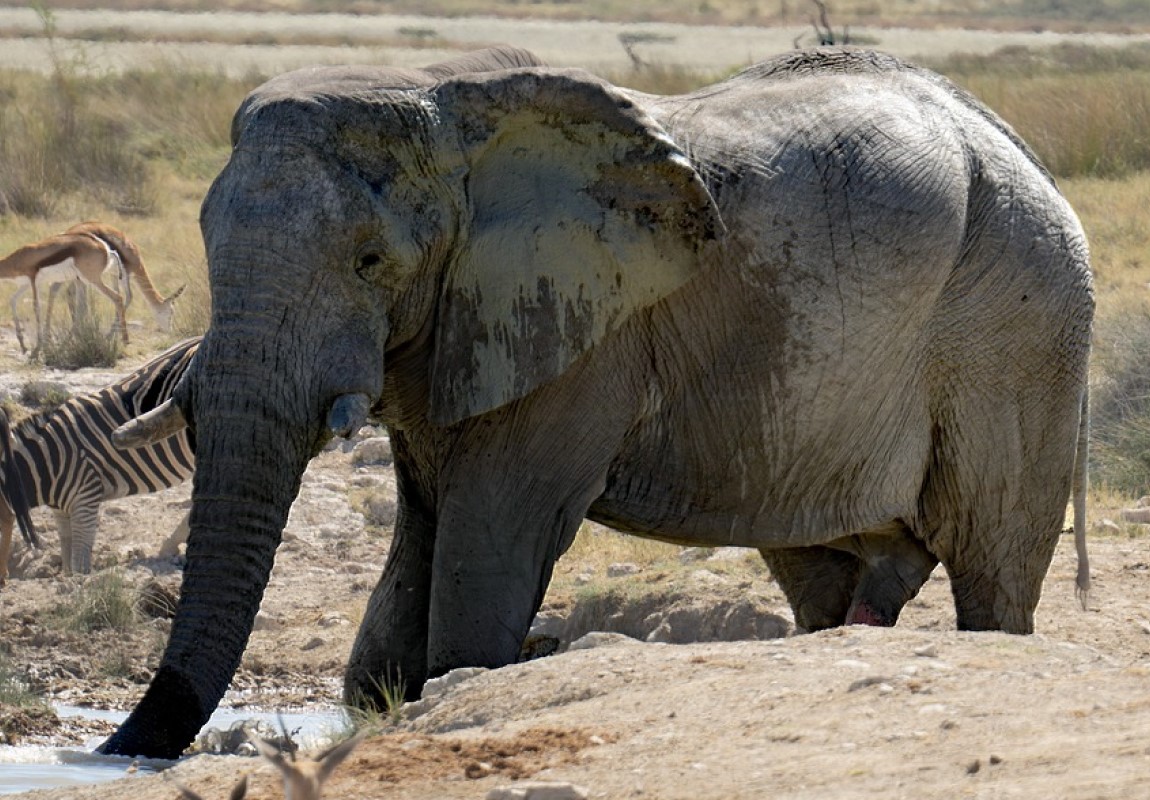
Ethiopia, broadly viewed as the origin of mankind, is a huge nation situated in the Horn of Africa toward the northeast of the continent. Dissected by the Great Rift Valley, Ethiopia contains amazing mountain ranges and highlands, semi-deserts and steppes close to the immense plateaus and lowlands that join to frame one of the most ecologically different territories on the planet. At 1788 meters, you will track down the lavish flora and fauna of Lake Tana. Lake Tana is Ethiopia's biggest and the wellspring of the Blue Nile. Here you will find numerous types of birds and exceptionally distinctive fish, with an expected 70% of these endemic to the actual lake. Ethiopian safari would not be finished without a brief look at the mighty African elephant and the critically endangered black rhino. Alongside other critically endangered creatures, like the Ethiopian wolf (the rarest canid on the planet), Ethiopia safaris offer voyagers a remarkable window into the untamed excellence of the natural world – including various extraordinary greenery which may not be with us significantly longer.

Rates (USD)
$50 pp/day
Currency
Birr (ETB)
Capital
Addis Ababa
Languages
Afar, Amharic, Oromo, Somali, Tigrinya
High Season
October and June
Best Time to Go
January to March (weather is warm & sunny)

Pros & Cons

  • Low-density tourism and eco-friendly lodges
  • Excellent wildlife viewing in northern parks
  • Beautiful and diverse scenery of dry desert, saltpans, savannah grasslands and delta waterways
  • Low population and vast, undeveloped areas
  • Political stability and safety
  • Expensive upmarket safaris with few budget options
  • Availability can be limited during high season

Map in Africa

Ethiopia Map in Africa

Safari Reviews

User Reviews
0.0/5
(0 Reviews)

Share Your Experience

Help other travelers by writing a review

Best Time to Visit – Ethiopia

To take complete advantage of your safari trip, you want to realize the best time to visit Ethiopia. However, Watching wildlife in Ethiopia isn't very season subordinate. Nonetheless, July and August are the wettest months and travel over that period isn't suggested (particularly if you mean to do some hiking or camping). Ethiopia's terrific view is at its best from September to December in the Dry season, when days are radiant, the scenery is green and rich and the sky is liberated from dimness after the rainfalls.

High Season
October to March
Low Season
April to September (Rainy and very hot on the plains)
Best Weather
October to April (Little rainfall, sunny days)
Worst Weather
July to August (Wettest months)

May to October (Dry Season)

  • Clear blue skies
  • Best time for Hiking & Camping
  • Best time for bird watching and migratory birds are present
  • Most of the days are dry & sunny
  • Gets very crowded in popular parks from October to April

November to April (Wet Season)

  • Migratory birds are present in this season hence Bird watching at its best
  • Many wild flowers in September
  • The scenery is beautiful and green
  • Newborn animals can be seen
  • Many days with heavy rainfall in July & August
  • Weather is cold and wet in Bale & Simien Mountains
  • Hiking and camping is not recommended in July & August

Best Time to Go to Ethiopia by Major Park

The vast majority of Ethiopia's parks can be visited consistently. You'll see creatures whenever. Notwithstanding, the view, which is a tremendous fascination of the parks, is at its best after the downpours from October to December. The higher slopes of Bale and Simien Mountains NP can be freezing and undesirable in the rains. April and August to October are generally less favourable for the Bale Mountains, and the wettest months in the Simiens are July and August.

Wildlife & Animals

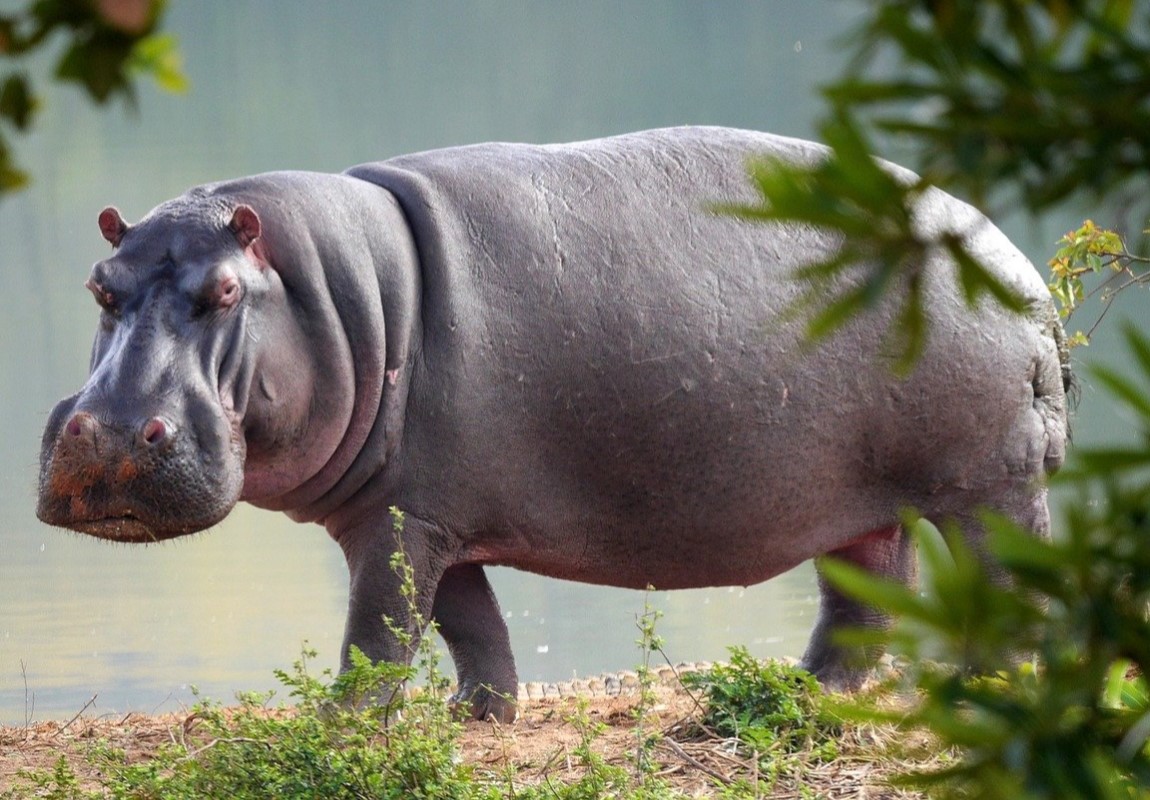
Ethiopia's wildlife is astoundingly assorted. Numerous mainstream safari creatures, for example, elephants and lions are available in little numbers, yet it's actually Ethiopia's surprising animals that get everyone's attention. In Simien Mountains National Park, you might spot the Walia ibex, Swayne's hartebeest and mountain nyala which all are endemic. A boat trip on Lake Tana is extraordinary for hippos, while enormous crocodiles can be seen in Nechisar National Park.

Wildlife Highlights

You'll be searching for some of Africa's most extraordinary and most endangered creatures in Ethiopia. In the Bale Mountains, you'll see the Ethiopian wolf, which is named the world's rarest dog species. Primate lovers are in for a treat since a few animal varieties are exceptional in Ethiopia. Without a doubt, the most attractive of these endemics are the brilliant golden-maned gelada monkey. The rare hamadryas baboon lives close to the more broad olive baboon in Awash National Park. Bale Mountains National Park is one of many spots where you'll have the option to see the aerobatic black-and-white colobus monkey, and it is likewise home to the as of late found Bale monkey.

Best Time for Wildlife Viewing

Wildlife viewing can be done throughout the year in Ethiopia and doesn't really depend on the seasons. However, For Bale and Simien Mountains, wildlife viewing will be perfect in the dry season from November to march when the weather generally has clear and warm days. In the wet season, wildlife can be unpleasant to visit when it is raining (particularly if you mean to hike or camp).

Birds

With over 920 bird species recorded in Ethiopia makes it is one of Africa's top bird-watching countries. Great as this count is, the thing that truly makes Ethiopia stand apart is its enormous number of endemics and near endemics. Incredibly, the majority of these rare species can be seen on a standard birding trip. Specials to the side, the sheer number and assortment of brilliant birds are a feature for most guests. What's more, in case you're not a twitcher as of now, Ethiopia may very well be the country that changes over you.

Best Time for Wildlife Viewing

The best time for bird watching is from November to March when most migratory birds are present. This coincides with the Dry season, which is an incredible time to travel. Birding is good in April to September as well when many resident birds come into breeding plumage and are more vocal and simpler to find. July and August see heavy rainfall which may meddle with bird watching and different activities.

Activities

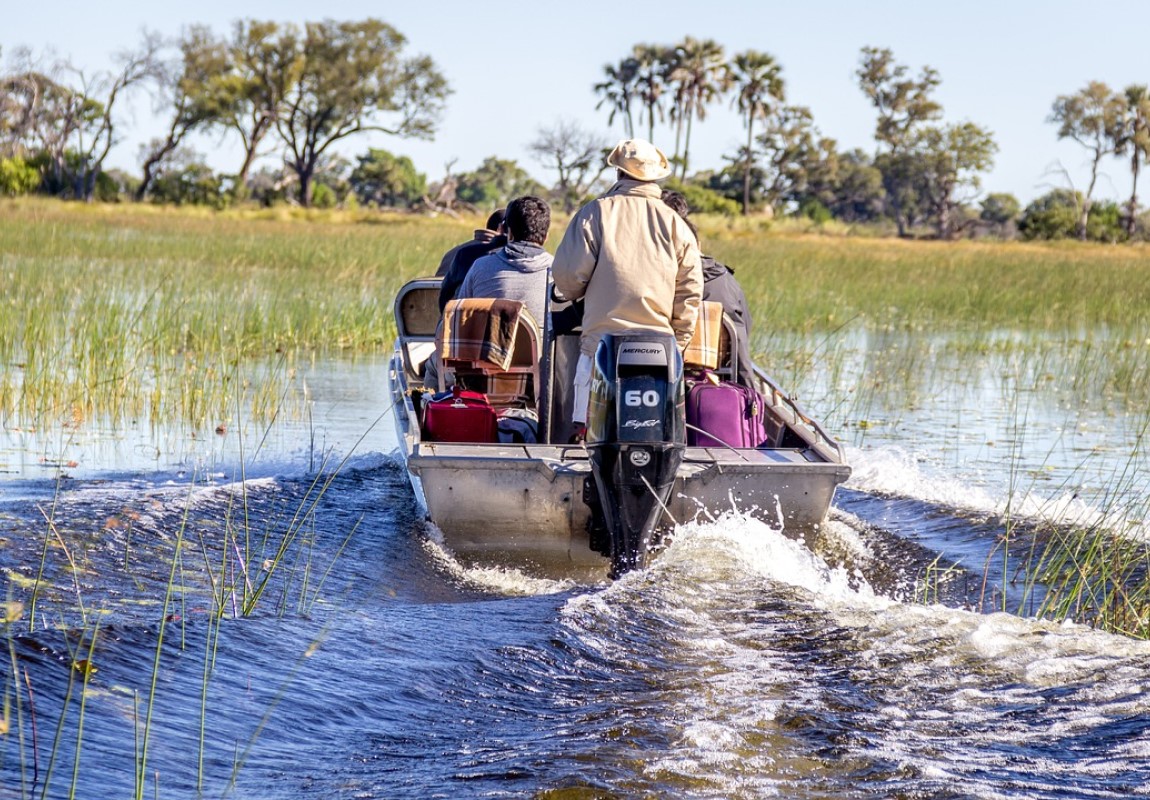
From game drives and walking safaris to cultural encounters and adventure excursions, Ethiopia offers a wide variety of activities for every type of traveler.
Cuisines

Ethiopian food is distinctive and flavorful, befitting an exceptional country with a cultural heritage that stands apart from the rest of Africa. Ethiopian cooking typically comprises vegetable and exceptionally spicy meat dishes. Establishment of by far most Ethiopian meals is injera, a giant grey spongey pancake-like bread, upon whose peculiarly rubbery surface are served a vast array of food sources, ranging from colourful hills of spicy stews to vegetable curries to cubes of crude meat. 
Ethiopians, similar to Indians, aren't shy of adding spices. Perhaps the most well-known accompaniment is berbere, an Ethiopian zest blend containing up to 16 constituent components, including chilli powder, fenugreek, ginger, garlic, cardamom and cinnamon. 
Some well-known Ethiopian dishes are Tibs (Sliced beef or lamb, pan-fried in butter, garlic and onion), Kitfo (Made from the leanest meat), Beyainatu, Fuul, Tere siga, Doro wot, Enkulal firfir and Dulet.

Culture

The culture of Ethiopia is diverse and generally structured along ethnolinguistic lines. The country's Afro-Asiatic-speaking majority adhere to an amalgamation of traditions that were developed independently and through interaction with neighbouring and faraway civilizations, including other parts of Northeast Africa, the Arabian Peninsula, India, and Italy. By contrast, the nation's Nilotic communities and other ethnolinguistic minorities tend to practice customs more closely linked with South Sudan and/or the African Great Lakes region.

National Parks & Game Reserves

Ethiopia is home to some of the most spectacular national parks and game reserves in Africa. From vast savannahs to dense forests, each park offers unique landscapes, diverse wildlife, and unforgettable safari experiences. Whether you’re searching for the Big Five or hidden natural wonders, Ethiopia has something for every safari enthusiast.

Bale Mountains National Park

Bale Mountains National Park is Ethiopia’s most biologically significant and diverse protected ...

Simien Mountains National Park

Simien Mountains National Park is a UNESCO World Heritage Site and one of Africa’s most spectac...

Awash National Park

Awash National Park is one of Ethiopia’s oldest and most accessible protected areas, located in...

Gambella National Park

Gambella National Park is one of Ethiopia’s most ecologically important and wildlife-rich prote...

Mago National Park

Mago National Park is a remote and largely untouched protected area in southwestern Ethiopia, loc...

Sanetti Plateau

The Sanetti Plateau is a vast high-altitude alpine plateau located within Bale Mountains National...

Kafta Sheraro National Park

Kafta Sheraro National Park is a remote and little-known protected area located in the Tigray reg...

Senkele Wildlife Sanctuary

Senkele Wildlife Sanctuary is a small but critically important protected area located in central ...

Chebera-Churchura National Park

Chebera-Churchura National Park is one of Ethiopia’s largest and least-explored protected areas...

Nechisar National Park

Nechisar National Park is a diverse and scenic protected area in southern Ethiopia, located betwe...

Maze National Park

Maze National Park is an emerging wildlife destination located in southern Ethiopia, within the O...

Yangudi Rassa National Park

Yangudi Rassa National Park is a little-known and rarely visited protected area located in northe...

Abidjatta-Shalla National Park

Abidjatta-Shalla National Park is a unique Rift Valley protected area in central Ethiopia, renown...

Harenna Forest

Harenna Forest is one of the largest and most biologically rich montane forests in Ethiopia, form...

Omo National Park

Omo National Park is one of Ethiopia’s oldest and largest protected areas, located in the remot...

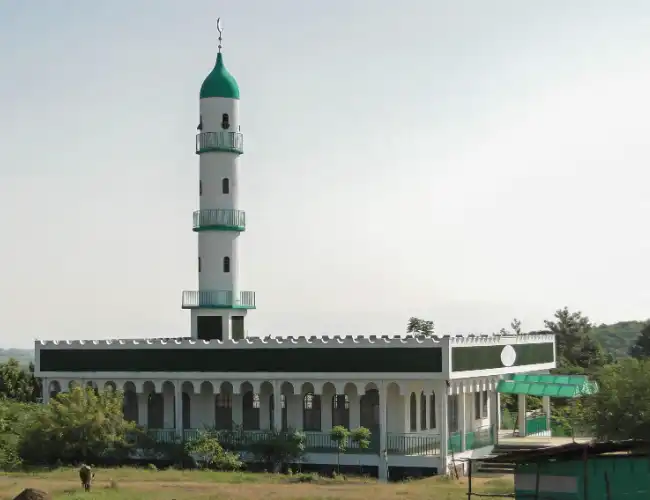
Addis Ababa

Addis Ababa is the capital city of Ethiopia and is known for its rich history, vibrant culture, a...
Gondar

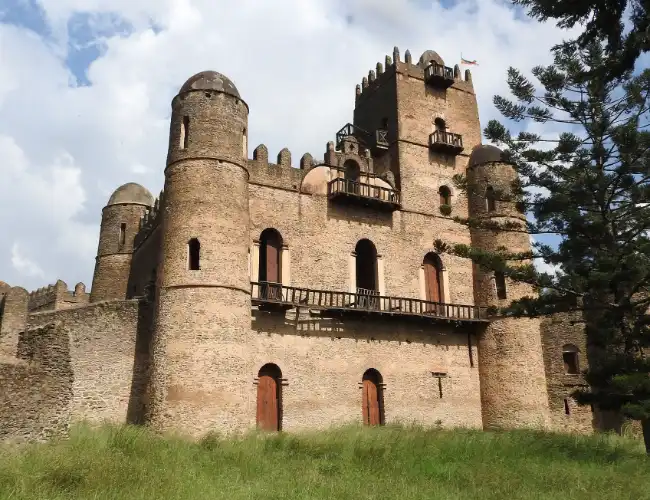
Gondar is a city located in northern Ethiopia known for its historic castles and churches that ha...

Lalibela

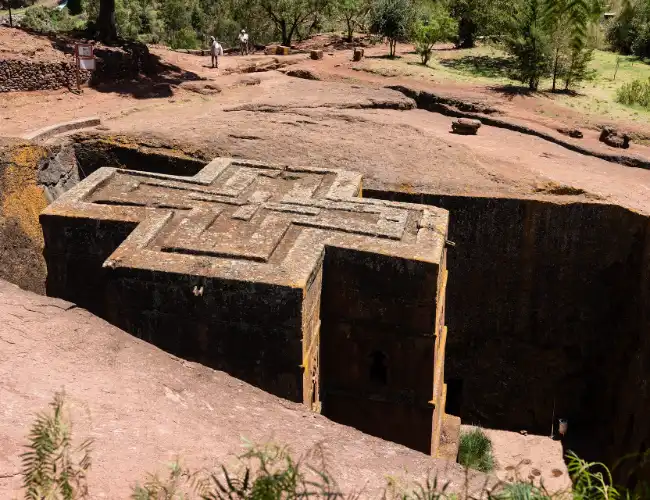
Lalibela is a small town located in northern Ethiopia known for its unique rock-hewn churches tha...

Arba Minch

Arba Minch is a city located in southern Ethiopia known for its scenic beauty and diverse wildlif...
Showing 1-0 of 0 reviews
Recently Added
5 Stars Only
4 Stars and above
3 Stars and above

No reviews yet for this destination. Be the first to share your experience !

Safety & Security

Travel to the Tigray region and other areas of Ethiopia is not encouraged due to ongoing armed hostilities. For the most up-to-date information, please consult your government's travel advisory, which is provided below.

General Safety Tips

  • Keep valuables secure and avoid displaying expensive items
  • Stay alert in crowded areas and tourist hotspots
  • Use registered tour operators and licensed guides
  • Follow local customs and respect cultural sensitivities
  • Keep copies of important documents in a safe place

Safari Safety

  • Always follow your guide's instructions during game drives
  • Stay inside your vehicle unless instructed otherwise
  • Keep noise levels low to avoid startling wildlife
  • Never approach or feed wild animals
  • Carry essential medications and first aid supplies

Health & Medical

Before traveling to Ethiopia, consult with your healthcare provider about recommended vaccinations and health precautions. Common recommendations include malaria prophylaxis, hepatitis A and B vaccines, and routine immunizations. Carry any necessary medications and consider travel insurance that covers medical emergencies.

Getting There

Ethiopia, situated in the famous Horn of Africa, is known as both the Land of Origins and the Land of a Thousand Smiles. Most of the visitors arrive at the Bole International Airport (ADD) in Addis Ababa. Usually, the Safari operator picks you up at the airport and takes care of any travel arrangements from there. If you are already in the region it’s possible to get in by land from Sudan, Kenya and Djibouti. It is best to stay away from the borders of South Sudan and Somalia. Drive-around tours are also available (especially in southern Ethiopia). Even when flying around, covering some distances by car can be very rewarding as you'll see some of the Ethiopian countrysides.

Travel Requirements

  • All foreign visitors need a passport that is valid for at least six months
  • Passports must have a clean and a full visa page for endorsement.
  • Visitors can be obtain there Visas in advance from Ethiopian embassies or high commissions.
  • You can also apply through the online visa-application portal, the official website of the Ethiopian Department for Immigration and Nationality Affairs.
  • For certain countries, A tourist visa can also be issued on arrival at Bole International Airport.
  • When arriving from a country in Africa or the Americas where yellow fever is present, a yellow fever vaccination certificate is required.

Domestic Transportation

Domestic flights from Addis Abe depart from Bole International Airport (ADD), located 5 kilometers/3 miles southeast of the city, and are available through Ethiopian Airlines.

International Flight Connections

The best time to visit Ethiopia depends on your destinations and interests. Dry season (October to May) offers the most favorable conditions: October to January features pleasant temperatures (15-25°C/59-77°F), clear skies, green landscapes after rainy season, and excellent conditions for trekking, wildlife viewing, and cultural tours. February to May becomes progressively hotter and drier, particularly in lowland areas like Danakil Depression and Omo Valley. The rainy season (June to September) brings heavy rains to highlands making roads challenging, though this is best time for Simien Mountains trekking with lush landscapes and wildflowers (July-September). Danakil Depression is best visited November to March when temperatures are "only" 35-40°C/95-104°F rather than extreme 45-50°C/113-122°F of other months. Omo Valley is accessible year-round but dry season (October-March) offers better road conditions. For cultural festivals: Ethiopian Christmas (January 7), Timkat/Epiphany (January 19-20 with spectacular celebrations in Gondar and Lalibela), and Meskel (September 27) are highlights. Wildlife viewing in Bale Mountains is best October-May. Ethiopia's diverse geography (highlands to deserts) means weather varies dramatically by region and altitude. Northern historical circuit is best October-May, while southern Omo Valley and Danakil can be visited year-round with appropriate preparation.
Ethiopia offers excellent value compared to other African destinations with costs varying by travel style. Budget travel: $30-50 per day including basic guesthouses ($10-20), local restaurants ($5-10), public transport, and entrance fees. Mid-range travel: $80-150 per day with comfortable hotels ($30-60), good restaurants ($10-20), private vehicle with driver ($80-120 per day), and guide services. Luxury travel: $200-400+ per day featuring upscale lodges like Limalimo Lodge in Simien Mountains ($250-400 per night), Bale Mountain Lodge ($300-500 per night), quality hotels, private guides, and domestic flights. Organized tours: 8-day northern historical circuit tours cost $1,200-2,500 per person depending on accommodation level and group size. Danakil Depression tours (4 days) cost $400-800 per person. Omo Valley expeditions (7-10 days) cost $1,500-3,000 per person. Domestic flights add costs: Addis Ababa to Lalibela ($120-180 one-way), to Gondar ($100-150), to Bahir Dar ($80-120). Ethiopian Airlines has extensive domestic network. Entrance fees are reasonable: Lalibela churches ($50), Gondar castles ($15), Simien Mountains park fees ($15-25 per day), Danakil Depression permits. Ethiopia remains one of Africa's most affordable destinations offering incredible cultural and natural experiences without premium pricing typical of safari destinations. Independent travel is very affordable while organized tours provide convenience and cultural insights at moderate costs.
Most international visitors require a visa to enter Ethiopia. E-visa available online: simplest option for tourists from most countries including US, UK, EU, Canada, Australia - apply through official www.evisa.gov.et website. Cost $52 for single-entry 30-day visa or $72 for 90-day visa. Processing takes 3-5 business days. Print confirmation and present upon arrival. Visa on arrival: available at Addis Ababa Bole International Airport for citizens of most countries - costs $50-52 for 30 days, $72 for 90 days. Processing takes 30-60 minutes depending on queues. Bring passport photos and exact USD cash. Embassy visas: can be obtained from Ethiopian embassies abroad if preferred. Your passport must be valid for at least 6 months beyond entry date with at least one blank page (preferably more for stamps). Yellow fever vaccination certificate is required if arriving from yellow fever endemic countries - strictly checked at entry. Visa extensions: possible at Immigration Office in Addis Ababa if staying beyond initial permit. Business visas and journalist visas have different requirements and restrictions. Transit visas available for short layovers. Always verify current requirements before travel as policies can change. Ethiopian e-visa system is generally reliable and straightforward making entry process easier than previously when only embassy or arrival visas were options. Most travelers find e-visa most convenient option to arrange before departure.
Yellow fever vaccination is required if arriving from yellow fever endemic countries and recommended for all travelers - your certificate will be checked if arriving from risk areas. Other strongly recommended vaccinations include Hepatitis A and B, Typhoid, Tetanus, Rabies (especially for rural areas and wildlife regions), Meningitis, and Polio booster. Malaria prophylaxis is essential for lowland areas below 2,000 meters including Omo Valley, Danakil Depression, Gambella, western lowlands, and areas around Bahir Dar and Lake Tana. Addis Ababa (2,400m), Lalibela (2,600m), Simien Mountains (2,000-4,500m), and most highland areas have no or minimal malaria risk. Consult a travel medicine specialist 6-8 weeks before departure. Ethiopia has reasonable medical facilities in Addis Ababa with private hospitals and clinics offering decent care, though services are limited compared to Western standards. Regional towns have basic health centers. Remote areas like Danakil Depression and Simien Mountains have no medical facilities requiring self-sufficiency and evacuation capability. Altitude sickness medications (Diamox) may be useful for Simien Mountains trekking above 3,000 meters. Bring comprehensive first-aid kit, personal medications in original packaging, water purification tablets or LifeStraw, and diarrhea medications. Tap water is not safe to drink - use bottled water throughout Ethiopia. Food safety requires caution - eat freshly cooked hot foods and avoid raw vegetables unless properly washed. Travel insurance with medical evacuation coverage is essential given limited facilities in remote regions.
Ethiopia's safety situation is complex and varies significantly by region and time. Generally safe regions for tourists: northern historical circuit (Lalibela, Gondar, Bahir Dar, Axum) is generally safe with established tourism infrastructure, though occasional localized tensions occur. Addis Ababa is relatively safe with normal urban precautions - avoid walking alone at night, secure valuables, use registered taxis or ride apps (Ride, ZayRide), and stay alert in crowded areas. Simien Mountains and Bale Mountains national parks are safe with required armed scouts. Danakil Depression tours are generally safe when organized through reputable operators providing security. Regions requiring caution: Somali Region (eastern border) has security concerns - check current advisories and avoid unless with organized tours and security. Tigray Region experienced conflict 2020-2022 affecting Axum and surrounding areas - situation has improved but verify current conditions before travel. Oromia Region has had localized tensions in some areas. Gambella and Benishangul-Gumuz regions have occasional instability. South Omo Valley is generally safe but requires organized tours. General safety tips: use reputable tour operators particularly for Danakil and Omo Valley, stay informed about current conditions, register with your embassy, avoid political demonstrations, respect local customs and photography restrictions, and follow advice from guides and locals. Ethiopia's political situation can change rapidly - always check current travel advisories from your government before and during travel. Many areas remain perfectly safe and welcoming for tourists, but regional awareness and flexibility are essential.
Ethiopia offers extraordinary cultural, historical, and natural attractions unlike anywhere in Africa. Lalibela: 11 rock-hewn churches carved from single blocks of rock in 12th-13th centuries - UNESCO World Heritage Site and one of world's great religious sites. Bet Giyorgis (St. George) church is most iconic. Attend early morning services for spiritual atmosphere. Simien Mountains National Park: dramatic mountain landscapes with endemic wildlife including Gelada baboons (only place in world), Ethiopian wolves (world's rarest canid), and Walia ibex. Trekking ranges from day hikes to multi-day expeditions reaching Ras Dashen (4,550m, Ethiopia's highest peak). UNESCO World Heritage Site. Gondar: royal capital with impressive stone castles (Fasil Ghebbi) built by 17th-century emperors - Africa's Camelot. Debre Berhan Selassie church with famous ceiling of angels. Danakil Depression: one of Earth's hottest places with alien landscapes including Dallol sulfur springs (colorful acid pools), Erta Ale active lava lake volcano, salt flats, and camel caravans - extreme adventure. Axum: ancient capital with towering obelisks, claimed home of Ark of Covenant, Queen of Sheba's palace ruins, and archaeological sites spanning millennia. Bale Mountains: pristine wilderness with Ethiopian wolves, mountain nyala, and Afro-alpine ecosystems. Excellent trekking. Omo Valley: cultural immersion with indigenous tribes (Mursi, Hamer, Karo, Ari) maintaining traditional lifestyles, colorful ceremonies, and unique body decorations. Lake Tana: source of Blue Nile with island monasteries containing ancient religious art and treasures. Blue Nile Falls (Tis Issat). Harar: ancient walled Islamic city with 16th-century walls, colorful markets, and hyena feeding tradition. Ethiopian food, coffee ceremonies, and unique cultural experiences throughout. Ethiopia offers unparalleled historical depth and cultural authenticity in Africa.
Packing for Ethiopia requires preparation for diverse climates from highland cold to desert heat. Clothing essentials: layers for significant temperature variations (highland mornings can be near freezing, afternoons warm), long-sleeved shirts and long pants (cultural modesty and sun protection), warm fleece or jacket for highland areas (Simien, Lalibela, Addis nights), light jacket or sweater for evening cool, comfortable breathable fabrics, and modest clothing respecting conservative culture (covered shoulders and knees, particularly for religious sites). Footwear: sturdy hiking boots for trekking (Simien, Bale), comfortable walking shoes for cities and churches, sandals for lowland areas and accommodation. Trekking gear (if hiking): sleeping bag (rated to 0°C/-15°C for high-altitude camping), headlamp with extra batteries, trekking poles, gaiters, warm hat and gloves, and sun hat. Danakil Depression specifics: light loose cotton clothing covering skin, wide-brimmed hat, sunglasses, buff or scarf for dust, and layers for cold desert nights. Photography: camera with spare batteries and memory cards, lens cleaning supplies (dust is pervasive), and protective bags. Other essentials: high SPF sunscreen (intense sun at altitude), insect repellent with DEET (lowland areas), water purification (LifeStraw, tablets, or SteriPEN), comprehensive first-aid kit including altitude sickness medication, diarrhea treatment, and personal medications, toilet paper and hand sanitizer, headlamp or flashlight (power outages common), universal adapter (Type C, E, F plugs), cash (USD and Ethiopian Birr), and copies of passport and documents. Respectful tourism: modest dress, avoid photography of military installations or without permission. Pack light as internal flights have baggage restrictions (15-20kg typically). Ethiopia's altitude and climate variations mean layering is essential.
Ethiopian cuisine is one of Africa's most distinctive and flavorful, featuring unique ingredients and eating traditions. Staple food: injera - spongy, sour flatbread made from tef grain (gluten-free), serves as both plate and utensil. Meals consist of various stews (wots) placed on injera, eaten by tearing pieces and scooping food. Must-try dishes: Doro Wot (spicy chicken stew with hard-boiled eggs - national dish), Kitfo (minced raw or lightly cooked beef with spiced butter and chili), Tibs (sautéed meat with vegetables), Shiro Wot (chickpea flour stew - vegetarian), Beyainatu (mixed vegetarian platter - excellent on fasting days), Gomen (collard greens with spices), and Ful (mashed fava beans for breakfast). Vegetarian paradise: Ethiopian Orthodox fasting traditions (Wednesdays and Fridays plus Lent) mean extensive delicious vegetarian options in every restaurant. Coffee culture: Ethiopia is birthplace of coffee with elaborate coffee ceremony (jebena buna) - beans roasted, ground, and brewed fresh, served in three rounds representing transformation. Accepting invitation to coffee ceremony is cultural honor. Drinking traditions: Tej (honey wine), Tella (local beer), and Ethiopian beer brands (St. George, Habesha, Bedele). Eating customs: eat with right hand only (left considered unclean), washing hands before meals mandatory, Gursha (feeding someone as gesture of affection/respect), and communal eating from shared platter. Spice levels: Ethiopian food can be very spicy with berbere (chili spice blend) - specify "not spicy" if preferred. Restaurants range from traditional mesobs (woven basket tables) to modern establishments. Ethiopian food is flavorful, filling, and central to cultural experience.
Ethiopia's diversity requires adequate time for proper exploration. Minimum recommended: 7-8 days for northern historical circuit covering Addis Ababa (1 day arrival and city tour), Lalibela (2 days for rock churches and surrounding sites), Gondar (1-2 days for castles and Debre Berhan Selassie), and Bahir Dar (1-2 days for Lake Tana monasteries and Blue Nile Falls). This provides introduction to main highlights with internal flights between cities. Comprehensive northern tour: 10-12 days adds Axum (2 days for ancient obelisks and archaeology), Simien Mountains (2-3 days for trekking and wildlife), and relaxed pacing without rushing. This covers major historical and natural highlights of north. Southern cultural exploration: 7-10 days for Omo Valley experiencing diverse tribal cultures, villages, markets, and ceremonies - requires 4WD expedition with camping or basic lodges. Danakil Depression: 4-5 days for this extreme environment including Dallol, Erta Ale volcano, and salt caravans - physically demanding. Bale Mountains: 3-5 days for wildlife viewing (Ethiopian wolves), trekking, and pristine wilderness. Ultimate Ethiopia: 18-21+ days combines northern historical circuit (8 days), Simien Mountains (3-4 days), Bale Mountains (3-4 days), and either Omo Valley or Danakil (4-5 days) for comprehensive experience covering history, culture, nature, and adventure. Consider that Ethiopia requires stamina - altitude, basic facilities in some areas, long drives, and cultural intensity mean travelers need realistic expectations. More days allow proper acclimatization, rest, and absorption of Ethiopia's overwhelming cultural richness. Many first-time visitors focus on northern circuit (7-10 days) planning return for southern regions.
Ethiopia's wildlife includes unique endemic species found nowhere else making it exceptional for wildlife enthusiasts. Endemic mammals: Ethiopian wolf (world's rarest canid with only 500 remaining, best seen Bale Mountains and Simien Mountains), Gelada baboon (grass-eating primate found only in Ethiopian highlands, particularly Simien Mountains where troops of 100+ are common), Mountain nyala (elegant antelope endemic to Bale Mountains), Walia ibex (endemic to Simien Mountains, endangered), and Ethiopian Highland hare. Other mammals: Spotted hyena (famous Harar feeding tradition), leopards (rarely seen but present in mountains), African wild dog (endangered, occasionally in Bale), various antelope species, Colobus monkeys, olive baboons, and diverse rodents. Bale Mountains National Park: premier wildlife destination with Ethiopian wolves (highest population globally), mountain nyala, endemic rodents including giant mole-rat, and Afro-alpine ecosystem. Best visited October-May. Simien Mountains National Park: Gelada baboons (guaranteed sightings), Walia ibex, klipspringers, and possible leopards. Endemic wildlife makes Ethiopia unique. Birds: over 860 species including 23 endemics making Ethiopia premier birding destination. Endemic species include Blue-winged Goose, Spot-breasted Lapwing, Rouget's Rail, Ethiopian Cisticola, and many others. Rift Valley lakes: flamingos, pelicans, and waterbirds. Ethiopia's high-altitude ecosystems and ancient isolation created unique evolutionary pathways producing endemic species. Wildlife viewing complements cultural and historical exploration offering balanced experience. Professional guides essential for wildlife spotting and identification in remote mountain areas.
The Danakil Depression in northeastern Ethiopia is one of Earth's most extreme and otherworldly environments - one of the hottest places on planet (average 34.4°C/94°F year-round, summer reaches 50°C/122°F), lowest point in Africa (125 meters below sea level), and most geologically active areas with volcanic activity, sulfur springs, salt flats, and acid pools. What you'll see: Dallol - surreal landscape of colorful sulfur springs, acid pools in yellows, greens, oranges, salt formations, and mineral deposits creating alien terrain unlike anywhere on Earth. Erta Ale volcano - one of few permanent lava lakes globally, overnight camping on crater rim watching glowing lava, and hiking to summit (2-3 hours). Salt mining - camel caravans transporting salt from plains, traditional Afar salt extraction methods, and witnessing ancient trade routes. Vast salt flats stretching to horizons. Should you visit? Only if: physically fit (heat, altitude changes, camping in extreme conditions), adventurous and comfortable with basic facilities (sleeping on volcano crater, pit toilets, no showers), interested in geology and extreme environments, and willing to accept risks (active volcano, extreme heat, remote location). Tours are 4-5 days with 4WD vehicles, camping equipment, and Afar guides. Best season November-March when temperatures are "only" 35-40°C rather than deadly summer heat. Danakil is unforgettable once-in-lifetime experience for adventure travelers but demands respect for extreme conditions. Tour operators provide necessary logistics including armed Afar escorts (security requirement). This is genuine adventure travel, not luxury tourism.
Ethiopia's accommodation ranges from basic to comfortable with limited luxury options compared to safari destinations. Addis Ababa: international hotel chains (Sheraton, Radisson Blu, Hilton) offering luxury ($150-300+ per night), good mid-range hotels ($50-100), budget hotels and guesthouses ($15-40), and hostels for backpackers. Northern historical circuit: Lalibela, Gondar, Bahir Dar, Axum have range of options. Mid-range hotels like Mountain View Hotel Lalibela, Goha Hotel Gondar ($60-120 per night) offer comfort, hot water (sometimes), restaurants, and helpful staff. Budget guesthouses ($15-35) provide basic rooms with shared or en-suite bathrooms. New upscale lodges emerging including Limalimo Lodge near Simien Mountains ($250-400 per night) with eco-design and stunning views. Simien Mountains: camping during treks (tents provided by operators), basic lodges at trailheads, or community lodges. Simien Lodge offers best comfort near park. Bale Mountains: Bale Mountain Lodge ($300-500 per night) provides luxury in wilderness, otherwise camping or basic guesthouses in Dinsho. Danakil Depression: camping only in extreme conditions with basic camp setups, sleeping mats, and camping on Erta Ale volcano crater. Omo Valley: camping, basic lodges, or cultural homestays with communities - very basic facilities. Overall standards: hot water is inconsistent, electricity can be unreliable with frequent power cuts (headlamps essential), Wi-Fi available in major towns but slow, and cleanliness varies. Ethiopian hospitality is genuine with helpful staff despite basic facilities. Expectations should be realistic - Ethiopia is adventure destination, not luxury tourism. Booking ahead recommended particularly Lalibela and Gondar during peak season (October-January) and festivals.
Yes, comprehensive travel insurance is absolutely essential for Ethiopia given limited medical facilities, remote regions, and adventure activities. Ensure coverage includes: medical emergencies and treatment (medical facilities in Addis Ababa are basic compared to Western standards and expensive, regional areas have minimal facilities requiring potential evacuation), medical evacuation (critical - evacuation from remote areas like Danakil Depression, Simien Mountains, or Omo Valley to Addis or international facilities can cost $50,000-150,000+), trip cancellation and interruption, lost or delayed baggage, and adventure activities including trekking, volcano visiting (Erta Ale), and highland hiking. Ethiopia-specific considerations: altitude sickness at Simien Mountains (up to 4,550m) and other highland areas requires coverage. Danakil Depression extreme environment presents heat stroke, dehydration, and injury risks. Political instability and regional conflicts occasionally disrupt travel requiring trip interruption coverage. Road accidents on challenging roads need coverage. Food and waterborne illnesses are common requiring treatment. Medical evacuation is most critical coverage as serious medical issues in remote areas require immediate air evacuation. Ground transportation to Addis can take many hours in emergency. Most quality medical care requires going to Nairobi, Kenya or international evacuation. Political evacuation coverage useful given regional security dynamics. Many adventure activities (volcano trekking, Danakil camping) may be excluded by some insurers - read policy carefully. Purchase comprehensive travel insurance immediately after booking. Recommended insurers include World Nomads, IMG Global, specialized adventure travel insurance providers experienced with Ethiopia. Emergency evacuation coverage should be minimum $250,000. Medical facilities are limited throughout Ethiopia making adequate insurance non-negotiable.
Ethiopia's official currency is the Ethiopian Birr (ETB), with exchange rates typically around 55-60 ETB to 1 USD (rates fluctuate). US dollars are not widely accepted except at upscale hotels and tour operators - local currency essential for most transactions. Credit cards (Visa, Mastercard) have very limited acceptance - only major hotels in Addis Ababa and few upscale restaurants accept cards. Cash is king throughout Ethiopia. ATMs available in Addis Ababa and major towns (Bahir Dar, Gondar, Lalibela) but frequently empty, broken, or decline international cards. Do not rely on ATMs. Exchange money at banks or official exchange bureaus in Addis Ababa before traveling to regional areas. Airport exchange rates are reasonable. Banks in regional towns can exchange but with long queues and limited hours. Bring USD cash ($100 bills preferred for better rates) and exchange as needed. Keep some USD for emergencies and hotels. Smaller USD denominations useful for tips. Budget daily cash needs: approximately 1,000-2,000 ETB ($18-35) for mid-range travel covering meals, entrance fees, tips, and incidentals. Tours and accommodations often pre-paid. Black market money changing exists but is illegal and risky - use official channels only. Keep exchange receipts as required for reconverting Birr at departure. Ethiopian banking system is limited compared to neighboring countries - come prepared with adequate USD cash to exchange rather than relying on ATMs. Mobile money (like M-Pesa) is growing but requires local registration. Overall Ethiopia remains largely cash-based economy requiring advance planning and carrying sufficient currency.
Tipping in Ethiopia is customary in tourism sector though amounts are modest compared to safari destinations. Recommended guidelines: Tour guides: 200-300 ETB ($4-6) per person per day for good service, 400-500 ETB ($7-9) per day for excellent multi-day tour guides. Trekking guides (Simien, Bale): 200-400 ETB ($4-7) per day. Scouts (armed guides required in national parks): 100-200 ETB ($2-4) per day. Drivers: 150-250 ETB ($3-5) per day for dedicated driver. Local guides at sites: 50-100 ETB ($1-2) for short site tours. Porters and pack animals (trekking): 100-200 ETB ($2-4) per day. Hotel staff: 20-50 ETB ($0.50-1) for room cleaning, 50 ETB for helpful reception staff. Restaurant servers: 10% of bill or round up (tipping not always expected in local restaurants but appreciated). Coffee ceremony host: 20-50 ETB if invited to home ceremony. Tips can be given in Ethiopian Birr (preferred) or US dollars. Most guides and drivers have modest incomes making tips significant supplement. Tourist areas expect tips while local establishments may not. Factor 2,000-3,000 ETB ($35-55) total for tips during week-long tour. Ethiopian tourism workers are generally friendly, knowledgeable, and deserve fair compensation for services. Tipping appropriately supports local communities and encourages quality service. For exceptional guides who enhance your experience significantly through knowledge, enthusiasm, and cultural insights, tip generously. Discuss tipping with tour operator beforehand as some companies include tips in packages. Cash tips essential as electronic tipping unavailable.
Ethiopia has diverse climates due to dramatic altitude variations from Danakil Depression (125m below sea level) to Simien Mountains peaks (4,550m). Three main seasons: Bega (dry season, October-February) - pleasant temperatures (15-25°C/59-77°F in highlands), clear skies, cool nights (5-10°C/41-50°F), minimal rainfall, and best overall weather for travel. Belg (short rainy season, March-May) - increasing temperatures, occasional afternoon showers, progressively drier toward south, and hot in lowlands (30-40°C/86-104°F). Kiremt (main rainy season, June-September) - heavy rains particularly July-August, cooler temperatures, lush green landscapes, and some roads become impassable especially in southern regions. Regional variations: Highland areas (Addis Ababa 2,400m, Lalibela 2,600m, Simien 2,000-4,500m) - cool to cold nights, pleasant days, significant temperature drops at night especially dry season. Pack warm layers. Rift Valley (Bahir Dar, Awash) - warmer, more humid, moderate temperatures year-round. Lowland areas (Danakil Depression, Omo Valley) - extremely hot especially February-May (35-50°C/95-122°F in Danakil), December-January slightly cooler, minimal rainfall. Danakil requires extreme heat tolerance. Temperature fluctuations: highlands experience 20-25°C daily temperature ranges. Morning game drives or church visits can be near freezing while afternoon becomes warm. Layering essential. Altitude affects weather significantly - higher elevation means cooler temperatures and more rainfall. Pack accordingly for dramatic variations between lowland heat and highland cold. Ethiopia's weather is generally predictable by season with dry season offering most consistent conditions for travel.
Ethiopia is linguistically diverse with over 80 languages spoken across the country. Amharic is the federal working language and most widely spoken, understood by approximately 30 million people as first language and many more as second language. It uses unique Ge'ez script (Fidel) with 33 base characters each with 7 forms - learning script is challenging but locals appreciate any attempt. English is the primary foreign language taught in schools and widely spoken in tourism sector, cities, and among educated youth. Tourist guides, hotel staff, and travel industry workers speak good English. Tigrinya is spoken in Tigray Region, linguistically related to Amharic. Oromiffa (Oromo language) is Ethiopia's largest indigenous language spoken by about 34% of population primarily in Oromia Region. Other significant languages: Somali in eastern regions, Sidamo in south, Afar in northeast, and over 75 other ethnic languages. Each region has own linguistic identity. For travelers: English works well in tourist areas, northern historical circuit, and cities. Rural areas and Omo Valley require guides as English proficiency decreases. Learning basic Amharic phrases enhances experiences and delights locals - Ethiopians appreciate cultural effort. Amharic greetings, please, thank you go long way. In Addis Ababa and tourist sites, English menus and signs common. Southern Omo Valley: tribal languages dominate with interpreters necessary for cultural interactions. Ethiopia's linguistic diversity reflects its rich cultural tapestry with each language carrying distinct identity and heritage. English fluency in tourism makes Ethiopia accessible despite language complexity.
International flights arrive at Addis Ababa Bole International Airport (ADD), Ethiopia's sole international gateway and African aviation hub. Ethiopian Airlines (national carrier, Star Alliance member) operates extensive international network with direct flights from Europe (London, Frankfurt, Paris, Rome, Brussels, Stockholm, Vienna, Athens), Asia (Beijing, Hong Kong, Bangkok, Mumbai, Tokyo), Africa (throughout continent), and Middle East (Dubai, Riyadh, Jeddah). Connections from North America via European or Middle Eastern hubs. Addis Ababa is major African hub for connections throughout continent. Domestic travel: Ethiopian Airlines operates comprehensive domestic network with daily flights to Lalibela, Gondar, Bahir Dar, Axum, Mekele (Tigray), Arba Minch (Omo gateway), and other regional cities. Domestic flights cost $80-180 one-way. Small aircraft (Q400 Bombardier or Boeing 737s) with luggage restrictions (20kg checked, 7kg carry-on). Booking ahead essential during peak season and festivals. Road travel: extensive bus network connects all cities, though journeys are long, uncomfortable on rough roads, and time-consuming. Selam Bus, Sky Bus offer better comfort. Example: Addis to Bahir Dar (12 hours), Addis to Gondar (15+ hours). Private vehicle hire: 4WD with driver recommended for flexibility and comfort, particularly for Omo Valley, Danakil Depression requiring proper vehicles. Costs $100-150 per day plus fuel and driver expenses. Organized tours include all transport. Most visitors combine strategic domestic flights (saving time on long routes like Addis-Lalibela) with regional road travel. Ethiopia's size and challenging roads make internal flights valuable time-savers despite added cost. Flight schedules can change, so flexibility essential.
Ethiopian culture has rich traditions and etiquette visitors should respect. Dress modestly: shoulders and knees covered particularly for religious sites (churches, monasteries). Women should bring shawl or scarf. Remove shoes when entering churches, mosques, and homes. Religious respect: Ethiopia is deeply religious (Orthodox Christian majority, Muslim minority). Photography inside churches usually prohibited or requires permission and payment. Show respect during services. Avoid visiting holy sites during fasting periods without invitation. Greeting customs: handshakes common, often followed by shoulder bumping (especially men). Respect for elders shown through bowing slightly and kissing hands. Women often kiss cheeks three times. "Selam" (peace) is common greeting. Coffee ceremony: accepting invitation to traditional coffee ceremony (jebena) is honor. Takes 1-2 hours with roasting, grinding, brewing. Refusing is impolite. Drink all three rounds (abol, tona, baraka). Eating etiquette: eat with right hand only (left considered unclean), wash hands before meals (basin provided), wait for host to start, accept "gursha" (hand-feeding gesture of affection) graciously, and share communal plate. Finishing all food shows appreciation. Photography: always ask permission before photographing people - many expect payment (10-50 ETB), particularly in Omo Valley. Never photograph military, airports, bridges, government buildings. Pointing with one finger is rude - use whole hand. Beckoning done with palm down. Public displays of affection are frowned upon. Time: Ethiopia uses its own calendar (7-8 years behind Gregorian) and 12-hour clock starting at dawn, causing confusion. Clarify times when making plans. Gift giving: if invited to home, bring small gift (fruit, sweets, coffee). Hospitality is central to culture. Personal space: closer than Western norms. Direct eye contact with elders may be disrespectful. Bargaining expected in markets but not shops. Ethiopian pride: avoid comparing Ethiopia negatively to other African countries - proud of never being colonized (except brief Italian occupation 1936-1941). Respect national identity and ancient civilization history.
Lalibela's rock-hewn churches are one of the world's most remarkable religious and architectural achievements - 11 medieval churches carved entirely from single pieces of volcanic rock in 12th-13th centuries during reign of King Lalibela. UNESCO World Heritage Site often called "Eighth Wonder of World." How they were built: churches carved from top down, excavating rock around and within to create free-standing structures still connected to bedrock. Construction required removing thousands of tons of rock, creating intricate architectural details, windows, columns, and interior spaces entirely from solid rock - engineering marvel. The churches: divided into two groups connected by tunnel. Northwestern cluster includes Bet Medhane Alem (largest monolithic church in world), Bet Maryam, Bet Golgotha (Lalibela's tomb). Southeastern cluster includes Bet Gabriel-Rufael, Bet Merkorios, Bet Amanuel. Most famous is Bet Giyorgis (St. George) carved in perfect Greek cross shape 15 meters deep - iconic symbol of Ethiopia. Visiting: entrance fee $50 for foreign tourists (valid 5 days). Local guides available (recommended for historical context and navigating complex). Early morning visits (6-7am) allow attending services with white-robed priests, chanting, incense, and drums - spiritual experience. January 7 (Ethiopian Christmas) and January 19 (Timkat) see massive celebrations. Churches remain active places of worship - thousands of pilgrims visit annually. Dress modestly, remove shoes, show respect during services. Allow full day for proper exploration. Why visit: Lalibela represents Ethiopian Orthodox Christianity's devotion, architectural genius, and living religious tradition spanning centuries. Standing inside churches carved from solid rock is humbling, otherworldly experience connecting past and present.
The Omo Valley in southern Ethiopia is home to over a dozen indigenous tribes maintaining traditional lifestyles, making it unique cultural destination requiring sensitivity and respect. Major tribes: Mursi (famous for lip plates worn by women), Hamer (elaborate hairstyles and bull-jumping ceremonies), Karo (body painting and scarification), Daasanach (pastoralists near Kenya border), Ari (largest group, farmers), Banna, and Arbore among others. Each has distinct traditions, body decorations, and ceremonies. Visiting considerations: organized tours essential through reputable operators providing experienced guides, translators, cultural context, and community permissions. Self-travel not recommended due to language barriers, cultural sensitivities, and logistics. Tours typically 7-10 days with 4WD vehicles and camping or basic lodges. Best time: dry season (October-March) for road access. Photography ethics: photographing people requires payment (5-10 ETB per person, more for elaborate decorations or ceremonies). Always ask permission first. Some tourists find payment controversial, but provides income for communities with limited economic opportunities. Avoid exploitative photography treating people as zoo animals. Cultural respect: dress modestly, accept hospitality graciously, don't touch people or possessions without permission, avoid romantic involvement, and follow guide advice regarding appropriate behavior. Bull jumping ceremonies, weddings, and festivals offer authentic cultural experiences when scheduled (cannot be guaranteed). Accommodation is very basic (camping or simple lodges) with limited facilities. Roads are rough requiring 4WD and stamina. Ethical concerns: tourism impact on traditional cultures is debated - some argue it commodifies cultures, others note it provides economic alternatives to harmful practices and supports communities. Choose operators partnering directly with communities ensuring benefits reach tribes. Manage expectations: this is not safari luxury but cultural immersion in remote areas with basic conditions. Omo Valley offers rare glimpses into traditional African lifestyles but requires cultural sensitivity, patience, and realistic expectations.
Amharic is Ethiopia's official language written in unique Ge'ez script, and learning basic phrases greatly enhances your experience. Here are 10 essential Amharic phrases with pronunciations:

1) Selam (seh-LAHM) - Hello/Peace (common greeting)
2) Tena yistilign (TEH-nah yis-tih-LIN) - Hello/Good health to you (formal)
3) Dehna neh/nesh? (DEH-nah neh/nesh) - How are you? (male/female)
4) Dehna negn (DEH-nah NEHN) - I am fine
5) Ameseginalehu (ah-meh-seh-gih-nah-LEH-hoo) - Thank you
6) Betam ameseginalehu (beh-TAHM ah-meh-seh-gih-nah-LEH-hoo) - Thank you very much
7) Ebakeh/Ebakesh (eh-BAH-keh/kesh) - Please (male/female)
8) Awo (AH-woh) - Yes
9) Ai/Aydelem (eye/eye-DEH-lem) - No/It is not
10) Dehna hunu (DEH-nah HOO-noo) - Goodbye/Be well

Bonus phrases: Ishi (EE-shee) - Okay/Alright (very common), Buna (BOO-nah) - Coffee. Food words: Injera (in-JEH-rah) - traditional bread, Wat (waht) - stew. Ethiopians are incredibly warm and welcoming people who genuinely appreciate visitors attempting Amharic, even just basic greetings. Your efforts will be met with big smiles and enthusiasm. Guides will happily teach you more phrases throughout your journey!

Change Currency

Loading currencies...

Give your feedback