

Botswana Safari Destination Botswana flag

Botswana Safari Information

Our Pride, Your Destination.

143 Tours 96 Tour Operators 1 Accommodation Properties

Starting from

$750PP

Overview

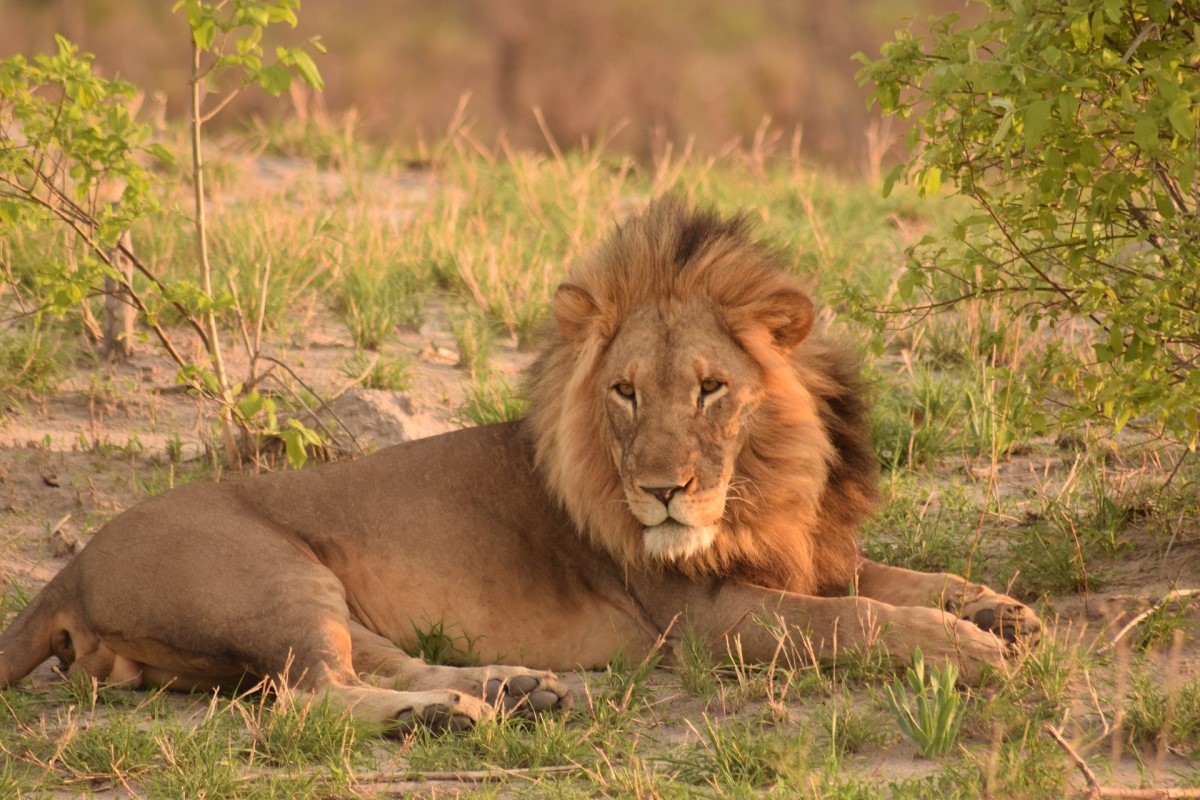
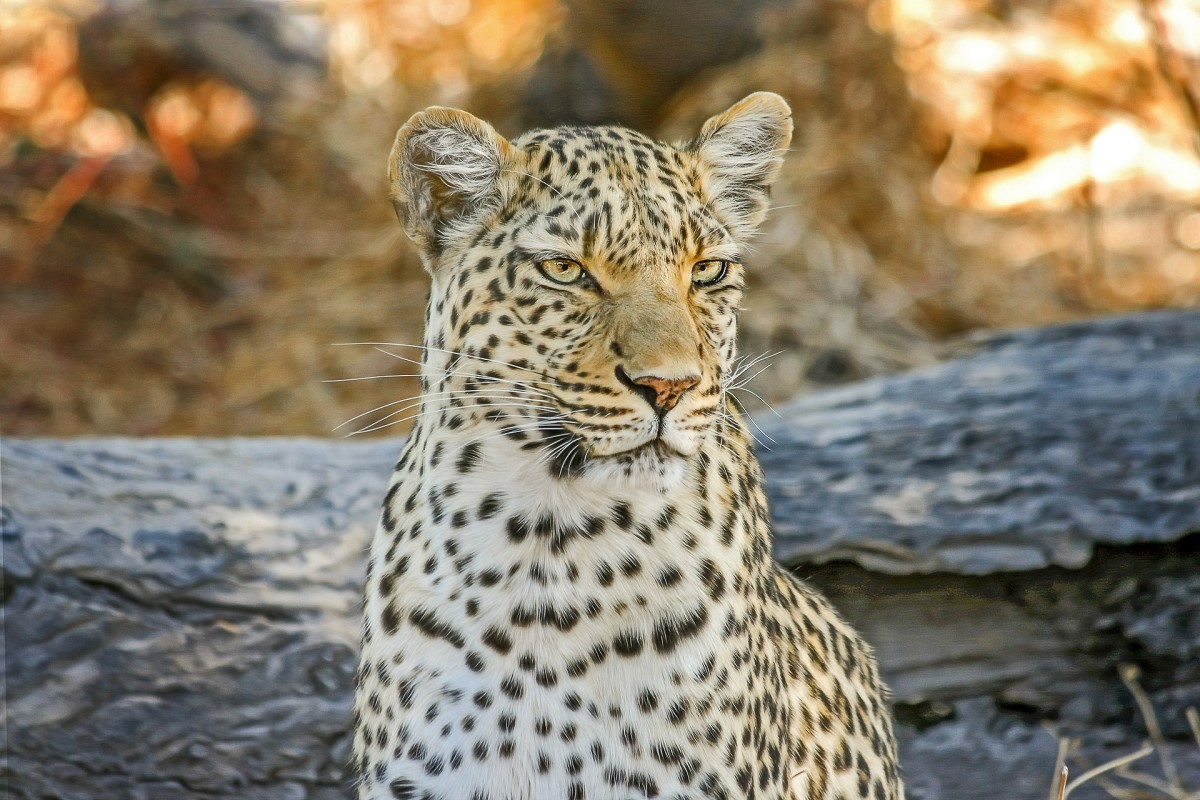
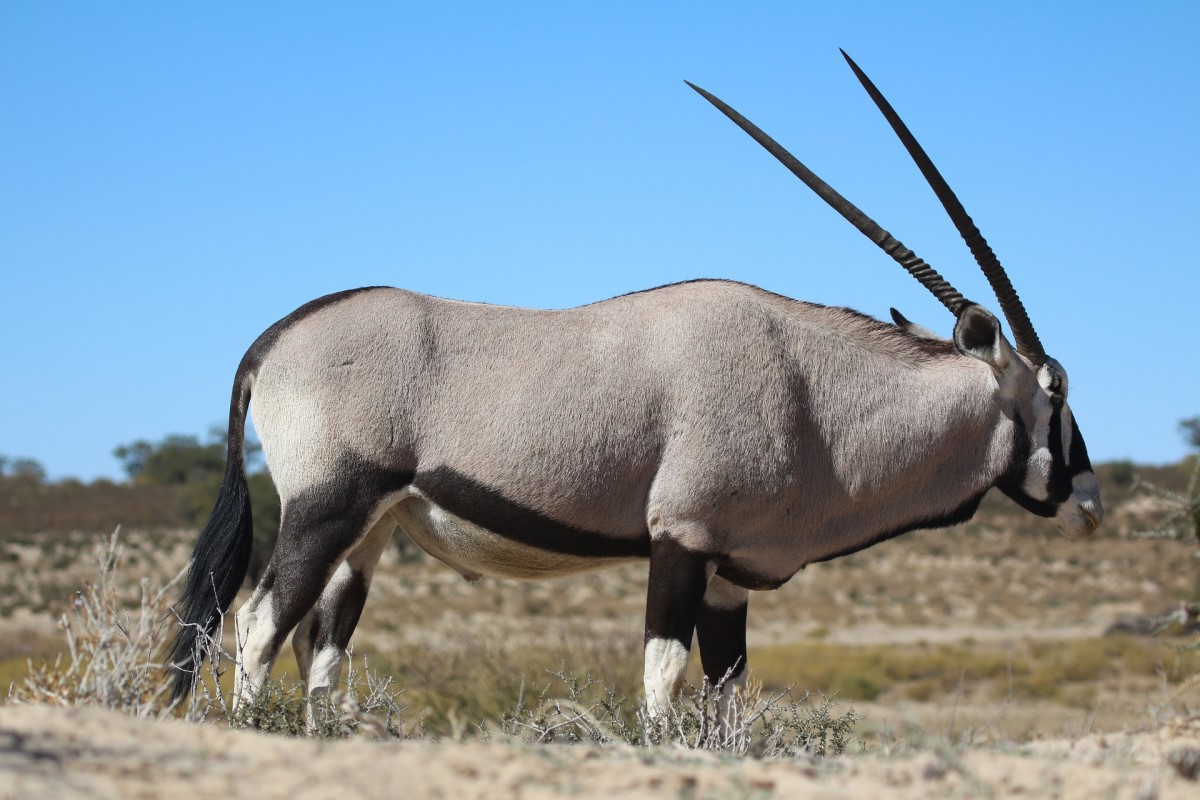
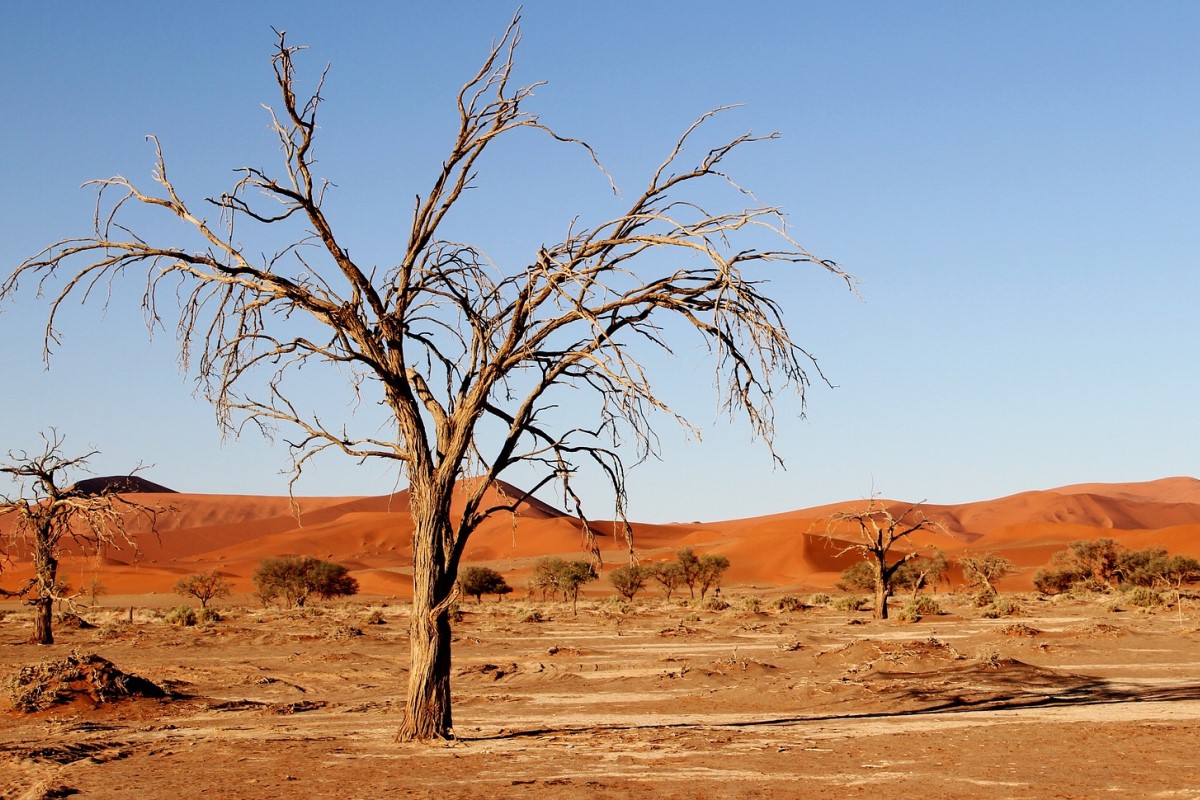
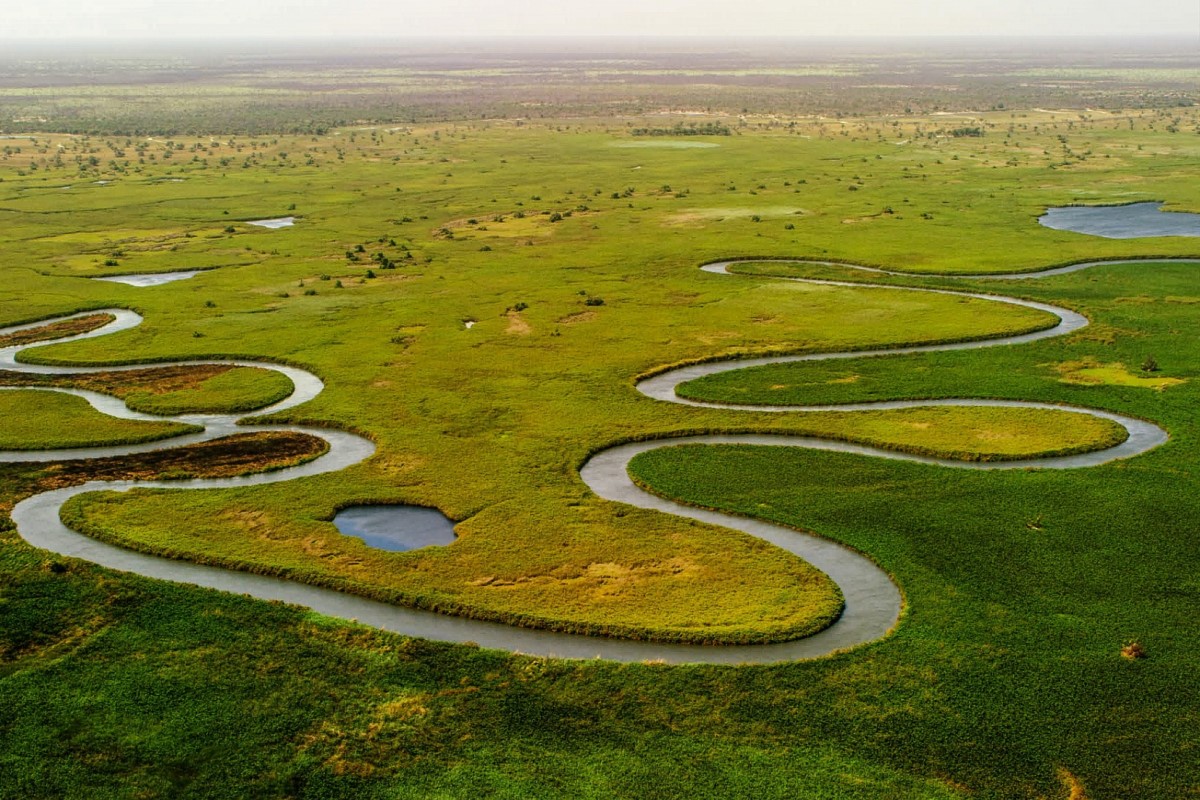
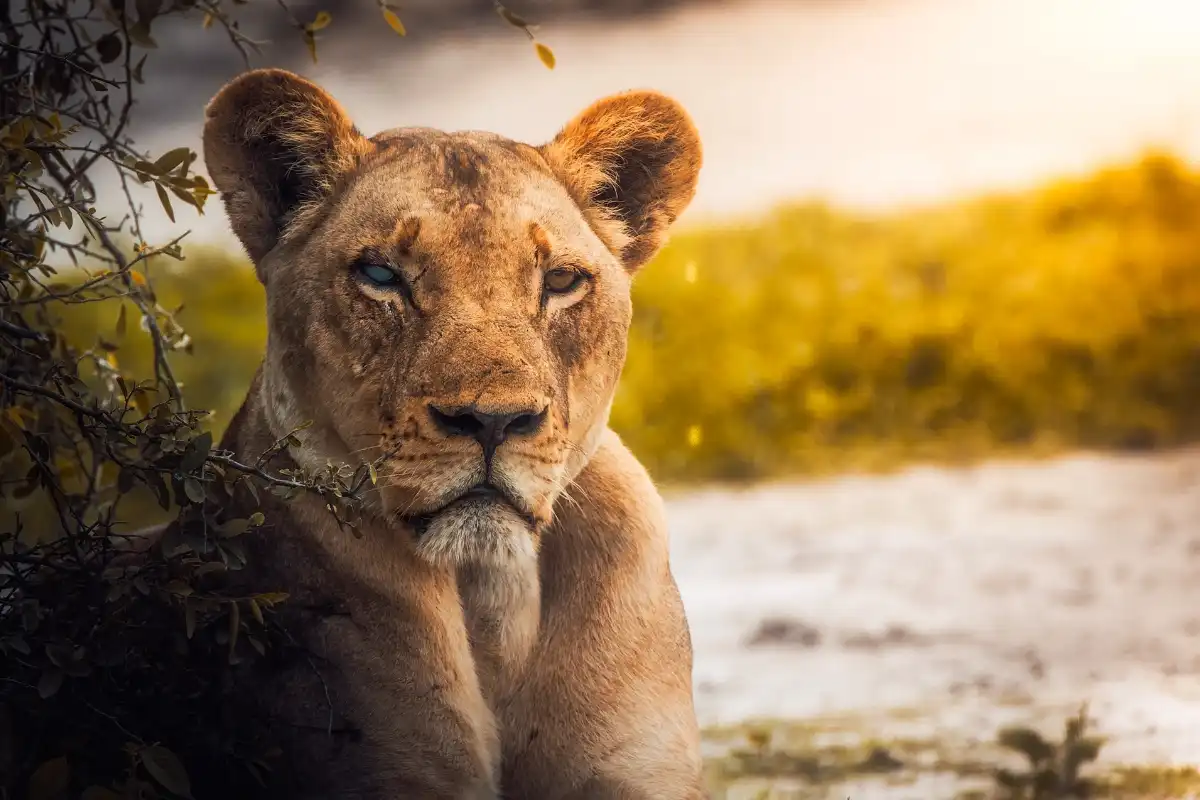
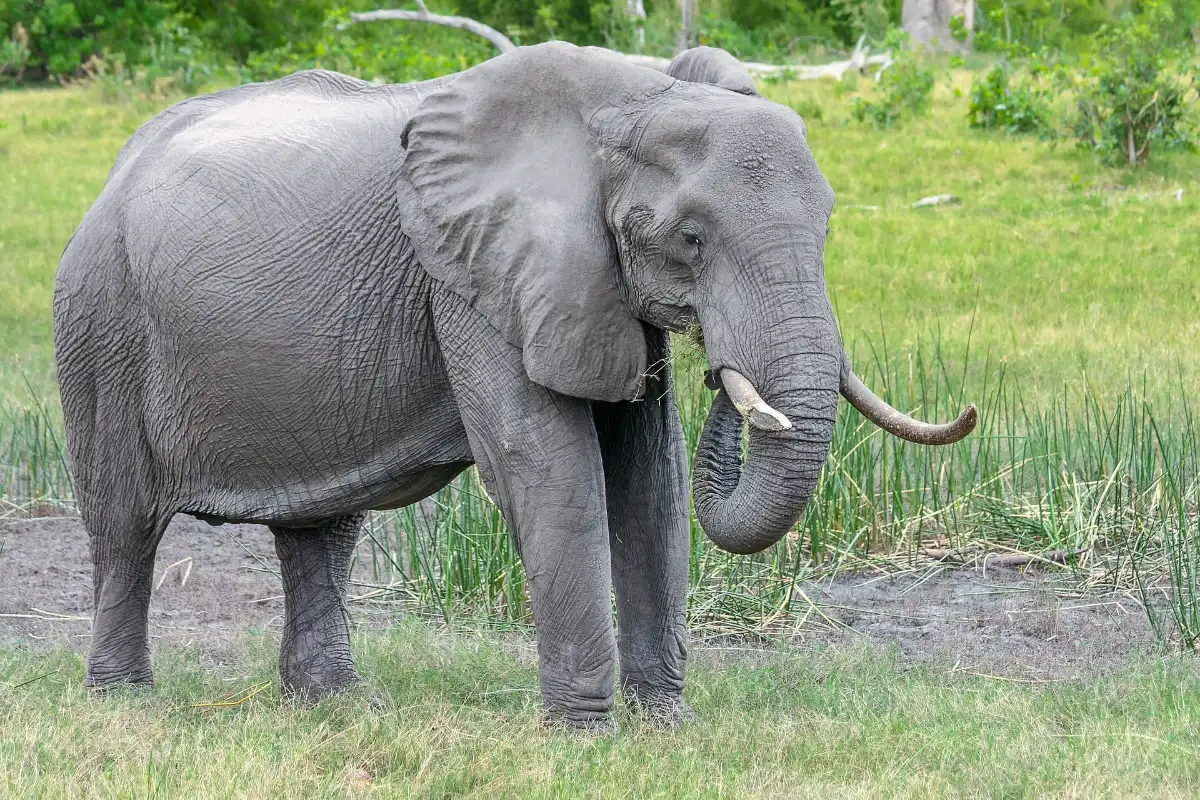
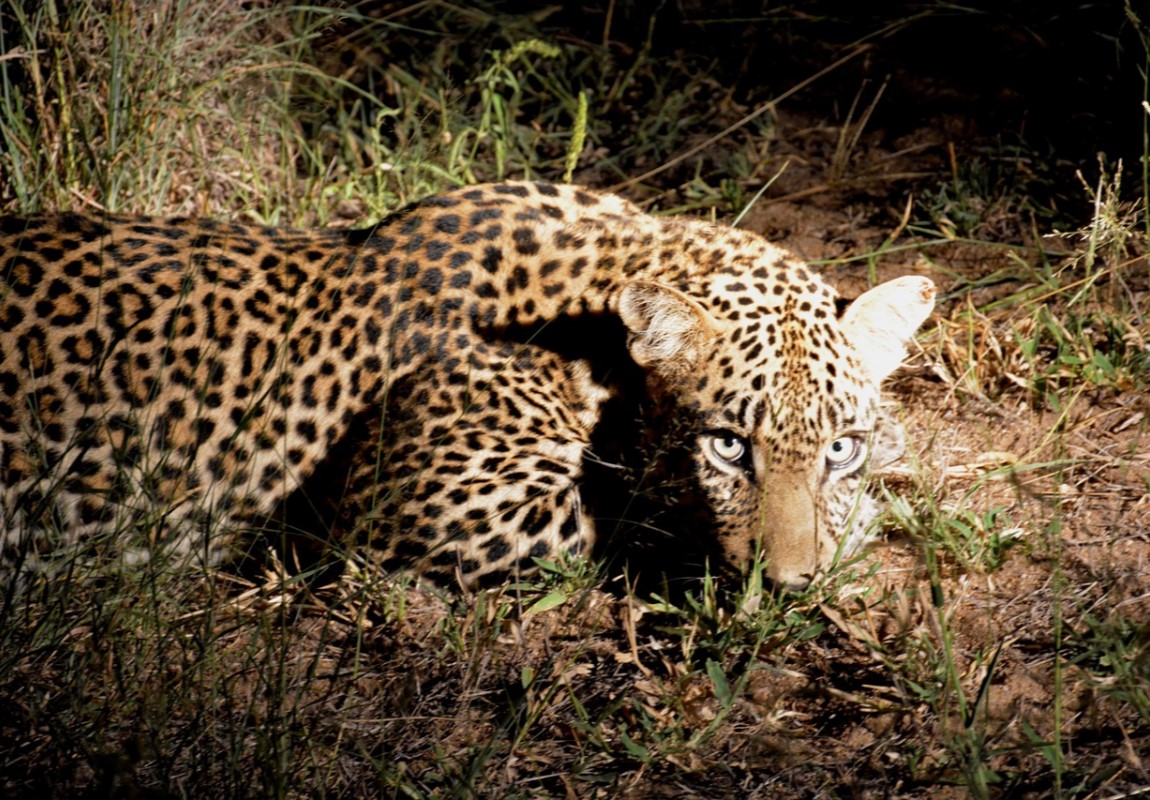
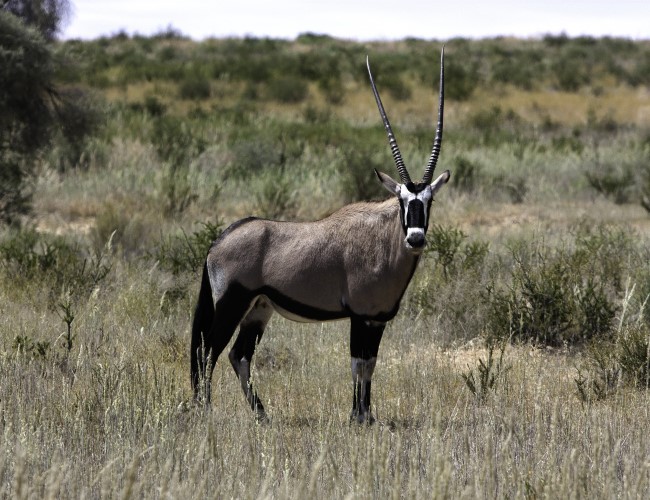
Botswana is among the most inadequately populated nations on the planet. It is maybe nothing unexpected then that Botswana safari visits are both popular and fruitful for those looking for some of Southern Africa's immaculate wild. The predominantly flat scene is overwhelmed by the Kalahari Desert, however, it is likewise home to the staggering Okavango Delta, one of the biggest inland deltas on the planet. Close by the Limpopo River Basin, it furnishes Botswana with a genuinely kind and various natural habitat.Chobe National Park has one of the largest game concentrations in Africa, offering the best opportunity of viewing the breathtaking Kalahari elephant which wanders unreservedly. Central Kalahari Game Reserve is the second largest reserve on the planet, Safari trips here are probably going to take in the fossilized salt pans and streams, one of which goes through Deception Valley. Here the big cats rule and you will find lions, cheetahs and leopards following eland, gemsbok, kudu and hartebeest to give some examples. As part of the Great Salt Pans, the Makgadikgadi Pans in the core of Botswana give a distinct, and in some cases dreamlike, safari for the people who long for the experience of a genuinely pristine Africa.

Rates (USD)
$400 pp/day
Currency
Pula (‎BWP‎)‎
Capital
Gaborone
Languages
Setswana, English
High Season
Mar-May & Jun-Sep
Best Time to Go
July to October

Pros & Cons

  • Low-density tourism and eco-friendly lodges
  • Excellent wildlife viewing in northern parks
  • Beautiful and diverse scenery of dry desert, saltpans, savannah grasslands and delta waterways
  • Low population and vast, undeveloped areas
  • Political stability and safety
  • Expensive upmarket safaris with few budget options
  • Availability can be limited during high season

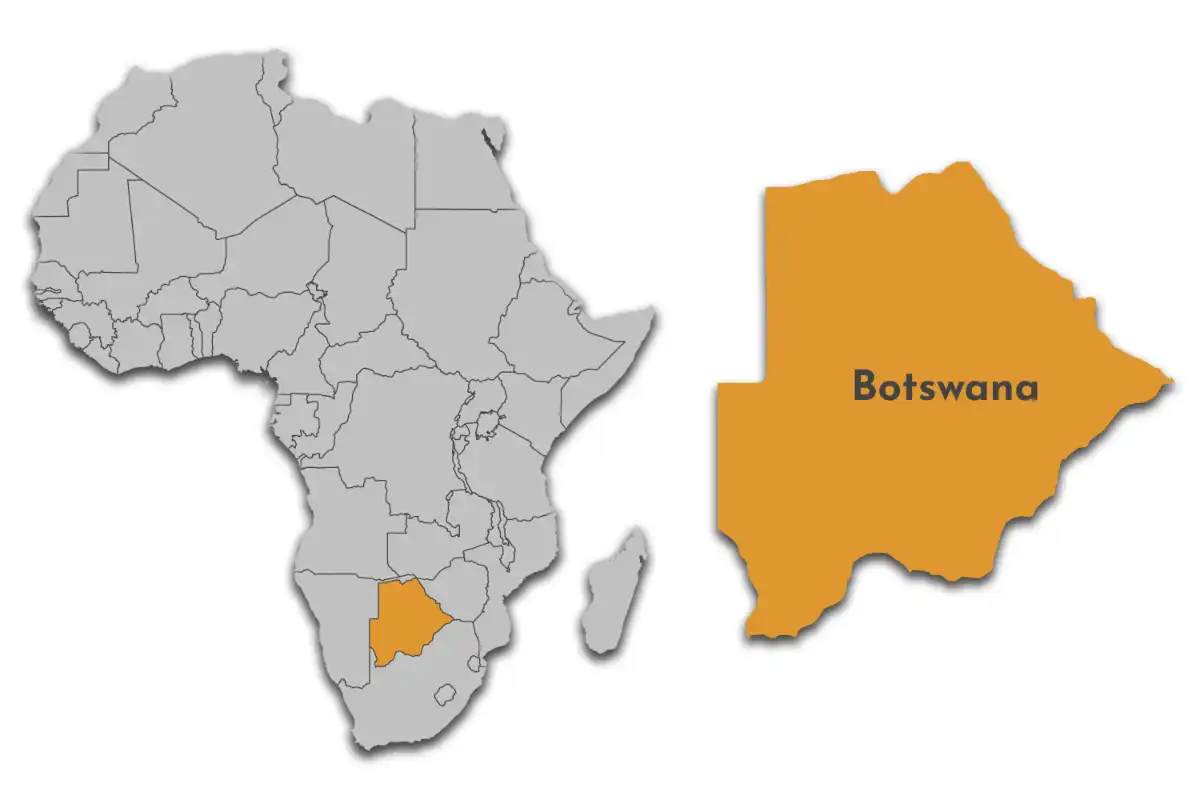
Map in Africa

Botswana Map in Africa

Safari Reviews

User Reviews
0.0/5
(0 Reviews)

Share Your Experience

Help other travelers by writing a review

Best Time to Visit – Botswana

The dry season, which is likewise the rush hour for safari travel, is from May to October. There is a lot of water in the Okavango Delta and many camps focus on boating activities during June and July. The dry season from April to October is useful for game drives when the shrubbery becomes drier and begins to disperse. 
The wettest months are January and February, with nonstop downpours. This is a transition period from summer to winter, with decreasing rainfall, making it an exceptional time to visit Botswana's national parks and recognise the vast number of animals and birds.

High Season
July to October
Low Season
December to April
Best Weather
April and May
Worst Weather
October and November

May to October (Dry Season)

  • Wildlife can be easily spotted around river crossing and waterholes
  • Clear blue skies and most of the days are sunny
  • Best time for Hiking & Camping
  • There are very less mosquitoes because of little rain
  • From June to August, Early Morning and evening drives can be difficult due to Cold weather

November to April (Wet Season)

  • The best time for bird watching and migratory birds are present
  • The scenery is beautiful and green
  • As It's less crowded, rates are likely to be lower
  • Even in this season plenty of wildlife can be spotted
  • Many days with continuous rainfall in January and February
  • Some lodges and camps close down during part of the Wet season
  • It gets very hot in October and November

Best Time to Go to Botswana by Major Park

Okavango Delta, Moremi and Chobe are the most famous parks in Botswana and can be visited throughout the year. However, the variety of wild animals that you can spot relies upon the timing of your visit. They are at their best during the Dry season when wildlife is simpler to spot, and the Okavango is flooded. The other, drier parks are ideal to visit during, or soon after, the Wet season when new grasses attract wildlife.

Wildlife & Animals

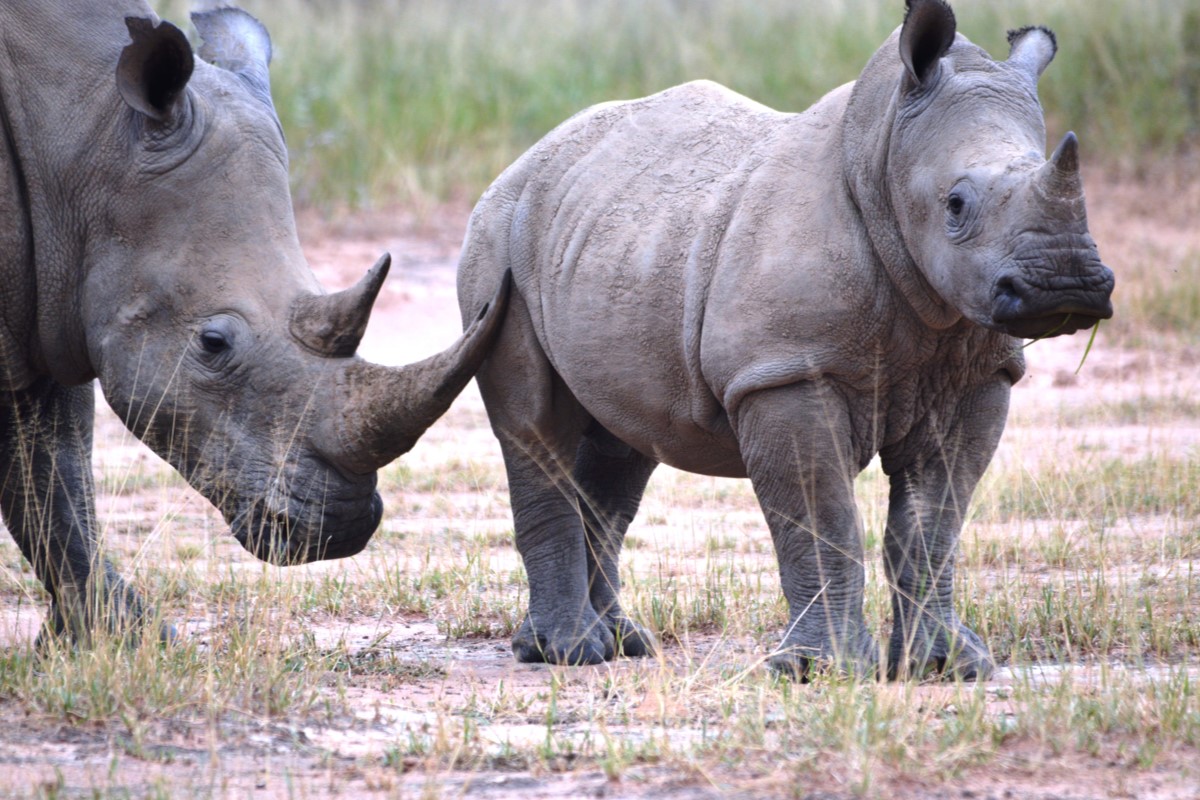
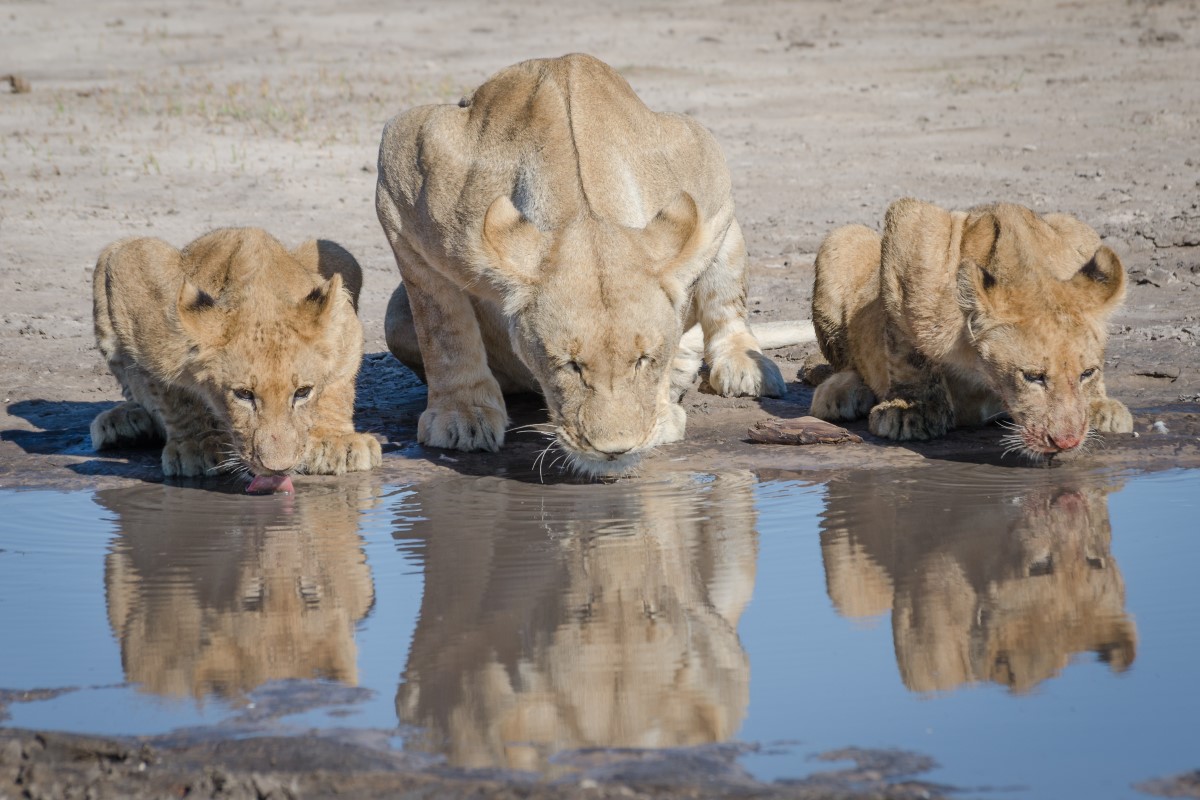
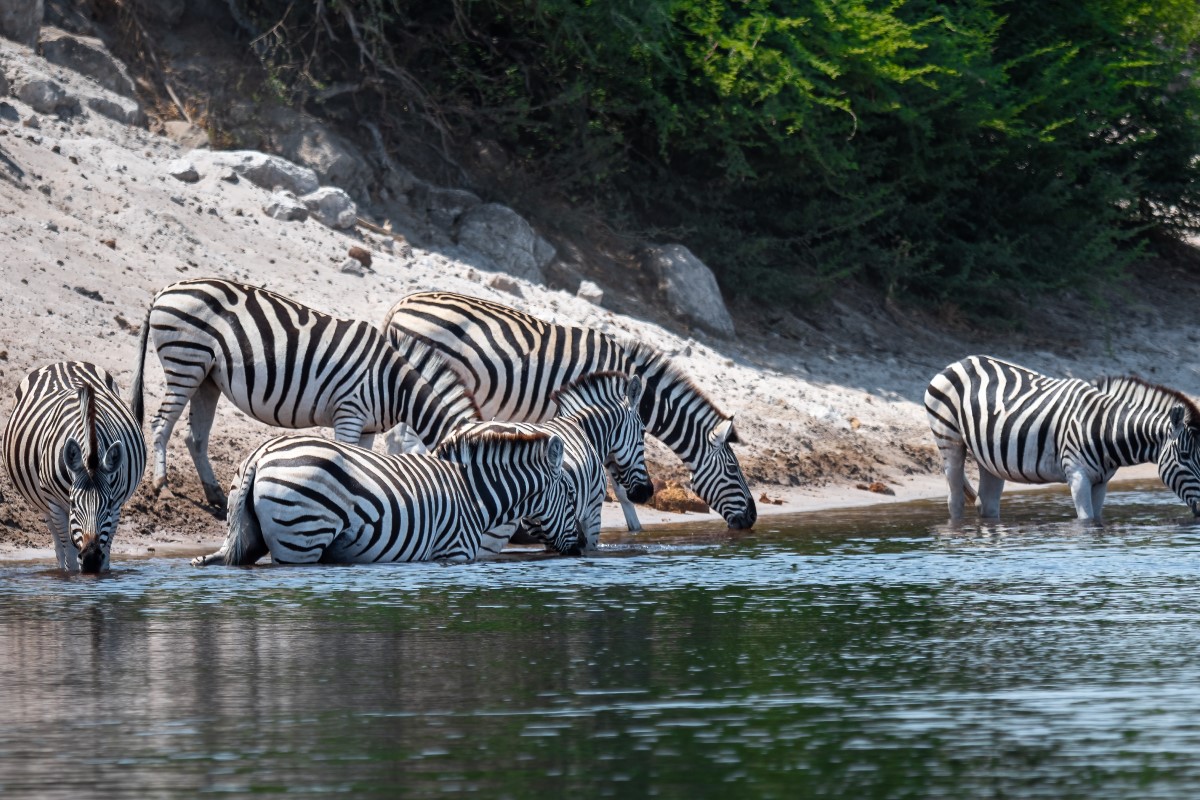
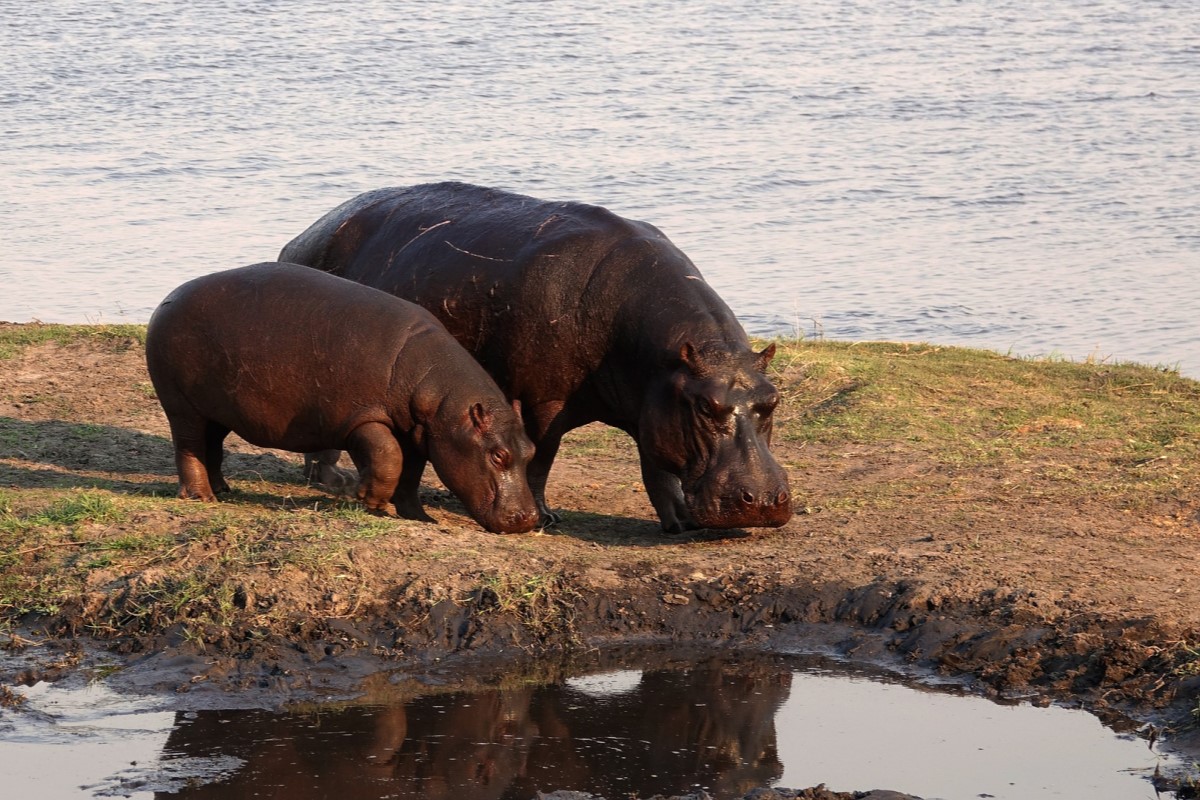
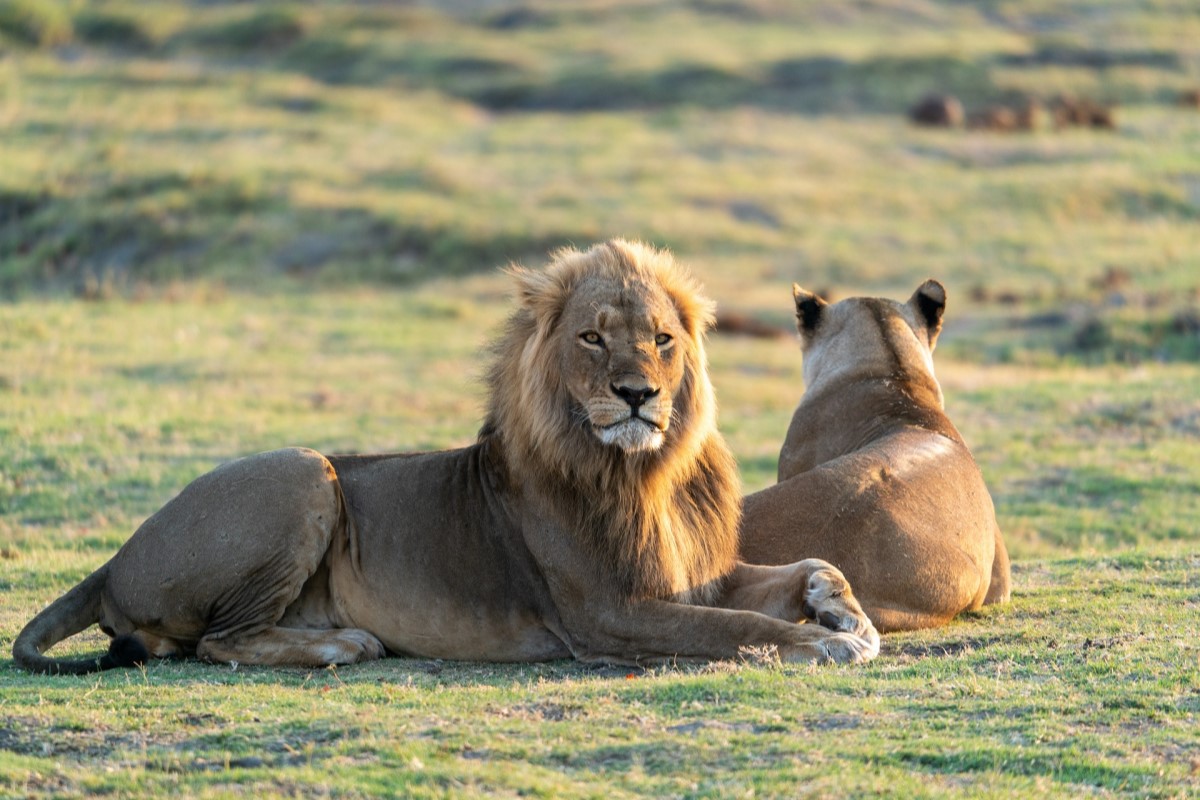
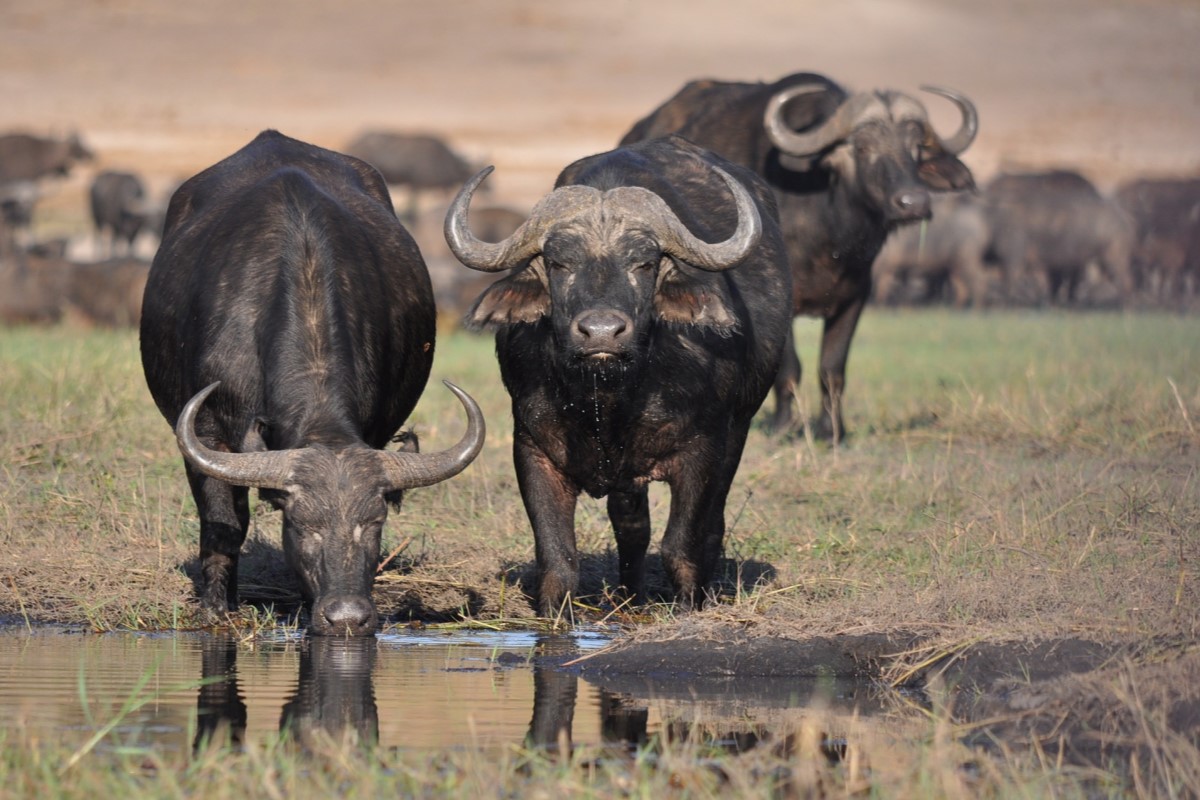
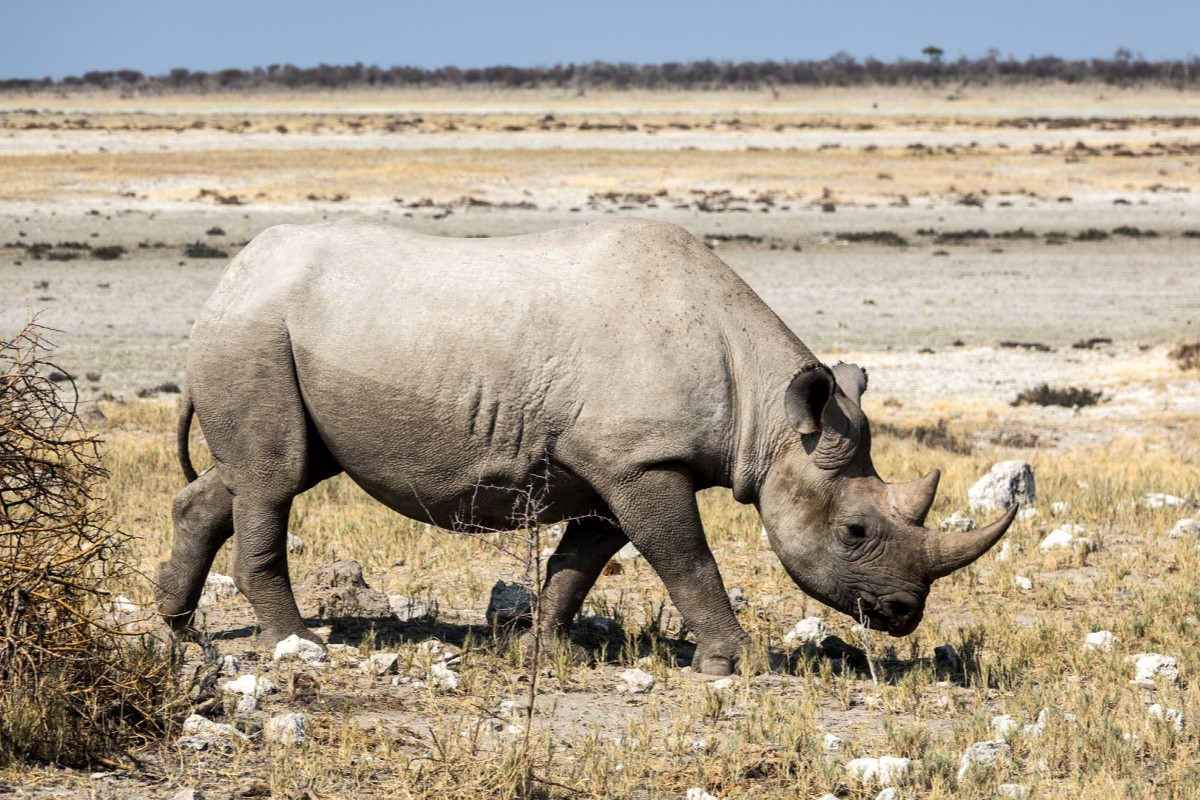
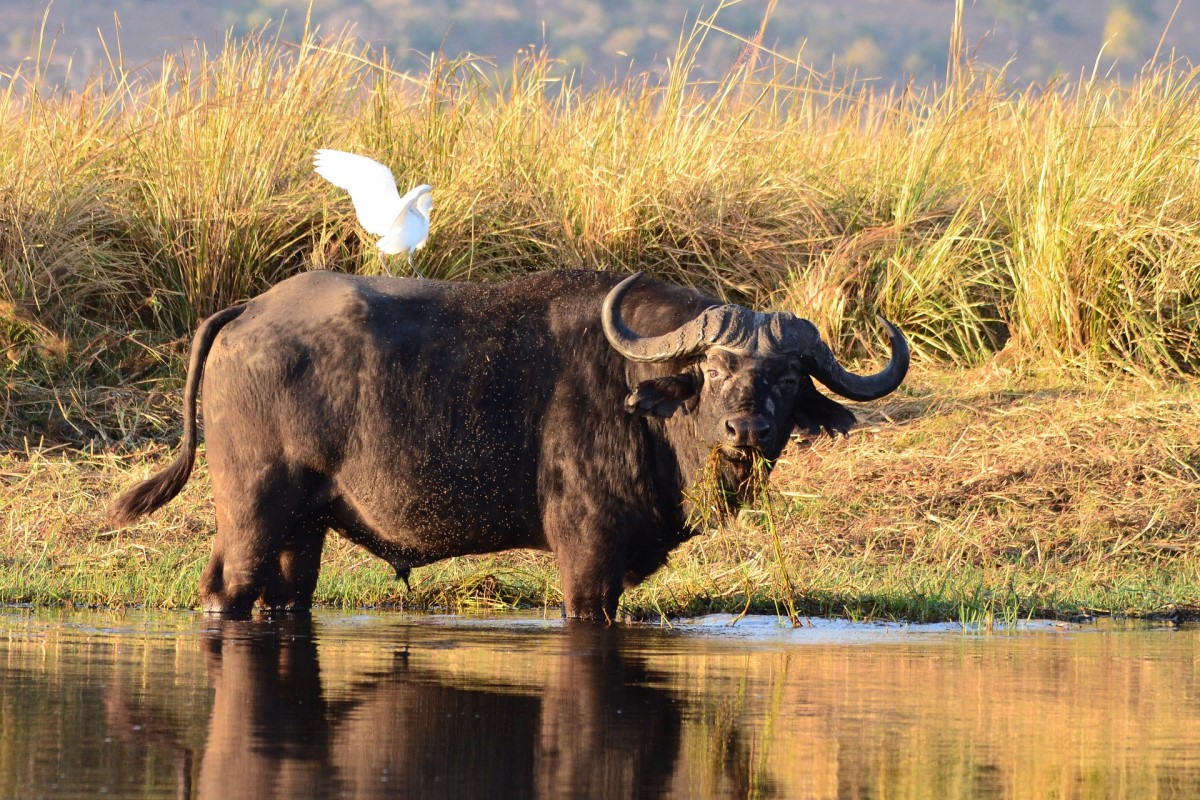
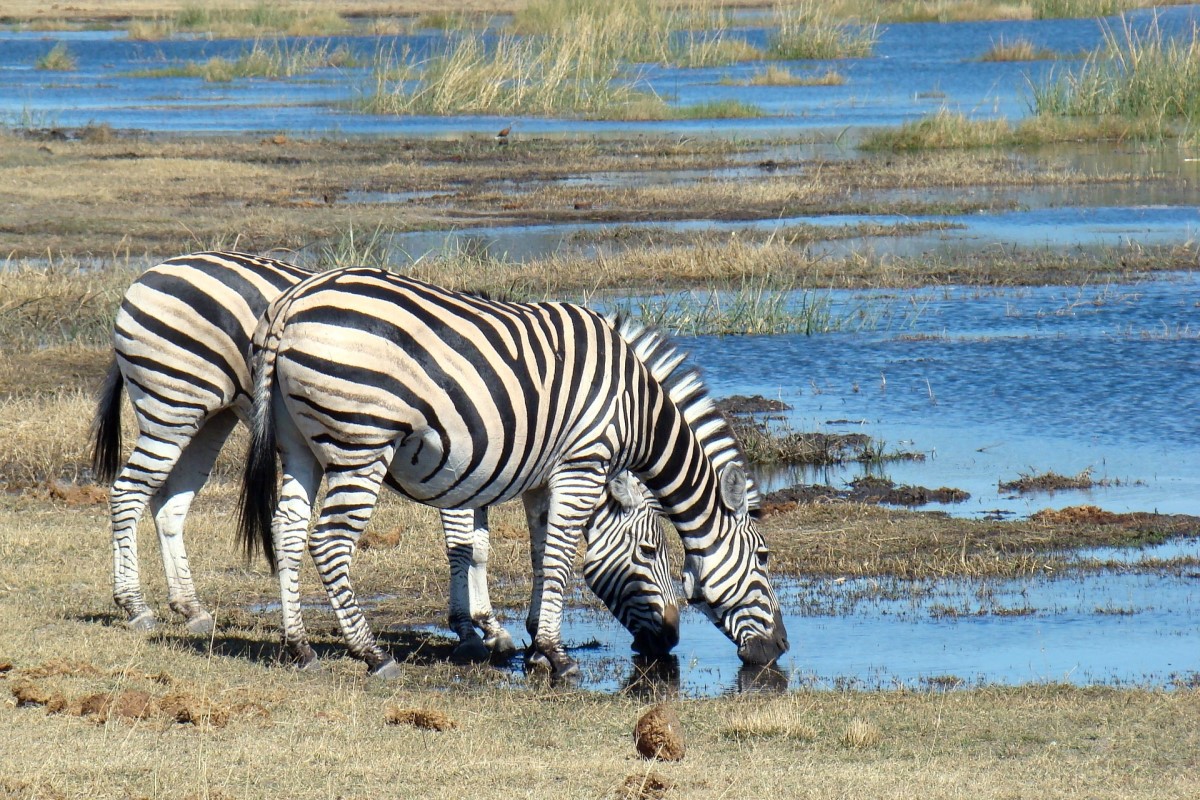
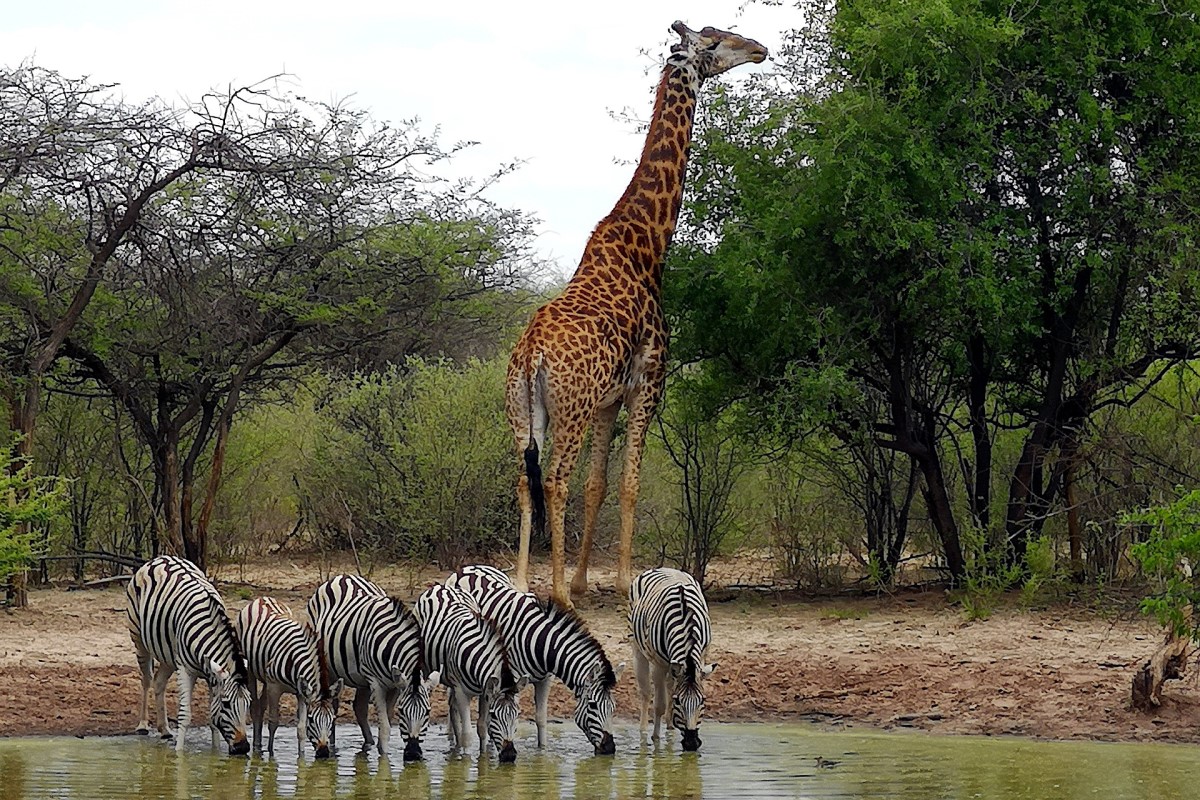
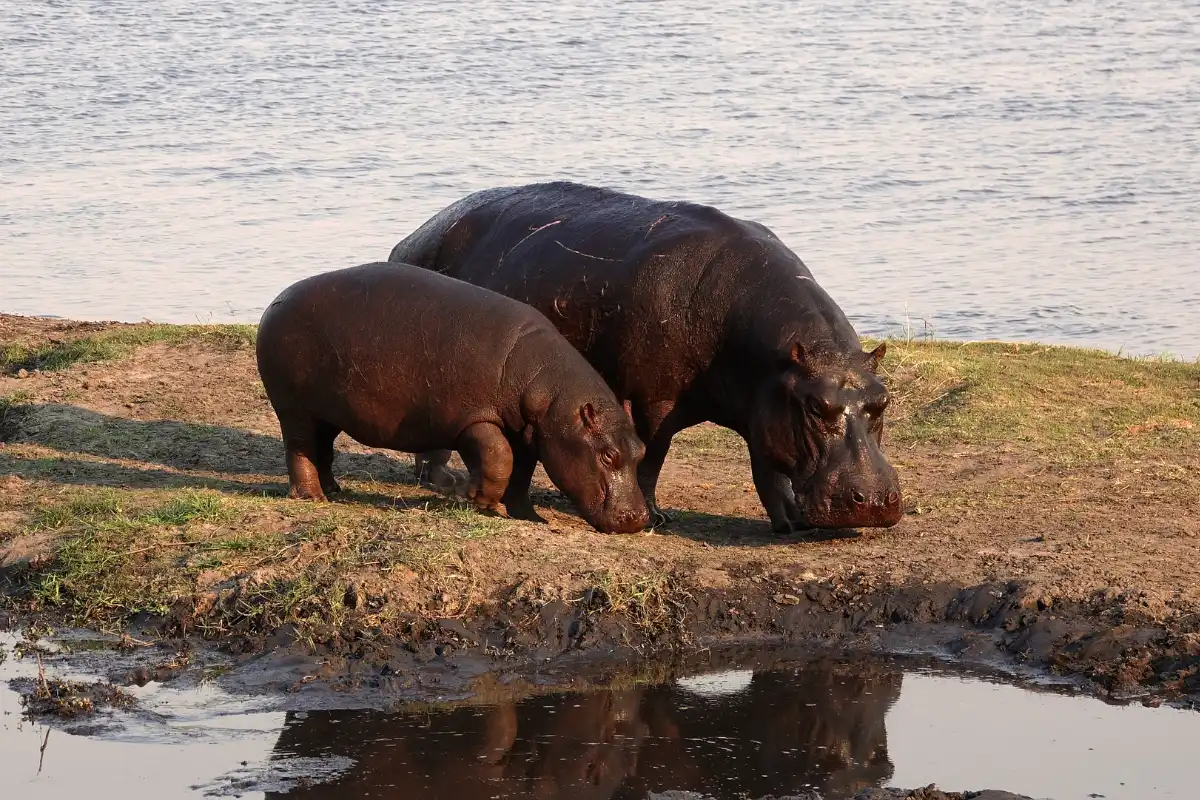
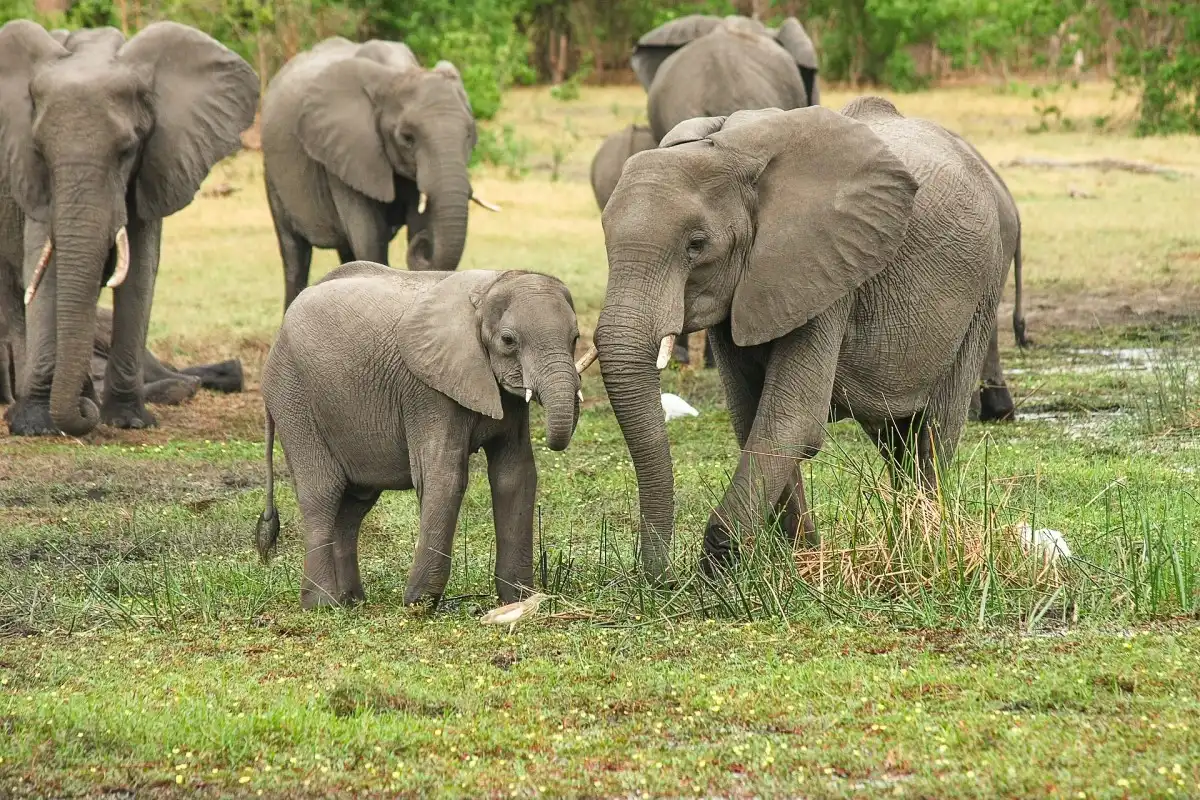
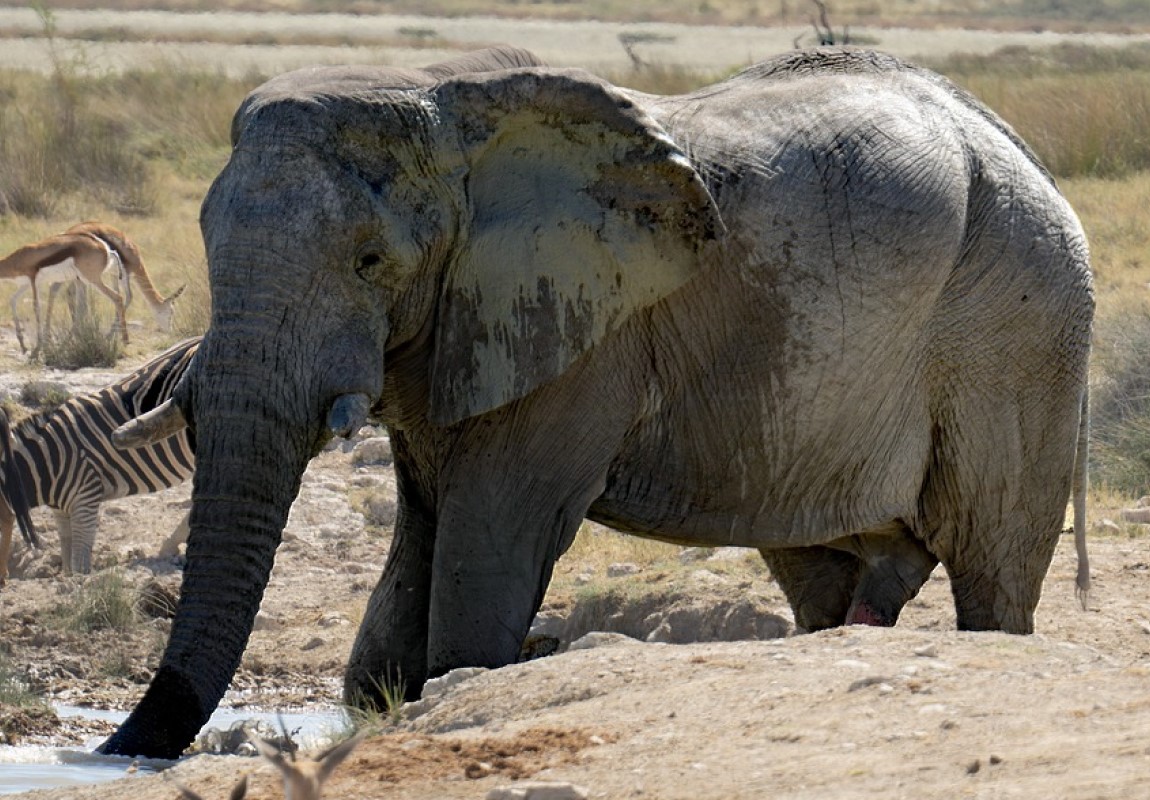
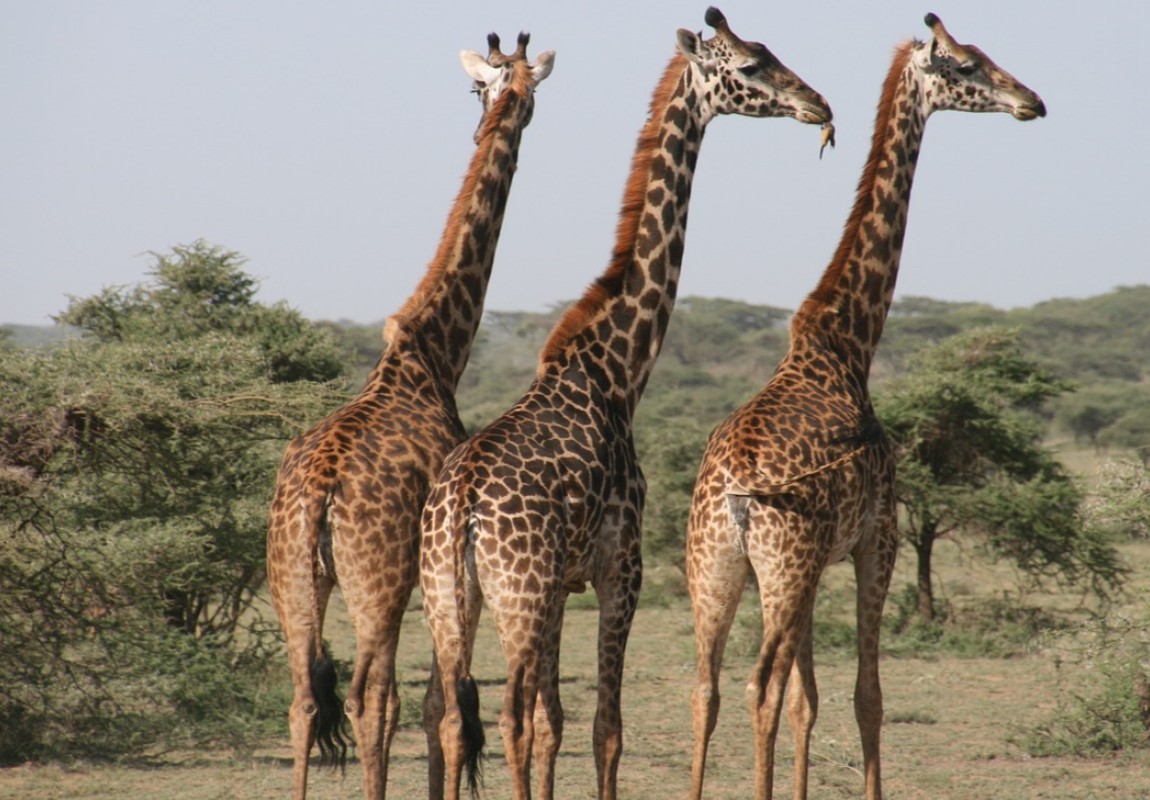
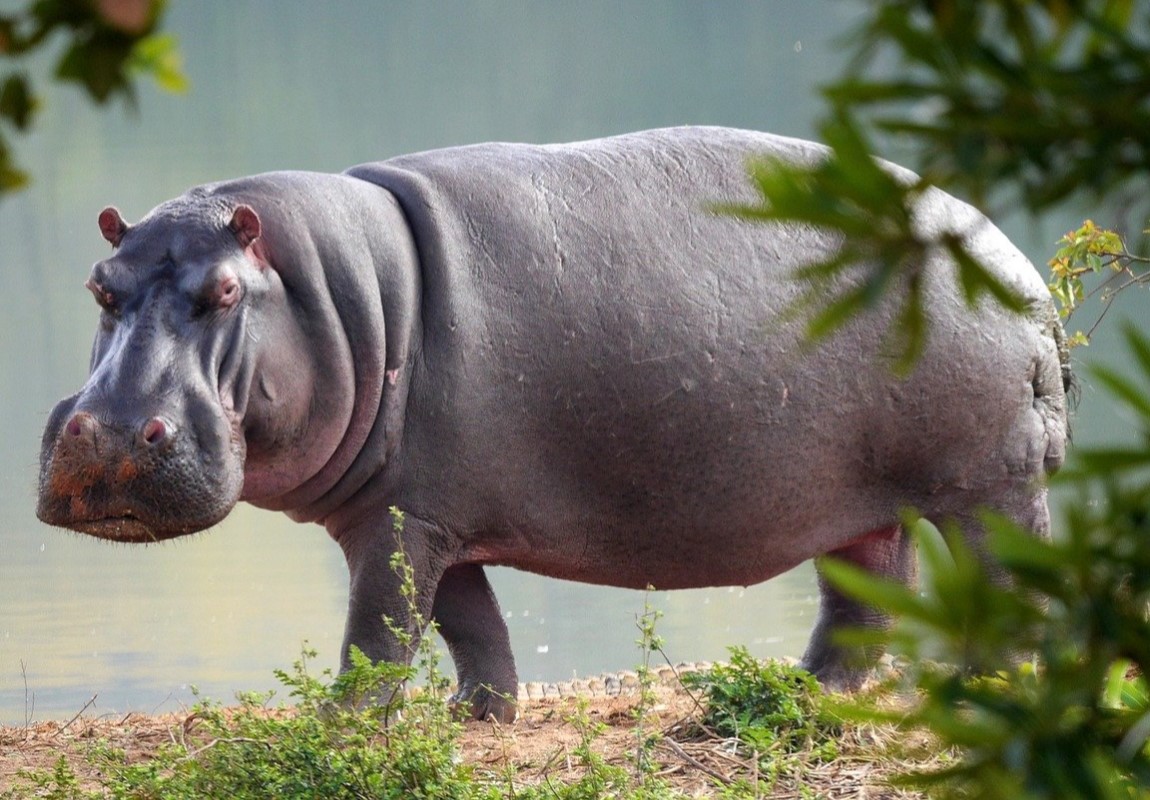
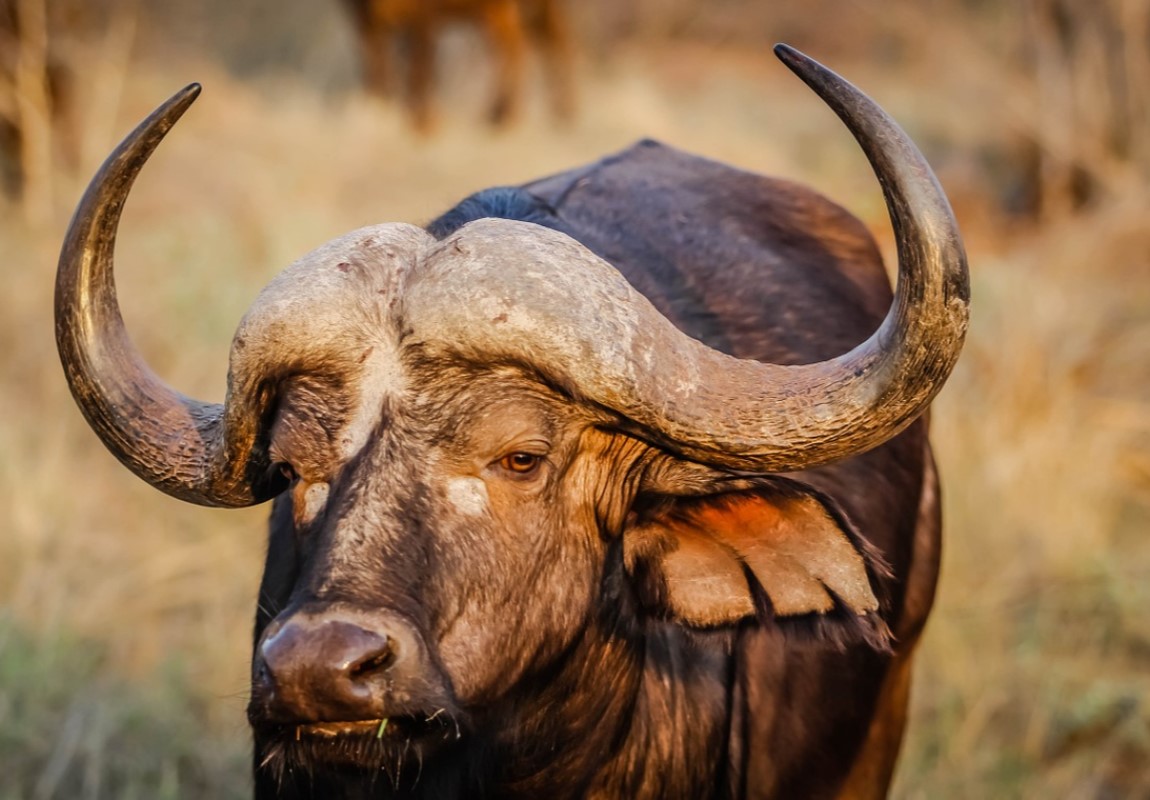
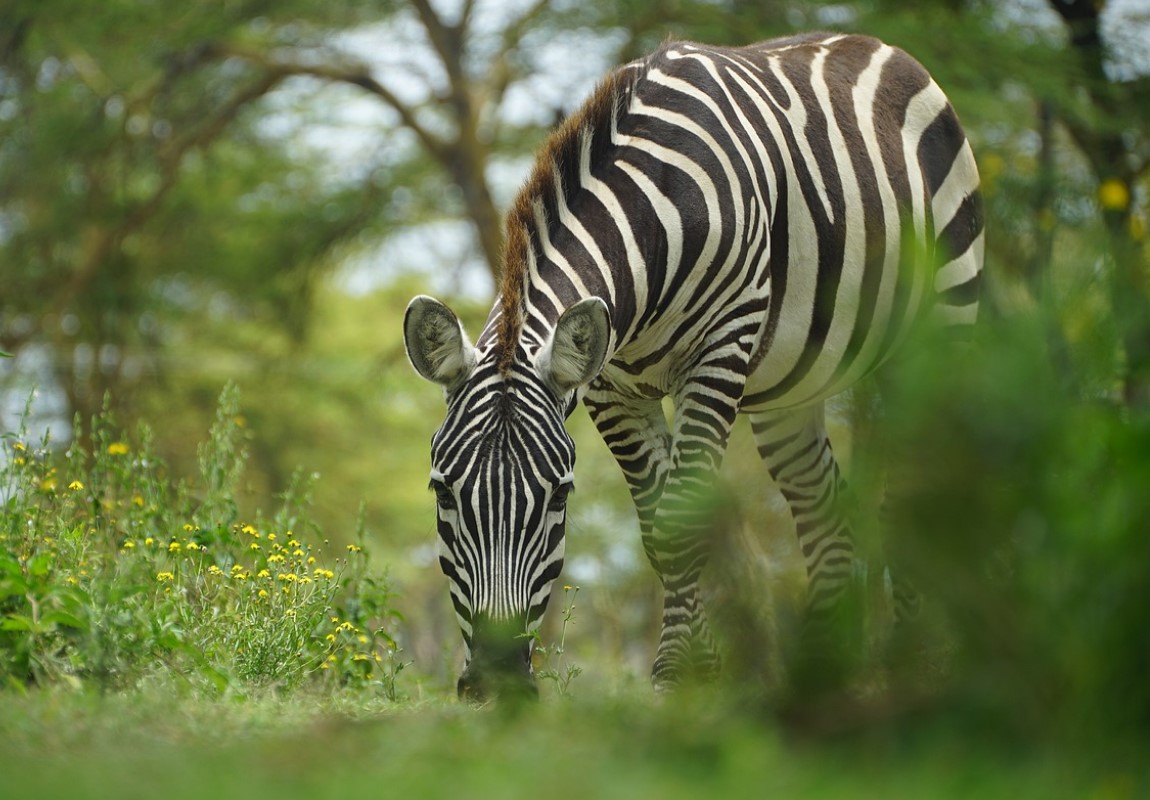
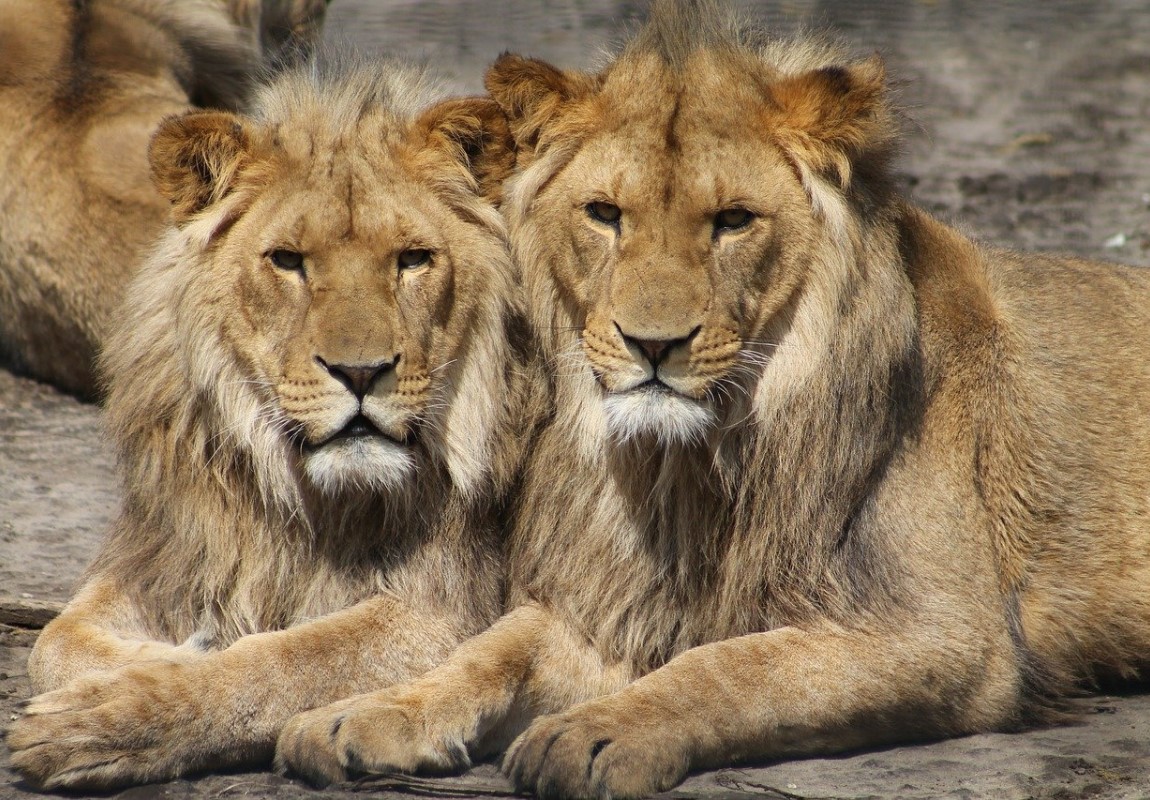
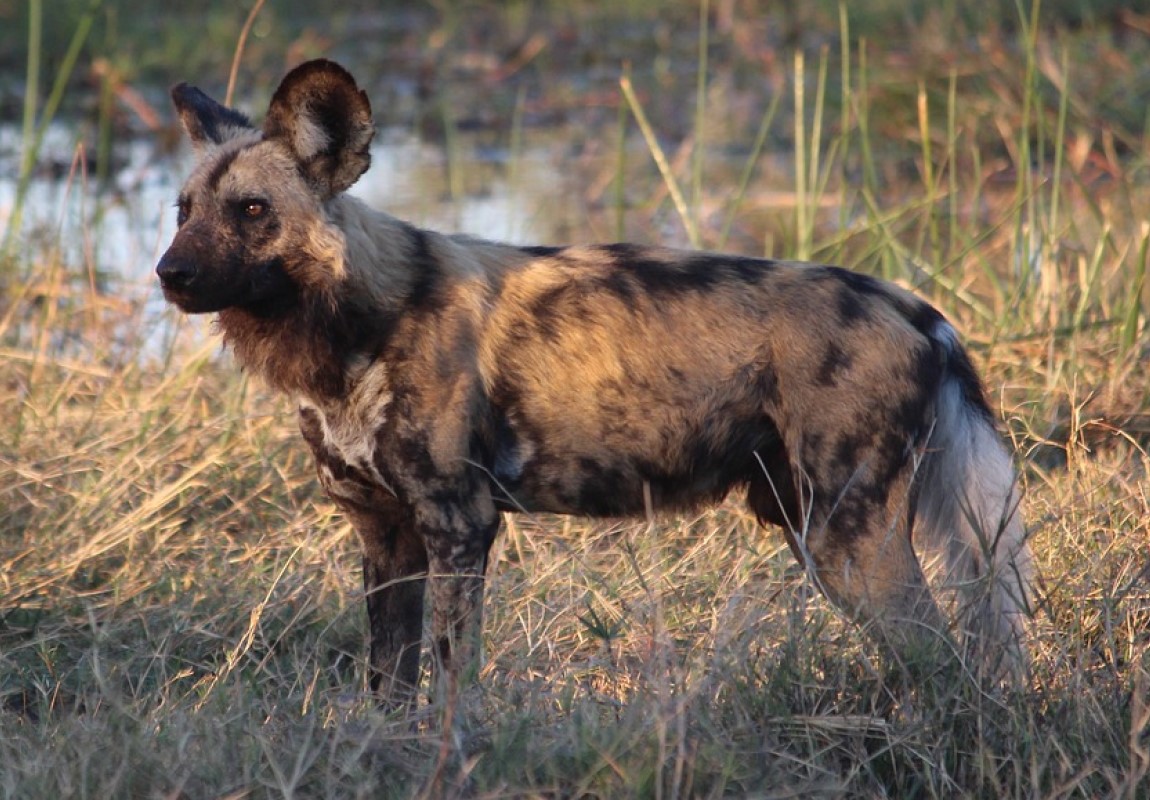
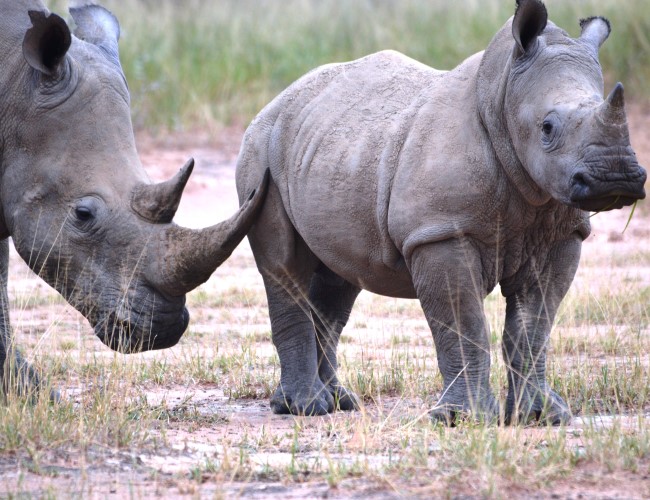
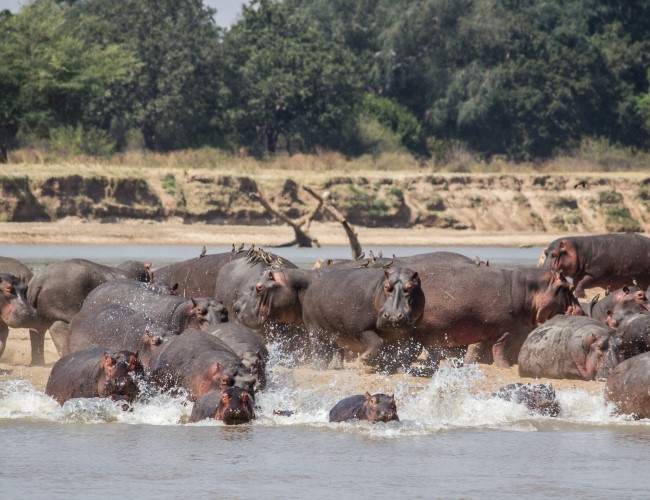
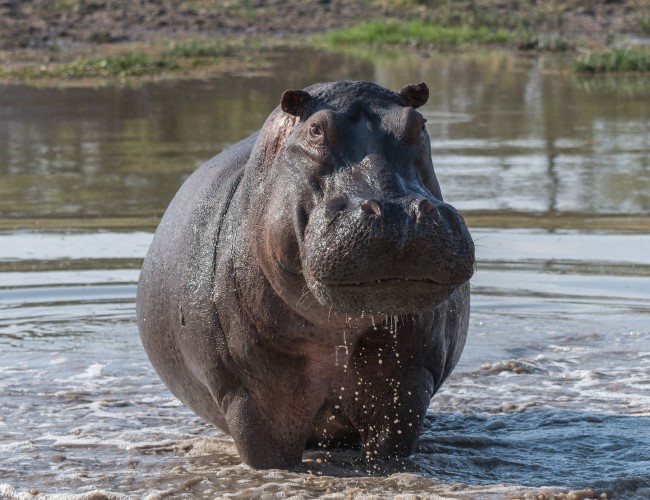
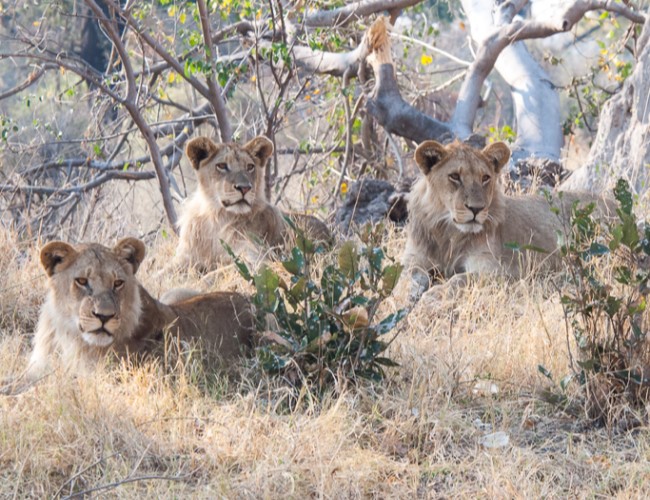
Botswana has a plenitude of big African animals like elephants, giraffes, hippos, buffalo and zebra. Big cats aren't as common, however, there are still a lot of lions to spot. Rhino is likewise making a rebound here. In case you're excited about seeing more rare creatures, you can find endangered antelopes and African wild dogs in a portion of the country's northern parks. The northern parks have extremely durable water sources and host more prominent convergences of wildlife than the dry parks in the south.

Wildlife Highlights

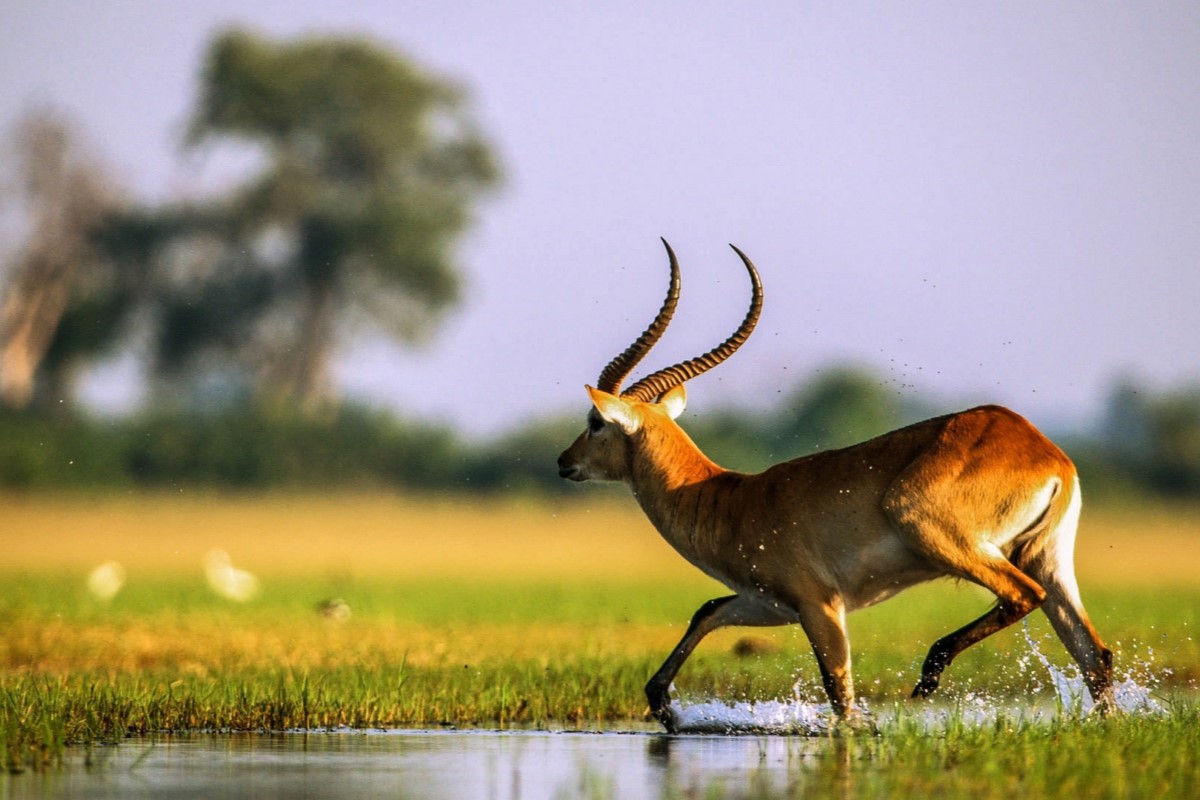
The Okavango Delta and Moremi contain perhaps the biggest populace of the exceptionally endangered African wild dog. Wild dog packs meander over larger regions and spotting them is 'hit-or-miss' aside from when they are denning. Sitatunga, red lechwe and puku can be found in the Okavango Delta, Moremi and Chobe's riverfront region. These rare gazelles have adjusted to a semi-aquatic living space and invest a ton of energy in shallow water.

Best Time for Wildlife Viewing

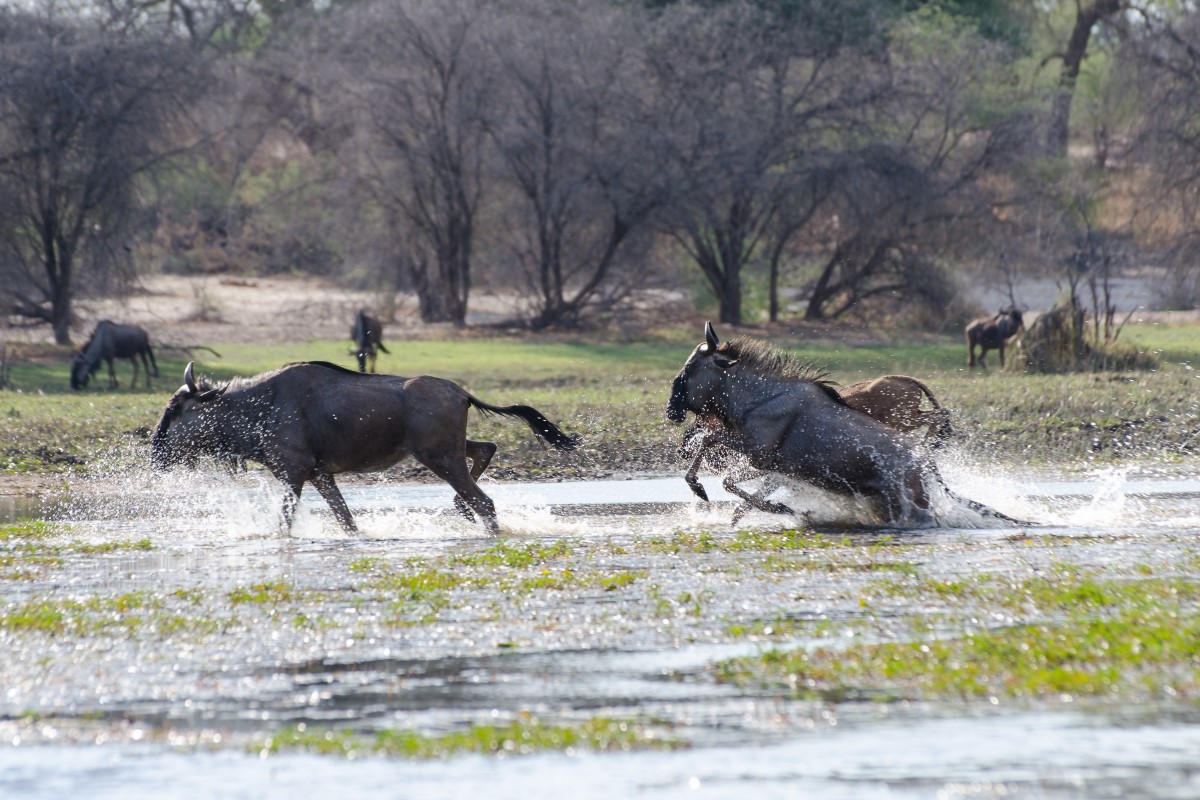
The best time for wildlife viewing is during the dry season from May to October. Vegetation is more slender, and animals concentrate around water making them simpler to spot. The Okavango Delta floods from June to October, giving the chance to watch wildlife in this one-of-a-kind biological system. The drier parks in the Kalahari region offer better wildlife viewing during the Wet season from November to April when new grasses draw in wildlife from the north.

Birds

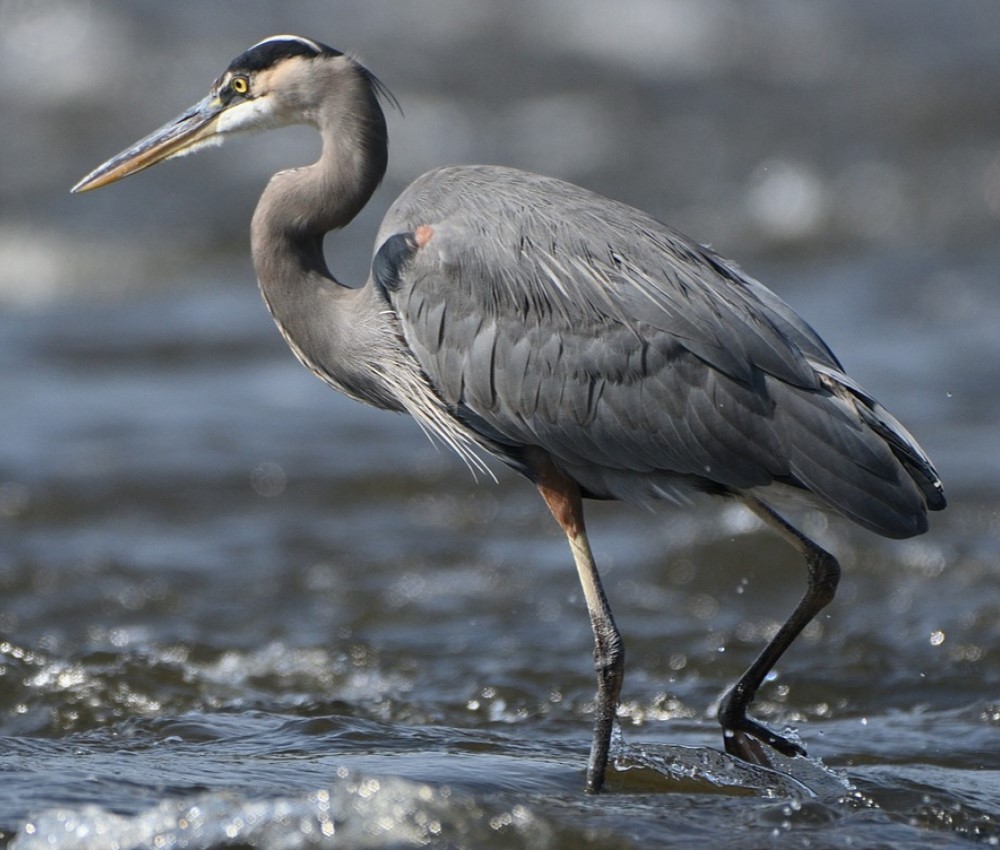
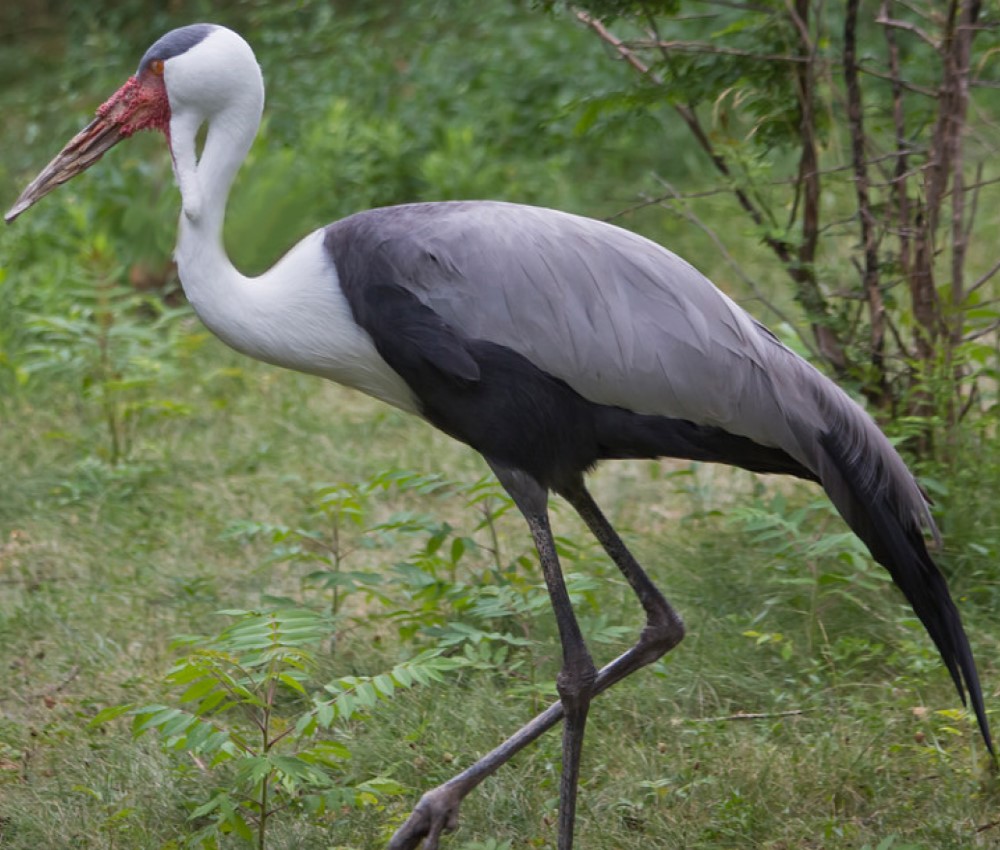
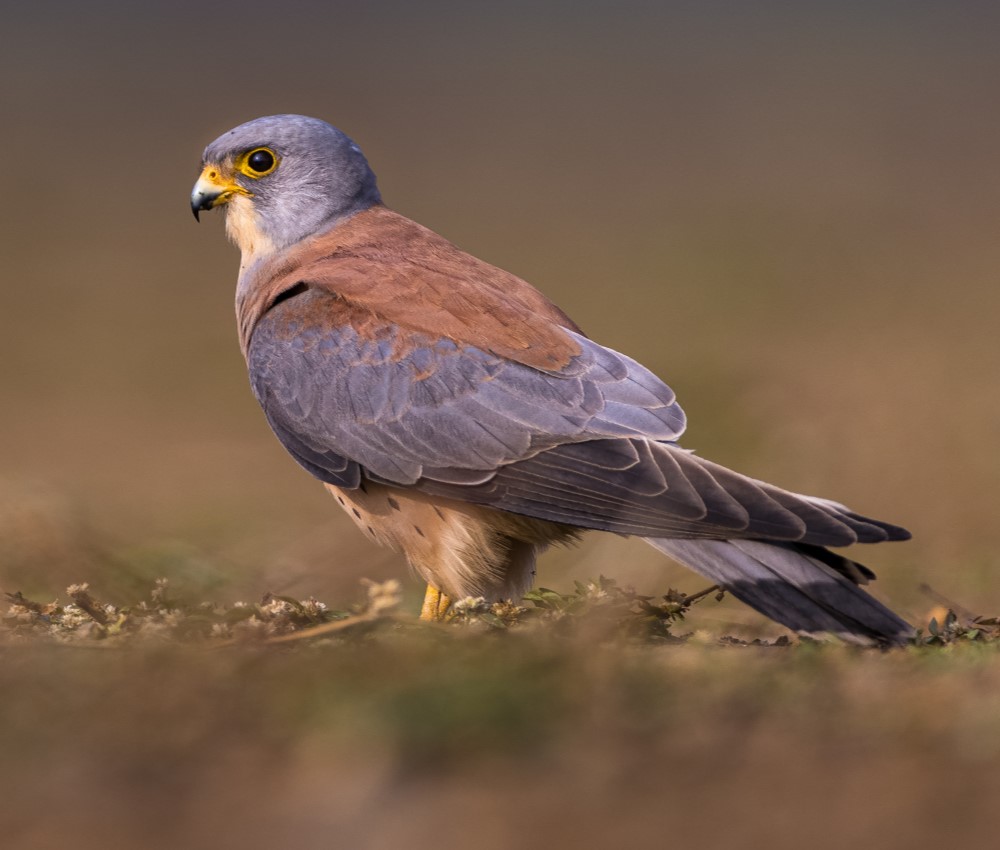
Botswana is the best place for birding lovers with over 600 recorded species. The Okavango Delta is maybe the ultimate location for birding in Botswana. Best visited after the rains, around October, Bird lovers might look for the slaty egret, wattled crane and lesser jacana. Somewhere else, Chobe National Park and the huge breadths of to a great extent undisturbed wild are likewise appropriately praiseworthy for sharp birders. Herons and larks are two well-represented bird families found in Botswana. In spite of the fact that it has no endemic bird species, birders in Botswana will frequently search out a few specialities of note, including gatherings of southern pied-babblers and Hartlaub's babblers; swamp boubou; brown fire finch; and musical larks.

Best Time for Wildlife Viewing

Botswana is a delightful place for Bird lovers which can be done throughout the year. However, the Best time for Birding is in the Wet season from November to April when migratory birds from Europe and northern Africa are available. During this time, most of the resident bird species are nesting and breeding plumage. Except for January and February, rains are mostly short in the afternoon and can create challenges in your trip. 

Activities

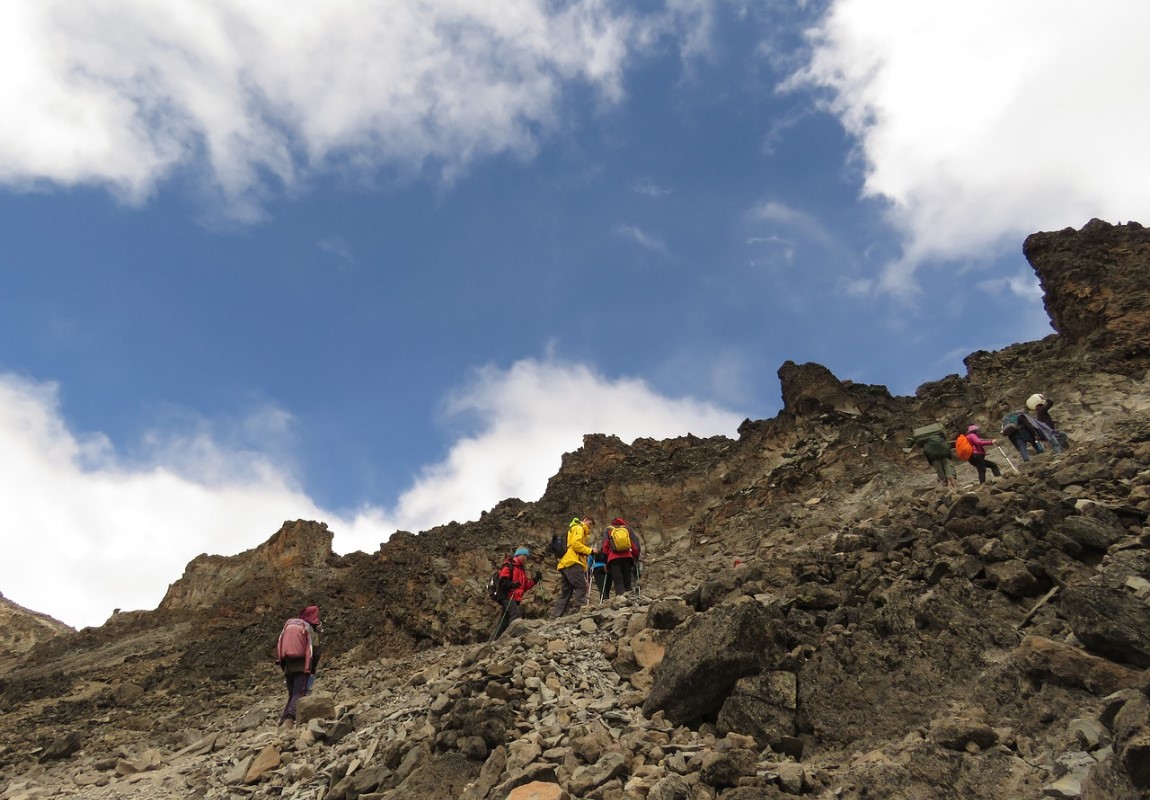
From game drives and walking safaris to cultural encounters and adventure excursions, Botswana offers a wide variety of activities for every type of traveler.

Cuisines

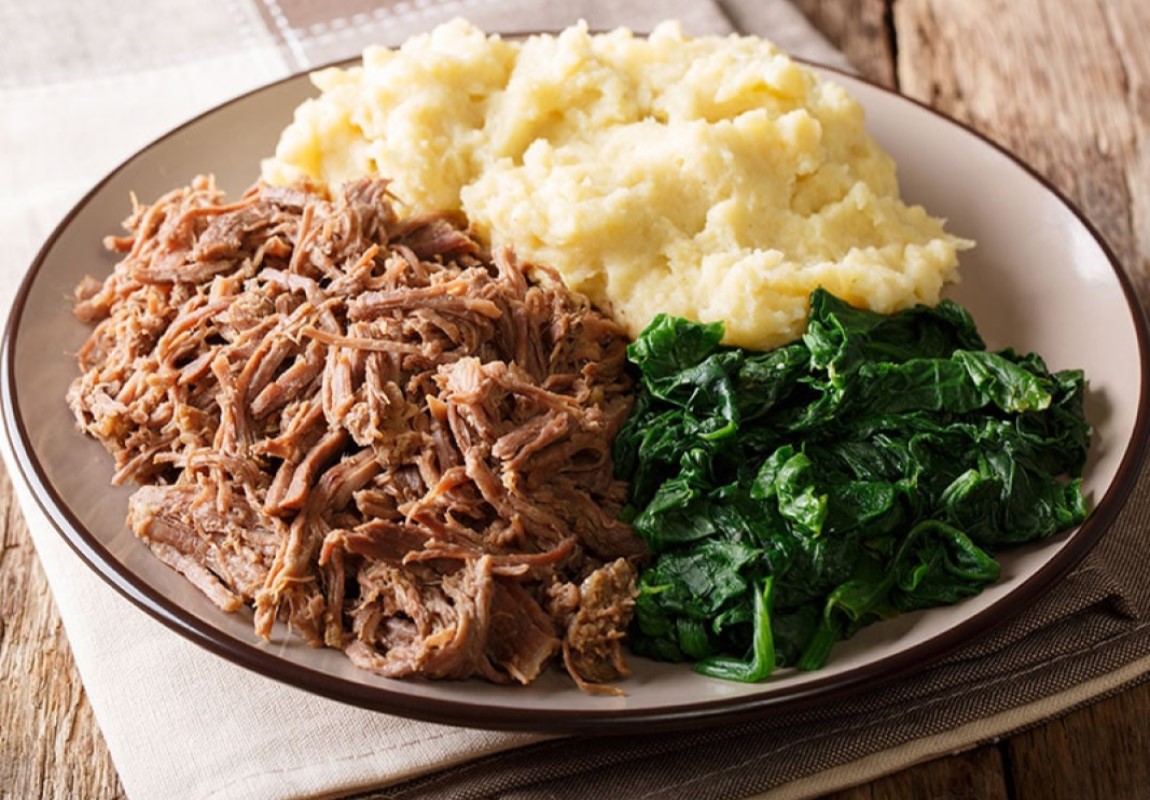
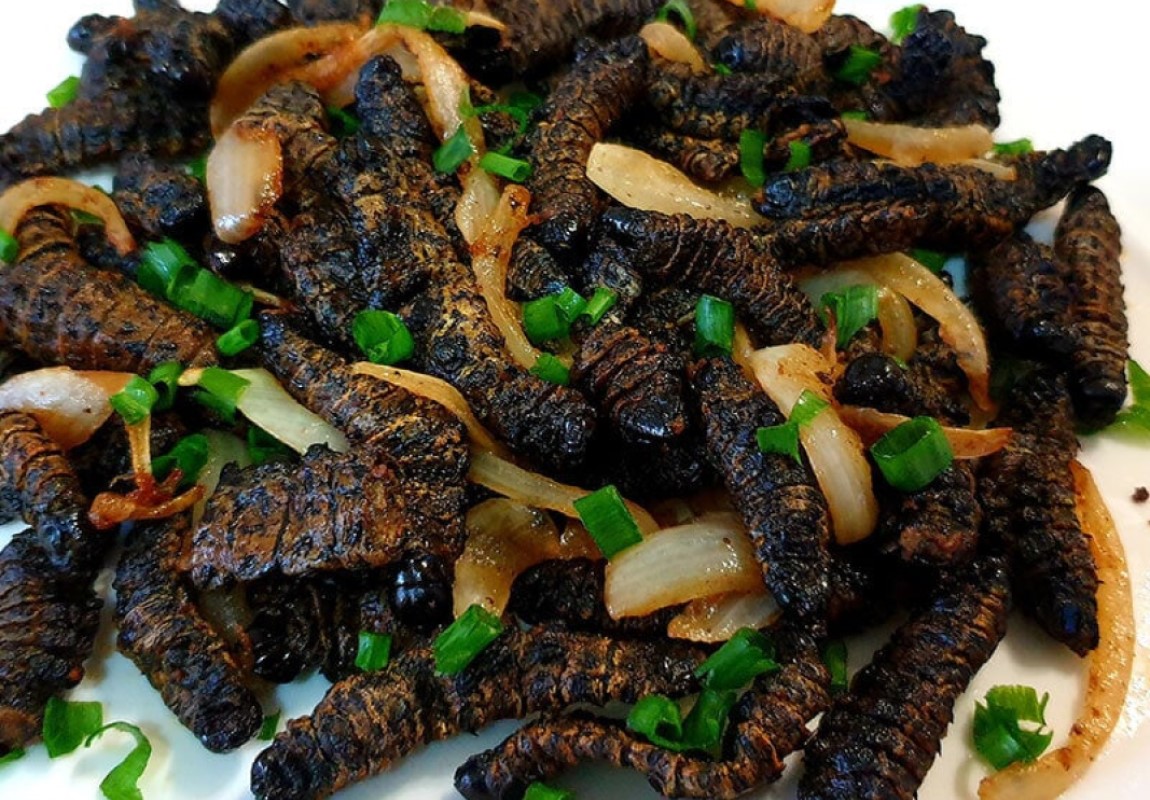
Zambian cuisine is largely based on nshima, which is a food prepared from pounded white maize. Nshima is part of nearly every Zambian meal. In traditional communities, the making of nshima is a long process, which includes drying the maize, sorting the kernels, pounding it and then finally cooking it. In addition to nshima, Zambian cuisine includes various types of stew, cooked vegetables and different types of beer. Dried fish and insects are also eaten. The types of relish eaten with nshima can be very simple, such as chibwabwa, or pumpkin leaves. The relish made with green vegetables is generally known as delele or thelele. A unique way to create relish relies on cooking with chidulo and kutendela. Chidulo is used in dishes made with green, leafy vegetables and also for wild mushrooms. Ifisashi is another common food in Zambia. It is a type of stew, made with greens and peanuts and served with nshima. Ifisashi can be vegetarian or cooked meat can be added to the stew. Samp is also eaten in Zambia.

Culture

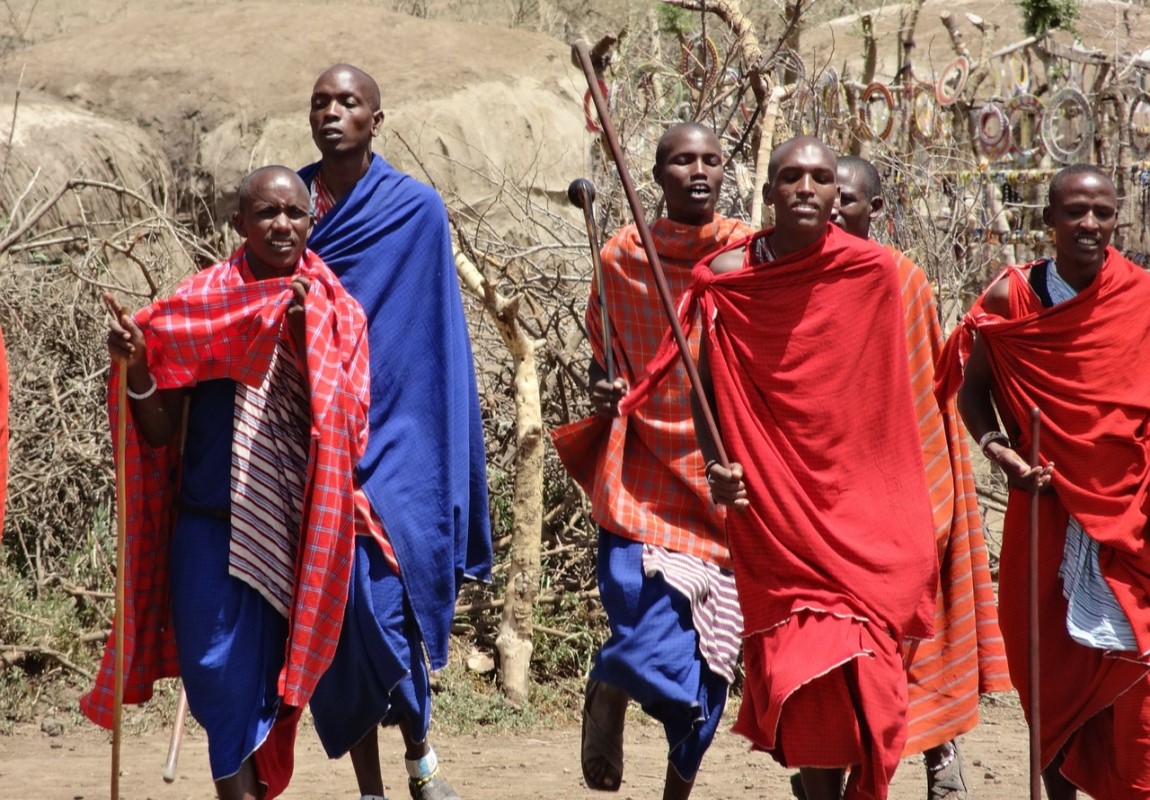
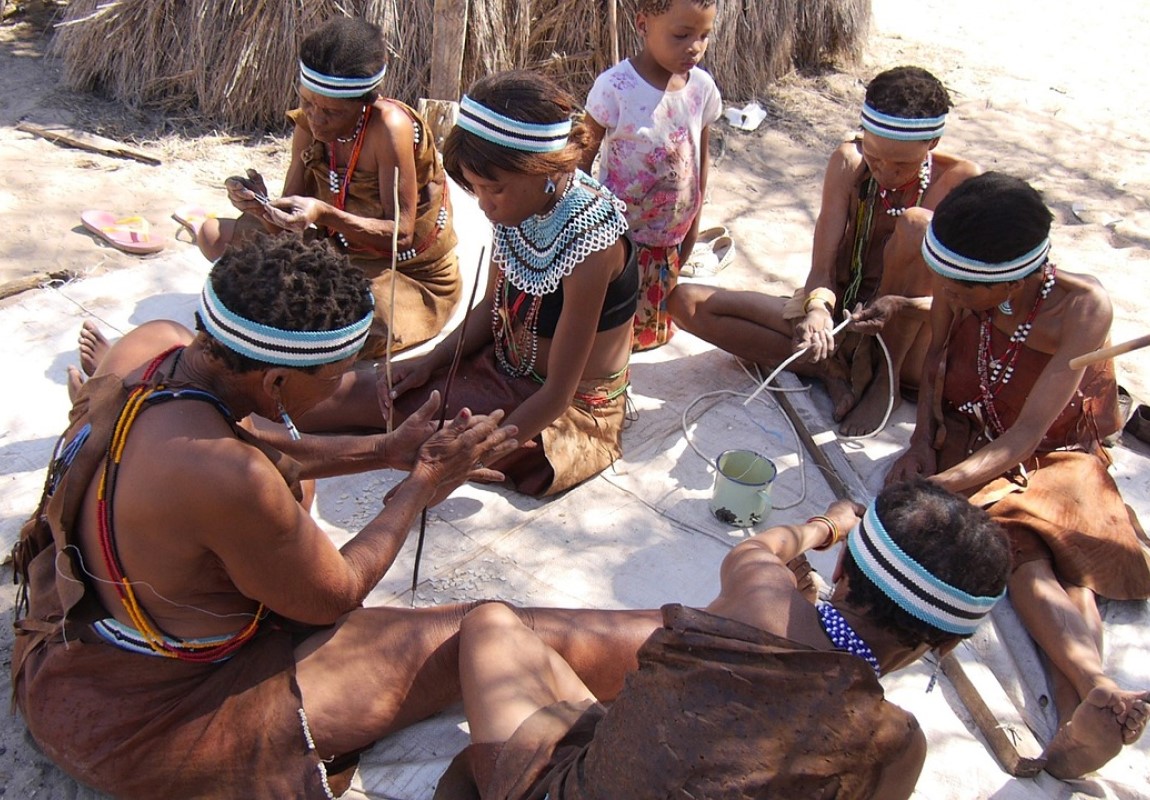
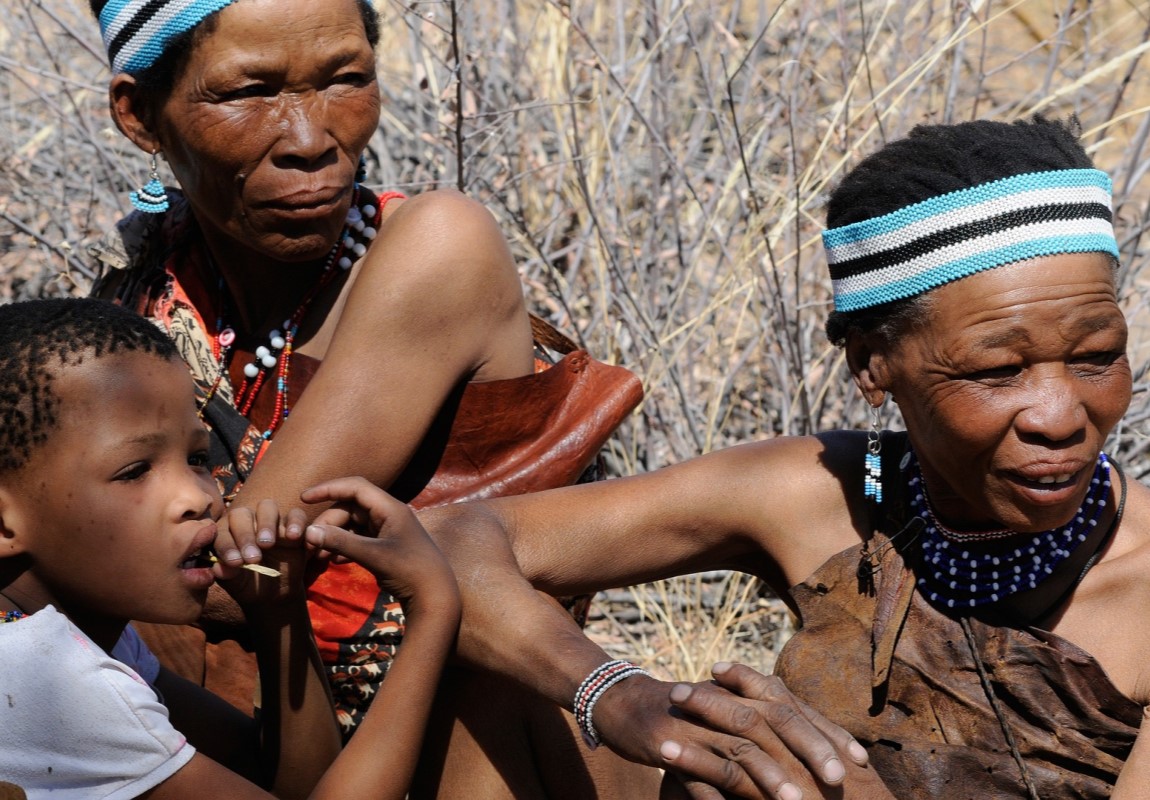
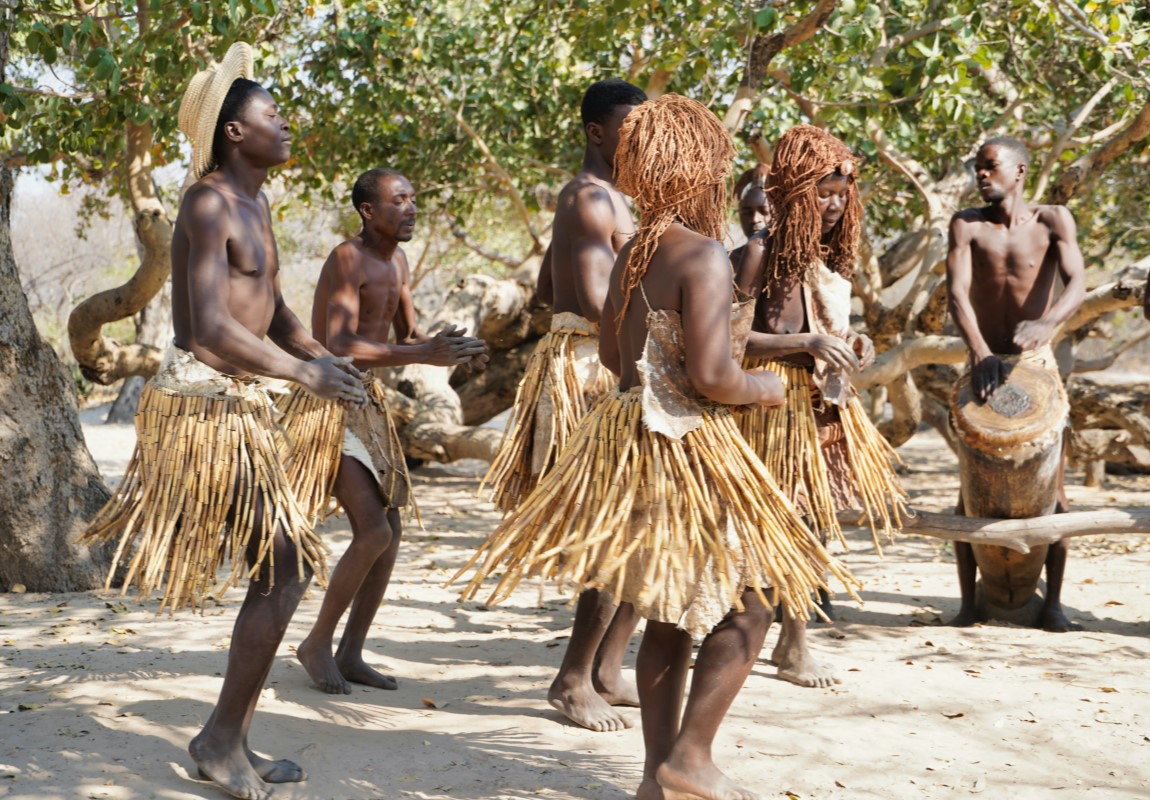
Botswana's culture is essentially what the country is known for today; peaceful, democratic, racial harmonious, stable, humble and welcoming people and independent. The culture of Botswana is prominent in the Setswana language, traditional music, local food, dance, traditional attire, rituals and other ceremonies like wedding celebrations. In Botswana, People believe in the rich culture of Botho-Ubuntu, ‘‘People are not individuals, living in a state of independence, but part of a community, living in relationships and interdependence. They believe in working together and in being united. 

National Parks & Game Reserves

Botswana is home to some of the most spectacular national parks and game reserves in Africa. From vast savannahs to dense forests, each park offers unique landscapes, diverse wildlife, and unforgettable safari experiences. Whether you’re searching for the Big Five or hidden natural wonders, Botswana has something for every safari enthusiast.

Mashatu Game Reserve

Mashatu is situated in the Northern Tuli Game Reserve of Botswana which is situated between the T...

Okavango Delta

A tremendous desert spring in the core of the African bush in northern Botswana, the Okavango Del...

Makgadikgadi Pans

Located in the centre of Botswana, Makgadikgadi Pans National Park is one of the largest salt pan...

Chobe National Park

Chobe National Park is the third-largest in the nation and home to a huge range of biodiversity, ...

Nxai Pan National Park

Nxai Pan National Park is a national park in northeastern Botswana, comprising Nxai Pan, which is...

Moremi Game Reserve

Moremi Game Reserve lies on the eastern side of the Okavango Delta in the north of Botswana. It i...

Linyanti Swamp

Linyanti is in the northern part of Botswana and part of the greater Chobe National Park. The Lin...

Central Kalahari Reserve

The Central Kalahari Game Reserve lies within the Kalahari Desert in the southwest of the nation ...

Mokolodi Nature Reserve

Mokolodi Nature Reserve is a private not-for-profit game reserve on the outskirts of Gaborone in ...

Khutse Game Reserve

Khutse Game Reserve is a most loved retreat for Gaborone visitors or residents due to its vicinit...

North Luangwa NP

North Luangwa is a little national park in the northeast area of Zambia. The magnificence of visi...

Kgalagadi Transfrontier Park

Kgalagadi Transfrontier Park is a huge wildlife preserve and preservation region in southern Afri...

Northern Tuli Game Reserve

The Northern Tuli Game Reserve (or Notugre) is a Game Reserve spreading over around 72,000 Hectar...

Selinda Concession

The Selinda concession lies between the Okavango and Linyanti water systems, and it secures the S...

Kwando Concession

The Kwando concession is named after the Kwando stream which forms the eastern border of the conc...

Maun

Maun, located in northern Botswana, is known as the "Gateway to the Okavango Delta," which is one...

Khwai

Khwai, also known as Khwai Village, is a community located on the eastern border of the Moremi Ga...

Kasane

Kasane, located in northeastern Botswana, is a popular destination for safari tourism, with sever...

Gaborone

Gaborone is the capital city of Botswana, and although it is not known as a primary safari destin...

Showing 1-0 of 0 reviews
Recently Added
5 Stars Only
4 Stars and above
3 Stars and above

No reviews yet for this destination. Be the first to share your experience !

Safety & Security

Botswana is one of the world's most beautiful and diversified countries. It provides travellers from all over the world with a diverse choice of excursions, including safaris to see the spectacular animals, learn more about the unique local cultures, and discover some of the continent's top national parks.
Botswana has a low crime rate, and on safari, you spend most of your time outdoors, far from crime hotspots. However, you should always be aware of your surroundings, and there are some general safety tips to follow when visiting Botswana. This contains safety advice for both safari and city visits.

Please see the links below for travel advice on Botswana Safari Trips:

General Safety Tips

  • Keep valuables secure and avoid displaying expensive items
  • Stay alert in crowded areas and tourist hotspots
  • Use registered tour operators and licensed guides
  • Follow local customs and respect cultural sensitivities
  • Keep copies of important documents in a safe place

Safari Safety

  • Always follow your guide's instructions during game drives
  • Stay inside your vehicle unless instructed otherwise
  • Keep noise levels low to avoid startling wildlife
  • Never approach or feed wild animals
  • Carry essential medications and first aid supplies

Health & Medical

Before traveling to Botswana, consult with your healthcare provider about recommended vaccinations and health precautions. Common recommendations include malaria prophylaxis, hepatitis A and B vaccines, and routine immunizations. Carry any necessary medications and consider travel insurance that covers medical emergencies.

Getting There

Sir Seretse Khama International Airport, also known as Gaborone Airport, is the main airport in Botswana. It is located 15 km from Gaborone, the capital.For travellers, it is more common to fly into Maun Airport (MUB) and Kasana Airport (BBK). When combining a safari in Botswana with a visit to Victoria Falls, it is common to fly into Maun and depart from Victoria Falls Airport (VFA) in Zimbabwe or Livingstone Airport (LVI) in Zambia.Most visitors to Botswana will have a stopover in South Africa to pick up a direct flight from OR Tambo International Airport (JNB), Johannesburg or Cape Town International Airport (CPT).In most cases, your tour operator will collect you from the airport and will arrange all further transportation.

Travel Requirements

  • All foreign visitors need a passport that is valid for at least six months
  • Citizens from most nationalities do not require a visa and will get a 30-day entry permit on arrival.
  • All foreign visitors will need to carry a return ticket.
  • Children that are under 18 years of age must have a certified copy of their unabridged birth certificate and a valid passport.
  • Children travelling with one parent or no parents must have an affidavit from the missing parent/s that gives their consent for travel.
  • In case a person is travelling by road, they need to carry all the current and valid vehicle documents and essential permits.

Domestic Transportation

Air Botswana operates the majority of domestic flights. Small charter flights are frequently used to travel between parks or to reach remote areas, such as Okavango Delta camps. Typically, charter flights are booked through your tour operator.

The best time to visit Botswana for safari is during the dry season from May to October when wildlife concentrations are exceptional around permanent water sources. June to August offers excellent game viewing with cooler temperatures (10-25°C/50-77°F), though nights can be very cold (near freezing). September to October is peak season with intense wildlife concentrations, particularly in Chobe and Moremi, but very hot temperatures (35-40°C/95-104°F). The Okavango Delta is unique - water levels are highest June to August (counter-intuitively during dry season) due to floodwaters arriving from Angola's highlands, creating spectacular water-based safari experiences with mokoro (dugout canoe) rides and lush islands. The wet season (November to April) brings migratory birds, newborn animals, lush landscapes, dramatic skies, and lower prices, though some areas become inaccessible. For Okavango Delta water activities, visit June-September. For wildlife concentrations in Chobe, visit August-October. For birding and photography with dramatic skies, visit December-March.
Botswana is Africa's most expensive safari destination due to its "high-value, low-impact" tourism policy limiting visitor numbers through premium pricing. Budget camping safaris start from $300-400 per person per day. Mid-range lodges cost $500-800 per person per day. Luxury safari camps range from $800-1,500 per person per day. Ultra-luxury and exclusive camps cost $1,500-3,000+ per person per day, with some premier properties exceeding $4,000 per person per night. A typical 7-day Botswana safari costs $6,000-20,000+ per person depending on accommodation level and season. Peak season (July-October) commands highest prices. Prices include full-board accommodation, all meals, premium drinks, game drives, water activities (mokoro, boat safaris), walking safaris, park fees, and laundry. Chobe offers more affordable options with day-trip access from Victoria Falls. Mobile camping safaris provide authentic experiences at lower costs ($400-700 per day). Charter flights between camps ($200-400 per person per flight) add significant costs. Botswana rewards visitors with exclusive, uncrowded wildlife experiences and pristine wilderness justifying premium pricing.
Visa requirements for Botswana vary by nationality. Citizens of the United States, United Kingdom, European Union countries, Australia, New Zealand, Canada, South Africa, and many other countries receive visa-free entry for tourist visits up to 90 days. Upon arrival at airports or land borders, you receive a free entry stamp valid for 90 days. Citizens of some countries require visas which can be obtained on arrival at entry points or from Botswana embassies - check current requirements for your nationality. Your passport must be valid for at least 6 months beyond your intended departure date and have at least 2-3 blank pages (Botswana is strict about this). If combining with neighboring countries (Zambia, Zimbabwe, Namibia, South Africa), ensure sufficient blank pages as each country stamps passports. For multiple entries, plan accordingly as visa-free entry allows single or multiple entries depending on nationality. Yellow fever vaccination certificate is required if arriving from yellow fever endemic countries. Always verify current visa requirements before travel as policies can change.
Yellow fever vaccination is required only if arriving from yellow fever endemic countries - your certificate may be checked at entry points. If arriving from South Africa, Zambia, Zimbabwe, or other non-endemic countries, yellow fever vaccination is not required but recommended. Other recommended vaccinations include Hepatitis A and B, Typhoid, Tetanus, Rabies (especially for mobile camping safaris and remote areas), and Polio booster. Malaria prophylaxis is essential for northern Botswana including Okavango Delta, Chobe National Park, Moremi Game Reserve, and Linyanti - these are high-risk malaria areas year-round with increased risk November-June (wet season). Southern Botswana including Gaborone, Central Kalahari, and Makgadikgadi Pans have lower malaria risk. Consult a travel medicine specialist 6-8 weeks before departure as some vaccines require multiple doses. Botswana has good medical facilities in Gaborone and Maun but very limited services in remote safari areas. Bring adequate supplies of personal medications in original packaging. Medical evacuation insurance is essential as serious emergencies require evacuation to Johannesburg, South Africa (1-2 hours flight).
Yes, Botswana is one of Africa's safest countries for tourists with stable democratic governance, low crime rates, and well-developed tourism infrastructure. The country has been peaceful and politically stable since independence in 1966. Safari areas, national parks, and lodges maintain exceptional safety and security standards. Major towns like Gaborone, Maun, and Kasane are generally safe but exercise normal precautions - secure valuables, avoid walking alone at night, use registered taxis or hotel transport, and stay alert in markets and crowded areas. Wildlife safety is paramount - Botswana has high concentrations of dangerous animals including elephants, lions, hippos, and crocodiles. Always follow guide instructions, never approach wildlife on foot outside designated walking safaris, and respect camp rules in unfenced properties where animals roam freely through camps (especially elephants). Chobe elephants can be particularly aggressive. Water activities (mokoro rides, boat safaris) are safe with experienced guides who manage hippo and crocodile encounters. Road safety requires caution on remote tracks - self-drivers should have proper 4WD experience. Botswana's greatest safety concern is wildlife rather than crime - animals are wild and potentially dangerous, making professional guides essential.
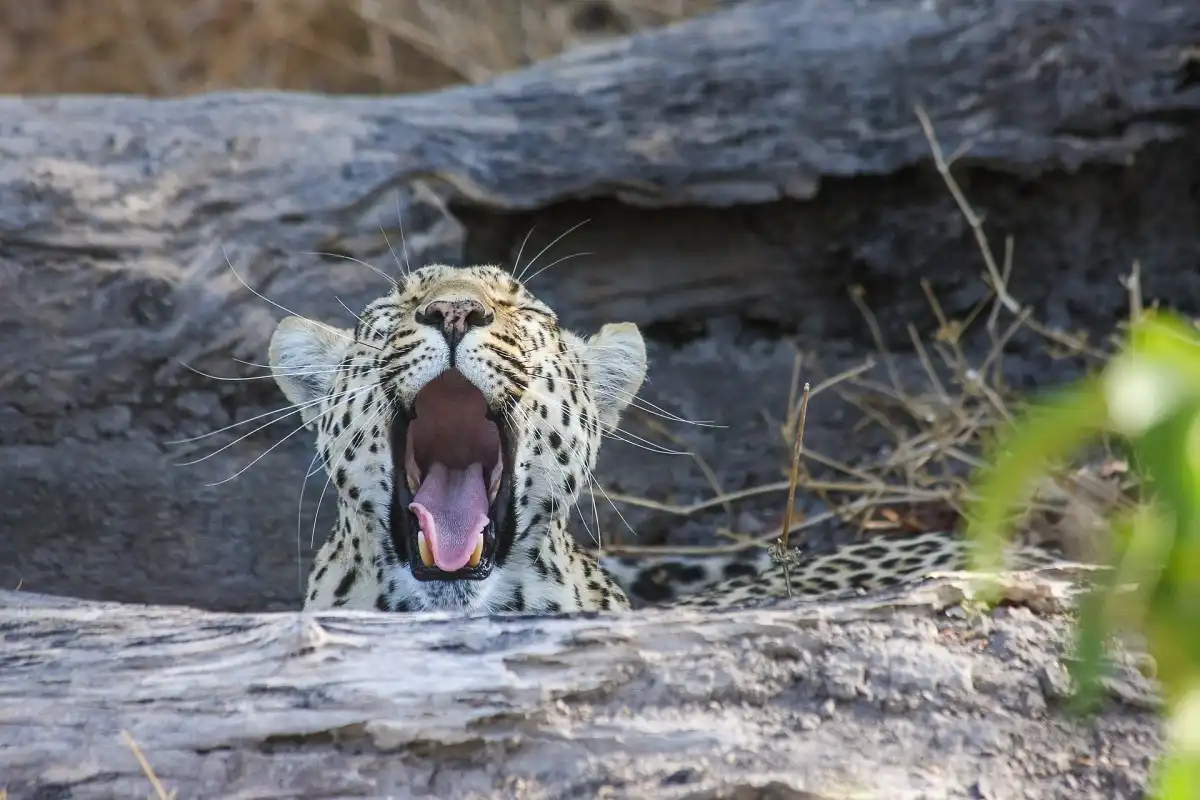
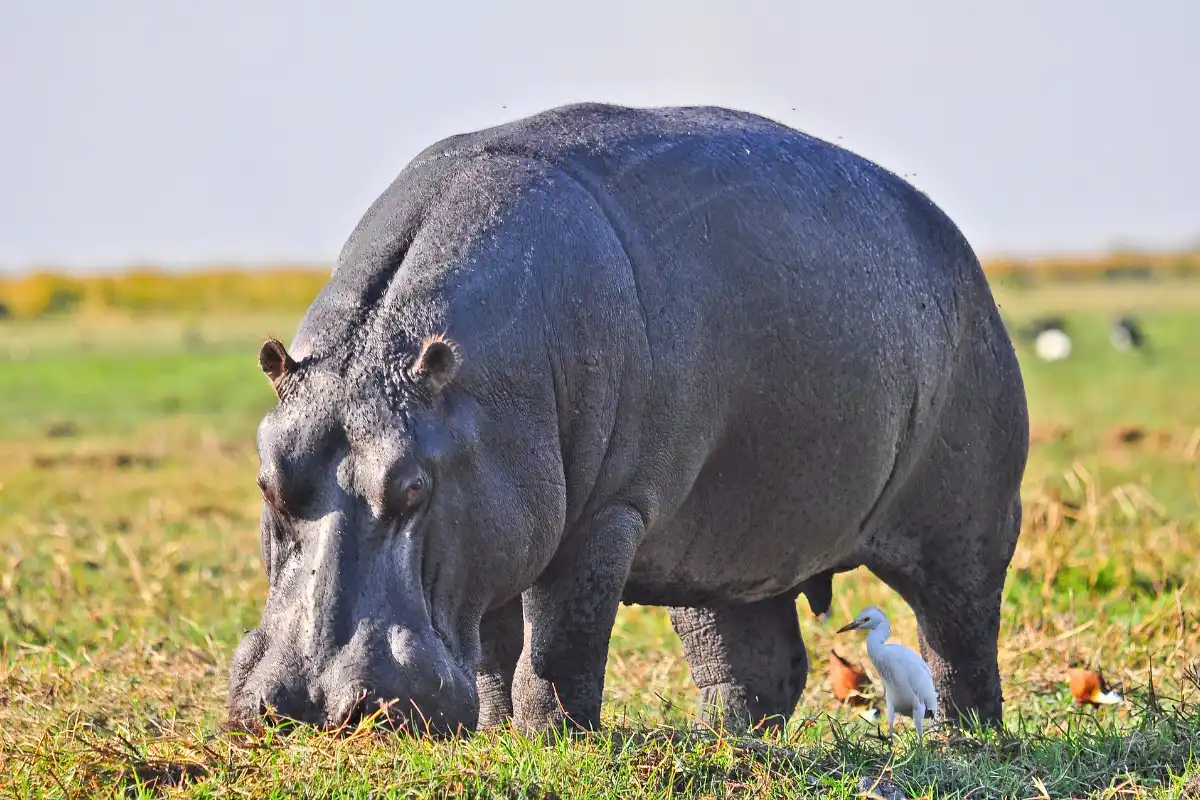
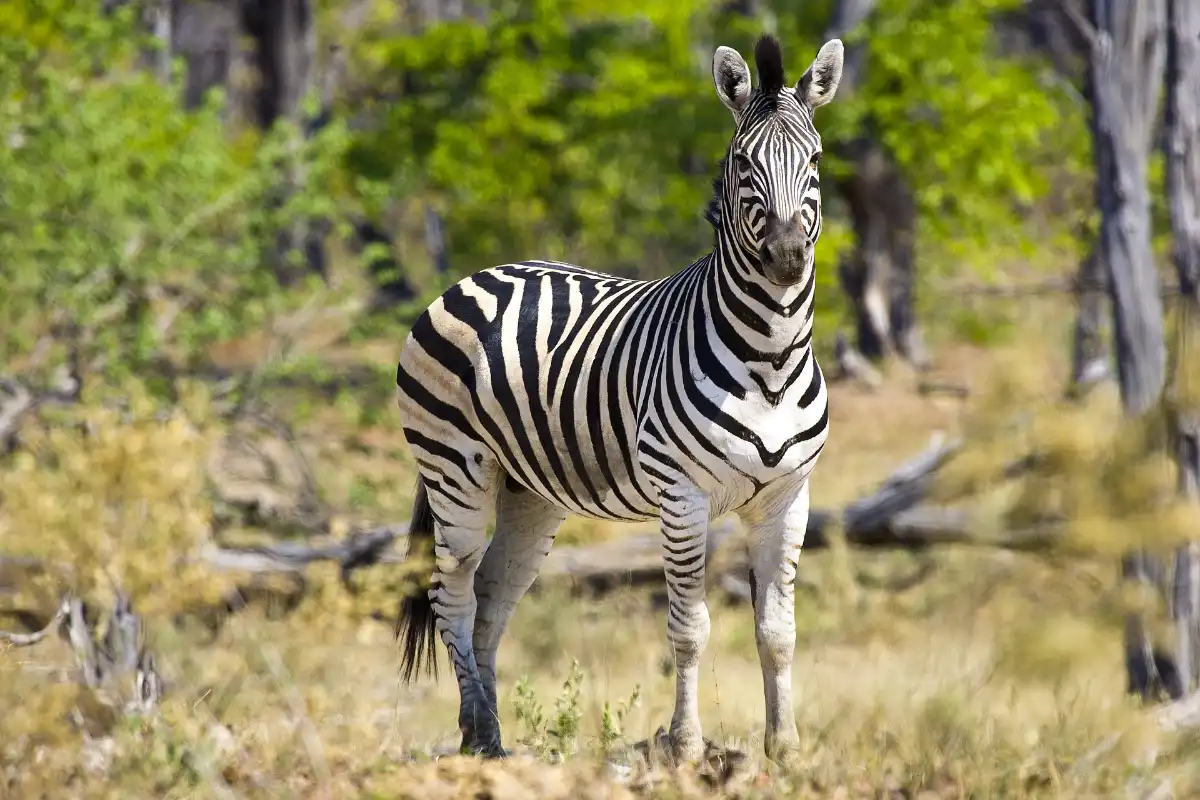
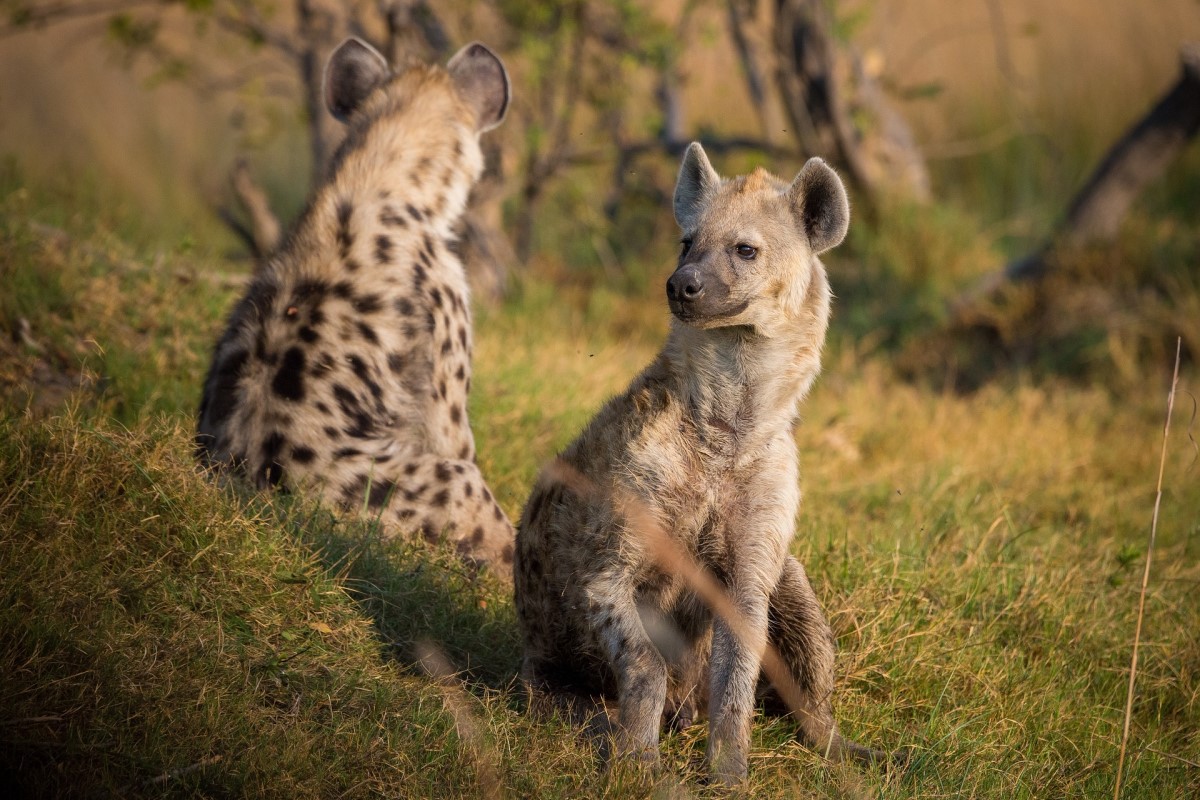
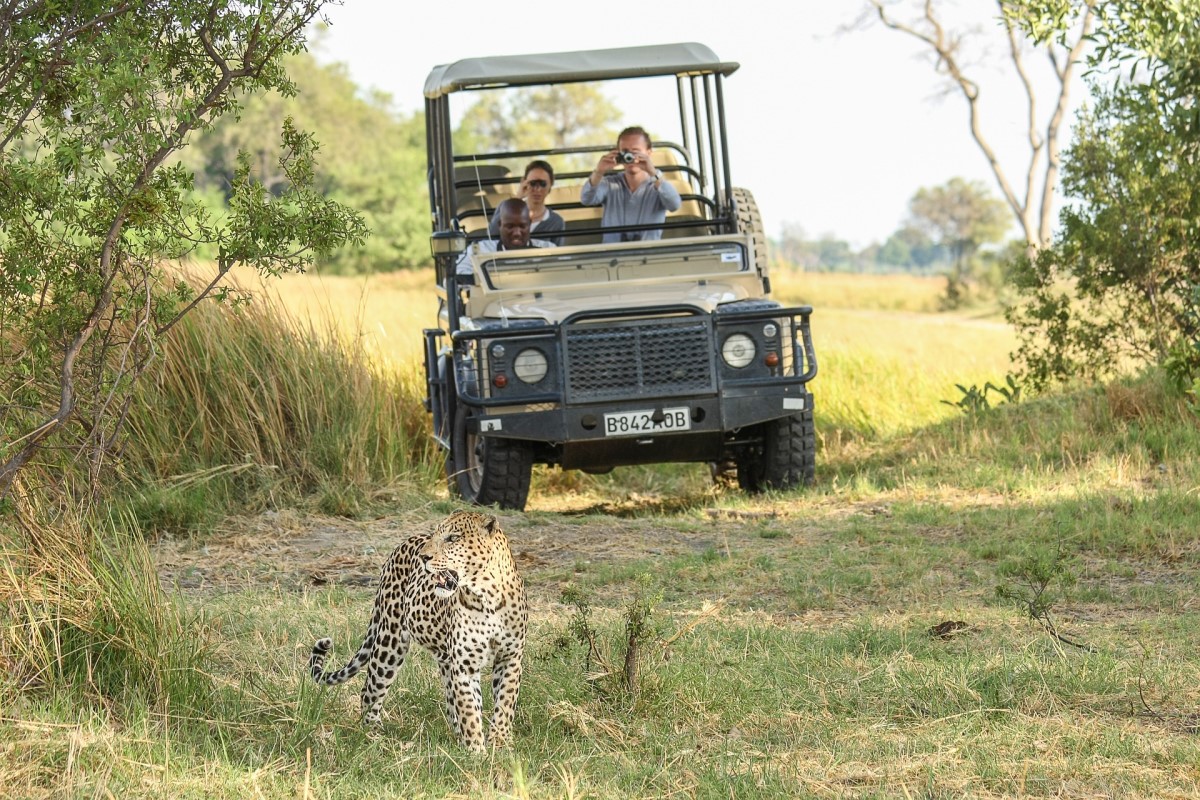
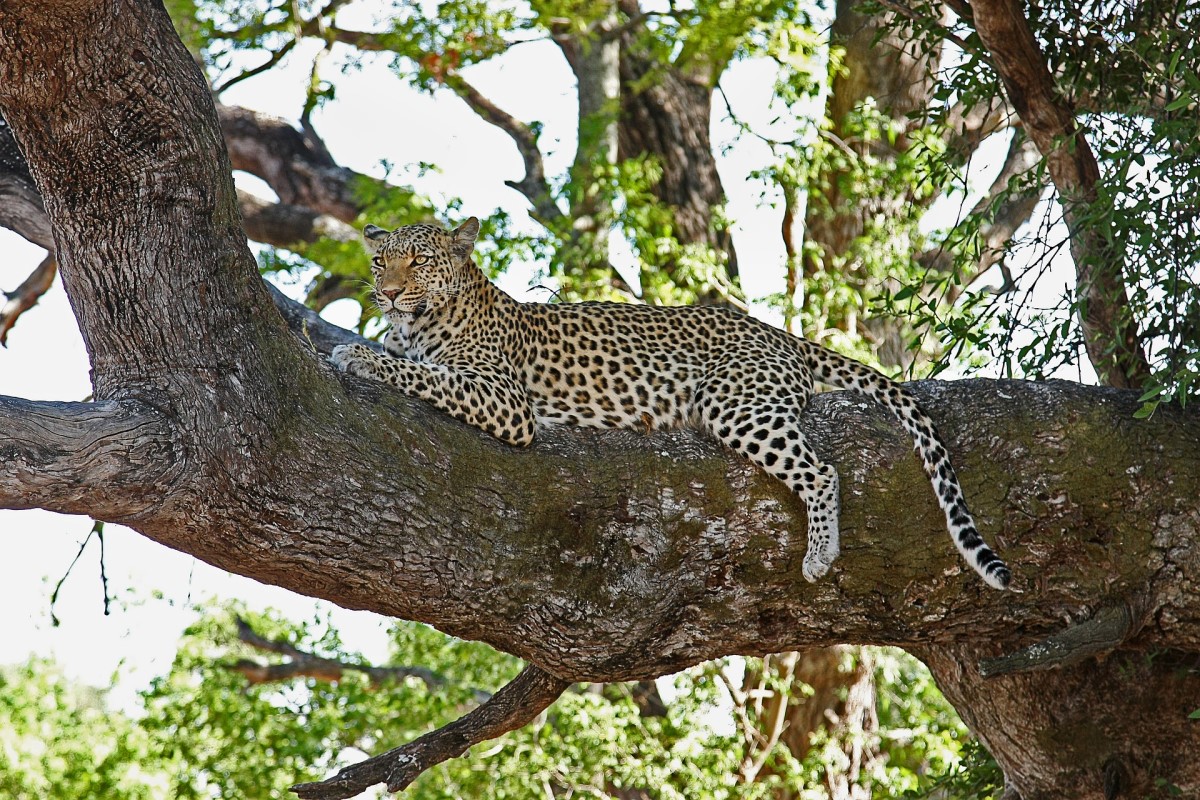
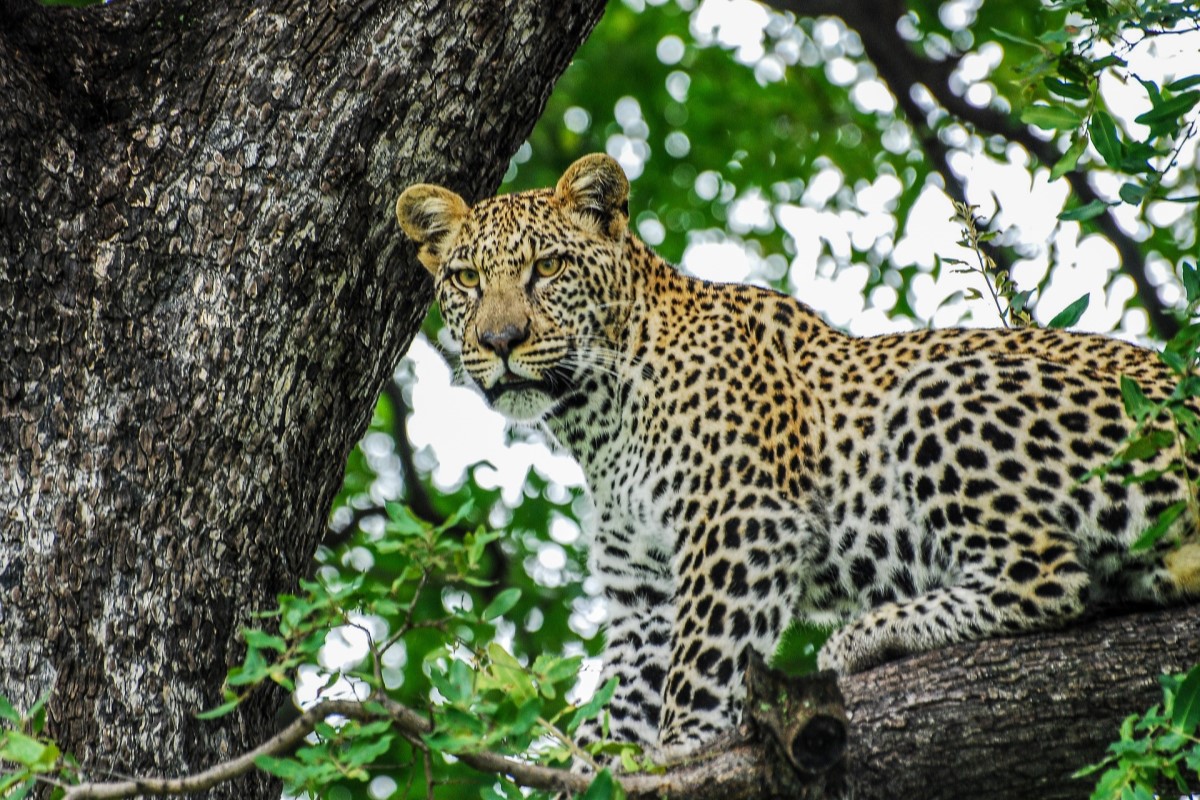
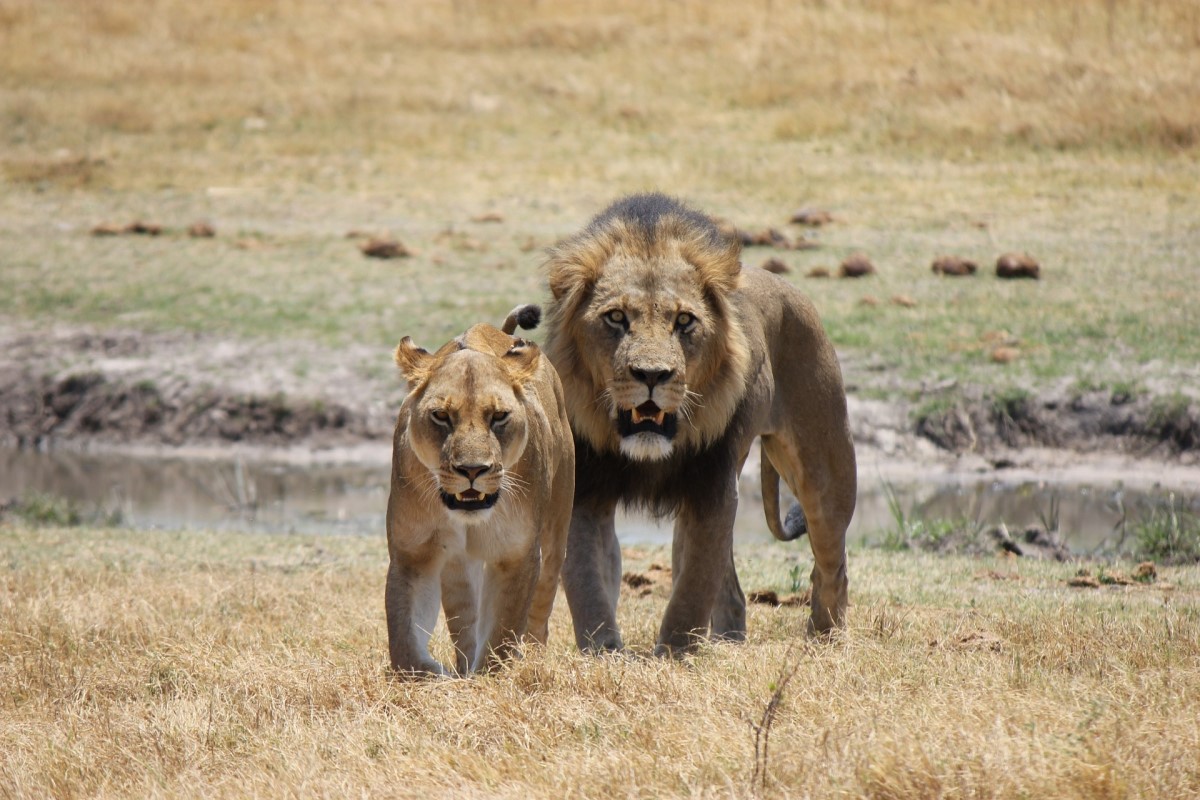
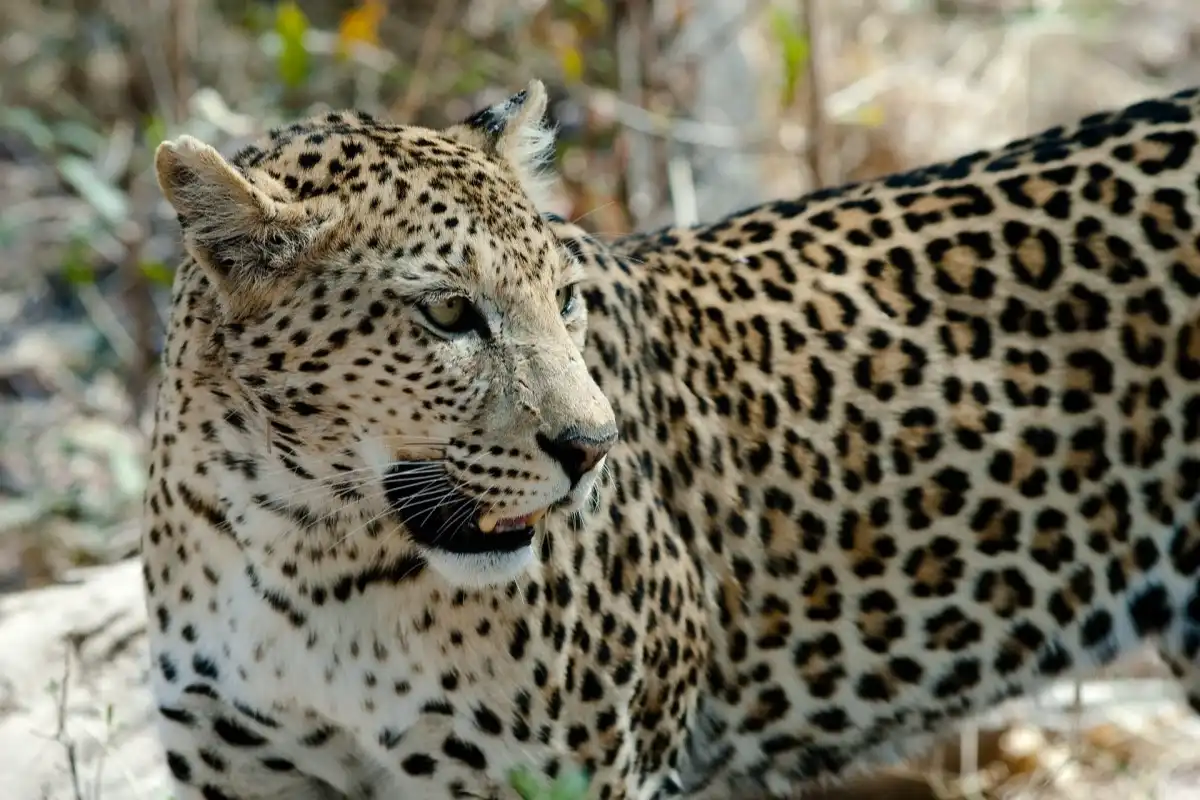
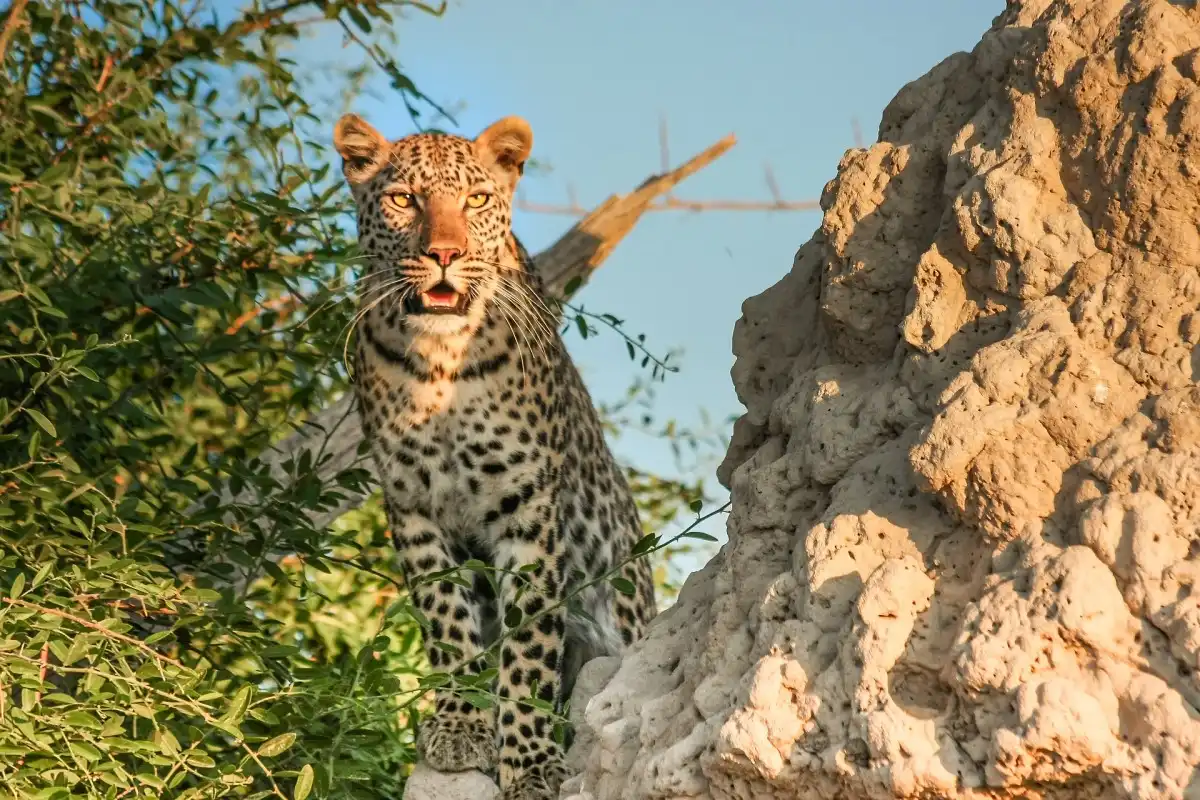
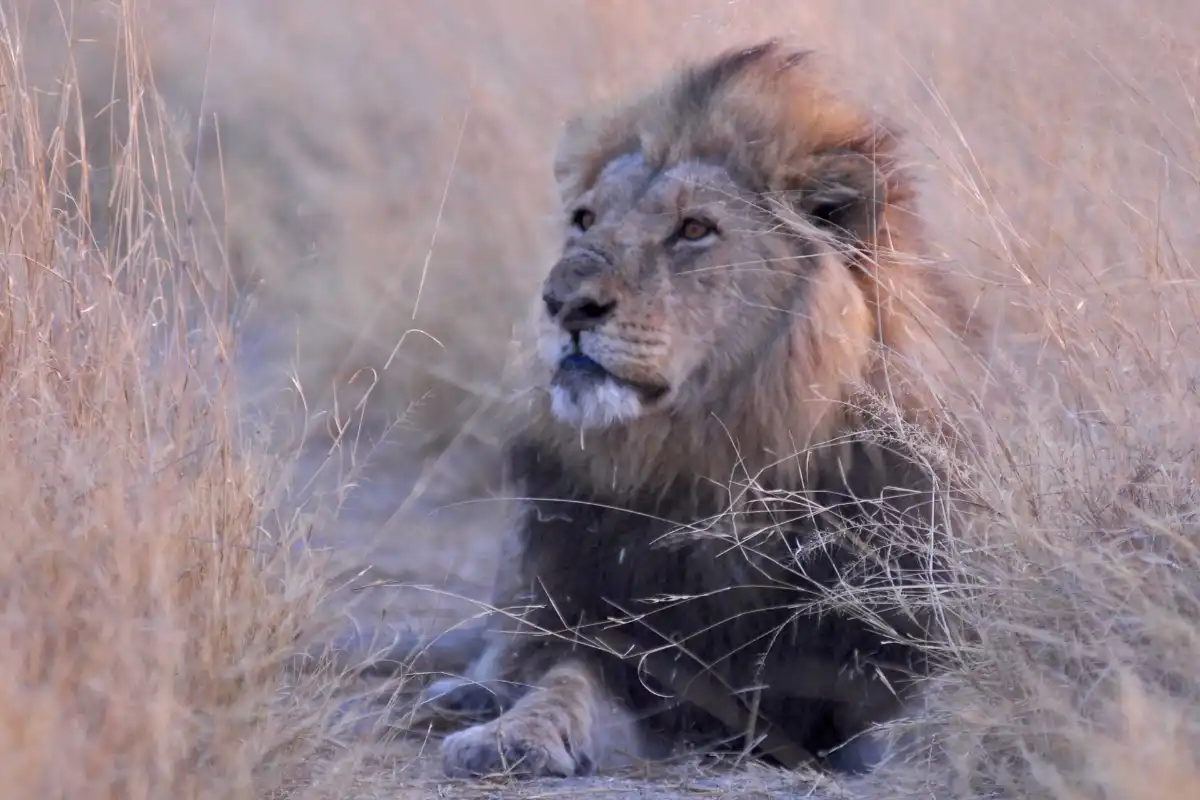
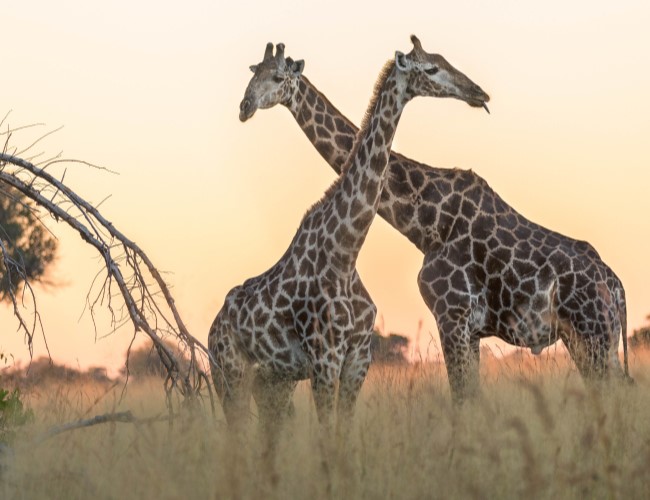
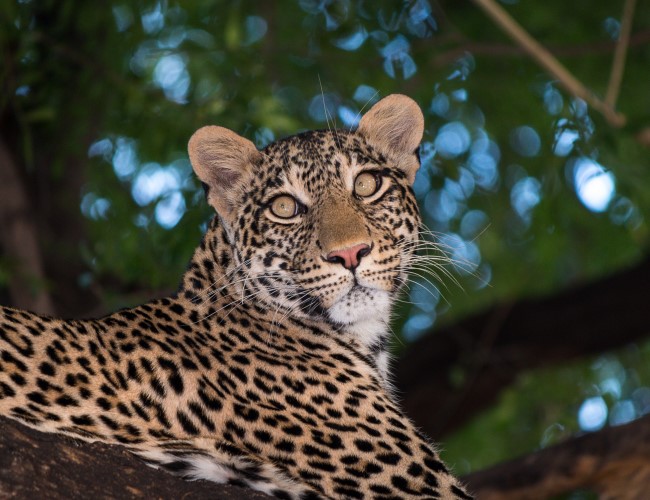
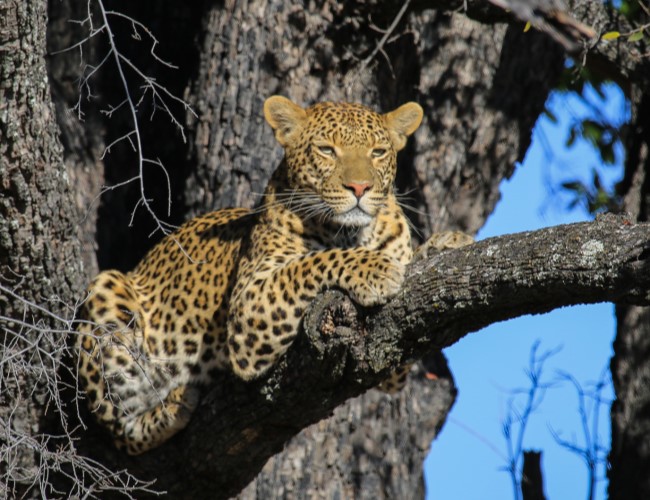
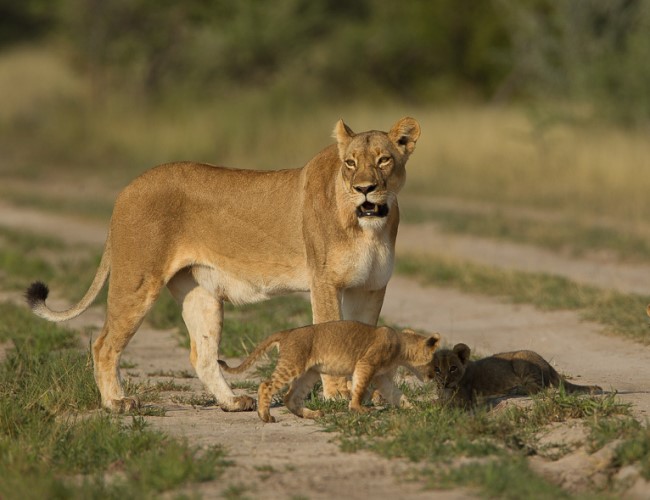
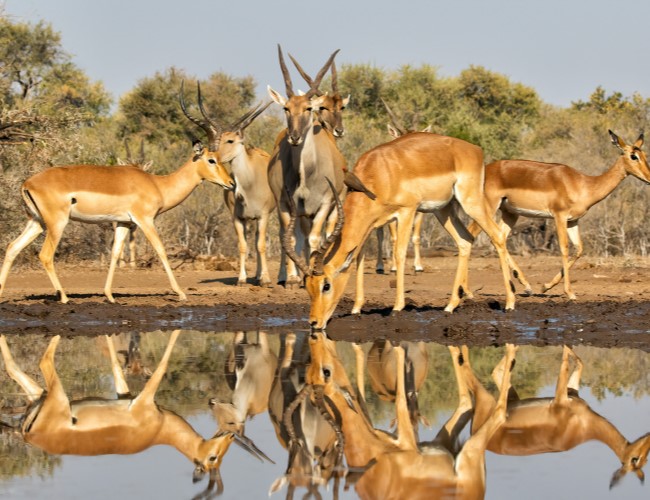
Botswana offers exceptional wildlife diversity with some of Africa's highest concentrations of large mammals. The Big Five are present: lions (large populations in Okavango, Chobe, and Savuti), leopards (excellent viewing in Moremi and private concessions), elephants (Botswana has Africa's largest elephant population - over 130,000 - with massive herds in Chobe), buffalos (large herds throughout), and rhinos (white rhinos in private reserves, black rhinos very rare). Chobe National Park has world's highest elephant densities with herds of 100+ animals. Other common sightings include zebras, giraffes, hippos (abundant), crocodiles, wild dogs (excellent populations particularly in Moremi and Khwai), cheetahs, hyenas, various antelope species (impala, kudu, waterbuck, lechwe, tsessebe, sable, roan), warthogs, and baboons. Okavango Delta offers unique wildlife experiences including sitatunga antelope (water-adapted), African wild cats, and diverse aquatic species. Rare species like pangolins, aardvarks, and honey badgers are occasionally sighted. Botswana has over 590 bird species including rare specialties. The country's diverse ecosystems from permanent delta waters to arid deserts support incredible biodiversity. Wildlife viewing is exceptional year-round with dry season offering concentrated sightings.
The Okavango Delta is one of the world's most extraordinary ecosystems and Africa's largest inland delta - a UNESCO World Heritage Site where a massive river flows into the Kalahari Desert creating a 15,000+ km² wetland paradise instead of reaching the ocean. What makes it unique: Counter-seasonal flooding - water arrives during dry season (June-August) from Angola's highlands creating lush oasis when surrounding areas are parched. This creates spectacular wildlife concentrations. Diverse habitats: permanent channels, seasonal floodplains, islands (both permanent and seasonal), palm-fringed waterways, and dry woodland create incredible biodiversity. Water-based activities: mokoro (traditional dugout canoe) safaris offer silent gliding through lily-covered channels observing wildlife at water level - quintessential Delta experience. Wildlife: elephants swimming between islands, hippos in channels, crocodiles basking, sitatunga (water antelope), lechwe, and exceptional predators including lions, leopards, and wild dogs. Pristine wilderness: remote, roadless areas with exclusive camps accessible only by light aircraft. Combination safaris: blend water activities (mokoro, boats, fishing) with traditional game drives and walking safaris. The Delta's dynamic nature means water levels and accessible areas change seasonally, creating ever-changing landscapes. No other place on Earth offers this unique combination of desert, water, and wildlife.
Packing for Botswana requires consideration of diverse activities, seasonal temperature extremes, and remote locations. Essential clothing: neutral colors (khaki, olive, beige, green - avoid blue and black which attract tsetse flies), lightweight breathable fabrics for hot days, long-sleeved shirts and long pants (sun protection and insects), warm fleece or down jacket for very cold winter mornings/evenings (May-August can be near freezing), wide-brimmed hat, sunglasses, and SPF 50+ sunscreen. Footwear: comfortable walking shoes or lightweight boots (some camps have walking safaris), sandals for camp, closed-toe shoes for mokoro rides. Water activities: quick-dry clothing, waterproof bag for camera/electronics during mokoro trips, swimwear (some camps have pools). Photography equipment: camera with telephoto lens (200-400mm ideal), spare batteries and memory cards (limited charging in solar-powered camps), dust-proof camera bag, binoculars (essential). Other essentials: insect repellent with 30-50% DEET (tsetse flies in Delta), antihistamine cream for bites, headlamp or flashlight with red filter option, personal first-aid kit and medications, reusable water bottle, and lip balm. Luggage restrictions: soft-sided duffel bags only (max 15-20kg per person) for light aircraft transfers - no hard-shell suitcases. Most luxury camps provide laundry service. Minimal packing is key due to small aircraft weight restrictions.
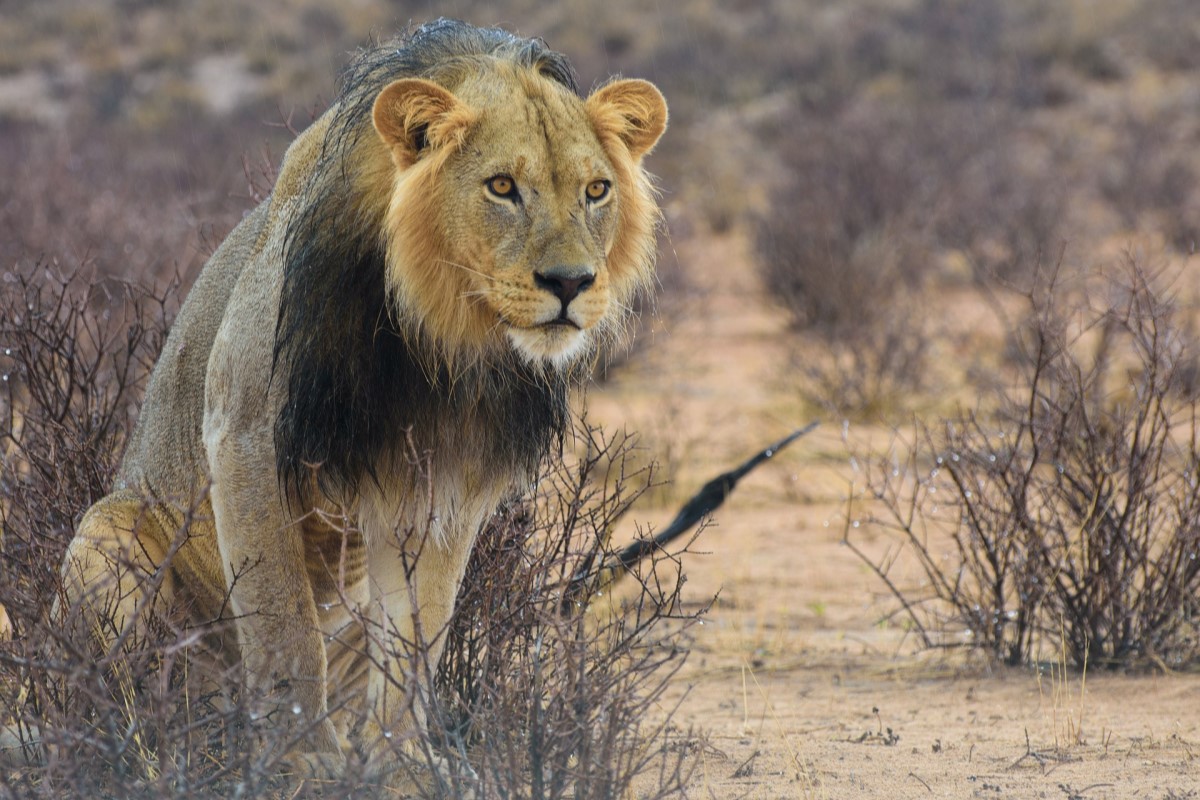
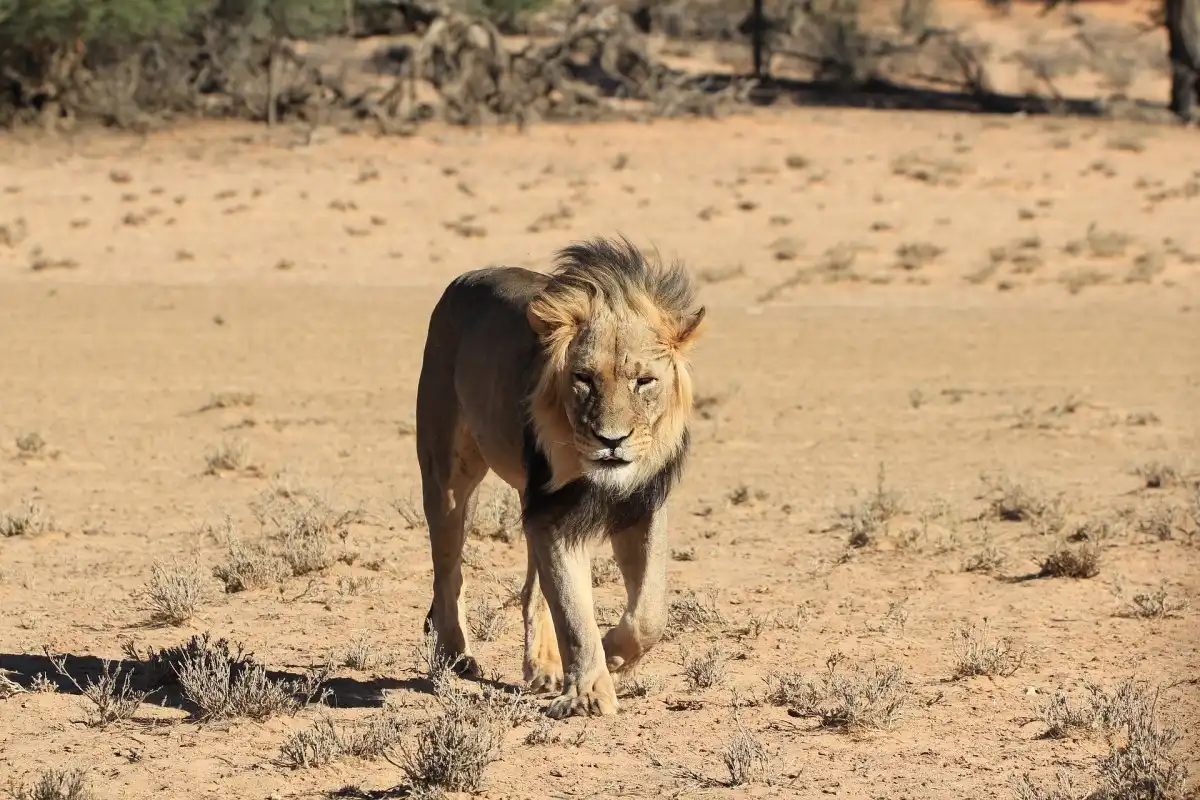
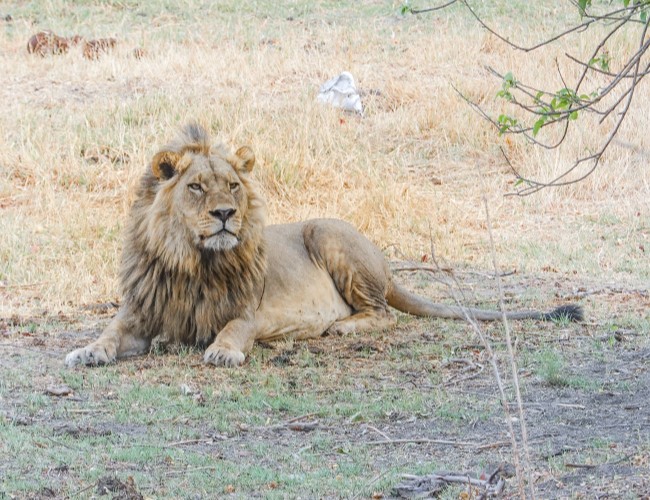
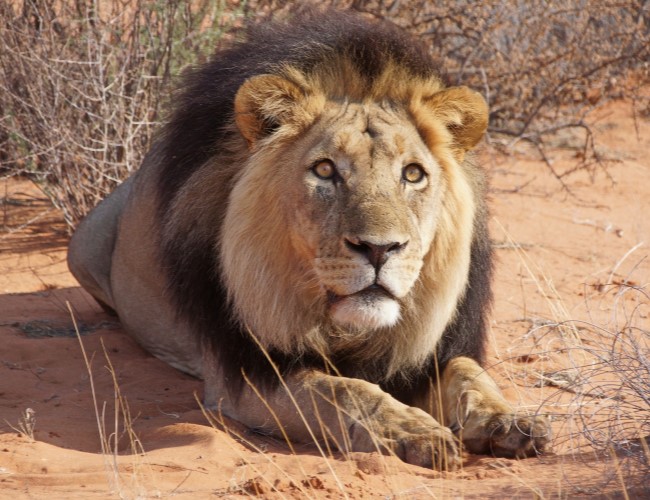
Botswana has no single "best" area as each offers distinct experiences. Okavango Delta (including Moremi Game Reserve) is Botswana's crown jewel - UNESCO World Heritage Site offering unique water-based safaris, mokoro rides, exceptional wildlife including wild dogs, diverse habitats, and pristine wilderness. Best for: first-time visitors, water activities, exclusive experiences. Chobe National Park has world's highest elephant densities (50,000-120,000 elephants) with herds of 100+ animals, excellent Chobe River boat safaris, high wildlife concentrations, and easier access from Victoria Falls. Best for: elephant viewing, boat safaris, value. Savuti (part of Chobe) offers dramatic landscapes, predator concentrations (lions, hyenas), and wild seasonal marshes. Linyanti and Selinda are private concessions with exclusive camps, excellent wild dog viewing, diverse wildlife, and walking safaris. Makgadikgadi Pans provide otherworldly salt pan landscapes, zebra migration (December-April), meerkats, and cultural experiences with San bushmen. Central Kalahari Game Reserve offers vast wilderness, black-maned Kalahari lions, remote adventures, and star-studded night skies. Most itineraries combine multiple areas: Okavango Delta (water-based) + Chobe or Savuti (terrestrial wildlife) + optional Makgadikgadi or Victoria Falls for comprehensive Botswana experience. Moremi and private concessions in Okavango are best for first-time luxury safari-goers.
A minimum of 6-8 days is recommended for a fulfilling Botswana safari experience. A typical 7-day itinerary includes: Okavango Delta (3-4 days for water activities and game drives), Chobe or Savuti (2-3 days for terrestrial wildlife and elephants), and travel days. For Okavango Delta only, 4-5 days allows experiencing different camp locations and comprehensive water-based activities. A 10-12 day safari enables visiting multiple regions without rushing: Okavango Delta (4 days in 2 different camps), Chobe/Savuti (3 days), Makgadikgadi Pans (2 days), plus Victoria Falls extension. The ultimate 14+ day Botswana experience combines all major areas including Linyanti private concessions, Central Kalahari, and extended time in each region. Consider that travel between camps uses light aircraft (20-45 minute flights) - most itineraries include 3-4 flights. Botswana rewards slow, immersive travel with 3-4 night minimum stays at each camp allowing time to settle, experience different activities, and maximize wildlife encounters. Bush camps operate on relaxed schedules with morning and afternoon activities plus leisure time. More days provide better value as daily rates decrease with longer stays, and charter flight costs are amortized. Rushing through Botswana diminishes the exclusive, wilderness experience the country is famous for.
Mokoro rides are traditional dugout canoe safaris through the Okavango Delta's tranquil waterways - one of Botswana's most iconic and peaceful wildlife experiences. A mokoro (plural: mekoro) is a traditional canoe originally carved from large trees, though modern versions use fiberglass for conservation. An expert poler (guide) stands at the back propelling the mokoro silently through shallow channels lined with papyrus, water lilies, and reeds. Experience: glide silently at water level observing frogs, fish, aquatic birds (jacanas, herons, kingfishers), dragonflies, and occasionally elephants, hippos, crocodiles, and sitatunga from safe distances. The serenity, sounds of water, bird calls, and connection with nature create meditative experiences different from vehicle safaris. Duration: typically 1-3 hours per excursion with morning and afternoon options. Where: Okavango Delta camps, particularly in permanently flooded areas including Moremi Game Reserve, Jao Reserve, and deeper delta regions. Best season: June to August when water levels are highest. Safety: polers are experienced in reading water, wildlife behavior, and navigation - mokoro rides are extremely safe. Physical requirements: minimal - you sit low in mokoro with guide managing all propulsion. Perfect for photography, birding, and appreciating Delta's unique ecosystem. Mokoro rides often combine with island walks for land-based wildlife viewing. This quintessential Botswana experience should not be missed when visiting Okavango Delta.
Botswana specializes in exclusive, luxury safari camps emphasizing intimate wilderness experiences and low environmental impact. Mobile camping: expedition-style camping with professional crews setting up private camps in remote areas - authentic adventure with comfortable amenities ($400-800 per person per night). Mid-range lodges and camps: comfortable tented camps with en-suite bathrooms, good food, and essential amenities ($500-800 per person per night) - limited options as Botswana focuses on luxury market. Luxury safari camps: spacious canvas tents or chalets with en-suite bathrooms (often indoor/outdoor showers), private decks, plunge pools, gourmet cuisine, premium drinks, and exceptional service ($800-1,500 per person per night). Ultra-luxury: iconic properties like andBeyond, Sanctuary Retreats, Great Plains Conservation camps with world-class service, private guides, exclusive locations, and bespoke experiences ($1,500-3,000+ per person per night). Most camps have 8-20 rooms maximum ensuring exclusivity and personal attention. Okavango Delta camps are typically accessed only by light aircraft, built on permanent islands with elevated walkways. Many camps are unfenced allowing wildlife to roam freely through camp - elephants regularly visit. Accommodation styles range from classic canvas safari tents to contemporary design suites. Full-board includes all meals, premium drinks (wine, spirits), laundry, and activities. Botswana's camps represent Africa's finest luxury safari accommodation with emphasis on authentic wilderness rather than urban-style luxury.
Yes, comprehensive travel insurance is absolutely essential for Botswana safaris. Ensure coverage includes: medical emergencies and evacuation (critical - medical evacuation from remote Okavango Delta camps to Maun or Johannesburg can cost $50,000-150,000+), trip cancellation and interruption (Botswana safaris involve substantial pre-payments often non-refundable within 60-90 days), lost or delayed baggage, and adventure activities including game drives, walking safaris, mokoro rides, boat safaris, and light aircraft flights. Medical facilities in remote areas are non-existent - serious emergencies require air evacuation to South Africa. Verify policy covers light aircraft transfers between camps (essential component of Botswana safaris) and activities with dangerous wildlife including walking safaris. Many Botswana camps and operators require proof of comprehensive evacuation insurance before confirming bookings. Purchase insurance immediately after making first deposit to maximize coverage benefits. Read policy exclusions carefully regarding adventure activities, wildlife encounters, pre-existing conditions, and evacuation coverage limits. Emergency evacuation coverage should be minimum $250,000. Recommended insurers include World Nomads, IMG Global, Medjet, and specialist adventure travel insurance providers experienced with African safaris. Given Botswana's remote wilderness locations and premium pricing, adequate insurance is non-negotiable for protecting your health and financial investment.
Botswana's official currency is the Botswana Pula (BWP), with exchange rates typically around 11-13 BWP to 1 USD. The name "Pula" means "rain" in Setswana, reflecting water's value in this largely arid country. US dollars are widely accepted at safari lodges, hotels, and for tour payments - bills should be dated 2013 or newer. Most safari camps quote prices in USD and prefer USD payment for main expenses. Credit cards (Visa and Mastercard) are accepted in major towns (Gaborone, Maun, Kasane) and established lodges but not universally - cash is useful for tips and small purchases. ATMs are available in Gaborone, Maun, Kasane, and larger towns with reliable availability - withdraw cash before heading to remote safari areas where ATMs don't exist. Exchange money at banks for best rates. Most safari packages are fully inclusive and pre-paid, so you need spending money mainly for tips ($250-500 for week-long safari), curios at craft shops, and any additional activities. Keep US dollars in small denominations ($1, $5, $10, $20) for tipping - preferred currency for gratuities. Some camps accept credit cards but may add surcharges. Pula is needed for local markets, small purchases in towns, and casual transactions. Botswana has strong banking infrastructure with stable currency.
Yes, children can enjoy Botswana safaris though many camps have age restrictions due to dangerous wildlife and remote locations. Most camps require minimum age 6-8 years, many restrict to 12+ years, and some ultra-luxury properties are adults-only (16+). Family-friendly camps include Kwando Lebala, Sanctuary Chief's Camp, Khwai Leadwood, certain Chobe properties, and mobile camping operators accepting families. Walking safaris typically require minimum age 12-16 years depending on camp and guide assessment. Game drives in vehicles welcome children meeting camp minimum ages. Activities like mokoro rides are suitable for children but follow camp age policies. Considerations: Botswana has high concentrations of dangerous wildlife (elephants, lions, hippos, crocodiles), many camps are unfenced with animals roaming through camp requiring constant vigilance, light aircraft transfers can be challenging for very young children, remote locations mean limited medical facilities, and long activity schedules may be tiring for young children. Private vehicles and exclusive-use camps offer best flexibility for families. Some camps offer children's programs, family tents, and flexible meal times. Chobe River lodges provide easier family access with road connections from Victoria Falls. Older children and teenagers (12+) can fully appreciate Botswana's wilderness experiences. Families should choose camps carefully based on facilities, accessibility, age restrictions, and activities suitable for their children.
Tipping is customary in Botswana's safari industry and represents important income for staff. Recommended guidelines: Safari guide: $20-30 per person per day for excellent service - Botswana guides are highly trained professionals. Mokoro polers: $10-15 per person per activity or day. Camp staff: $15-25 per person per day (placed in communal tip box distributed among housekeepers, chefs, waiters, maintenance, management) - Botswana camps have large teams providing exceptional service. Walking safari guides/trackers: $15-20 per person per day. Boat safari operators: $10-15 per activity. Private guides: $30-40 per person per day. Tips are typically given in USD (strongly preferred) or Botswana Pula at the end of your stay at each camp. Most camps provide envelopes for guide tips and communal tip boxes with suggested amounts clearly posted. For multi-camp itineraries, tip at each camp - don't wait until the end. Group travelers should coordinate tipping. Factor $300-600 total per person for tips on a 7-10 day safari into your budget. Botswana's high service standards and remote locations (staff work away from families for weeks) make generous tipping appropriate. For exceptional service, particularly outstanding guides who enhance your experience significantly, tip generously. Some ultra-luxury all-inclusive camps include gratuities in rates but this is rare - verify beforehand. Tipping in USD is preferred as it holds value better and is easier for staff to use.
Botswana has a semi-arid climate with distinct wet and dry seasons and significant temperature variations. Dry season (May-October): clear sunny days with very low rainfall. May-August is winter with cold mornings/evenings (near freezing in June-July, 5-10°C/41-50°F) warming to pleasant days (20-25°C/68-77°F). September-October becomes very hot (35-42°C/95-108°F) with some regions experiencing extreme heat. Wet season (November-April): hot and humid with afternoon thunderstorms, temperatures 25-35°C/77-95°F, dramatic skies, lush vegetation, and seasonal water sources. December-February is summer peak with heaviest rains. Okavango Delta has unique hydrology - highest water levels June-August (dry season) due to floodwaters from Angola arriving months after rainfall. This creates spectacular water-based safaris during winter. Regional variations: Kalahari areas are hotter and drier, northern regions (Chobe, Okavango) are wetter, Makgadikgadi Pans experience extreme temperatures. Pack layers as winter mornings on open safari vehicles can be bitterly cold (thick jackets, beanies, gloves essential) while midday becomes hot. Summer requires sun protection, light clothing, and rain gear. Weather is generally predictable with dry season offering consistent sunshine and excellent wildlife viewing conditions. Winter nights showcase spectacular star displays in clear desert skies.
Botswana has two official languages: English and Setswana (also called Tswana). English is widely spoken in tourism, business, government, and education, making Botswana very accessible for international travelers. English proficiency is excellent in safari camps, lodges, Maun, Kasane, and Gaborone. Safari guides speak excellent English, often multiple languages, and have specialized wildlife and ecology training. Setswana is the national language spoken by approximately 80% of the population as first or second language. It's a Bantu language with distinctive click sounds borrowed from San languages. In tourist areas, English communication is seamless. Rural areas may have varying English proficiency, but guides always facilitate translation. Other indigenous languages include Kalanga, Kgalagadi, Herero, and San languages (multiple dialects) spoken by smaller populations. Learning basic Setswana phrases enhances experiences and delights locals, particularly in villages and cultural interactions. Setswana greetings are important in culture - proper greeting exchanges are customary. Botswana's bilingual education system ensures widespread English literacy. For travelers, English fluency throughout tourism industry makes Botswana comfortable and easy to navigate without language barriers. Signs, menus, camp information, and communications are in English. Guides often teach visitors Setswana phrases during safaris.
International flights arrive at Sir Seretse Khama International Airport (GBE) in Gaborone or Maun International Airport (MUB), the safari gateway. Most safaris use Maun as the hub. Major airlines include South African Airways, Air Botswana, Kenya Airways, Ethiopian Airlines, and regional carriers connecting through Johannesburg. Some travelers fly into Kasane International Airport (BBK) for Chobe-focused itineraries or when combining with Victoria Falls. Victoria Falls (Zimbabwe/Zambia) is another common entry point, especially for Chobe safaris with road transfers (1.5 hours to Kasane). Travel between safari camps uses light aircraft (small planes seating 6-12 passengers) flying between remote airstrips - this is integral to Botswana safari logistics and experience. Flights last 15-60 minutes offering spectacular aerial views of Delta, wildlife, and landscapes. Scheduled charter services (Mack Air, Wilderness Air, Desert & Delta Safaris) connect major camps on fixed timetables. Private charters offer flexibility. Luggage restrictions are strict: soft-sided bags only, maximum 15-20kg per person including hand luggage - no hard-shell suitcases (weight and space limitations). Self-driving is possible but challenging - requires serious 4WD experience, GPS navigation, self-sufficiency, and camping equipment for remote areas like Central Kalahari. Most visitors choose fly-in safaris with camps arranging all transfers - seamless, scenic, and time-efficient accessing remote wilderness areas impossible to reach by road.
Yes, Botswana combines excellently with neighboring countries for comprehensive Southern African safaris. Popular combinations include: Botswana + Zimbabwe: combine Okavango Delta/Chobe with Victoria Falls and Hwange National Park - classic itinerary. Easy connection from Kasane to Victoria Falls (1.5 hours by road). Botswana + Zambia: link Chobe with South Luangwa or Lower Zambezi for diverse ecosystems and experiences - combine Botswana's luxury with Zambia's walking safaris. Victoria Falls access from both sides. Botswana + Namibia: connect Okavango Panhandle or Chobe with Namibia's Caprivi Strip, Etosha National Park, or Skeleton Coast for dramatic desert landscapes. Road connections possible. Botswana + South Africa: combine Okavango with South Africa's Kruger/Sabi Sands, Cape Town, or Kruger to Cape itineraries. Requires flights via Johannesburg. Multi-country trips: comprehensive Southern African circuit visiting Botswana (Okavango + Chobe), Zambia (South Luangwa), Zimbabwe (Victoria Falls + Hwange), and South Africa (Kruger) over 14-21 days. Logistics: multi-country itineraries require careful planning regarding visas, border crossings, and transfers. Most safari operators arrange seamless itineraries. Consider KAZA Univisa for Zambia/Zimbabwe. Allow 10-14 days minimum for meaningful multi-country experiences. Flying between countries (Johannesburg hub) is often most efficient. Combining Botswana's exclusive Delta experiences with Victoria Falls' adventure activities creates perfect safari-and-adventure balance.
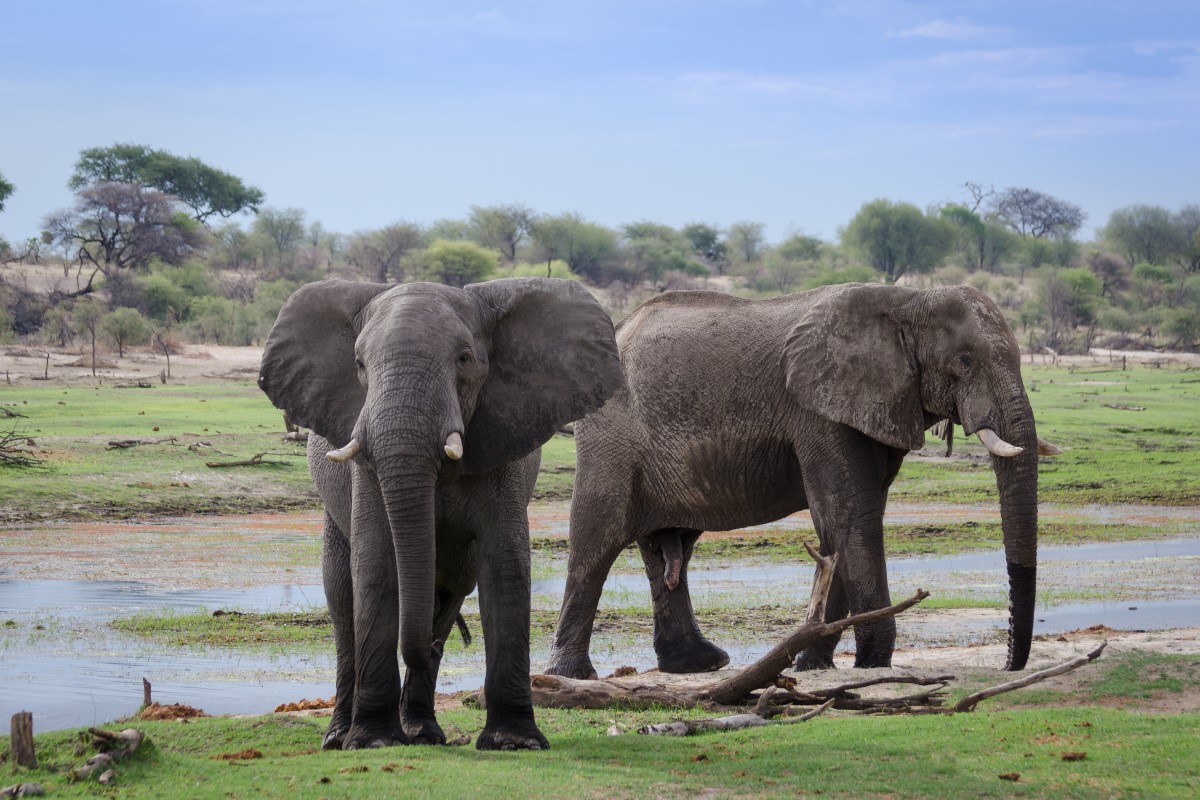
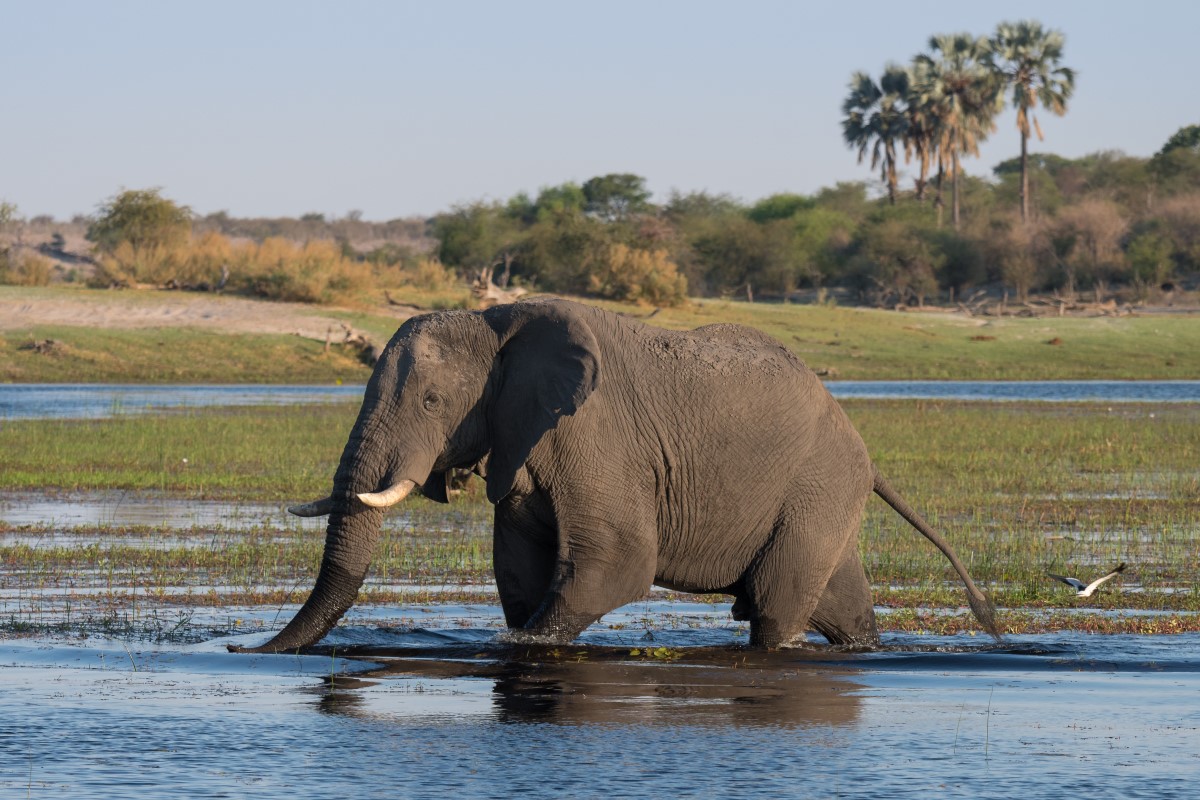
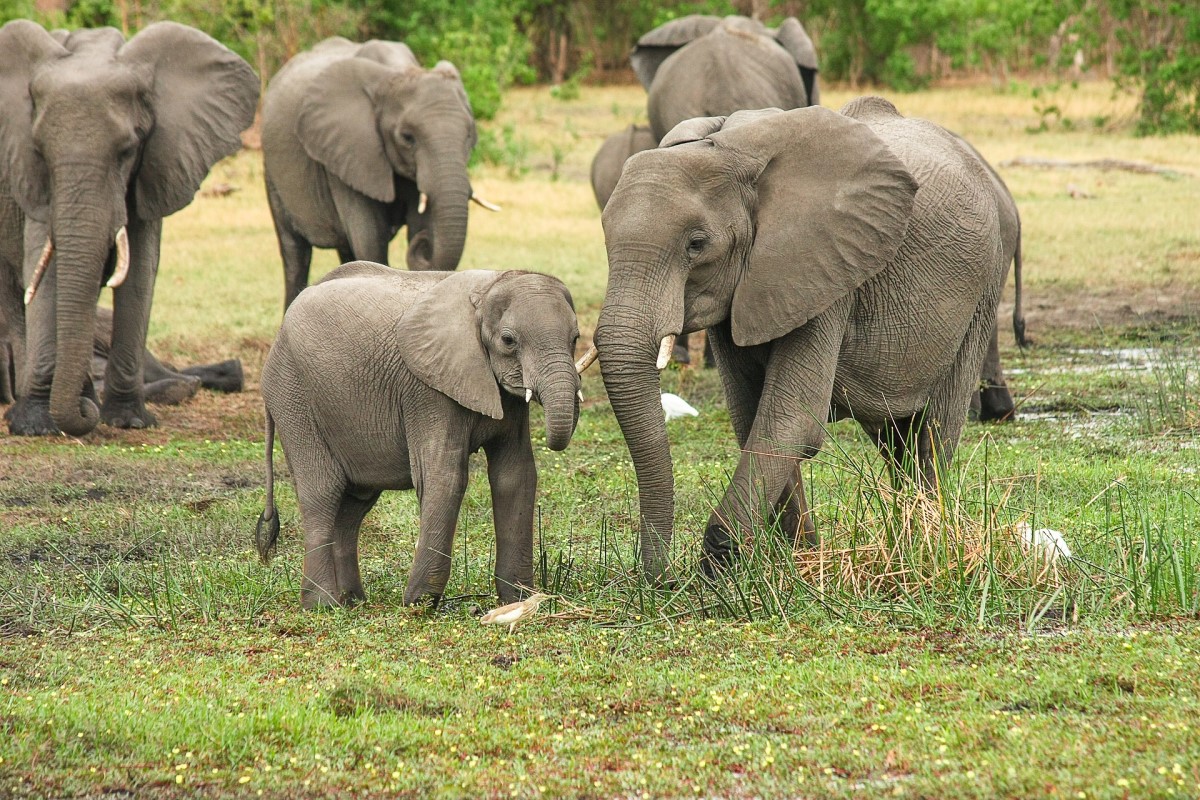
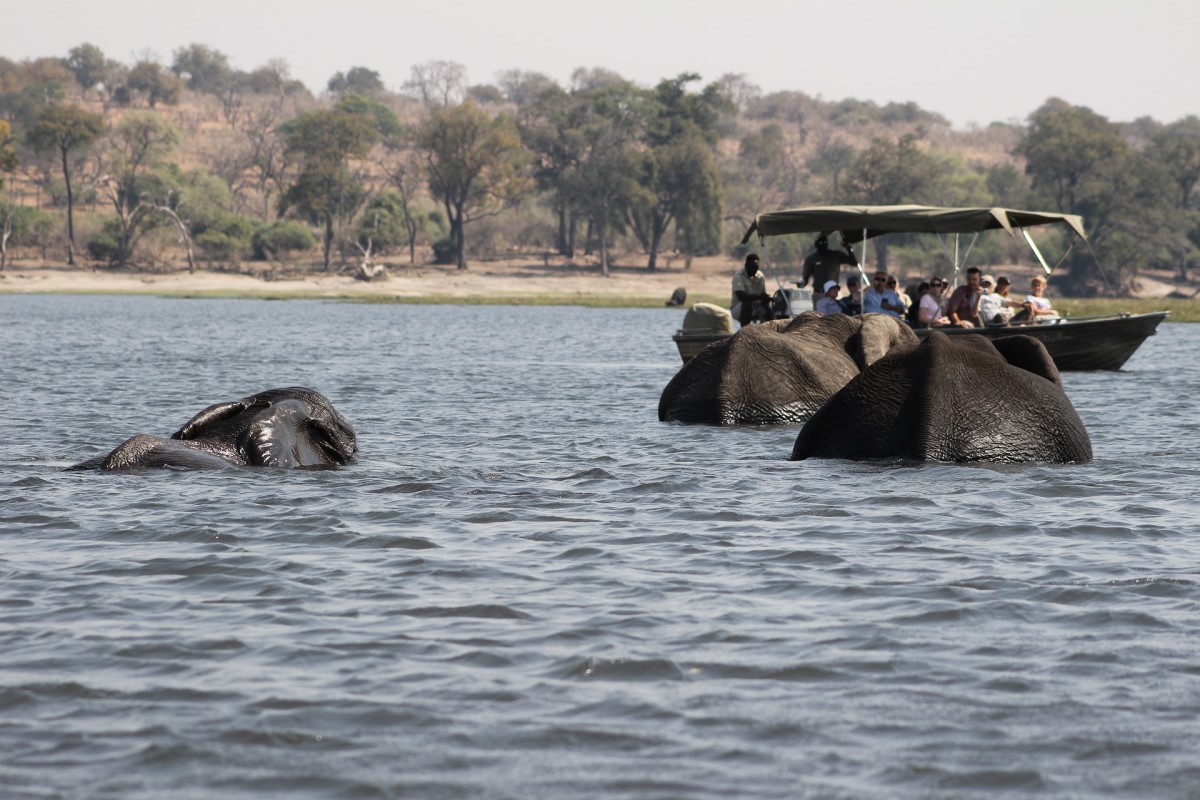
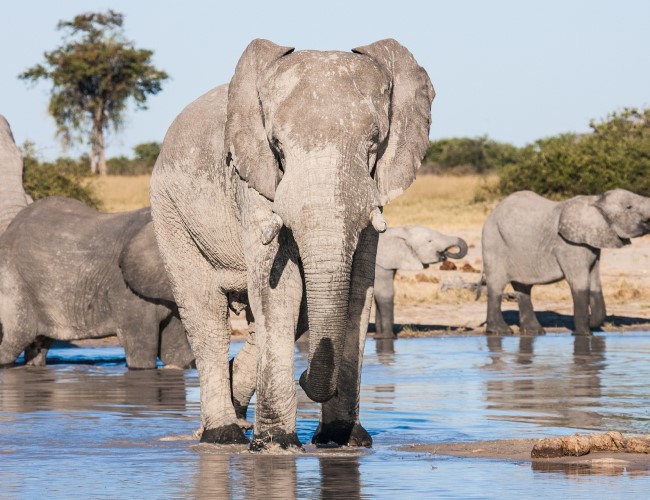
Chobe National Park is renowned for having the world's largest elephant population and highest concentrations - Botswana has approximately 130,000-150,000 elephants, with Chobe hosting 50,000-120,000 depending on season. During dry season (July-October), elephant herds converge on Chobe River in extraordinary numbers - sightings of 100-500+ elephants at river edge are common. What makes Chobe special: Chobe River boat safaris offer unique perspectives viewing elephants drinking, bathing, and swimming between islands, plus hippos, crocodiles, buffalos, and diverse birdlife from water level. Elephant behavior: witness family interactions, playful calves, breeding herds, and bachelor groups in natural habitat. Diverse ecosystems: Chobe River frontage (riverine forests and floodplains), Savuti Marsh (grasslands and predators), Linyanti Swamps (exclusive concessions), and dry interior woodlands create varied wildlife experiences. Accessibility: easiest Botswana safari access from Victoria Falls (1.5 hours), with road connections and day-trip options making it more affordable than fly-in Delta camps. High wildlife densities: beyond elephants, excellent lion, leopard, wild dog, buffalo, zebra, giraffe, and antelope viewing. Boat and vehicle combinations: enjoy both water-based and traditional game drives. Savuti region offers dramatic predator concentrations and wild seasonal marshes. Chobe River Lodge accommodations range from budget to luxury. Best season: dry season (May-October) for concentrations. Chobe provides spectacular, accessible Botswana wildlife experiences, particularly for elephant enthusiasts.
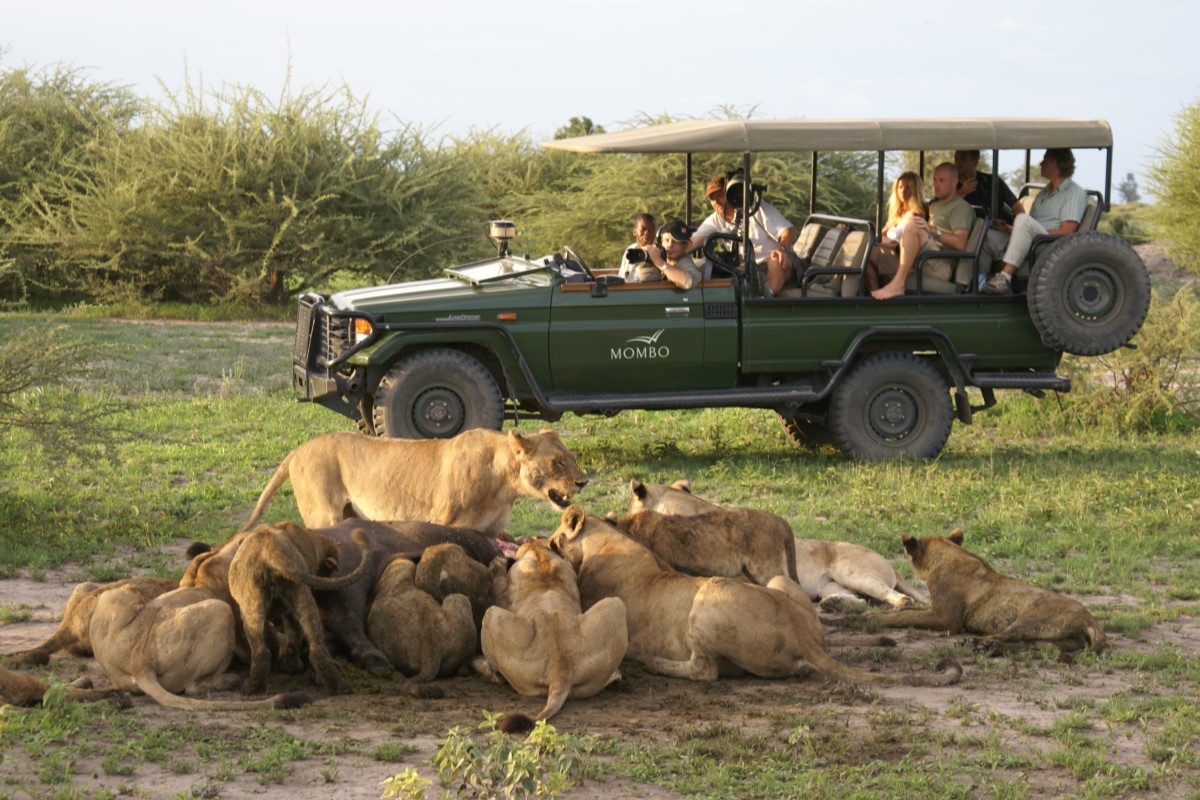
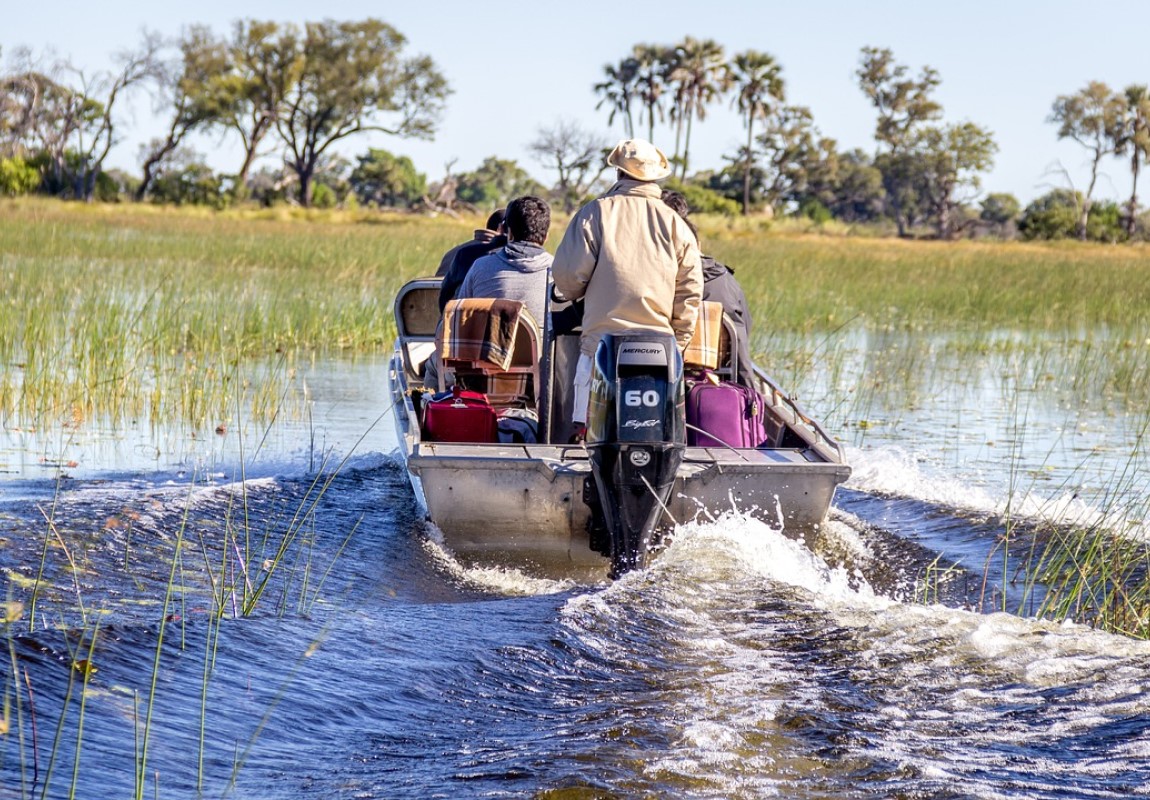
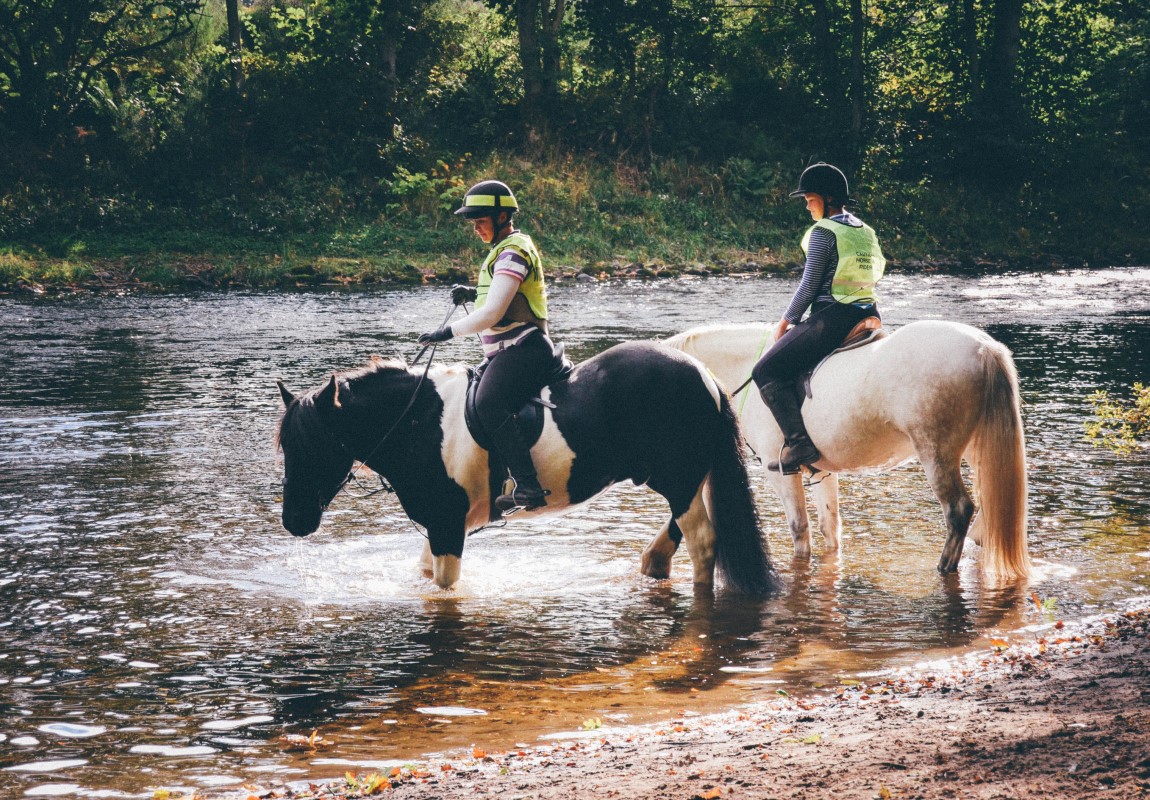
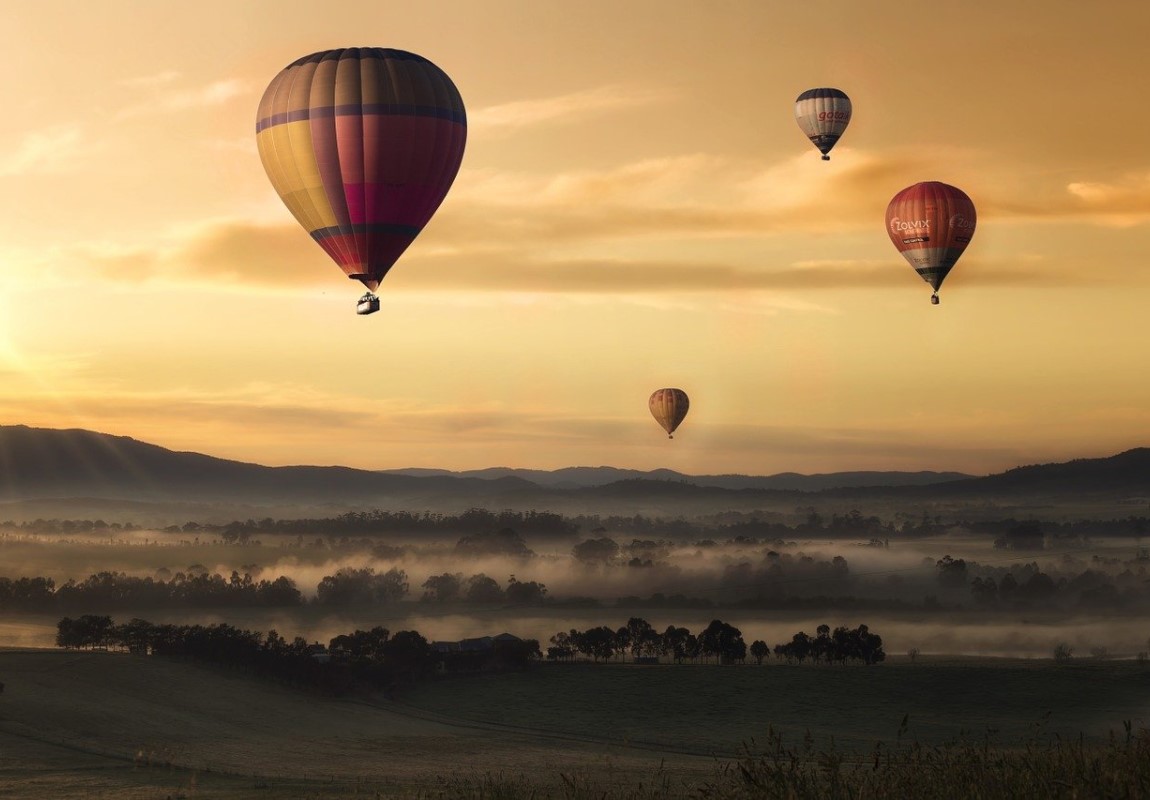
Botswana offers diverse safari activities beyond traditional game drives. Game drives: open 4WD vehicle safaris with expert guides morning and afternoon, often including sundowner stops with drinks and snacks. Mokoro excursions: traditional dugout canoe safaris through Okavango Delta channels - quintessential Botswana experience offering peaceful wildlife viewing at water level. Boat safaris: motorized boat cruises on Chobe River, Okavango channels, or Linyanti waterways for different perspectives including elephants crossing, hippos, crocodiles, and waterbirds. Walking safaris: guided bush walks with armed professional guides in private concessions offering intimate wildlife encounters, tracking skills, and ecosystem appreciation - Moremi, Khwai, and private reserves. Night drives: spotlighting for nocturnal species including leopards, lions, civets, genets, bushbabies, and owls in private concessions (not allowed in national parks). Fishing: catch-and-release tiger fishing, bream, and catfish in Okavango Delta channels - exciting sport with expert guides. Scenic flights: helicopter or small plane flights over Okavango Delta for breathtaking aerial views of channels, islands, and wildlife. Cultural visits: village tours, San bushman walks learning traditional skills like tracking, fire-making, and medicinal plants. Stargazing: dark-sky locations with minimal light pollution showcase brilliant Milky Way and southern constellations. Photography: specialized photographic safaris with professional guides understanding lighting, positioning, and wildlife behavior. Horseback safaris: available in select areas combining riding with wildlife viewing. Activities vary by location and season - Okavango Delta emphasizes water activities, Chobe focuses on river safaris and game drives, Makgadikgadi offers unique desert experiences. Most camps include multiple activity options daily.
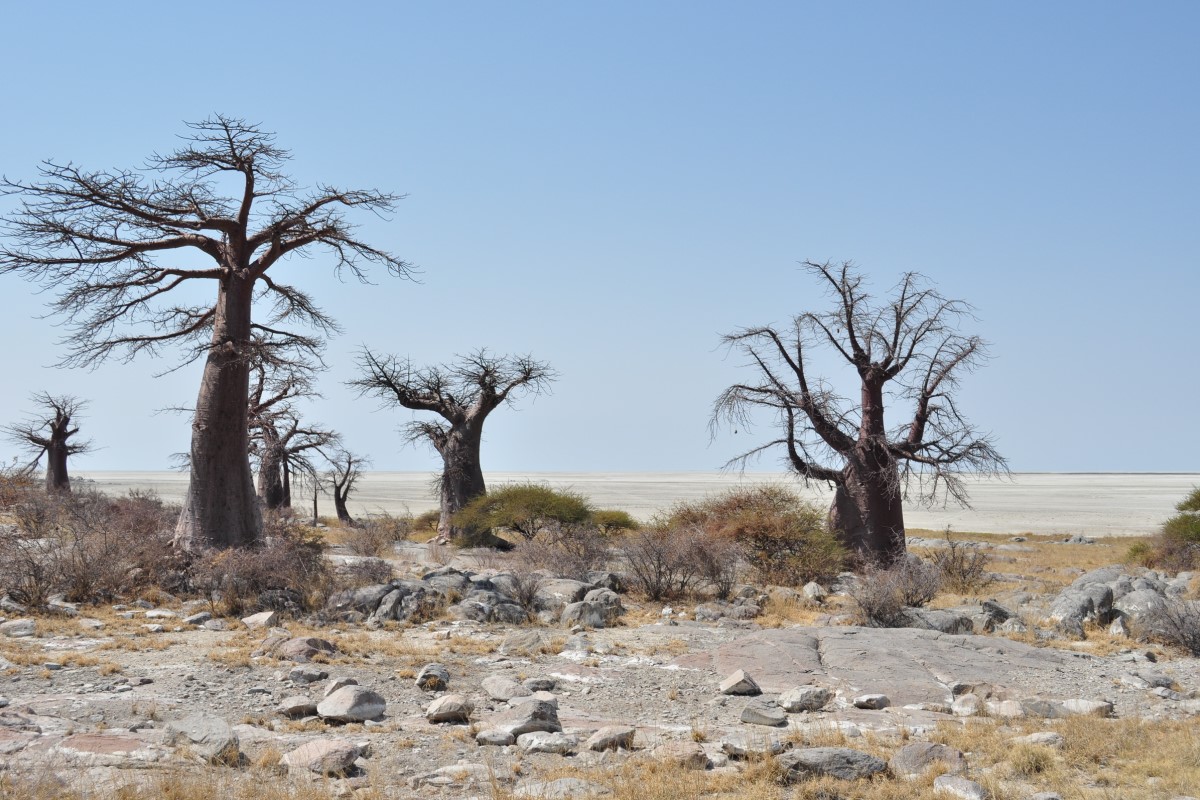
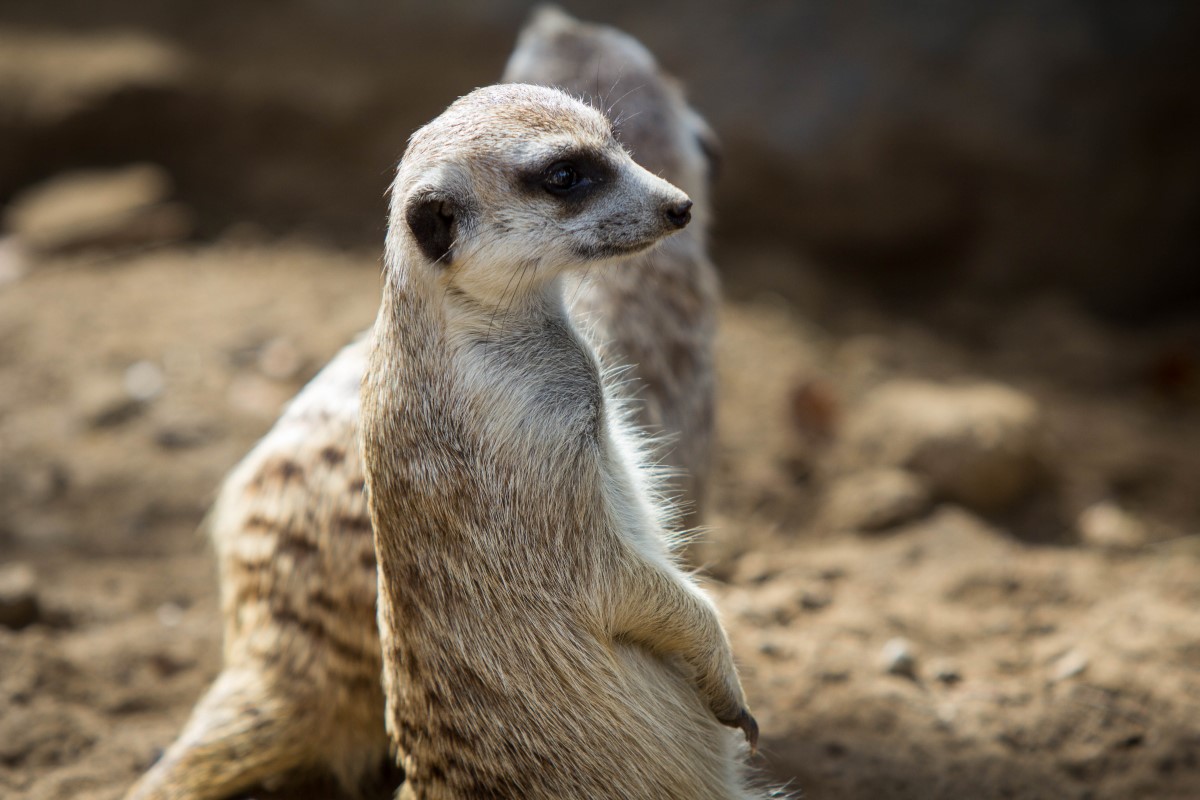
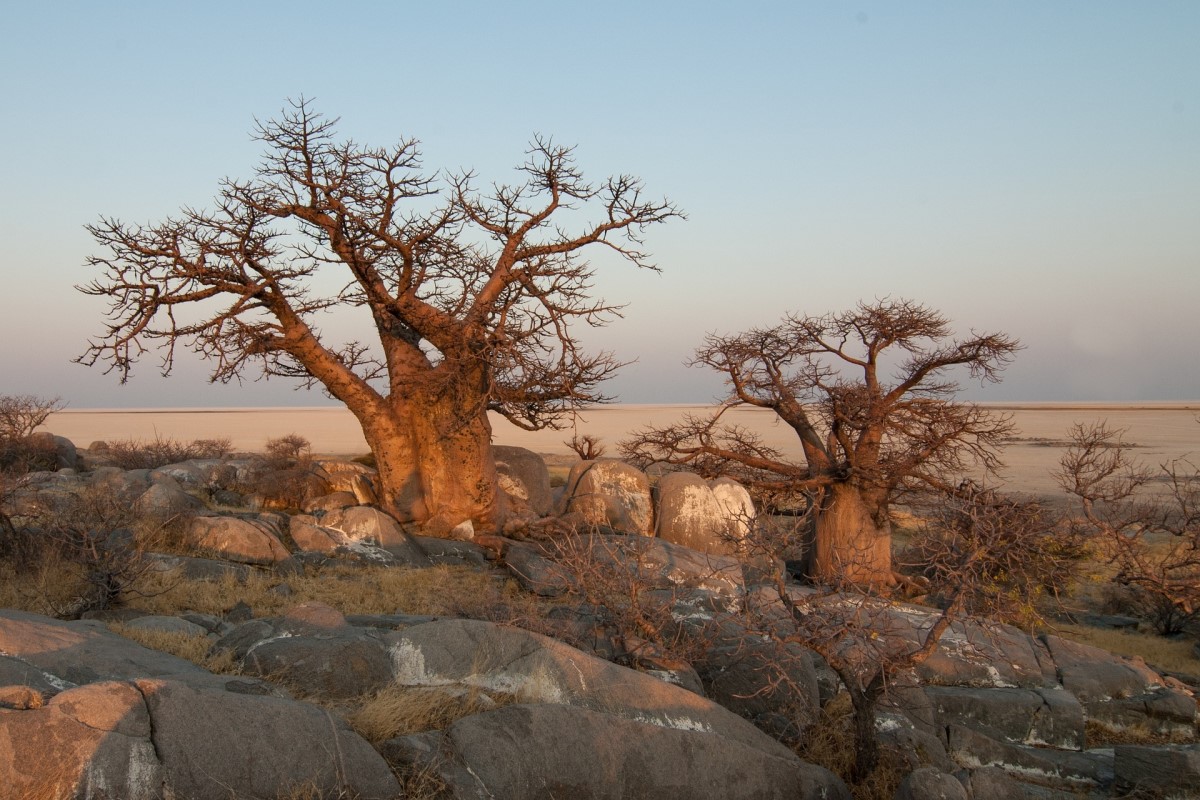
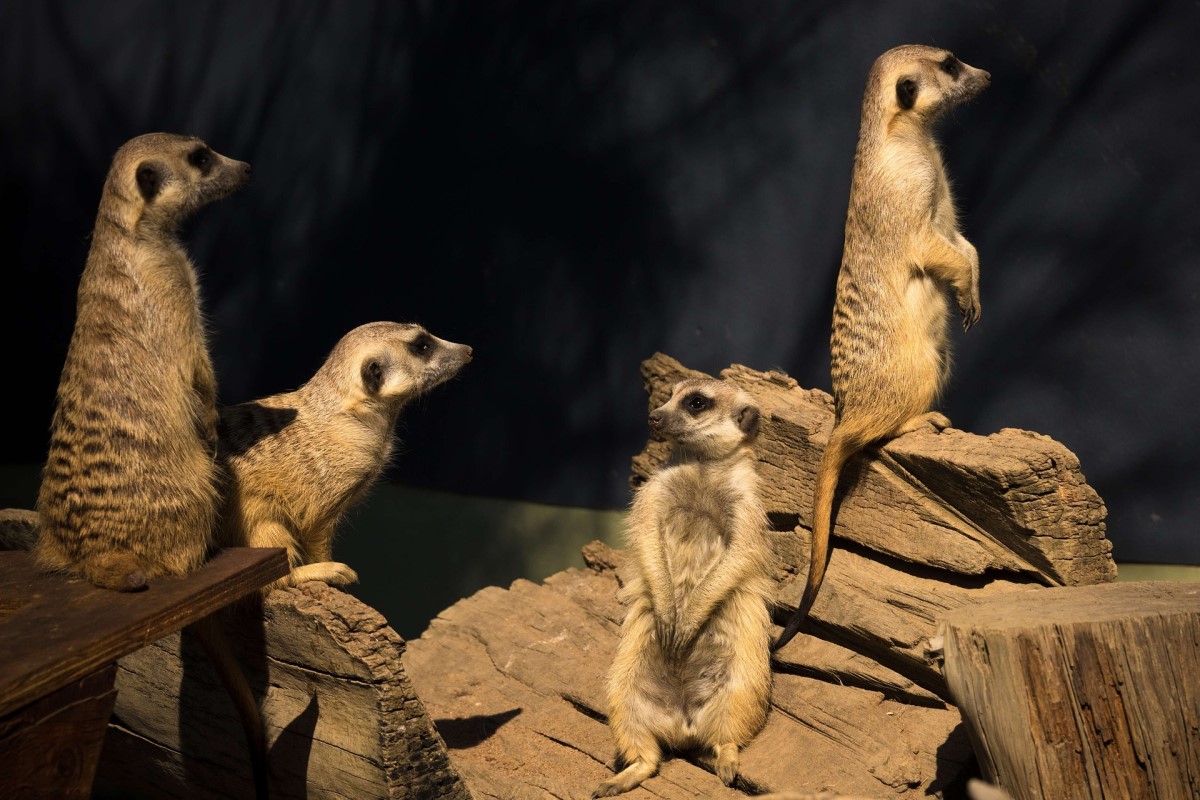
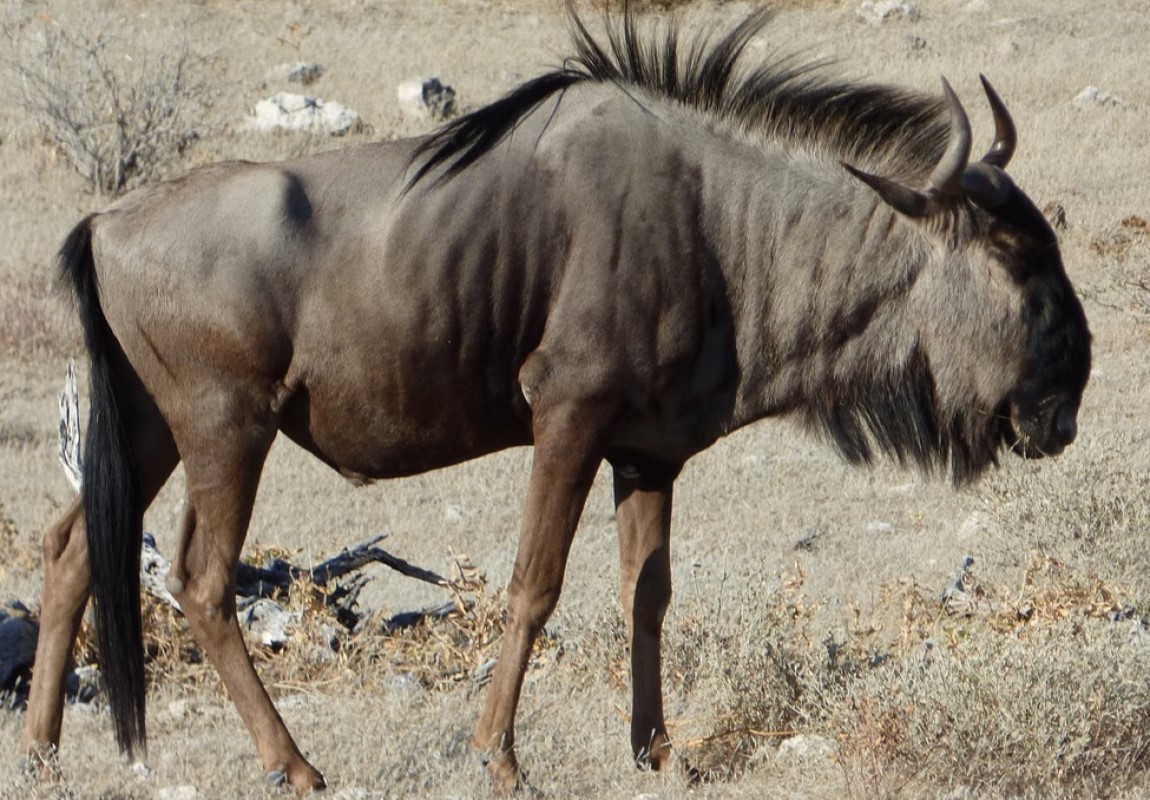
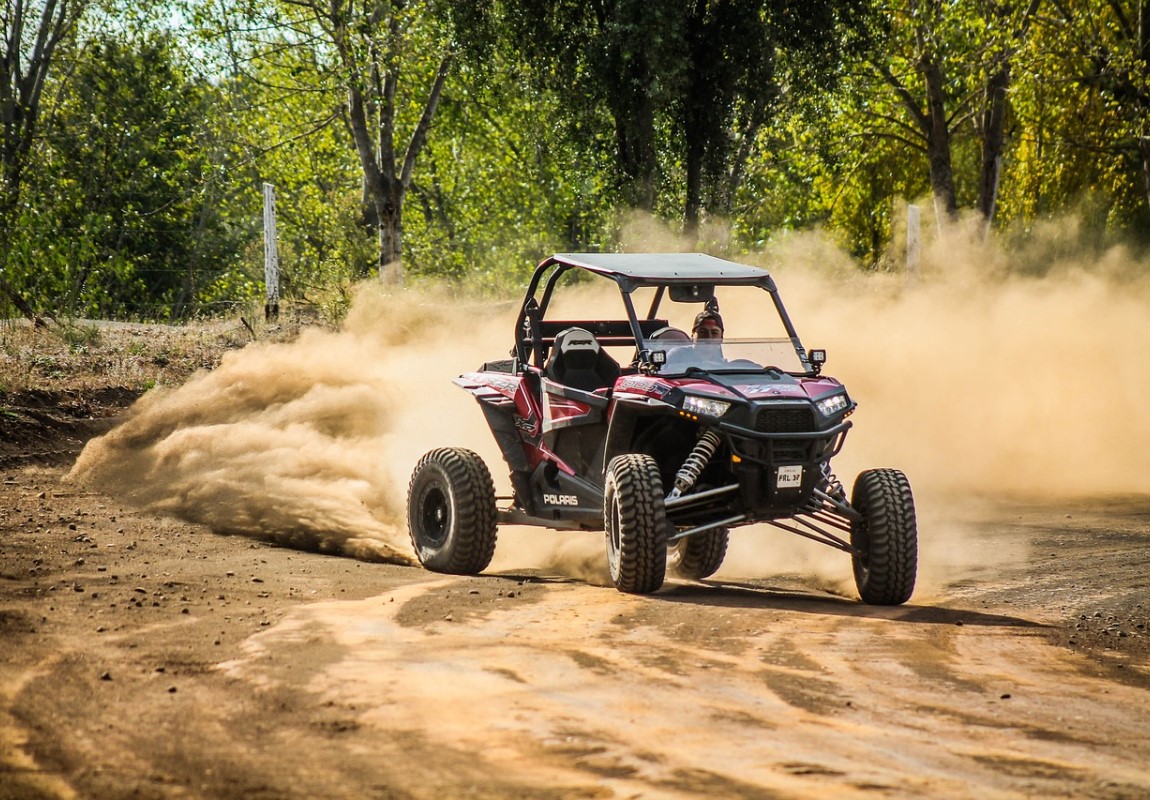
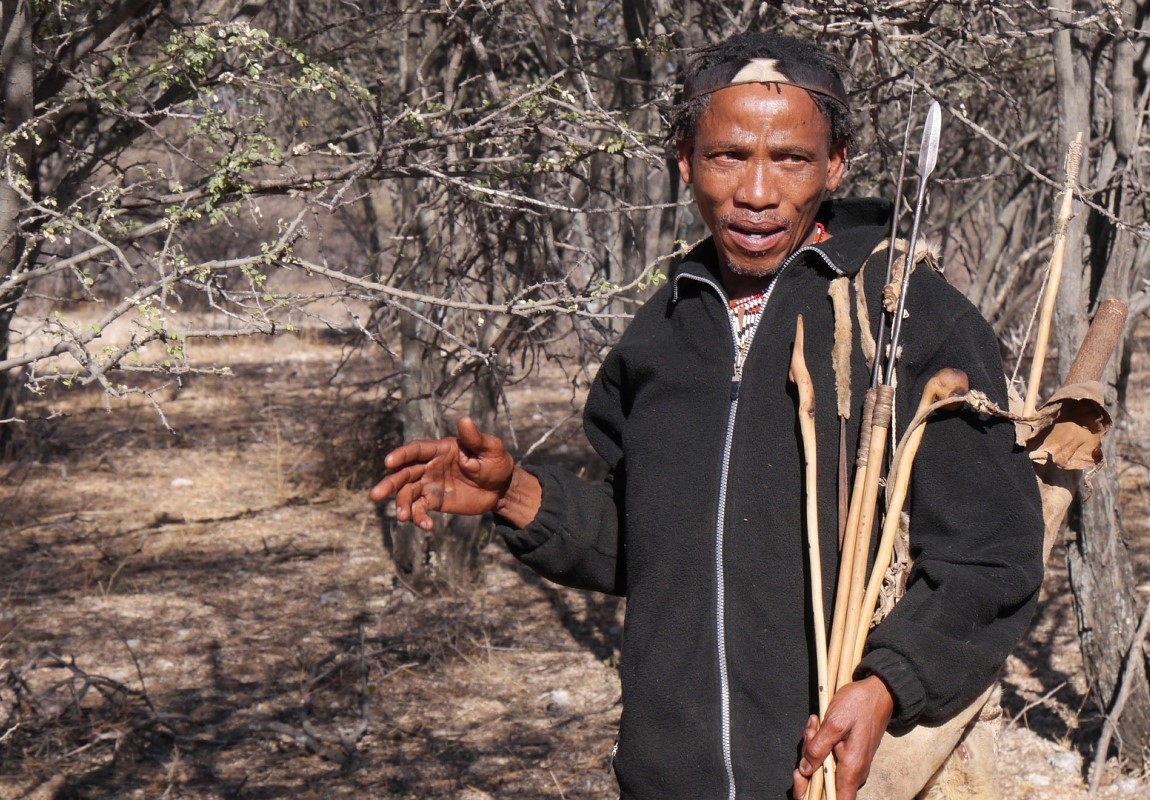
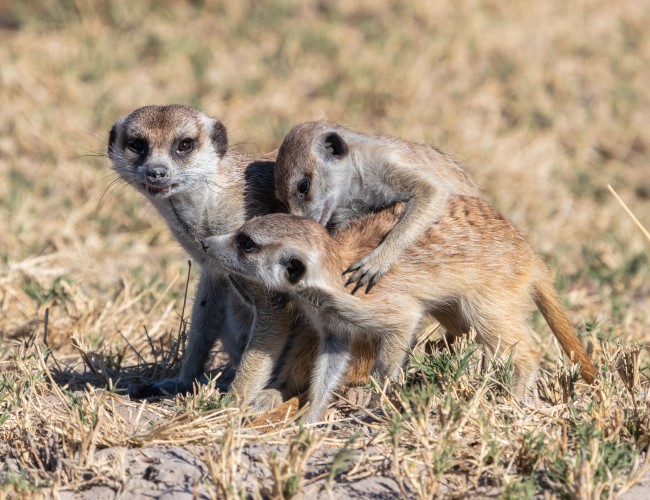
Makgadikgadi Pans is one of the world's largest salt pan systems covering 12,000+ km² of otherworldly landscapes in north-central Botswana - remnants of ancient Lake Makgadikgadi that dried up thousands of years ago. What makes it special: Dramatic landscapes - vast, flat, white salt pans stretching endlessly to horizons creating surreal, almost lunar environments during dry season. When flooded (December-April), pans transform into shallow lakes attracting thousands of flamingos and hosting Africa's second-largest zebra migration (25,000-30,000 zebras and wildebeest). Wildlife: unique desert-adapted species, meerkats (close encounters at habituated colonies), brown hyenas, oryx, springbok, and endemic plants. Dry season (May-November): exposed salt pans create stark beauty with quad biking, walking on pans, and incredible stargazing with uninterrupted horizons. Wet season: migratory birds (flamingos, pelicans), zebra calving season, lush grasses, and dramatic skies. Cultural experiences: San bushmen walks learning traditional survival skills, tracking, cultural history, and ancient connections to landscapes. Unique activities: quad biking across pans, sleeping under stars on pan surfaces (sleep-outs), exploring Kubu Island (ancient baobab-covered granite outcrop), and Chapman's Baobab historical site. Best combined with Okavango Delta or Chobe for contrast between water-rich and arid ecosystems. Makgadikgadi offers completely different Botswana experience - raw, stark beauty appealing to adventure travelers seeking unique landscapes beyond traditional wildlife safaris.
Setswana (Tswana) is Botswana's national language, and learning basic phrases delights locals even though English is widely spoken. Here are 10 essential Setswana phrases with pronunciations:

1) Dumela (doo-MEH-lah) - Hello (singular), Dumelang (doo-meh-LAHNG) - Hello (plural)
2) O tsogile jang? (oh tsoh-HEE-leh jahng) - How did you wake? (How are you?)
3) Ke tsogile sentle (keh tsoh-HEE-leh SEHN-tleh) - I woke well (I am fine)
4) Ke a leboga (keh ah leh-BOH-hah) - Thank you
5) Ke a leboga thata (keh ah leh-BOH-hah TAH-tah) - Thank you very much
6) Tsweetswee (tsweet-SWEE) - Please
7) Ee (EH-eh) - Yes
8) Nnyaa (nn-YAH) - No
9) Go siame (hoh see-AH-meh) - It is good/okay
10) Sala sentle (SAH-lah SEHN-tleh) - Stay well/Goodbye (to person staying), Tsamaya sentle (tsah-MAH-yah SEHN-tleh) - Go well/Goodbye (to person leaving)

Bonus: Pula (POO-lah) means "rain" and is Botswana's greeting of blessing (also currency name). Wildlife words: Tau (lion), Tlou (elephant), Kwena (crocodile), Phiri (hyena). Batswana (people of Botswana) greatly appreciate visitors attempting Setswana, especially traditional greetings. Your guides will happily teach you more phrases!

Change Currency

Loading currencies...

Give your feedback