

Tanzania Safari Destination Tanzania flag

Tanzania Safari Information

The Land of Kilimanjaro, Zanzibar, and the Serengeti.

856 Tours 340 Tour Operators 5 Accommodation Properties

Starting from

$600PP

Overview

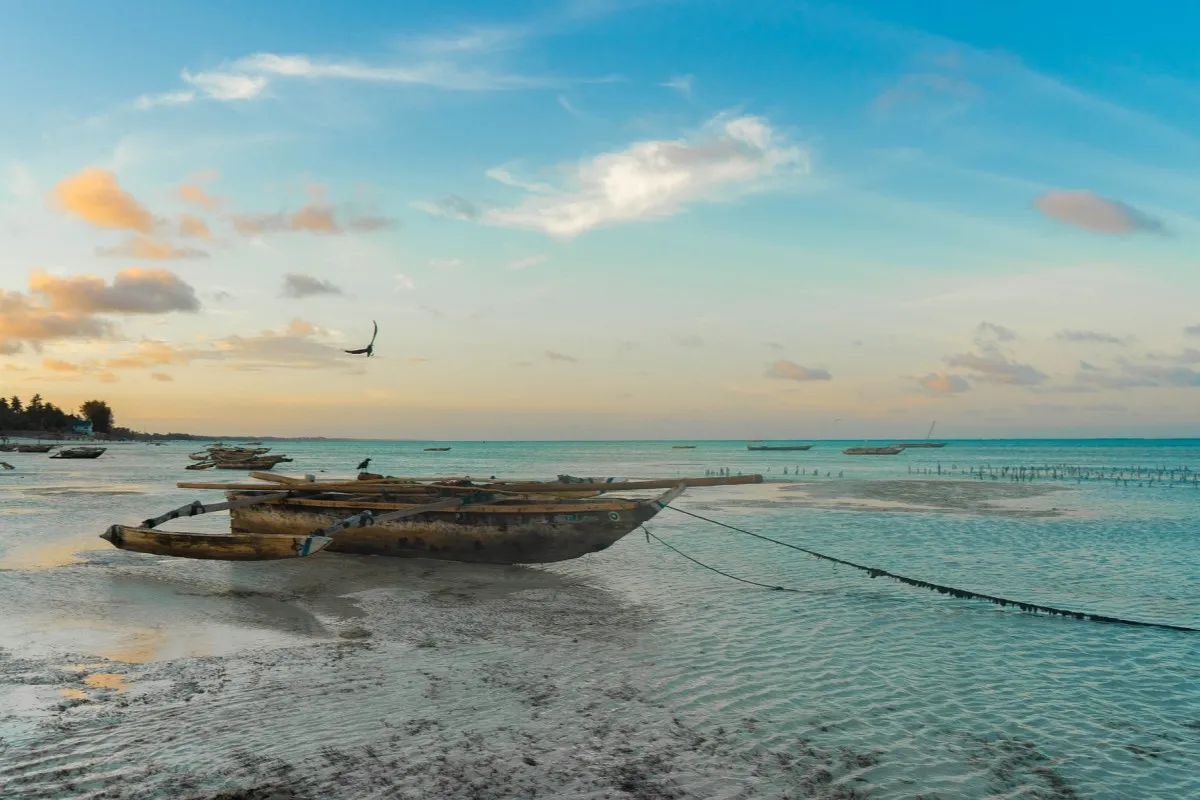
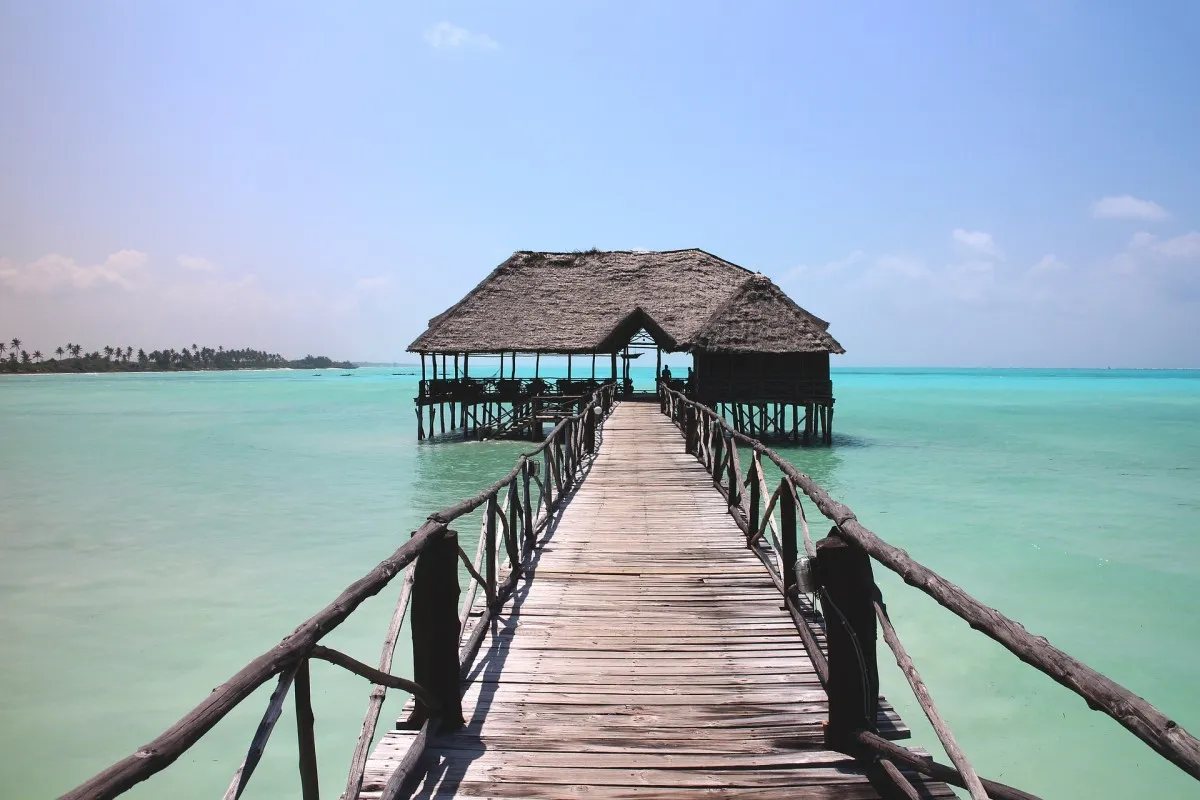
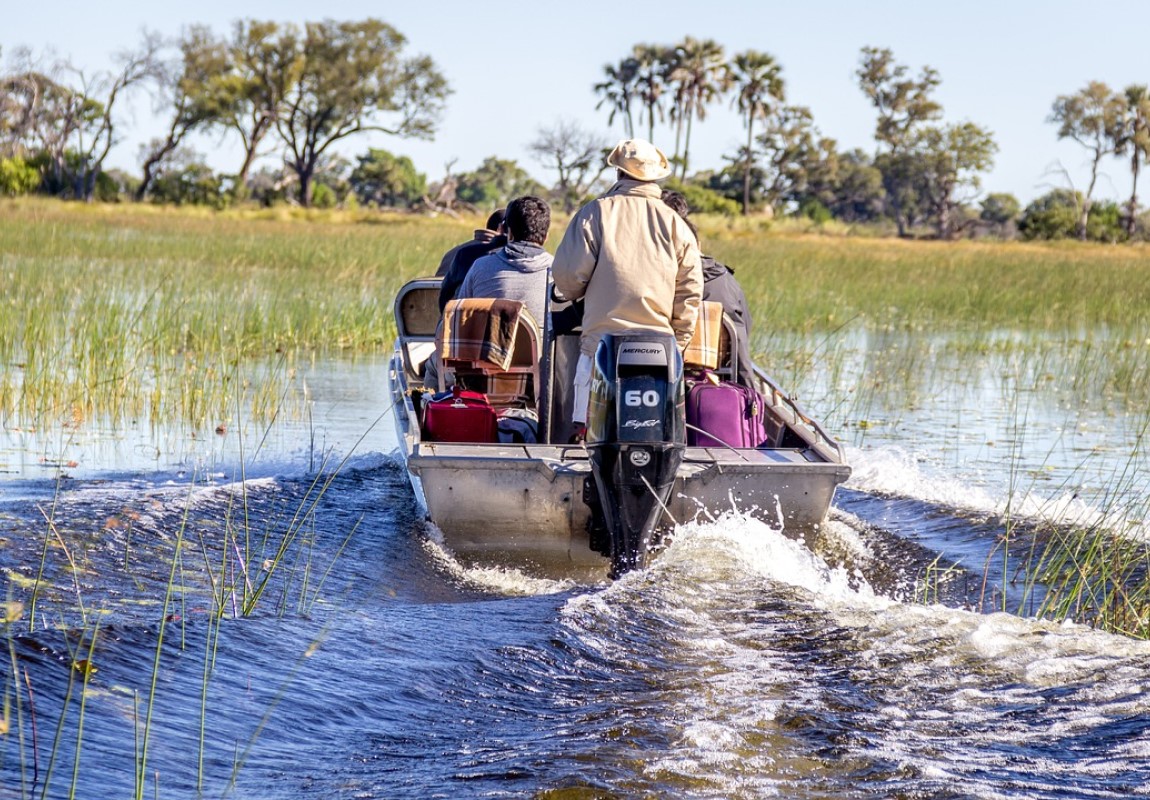
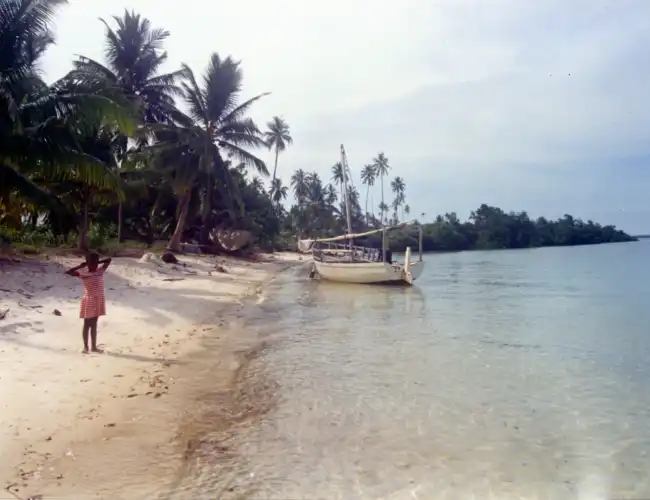
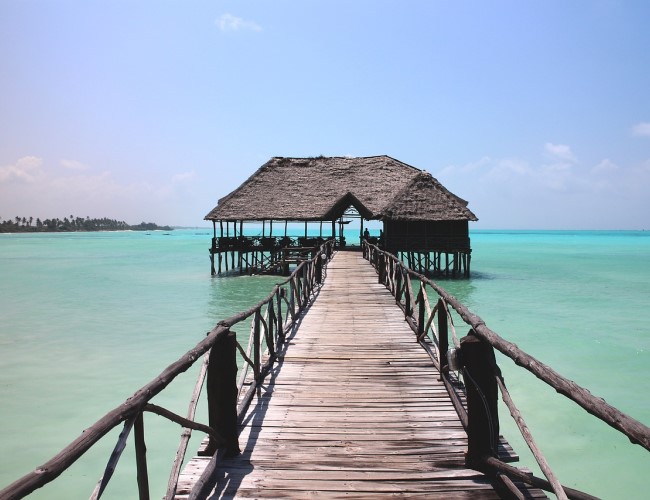
Tanzania has so much to offer with its vast wilderness areas situated in East Africa. The popular Northern circuit which includes the plains of Serengeti National Park known as the mecca for safari travellers populated by the “big five” game (elephant, lion, leopard, buffalo, rhino), and Kilimanjaro National Park, home to Africa’s highest mountain. The southern safari circuit would be perfect for travellers who want to experience a remote safari adventure and activities like guided walking tours, fly-camping, and boating. In the coastal lands and towns of Zanzibar, Pemba, and Mafia, You can also find some of the world’s most beautiful beaches, most extravagant diving spots and fantastic historical experiences with Arabic influences and a marine park home to whale sharks and coral reefs.

Rates (USD)
$350 pp/day
Currency
Tanzanian Shilling (TZS)
Capital
Dodoma
Languages
English, Swahili
High Season
June to March
Best Time to Go
July to October (Dry season)

Pros & Cons

  • Low-density tourism and eco-friendly lodges
  • Excellent wildlife viewing in northern parks
  • Beautiful and diverse scenery of dry desert, saltpans, savannah grasslands and delta waterways
  • Low population and vast, undeveloped areas
  • Political stability and safety
  • Expensive upmarket safaris with few budget options
  • Availability can be limited during high season

Map in Africa

Tanzania Map in Africa

Safari Reviews

User Reviews
0.0/5
(0 Reviews)

Share Your Experience

Help other travelers by writing a review

Best Time to Visit – Tanzania

The best time to visit Tanzania is from June to October during the Dry season when the skimpy vegetation makes it easier to spot wildlife. The wildebeest migration in the Serengeti National Park is usually during June and July and for the wildebeest calving late January to February will be more suitable. This is also a good time to visit the southern and western circuit when it’s cooler and to avoid the rains, while the hotter summer months of December and January are also ideal for beach lovers, with a fresh ocean breeze lowering high temperatures.

High Season
June to October (long dry season)
Low Season
January to March and November to December
Best Weather
June to October (long dry season)
Worst Weather
March and April (Peak of Wet season)

June to October (Dry Season)

  • Wildlife can be easily spotted around river crossing and waterholes
  • Pleasant temperatures between 20-30°C (sunny and no rain)
  • June to August is the best time to see the Wildebeest migration
  • To climb Mt. Kilimanjaro, this will be a very suitable time
  • Clear blue skies and most of the days are sunny
  • There are very less mosquitoes because of little rain
  • Mornings and nights get very cold; Warm clothes are highly recommendable

November to May (Wet Season)

  • January to February is the best time to see calving in southern Serengeti which also attracts a large number of predators
  • Nature is very colourful where flowers are in bloom, forest & grass is green and beautiful
  • It's a low season which means lower rates for safari and less crowded parks
  • Migratory birds are present in this season hence Bird watching at its best
  • March to May is the peak of the Wet season
  • For Tarangire, Katavi, Nyerere and Ruaha, Wildlife viewing will be better during the Dry season

Best Time to Go to Tanzania by Major Park

The Masai Mara offers year-round wildlife viewing, but most of the visitor comes in between July to October. In the peak of the rainy season, most other parks, especially in the highlands and along the coast, can be problematic concerning heat, humidity and continuous rain. Some of the lodges closed as a result. The dry months offer quality wildlife viewing throughout Kenya.

Wildlife & Animals

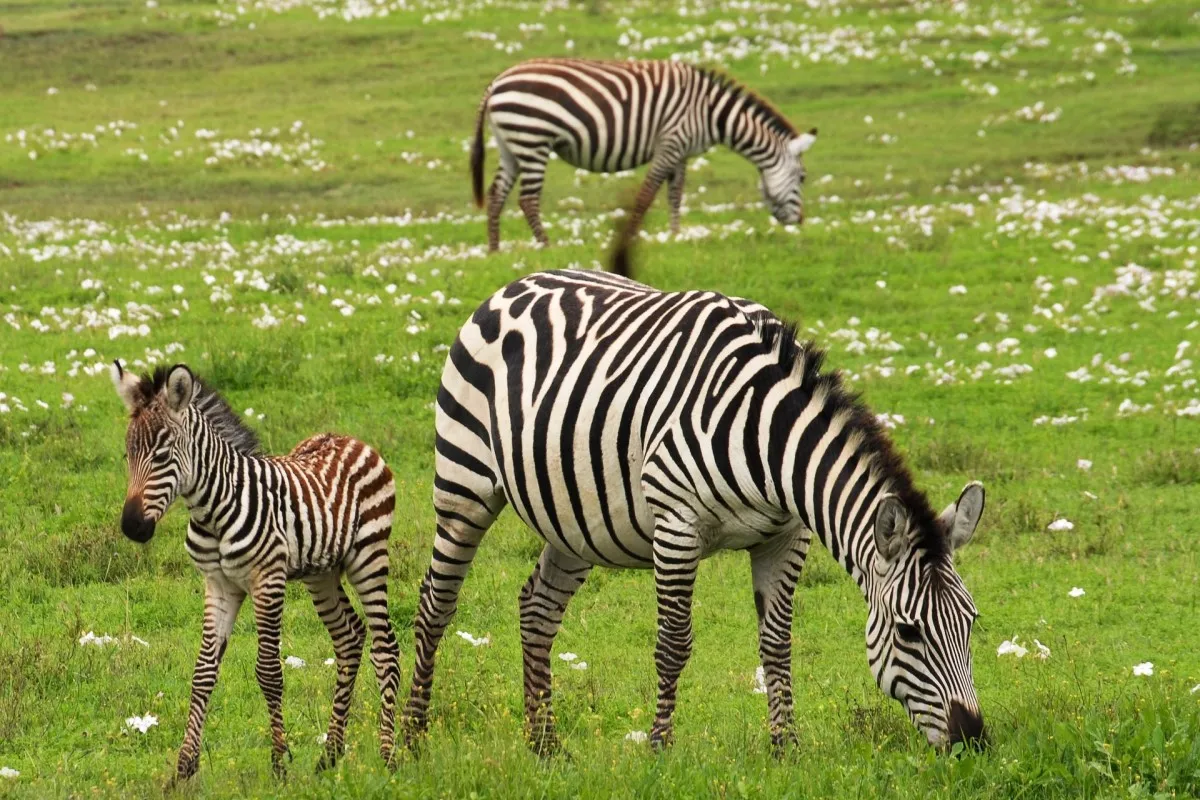
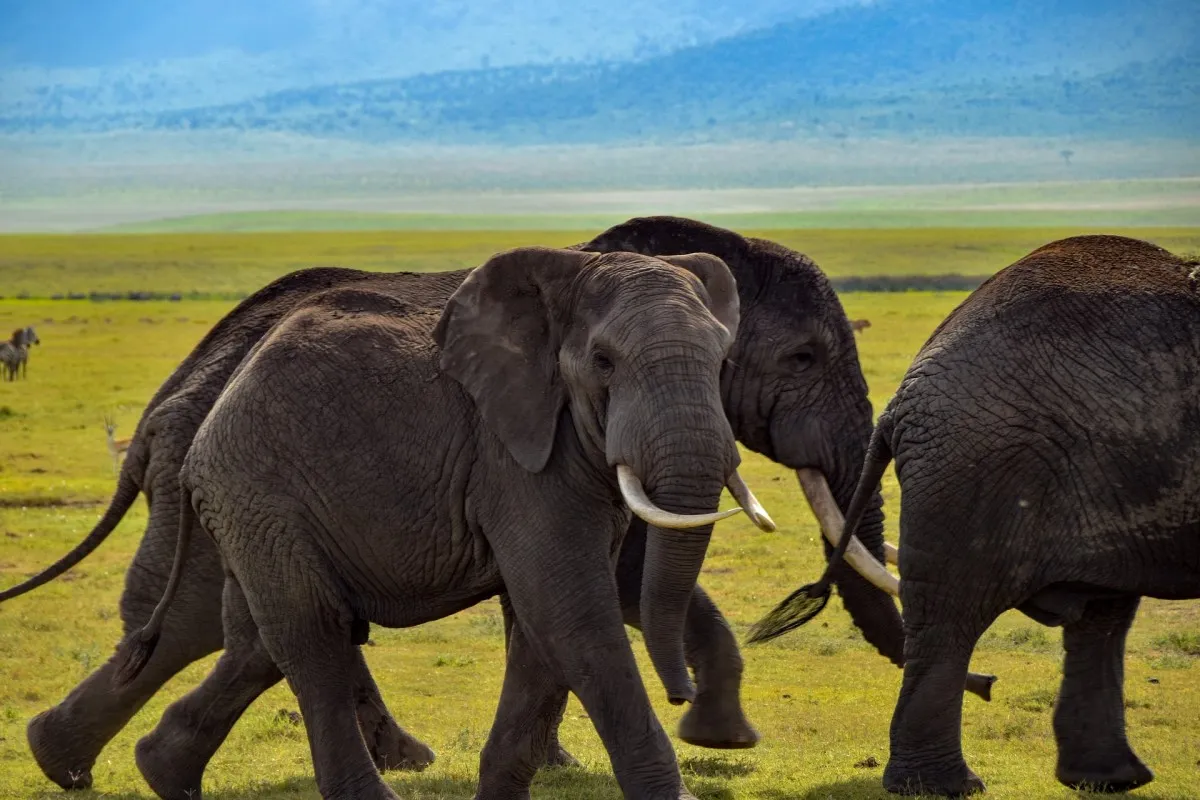
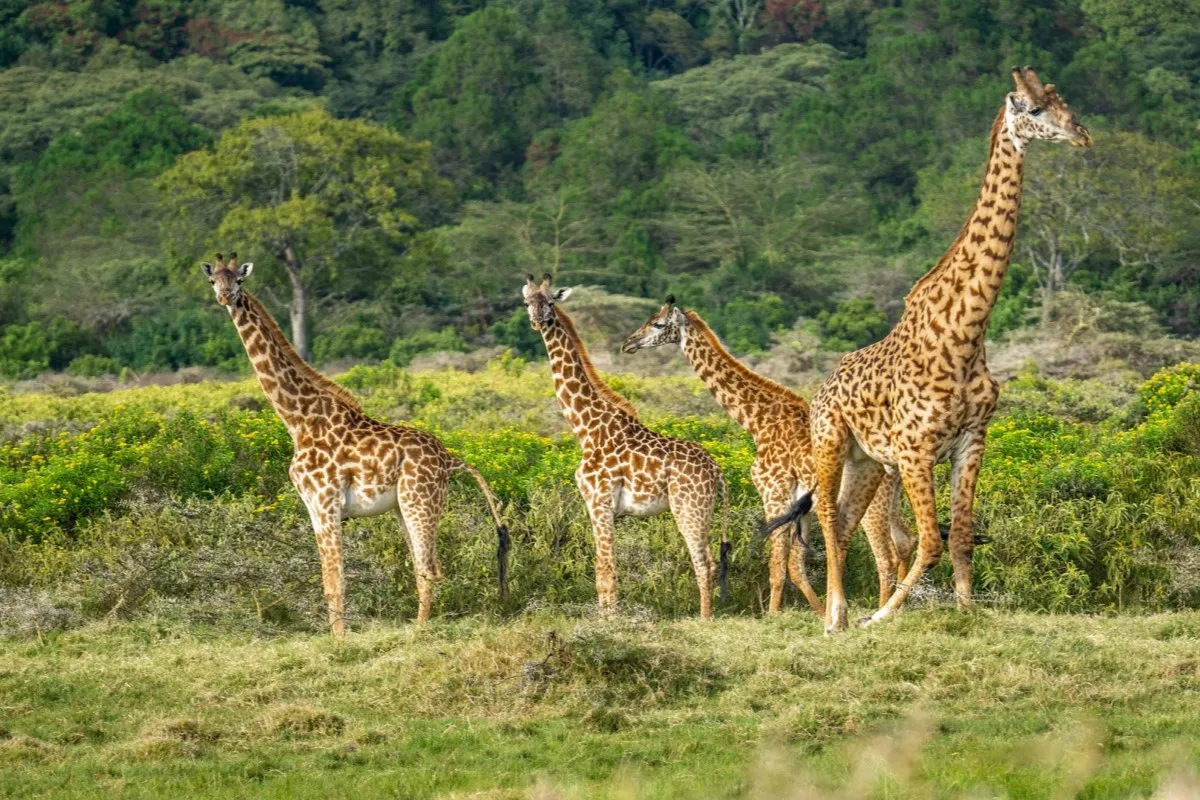
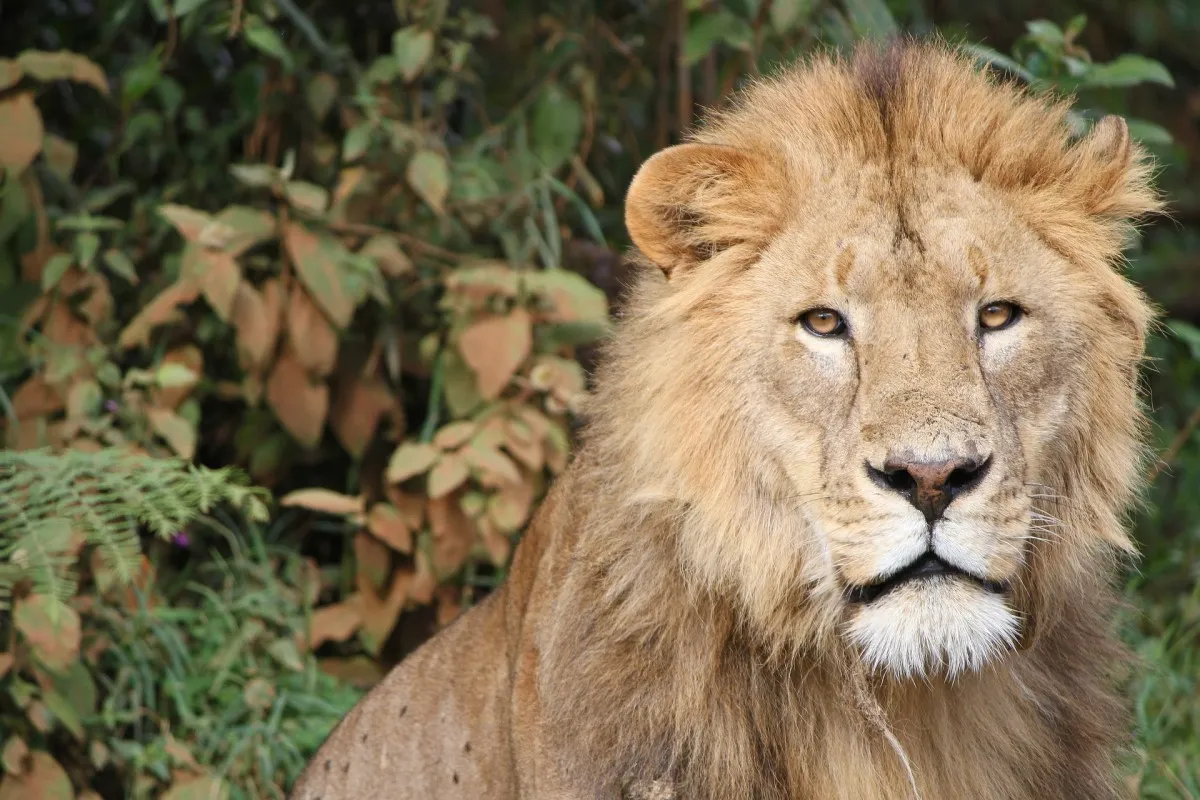
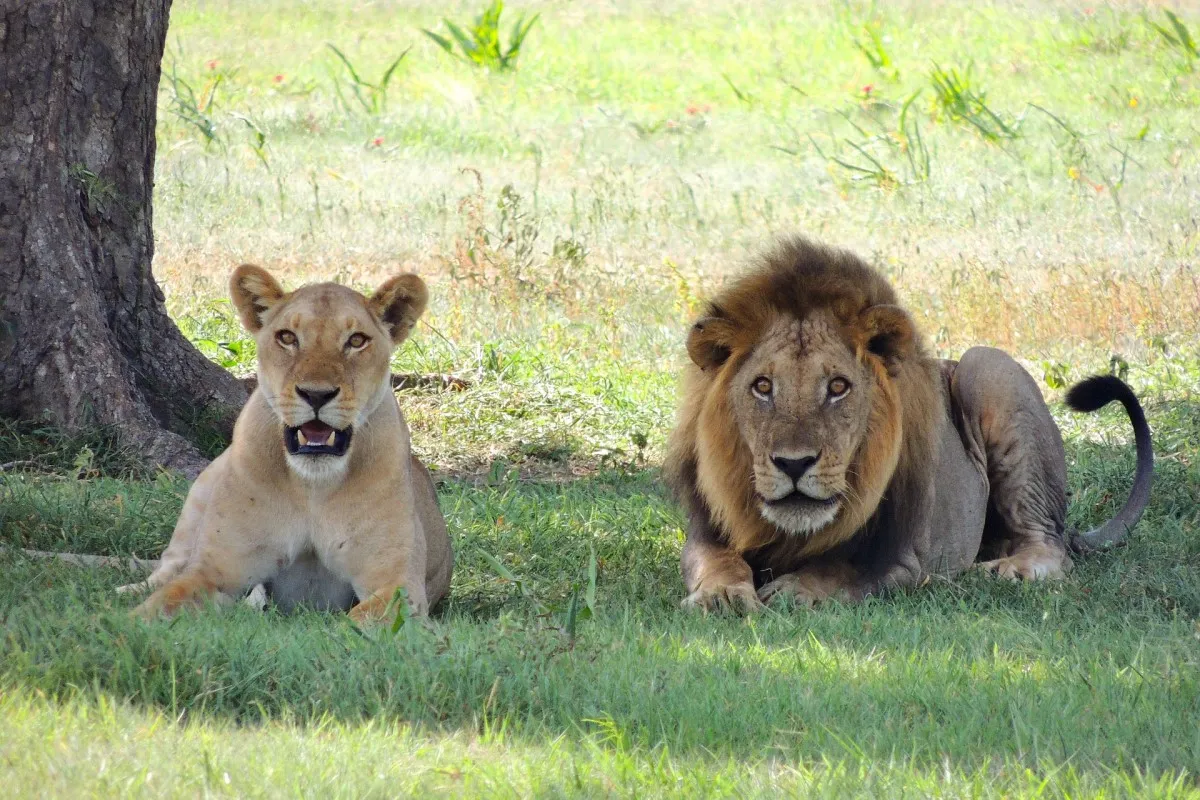
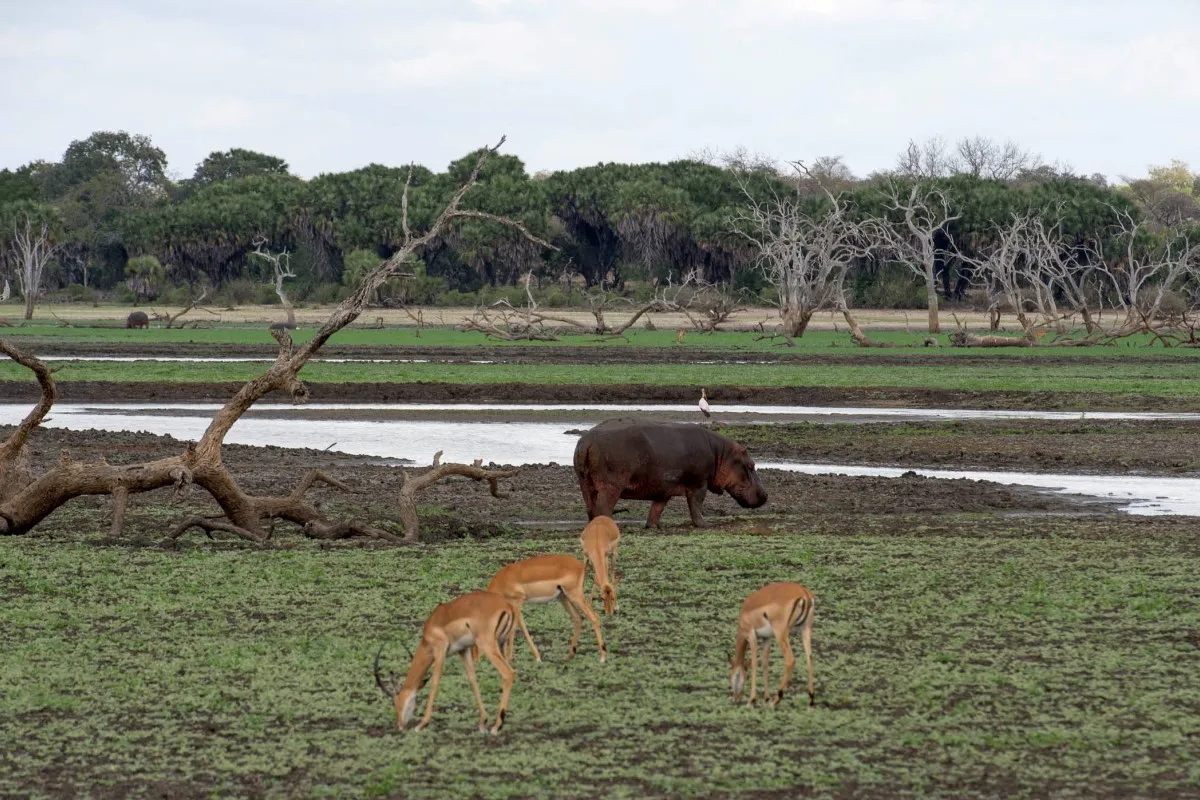
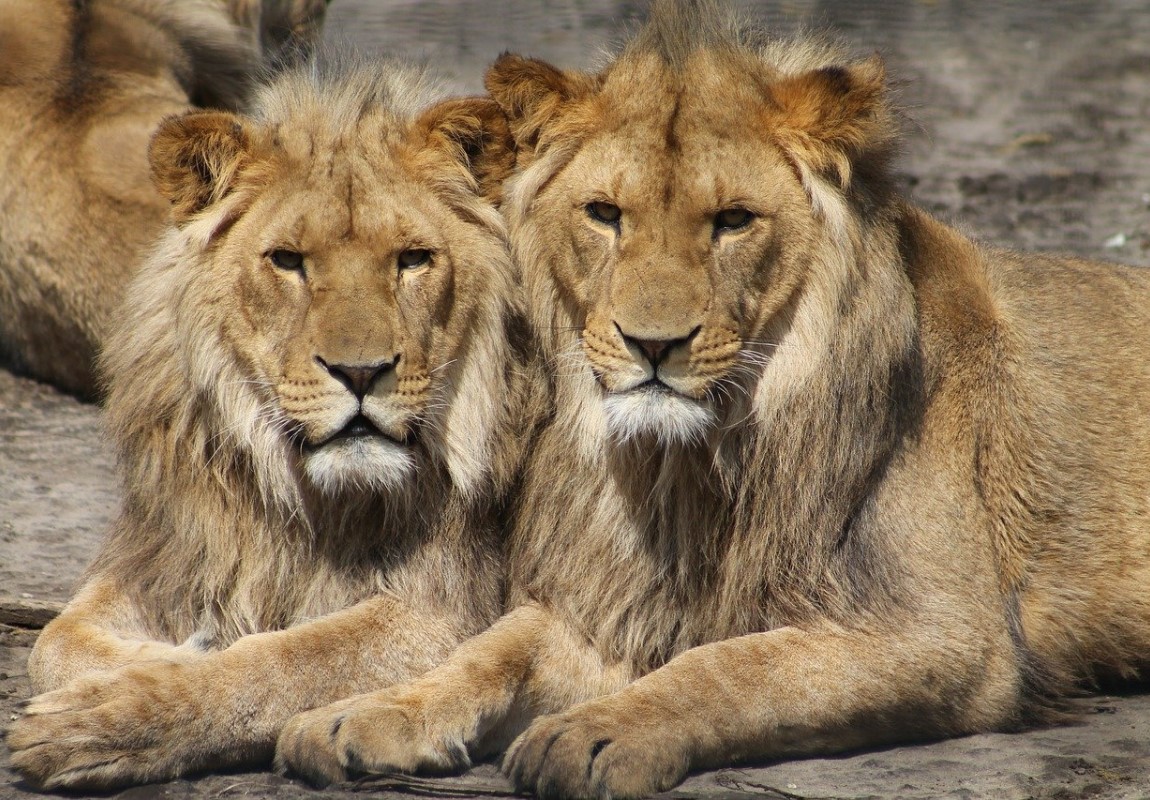
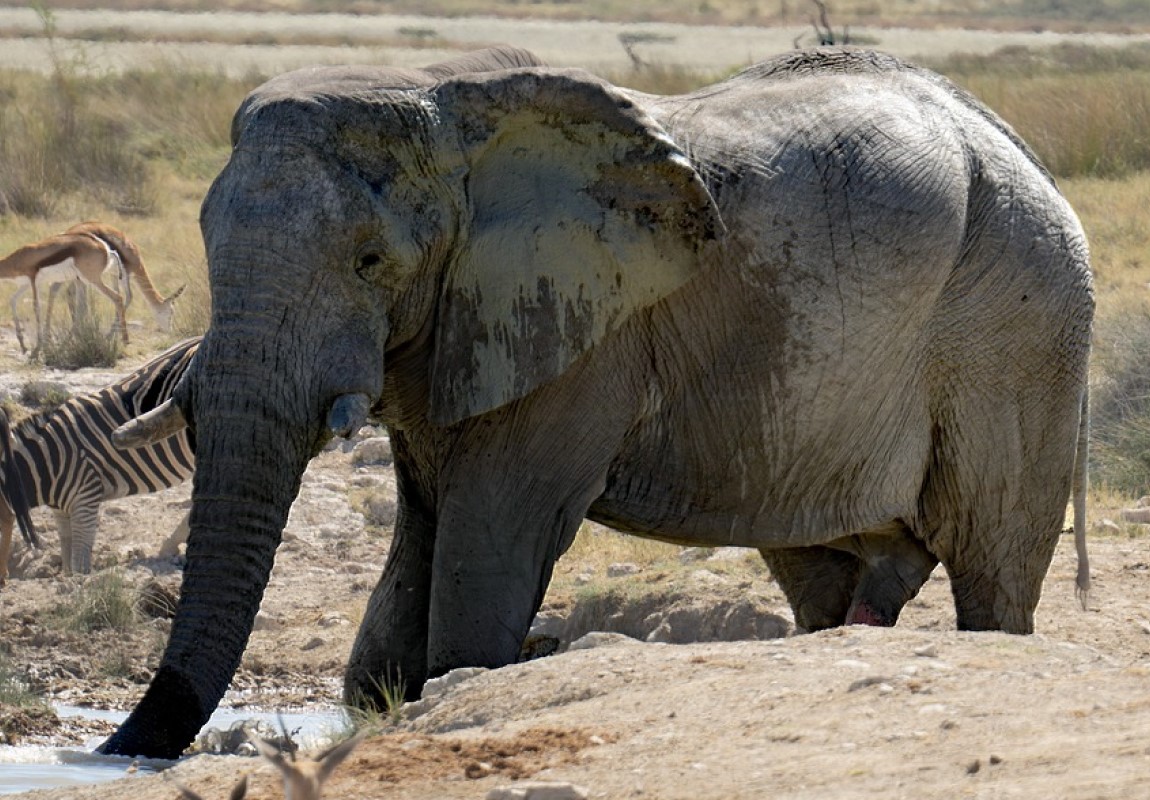
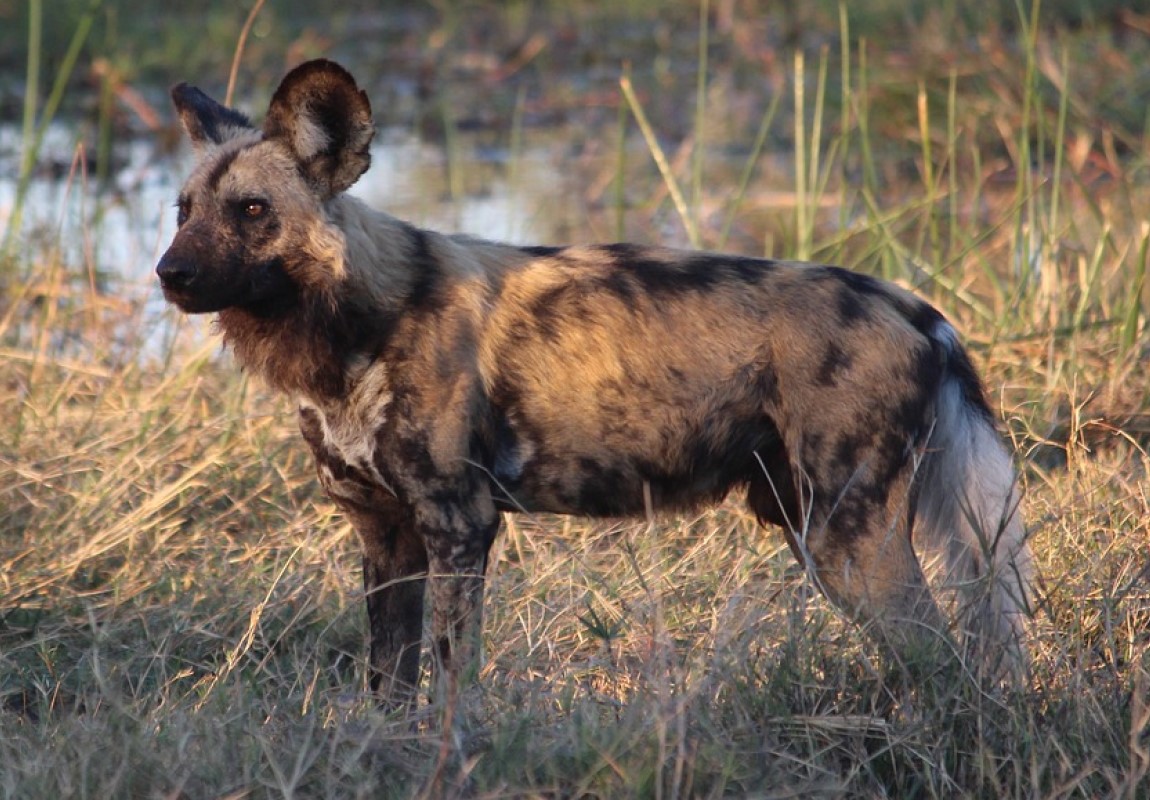
During the dry season elephants, lions, spotted hyenas, African buffalo, giraffes, zebra, impala, and reedbuck can be spotted very easily. Eland, sable and roan antelopes are found in substantial numbers, and its marshy lakes have Tanzania's densest population of hippopotamus and Nile crocodiles. Big cats can be found in Serengeti National park and for Black rhinos, you have to visit the Ngorongoro Crater. Highly endangered African Wild dogs can be relatively easy to find in Nyerere and Ruaha and Africa's best chimpanzee reserves can be found in Gombe Stream and Mahale.

Wildlife Highlights

Tanzania’s wildlife, acclaimed as the “finest safari experiences and wildlife spectacles found anywhere on the planet”, has 40 national parks and game reserves which contain approx. 20 per cent of the species of Africa’s large mammal population. There are 17 national parks covering a total area of 42,235 square kilometres (16,307 sq mi) forming approximately 38 per cent of the country's territory.

The Great Wildebeest Migration

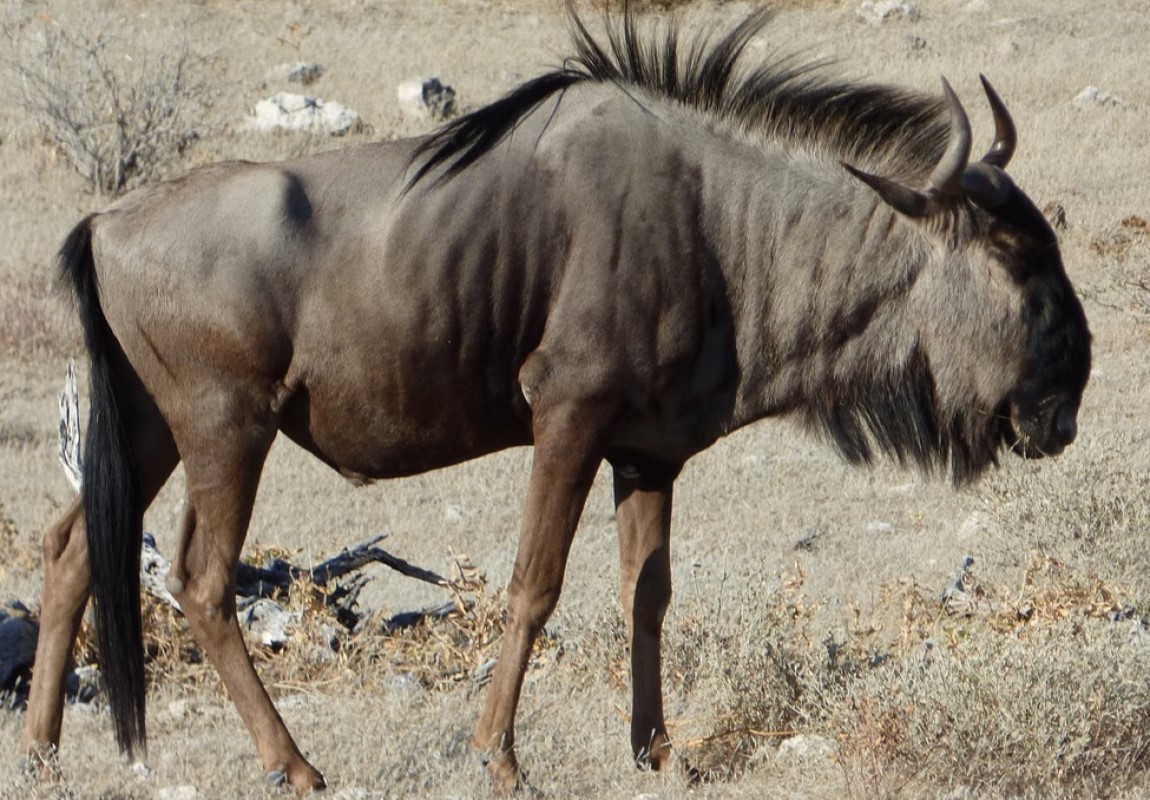
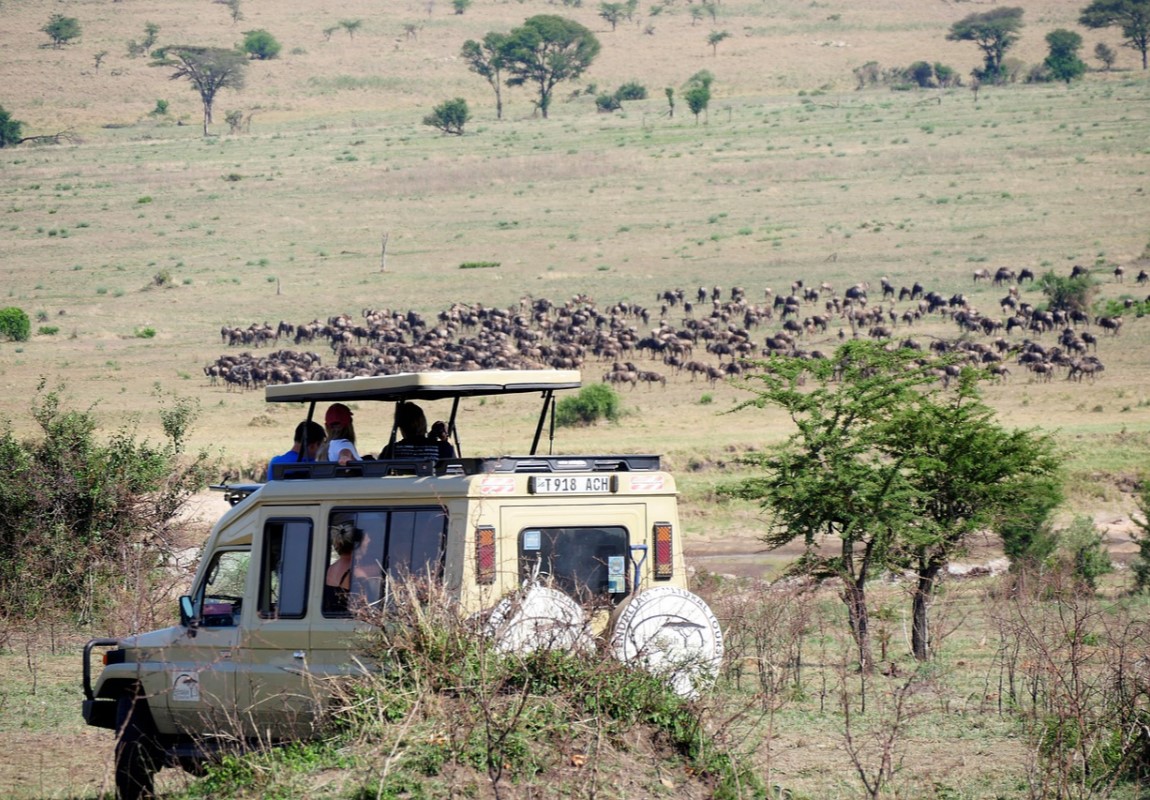
The wildebeest migration is one of the seven wonders of the natural world which takes place between Serengeti in Tanzania and Maasai Mara in Kenya. Roughly two million wildebeest, start in the south of the Serengeti, with the birth of half a million calves between January and March. A favourite season for many of the seasoned Serengeti guides: the air during these months is full of new life and action.

Best Time for Wildlife Viewing

The best time for wildlife viewing in Tanzania is to visit from July to October (Dry Season). August and September are the best times to see the great Wildebeest migration and chances of witnessing a river crossing are generally much higher. Whereas Southern and western circuit parks are less accessible in the March to May period because of long rains.

Birds

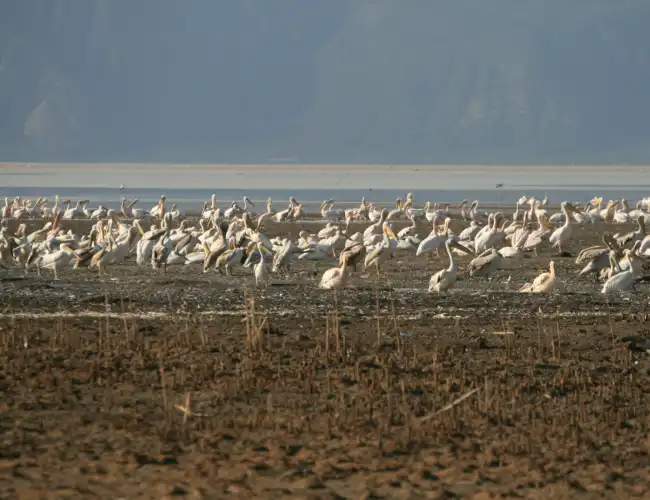
Tanzania is considered the best birding destination in Africa. The avifauna of Tanzania included a total of 1116 confirmed species which is the largest in Africa. There are 30 species endemic (native in Tanzania only), 45 species are accidental (native in Tanzania and neighbouring countries only), and four have been introduced by humans.

Best Time for Wildlife Viewing

The best time for birding in Tanzania is from November to April or late March-May when a majority of species are nesting and breeding plumage. At this time migratory birds from Europe and northern Africa are present. The wet season is from March to April, when some parts of the country may experience storms daily which is also the hottest time of the year. That's why for wildlife viewing, the dry season is better.

Activities

From game drives and walking safaris to cultural encounters and adventure excursions, Tanzania offers a wide variety of activities for every type of traveler.

Cuisines

Tanzanian cooking is special and generally shifted. The coastal area cooking is portrayed with spicy food varieties and the utilization of coconut milk. Such food sources are; Pilau(wild rice/blended rice), Bagia, Biryani, kabab, Kashata(coconut or groundnut rolls), Sambusa(Samosa). 
As you move inland you will discover food sources that are less hot; Wali(rice), Ugali, Chapati(a bread), Kuku Choma(grilled chicken), Nyama Choma(grilled meat), Nyama pori(wild/shrubbery meat that is either sun-dried, barbecued or cooked), Kiti Moto(grill pork), Mishikaki(skewed meat), Samaki(fish), Ndizi( Plantains/bananas), Bamia(Okra), Mchicha( greens/spinach), Njegere(peas), Maharage(Beans), Kisamvu(cassava leaves), kisusio(soup from bubbled creature bones and meat or blood) and many dishes arranged the Tanzanian way.
Renowned Bites incorporate; Maandazi (bread-like rolls), Visheti, Kashata (coconut or groundnuts rolls), Kabab, Sambusa (Samosa), Mkate wa kumimina, Vileja, Vitumbua ( rice cakes),Bagia, Firigisi (barbecued gizzards), Tende (dates), Korosho, karanga ( groundnuts), Daga (singed nut-sized fish), Senene (container barbecued grasshoppers), kumbikumbi (dish barbecued … ) numerous others.

Culture

Tanzanian culture is a great blend of impacts with more than 120 clans. Tanzania is one of the most socially assorted nations on the planet. From the tall smooth Maasai champions, the old methods of the Hadza bushmen, the ingenious horticultural acts of the Wameru, and the imaginative abilities of the Makonde to the Chaga ranchers and brokers. Every one of the 120 unique clans in Tanzania has its own unmistakable lifestyle yet together, they effortlessly join to shape Tanzania. More than 120 dialects are spoken in Tanzania, the majority of them from the Bantu family.

National Parks & Game Reserves

Tanzania is home to some of the most spectacular national parks and game reserves in Africa. From vast savannahs to dense forests, each park offers unique landscapes, diverse wildlife, and unforgettable safari experiences. Whether you’re searching for the Big Five or hidden natural wonders, Tanzania has something for every safari enthusiast.

Serengeti National Park

Serengeti National Park is one of the most renowned parks in Africa which is additionally a Unesc...

Ngorongoro Crater

Ngorongoro Conservation Area is home to dense bushland and the popular Ngorongoro Crater, a strik...

Saadani National Park

Saadani National Park is the only wildlife sanctuary in Tanzania bordering the sea. Tourists can ...

Tarangire National Park

Tarangire is the 6th largest national park in Tanzania and is named after the Tarangire River tha...

Mkomazi National Park

The Mkomazi National Park is a spectacular wilderness. Within sight to the northwest is Mount Kil...

Gombe National Park

Gombe’s high levels of diversity make it an inexorably well-known tourist destination. Gombe is...

Arusha National Park

Arusha National Park covers Mount Meru, an eminent volcano with an elevation of 4566 m, in the Ar...

Lake Manyara National Park

Situated in the Arusha and Manyara areas of Tanzania, Lake Manyara National Park is situated betw...

Mount Kilimanjaro National Park

In the northeastern part of Tanzania, and extremely near the Kenyan border, lies the tallest moun...

Nyerere (Selous) NP

Nyerere National Park formerly known as Selous Game Reserve is Africa’s largest national park w...

Mikumi National Park

The landscape of Mikumi is often compared to that of the Serengeti. The road that crosses the par...

Lake Naivasha National Park

Lake Naivasha National Park is a picturesque national park located in Kenya, renowned for its stu...

Lake Eyasi

Lake Eyasi is a seasonal soda lake located in northern Tanzania at the southwestern edge of the N...

Jozani Chwaka Bay National Park

On the Tanzanian island of Zanzibar, there is a breathtaking natural preserve called Jozani Chwak...

Ruaha National Park

Ruaha is more remote and much wilder than the Selous Game reserve, additionally in the south of t...

Katavi National Park

Katavi is an exceptionally remote park and the oldest national park in Tanzania. Animals are plen...

Mafia Island

Mafia Island is one of Tanzania’s most pristine and exclusive island destinations, located in t...

Udzungwa Mountains National Park

The Udzungwa Mountains, a portion of the historic Eastern Arc Mountain range, are the source of t...

Kitulo National Park

In the southern highlands of Tanzania, Kitulo National Park is a distinctive and beautiful protec...

Mahale Mountain National Park

Mahale Mountains National Park is located in eastern Tanzania and is one of the smaller parks in ...

Rubondo Island National Park

Tanzania, in East Africa, is home to Rubondo Island National Park. The largest island in Lake Vic...

Grumeti Game Reserve

Grumeti Game Reserve is a part of the Serengeti-Mara ecosystem, which is famous for its extensive...

Saanane National Park

Saanane National Park is a unique and remarkable national park located on Saanane Island in Lake ...

Zanzibar

Unguja, also known as Zanzibar Island, is the main island in Tanzania's Zanzibar archipelago. Sto...

Moshi

Moshi is home to three major ethnic groups: Chagga, Maasai, and Pare. However, the majority of Ma...

Dar es Salaam

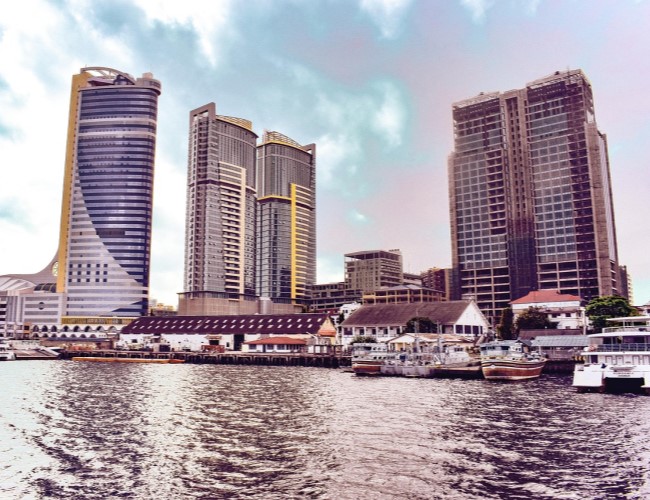
Dar es Salaam, Tanzania's largest city and commercial port on the Indian Ocean coast, grew from a...

Arusha

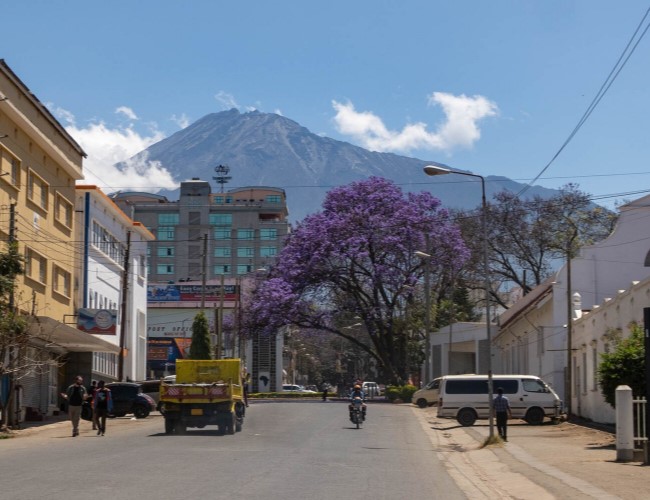
Consider Arusha if you've ever wanted to go on an African adventure. Because of its placement in ...

Kigoma

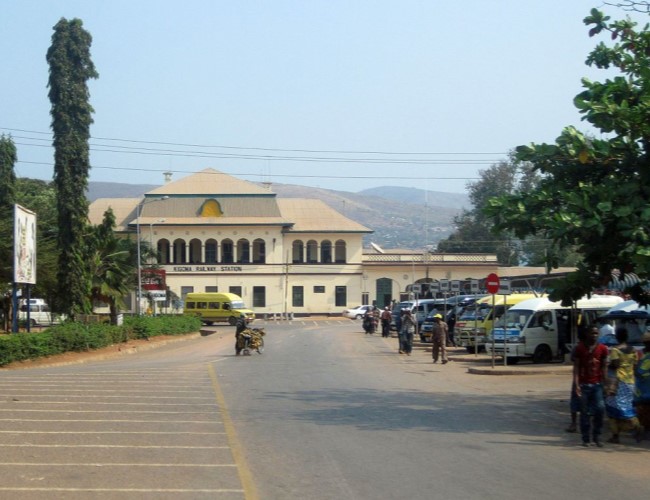
Kigoma is a Tanzanian city. Ideally located on the shores of Lake Tanganyika. Western Region's ca...

Mwanza

Mwanza is a city in northern Tanzania, located on the southern shore of Lake Victoria. The city i...

Showing 1-0 of 0 reviews
Recently Added
5 Stars Only
4 Stars and above
3 Stars and above

No reviews yet for this destination. Be the first to share your experience !

Safety & Security

Tanzania, in our opinion, is a safe place to visit. This is especially true if you schedule a guided safari. Pickpocketing and theft are extremely common in big cities, but instances can be easily avoided by following a few easy safety procedures. Every year, about a million tourists visit Tanzania, and the vast majority of them have a pleasant experience.

Please see the links below for travel advice on Tanzania Safari Trips:

General Safety Tips

  • Keep valuables secure and avoid displaying expensive items
  • Stay alert in crowded areas and tourist hotspots
  • Use registered tour operators and licensed guides
  • Follow local customs and respect cultural sensitivities
  • Keep copies of important documents in a safe place

Safari Safety

  • Always follow your guide's instructions during game drives
  • Stay inside your vehicle unless instructed otherwise
  • Keep noise levels low to avoid startling wildlife
  • Never approach or feed wild animals
  • Carry essential medications and first aid supplies

Health & Medical

Before traveling to Tanzania, consult with your healthcare provider about recommended vaccinations and health precautions. Common recommendations include malaria prophylaxis, hepatitis A and B vaccines, and routine immunizations. Carry any necessary medications and consider travel insurance that covers medical emergencies.

Getting There

Tanzania is a beautiful East African country with neighbours Kenya to the north and Mozambique to the south and the Indian Ocean to the east. It is known for its vibrant culture, wonderful national parks, diverse fauna and flora and of course the great wildebeest migration. If you are planning a safari trip to Tanzania then you should find out all about flights to Tanzania, passport and visa requirements.Tanzania’s main airport is Julius Nyerere International Airport (DAR) located 13km/8mi southwest of Dar es Salaam. The latter is the entry point for visitors to the southern parks.Kilimanjaro International Airport (JRO) is situated 46km/29mi east of Arusha, the gateway of Tanzania’s most popular Northern safari circuit.

Travel Requirements

  • All foreign visitors need a passport that is valid for at least six months
  • Passports must have a clean and a full visa page for endorsement.
  • When arriving from a yellow-fever-infected country in Africa or the Americas a yellow fever vaccination certificate is required.
  • Citizens of most countries require a visa. A list of countries that don't need a visa is available.
  • Visas are best obtained in advance through an official online visa-application portal (https://eservices.immigration.go.tz/visa/), but they can also be obtained through your local Tanzania Embassy or High Commission.
  • Visas can also be obtained on arrival but this is a lengthy process that can take one to two hours.

Domestic Transportation

Tour operators typically book domestic and charter flights between parks as part of the tour package. Domestic flights can be booked with a variety of domestic airlines.

The best time to visit Tanzania for safari is during the dry season from June to October, which offers excellent wildlife viewing as animals congregate around water sources. January to February is also excellent, particularly for the calving season in southern Serengeti when predator action peaks. The Great Migration river crossings occur in the northern Serengeti from July to October. The wet season (March to May) brings lower prices, fewer tourists, and lush landscapes, though some roads become challenging. November to December offers short rains with good wildlife viewing and lower rates. For climbing Mount Kilimanjaro, the best months are January-March and June-October when weather is most favorable.
Tanzania safari costs vary based on accommodation, season, and itinerary. Budget camping safaris start from $200-300 per person per day including park fees. Mid-range lodge safaris cost $350-600 per person per day. Luxury safaris range from $700-1,500+ per person per day. Premium exclusive experiences can exceed $2,000 per day. Tanzania has higher park fees than Kenya, particularly for Serengeti ($70-83 per adult per day) and Ngorongoro Crater ($70 per adult). A typical 7-day Northern Circuit safari costs $3,000-12,000 per person depending on accommodation level. These prices include transportation, accommodation, meals, park fees, and guide services. Kilimanjaro climbs cost $1,500-5,000 depending on route and operator.
Most international visitors require a visa to enter Tanzania. A single-entry tourist visa costs $50 for US citizens and $50 for most other nationalities. You can apply for an e-Visa online through the official Tanzania Immigration Services website before travel, which is recommended and takes 5-10 business days. Visas can also be obtained on arrival at major entry points (airports and land borders), though online application is faster. Your passport must be valid for at least 6 months beyond your entry date with at least one blank page. Some African countries and a few others have visa-free arrangements. If combining Kenya and Tanzania, consider an East Africa Tourist Visa ($100) valid for all three countries (Kenya, Tanzania, Uganda) for 90 days.
Yellow fever vaccination is mandatory if arriving from yellow fever endemic countries and is recommended for all travelers. You may need to show your yellow fever certificate upon entry. Other recommended vaccinations include Hepatitis A and B, Typhoid, Tetanus, Rabies (especially for Kilimanjaro climbs or remote areas), and Meningitis. Malaria prophylaxis is essential for all safari areas, coastal regions, and Zanzibar. Consult a travel medicine specialist 6-8 weeks before departure as some vaccines require multiple doses over time. Altitude sickness medication may be prescribed for Kilimanjaro climbs. Tanzania has strict health protocols, and vaccination records may be checked at entry points, particularly for yellow fever if arriving from risk countries.
Tanzania is generally safe for tourists, especially in safari areas and established tourist destinations. The country has a stable government and welcomes millions of visitors annually. Safari parks, lodges, and Zanzibar resorts maintain high security standards. Exercise normal precautions in Dar es Salaam and Arusha - avoid walking alone at night, use registered taxis or hotel transport, secure valuables, and stay alert in crowded areas. Petty theft can occur in tourist areas and markets. Safari areas are very safe with professional guides and lodge security. Always follow your guide's safety instructions during game drives and bush walks. Mount Kilimanjaro climbs should only be attempted with licensed operators. Zanzibar is safe but respect local Muslim customs. Check current travel advisories and use reputable tour operators for all activities.
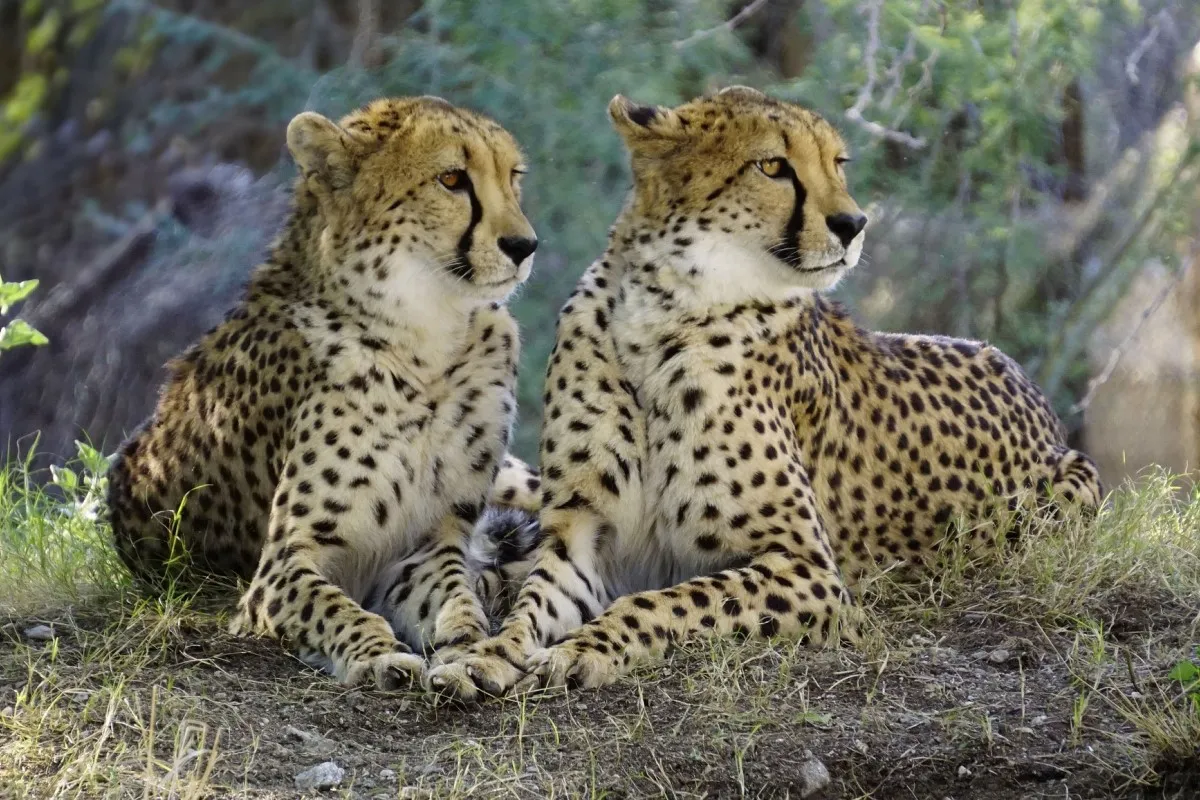
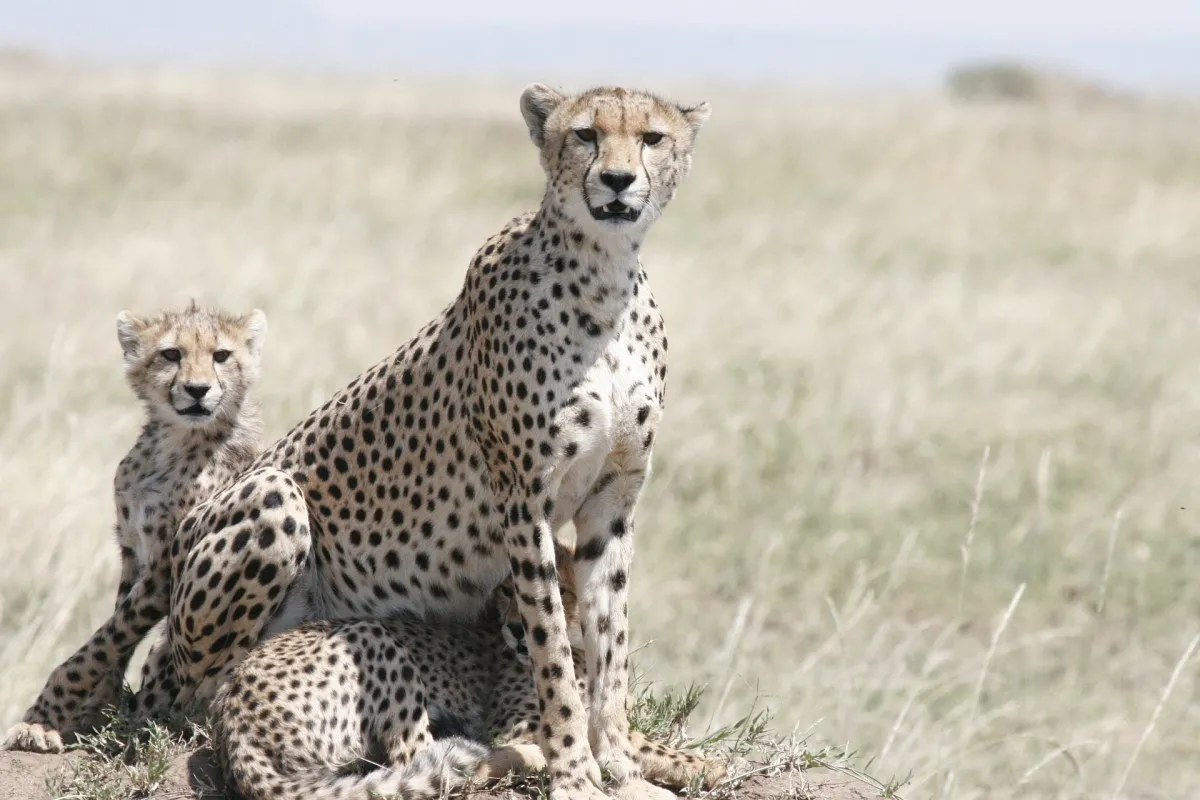
Tanzania offers extraordinary wildlife diversity with some of Africa's best viewing. The Big Five (lion, leopard, elephant, buffalo, rhino) are present, with Ngorongoro Crater offering excellent chances to see all five in one day. Serengeti has the world's largest lion population and healthy leopard, elephant, and buffalo populations. Black rhinos are rare but seen in Ngorongoro and Serengeti. The Great Migration features over 2 million wildebeest, 500,000 zebras, and numerous gazelles. Common sightings include giraffes, hippos, crocodiles, cheetahs, hyenas, jackals, various antelope species (impala, topi, eland, waterbuck), warthogs, and baboons. Tanzania has over 1,100 bird species. Unique species include wild dogs in Selous and Ruaha, tree-climbing lions in Lake Manyara, and colobus monkeys in forests.
The Great Wildebeest Migration is in Tanzania for most of the year. December to March: herds are in southern Serengeti for calving season - 8,000 calves born daily, attracting predators. April to May: herds move northwest through central Serengeti (less ideal due to rains). June to July: herds mass in western Serengeti approaching Grumeti River for crossings. July to October: northern Serengeti and Mara River crossings - the most dramatic spectacle as wildebeest brave crocodile-infested waters. November: herds begin returning south through eastern Serengeti. The exact timing varies annually based on rainfall. For river crossings, August-September offers best chances. For calving season, January-February is ideal. The migration is constantly moving, so no guarantee of specific location, but Tanzania offers year-round opportunities.
Pack lightweight, neutral-colored clothing (khaki, beige, olive, brown) in breathable fabrics. Essential items include long-sleeved shirts and pants for sun and insect protection, warm fleece or jacket for early morning game drives and high-altitude areas, wide-brimmed hat, sunglasses, and SPF 50+ sunscreen. Comfortable closed-toe walking shoes and sandals are essential. For Kilimanjaro climbs, bring specialized trekking gear including warm layers, waterproof jacket and pants, insulated jacket, trekking boots, and sleeping bag (often provided by operators). Safari essentials: binoculars, camera with telephoto lens (200-400mm minimum), spare batteries and memory cards, headlamp or flashlight, insect repellent with DEET, personal first-aid kit and medications, and reusable water bottle. Avoid camouflage patterns (illegal in Tanzania) and bright colors. Most lodges offer laundry service, so pack light.
Tanzania has no single "best" park as each offers unique experiences. Serengeti National Park is legendary for the Great Migration, vast plains, and exceptional predator viewing - best for first-time safari-goers. Ngorongoro Crater is a UNESCO World Heritage Site with the world's highest density of wildlife and best chances to see all Big Five in one day. Tarangire offers massive elephant herds (up to 300 in a group) and iconic baobab landscapes. Lake Manyara is known for tree-climbing lions and flamingos. Ruaha and Selous (Nyerere) offer remote wilderness experiences with fewer tourists. For chimp trekking, visit Mahale Mountains or Gombe Stream. Most itineraries combine multiple parks in the Northern Circuit (Serengeti, Ngorongoro, Tarangire, Lake Manyara) for diverse ecosystems and wildlife. Southern parks offer authentic bush experiences with exceptional wild dog sightings.
A minimum of 6-7 days is recommended for a fulfilling Tanzania Northern Circuit safari. This allows 2-3 days in Serengeti, 1 day in Ngorongoro Crater, and time in Tarangire or Lake Manyara without feeling rushed. A 4-5 day safari covers the highlights but is more condensed. For comprehensive exploration including the Great Migration, 8-10 days is ideal, allowing more time in Serengeti and additional parks. Southern Circuit safaris (Ruaha, Selous) require 5-7 days minimum due to distances and flight transfers. Kilimanjaro climbs take 5-9 days depending on route. The ultimate Tanzania experience of 12-14 days combines Northern Circuit safari, Kilimanjaro climb or Southern parks, and Zanzibar beach relaxation. Consider that driving between Northern Circuit parks takes 2-6 hours, so more days allow a relaxed pace and better wildlife opportunities.
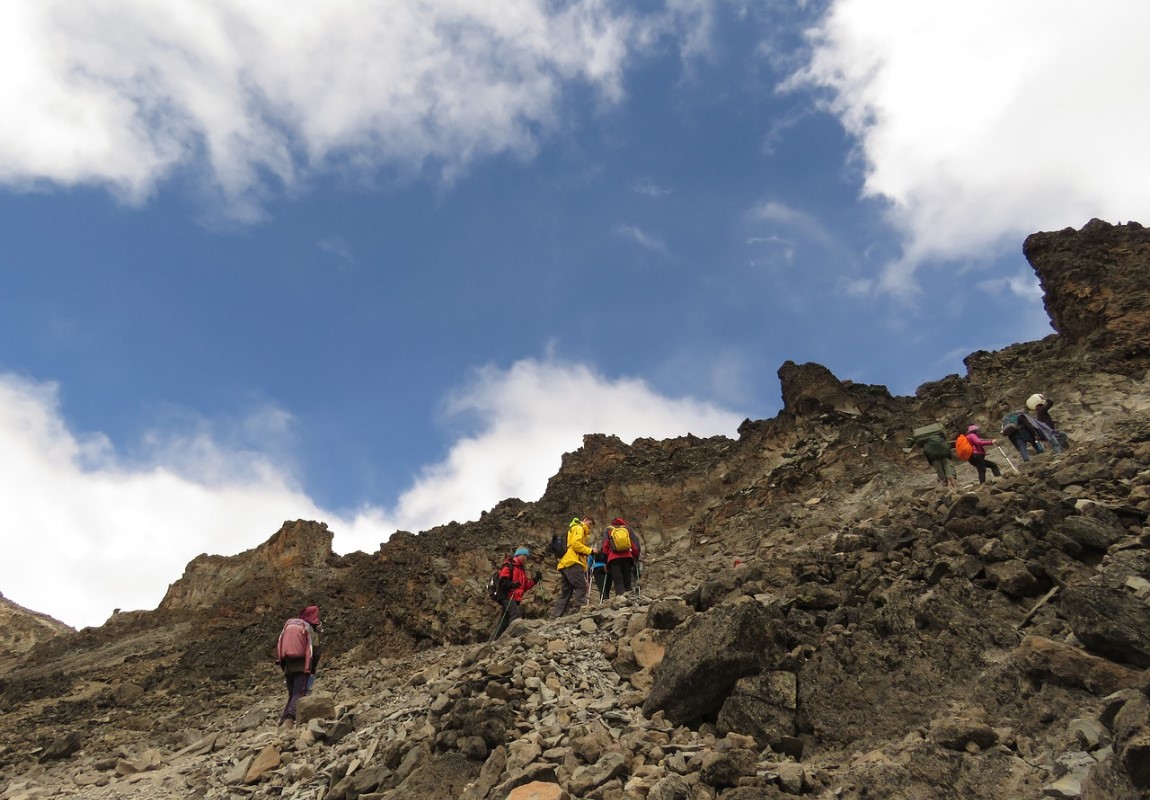
Yes, climbing Mount Kilimanjaro requires no technical mountaineering skills or previous climbing experience. However, it demands good physical fitness, mental determination, and proper preparation. Kilimanjaro is a trek rather than a technical climb - you walk to the summit on established trails. The main challenges are altitude sickness (summit is 5,895m/19,341ft), long summit day (12-16 hours), cold temperatures (can reach -20°C/-4°F at summit), and physical endurance. Success rates vary by route: Marangu and Rongai (60-70%), Machame and Lemosho (80-85%). Keys to success: choose longer routes (7-8 days) for better acclimatization, train for 3-6 months with cardio and hiking, stay hydrated, walk "pole pole" (slowly), and choose reputable operators with experienced guides. Age range is typically 10-80+ years. Pre-existing health conditions should be discussed with doctors.
Serengeti National Park and Ngorongoro Conservation Area are adjacent but offer different experiences. Serengeti (14,750 km²) is vast endless plains famous for the Great Migration, large predator populations, and diverse ecosystems from grasslands to woodlands. Game drives can cover long distances with varied landscapes. Best for: extended safaris, migration viewing, predator action, and authentic wilderness. Ngorongoro Crater (264 km² crater floor) is a collapsed volcanic caldera creating a natural amphitheater with the world's highest wildlife density - approximately 25,000 large animals. It offers almost guaranteed Big Five sightings in one day within a compact area. The crater floor is 600m below the rim. Best for: time-constrained visitors, guaranteed sightings, and spectacular scenery. Most itineraries combine both: 2-3 days in Serengeti for migration and predators, plus 1 day in Ngorongoro Crater for intensive wildlife viewing and dramatic landscapes.
Absolutely! The safari and Zanzibar beach combination is Tanzania's most popular itinerary and highly recommended. After 5-8 days of safari adventure, 3-5 days in Zanzibar provides perfect tropical relaxation. Zanzibar (the "Spice Island") offers pristine white-sand beaches, turquoise waters, excellent diving and snorkeling, historic Stone Town (UNESCO World Heritage Site), spice plantation tours, and rich Swahili culture. Most itineraries fly directly from Serengeti or Arusha to Zanzibar (1-2 hour flights). Popular Zanzibar areas: Nungwi and Kendwa (north - best beaches and nightlife), Paje and Jambiani (east - kitesurfing and laid-back vibe), and Stone Town (cultural experiences). This combination balances adventure with relaxation. Consider timing: March-May is very rainy. October-November and April-May have seaweed issues on some east coast beaches. June-October offers ideal conditions.
Tanzania offers diverse accommodation options for all budgets. Budget camping includes public campsites with basic facilities ($30-80 per person) - you camp inside or near parks with shared facilities. Mid-range options feature comfortable tented camps and lodges with en-suite bathrooms, good food, and sometimes pools ($200-450 per person per night). Luxury encompasses high-end lodges and tented camps with gourmet dining, spa facilities, infinity pools, and exceptional service ($500-1,000+ per person per night). Ultra-luxury includes exclusive mobile camps, private conservancy camps, and premier lodges ($1,000-2,500+ per person per night). Tented camps range from basic to ultra-luxury - higher-end versions offer spacious canvas suites with wooden decks and elegant furnishings. Location matters: properties inside Serengeti offer convenience for game drives, while Ngorongoro rim lodges provide spectacular crater views. Most mid-range and above include meals, drinks, and activities.
Yes, comprehensive travel insurance is absolutely essential for Tanzania. Ensure coverage includes medical emergencies and evacuation (critical - medical evacuation from remote Serengeti to Nairobi or Dar es Salaam can cost $50,000-100,000), trip cancellation and interruption (safaris involve substantial pre-payment), lost or delayed baggage, and adventure activities including safari activities and Kilimanjaro climbing if applicable. For Kilimanjaro climbs, verify coverage includes high-altitude trekking above 4,000-6,000 meters, helicopter rescue, and mountain rescue services - many standard policies exclude this. Medical facilities in rural areas are limited. Many tour operators require proof of insurance before accepting bookings. Purchase insurance immediately after making your first safari deposit to maximize coverage benefits. Read exclusions carefully, particularly regarding pre-existing conditions, adventure activities, and altitude limits. Recommended insurers often include World Nomads, IMG, and specialist adventure travel insurance providers.
Tanzania's official currency is the Tanzanian Shilling (TZS), with exchange rates typically around 2,300-2,500 TZS to 1 USD. US dollars are widely accepted at safari lodges, hotels, and for tour payments - bills must be dated 2009 or newer (2013+ preferred) as older bills are often rejected due to counterfeiting concerns. Credit cards (Visa and Mastercard) are accepted in cities and established lodges, though cash is needed for tips, markets, and rural areas. ATMs are available in Arusha, Dar es Salaam, and Zanzibar but unreliable elsewhere. Exchange money at banks or authorized forex bureaus for best rates - avoid airport exchanges. Safari packages are typically pre-paid in USD. Budget $20-30 daily for tips, drinks, and souvenirs. On Zanzibar, USD is widely accepted. Keep small denomination shillings (1,000, 2,000, 5,000 notes) for incidental expenses. Some lodges only accept USD for extras.
Yes, Tanzania safaris can be excellent for families, though age restrictions vary by accommodation and activity. Most lodges and camps accept children with minimum ages ranging from 5-12 years depending on property. Some luxury camps are adults-only while others specialize in family safaris with family tents, swimming pools, children's activities, and flexible game drive schedules. Children under 6 may find long game drives challenging - choose properties with shorter drive times and child-friendly activities. Serengeti and Ngorongoro are excellent for families due to abundant wildlife. Most parks allow children in vehicles, but walking safaris typically require minimum age 12-16 years. Kilimanjaro climbs officially require age 10+ though 15+ is more realistic for summit attempts. Consider malaria prophylaxis - discuss with pediatricians. Private vehicle safaris offer more flexibility than group tours for families. Many lodges offer babysitting services and children's programs. Family rooms and interconnecting tents are available at family-friendly properties.
Tipping is customary and represents significant income for Tanzanian tourism staff. Recommended guidelines: Safari guide/driver: $20-30 per person per day for excellent service, Safari vehicle driver (if separate from guide): $15-20 per person per day, Lodge/camp staff: $10-20 per person per day (placed in communal tip box), Kilimanjaro porters: $8-10 per porter per day, Kilimanjaro guide: $20-25 per day, Kilimanjaro cook: $12-15 per day, Safari cook (camping): $10-15 per day. Tips are given in USD or Tanzanian Shillings at the end of service. For group safaris, coordinate with fellow travelers. Most lodges provide tip boxes and guidance on suggested amounts. Kilimanjaro tips are distributed ceremonially on the final day. Factor $150-300 total per person for tips on a week-long safari into your budget. Tip generously for exceptional service - tourism wages are low and tips are essential income.
Tanzania has diverse climates based on region and altitude. Coastal areas and Zanzibar are hot and humid year-round (25-32°C/77-90°F) with high humidity. Northern safari parks have two seasons: dry season (June-October and January-February) features warm days (25-28°C/77-82°F) and cool mornings/evenings (10-15°C/50-59°F), while wet season brings long rains (March-May - heavy afternoon storms) and short rains (November-December - lighter, more sporadic). Ngorongoro Crater rim is cooler (10-20°C/50-68°F) due to 2,300m altitude. Mount Kilimanjaro experiences extreme temperature ranges from 25°C (77°F) at base to -20°C (-4°F) at summit. Southern parks (Selous/Nyerere, Ruaha) are hotter and more humid. Pack layers for temperature fluctuations, especially in higher altitude areas. Dry season offers best game viewing and comfortable conditions. Wet season provides dramatic skies, lush landscapes, and fewer tourists.
Tanzania has two official languages: Swahili (Kiswahili) as the national language and English. Swahili is spoken by nearly all Tanzanians and serves as the country's lingua franca. English is widely spoken in tourist areas, safari lodges, and by guides, making communication easy for international visitors. However, English proficiency is generally lower than in Kenya, particularly in rural areas. Urban centers like Arusha, Dar es Salaam, and Zanzibar have good English speakers. Safari guides speak excellent English and often multiple languages. Learning basic Swahili phrases greatly enhances your experience and delights locals. Tanzania has over 120 ethnic groups speaking various tribal languages, but Swahili bridges all communities. In Zanzibar, Arabic influence is strong due to historical ties. Your safari guide typically speaks Swahili, English, and sometimes tribal languages, facilitating interactions with local communities during cultural visits.
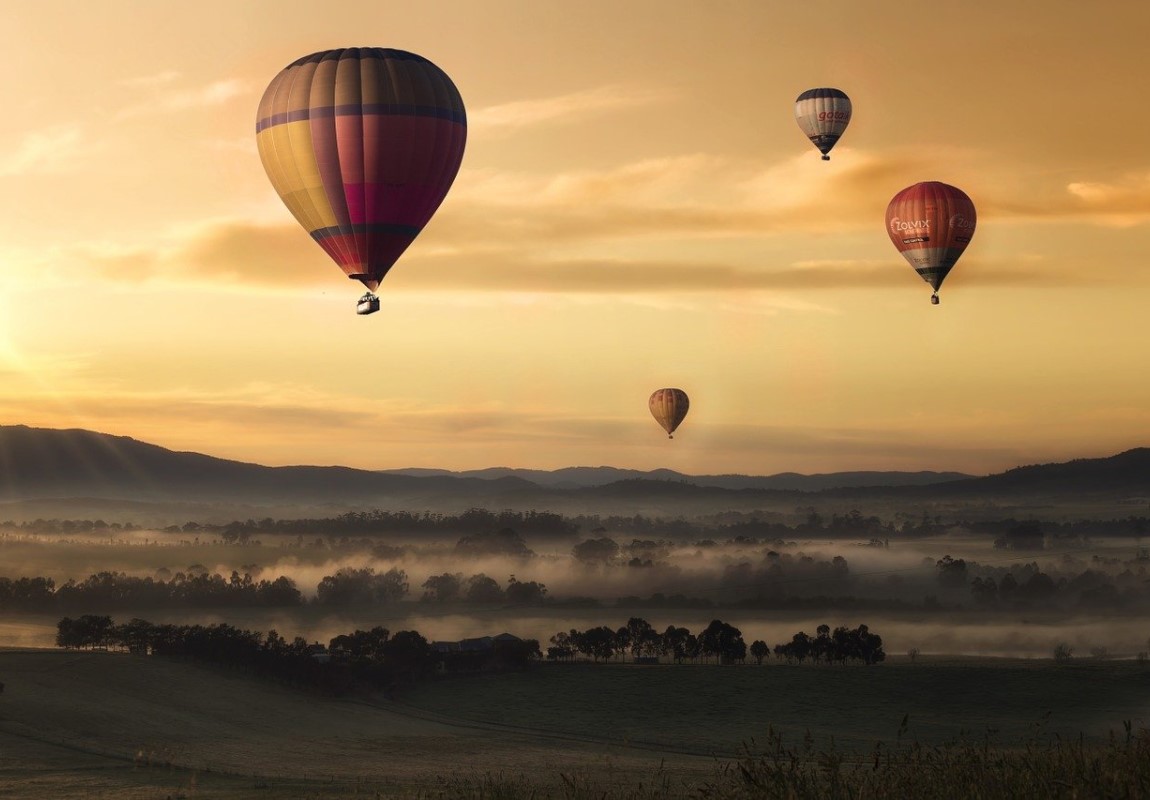
Yes, hot air balloon safaris are available in Tanzania and offer magical perspectives of the African wilderness. Serengeti offers the most famous balloon safari experiences, launching at dawn to float silently over endless plains filled with wildlife, often witnessing the Great Migration from above. Central Serengeti (near Seronera) and Western Serengeti offer year-round balloon safaris. Flights last approximately one hour followed by a champagne bush breakfast. Cost is typically $550-600 per person - more expensive than Kenya due to higher operating costs and park fees. Tarangire also offers balloon safaris with spectacular elephant sightings and baobab landscapes. Book well in advance, especially during peak season (July-October) and migration period. Flights are weather-dependent and occasionally cancelled for safety. Minimum age is typically 7 years, with some height and weight restrictions. This once-in-a-lifetime experience provides phenomenal photography opportunities and unforgettable aerial views of Africa's greatest wildlife spectacle.
International flights arrive at Julius Nyerere International Airport (DAR) in Dar es Salaam or Kilimanjaro International Airport (JRO) near Arusha - JRO is preferred for Northern Circuit safaris. Major airlines include KLM, Ethiopian Airlines, Qatar Airways, Turkish Airlines, and Kenya Airways. From JRO, Arusha town is 45km (1 hour drive). Northern Circuit parks are accessed by road: Arusha to Tarangire (2 hours), to Lake Manyara (2.5 hours), to Ngorongoro (3.5 hours), to Serengeti (6-8 hours). Road travel between parks is part of the safari experience with en-route game viewing. For time-constrained visitors, scheduled or charter flights connect parks - Arusha to Serengeti (1-1.5 hours), saving driving time. Southern Circuit parks (Ruaha, Selous/Nyerere) require flights from Dar es Salaam or Arusha (2-3 hours). Zanzibar is accessed by flights from Dar, Arusha, or Serengeti (1-2 hours) or ferries from Dar (2 hours). Self-driving is possible but not recommended - roads can be challenging and guides greatly enhance wildlife viewing.
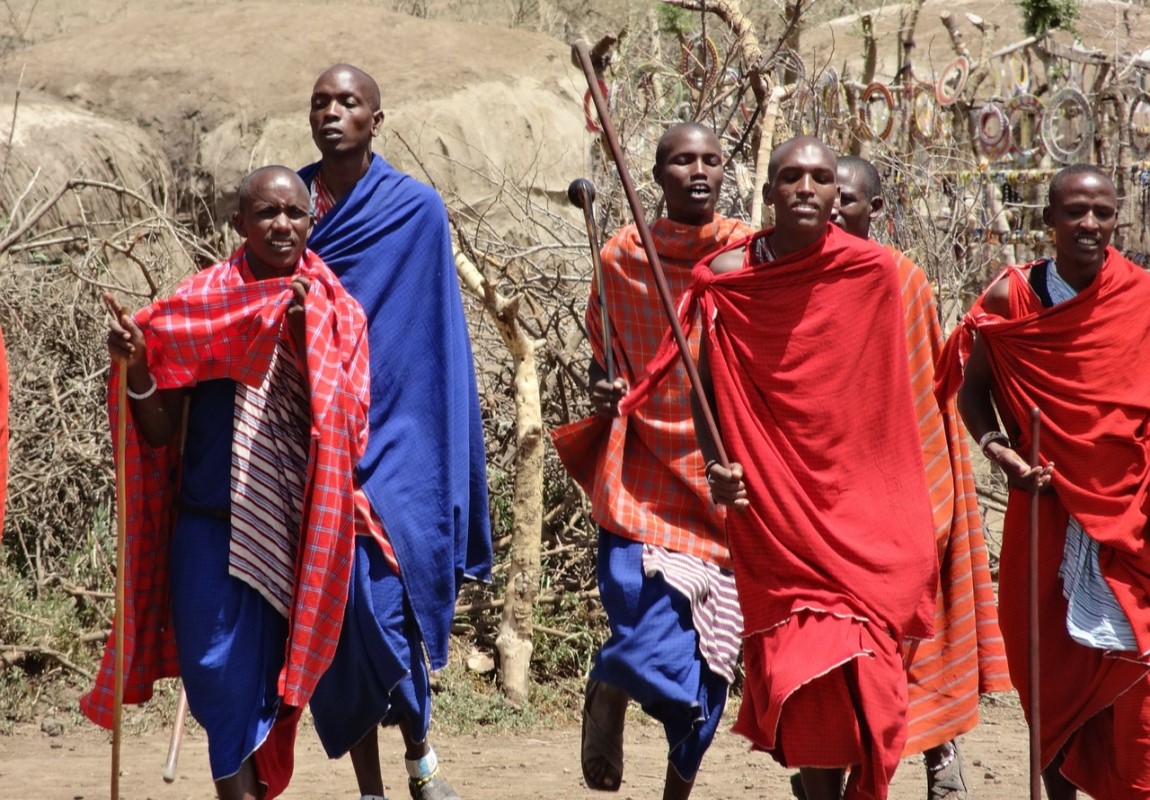
Yes, cultural experiences are available and enriching additions to Tanzania safaris. The most famous are visits to Maasai villages (bomas) where you learn about traditional Maasai culture, witness jumping ceremonies, see traditional homes, observe beadwork crafts, and support community development through tourism. Many lodges partner with nearby Maasai communities for authentic exchanges. In northern Tanzania, you can visit Hadzabe bushmen (one of Africa's last hunter-gatherer tribes) near Lake Eyasi for fascinating cultural immersion and hunting demonstrations. Datoga people, skilled blacksmiths, also live in this region. Cultural visits should be ethical and benefit communities - choose operators with direct community partnerships. Zanzibar offers rich Swahili culture experiences including Stone Town tours (UNESCO Heritage Site), spice plantation visits, traditional dhow sailing, and interactions with local fishermen. Respect local customs, dress modestly (covered shoulders and knees), ask permission before photographing, and bring small gifts like school supplies. These encounters provide meaningful insights into Tanzania's diverse cultural heritage beyond wildlife.
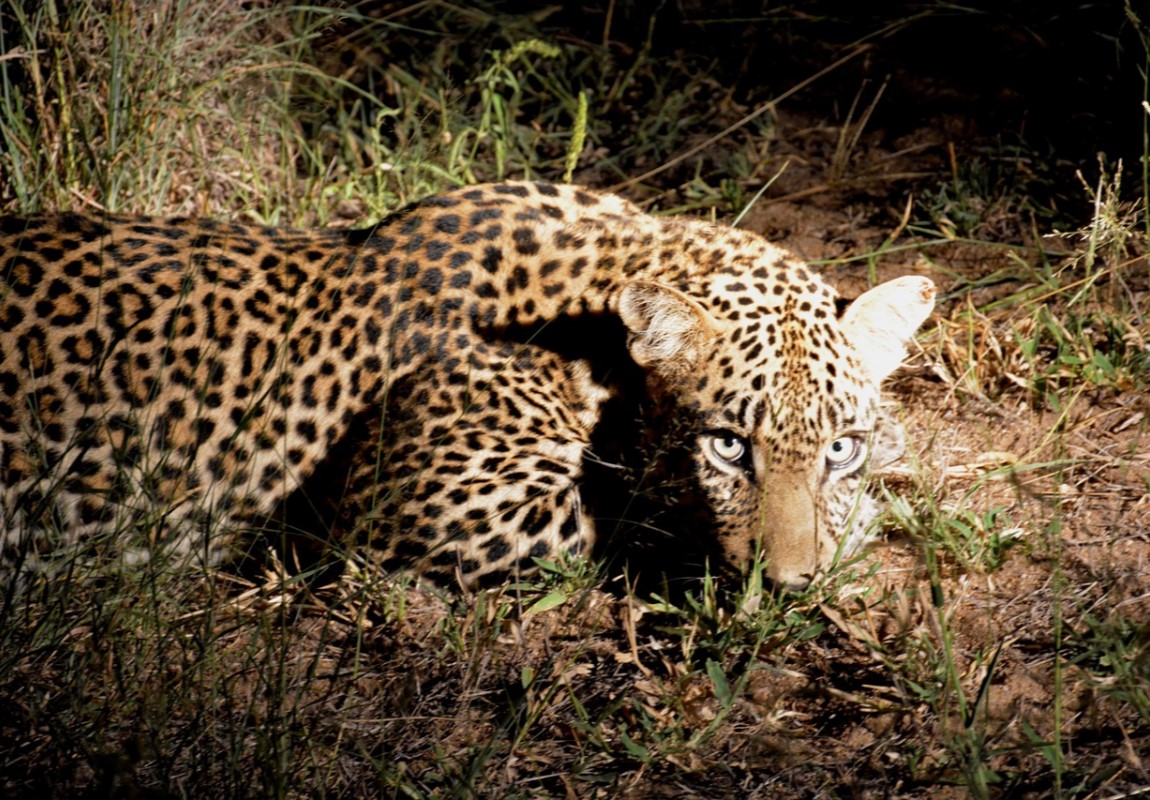
Tanzania offers excellent Big Five viewing opportunities, particularly in specific parks. Ngorongoro Crater provides the best chances to see all five in a single day - it has guaranteed sightings of lion, elephant, buffalo, and often leopard and rhino. Black rhinos are present but still require luck. Serengeti has abundant lions (largest population in Africa), leopards (especially in Seronera area), elephants, and buffalos. Rhinos are rare in Serengeti but increasing. Tarangire has massive elephant herds and good lion, leopard, and buffalo populations but no rhinos. Lake Manyara offers tree-climbing lions (unique behavior), elephants, and buffalos. For guaranteed Big Five, combine Ngorongoro (1 day) with Serengeti (2-3 days). Elephants and buffalos are almost guaranteed. Lions are frequently seen. Leopards require patience - Seronera area and kopjes are best. Rhinos are most challenging - Ngorongoro offers best chances. A 6-7 day Northern Circuit safari visiting multiple parks provides excellent Big Five opportunities, though seeing all five requires luck with leopards and rhinos.
Learning basic Swahili phrases enhances your Tanzania experience and delights locals. Here are 10 essential phrases with pronunciations:

1) Jambo (JAM-bo) - Hello/Greetings
2) Habari (ha-BAR-ee) - How are you?
3) Nzuri (n-ZOO-ree) - Fine/Good (response to Habari)
4) Asante (ah-SAN-teh) - Thank you
5) Asante sana (ah-SAN-teh SAH-nah) - Thank you very much
6) Karibu (ka-REE-boo) - Welcome/You're welcome
7) Tafadhali (ta-fa-THAL-ee) - Please
8) Pole pole (POH-leh POH-leh) - Slowly/Carefully (very important for Kilimanjaro!)
9) Hakuna matata (ha-KOO-nah ma-TAH-tah) - No worries/No problem
10) Kwaheri (kwa-HEH-ree) - Goodbye

Bonus safari vocabulary: Simba (lion), Tembo (elephant), Twiga (giraffe), Punda milia (zebra), Kifaru (rhino). Tanzanians appreciate visitors making an effort to speak Swahili, even just a few words. Your guides and lodge staff will be patient and encouraging as you practice!
Southern Tanzania parks (Selous/Nyerere, Ruaha, Katavi) offer authentic wilderness experiences distinct from the Northern Circuit. These parks provide genuine remote safari adventures with far fewer tourists - you may be the only vehicle at sightings. Nyerere National Park (formerly Selous Game Reserve) is Africa's largest protected area with boat safaris, walking safaris, and excellent wild dog populations. Ruaha National Park has Tanzania's largest elephant population (12,000+), massive baobabs, and diverse landscapes from miombo woodland to river valleys. It's excellent for leopards, lions, and rare antelope species. Katavi is Tanzania's third-largest park with huge buffalo and elephant herds, hippo pods of 200+, and exceptional dry season concentrations. Southern parks require fly-in access (2-3 hour flights from Dar es Salaam), making them more expensive and exclusive. Best visiting time is dry season (June-October). These parks suit experienced safari-goers seeking adventure, solitude, and authentic bush experiences rather than first-timers or those wanting guaranteed wildlife density and comfort.

Change Currency

Loading currencies...

Give your feedback