
Namibia Safari Destination Namibia flag

Namibia Safari Information

Endless Horizons

52 Tours 57 Tour Operators 0 Accommodation Properties

Starting from

$155PP

Overview

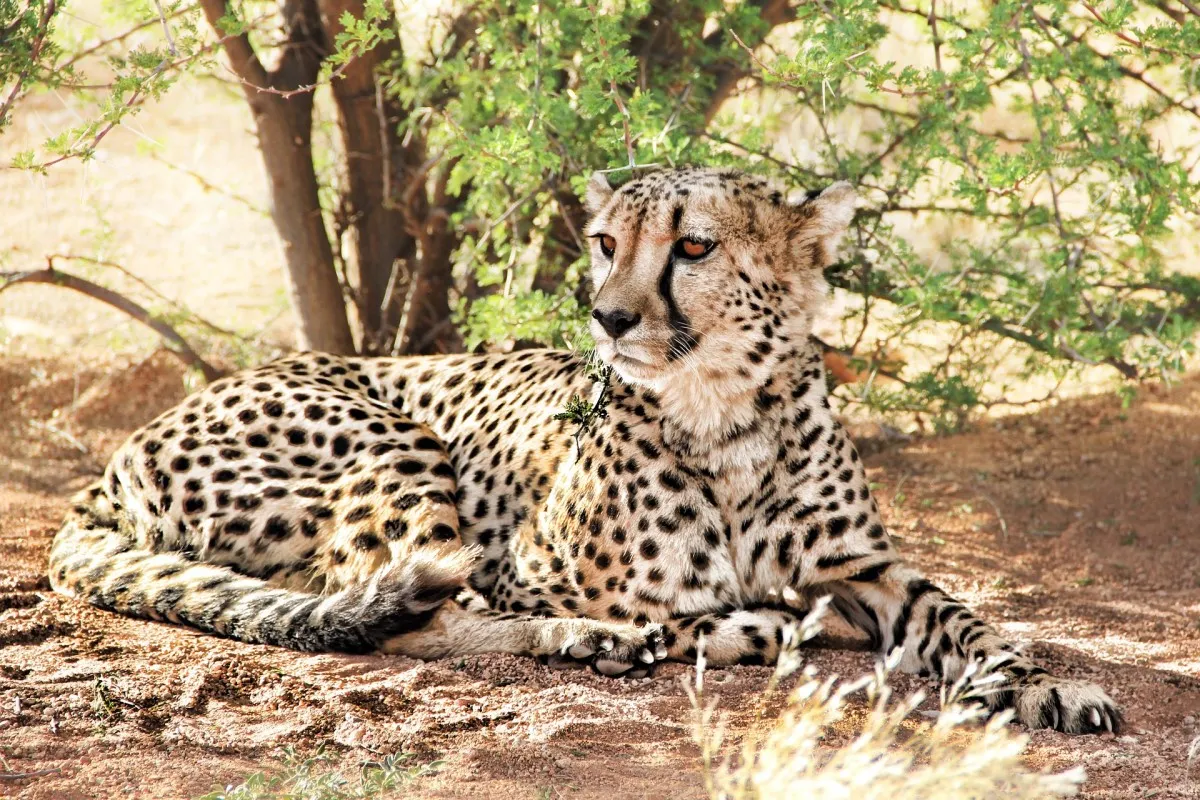
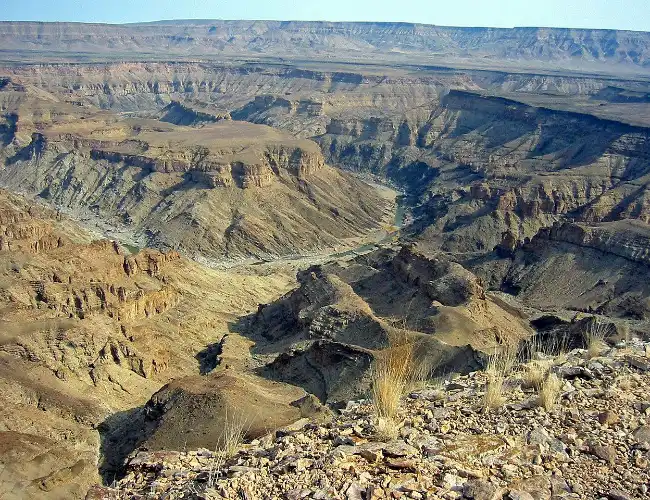
Namibia is located on the African continent's southwestern coast, bordered by South Africa, Botswana, Angola, Zambia, and the Atlantic Ocean. Namibia's climate is extremely dry, and the country is mostly made up of deserts. This incredible country is brimming with safari pearls and incredible diversity in its 11 national parks, which range from the amazing red dunes of the Namib Desert and the stunning Fish River Canyon to the white salt pans glistening in Etosha National Park and the rambling shore of the Skeleton Coast. Home to a bountiful and diverse wildlife population including interesting desert-adapted species it additionally flaunts an enormous cheetah population.Namibia is one of the few African countries where self-drive safaris are recommended and feasible. It is also easily accessible from South Africa and has a strong, well-established travel industry framework with very good quality and budget lodging choices. For these reasons, Namibia is an amazing safari destination for first-time and experienced safari attendees.Home to a bountiful and diverse wildlife population including interesting desert-adapted species it additionally flaunts an enormous cheetah population. 

Rates (USD)
$70 pp/day
Currency
Namibian dollar (NAD)
Capital
Windhoek
Languages
English, German
High Season
June to October
Best Time to Go
July to October

Pros & Cons

  • Low-density tourism and eco-friendly lodges
  • Excellent wildlife viewing in northern parks
  • Beautiful and diverse scenery of dry desert, saltpans, savannah grasslands and delta waterways
  • Low population and vast, undeveloped areas
  • Political stability and safety
  • Expensive upmarket safaris with few budget options
  • Availability can be limited during high season

Map in Africa

Namibia Map in Africa

Safari Reviews

User Reviews
0.0/5
(0 Reviews)

Share Your Experience

Help other travelers by writing a review

Best Time to Visit – Namibia

Namibia is best visited during the dry season, which runs from June to October, but it can be visited all year. The dry season is ideal for wildlife viewing in all parks, but especially in Etosha. The weather is generally pleasant and dry. Between December and March, some days will be humid, and rain will fall, usually in the form of localised afternoon thunderstorms. During the wet season, animals leave the waterholes and disperse throughout the park.

High Season
July to October
Low Season
December to April
Best Weather
April and May
Worst Weather
November to February

May to October (Dry Season)

  • Wildlife gravitates near rivers and waterholes, making it easier to spot animals.
  • There aren't any clouds, it is sunny, and there is little chance of rain.
  • Even though most tourists visit during the dry season, the parks, with the exception of Etosha, remain uncrowded.
  • Best time to visit Etosha
  • It gets cold at night and early mornings, so pack warm winter clothing for the cold morning game drives in June, July, and August.

November to April (Wet Season)

  • The scenery is greener after the rains and the rates are lower.
  • This is the time of year when you can see newborn animals; migratory birds are present, and birding is excellent.
  • Rains are mostly brief afternoon showers that have little impact on your trip.
  • From October to February, it is extremely hot.
  • It's more difficult to spot animals, especially in Etosha.

Best Time to Go to Namibia by Major Park

The best time to visit all parks, especially Etosha, if seeing wildlife is what you are primarily interested in, is during the Dry Season which is from May to October. Namibia is one of the most scenic countries in the world and can be visited throughout the year. During and after the Wet season, the colours will be at their most vibrant. The weather can be unbearably hot between October and February.

Wildlife & Animals

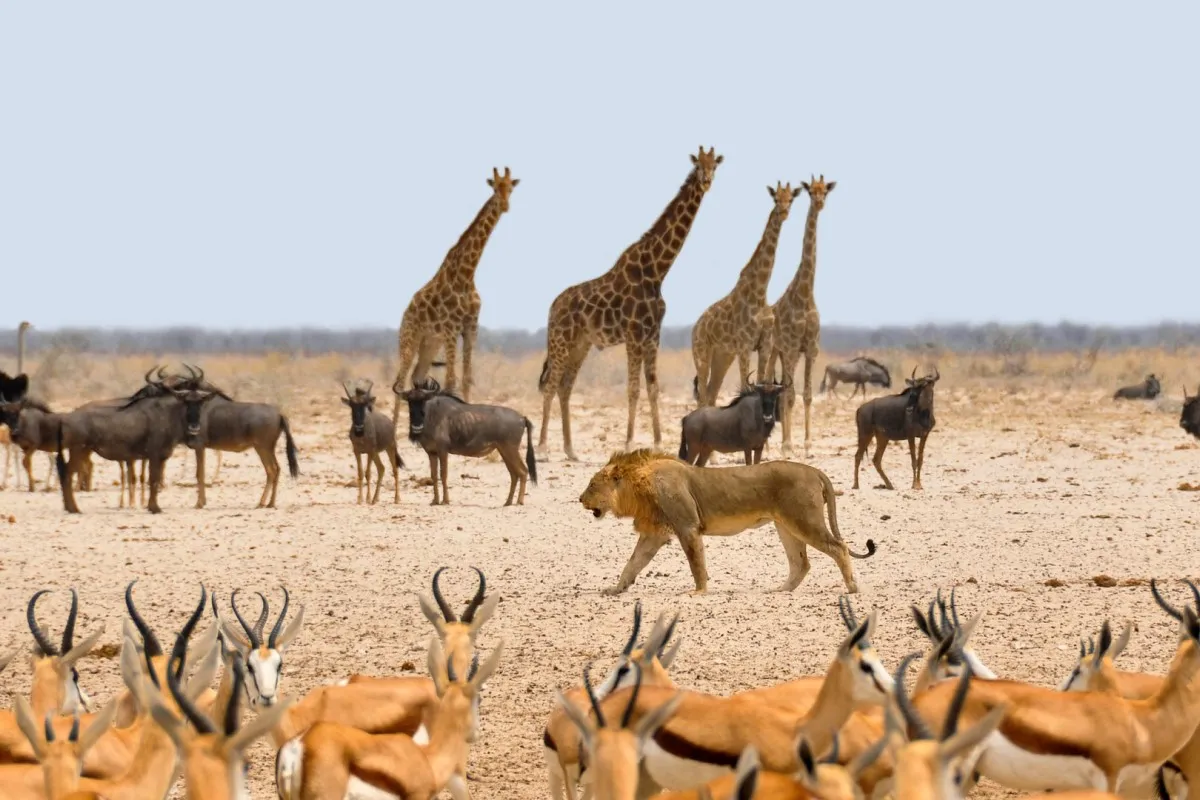
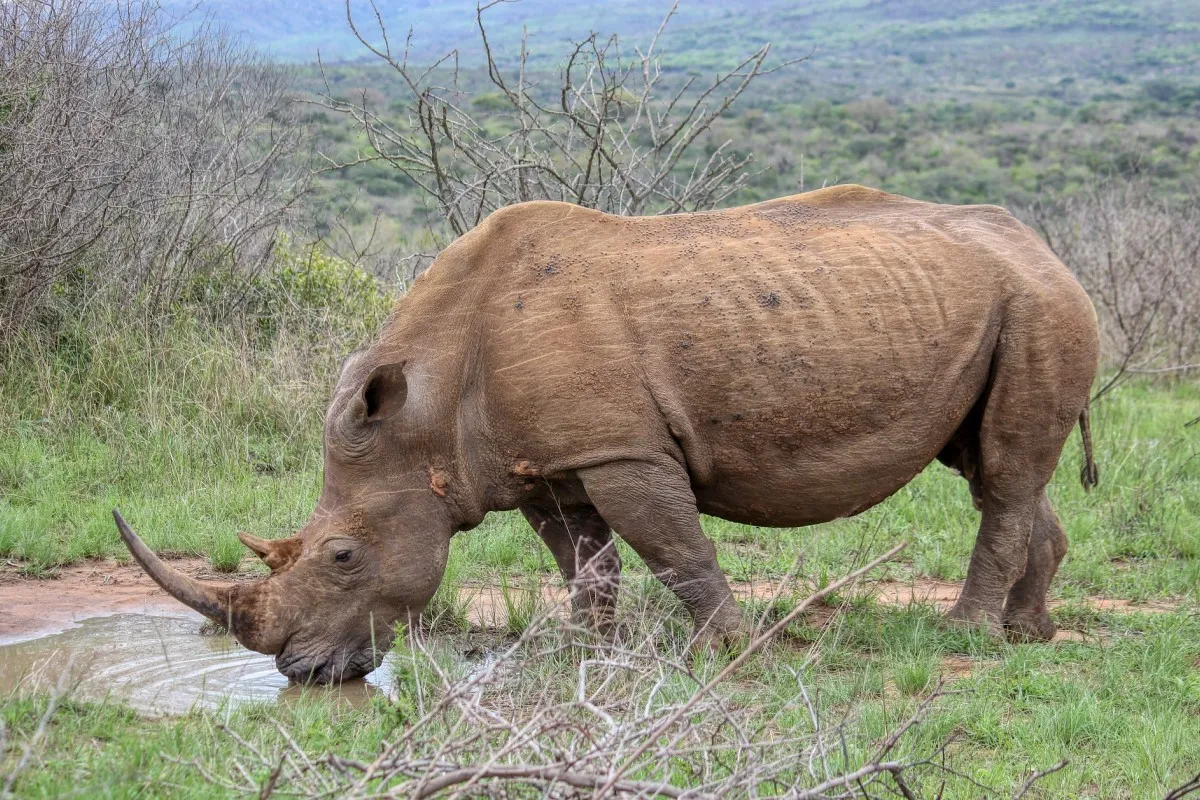
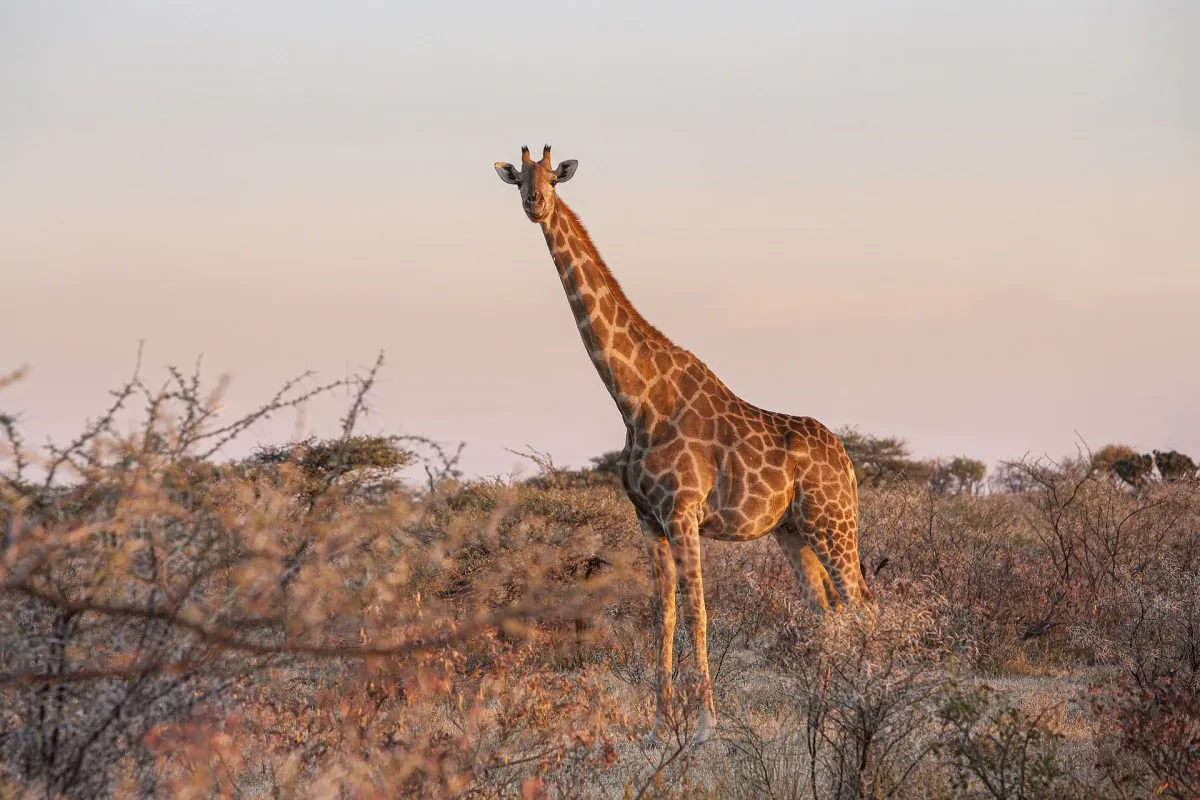
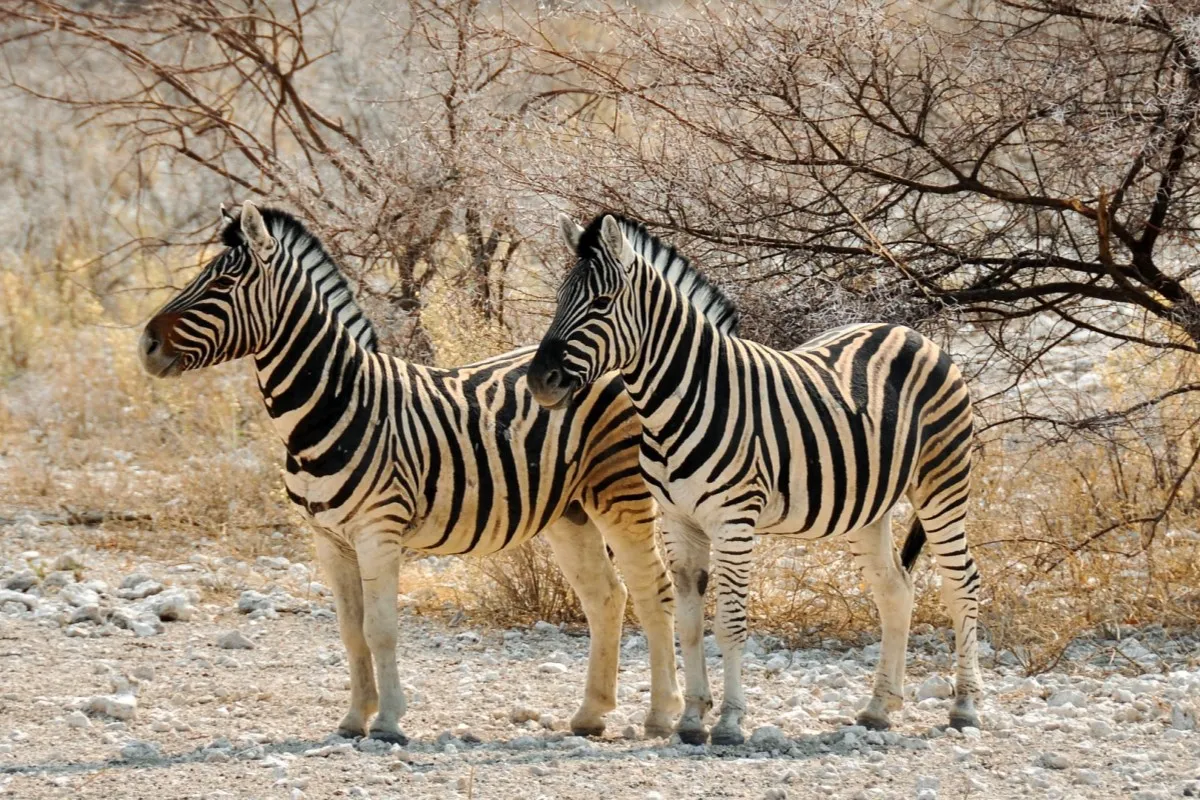
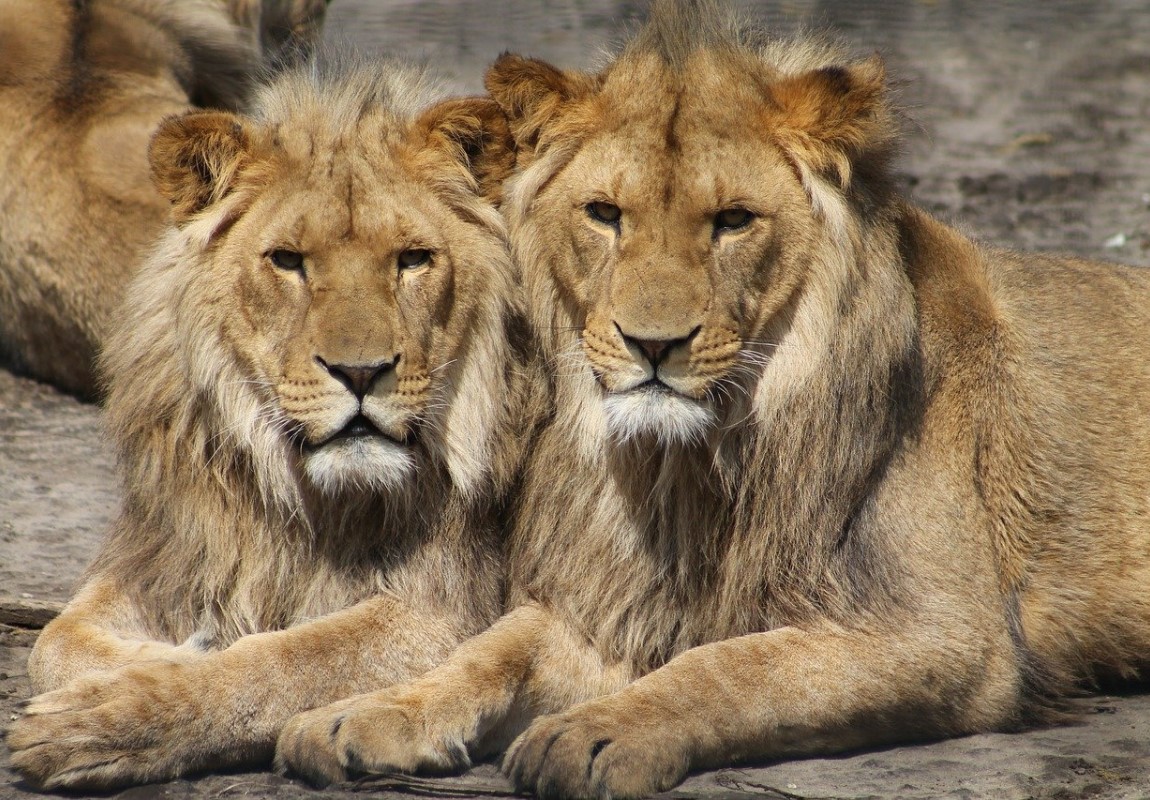
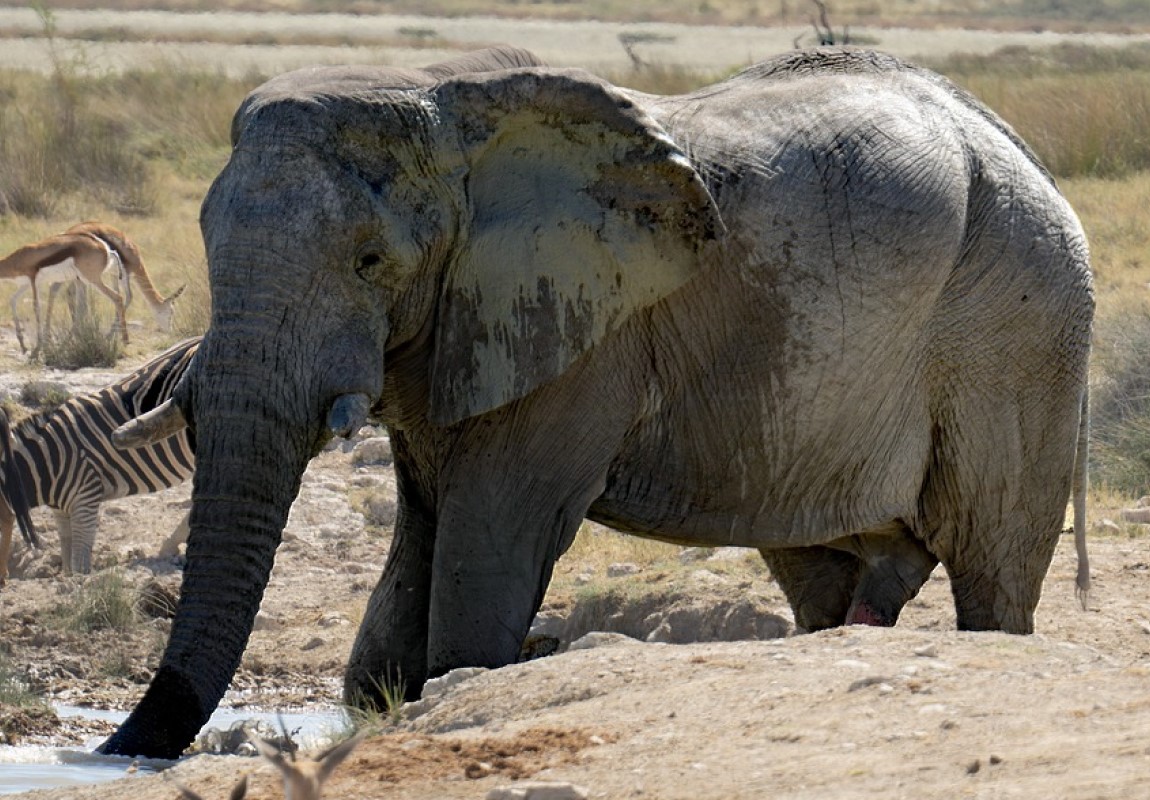
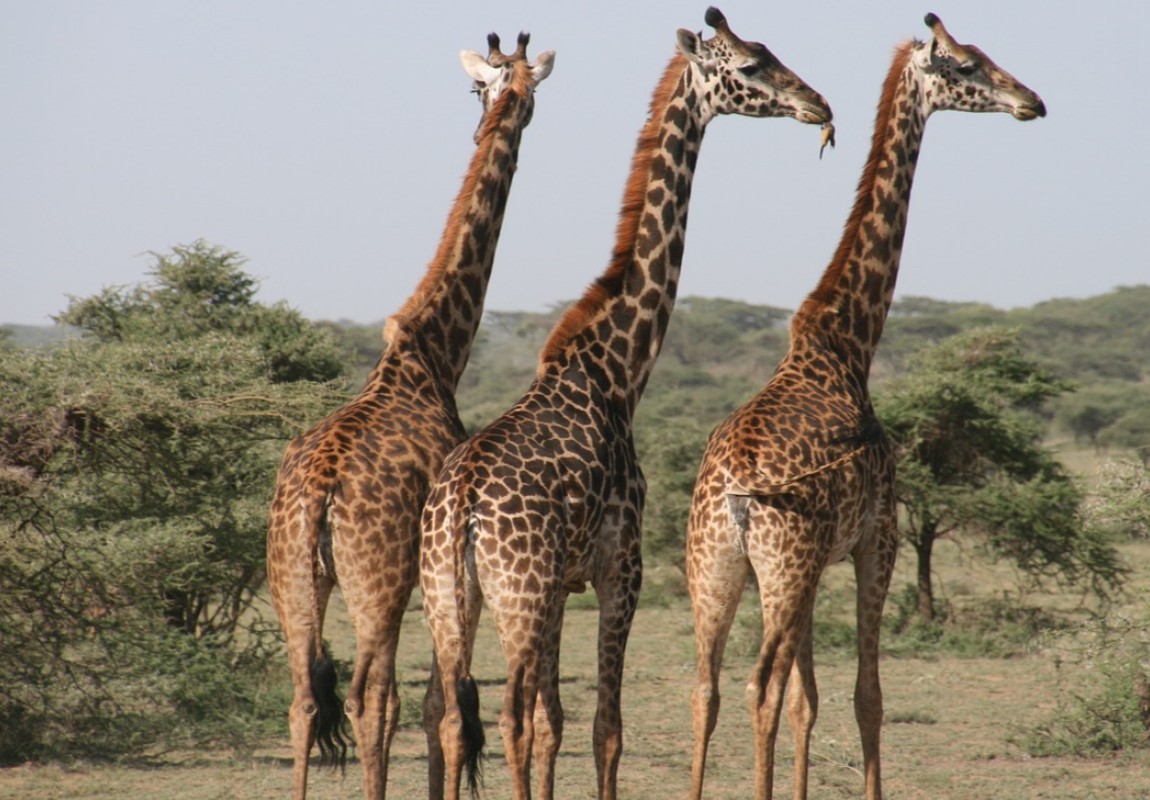
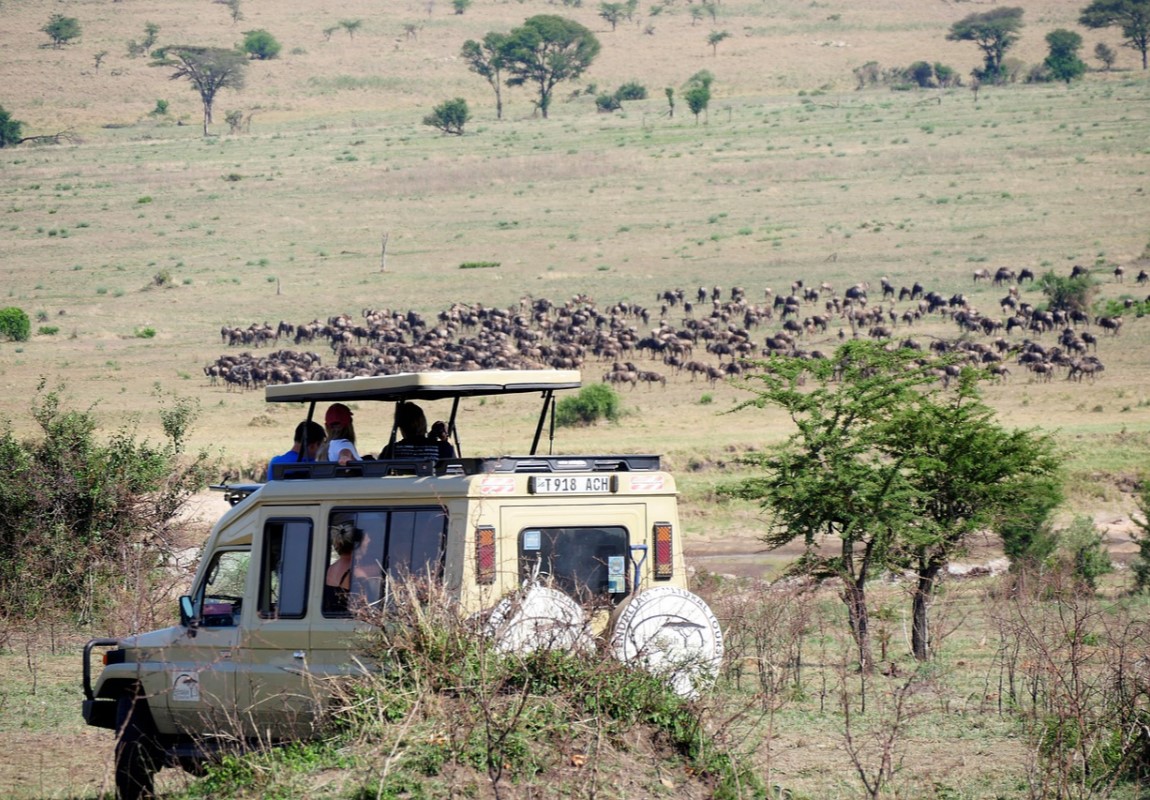
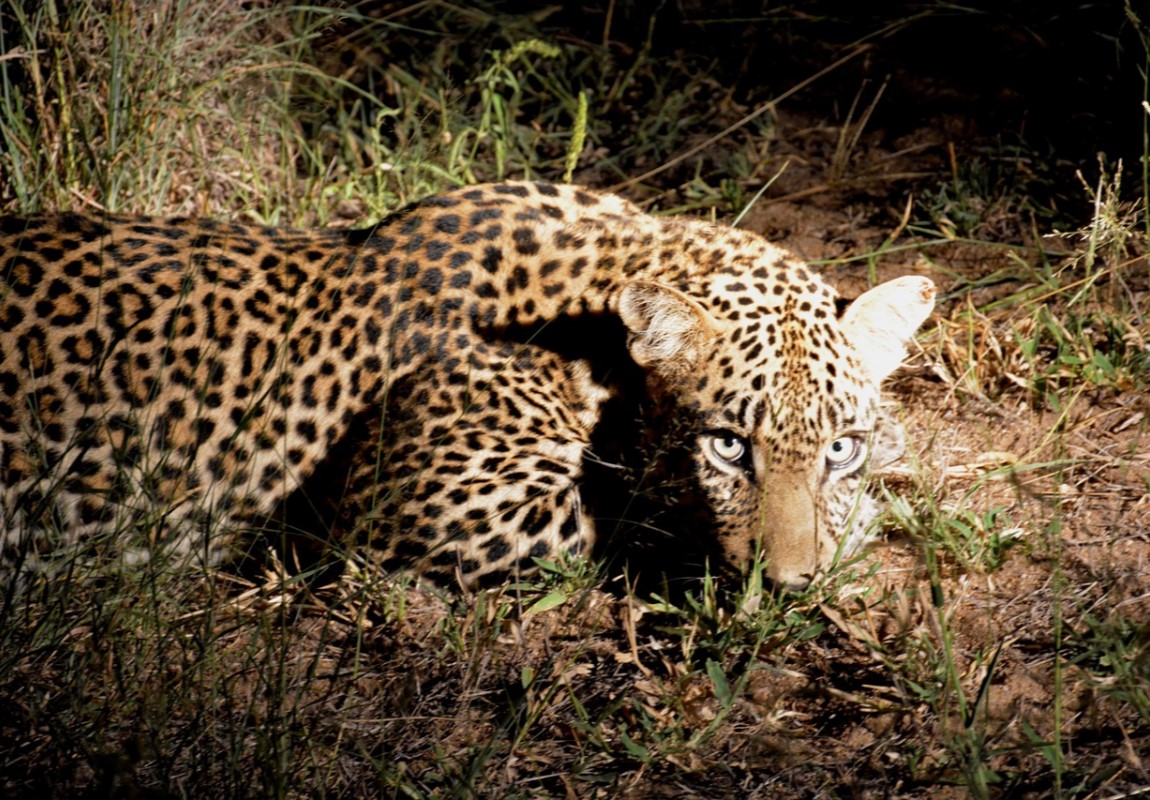
Despite its dryness, this area is thriving with wildlife that congregates around waterholes, making it ideal for incredible game drives. It is home to lions, elephants, black rhinos, wildebeest, zebras, and giraffes, as well as flamingos. The country is incredibly good for seeing cheetahs, which are common, while the more enigmatic black rhino and brown hyena prefer coastal areas. A number of desert-adapted wildlife, including elephants and black rhinos, have made this desolate landscape their home; going on a tracking safari is a once-in-a-lifetime opportunity to get up close and personal with these endangered animals.

Wildlife Highlights

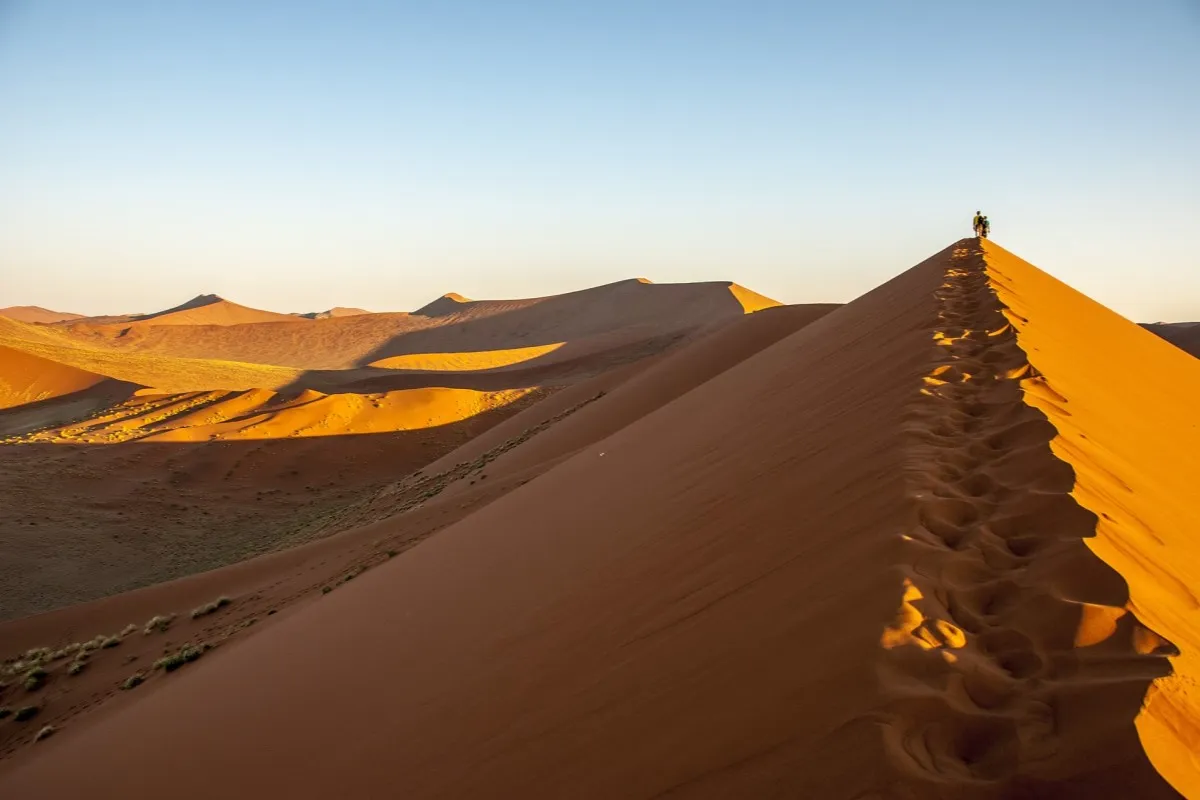
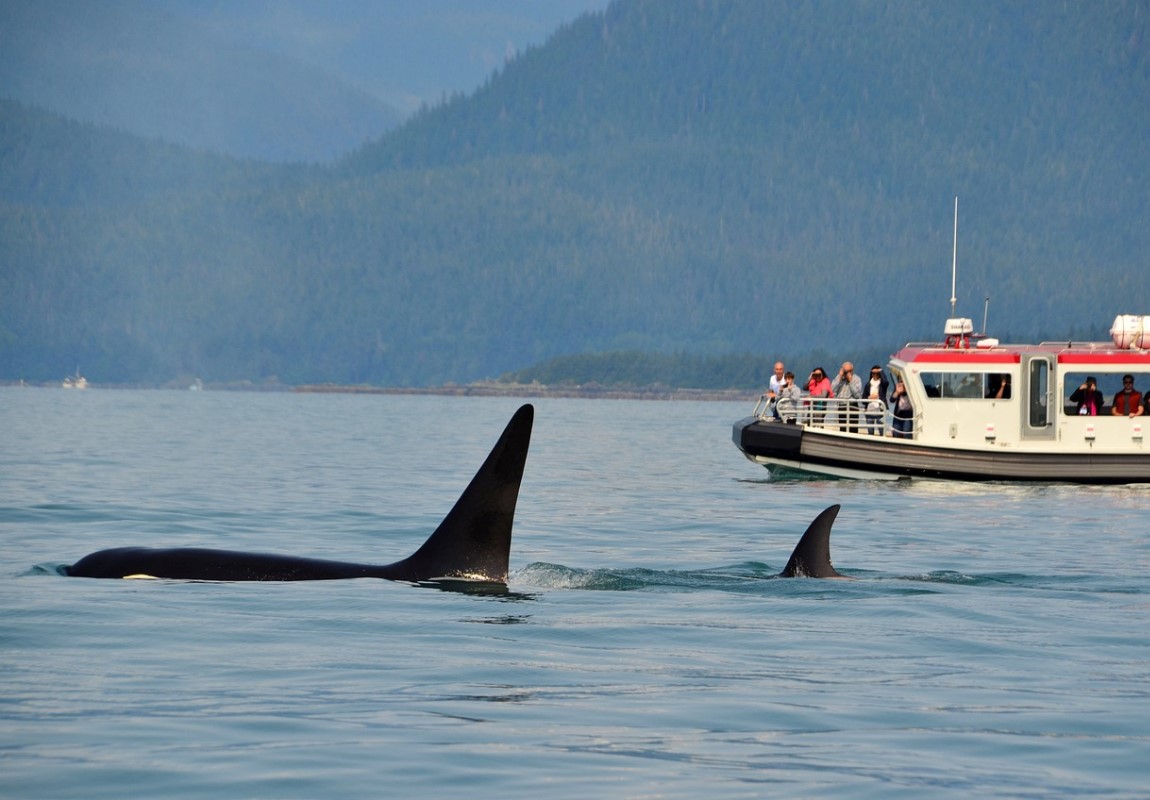
Damaraland is home to a healthy population of desert-adapted elephants, and in a similar environment, a smaller population of black rhinos can be tracked. The elusive brown hyena has been spotted lurking near seal colonies along the coast. The rare Heaviside's dolphin and migrating southern right whale are among the other marine wildlife. A safari around Sossusvlei is crucial, whether you drive yourself or join a tour. Here, look for gemsbok, mountain zebra, springbok, and ostrich, and climb the dunes for spectacular views.

Best Time for Wildlife Viewing

Namibia is dry most of the year, but there are two rainy seasons. The rainy season lasts from November to December, with the major rainy season lasting from January to April. During the rains, vegetation grows throughout the region, and wildlife scatters and becomes more difficult to find. The best time to see animals at waterholes is at the end of the dry season (July-October). This falls during the busiest tourist season.

Birds

Namibia does not have as many resident birds as some other African destinations, with just over 650 species recorded, many of which are seasonal. However, the arid habitat is home to a large number of rare dry-country specials. Although the dune lark is Namibia's only endemic species (found only in Namibia), there are many near-endemics that are easier to see here than in neighbouring countries. From September to April, intra-African and Palearctic migrants are present.

Best Time for Wildlife Viewing

Namibia's birdlife is at its peak from September to April, when migratory birds from Europe and northern Africa arrive. Many resident bird species are nesting and breeding plumage at this time of year. Following heavy rains, the pans of Etosha and Bushmanland become a haven for aquatic birds, including flamingo flocks. Rains are mostly brief afternoon showers that have little impact on your trip. The dry season is ideal for wildlife viewing.

Activities

From game drives and walking safaris to cultural encounters and adventure excursions, Namibia offers a wide variety of activities for every type of traveler.

Cuisines

Nambia is a proud and passionate country, Known for its exotic meats, vibrant colours, and indigenous traditions. Namibian food is one of the most diverse and unique cuisines in the world. It is inspired by South African and German influences with a few traditional cultural twists and contains richness, heat, and a plethora of flavours. 
This delicious, festive dessert, literally "apple strudel," is filled with sweet, spiced apples and raisins in a flaky, sticky crust, with an apricot jam glaze that everyone will love. 
When visiting Namibia, pickled ham hock (pork shank/knuckle), usually cured and slightly boiled, is a must! Served with sauerkraut and spaetzle (egg noodles), eisbein tastes just as good as it looks. 
After the first summer rains, owawa are seasonal wild mushrooms that grow on and around termite mines. During their blooming season, food vendors usually sell these massive mushrooms by the roadside. 
Potjiekos, literally "small-pot food," is a Dutch-influenced dish. It is popular in South Africa and has been incorporated into Namibian cuisine.

Culture

Namibia's culture and customs incorporate elements of both African and European cultures. Although the country is rapidly urbanising, the majority of Namibians still live in rural areas and live in poverty.
Namibia's various cultures span an impressively diverse population, from the Bantu-speaking Ovambo and Herero tribes (the latter of which are admired for their colourful Victorian dress) to the Damara minorities and nomadic San Bushmen. German colonisation left its mark on Namibia, with German still being widely spoken and German architecture and cuisine prominent.
Namibians come from a variety of ethnic backgrounds. Ovambo, Kavango, Herero, Himba, Damara, mixed-race (Coloured and Rehoboth Baster), White Namibians (Afrikaner, German, Swedish, British, and Portuguese), Nama, Caprivian, San, and Tswana are the main ethnic groups.

National Parks & Game Reserves

Namibia is home to some of the most spectacular national parks and game reserves in Africa. From vast savannahs to dense forests, each park offers unique landscapes, diverse wildlife, and unforgettable safari experiences. Whether you’re searching for the Big Five or hidden natural wonders, Namibia has something for every safari enthusiast.

Etosha National Park

Etosha National Park is Namibia’s most famous and iconic wildlife destination, centered around ...

Namib Desert

The Namib Desert is one of the world’s oldest and most iconic deserts, stretching along Namibia...

Bwabwata National Park

Bwabwata National Park is a unique conservation area located in Namibia’s Zambezi Region, stret...

Damaraland

Damaraland is one of Namibia’s most scenic and geologically striking wilderness regions, locate...

Mudumu National Park

Mudumu National Park lies in northeastern Namibia within the Zambezi Region and forms part of the...

Namib-Naukluft National Park

Namib-Naukluft National Park is one of Africa's largest protected areas and a cornerstone of Nami...

Nkasa Rupara National Park

Nkasa Rupara National Park, often referred to as the "Everglades of Namibia", is a remote and wat...

Caprivi Strip (Zambezi)

The Caprivi Strip, officially known as the Zambezi Region, is one of Namibia’s most ecologicall...

Kaokoland

Kaokoland, also known as the Kaokoveld, is one of Namibia’s most remote and culturally rich wil...

Cape Cross Seal Reserve

Cape Cross Seal Reserve is one of Namibia’s most iconic coastal wildlife reserves, located alon...

Waterberg Plateau Park

Waterberg Plateau Park is one of Namibia’s most striking natural landmarks, rising dramatically...

|Ai-|Ais Hot Springs Game Park

|Ai-|Ais Hot Springs Game Park is a unique protected area in southern Namibia, renowned for its d...

Dorob National Park

Dorob National Park is a vast coastal desert protected area in northwestern Namibia, stretching a...

Skeleton Coast National Park

Skeleton Coast National Park, located in northwestern Namibia, is renowned for its hauntingly bea...

Khaudum National Park

Khaudum National Park is a remote and rugged wilderness located in northeastern Namibia along the...

Tsau //Khaeb National Park

Tsau //Khaeb National Park, formerly known as Sperrgebiet National Park, is one of Namibia’s mo...

Mangetti National Park

Mangetti National Park is a lesser-known protected area in northeastern Namibia, situated near th...

Windhoek

Windhoek is the capital city of Namibia and while it is not known for its wildlife areas, there a...

Swakopmund

Swakopmund is a popular destination for safari tourism in Namibia. The city is situated on the co...

Sossusvlei

Sossusvlei is a popular destination for safari tourism in Namibia. Located in the southern part o...

Showing 1-0 of 0 reviews
Recently Added
5 Stars Only
4 Stars and above
3 Stars and above

No reviews yet for this destination. Be the first to share your experience !

Safety & Security

Safari travellers visiting Namibia spend the majority of their time participating in organised safari activities with the assistance of trained tour guides. Such events are managed and organised by reputable organisations that seek to deliver a safe and secure experience for their guests.
Staying up to date on the vaccinations required for your Namibia safari is one of the most important pieces of safety advice for any safari.
The Centers for Disease Control and Prevention (CDC) recommends prophylaxis against hepatitis A, B, typhoid, and malaria, as well as routine vaccines. For more information, consult one of the following guides:

Please see the links below for travel advice on Namibia Safari Trips:

General Safety Tips

  • Keep valuables secure and avoid displaying expensive items
  • Stay alert in crowded areas and tourist hotspots
  • Use registered tour operators and licensed guides
  • Follow local customs and respect cultural sensitivities
  • Keep copies of important documents in a safe place

Safari Safety

  • Always follow your guide's instructions during game drives
  • Stay inside your vehicle unless instructed otherwise
  • Keep noise levels low to avoid startling wildlife
  • Never approach or feed wild animals
  • Carry essential medications and first aid supplies

Health & Medical

Before traveling to Namibia, consult with your healthcare provider about recommended vaccinations and health precautions. Common recommendations include malaria prophylaxis, hepatitis A and B vaccines, and routine immunizations. Carry any necessary medications and consider travel insurance that covers medical emergencies.

Getting There

The majority of international visitors arrive at Windhoek's international airport, Hosea Kutako, via Johannesburg, South Africa, or Frankfurt, Germany. You can self-drive or take a bus from Botswana, Zambia, or South Africa if you are already in the region. Hosea Kutako International Airport (WDH) is Namibia's main airport, located 40 kilometres/25 miles east of the capital, Windhoek. Travel to the next destination is by small plane or car. Many people prefer self-drive because of Namibia's excellent roads and safety. In most cases, your local tour operator will arrange airport pickup and all additional transportation as part of the tour.

Travel Requirements

  • A passport with a six-month validity period and at least six blank passport pages.
  • Except for ordinary passport holders visiting Namibia from a visa-exempt jurisdiction, visitors must obtain a tourist visa. Check the visa exemption list to see if you need a visa.
  • Visas can be obtained on arrival at Hosea Kutako International Airport or Walvis Bay Airport for visitors from 41 countries.
  • Visitors from endemic countries must be immunised against yellow fever and carry a yellow fever certificate for verification.

Domestic Transportation

FlyNamibia (Offers domestic flights from Windhoek to Ondangwa, Rundu and Katima Mulilo; its Safari Route Schedule connects Windhoek to Swakopmund, Sossusvlei and Etosha) (Offers domestic flights from Windhoek to Ondangwa, Rundu and Katima Mulilo; its Safari Route Schedule connects Windhoek to Swakopmund, Sossusvlei and Etosha)

International Flight Connections

The best time to visit Namibia depends on your interests and destinations. For wildlife viewing in Etosha National Park, the dry winter season from May to October is ideal when animals congregate around waterholes as natural water sources dry up. June to August offers cooler temperatures (5-25°C/41-77°F) with cold nights and pleasant days, excellent game viewing, and clear skies. September to October is peak season with hot temperatures (30-40°C/86-104°F) and maximum wildlife concentrations at waterholes. The wet season (November to March) brings afternoon thunderstorms, lush green landscapes, migratory birds, newborn animals, and dramatic skies, though wildlife is more dispersed. For Sossusvlei dunes and desert landscapes, April to October offers comfortable temperatures and clear conditions - summer (December-February) is extremely hot (40-45°C/104-113°F). For Skeleton Coast and coastal areas, year-round is suitable though fog is common. For Damaraland desert elephants and desert-adapted wildlife, dry season (May-October) is best. Photography enthusiasts prefer dry season for dust-free air and golden light. Namibia is a year-round destination with each season offering unique advantages - dry season for wildlife, wet season for landscapes and photography.
Namibia safari costs vary widely based on travel style and accommodation level. Self-drive camping safaris offer excellent value: 4WD rental with camping equipment ($80-150 per day), camping fees ($15-30 per person per night at national park campsites), fuel costs ($50-100 per day depending on distances), and park entry fees (Etosha $7-10 per person per day, Sossusvlei $6-8). Total self-drive camping: $150-300 per day for two people. Mid-range lodge safaris: $200-400 per person per day including comfortable lodges, meals, and game drives. Luxury lodge safaris: $500-900 per person per day featuring upscale properties with excellent facilities, gourmet meals, and guided activities. Ultra-luxury: $1,000-2,500+ per person per day at exclusive properties like andBeyond Sossusvlei Desert Lodge, Hoanib Skeleton Coast Camp, and Serra Cafema with world-class service and remote locations. Guided small group tours: $150-350 per person per day including transport, accommodation, and some meals. A typical 10-12 day Namibia safari covering Etosha, Sossusvlei, and coastal areas costs $2,000-8,000 per person depending on accommodation level. Scenic flights over Sossusvlei ($300-500) and Skeleton Coast add costs. Namibia offers exceptional value particularly for self-drive adventures with stunning landscapes, good roads, and excellent infrastructure making independent travel accessible and affordable.
Visa requirements for Namibia are straightforward for most visitors. Citizens of the United States, United Kingdom, European Union countries, Australia, New Zealand, Canada, South Africa, Japan, and many other countries receive visa-free entry for tourist visits up to 90 days. Upon arrival at airports (Windhoek Hosea Kutako International Airport) or land borders, immigration stamps your passport with a free 90-day tourist permit. Citizens of countries requiring visas must obtain them from Namibian embassies or consulates before travel - check specific requirements. Your passport must be valid for at least 6 months beyond your intended departure date and have at least 2 blank pages (preferably 4+ if visiting multiple countries). Namibia is very strict about passport requirements - insufficient blank pages can result in denied entry. If crossing borders to Botswana, South Africa, Zambia, or Zimbabwe, ensure adequate blank pages as each country requires stamps. Children traveling require birth certificates (unabridged for South African residents). Yellow fever vaccination certificate is required if arriving from yellow fever endemic countries. Entry permits are typically issued for the duration of your trip up to 90 days - inform immigration of your intended stay. Extensions are possible through Ministry of Home Affairs in Windhoek if needed. Always verify current requirements before travel as policies can change.
Yellow fever vaccination is required only if arriving from yellow fever endemic countries - your certificate will be checked at entry. Namibia itself is not a yellow fever risk area. No other vaccinations are legally required for entry. However, recommended vaccinations include Hepatitis A and B, Typhoid, Tetanus, and Rabies (if visiting remote areas or camping). Malaria prophylaxis is recommended for specific regions during wet season: northern Namibia including Caprivi Strip (Zambezi Region), Kavango regions, northern Kunene, and far northern areas of Etosha particularly November-May (wet season). Central and southern Namibia including Windhoek, Sossusvlei, Swakopmund, and southern Etosha are malaria-free or very low risk, especially during dry season (May-October). Most popular tourist areas are low malaria risk. Consult a travel medicine specialist 6-8 weeks before departure. Namibia has good medical facilities in Windhoek with private hospitals and clinics offering quality care. Regional towns have basic medical services. Remote areas have limited facilities requiring self-sufficiency. Bring comprehensive first-aid kit for self-drive trips. Tap water in major towns and lodges is generally safe to drink. Sun protection is essential due to intense UV radiation at high altitude and desert conditions - bring high SPF sunscreen, hats, and sunglasses. Dehydration is a risk in desert areas - carry adequate water always.
Yes, Namibia is one of Africa's safest countries for tourists with stable democratic governance, low crime rates, and welcoming people. The country has been peaceful and politically stable since independence in 1990. Namibia is particularly safe for self-drive tourists with good infrastructure and low population density. Safety guidelines: Windhoek is generally safe but exercise normal precautions - avoid walking alone at night in downtown areas, don't display valuables, use secure parking, and stay alert. Tourist areas including Swakopmund, coastal towns, and lodges are very safe. Wildlife safety is primary concern - Namibia has dangerous animals including elephants, lions, rhinos, and cheetahs. Never approach wildlife on foot, stay in vehicles in parks, follow lodge and park rules, and respect animal space. Etosha has strict regulations keeping visitors safe. Desert driving safety: self-drivers should be experienced with 4WD vehicles, carry adequate water (5+ liters per person per day), fuel, spare tire, and emergency supplies. Desert conditions can be harsh with extreme temperatures and remote areas. Inform lodges of travel plans. Road safety: main highways are excellent tar roads, gravel roads require careful driving (loose gravel, wildlife crossing), speed limits must be respected, and night driving should be avoided due to wildlife. Namibia has minimal traffic. Remote areas require self-sufficiency but help is available from lodges and fellow travelers. Crime against tourists is rare, particularly outside Windhoek. Namibia's tourism industry is well-developed with professional operators prioritizing guest safety.
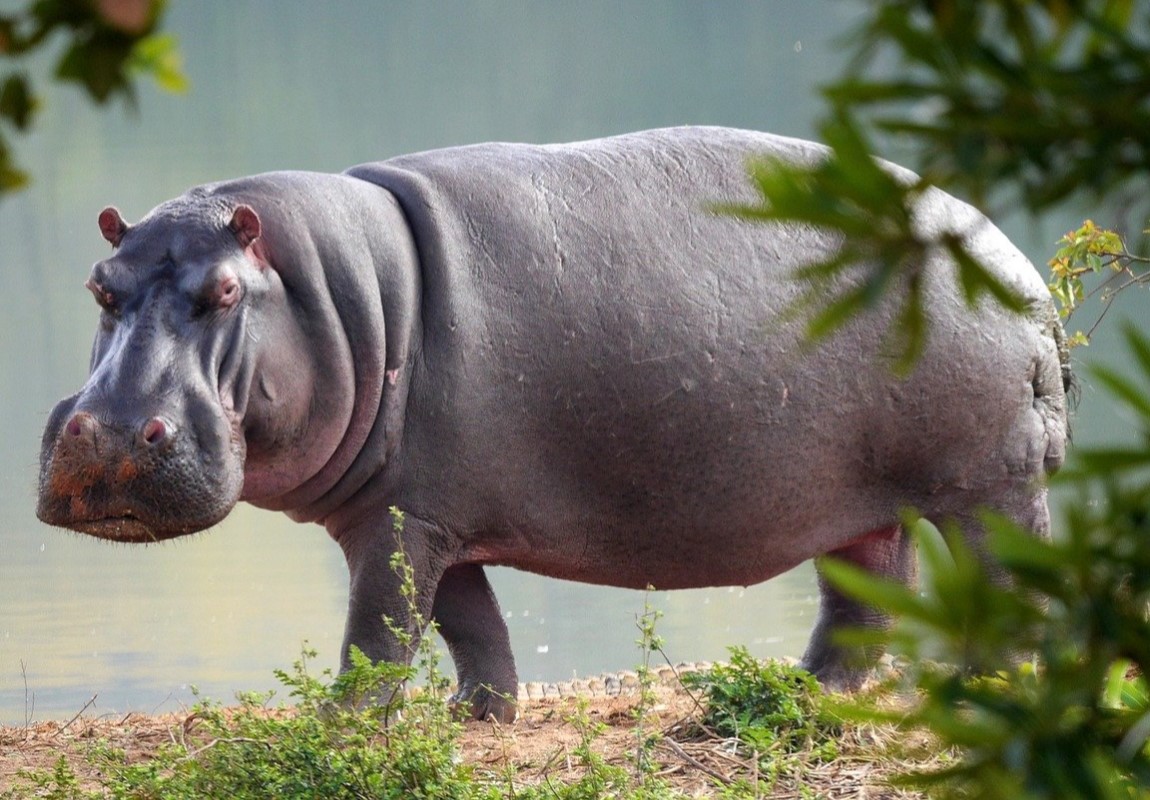
Namibia offers unique wildlife adapted to arid conditions with several endemic subspecies. Etosha National Park hosts diverse wildlife including lions, leopards, cheetahs, elephants, black rhinos (excellent sightings at waterholes), giraffes, zebras (both plains and Hartmann's mountain zebras), springbok, gemsbok (oryx), kudu, eland, black-faced impala, blue wildebeest, and red hartebeest. Etosha has good predator densities with all three big cats present. Damaraland features desert-adapted elephants (special population adapted to arid conditions), desert lions (unique long-ranging pride), black rhinos (free-roaming, world's largest population), giraffes, springbok, and gemsbok. Skeleton Coast has brown hyenas, black-backed jackals, Cape fur seals (colonies of 100,000+ at Cape Cross), and desert-adapted wildlife. Caprivi Strip (Zambezi Region) has hippos, crocodiles, buffalos, elephants, and diverse antelope species in riverine habitats. Namibia has over 650 bird species including endemic species like Rüppell's parrot, Herero chat, and rockrunner. Unique species: black rhinos (Namibia has largest free-roaming population), Hartmann's mountain zebra (endemic subspecies), brown hyenas, bat-eared foxes, aardwolves, and endemic reptiles. Marine wildlife includes whales, dolphins, and seals. Wildlife viewing focuses on waterholes in Etosha during dry season with excellent concentrations, though densities are lower than East Africa due to arid conditions.
Namibia offers distinctive safari experiences setting it apart from traditional wildlife destinations. Dramatic desert landscapes: Sossusvlei features world's highest sand dunes (300+ meters), surreal Dead Vlei with ancient trees, Deadvlei photography opportunities, and otherworldly Namib Desert scenery. Skeleton Coast offers desolate shipwreck coastlines, seal colonies, fog-shrouded beaches, and ethereal desert-meets-ocean landscapes. Self-drive accessibility: Namibia is Africa's premier self-drive safari destination with excellent roads (7,000km of tar roads, well-maintained gravel roads), clear signage, good infrastructure, safe conditions, and affordable camping facilities making independent exploration easy and rewarding. Desert-adapted wildlife: unique populations including desert elephants (Damaraland), desert lions, Hartmann's mountain zebras, and endemic species adapted to extreme arid conditions - found nowhere else. Space and solitude: Africa's second-least densely populated country (2.6 people per km²) offers vast wilderness, uncrowded parks, and authentic remoteness. Conservation success: community-based conservation programs, healthy black rhino populations (largest free-roaming), and wildlife recovery stories. Diverse landscapes: from Namib Desert to Kalahari, Fish River Canyon (second largest in world) to Caprivi wetlands, dramatic coastlines to mountains. Cultural experiences: Himba people maintaining traditional lifestyles, San bushmen, and German colonial heritage in Swakopmund. Photography paradise: stunning landscapes, night skies (International Dark Sky Reserve at NamibRand), and unique wildlife. Namibia appeals to adventurous travelers seeking landscapes, photography, and self-drive experiences beyond traditional game viewing.
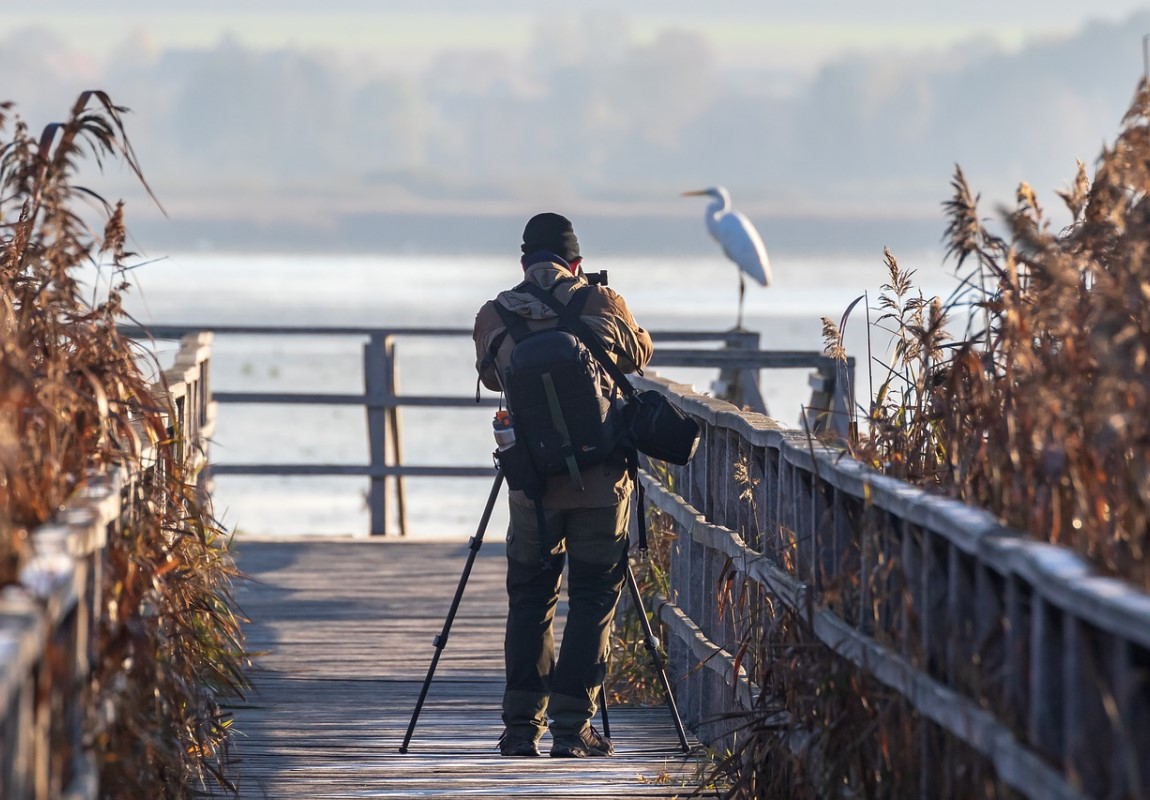
Packing for Namibia requires consideration of extreme desert conditions, self-drive requirements, and diverse landscapes. Clothing essentials: lightweight, breathable neutral colors (khaki, beige, brown) for daytime heat, warm layers including fleece or jacket for cold desert nights and mornings (May-August can drop near freezing), long-sleeved shirts and long pants for sun protection, wide-brimmed hat, buff or scarf for dust protection, and sunglasses (essential for glare). Footwear: sturdy closed-toe shoes or boots for walking and climbing dunes, sandals for camps, gaiters for sand. Self-drive essentials: GPS device or detailed maps, spare tire and jack (verify with rental), tire pressure gauge, tire pump or compressor, recovery boards or sand mats for stuck vehicles, jumper cables, torch/flashlight, first-aid kit, and basic tools. Desert survival: minimum 5 liters water per person per day, extra water for vehicle, non-perishable snacks, emergency blanket, and sunscreen SPF 50+. Photography equipment: camera with wide-angle lens (landscapes) and telephoto (wildlife), lens cleaning kit (dust is constant), extra batteries and memory cards, dust covers, and tripod for night photography. Other essentials: insect repellent (limited mosquitoes but present in Caprivi), binoculars, reusable water bottles, dry bags for dust protection, power bank for charging devices, and personal medications. Camping gear if self-camping: sleeping bag (cold-rated for winter), camping stove, cooler box, camping chairs, and headlamp. Lodges provide most necessities but self-drive camping requires complete self-sufficiency. Pack dust protection for all electronics and clothing.
Namibia's parks offer different experiences with Etosha being most famous for wildlife. Etosha National Park is Namibia's premier wildlife destination covering 22,270 km² with excellent game viewing, diverse wildlife including Big Four (lion, leopard, elephant, rhino - no buffalo), salt pan landscapes creating dramatic photography, excellent waterhole viewing particularly Okaukuejo (floodlit at night), accessible self-drive roads, and good accommodation from camping to luxury lodges. Best for: traditional game viewing, photography, families, first-time visitors. Namib-Naukluft National Park features iconic Sossusvlei dunes (Dune 45, Big Daddy), Dead Vlei with photogenic dead trees, Sesriem Canyon, vast desert landscapes, and sunrise/sunset photography opportunities - less about wildlife, more about landscapes. Best for: photographers, landscape enthusiasts, iconic scenery. Skeleton Coast National Park offers desolate beauty, shipwrecks, seal colonies at Cape Cross, unique desert-ocean interface, and remote wilderness - accessible only by fly-in safari or guided tours. Best for: adventurous travelers, photographers, exclusivity. Bwabwata/Mudumu/Nkasa Rupara (Caprivi Strip) provide riverine habitats, water-based activities, elephants, hippos, crocodiles, and wetland birdlife contrasting with desert regions. Fish River Canyon is second largest canyon globally with spectacular hiking (May-September). Most itineraries combine Etosha (wildlife) + Sossusvlei (landscapes) + Swakopmund (coast and activities) for comprehensive Namibian experience balancing wildlife, scenery, and adventure. Etosha is best for traditional safari-goers focused on wildlife viewing.
Namibia's vast distances and diverse attractions require adequate time for proper exploration. Minimum recommended: 10-12 days for highlights covering Windhoek (1 day arrival/logistics), Sossusvlei (2-3 days for dunes, landscapes, photography), Swakopmund (2 days for coastal activities and rest), Damaraland (2 days for desert elephants and landscapes), and Etosha (3-4 days for wildlife viewing). This allows reasonable pacing with 200-350km daily drives. Ideal duration: 14-16 days enables adding Fish River Canyon, Caprivi Strip wetlands, or extended time in regions without rushing. Allows flexibility for rest days and spontaneous stops. Ultimate experience: 18-21+ days covers comprehensive Namibia including southern regions (Fish River Canyon, Quiver Tree Forest), extensive Etosha exploration (western side), Skeleton Coast fly-in safari, and Caprivi wetlands. Consider that Namibia is enormous - distances between highlights are significant: Windhoek to Sossusvlei (350km/5 hours), Sossusvlei to Swakopmund (350km/5 hours), Swakopmund to Etosha (500km/6-7 hours). Long driving days are inherent to Namibian travel. Self-drive requires realistic daily distances (300-400km maximum). Etosha deserves 3-4 days minimum for exploring different areas, waterhole sessions, and maximizing wildlife encounters. Sossusvlei needs 2 nights minimum for sunrise/sunset photography at dunes. More days allow appreciating landscapes, photography opportunities, wildlife encounters, and relaxed travel pace. Namibia rewards slow exploration rather than rushed itineraries cramming too much into limited time.
Yes, Namibia is Africa's premier self-drive safari destination offering freedom, flexibility, and exceptional value. Infrastructure: excellent tar roads (B-roads) between major destinations, well-maintained gravel roads (C and D-roads) requiring careful driving, clear signage throughout, good maps and GPS availability, and reliable fuel stations in towns (though distances between fuel stops can be 200km+). Requirements: valid driver's license (international license recommended), suitable vehicle rental (4WD essential for Sossusvlei, Damaraland, and remote areas; 2WD acceptable for tar roads and basic routes), GPS device or detailed maps, and comprehensive insurance. Safety considerations: gravel road driving requires reduced speeds (60-80km/h maximum), avoiding sudden movements, watching for wildlife crossing, and maintaining vehicle control on loose surfaces. Desert conditions demand carrying 5+ liters water per person, adequate fuel (fill up whenever possible), spare tire, basic tools, and emergency supplies. Night driving should be avoided due to wildlife and poor visibility. Wildlife encounters: remain in vehicle, don't approach animals, respect park rules, and give animals right of way. Popular self-drive routes: Windhoek to Sossusvlei to Swakopmund to Etosha loop covering highlights over 10-14 days. Camping or lodge accommodation available throughout. Advantages: flexibility to stop for photography, set your own pace, significant cost savings versus guided tours, and authentic adventure experiencing Namibia independently. Self-drive Namibia is safe and manageable for experienced drivers comfortable with remote conditions, basic vehicle maintenance, and self-sufficiency. Many travelers cite self-drive Namibia as Africa's best independent travel experience.
Namibia offers diverse accommodation from budget camping to ultra-luxury lodges. Camping: National park campsites including Etosha rest camps ($15-30 per person per night) with basic ablutions, braai (barbecue) facilities, and bring-your-own camping equipment. Private campsites at lodges offering facilities, pools, and restaurants. Budget lodges and guesthouses: comfortable rooms with en-suite bathrooms, meals available, swimming pools, and good value ($50-100 per person per night). Mid-range lodges and camps: comfortable properties with excellent facilities, good cuisine, swimming pools, and personalized service ($150-300 per person per night full board) - excellent value with character and comfort. Luxury lodges: upscale properties like Mushara Collection, Okonjima, and Desert Rhino Camp featuring spacious rooms, gourmet cuisine, premium amenities, guided activities, and exceptional service ($400-800 per person per night). Ultra-luxury: exclusive properties like andBeyond Sossusvlei Desert Lodge, Hoanib Skeleton Coast Camp, Serra Cafema with world-class design, private pools, premium wine cellars, and remote locations ($1,000-2,500+ per person per night). Etosha rest camps: government-run Okaukuejo, Halali, and Namutoni offering basic to comfortable accommodations, restaurants, pools, and floodlit waterholes - excellent value and authentic experience. Private concessions adjacent to Etosha provide luxury without crowds. Swakopmund has hotels, guesthouses, and backpackers. Sossusvlei lodges and campsites cater to all budgets. Accommodation standards are high throughout with friendly service and unique character properties. Self-catering options popular for budget travelers.
Yes, comprehensive travel insurance is essential for Namibia, particularly for self-drive travelers. Ensure coverage includes: medical emergencies and treatment (Namibia has good private medical facilities in Windhoek but limited services in remote areas, healthcare costs can be high), medical evacuation (critical for remote locations - evacuation from Skeleton Coast or Damaraland to Windhoek or South Africa can cost $30,000-100,000+), trip cancellation and interruption protecting pre-paid accommodations and vehicle rentals, rental vehicle excess coverage (comprehensive insurance recommended due to gravel road driving and remote conditions), personal liability, and lost or delayed baggage. Namibia-specific considerations: 4WD vehicle damage from gravel roads, desert conditions, and wildlife encounters - verify rental insurance coverage and excess amounts. Remote locations require self-evacuation capability or expensive air rescue. Desert driving risks include getting stuck in sand, breakdowns in remote areas, and extreme weather exposure. Medical facilities outside Windhoek are basic - serious emergencies require evacuation. Adventure activities: sandboarding, quad biking, skydiving, scenic flights - ensure coverage. Self-drive risks: accidents on gravel roads, vehicle theft, and breakdown costs. Most rental companies offer insurance but with high excess ($1,000-3,000) - supplemental insurance recommended. Purchase comprehensive travel insurance immediately after booking. Recommended insurers include World Nomads, travel insurance specialists, and 4WD rental insurance specialists. Given Namibia's remote conditions and self-drive nature, adequate insurance is crucial for protecting health and financial investment.
Namibia's official currency is the Namibian Dollar (NAD), pegged 1:1 with the South African Rand (ZAR). Both currencies are legal tender in Namibia - Rands are widely accepted everywhere. Exchange rates typically around 15-19 NAD/ZAR to 1 USD. Note: Namibian Dollars are NOT accepted in South Africa, but South African Rands ARE accepted in Namibia. US dollars, British pounds, and euros can be exchanged at banks, airports, and forex bureaus but NAD/ZAR needed for most transactions. Credit cards (Visa and Mastercard) are widely accepted in cities, lodges, restaurants, and shops - Namibia has reliable banking infrastructure. ATMs are available in Windhoek, Swakopmund, and most towns with reliable cash availability. Withdraw cash before heading to remote areas as ATMs don't exist in many locations. Self-drive considerations: carry adequate cash (NAD/ZAR) for fuel, camping fees, and small purchases - not all locations accept cards. Budget approximately NAD 1,000-2,000 ($60-120) daily for two people covering fuel, food, and incidentals. Tipping: restaurants 10%, safari guides NAD 150-200 ($10-15) per person per day, lodge staff NAD 100-150 per person per day. Credit cards widely accepted for accommodations and major expenses. Some lodges accept USD or Euros but NAD/ZAR preferred. Swakopmund and tourist areas have excellent banking facilities. Remote lodges may have limited connectivity for card payments - carry cash backup. Overall, Namibia's banking and payment systems are reliable and convenient for travelers.
Yes, Namibia is excellent for family safaris, particularly self-drive adventures offering flexibility for children. Many lodges welcome children of all ages, some have minimum ages (6-12 years), and few are adults-only - always verify policies. Family-friendly aspects: self-drive safaris allow complete flexibility for bathroom breaks, rest stops, snacks, and pacing suitable for children's needs. Etosha rest camps offer family accommodations, swimming pools, restaurants, and safe fenced areas where children can move freely. Activities suitable for children: game drives viewing wildlife, visiting seal colonies at Cape Cross, sandboarding in Swakopmund, exploring dunes at Sossusvlei (climbing Dune 45 popular with kids), educational experiences about desert adaptations, and camping under stars. Swimming pools at most lodges provide entertainment. Age considerations: walking safaris typically require minimum age 12-16 years. Floodlit waterholes at Etosha rest camps allow easy wildlife viewing without long drives - perfect for children. Adventure activities in Swakopmund (quad biking, sandboarding, marine cruises) have varying age requirements. Safety: Namibia is very safe with low crime, good infrastructure, and professional lodges. Wildlife safety requires supervision - children must stay in vehicles in parks and follow lodge rules. Desert conditions demand sun protection, hydration, and appropriate clothing for temperature extremes. Self-catering accommodations allow preparing familiar foods for picky eaters. Private vehicles eliminate concerns about disturbing other safari guests. Teenagers particularly enjoy adventure aspects, driving experiences, and photography opportunities. Namibia's combination of wildlife, landscapes, activities, and self-drive flexibility makes it ideal for family adventures with children of various ages.
Tipping in Namibia follows Southern African customs, though less formalized than East Africa. Recommended guidelines: Safari guides: NAD 150-200 ($10-15) per person per day for guided safaris. Self-drive (no guide) means no guide tipping required. Lodge staff: NAD 100-150 ($8-12) per person per day placed in communal tip box distributed among housekeepers, chefs, waiters, and maintenance. Etosha rest camp staff: NAD 50-100 per day for housekeeping and service staff. Restaurant servers: 10% of bill (sometimes included - check receipt). Tour guides: 10% of tour cost or NAD 100-150 for day tours. Petrol attendants: NAD 5-10 (they pump fuel and check oil/water - full service is standard). Hotel porters: NAD 10-20 per bag. Activity guides (sandboarding, quad biking): NAD 50-100 depending on activity length. Tips can be given in Namibian Dollars, South African Rands (preferred equally), or US dollars. Most lodges provide envelopes for tips and communal boxes with suggested amounts. Self-drive travelers primarily tip at lodges and restaurants rather than guides. For multi-day trips, budget NAD 1,000-1,500 ($60-100) total per person for all tipping. Namibian tourism staff appreciate tips as they supplement income, though tipping culture is less intensive than East Africa. Tip according to service quality - exceptional staff deserve recognition. Cash tips preferred as electronic tipping isn't common. Carrying small denomination notes (NAD 10, 20, 50, 100) makes tipping convenient throughout your trip.
Namibia has a desert climate with hot days, cold nights, minimal rainfall, and extreme temperature variations. Summer (November-March): hot to very hot days (30-40°C/86-104°F), can exceed 45°C/113°F in deserts, warm nights (15-20°C/59-68°F), afternoon thunderstorms particularly January-February, humidity near coast, and lush vegetation after rains. This is wet season though "wet" is relative - Namibia is arid year-round. Winter (May-September): warm to hot days (20-28°C/68-82°F), cold nights dropping near or below freezing especially June-July (0-5°C/32-41°F), crystal clear skies, minimal rainfall, and crisp dry air perfect for photography. Coastal areas (Swakopmund, Walvis Bay): cool year-round (15-25°C/59-77°F) with morning fog common, wind prevalent, and relatively stable temperatures due to cold Benguela Current. Desert interior: extreme temperature fluctuations - 40°C/104°F day to near freezing night possible same day. Caprivi Strip: warmer and wetter with tropical influences. Best weather: April-May and September-October offer comfortable temperatures avoiding extreme summer heat and winter cold. Wildlife viewing best in dry winter (May-October). Photography best in dry season for clarity and dramatic landscapes. Pack layers: winter mornings and evenings require warm jackets, beanies, and gloves, while midday becomes hot requiring sun protection. Summer needs sun protection, light clothing, and occasional rain gear. Namibia's high altitude and clear skies mean intense sun exposure year-round - sunscreen SPF 50+ essential. Weather is predictable with minimal rainfall making planning easier.
Namibia is one of Africa's most linguistically diverse countries. English is the official language and used for government, business, education, and tourism, making Namibia very accessible for international travelers. English proficiency is excellent in cities, tourist areas, and among younger generations educated post-independence. However, English is first language for only about 3-4% of population. Most widely spoken indigenous languages: Oshiwambo (most common, spoken by about 49% of population in northern regions), Nama/Damara (Khoisan click language spoken by about 11%), Afrikaans (about 10%, legacy of South African rule, widely understood particularly in towns and tourist areas), Otjiherero (about 9%), Rukavango (about 9% in northeast), and German (about 0.5% but culturally significant with German colonial heritage visible in Swakopmund, Windhoek, and signage). Several Khoisan languages with distinctive click sounds including Nama, !Kung, and others spoken by San communities. In tourist areas and cities (Windhoek, Swakopmund), English communication is seamless. Rural areas may have varying English proficiency but tourist industry staff speak excellent English. German is useful in Swakopmund and tourism sector due to historical connections. Afrikaans is widely understood as lingua franca. For travelers, English fluency in tourism industry makes Namibia comfortable and accessible. Learning basic greetings in local languages enhances cultural experiences. Safari guides speak excellent English with specialized wildlife and ecology knowledge. Namibia's multilingual character reflects its cultural diversity and colonial history.
International flights arrive at Hosea Kutako International Airport (WDH) near Windhoek, located 45km east of city (45-minute drive). Major airlines include Air Namibia (national carrier, though operations were suspended - check current status), South African Airways, Ethiopian Airlines, Kenya Airways, Eurowings, Qatar Airways, and regional carriers connecting through Johannesburg, Cape Town, or other African hubs. Some flights arrive at Walvis Bay Airport. Most international visitors connect through Johannesburg or Cape Town. Domestic travel: Air Namibia operated domestic flights to Walvis Bay, Ondangwa, and other destinations - check current operators. Charter flights available for Skeleton Coast and remote lodges. Road travel: Excellent tar roads (B-roads) connect major destinations - Windhoek to Swakopmund (B2, 360km/4.5 hours), Windhoek to Etosha via Otjiwarongo (470km/5-6 hours). Well-maintained gravel roads (C and D-roads) access Sossusvlei, Damaraland, and remote areas requiring 4WD. Self-drive is most popular and practical way to explore Namibia. Rental vehicles widely available in Windhoek and Swakopmund ($40-150 per day depending on vehicle type). Namibia's road network is excellent by African standards making independent travel accessible. Organized tours and shuttles connect major destinations for non-drivers. Border crossings to South Africa (multiple points), Botswana (Trans-Caprivi Highway), Zambia (Victoria Falls), and Angola are straightforward with proper visas. Self-drive allows flexibility to explore Namibia's vast landscapes at your own pace, essential for appreciating the country's space and beauty.
Namibia offers extraordinary diversity of landscapes and experiences. Sossusvlei and Dead Vlei: iconic red sand dunes (among world's highest at 300+ meters), Dead Vlei with 900-year-old dead camel thorn trees, Sesriem Canyon, sunrise/sunset photography, and surreal desert landscapes - absolute must-see. Etosha National Park: premier wildlife destination with excellent game viewing, floodlit waterholes, diverse species including black rhinos, and accessible self-drive safaris. Swakopmund: charming German colonial coastal town with adventure activities (sandboarding, quad biking, skydiving), restaurants, shops, and relaxed atmosphere - perfect break from desert driving. Skeleton Coast: desolate shipwreck coastlines, Cape Cross seal colony (100,000+ Cape fur seals), salt pans, and ethereal desert-meets-ocean landscapes - remote and atmospheric. Damaraland: dramatic landscapes with Twyfelfontein rock art (UNESCO World Heritage), desert-adapted elephants and lions, Burnt Mountain, Organ Pipes, and stark beauty. Fish River Canyon: second largest canyon globally with spectacular hiking (83km, 5 days, May-September), viewpoints, and geological grandeur. Caprivi Strip (Zambezi Region): lush wetlands contrasting desert, riverine wildlife, hippos and crocodiles, and water-based activities. Namib-Naukluft National Park: vast desert landscapes, diverse ecosystems, and hiking opportunities. Spitzkoppe: dramatic granite formations ("Matterhorn of Africa"), rock art, and climbing. Kolmanskop: abandoned diamond mining ghost town near Lüderitz with photogenic decay. Quiver Tree Forest and Giant's Playground: unique southern landscapes. Most itineraries combine Sossusvlei + Swakopmund + Etosha creating perfect balance of landscapes, coast, and wildlife.
Etosha National Park is Namibia's premier wildlife sanctuary and one of Africa's unique game viewing destinations, renowned for several distinctive features. Salt pan: massive Etosha Pan (4,760 km²) - ancient lake bed creating surreal white landscape visible from space, dramatic photography with mirages and heat shimmer, and stark beauty particularly in dry season. Waterhole viewing: artificial and natural waterholes create exceptional game viewing as desert conditions force animals to drink regularly. Floodlit waterholes at Okaukuejo, Halali, and Namutoni rest camps allow night viewing from safety of camps - unique opportunity to watch wildlife 24 hours. Black rhinos: Etosha has excellent black rhino population with regular sightings at waterholes, particularly Okaukuejo at night - one of best places globally for black rhino viewing. Wildlife diversity: large elephant populations, lions, leopards, cheetahs, abundant springbok, gemsbok, zebras, giraffes, blue wildebeest, black-faced impala (endemic subspecies), and over 340 bird species including endemic Violet Wood Hoopoe. Self-drive accessibility: well-maintained roads, excellent infrastructure, clear signage, and safe conditions make Etosha perfect for independent exploration. Rest camps provide accommodation from basic camping to comfortable chalets with restaurants, pools, and shops. Best viewing: dry season (May-October) when wildlife concentrations peak, particularly August-October for maximum animals. Photography opportunities: stark landscapes, dust clouds, wildlife at waterholes, and dramatic skies. Etosha offers classic African wildlife viewing with unique waterhole-focused experiences impossible elsewhere, combining accessibility, reliability, and photogenic conditions in distinctive arid setting.
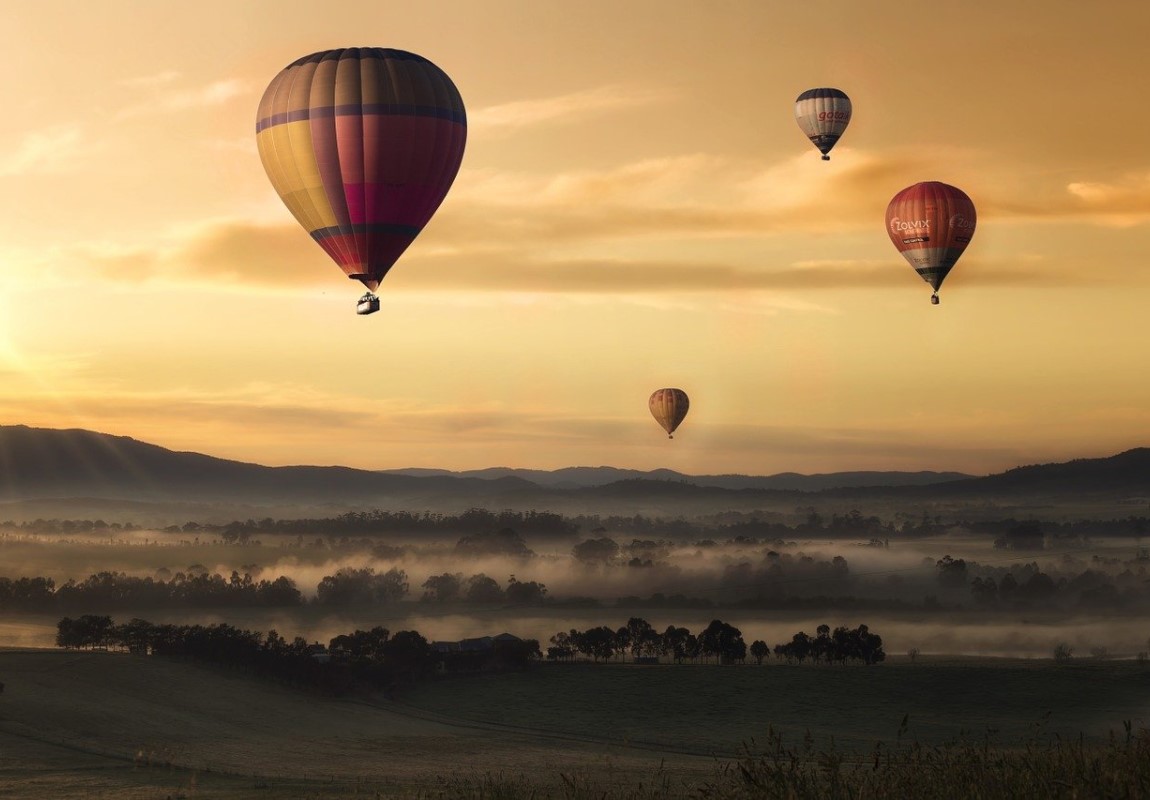
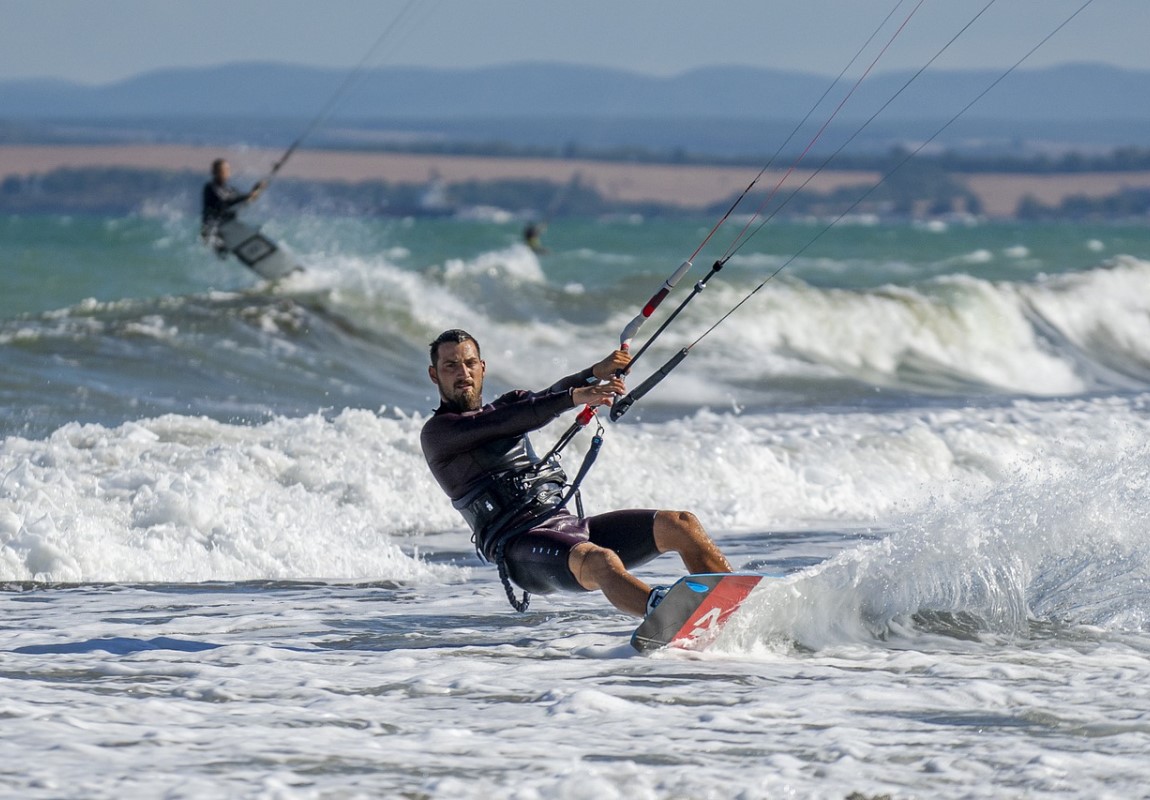
Namibia offers exceptional adventure activities beyond traditional safaris. Swakopmund (adventure capital): sandboarding down massive dunes (standing or lying), quad biking through desert landscapes (1-4 hour trips), skydiving over Namib Desert with spectacular coastal views, tandem paragliding, scenic flights, marine cruises with dolphins and seals, deep-sea fishing, kitesurfing, and kayaking with seals at Walvis Bay. Sossusvlei area: hot air balloon safaris over dunes and desert at sunrise ($400-500), scenic flights over Sossusvlei and Skeleton Coast, hiking up massive dunes (Big Daddy, Dune 45), and stargazing in International Dark Sky Reserve at NamibRand. Skeleton Coast: fly-in safaris to remote camps ($2,000-3,000+ per night), exploring shipwrecks, visiting seal colonies, quad biking on beaches, and wilderness adventures. Damaraland: rhino tracking on foot with guides supporting conservation, visiting Twyfelfontein rock art, exploring geological formations, and seeking desert-adapted elephants. Fish River Canyon: 5-day hiking trail (85km, requires permits and fitness, May-September only) - one of Africa's great hikes. Rock climbing at Spitzkoppe with granite formations offering various routes. Caprivi: water-based activities including boating, fishing, and mokoro trips. Cultural experiences: visiting Himba villages in Kaokoland learning traditional lifestyles, San bushman walks, and township tours. Wildlife activities: rhino tracking, elephant tracking, and predator research experiences. Photography workshops: specialized photo safaris with professionals. Namibia's combination of desert landscapes, wildlife, and adventure activities creates unique destination balancing nature and adrenaline.
Namibia has diverse languages but English is official and widely spoken. Here are useful phrases in Afrikaans (widely understood) and some basic greetings. Afrikaans phrases (widely understood throughout Namibia):

1) Hallo / Goeie dag (HAH-loh / HOO-yuh dahkh) - Hello / Good day
2) Hoe gaan dit? (hoo KHAHN dit) - How are you?
3) Dit gaan goed (dit KHAHN khood) - I am fine/It goes well
4) Dankie (DAHN-kee) - Thank you
5) Baie dankie (BAY-uh DAHN-kee) - Thank you very much
6) Asseblief (AH-suh-bleef) - Please
7) Ja (yah) - Yes
8) Nee (nee-uh) - No
9) Jammer (YAH-mur) - Sorry/Excuse me
10) Totsiens (TOHT-seens) - Goodbye

Bonus Afrikaans: Lekker (LEK-kur) - Nice/good (very common), Braai (BRY) - Barbecue. Wildlife words: Leeu (lion), Olifant (elephant), Luiperd (leopard). In northern Namibia, Oshiwambo greetings include "Wa lalapo" (Good morning) and "Tangi" (Thank you). Most Namibians speak multiple languages and greatly appreciate any attempt at local languages, though English works everywhere. Your guides and lodge staff will happily teach you phrases during your travels!

Change Currency

Loading currencies...

Give your feedback