

Zambia Safari Destination Zambia flag

Zambia Safari Information

Lets Explore

29 Tours 70 Tour Operators 1 Accommodation Properties

Starting from

$400PP

Overview

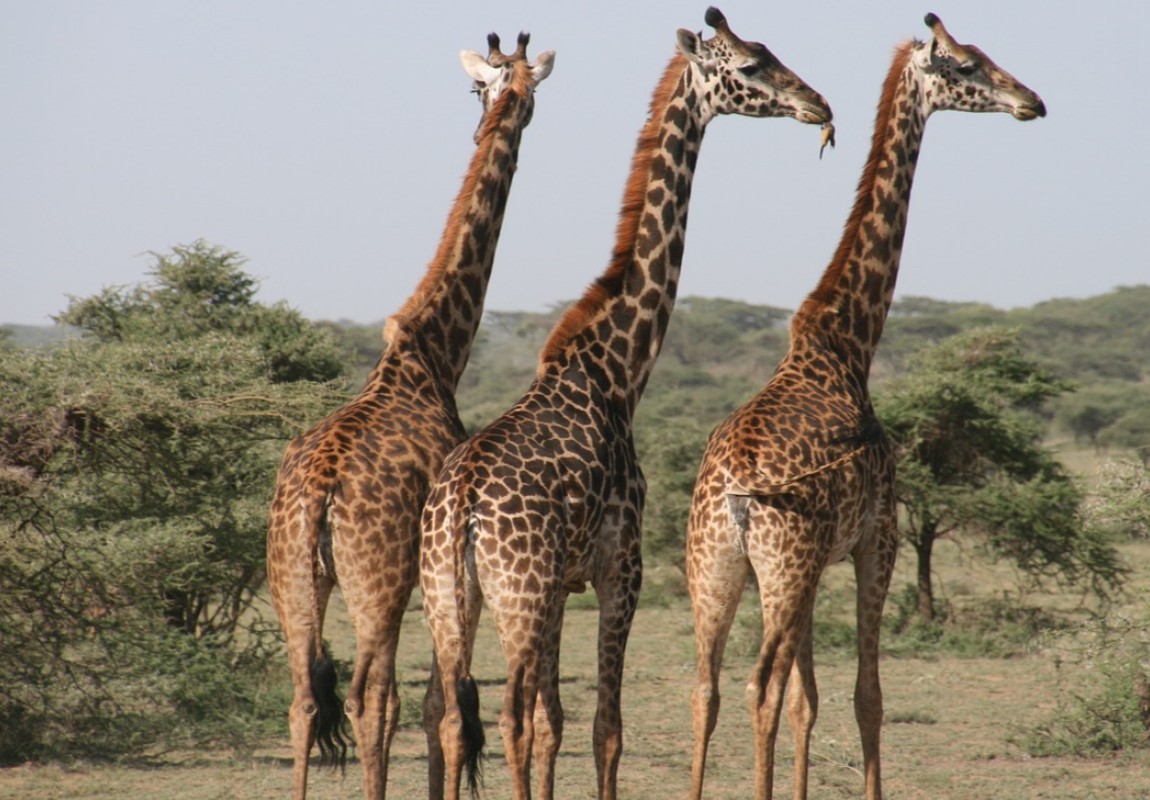
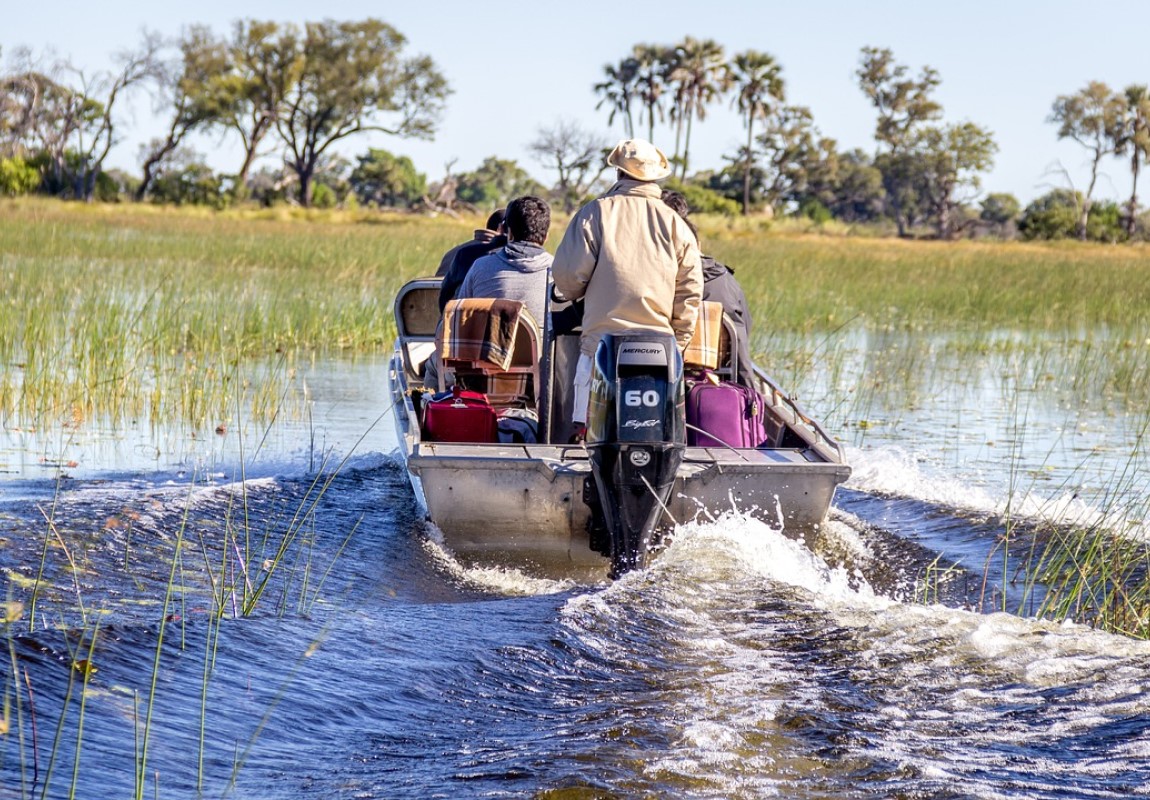
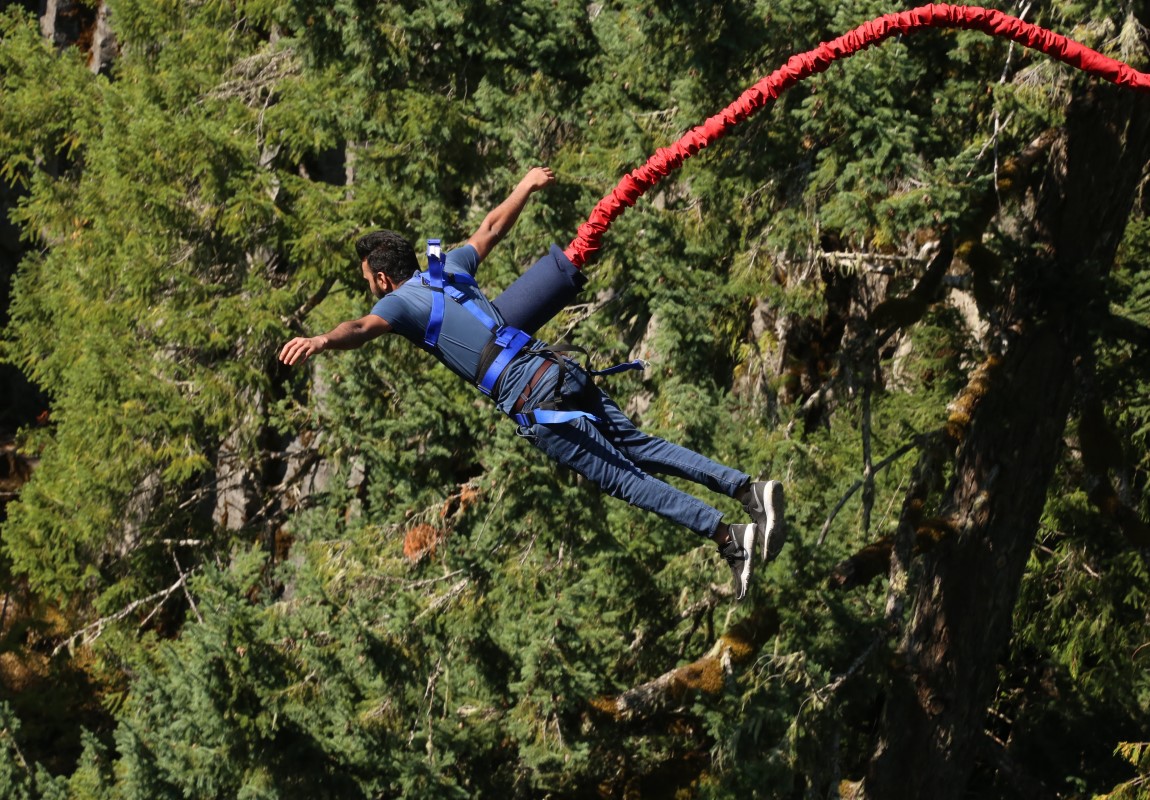
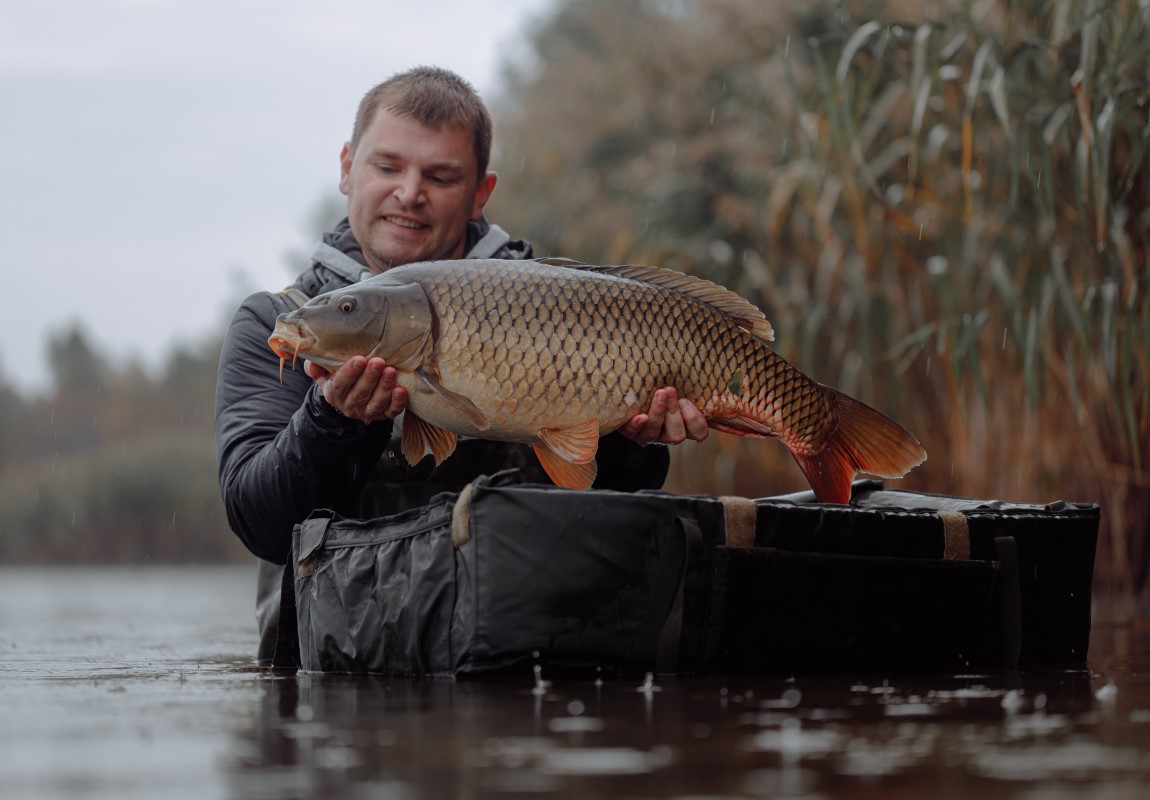
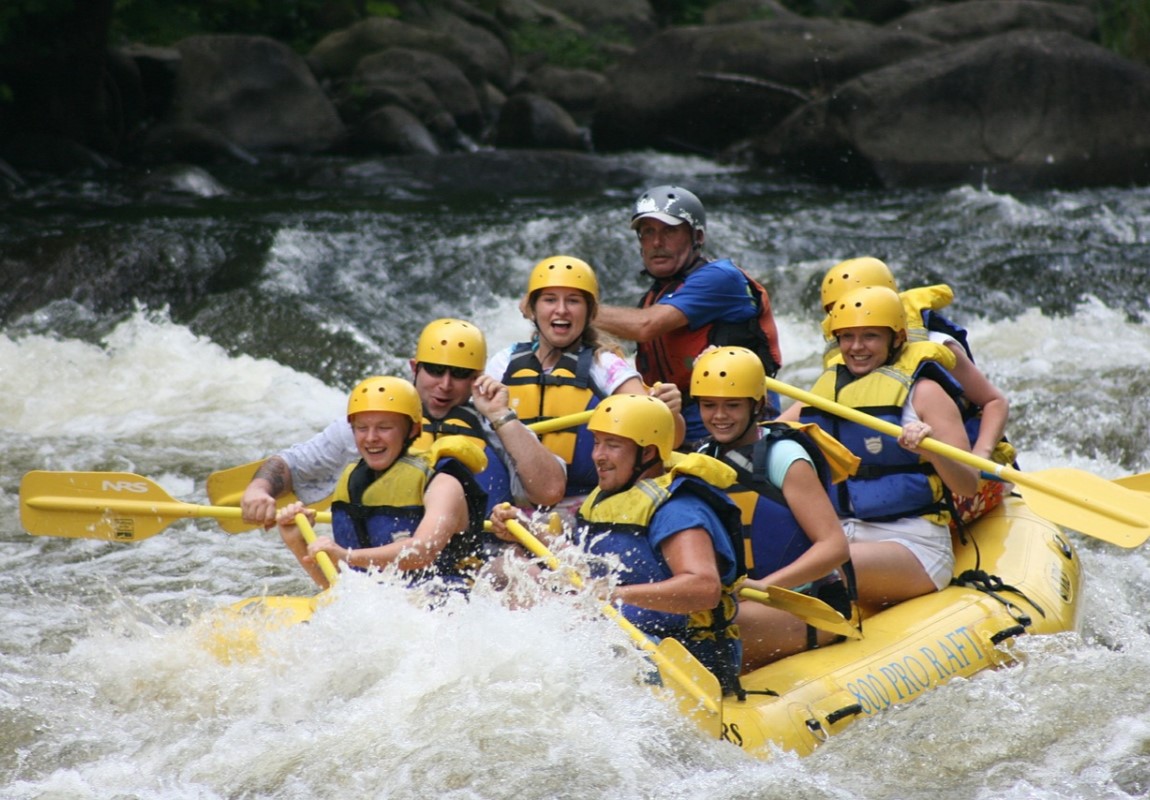
Zambia is a landlocked country that lies to the south of Tanzania and DRC and toward the north of Botswana, Namibia, Zimbabwe and Mozambique. Zambia is endowed with rich woodlands, wandering waterways and an abundance of wildlife, just as being home to one of the seven natural wonders of the world, the Victoria Falls extending along the border with adjoining Zimbabwe. With its amazing wildlife experiences, amicable individuals and dynamite view, just as important features like walking safaris and night drives, Zambia truly offers a sample of genuine Africa. South Luangwa National Park is a fabulous choice for walking safaris and is home to groups of elephants, buffalo, Thornicroft's giraffe and endemic species of zebra and wildebeest. Off the beaten track, the little-visited Kafue National Park is huge, with flourishing groups on the fields including the magnificent sable, followed by lions, leopards and wild dogs. Lower Zambezi National Park where a canoe safari is a thrilling choice just as boating and fishing, all inside delightful riverine environmental elements. The town of Livingstone is the doorway to the wonderful Victoria Falls, offering adrenalin-packed activities, for example, white water rafting, bungy jumping and helicopter flights over the Falls.

Rates (USD)
$250 pp/day
Currency
Zambian kwacha (‎ZMW‎)‎
Capital
Lusaka
Languages
English
High Season
July to October
Best Time to Go
May to September

Pros & Cons

  • Low-density tourism and eco-friendly lodges
  • Excellent wildlife viewing in northern parks
  • Beautiful and diverse scenery of dry desert, saltpans, savannah grasslands and delta waterways
  • Low population and vast, undeveloped areas
  • Political stability and safety
  • Expensive upmarket safaris with few budget options
  • Availability can be limited during high season

Map in Africa

Zambia Map in Africa

Safari Reviews

User Reviews
0.0/5
(0 Reviews)

Share Your Experience

Help other travelers by writing a review

Best Time to Visit – Zambia

You have a brilliant shot at seeing loads of wildlife in Zambia during the Dry season from May to October. This will fit in pleasantly with a visit to Victoria Falls, which is at its best from June to September. A Wet season safari from November to April is substantially more challenging, as most parks and camps shut down due to heavy downpours. The Mfuwe segment of South Luangwa National park is an exemption: you can drive its all-climate streets all year.

High Season
July to October
Low Season
November to April
Best Weather
April, May and September
Worst Weather
October

May to October (Dry Season)

  • Vegetation is thin and Wildlife can be easily spotted around river crossing and waterholes
  • Clear blue skies and most of the days are sunny
  • There are very less mosquitoes because of little rain
  • Even in high season, most of the parks will not get crowded except Victoria falls
  • The best time to see Victoria Falls is from May to September
  • Morning game drives can be difficult due to Cold weather, so warm clothes are recommended
  • October can get very hot
  • From March to May massive clouds of spray will block the view of Victoria Falls

November to April (Wet Season)

  • The best time for bird watching and migratory birds are present
  • The scenery is beautiful and green
  • As It's less crowded, rates are likely to be lower
  • Newborn baby animals can be spotted
  • Difficult to spot animals as they are no longer dependant on rivers and waterholes to drink
  • Victoria Falls might just be a small stream from October to December as the flow of the Zambezi river is at its lowest

Best Time to Go to Zambia by Major Park

For the best wildlife viewing in the primary parks, visit in the dry winter months (May to October). This concurs with the best chances for extraordinary photographs of Victoria Falls – between May and August. Most camps close in the rainy season and washed-out streets make travel troublesome. Be that as it may, the scene is lovely and bird-watching is brilliant as of now.

Wildlife & Animals

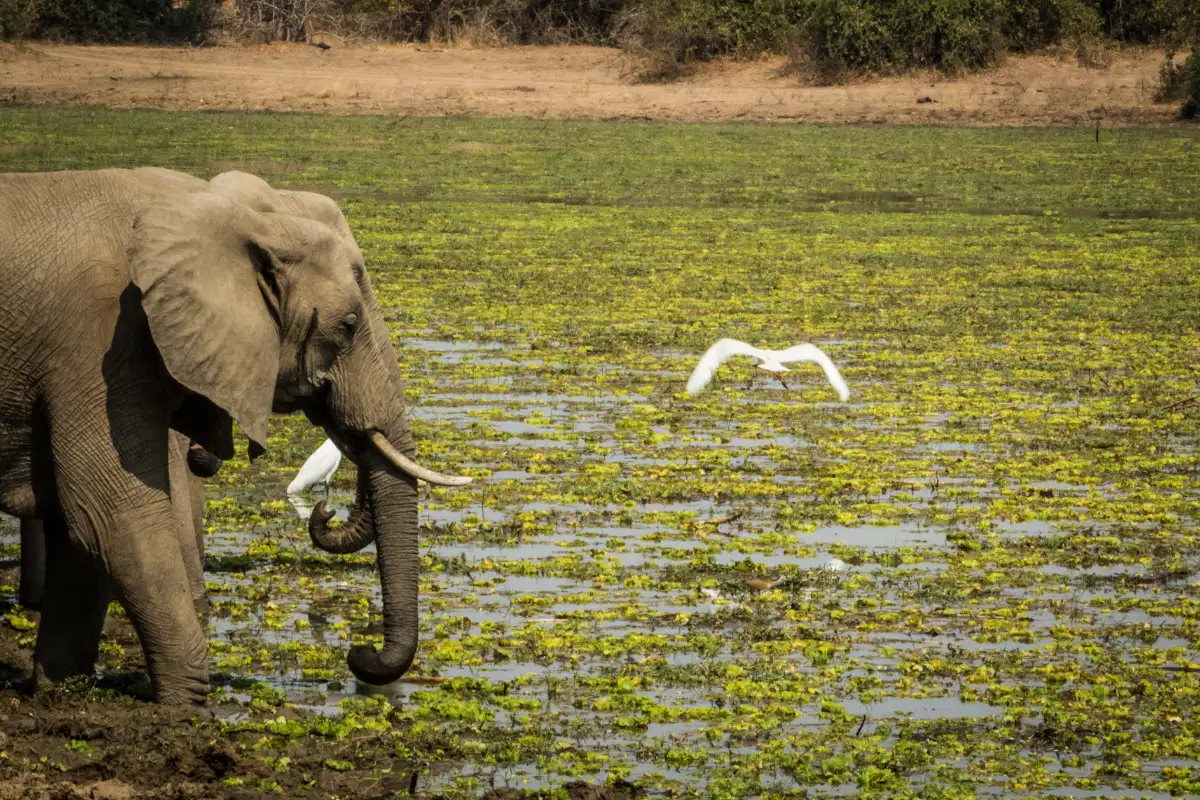
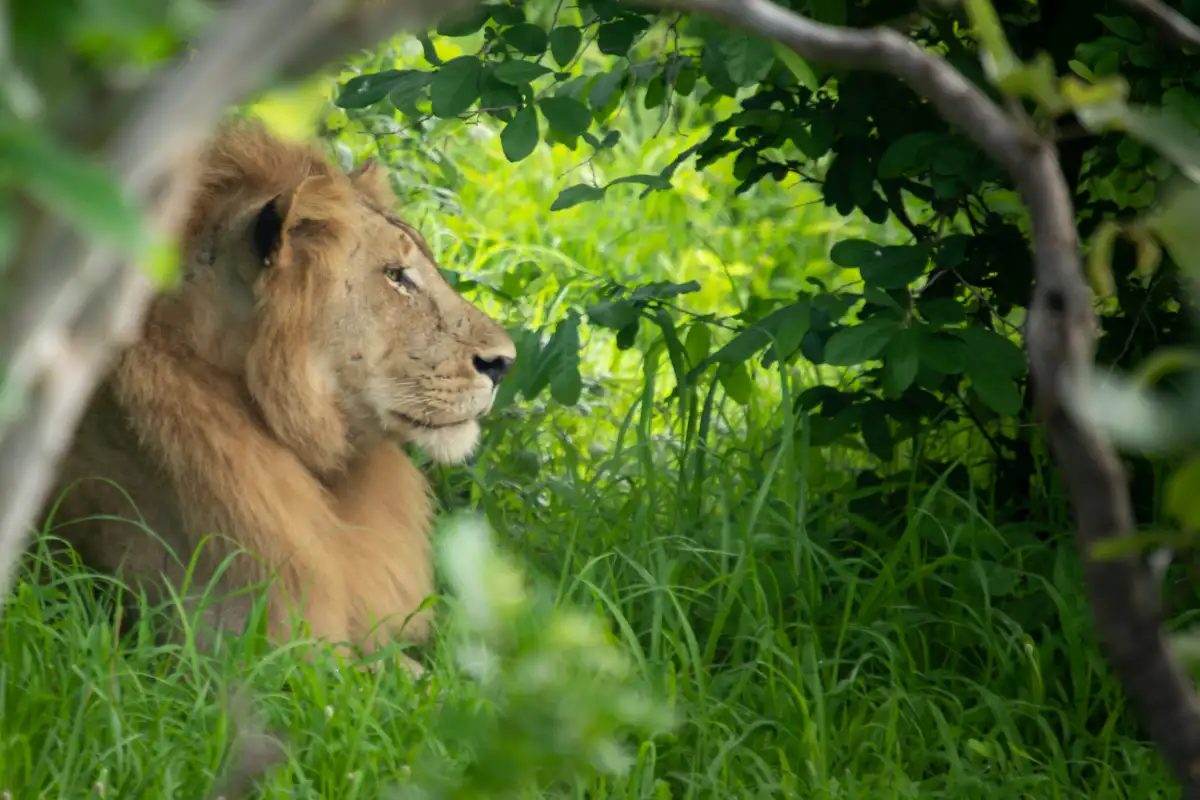
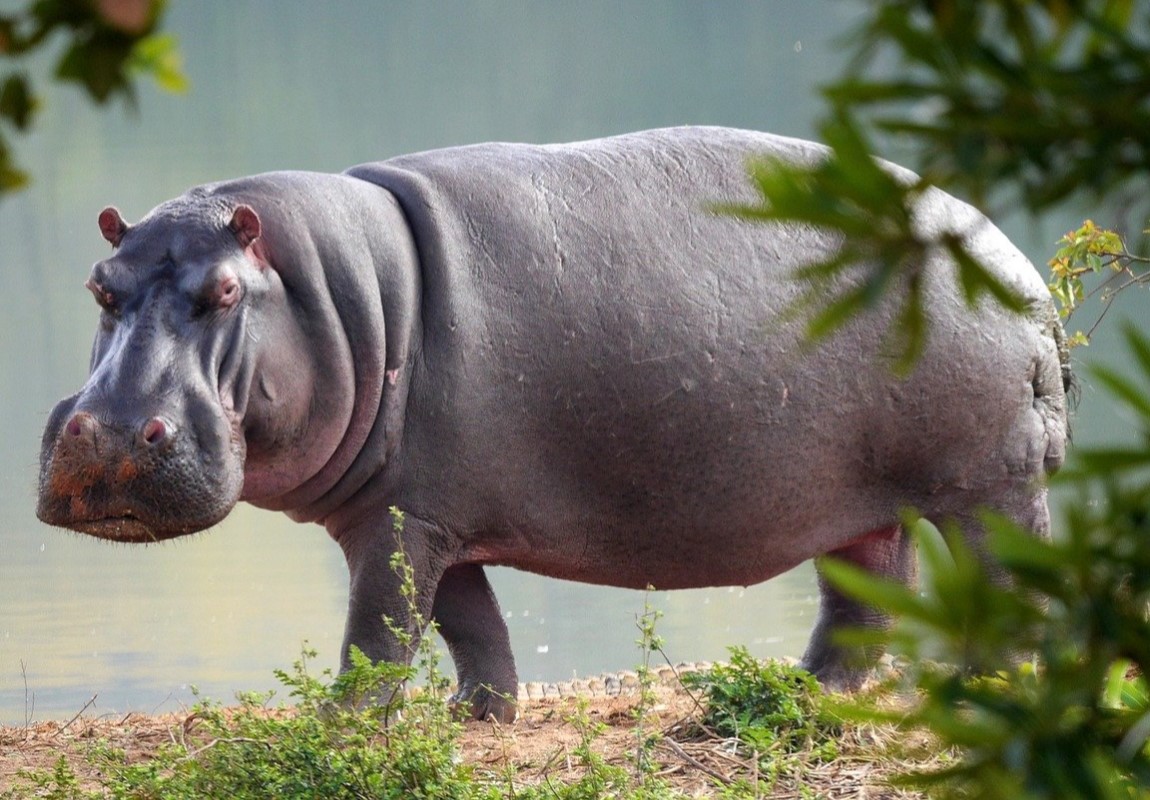
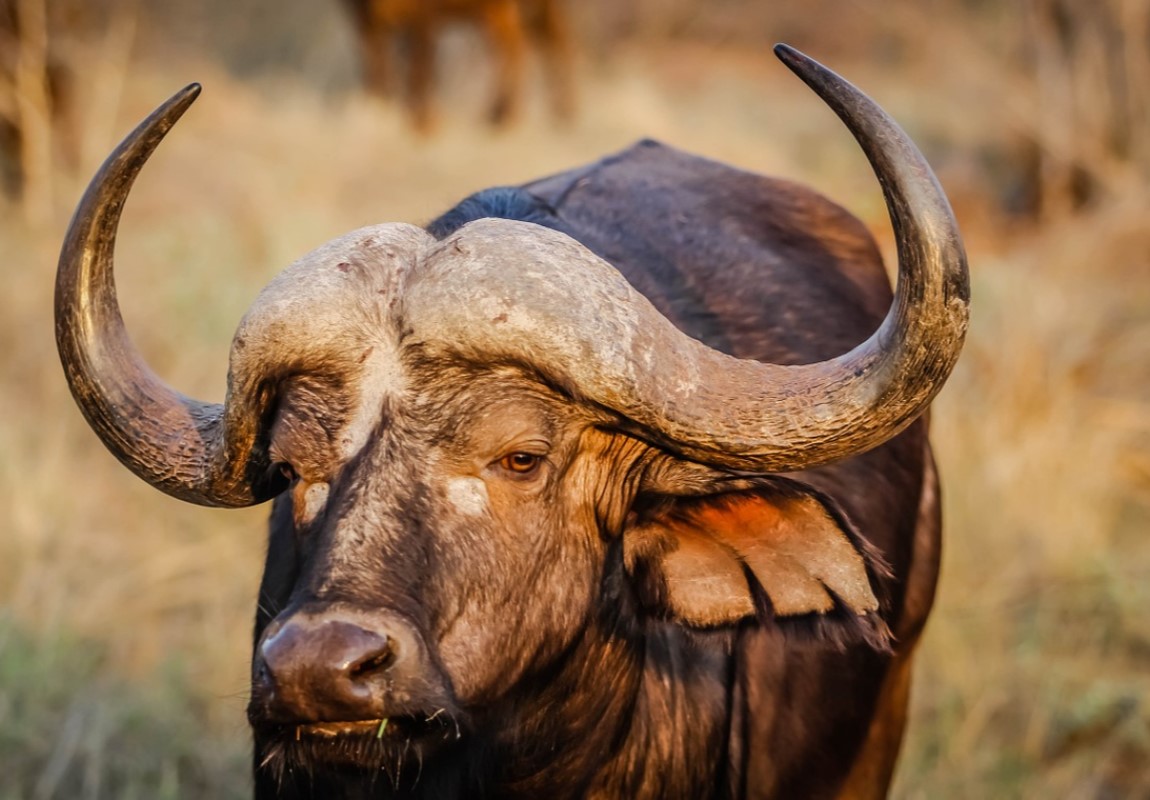
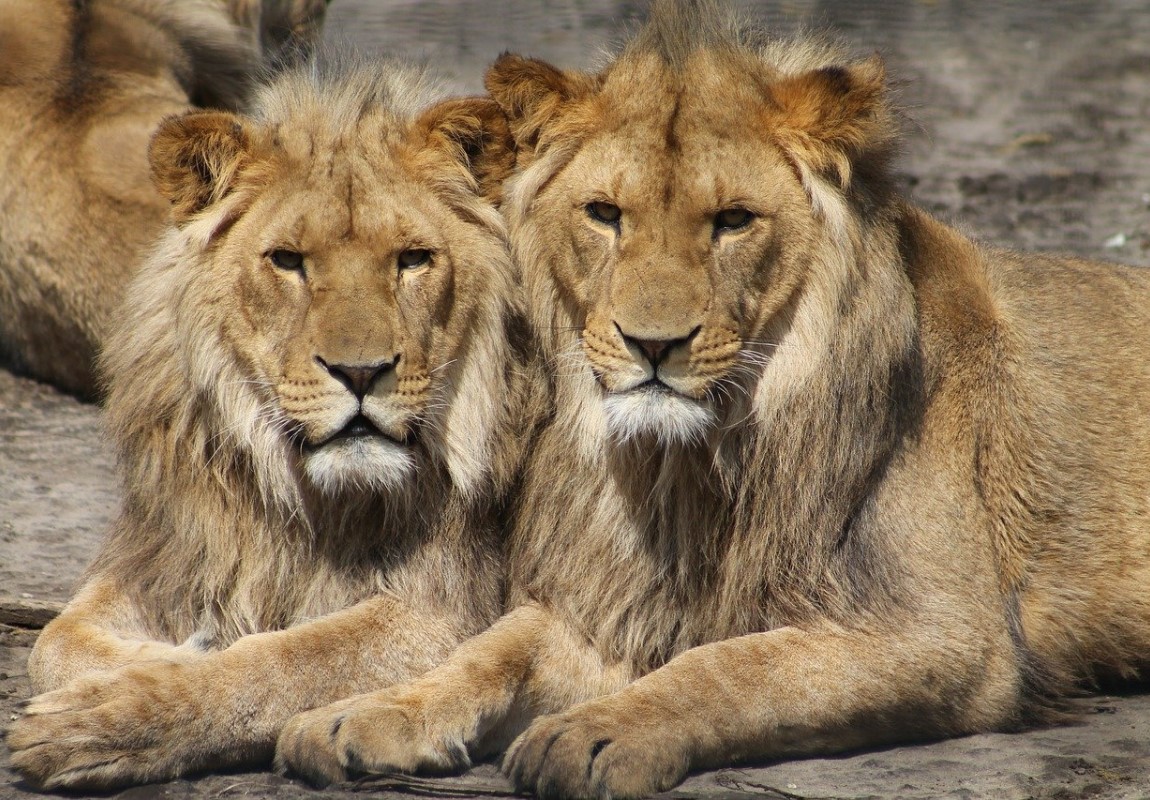
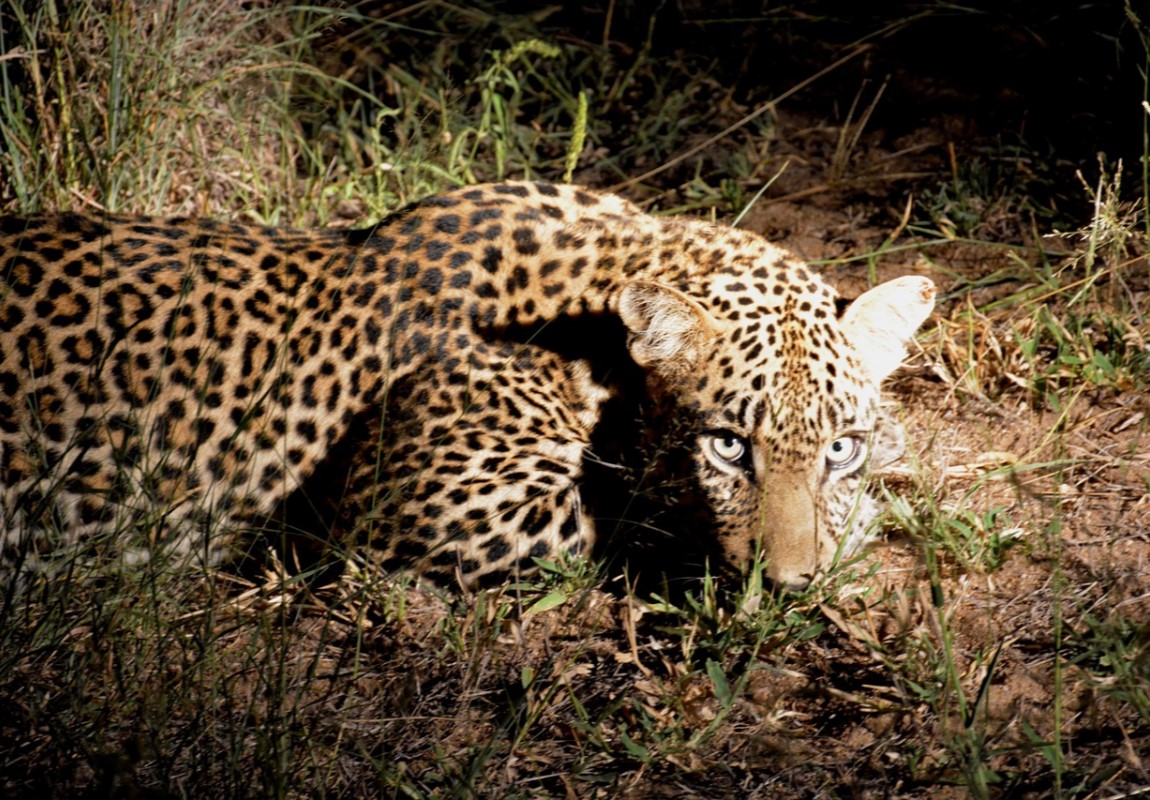
Zambia is an excellent wildlife viewing destination, with the most prominent animal species easily visible. Zambia has all of the Big Five, but rhinos are extremely rare. The black rhino can only be found in North Luangwa, while the white rhino can only be found in Mosi-oa-Tunya (Victoria Falls). Elephants, buffalo, and lions are common in many parks, and leopards can be found in Kafue, South Luangwa, and the Lower Zambezi, though wild dogs and cheetahs are more difficult to spot. Zambia is one of the wettest countries in Southern Africa, and its rivers and lakes provide excellent fishing opportunities as well as thriving populations of hippos and crocodiles.

Wildlife Highlights

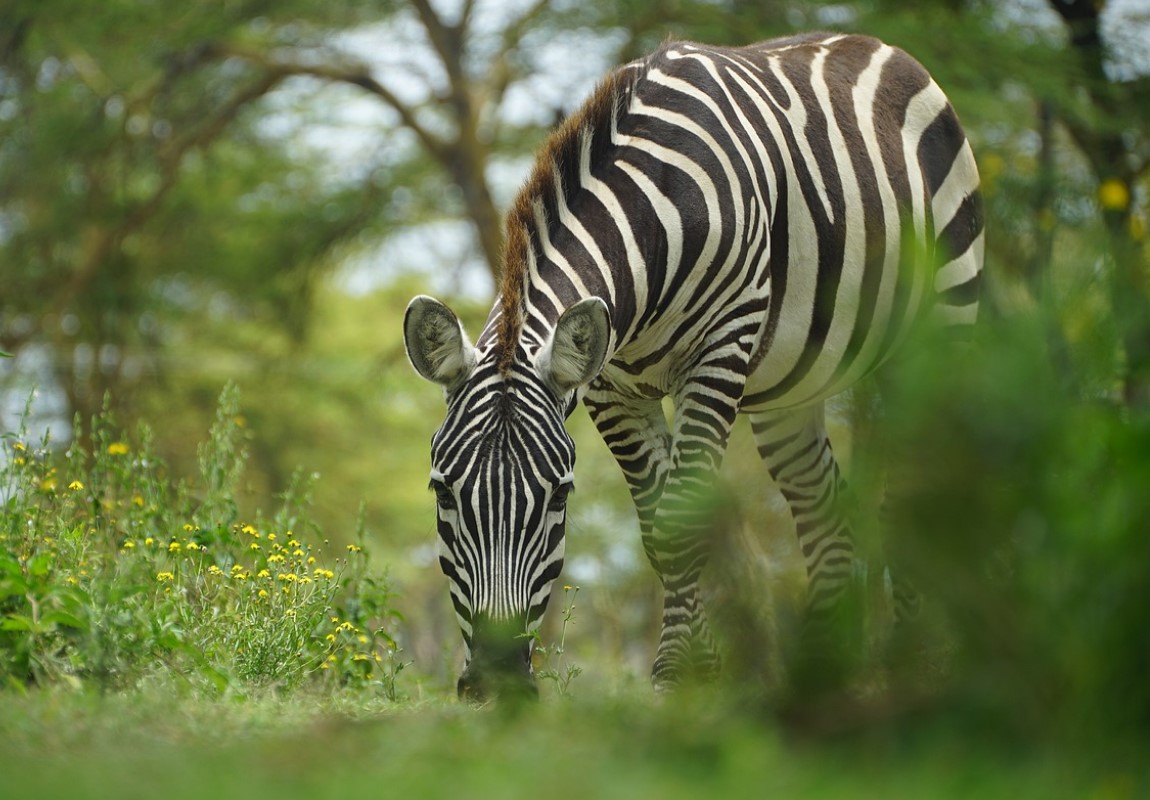
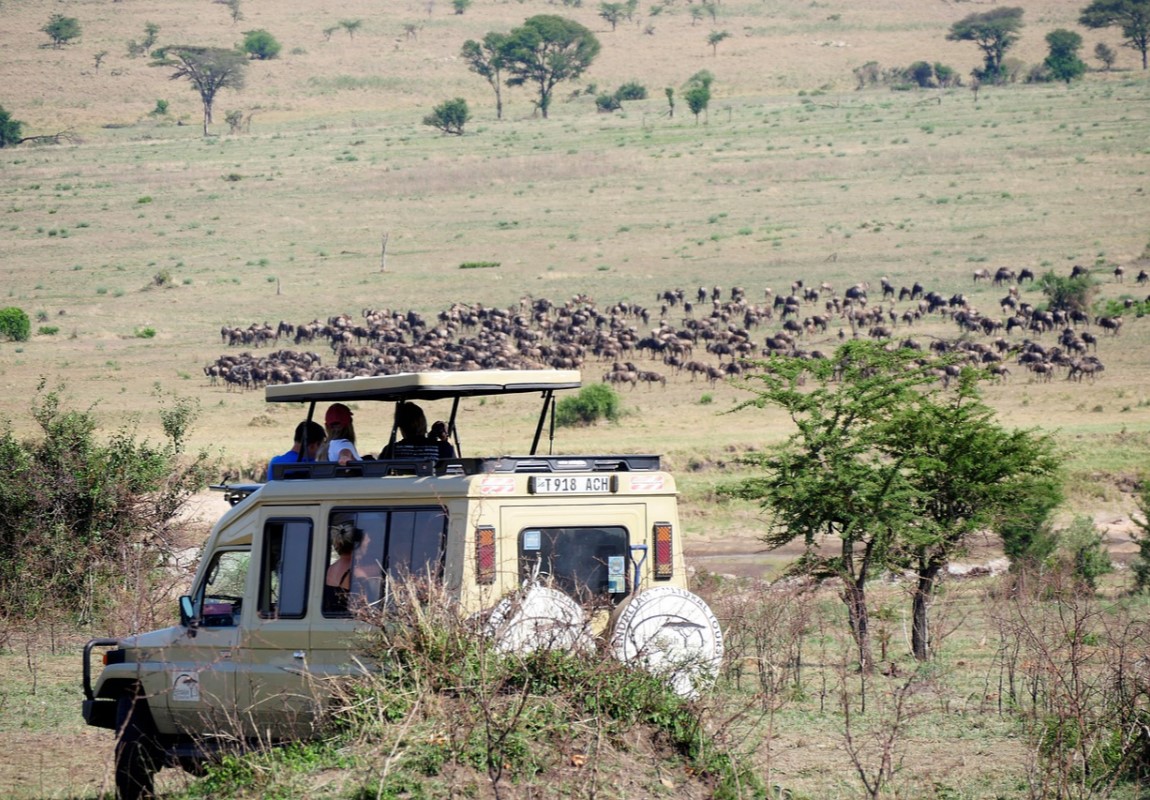
Look past the Big Five and you'll find Zambia loaded with captivating rare and endemic species like black lechwe, Crawshays zebra and Thornicrofts giraffe. Liuwa Plain National Park has Africa's second-largest wildebeest migration in November every year, and in Kasanka National Parks 10 million fruit bats take to the skies from October to December. The Kafue lechwe and the black lechwe are special in specific swampy areas.

Best Time for Wildlife Viewing

The best time to visit Zambia for a wildlife viewing experience is during the dry season from May to October when water is scant, and animals assemble at waterholes and rivers. The bush is less lavish as of now, and animals are easier to spot. From October until the rains, it tends to be agonizingly hot. A few streets become blocked during the Wet season from November-April, and a few parks and camps close at this time.

Birds

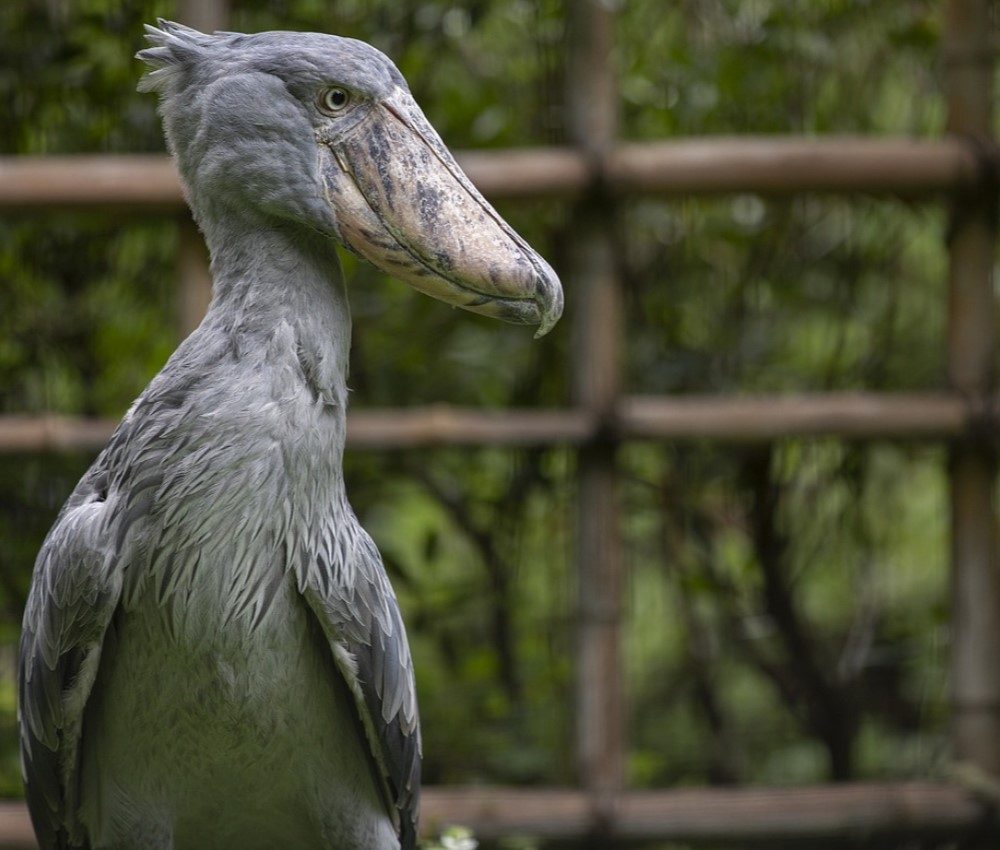
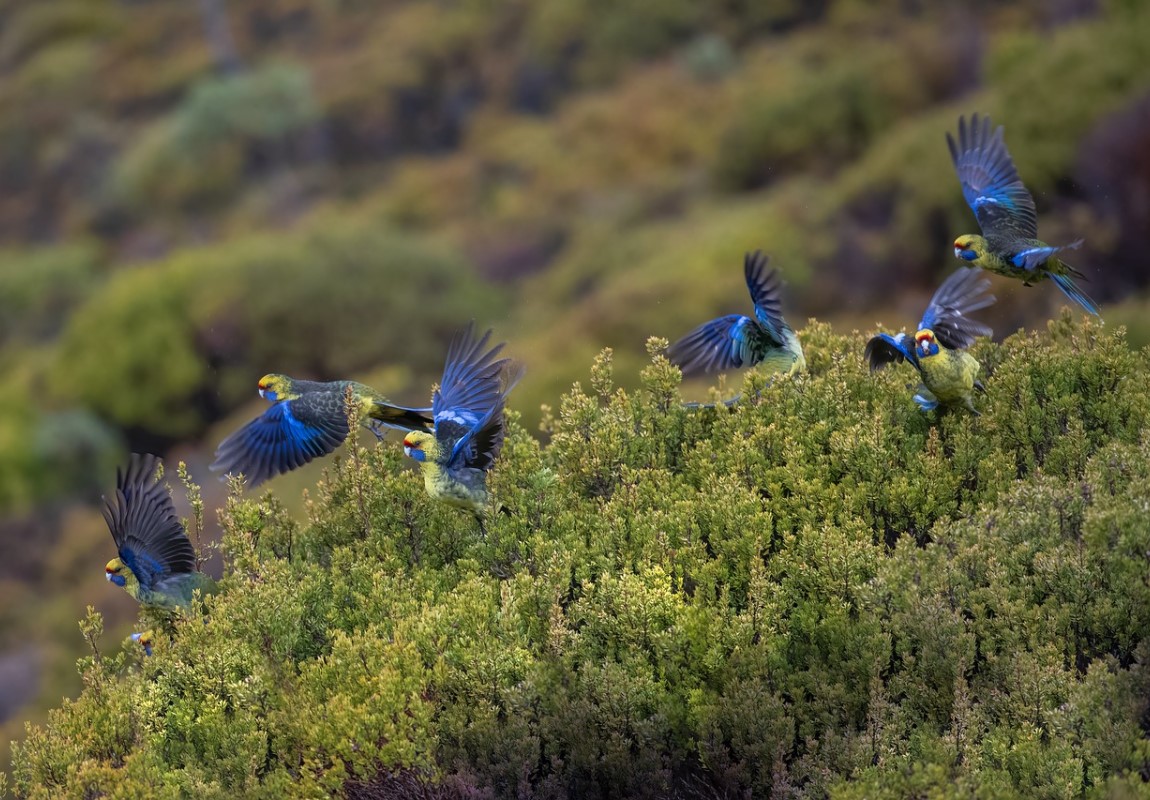
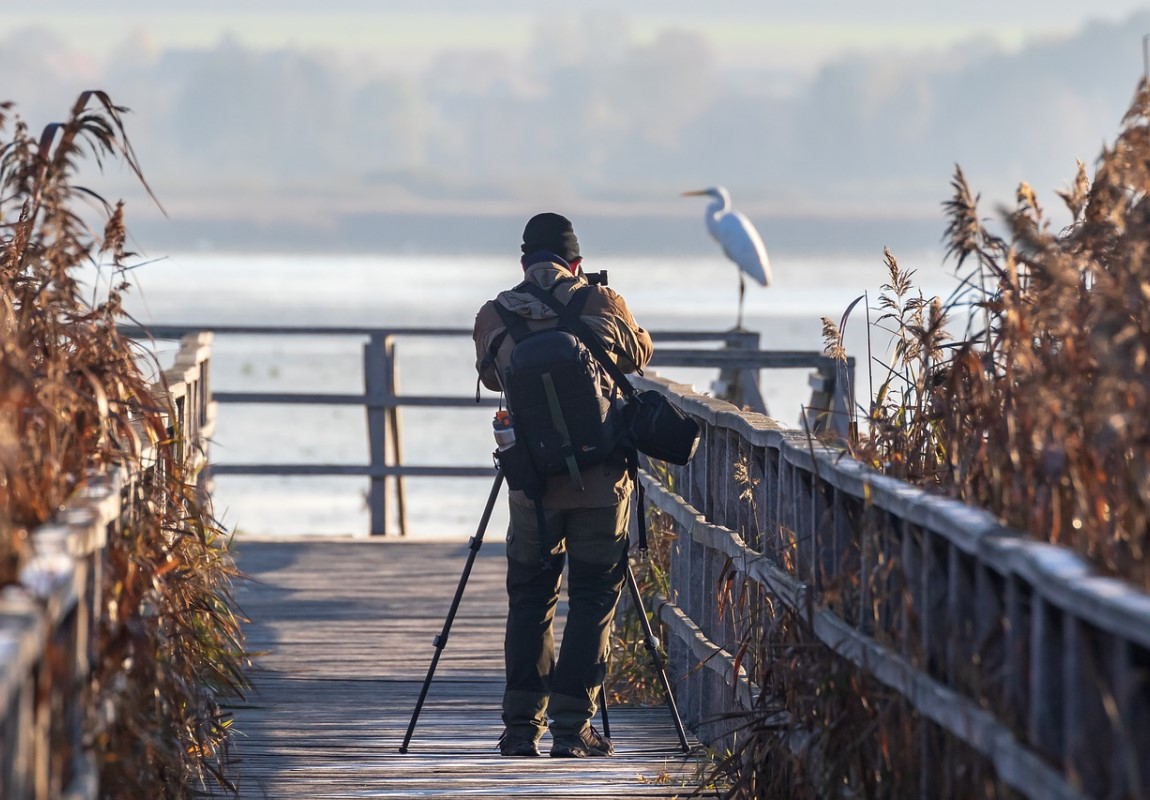
Zambia has an assorted exhibit of birdlife, making it an optimal destination for visitors to partake in a birding safari. Perhaps the most extraordinary bird in Africa, the Shoebill is also found there. There are more than 700 species to be found all through the numerous assorted diverse ecosystems. The vast majority of the avifauna is found on the Central African Plateau as this region has many ecosystems. There are a few birding areas of interest, which incorporate the Lochinvar National Park, Bangweulu Swamps and the South Luangwa National Park and Kafue. Another extraordinary spot is the Chimfunshi Wildlife Orphanage, which has dams that draw in a wide cluster of animal groups.

Best Time for Wildlife Viewing

The best time to visit Zambia for birding is during the wet season in summer between November and March when resident birds are nesting and migratory birds are available. However, getting around remote areas in the wet season will be troublesome. You’ll need to do some careful planning to give your trip the best chance of success. 

Activities

From game drives and walking safaris to cultural encounters and adventure excursions, Zambia offers a wide variety of activities for every type of traveler.

Cuisines

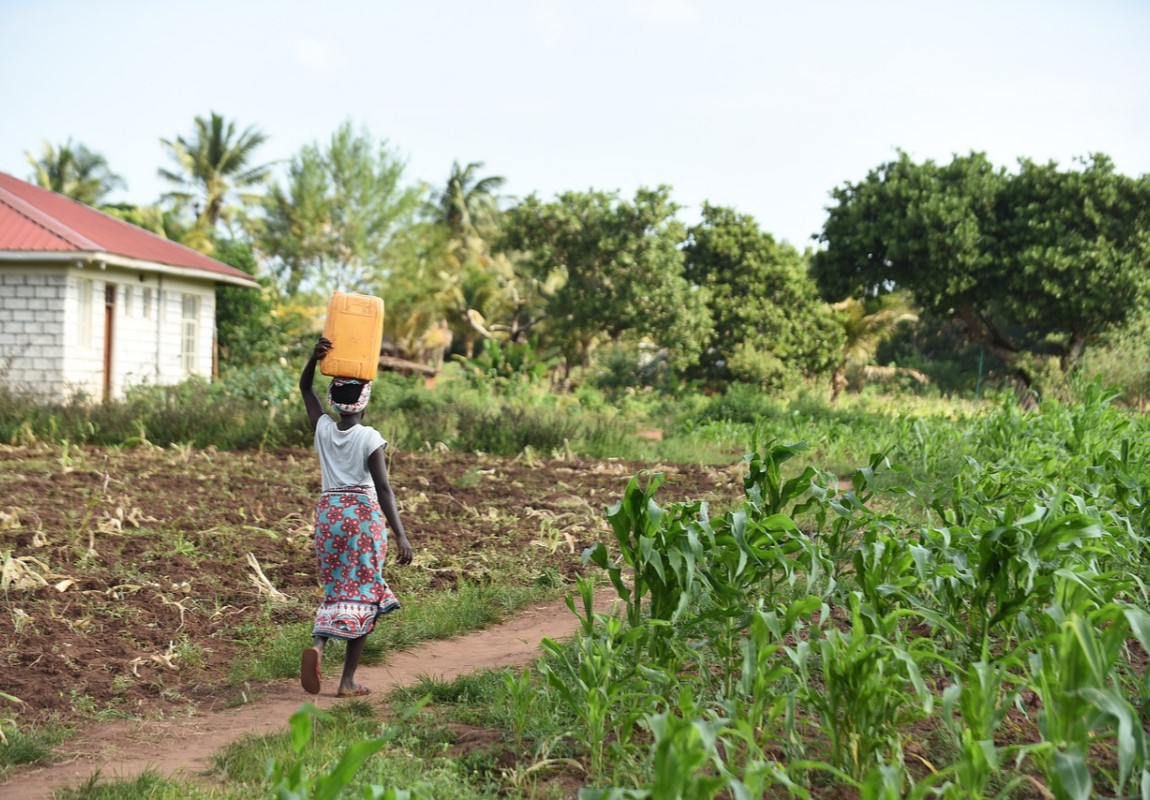
Zambian cuisine is largely based on nshima, which is a food prepared from pounded white maize. Nshima is part of nearly every Zambian meal. In traditional communities, the making of nshima is a long process, which includes drying the maize, sorting the kernels, pounding it and then finally cooking it. In addition to nshima, Zambian cuisine includes various types of stew, cooked vegetables and different types of beer. Dried fish and insects are also eaten. The types of relish eaten with nshima can be very simple, such as chibwabwa, or pumpkin leaves. The relish made with green vegetables is generally known as delele or thelele. A unique way to create relish relies on cooking with chidulo and kutendela. Chidulo is used in dishes made with green, leafy vegetables and also for wild mushrooms. Ifisashi is another common food in Zambia. It is a type of stew, made with greens and peanuts and served with nshima. Ifisashi can be vegetarian or cooked meat can be added to the stew. Samp is also eaten in Zambia.

Culture

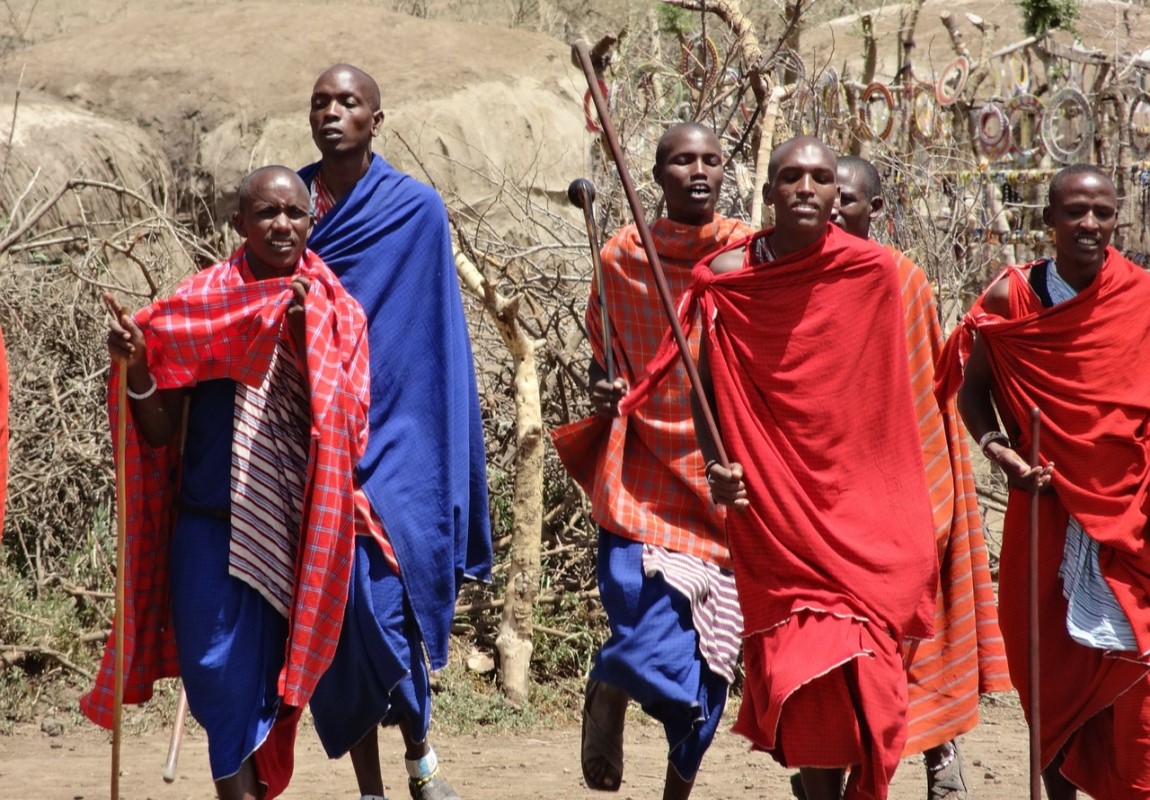
Zambia’s contemporary culture is a blend of values, norms, and material and spiritual traditions of more than 70 ethnically diverse people. Each cultural group is acknowledged and celebrated each year in colourful festivals. Most of the tribes of Zambia moved into the area in a series of migratory waves a few centuries ago. They grew in numbers and many travelled in search of establishing new kingdoms, farming land and pastures.
Before the colonial days, Zambia's different ethnic groups lived in their own communities, each with their own culture. Much of that has changed with urbanisation and influence from western culture, but the people of Zambia still preserve their traditions and celebrate over 20 ceremonies and cultural festivals each year in the different parts of the country.
Traditional Zambian music is characterised by a lot of singing and dancing. The instrument that is played more than any other is the drum, and there there are others such as the thumb piano (kalimba, kathandi, or kangombio in some Zambian languages, or mbira in some cultures), and the kilimba (marimba or xylophone).

National Parks & Game Reserves

Zambia is home to some of the most spectacular national parks and game reserves in Africa. From vast savannahs to dense forests, each park offers unique landscapes, diverse wildlife, and unforgettable safari experiences. Whether you’re searching for the Big Five or hidden natural wonders, Zambia has something for every safari enthusiast.

Kafue National Park

Kafue National Park is one of the largest national parks in Africa and the oldest park in Zambia....

South Luangwa NP

South Luangwa National Park in eastern Zambia, is the southernmost of three public parks in the v...

Lochinvar National Park

Lochinvar is an almost untouched wetland setting with some astonishing birdlife with over 420 spe...

Luambe National Park

Luambe is one of Zambia's smallest national parks. Situated on the eastern bank of the Luangwa it...

Liuwa Plain National Park

Liuwa Plain in western Zambia has one of the oldest conservation histories in Africa, tracing all...

Mosi-oa-Tunya National Park

Mosi-oa-Tunya National Park is a UNESCO World Heritage site that is home to one portion of the Mo...

Kasanka National Park

Kasanka National Park is the only privately managed park in Zambia. This peaceful sanctuary, situ...

Lower Zambezi NP

The Lower Zambezi National Park lies on the north bank of the Zambezi River in southeastern Zambi...

Bangweulu Wetlands

Bangweulu means "where the water meets the sky", which is an ideal depiction of this phenomenal c...

Blue Lagoon National Park

Blue Lagoon National Park is a limited wildlife shelter in the northern part of the Kafue Flats i...

Nsumbu National Park

Liuwa Plain offers extremely occasional wildlife viewing. The pattern here is something contrary ...

Sioma Ngwezi National Park

Sioma Ngwezi National Park is mainly covered by Kalahari woodland. The Park has been heavily poac...

Lukusuzi National Park

Lukusuzi National Park is located in the eastern Luangwa Valley in Zambia, on the other side of t...

Mfuwe

Mfuwe is a town located in the Eastern Province of Zambia and is the gateway to South Luangwa Nat...

Lusaka

Lusaka is the capital city of Zambia, and while it is not known as a primary safari destination, ...

Livingstone

Livingstone, located in southern Zambia, is a popular destination for safari tourism, with severa...

Chirundu

Chirundu is actually a border town between Zambia and Zimbabwe, but there are some safari options...

Showing 1-0 of 0 reviews
Recently Added
5 Stars Only
4 Stars and above
3 Stars and above

No reviews yet for this destination. Be the first to share your experience !

Safety & Security

Zambia, a top safari destination in Africa, is recognised for its remarkable adventures, spectacular animals, and stunning scenery. Take in the fantastic views of Victoria Falls, watch the sunsets, wander among the wildlife in South Luangwa National Park, and white-water raft down the Zambezi River.
Zambia is a relatively safe country to visit, with few significant crimes. However, we advise you to be cautious and watchful on your trips.

Please see the links below for travel advice on Zambia Safari Trips:

General Safety Tips

  • Keep valuables secure and avoid displaying expensive items
  • Stay alert in crowded areas and tourist hotspots
  • Use registered tour operators and licensed guides
  • Follow local customs and respect cultural sensitivities
  • Keep copies of important documents in a safe place

Safari Safety

  • Always follow your guide's instructions during game drives
  • Stay inside your vehicle unless instructed otherwise
  • Keep noise levels low to avoid startling wildlife
  • Never approach or feed wild animals
  • Carry essential medications and first aid supplies

Health & Medical

Before traveling to Zambia, consult with your healthcare provider about recommended vaccinations and health precautions. Common recommendations include malaria prophylaxis, hepatitis A and B vaccines, and routine immunizations. Carry any necessary medications and consider travel insurance that covers medical emergencies.

Getting There

Zambia's main airport is Kenneth Kaunda International Airport (LUN), found 14km from the capital, Lusaka. From Lusaka, you can fly or drive between reserves. When your safari is joined with a visit to Victoria Falls, you will undoubtedly fly in or out of Livingstone Airport (LVI), right outside of Livingstone and near the falls. In most cases, your local tour administrator will orchestrate pick-up from the airport and arrange further transportation as a feature of your safari package.

Travel Requirements

  • All foreign visitors need a passport that is valid for at least six months
  • Passports must have minimum of three blank pages
  • Citizens from most nationalities do not require a visa and will get a 30-day entry permit on arrival.
  • When arriving from a country in Africa or the Americas where yellow fever is present, a yellow fever vaccination certificate is required.
  • If you are visiting Zambia and Zimbabwe, there is a joint visa for both countries available at all major ports of entry into Zambia and Zimbabwe.

Domestic Transportation

There are various local airports from which light aeroplanes fly into safari regions, including Ndola, Mfuwe, Livingstone and Solwezi. Light aeroplanes are regularly the best way to get to remote safari regions. The only domestic transporter running booked flights is Proflight. Small charter flights are often used to venture out between parks or to get to remote regions. Most charter flights are reserved through your tour operator.

The best time to visit Zambia for safari is during the dry season from May to October when wildlife congregates around rivers and waterholes, making animals easier to spot. June to August offers excellent wildlife viewing with cooler temperatures (15-27°C/59-81°F) and minimal rain. September to October is peak season with intense wildlife concentrations but very hot temperatures (up to 40°C/104°F). The wet season (November to April) brings lush green landscapes, dramatic skies, migratory birds, and lower prices, though some camps close and roads become challenging. For Victoria Falls, April to June offers the most spectacular water flow after rainy season, while September to December shows lower water levels but better views of the falls' features. Walking safaris, Zambia's specialty, are best during dry season when conditions are more comfortable and wildlife easier to track.
Zambia safari costs tend to be higher than Kenya or Tanzania due to the country's focus on low-volume, high-quality tourism. Budget camping safaris start from $250-350 per person per day. Mid-range lodge safaris cost $400-600 per person per day. Luxury safaris range from $700-1,200 per person per day. Ultra-luxury and exclusive experiences cost $1,200-2,500+ per person per day. South Luangwa and Lower Zambezi are Zambia's premier destinations with exceptional but expensive camps. A typical 7-day Zambia safari costs $4,000-12,000 per person depending on accommodation level and season. Prices include full-board accommodation, game drives, walking safaris, park fees, and activities. Victoria Falls activities are additional: helicopter flights ($150-300), white-water rafting ($130-150), bungee jumping ($160), and devil's pool swim ($120-150). Zambia offers authentic wilderness experiences with fewer tourists than East Africa, justifying premium pricing.
Most international visitors require a visa to enter Zambia. Single-entry tourist visas cost $50 for most nationalities and are valid for 90 days. You can apply for an e-Visa online through the official Zambian Immigration Department website before travel, which takes 3-5 business days, or obtain visa on arrival at international entry points including airports and land borders (longer processing). The KAZA Univisa costs $50 and allows multiple entries to Zambia and Zimbabwe for 30 days - excellent value if visiting Victoria Falls and staying in both countries or doing day trips across borders. For extended Southern Africa trips, consider the multiple-entry visa. Your passport must be valid for at least 6 months beyond entry date with at least three blank pages (Zambia is strict about this). Yellow fever vaccination certificate is required if arriving from yellow fever endemic countries. Always check current visa requirements as policies can change.
Yellow fever vaccination is required if arriving from yellow fever endemic countries and recommended for all travelers visiting certain regions. Your certificate may be checked at entry points. Other strongly recommended vaccinations include Hepatitis A and B, Typhoid, Tetanus, Rabies (especially for walking safaris and bush camping), Meningitis, and Polio booster. Malaria prophylaxis is essential for all safari areas, Victoria Falls region, and most of Zambia below 1,200 meters - only Lusaka has lower risk. Consult a travel medicine specialist 6-8 weeks before departure as some vaccines require multiple doses over time. Zambia has good medical facilities in Lusaka but limited services in remote areas. Bring adequate supplies of any personal medications in original packaging. Bilharzia (schistosomiasis) is present in Zambezi River and some freshwater bodies - avoid swimming in rivers and lakes. For canoe safaris, follow guide advice about water safety and hippo/crocodile presence.
Yes, Zambia is generally safe for tourists and known for its welcoming, peaceful people. The country has a stable democratic government and low crime rates compared to regional neighbors. Safari areas, national parks, and established lodges maintain excellent security standards. Lusaka and Livingstone (Victoria Falls) are relatively safe but exercise normal urban precautions - avoid walking alone at night, use registered taxis or hotel transport, secure valuables, and stay alert in crowded areas. Petty theft can occur in tourist areas and markets. Walking safaris in Zambia are safe when conducted with professional armed guides and scouts who are highly trained - Zambia pioneered walking safaris with decades of safety records. Always follow your guide's instructions around wildlife. Victoria Falls area is very safe with good tourism infrastructure. Remote bush camps offer authentic wilderness but maintain safety protocols. Use reputable tour operators, stay informed about local conditions, and respect wildlife - dangerous animals are wild and unpredictable. Road safety requires caution as some roads are rough and poorly maintained outside main routes.
Zambia offers exceptional wildlife diversity, particularly in South Luangwa and Lower Zambezi National Parks. The Big Five are present: lions (excellent viewing in South Luangwa), leopards (Zambia has some of Africa's best leopard viewing, especially in South Luangwa), elephants (large herds in Lower Zambezi and Kafue), buffalos (abundant across parks), and rhinos (black rhinos in North Luangwa, white rhinos at Mosi-oa-Tunya). South Luangwa is famous for high leopard density and endemic Thornicroft's giraffe found nowhere else. Common sightings include hippos, crocodiles, zebras, various antelope species (puku, impala, kudu, bushbuck, eland, waterbuck), giraffes, warthogs, hyenas, and wild dogs (good populations in South Luangwa and Liuwa Plain). Kafue National Park has exceptional biodiversity with rare species like cheetahs, roan and sable antelopes. Liuwa Plain hosts Africa's second-largest wildebeest migration (November). Zambia has over 750 bird species. Walking safaris allow intimate wildlife encounters and tracking experiences unavailable in vehicle-based safaris.
Zambia offers distinct safari experiences setting it apart from East Africa and other Southern African destinations. Walking safaris: Zambia pioneered and perfected walking safaris in the 1950s - no other country offers such extensive, authentic walking safari experiences with expert guides and scouts. Remote wilderness: Low tourist numbers (Zambia receives far fewer visitors than Kenya or Tanzania) provide exclusive, uncrowded wildlife encounters. Night drives: Permitted in private concessions and certain areas, offering opportunities to see nocturnal species like leopards, civets, genets, and bush babies. Authentic bush camps: Traditional safari camps with canvas tents, lantern-lit dinners, and no fences between you and wildlife create authentic African adventure. Seasonal camps: Many top camps operate only during dry season, maintaining exclusivity. Community-based conservation: Strong focus on community involvement in wildlife conservation. Unique landscapes: From vast miombo woodlands to riverine forests and floodplains. Zambia attracts experienced safari-goers seeking authentic wilderness rather than first-timers wanting guaranteed sightings and luxury infrastructure. The country values conservation and low-impact tourism over mass tourism development.
Packing for Zambia safaris requires consideration of walking safaris and seasonal temperature extremes. Essential clothing: neutral colors (khaki, olive, brown, green) in lightweight breathable fabrics, long-sleeved shirts and long pants (essential for walking safaris and sun protection), warm fleece or jacket for cold winter mornings (June-August can be 5-10°C/41-50°F at dawn), wide-brimmed hat, sunglasses, and high SPF sunscreen. Footwear: comfortable broken-in walking boots with good ankle support and grip (essential for walking safaris), lightweight shoes or sandals for camp. Walking safari specifics: daypack for water and camera, binoculars, gaiters for protection from thorns and insects. Photography equipment: camera with telephoto lens (200-400mm for vehicle safaris, 70-200mm for walking safaris), spare batteries, memory cards, and dust-proof bag. Other essentials: insect repellent with 30-50% DEET, headlamp or flashlight (most camps use solar power with limited electricity), personal first-aid kit, medications, reusable water bottle, and dry bags for canoe safaris. Victoria Falls activities: swimwear for Devil's Pool, waterproof bags for rafting. Most luxury camps provide laundry service. Avoid camouflage patterns and bright colors that disturb wildlife.
Zambia has no single "best" park as each offers unique experiences. South Luangwa National Park is Zambia's flagship destination and one of Africa's greatest wildlife sanctuaries, famous for walking safaris, exceptional leopard viewing (best in Africa), large elephant and buffalo herds, and endemic Thornicroft's giraffe. Lower Zambezi National Park offers spectacular Zambezi River scenery with canoe safaris, fishing, dramatic elephant interactions at river edges, and combination of water and land-based activities. Kafue National Park is Zambia's largest (22,400 km²) with incredible biodiversity, varied landscapes from open plains to dense forests, and rare species including cheetahs and diverse antelopes. North Luangwa is remote wilderness for serious adventurers with walking safaris only, pristine landscapes, and black rhinos. Liuwa Plain hosts Africa's second-largest wildebeest migration and huge open grasslands. Victoria Falls/Mosi-oa-Tunya offers world wonder views and adventure activities. Most itineraries combine South Luangwa (wildlife) + Lower Zambezi (river activities) + Victoria Falls (spectacle and adventure) for comprehensive Zambia experience. South Luangwa is best for first-time Zambia visitors.
A minimum of 7-8 days is recommended for a fulfilling Zambia safari experience. A typical 7-day itinerary includes: South Luangwa (3-4 days for walking and game drives), Lower Zambezi or Kafue (2-3 days), and Victoria Falls (1-2 days for the falls and activities). For South Luangwa only, 4-5 days allows multiple walking safaris and comprehensive wildlife viewing. A 10-12 day safari enables visiting multiple parks without rushing: South Luangwa (4 days), Lower Zambezi (3 days), Victoria Falls (2 days), plus travel days and optional Kafue extension. The ultimate 14-day Zambia experience combines major parks, remote destinations like North Luangwa or Liuwa Plain, extended Victoria Falls activities, and possibly Botswana's Chobe. Consider that travel between parks often involves light aircraft flights (scheduled or charter) rather than long road transfers - flights take 1-2 hours. Walking safaris require time - you can't rush through areas. More days allow multiple walks, different times of day, and better chances of special wildlife encounters. Zambia rewards slow, immersive travel rather than fast-paced park-hopping. Many camps have 3-4 night minimum stays during peak season.
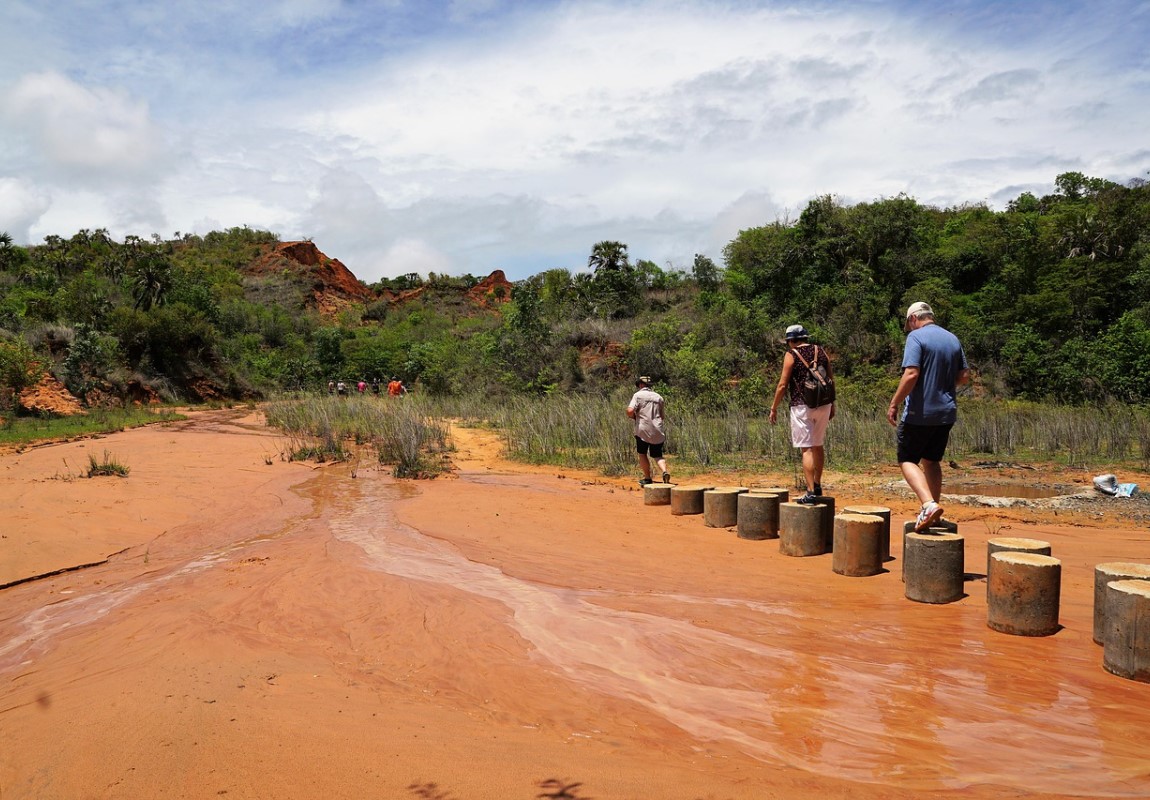
Walking safaris are guided wilderness walks where you track and observe wildlife on foot with armed professional guides and scouts - Zambia pioneered this concept in the 1950s and remains Africa's premier walking safari destination. How they work: Small groups (typically 4-8 people maximum) depart early morning (6-7am) or late afternoon with a professional guide and armed scout trained in tracking and safety. Walks last 2-4 hours covering 5-10km depending on sightings and conditions. You track animals through bush, learning about tracks, signs, plants, insects, and ecosystems - a completely different experience from vehicle safaris. When encountering dangerous animals, guides assess situations and maintain safe distances, sometimes retreating or detouring. The thrill is approaching wildlife on their terms at ground level. Walking safaris offer: intense sensory experiences (smells, sounds, textures), detailed understanding of ecosystems, tracking skills, elephant encounters from safe distances, and adrenaline from being on foot in wilderness. Safety record is excellent with highly trained guides. Physical fitness requirements are moderate - you must be able to walk several hours on uneven terrain in heat. Minimum age is typically 12-16 years. South Luangwa, Lower Zambezi, and North Luangwa offer the best walking safari experiences. This is quintessential Zambian safari experience.
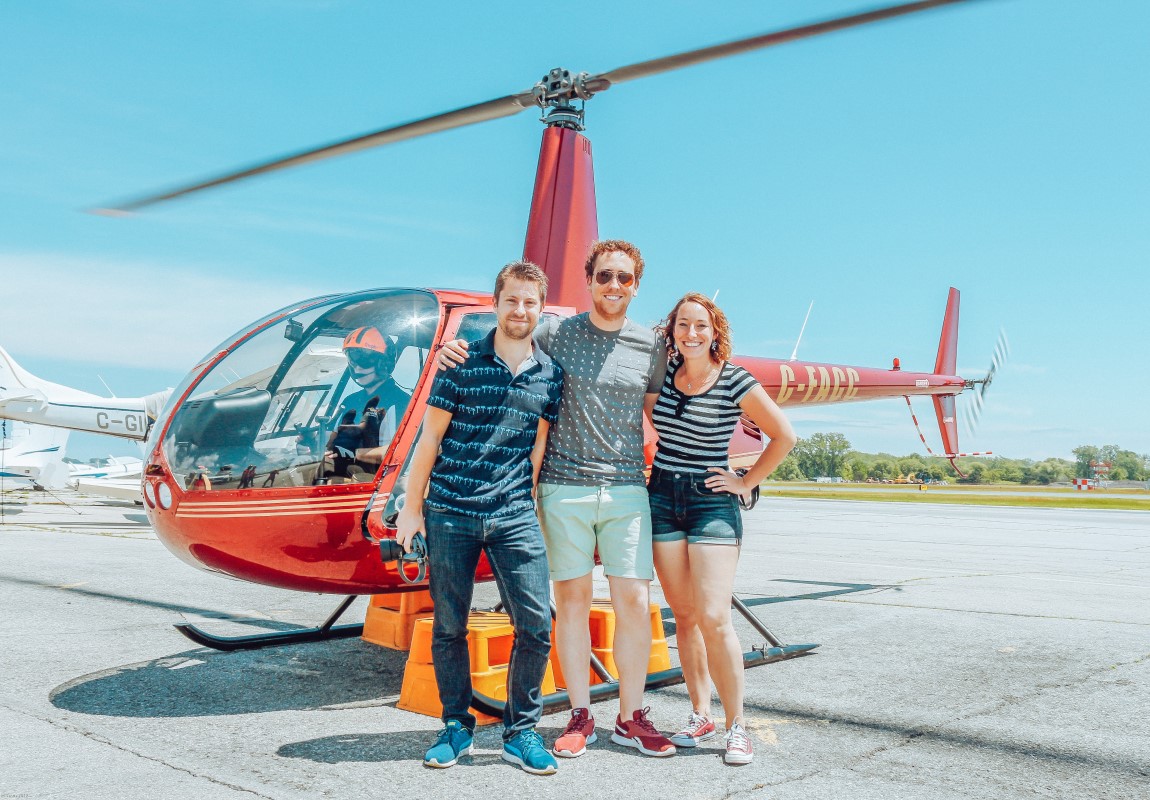
Victoria Falls offers extraordinary adventure activities from adrenaline-pumping to relaxing. Viewing the falls: Zambian side offers excellent viewpoints with closer proximity to the falls, less crowded than Zimbabwe, and spectacular views of Main Falls and Eastern Cataract (entrance $20). Devil's Pool (wet season closed): swim at the very edge of Victoria Falls in a natural rock pool ($120-150, September-December when water levels are safe). White-water rafting: world-class Grade 5 rapids on the Zambezi below the falls - full-day trips ($130-150) with 23+ rapids. Bungee jumping: 111-meter jump from Victoria Falls Bridge ($160) - one of the world's highest commercial bungee jumps. Gorge swing and zip-lining: fly across the gorge ($120-140). Helicopter flights: "Flight of Angels" over the falls (15-25 minutes, $150-300) - spectacular aerial views. Microlight flights: open-cockpit flights over falls and Zambezi ($170-200). Sunset cruises: relaxing river cruises with wildlife viewing, drinks, and snacks ($45-65). River rafting (mild): upper Zambezi gentle floating trips suitable for families. Game drives: Mosi-oa-Tunya National Park for rhino viewing. Fishing: tiger fishing expeditions. Cultural tours: local villages and markets. Victoria Falls town (Livingstone) has restaurants, craft markets, and accommodation. Multi-day packages combining several activities are available with discounts.
Zambia specializes in authentic bush camps and lodges emphasizing wilderness experience over luxury infrastructure, though premium options exist. Traditional bush camps: classic canvas tents, open-air bathrooms, solar power, lantern-lit dinners, and unfenced camps where wildlife roams freely - authentic safari experience ($400-700 per person per night full board). Mid-range lodges: comfortable chalets or tents with en-suite bathrooms, good food, sometimes pools, and reliable infrastructure ($300-500 per person per night). Luxury camps: spacious canvas suites, excellent service, gourmet cuisine, private decks overlooking rivers or lagoons, and exclusive locations ($700-1,200 per person per night). Ultra-luxury: properties like Chinzombo, Time + Tide camps, and andBeyond camps with exceptional service, private guides, and exclusive concessions ($1,200-2,500+ per person per night). Mobile camping: true expedition-style camping with professional crew setting up private camps in remote areas - ultimate adventure. Most Zambian camps operate seasonally (April/May-October/November), closing during wet season when areas become inaccessible. Location matters: riverside camps offer incredible views and wildlife action; inland camps provide different ecosystems. Many camps have no fences - wildlife walks through camps, especially elephants. "Rustic luxury" defines Zambian safari style - comfort without destroying wilderness atmosphere.
Yes, comprehensive travel insurance is essential for Zambia. Ensure coverage includes: medical emergencies and evacuation (critical - medical evacuation from remote bush camps to Lusaka or South Africa can cost $50,000-100,000+), trip cancellation and interruption (safari deposits are substantial and often non-refundable), lost or delayed baggage, and adventure activities including walking safaris, game drives, white-water rafting, bungee jumping, helicopter flights, and other Victoria Falls activities. Verify policy specifically covers walking safaris and activities with dangerous wildlife - some insurers exclude this. Medical facilities in remote areas are non-existent; serious emergencies require evacuation. Victoria Falls adventure activities can be risky - ensure full coverage. Many Zambian safari operators require proof of comprehensive insurance before confirming bookings, especially for remote camps. Purchase insurance immediately after making first deposit to maximize coverage benefits including pre-departure cancellation. Read policy exclusions carefully regarding adventure activities, wildlife encounters, and evacuation limits. Recommended insurers include World Nomads, IMG Global, and specialist adventure travel insurance providers familiar with African safaris. Emergency evacuation coverage should be minimum $250,000.
Zambia's official currency is the Zambian Kwacha (ZMW), with exchange rates typically around 20-27 ZMW to 1 USD. US dollars are widely accepted at safari lodges, hotels, Victoria Falls activities, and for tour payments - bills should be dated 2013 or newer as older bills may be rejected. Most safari camps quote prices in USD and prefer USD payment. Credit cards (Visa and Mastercard) are accepted in Livingstone, Lusaka, and major lodges but rarely elsewhere - cash is essential. ATMs are available in Livingstone, Lusaka, and larger towns but unreliable in remote areas and often have daily withdrawal limits - withdraw sufficient cash before heading to safari areas. Exchange money at banks or authorized forex bureaus for best rates; avoid street money changers. Victoria Falls town (Livingstone) has good ATM access and forex facilities. Most safari packages are pre-paid, so you need spending money mainly for tips ($200-400 for week-long safari), drinks, souvenirs, and Victoria Falls activities. Keep US dollars in small denominations ($1, $5, $10, $20) for tips and small purchases. Some lodges accept credit cards but add 5-10% surcharge. Kwacha is needed for local markets, street food, and small purchases.
Yes, children can enjoy Zambia safaris though age restrictions apply to certain activities. Walking safaris typically require minimum age 12-16 years depending on camp and guide assessment - this is strictly enforced for safety reasons as walking with dangerous animals requires maturity and ability to follow instructions instantly. Game drives in vehicles welcome children of all ages, though long drives may challenge very young children. Many camps have minimum age policies: some accept children from age 6-8, others from 12+, and some are adults-only. Family-friendly camps include Flatdogs Camp, Kafunta River Lodge, and certain lodges with family rooms and interconnecting tents. Lower Zambezi offers excellent family safaris with diverse activities including canoe trips (age restrictions apply), fishing, and game drives. Victoria Falls activities have varying age limits: helicopter flights (no limit), bungee jumping (14+), white-water rafting (15+), Devil's Pool (12+). Consider malaria risk - discuss prophylaxis with pediatricians. Private vehicle safaris offer more flexibility than group tours for families. Zambia's authentic bush camps may be challenging for very young children - facilities are rustic and wildlife roams freely through camps. Choose lodges with fences, pools, and child-friendly activities for younger children. Teenagers (12+) can enjoy complete Zambian safari experiences including walking safaris.
Tipping is customary and essential income for Zambian safari staff. Recommended guidelines: Safari guide: $20-30 per person per day for excellent service, especially for walking safari guides who require extensive training and skills. Vehicle driver (if separate from guide): $15-20 per person per day. Walking safari scouts: $10-15 per person per day. Camp/lodge staff: $15-20 per person per day (placed in communal tip box distributed among all staff including housekeepers, cooks, waiters, maintenance). Victoria Falls activity guides: $10-20 depending on activity and service quality. Tips are typically given in USD (preferred) or Zambian Kwacha at the end of your stay. Most camps provide envelopes for guide tips and communal tip boxes for camp staff with suggested amounts. For multi-camp safaris, tip at each camp. Group travelers should coordinate tipping. Factor $250-400 total per person for tips on a week-long safari into your budget. Zambian safari staff work extremely hard, often in remote locations away from families for extended periods - tips represent significant portion of income. For exceptional service, particularly outstanding walking safari guides, tip generously. Some ultra-luxury camps include gratuities in rates but verify this beforehand.
Zambia has distinct wet and dry seasons with significant temperature variations. Dry season (May-October): cooler temperatures with cold mornings and evenings, especially June-August when temperatures can drop to 5-10°C (41-50°F) at dawn, warming to 25-30°C (77-86°F) during day. September-October become very hot (35-40°C/95-104°F) with minimal rainfall - wildlife concentrations are best but temperatures can be intense. Wet season (November-April): hot and humid with afternoon thunderstorms, temperatures 25-35°C (77-95°F), lush green landscapes, and dramatic skies. Victoria Falls water levels vary dramatically: highest April-June (spectacular but very wet from spray), lowest September-December (better visibility of rock faces and features). South Luangwa and Lower Zambezi are hot and dry during peak season with dusty conditions. Kafue is cooler due to higher elevation. Pack layers as morning game drives and walks can be very cold (especially June-August) requiring warm jackets, while midday becomes hot. Rain is unlikely during dry season but possible at season transitions (May, November). Wet season makes many areas inaccessible with camp closures common. Zambia's climate is typical subtropical with high plateau elevation (1,000-1,300m) moderating temperatures.
Zambia's official language is English, making it very accessible for international travelers - English is used in government, education, business, and tourism. English proficiency is generally excellent in tourist areas, safari camps, and Livingstone/Victoria Falls. Zambia has over 70 indigenous languages reflecting diverse ethnic groups. The most widely spoken local languages include Bemba (northeastern and Copperbelt regions), Nyanja/Chewa (Lusaka and eastern areas), Tonga (southern regions and Livingstone area), and Lozi (western province). In safari areas and lodges, staff and guides speak excellent English and often multiple local languages. Livingstone (Victoria Falls) has very good English communication due to established tourism. Learning basic phrases in local languages enhances experiences, particularly Nyanja around Lusaka and South Luangwa, or Tonga near Victoria Falls. Rural areas may have varying English proficiency, but guides always translate. Zambia's linguistic diversity reflects its peaceful multi-ethnic society - over 70 ethnic groups coexist harmoniously. For travelers, English fluency throughout tourism industry makes Zambia comfortable and easy to navigate without language barriers. Signs, menus, and tourism information are in English.
International flights arrive at Kenneth Kaunda International Airport (LUN) in Lusaka or Harry Mwanga Nkumbula International Airport (LVI) in Livingstone near Victoria Falls. Major airlines include Ethiopian Airlines, Kenya Airways, South African Airways, Emirates (via Johannesburg), and RwandAir. Most safaris to South Luangwa or Lower Zambezi connect through Lusaka, while Victoria Falls itineraries use Livingstone airport. Travelers often fly into Livingstone and out of Lusaka (or reverse) to avoid backtracking. Travel between safari areas primarily uses scheduled charter flights (small aircraft) rather than road transfers due to vast distances and poor road conditions in remote areas. Typical routes: Lusaka-South Luangwa (1 hour flight), Lusaka-Lower Zambezi (1 hour), Lusaka-Livingstone (1.5 hours). Proflight Zambia operates scheduled services between major destinations. Some luxury camps arrange private charters. Road transfers within South Luangwa valley connect camps (1-3 hours). Self-driving is possible but challenging - roads vary from reasonable tarmac to terrible tracks requiring serious 4WD capability, and guides greatly enhance wildlife viewing. Most visitors choose fly-in safaris with light aircraft transfers between camps - flights are included in safari packages or arranged by operators. Scenic flights offer beautiful aerial views of Zambian wilderness.
Yes, Zambia combines excellently with neighboring Southern African destinations for comprehensive regional safaris. Popular combinations include: Zambia + Zimbabwe: Victoria Falls spans both countries - visit both sides (Zambia for activities like Devil's Pool, Zimbabwe for best falls viewpoints), explore Hwange National Park in Zimbabwe. Use KAZA Univisa ($50) for easy border crossing. Zambia + Botswana: combine South Luangwa/Lower Zambezi with Chobe National Park or Okavango Delta - excellent wildlife diversity. Access via Livingstone-Kasane route or flights. Zambia + Malawi: South Luangwa connects well with Lake Malawi for safari-and-beach combination - beautiful freshwater lake with snorkeling, diving, and relaxation. Zambia + Tanzania: connect South Luangwa with southern Tanzania parks (Ruaha, Nyerere) for diverse ecosystems. Zambia + South Africa: combine Zambian bush camps with South African luxury lodges, Cape Town, or Kruger. Multi-country itineraries require careful planning regarding visas, flights, and logistics. Most safari operators can arrange seamless multi-country itineraries. Allow 10-14 days minimum for meaningful multi-country experiences. Consider open-jaw flights (arriving one country, departing another) to avoid backtracking. Southern Africa offers incredible safari diversity beyond single-country limitations.
Canoe safaris are unique water-based wildlife experiences where you paddle silently along rivers observing wildlife from water level - Zambia offers some of Africa's best canoe safari opportunities. Lower Zambezi National Park is premier destination for canoe safaris along the Zambezi River, offering multi-day expeditions or half-day paddles. Experience includes: drifting past elephants drinking and bathing at river's edge (incredibly close encounters), paddling alongside hippos (with expert guide management of safety distances), watching crocodiles basking on sandbanks, observing diverse birdlife including fish eagles and kingfishers, and camping on islands or riverbanks under stars. Canoe safaris combine paddling with walking and vehicle game drives for comprehensive wilderness experiences. South Luangwa offers canoe trips on the Luangwa River during high water levels. Trips range from 2-hour paddles to 3-5 day expeditions covering 20-60km. Physical requirements are moderate - you need reasonable fitness for paddling but guides adjust pace. Two-person canoes are standard with professional guide leading. Safety is paramount with guides trained in river navigation, hippo/crocodile behavior, and emergency protocols. Sunrise and sunset paddles offer spectacular lighting and wildlife activity. This is quintessential Zambian adventure combining wildlife, wilderness, and active participation - unforgettable experience distinct from vehicle safaris.
South Luangwa National Park is Zambia's premier safari destination and one of Africa's greatest wildlife sanctuaries, renowned for several unique features. Walking safaris: South Luangwa pioneered walking safaris in Africa - Norman Carr established first walking safaris here in 1950s, and it remains the continent's best walking safari destination with most experienced guides and scouts. Leopards: exceptional leopard density and viewing - regularly ranked among world's best leopard destinations with frequent sightings, including during night drives. Endemic species: Thornicroft's giraffe found nowhere else, plus Cookson's wildebeest unique to valley. High wildlife density: particularly during dry season (August-October) when animals concentrate along Luangwa River - massive elephant and buffalo herds, diverse antelope species (puku most common, plus impala, kudu, bushbuck, waterbuck), lions, wild dogs, and hyenas. Birdlife: over 400 species including endemic Zambian subspecies. Authentic bush camps: concentration of excellent traditional safari camps offering genuine wilderness experiences. Night drives: permitted in private concessions, revealing nocturnal wildlife including leopards, civets, genets, and porcupines. The Luangwa Valley ecosystem creates natural wildlife funnel effect during dry season. South Luangwa combines all quintessential Zambian safari elements in one spectacular park - walking, driving, night drives, leopards, and authentic camps.
Night drives are after-dark game drives using spotlights to search for nocturnal wildlife - Zambia permits night drives in private concessions and certain areas, offering exciting opportunities unavailable in most East African parks. Night drives typically depart around sunset (6-7pm), continuing 2-3 hours into darkness. Using powerful spotlights, guides search for eye-shine reflecting from animals' eyes - different colors indicate different species. What you might see: leopards (most active at night and easier to spot than during day), lions (often hunting at night), civets (cat-like carnivores), genets (spotted cat-like animals), servals (small wild cats), bushbabies (adorable nocturnal primates with huge eyes), porcupines, honey badgers, hyenas, jackals, owls (various species including giant eagle-owls and pearl-spotted owlets), nightjars resting on roads, and predators on kills. Night drives reveal completely different wildlife community and behaviors - predators become active, nocturnal species emerge, and daytime animals behave differently. The experience includes sounds (lions roaring, hyenas calling, nightjars churring), smells, and intensity of searching darkness with spotlights. Photography is challenging but possible with high ISO settings. Night drives are thrilling additions to daytime activities, providing comprehensive 24-hour wildlife perspectives. South Luangwa camps offer exceptional night drive experiences. Dress warmly as temperatures drop significantly after dark, especially June-August.
Zambia's official language is English, but learning basic Nyanja (widely spoken around Lusaka and South Luangwa) or Tonga (common near Victoria Falls/Livingstone) phrases delights locals. Here are 10 essential Nyanja phrases with pronunciations:

1) Muli bwanji (MOO-lee BWAN-jee) - How are you? (formal/plural)
2) Ndili bwino (n-DEE-lee BWEE-noh) - I am fine
3) Zikomo (zee-KOH-moh) - Thank you
4) Zikomo kwambiri (zee-KOH-moh kwam-BEE-ree) - Thank you very much
5) Chonde (CHOHN-deh) - Please
6) Inde (een-DEH) - Yes
7) Ayi (AH-yee) - No
8) Pepani (peh-PAH-nee) - Sorry/Excuse me
9) Mwabuka bwanji (mwa-BOO-ka BWAN-jee) - Good morning
10) Tsalani bwino (tsa-LAH-nee BWEE-noh) Goodbye (stay well)

Bonus wildlife words: Nkhalamu (lion), Njobvu (elephant), Ng'ona (crocodile), Mvuu (hippo). Zambians are exceptionally friendly and welcoming, and they greatly appreciate visitors attempting local languages even though English is widely spoken. Your guides will happily teach you more phrases during safaris!

Change Currency

Loading currencies...

Give your feedback