

Kenya Safari Destination Kenya flag

Kenya Safari Information

Magical Kenya

207 Tours 244 Tour Operators 3 Accommodation Properties

Starting from

$600PP

Overview

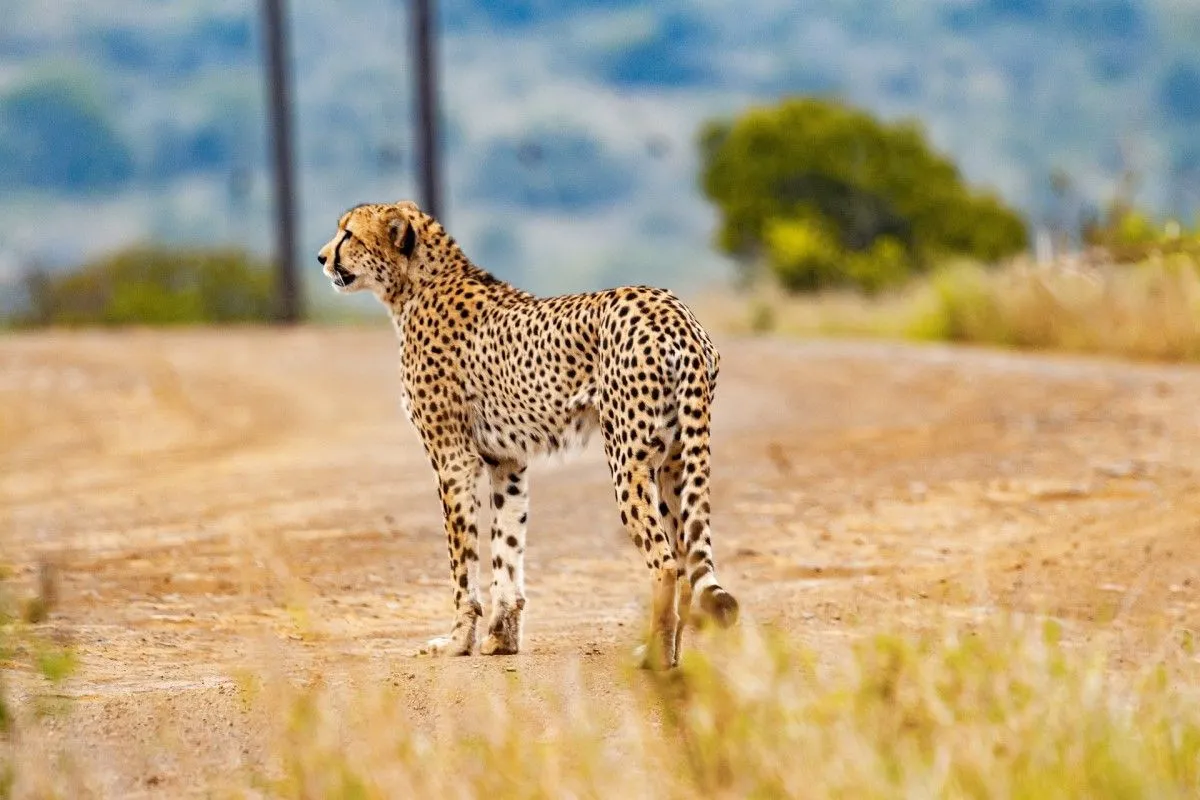
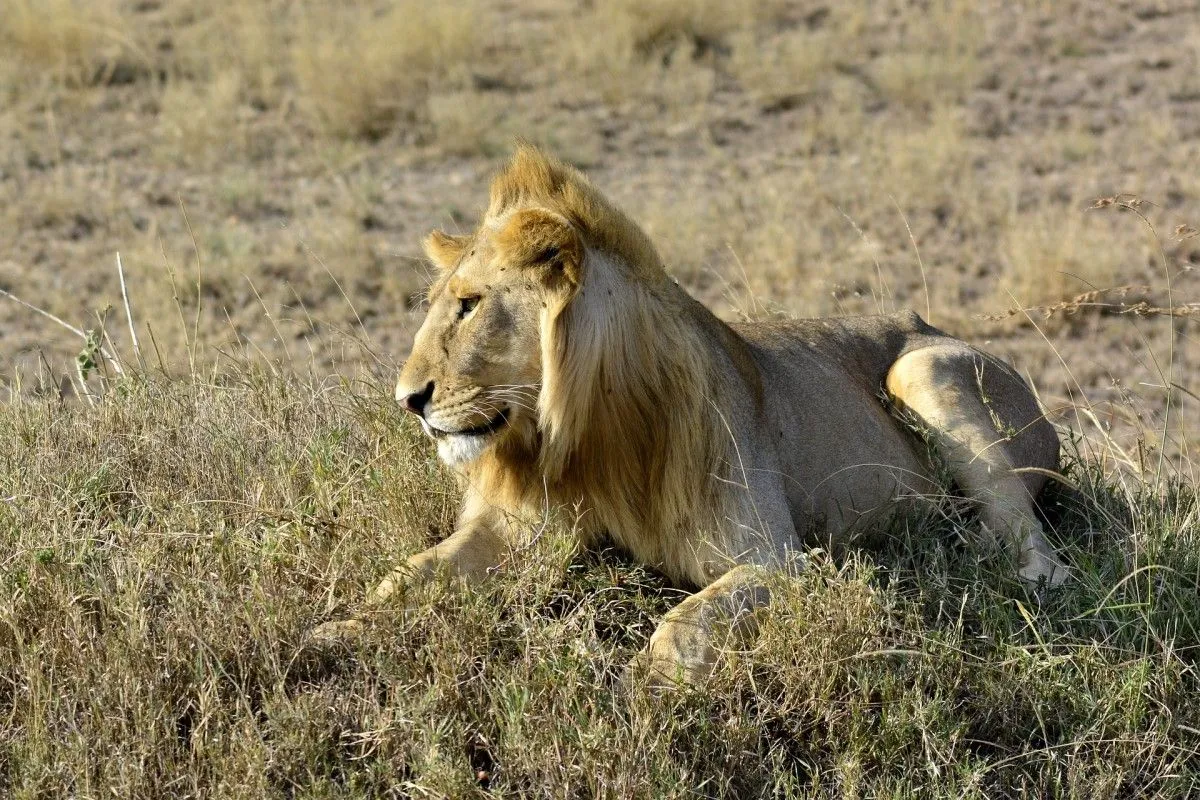
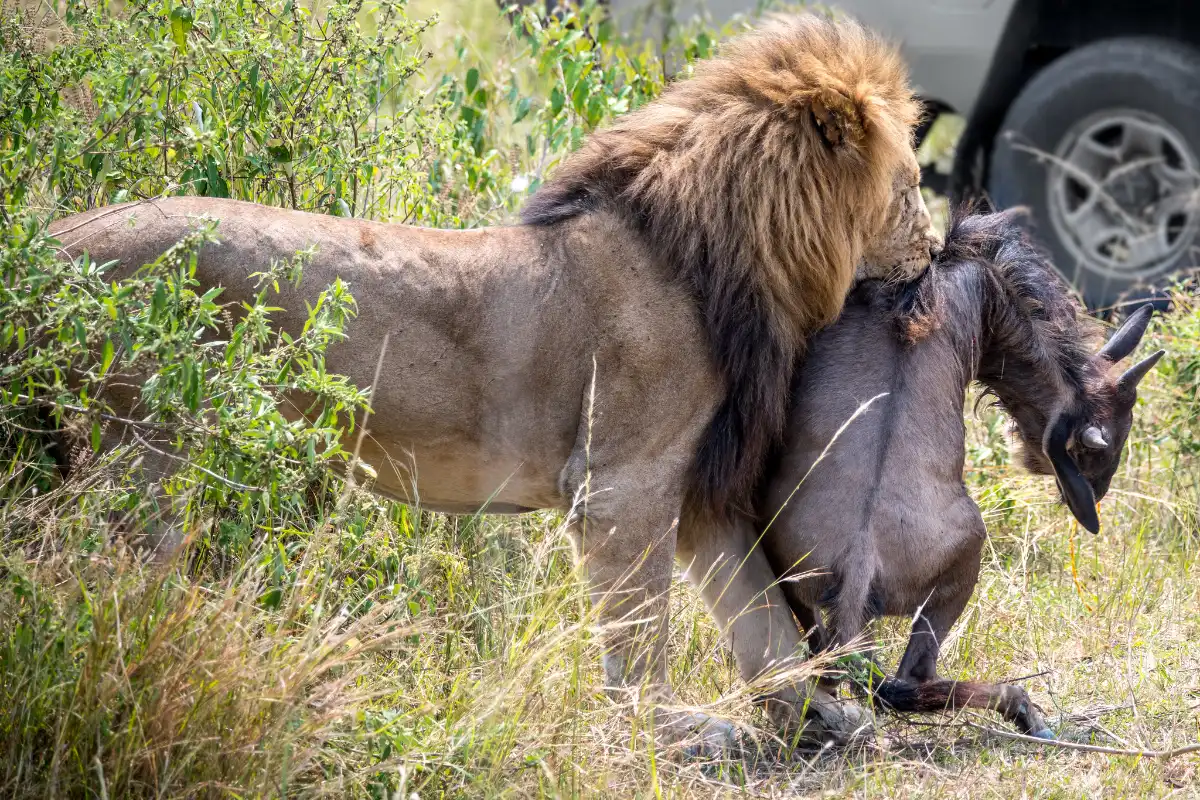
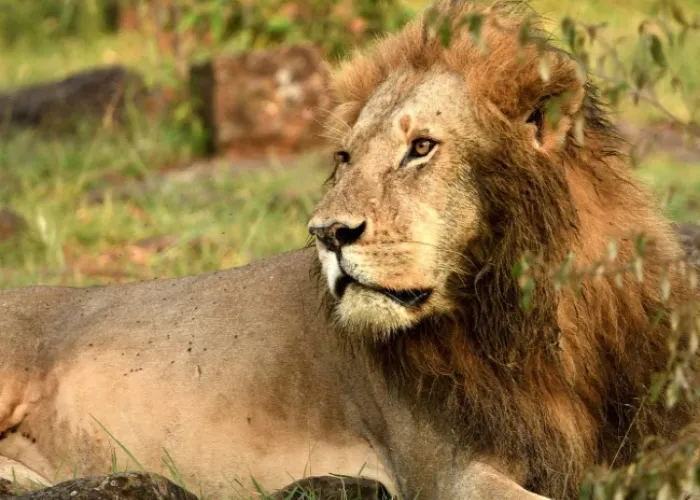
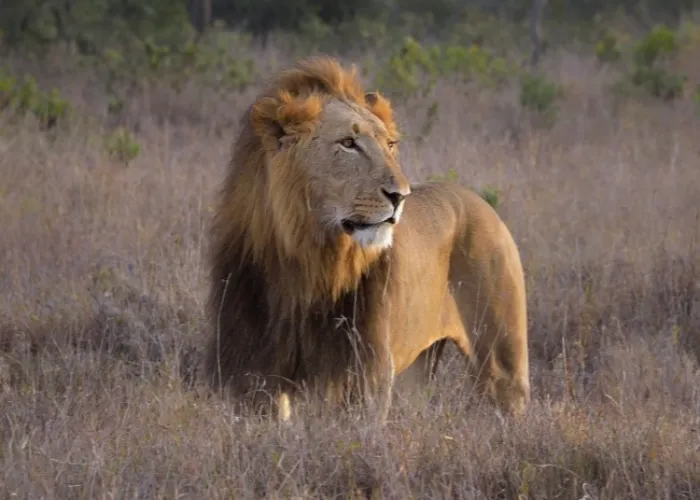
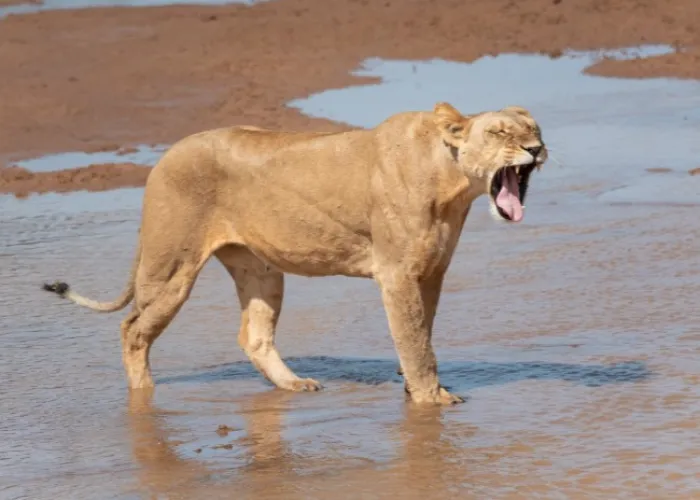
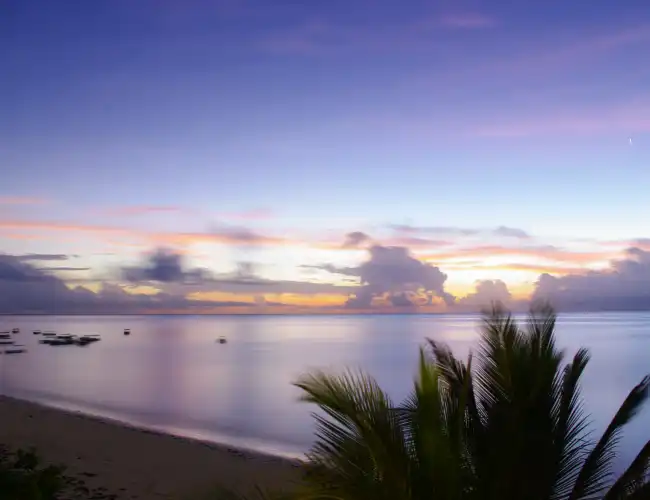
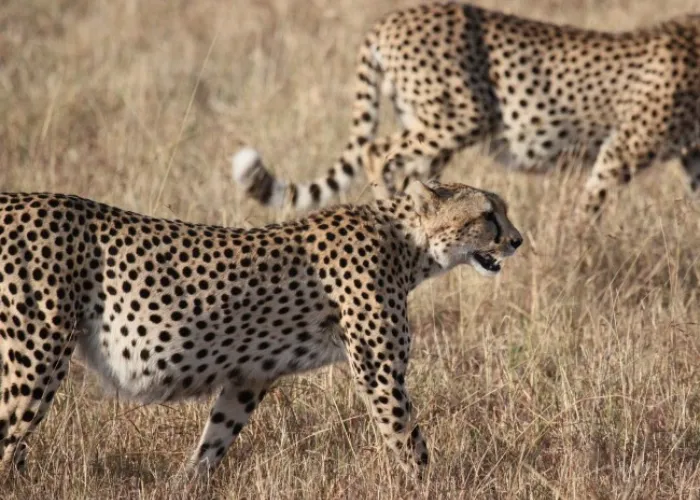
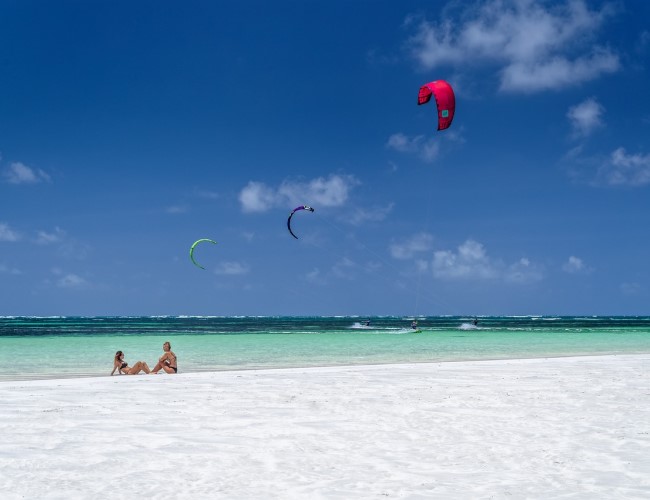
Kenya has plenty to offer in terms of Safari tourism. The savannah fields of Amboseli, the Maasai Mara and Tsavo are frequently what come into view when one pictures an African safari. Kenya safari packages incorporate one of Kenya's best-adored reserves, the Masai Mara National Reserve, home to Africa's biggest populace of lions and the organizing ground of the incredible migration of wildebeest in July, one of the most terrific regular occasions on the planet. East and West Tsavo are the most effective available parks from Mombasa, with some excellent cheetah regions in Tsavo East while the Galana riverbank is home to lions and crocs. To see exotic birds in Kenya, visit Lake Baringo which holds the world record for the number of various bird species found in one day, while the Indian Ocean shore with its 300 miles of flawless white sand coastline, quiet, welcoming waters and excellent coral reefs is the ideal spot to top or tail a safari and appreciate a-list diving and snorkelling. Kenya is vivaciously proposed as an African safari objective for first-time and all-around journeyed safari participants the equivalent.

Rates (USD)
$350 pp/day
Currency
Kenyan shilling (‎KES‎)‎
Capital
Nairobi
Languages
English, ‎Swahili‎
High Season
July to November, January and February
Best Time to Go
June to October, January to February

Pros & Cons

  • Low-density tourism and eco-friendly lodges
  • Excellent wildlife viewing in northern parks
  • Beautiful and diverse scenery of dry desert, saltpans, savannah grasslands and delta waterways
  • Low population and vast, undeveloped areas
  • Political stability and safety
  • Expensive upmarket safaris with few budget options
  • Availability can be limited during high season

Map in Africa

Kenya Map in Africa

Safari Reviews

User Reviews
0.0/5
(0 Reviews)

Share Your Experience

Help other travelers by writing a review

Best Time to Visit – Kenya

The best time to visit Kenya is during the Dry season from June to October when the skimpy vegetation makes it easier to spot wildlife. The wildebeest migration usually reaches the Masai Mara in August and remains until October when they move back to the Serengeti in Tanzania. Wildlife viewing is good year-round, but this can differ for some parks. See below to learn when to visit which park.

High Season
July to November, January and February
Low Season
March to May (Due to heavy rainfalls some lodges closed down)
Best Weather
June to October (Little to no rainfall)
Worst Weather
March to May (Peak of Wet season)

June to October (Dry Season)

  • Wildlife can be easily spotted around river crossing and waterholes
  • Pleasant temperatures between 20-30°C (sunny and no rain)
  • July to October is the best time to see the Wildebeest migration
  • Clear blue skies and most of the days are sunny
  • There are very less mosquitoes because of little rain
  • Gets very crowded in popular parks

November to May (Wet Season)

  • It's a low season which means lower rates for safari and less crowded parks
  • Newborn animals can be seen
  • Migratory birds are present in this season hence Bird watching at its best
  • Except for March to May, rains are usually just short showers in the afternoon
  • The scenery is beautiful and green
  • During March to May the rains can be continuous – some lodges and camps close down during part of the Wet season

Best Time to Go to Kenya by Major Park

The Masai Mara offers year-round wildlife viewing, but most of the visitor comes in between July to October. In the peak of the rainy season, most other parks, especially in the highlands and along the coast, can be problematic with regard to heat, humidity and continuous rain. Some of the lodges closed as a result. The dry months offer quality wildlife viewing throughout Kenya.

Wildlife & Animals

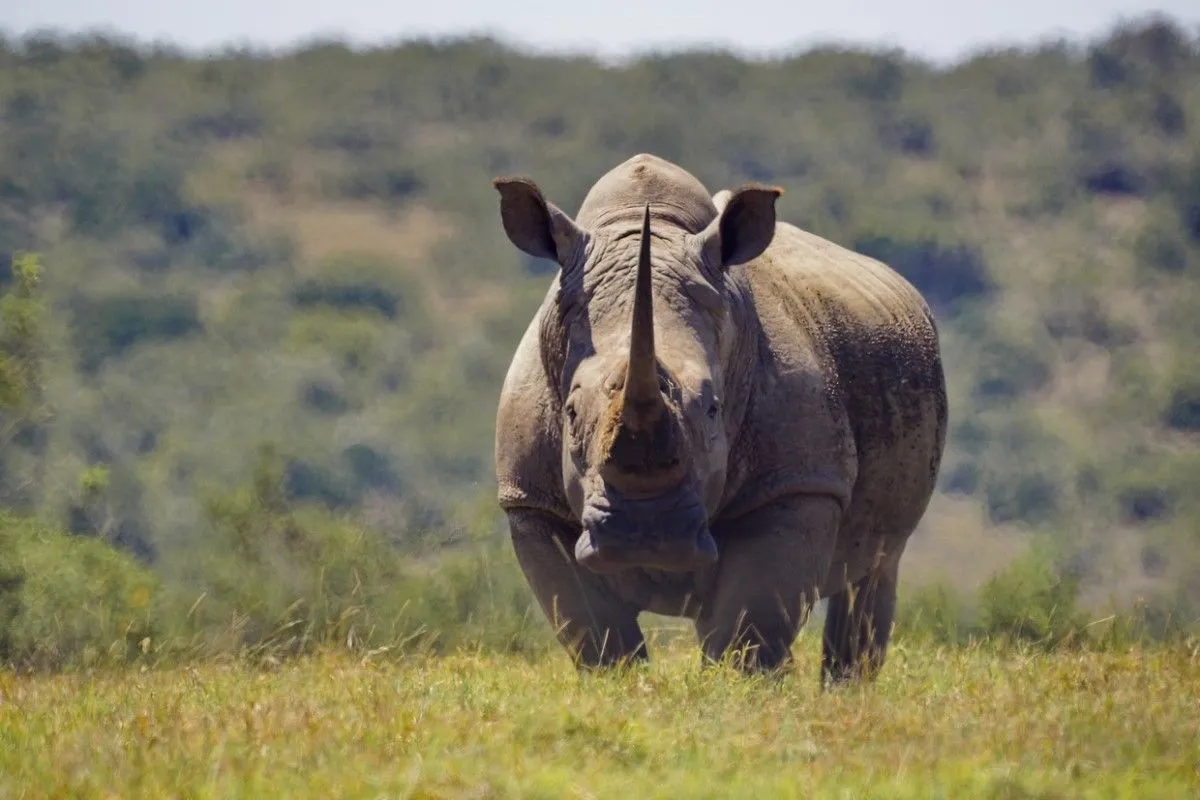
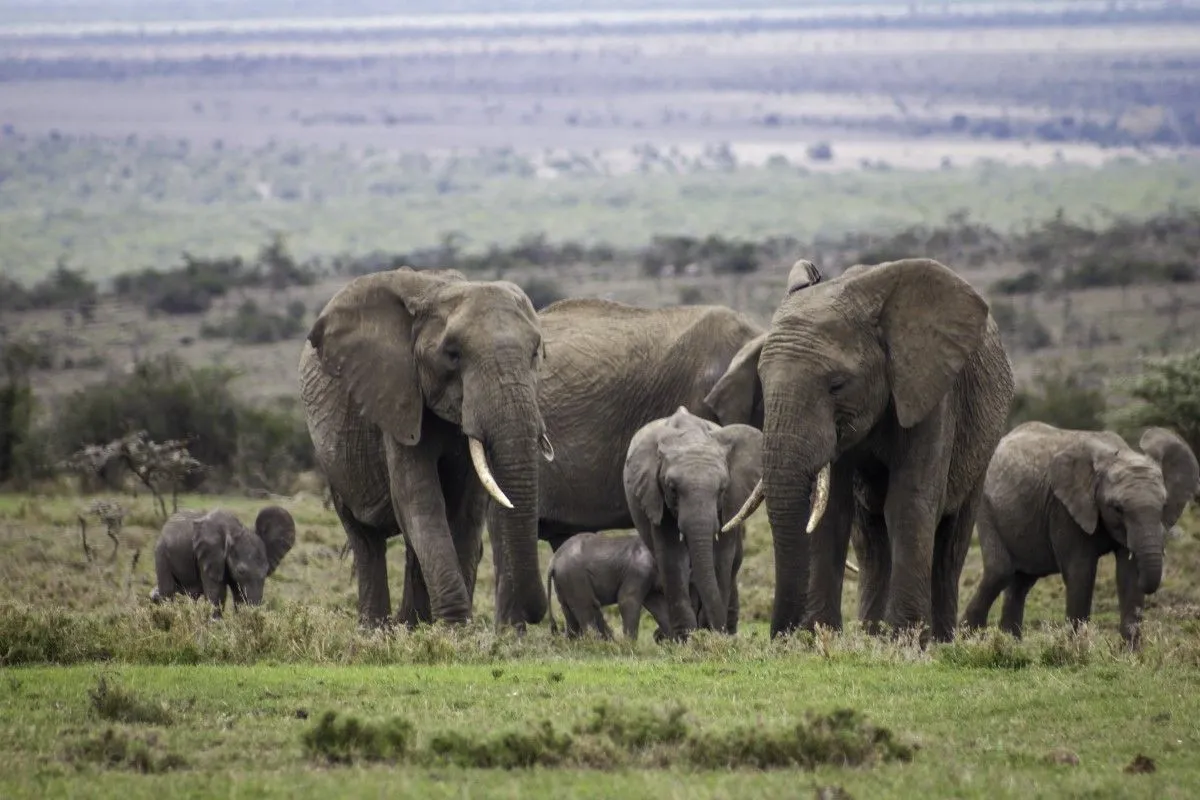
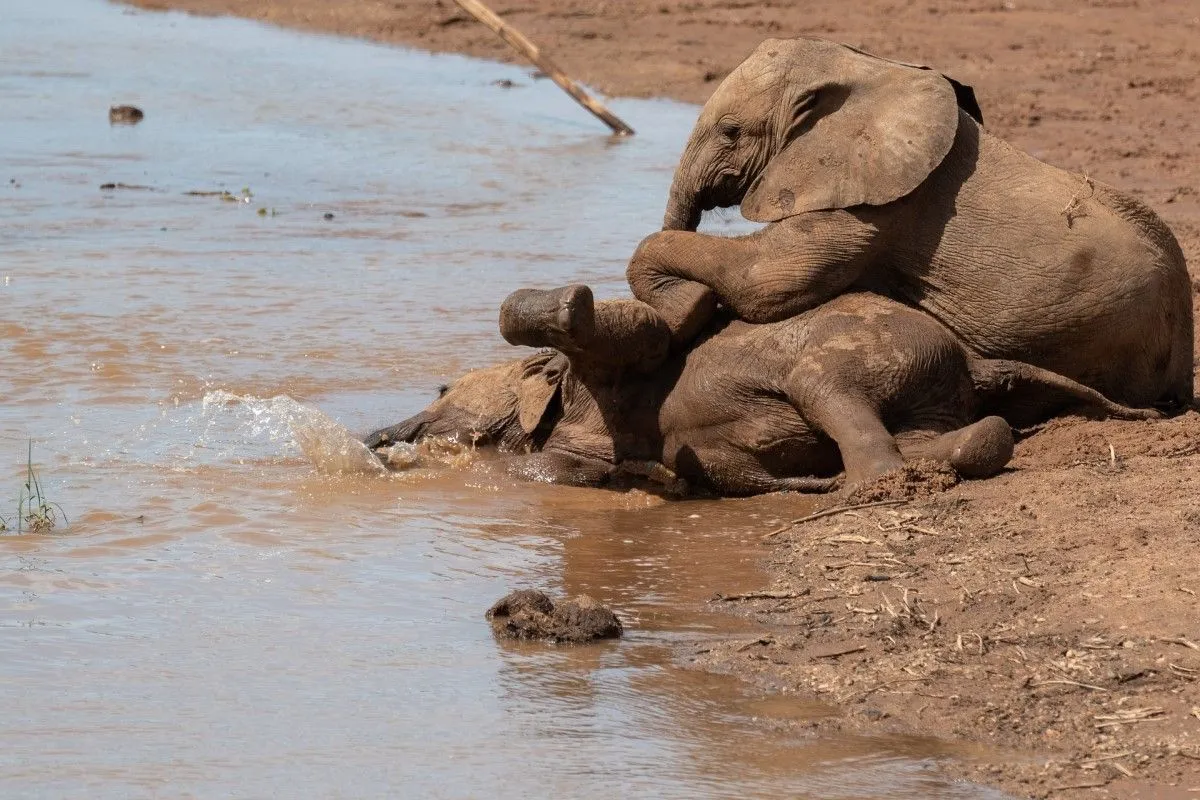
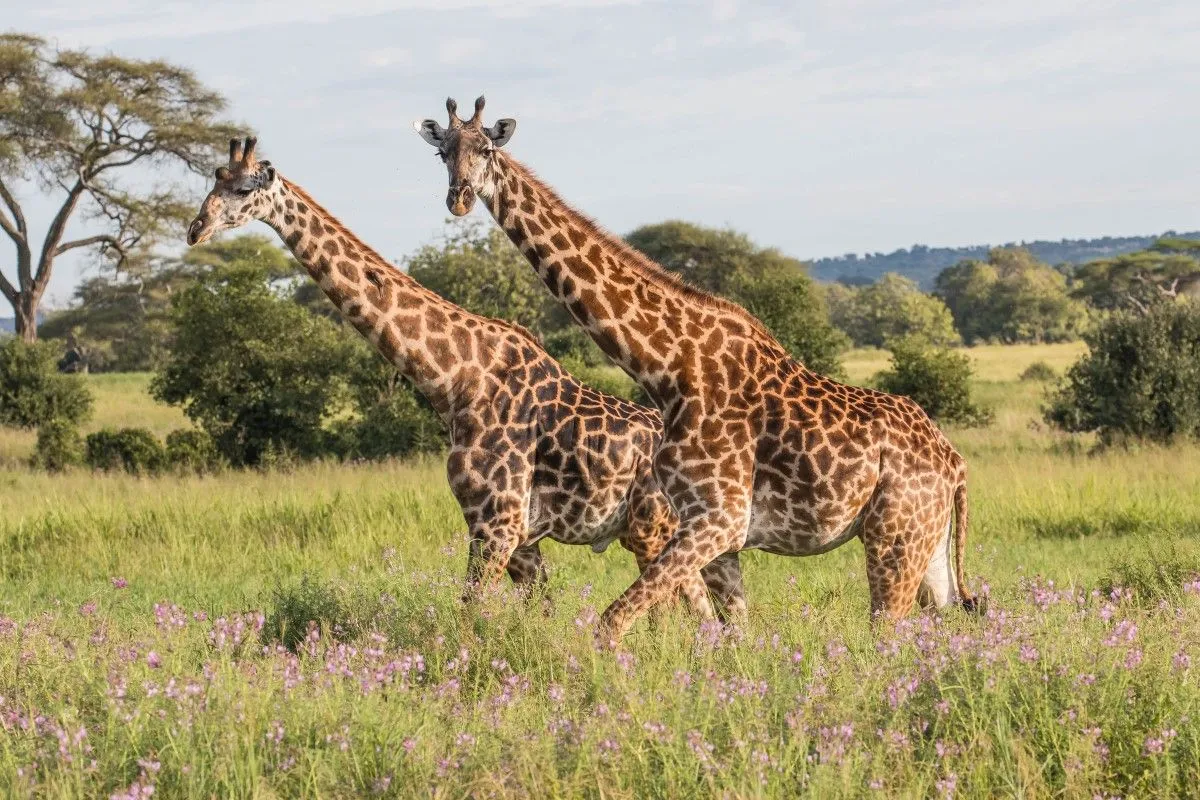
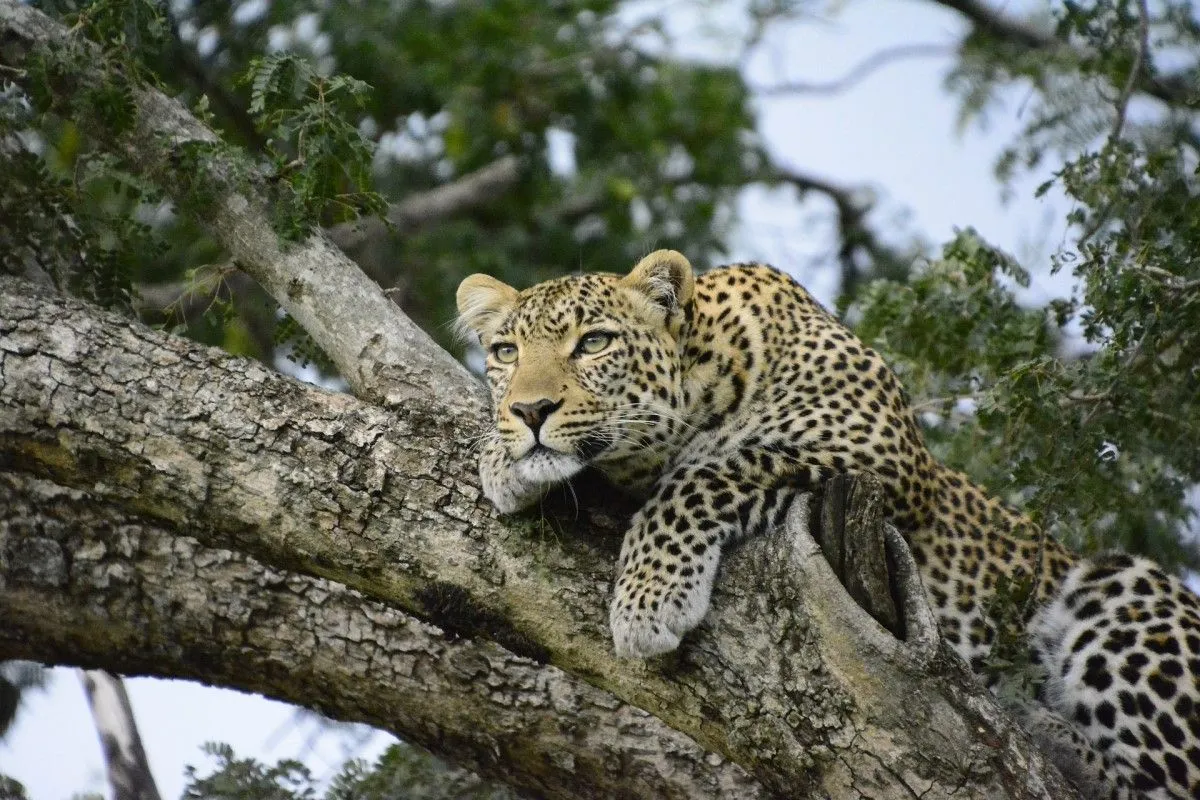
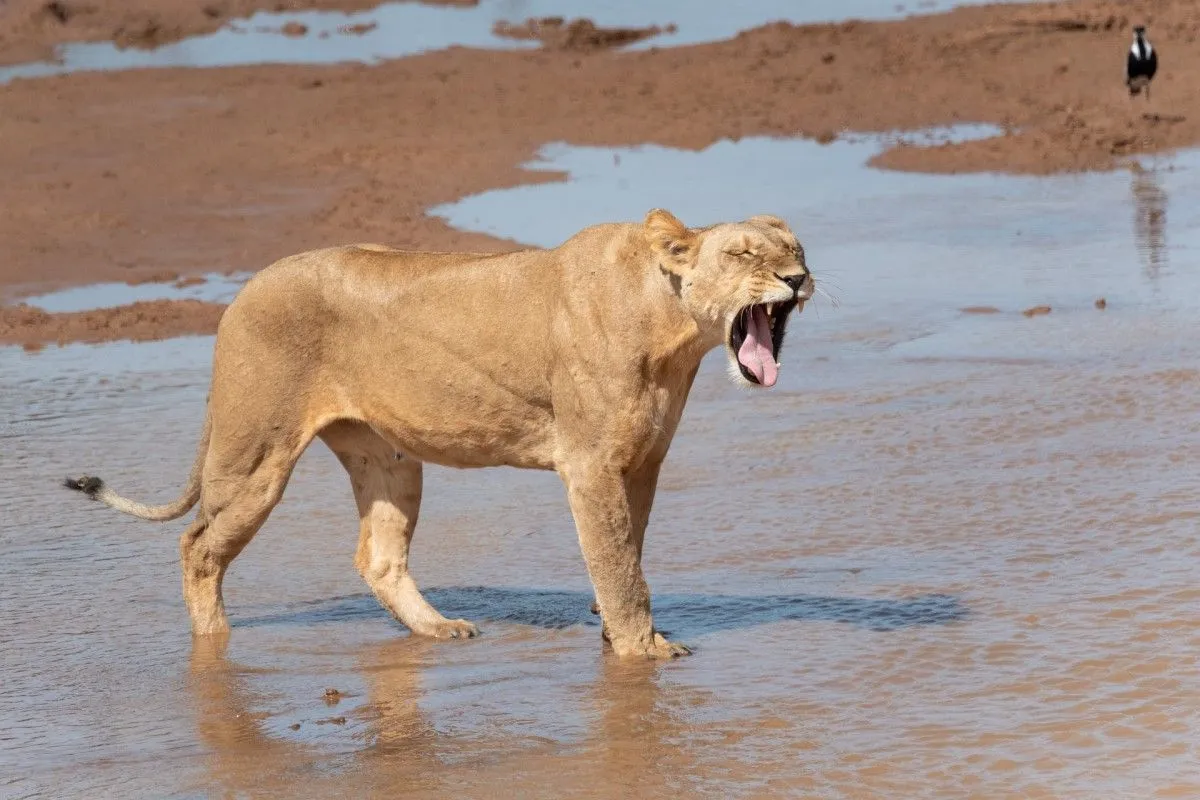
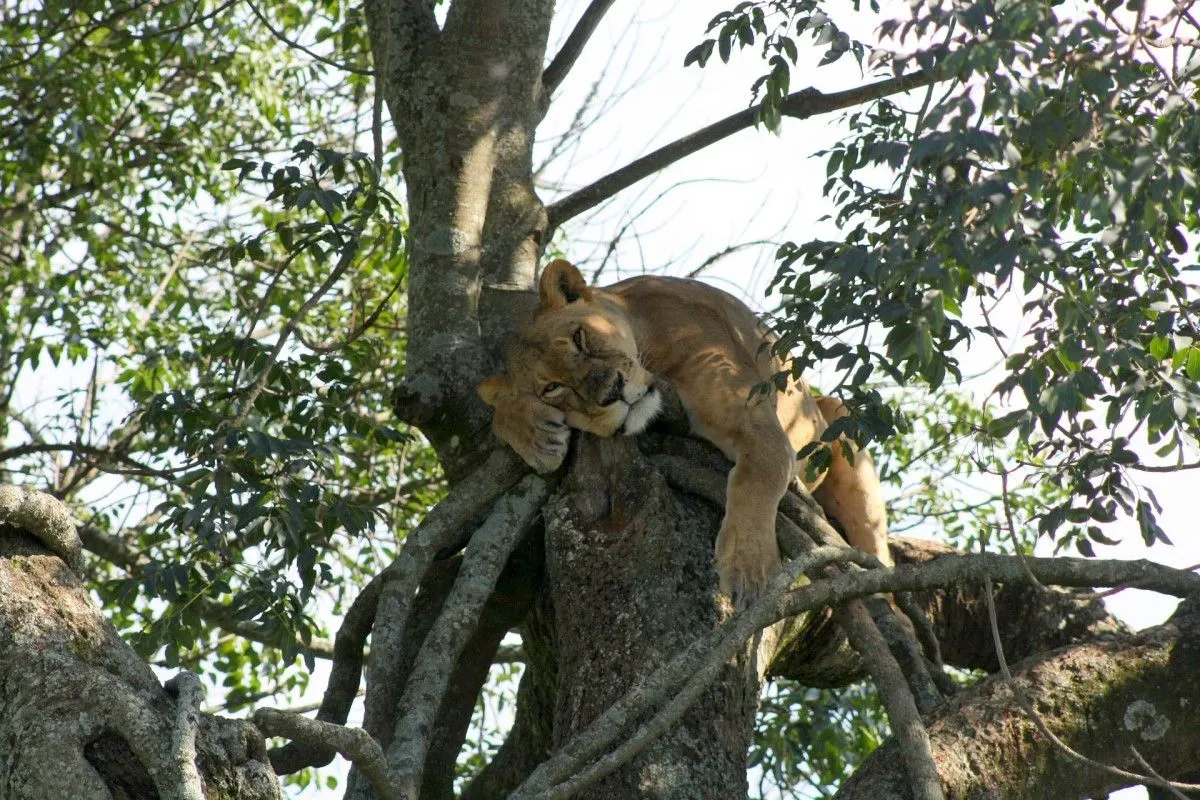
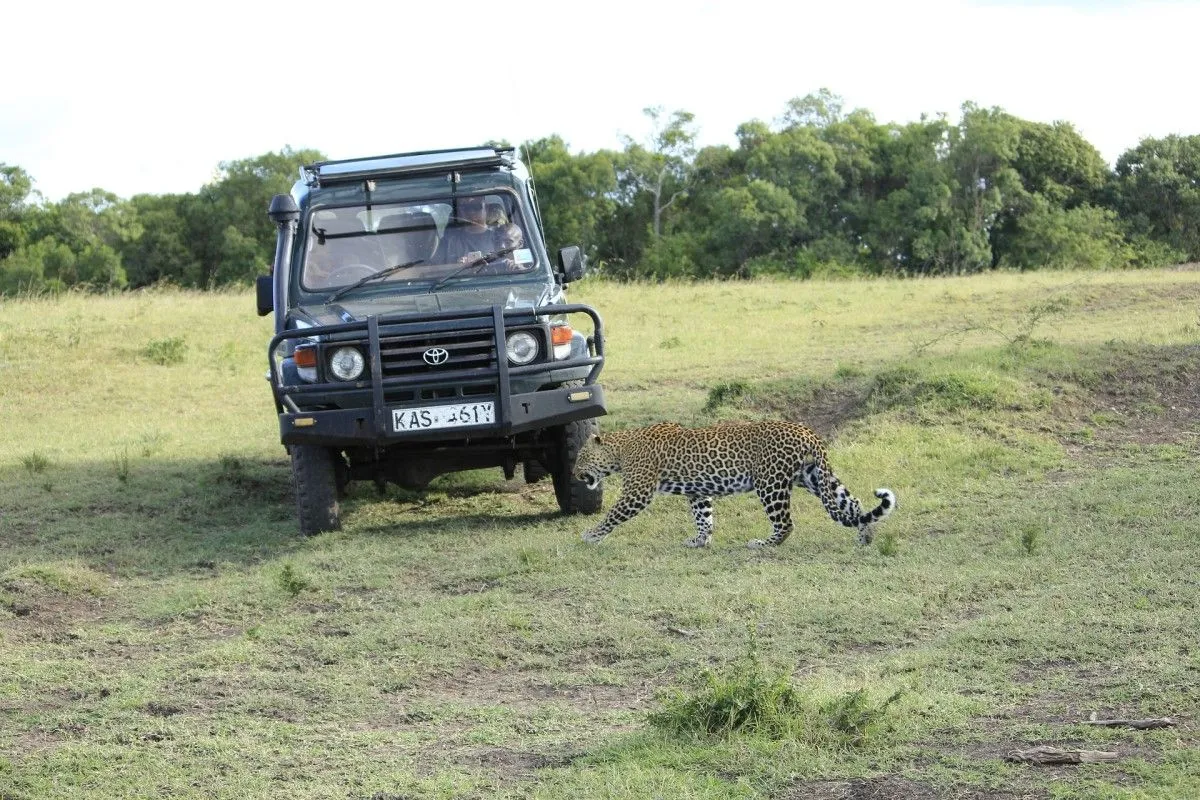
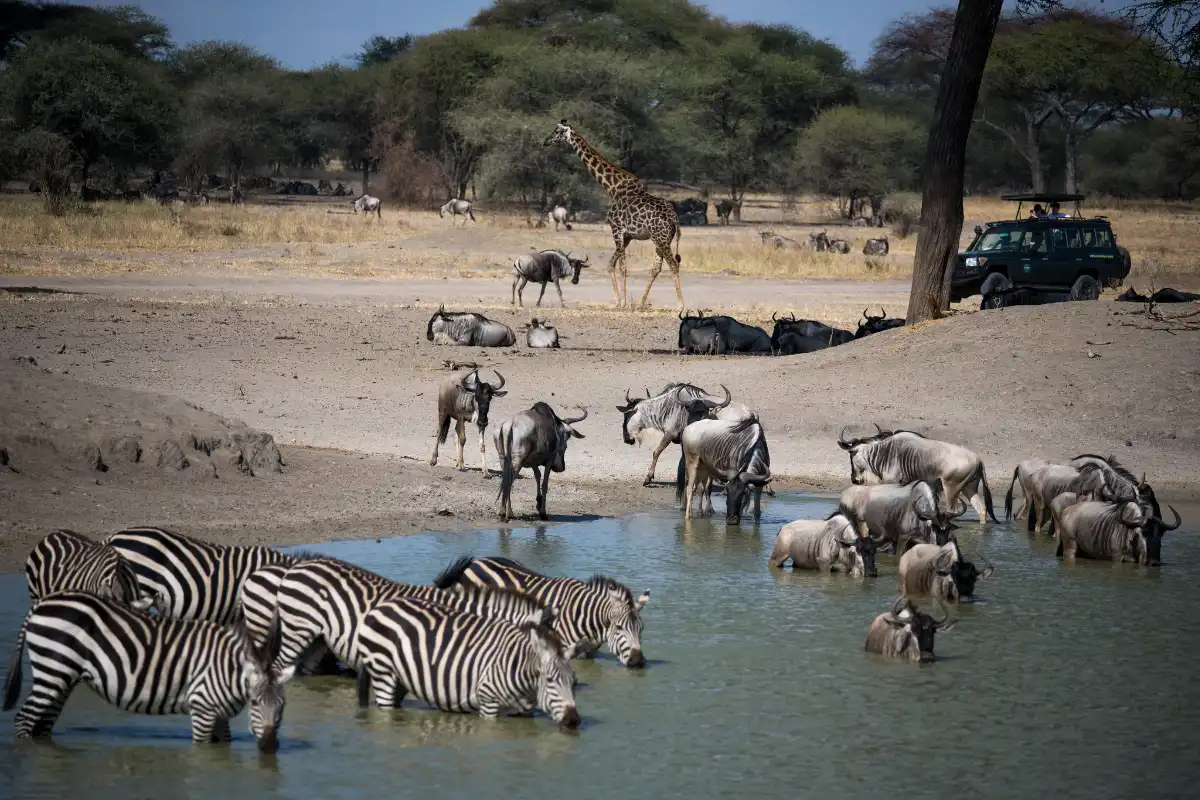
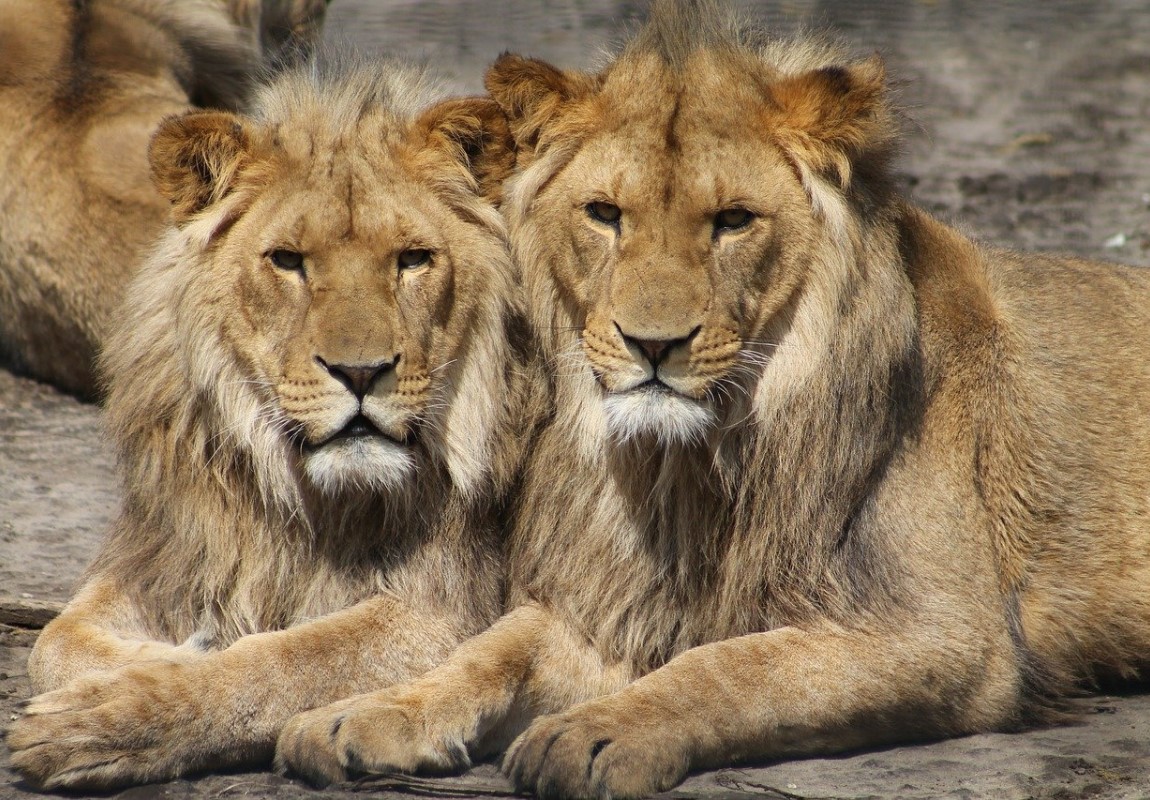
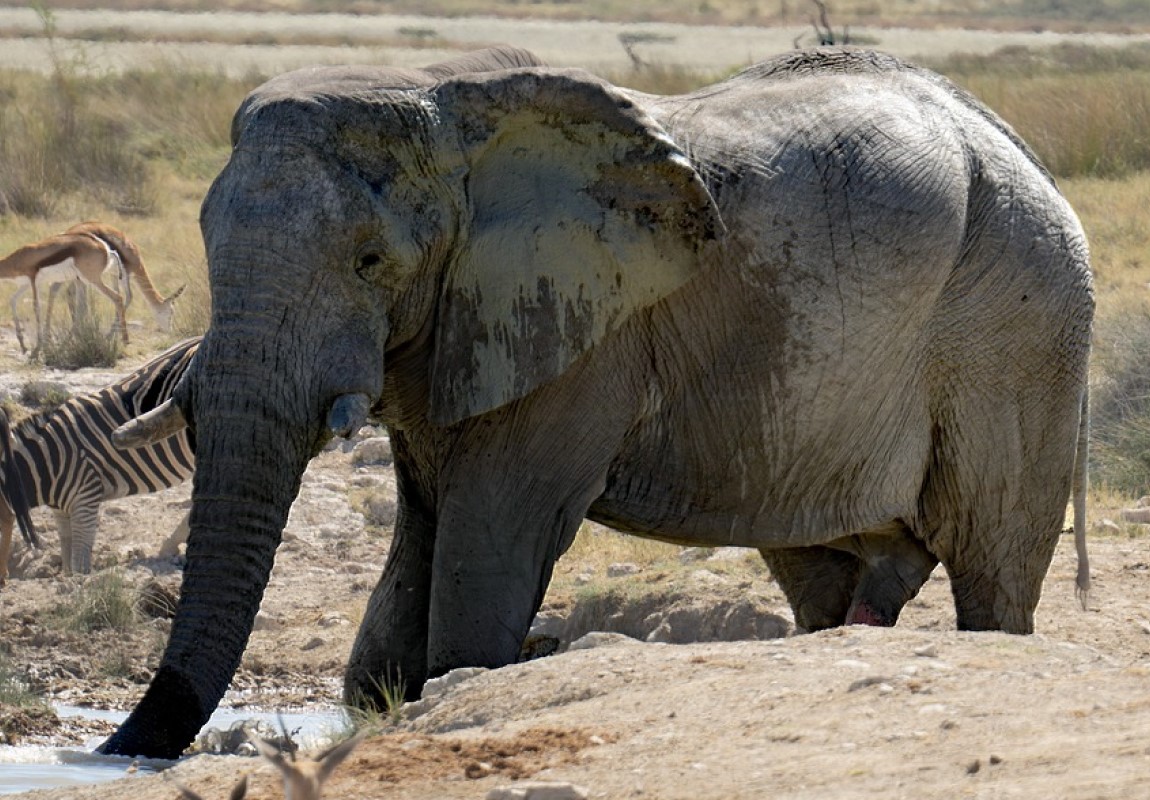
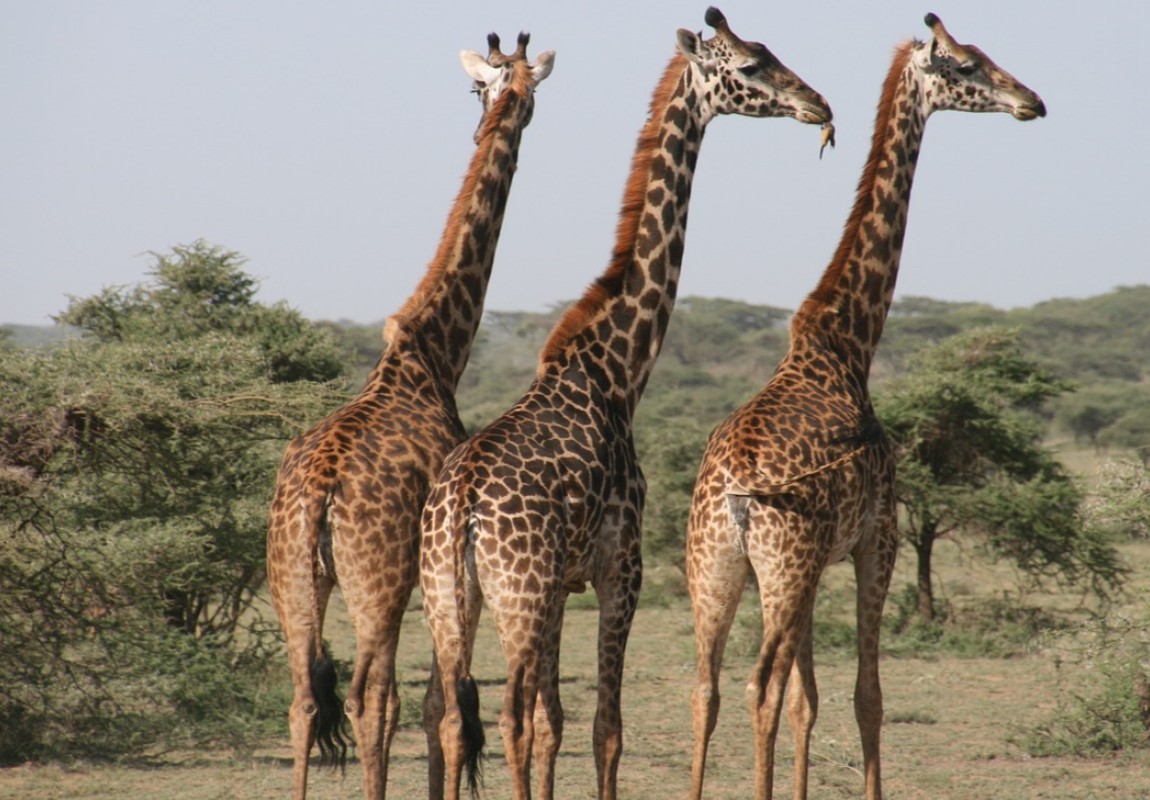
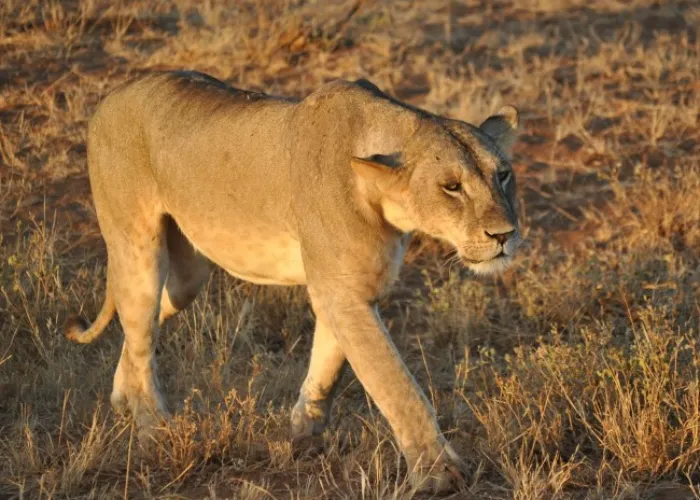
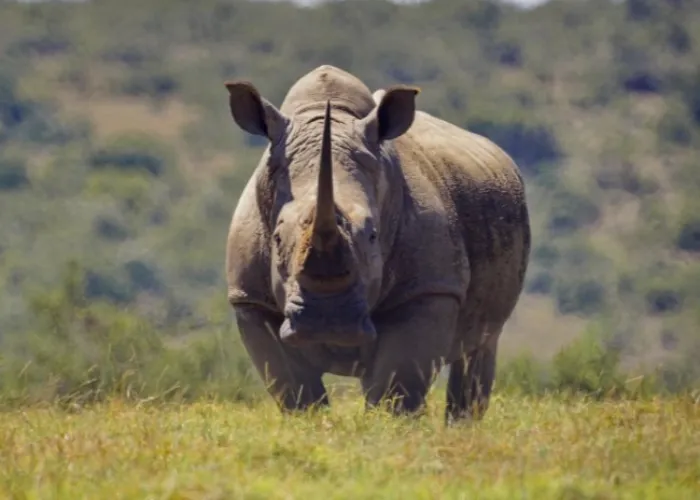
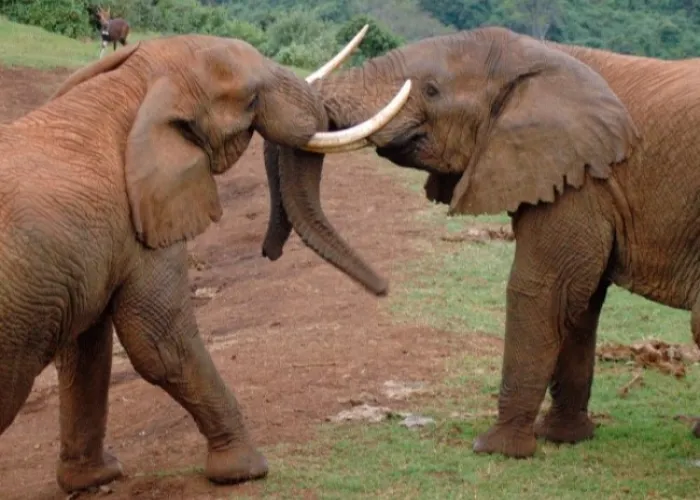
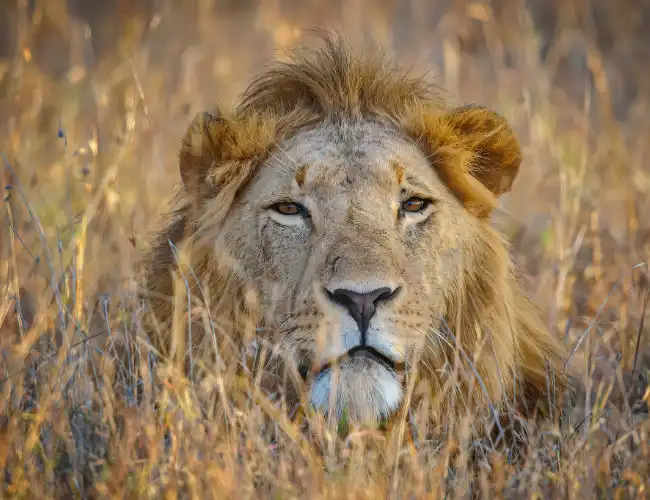
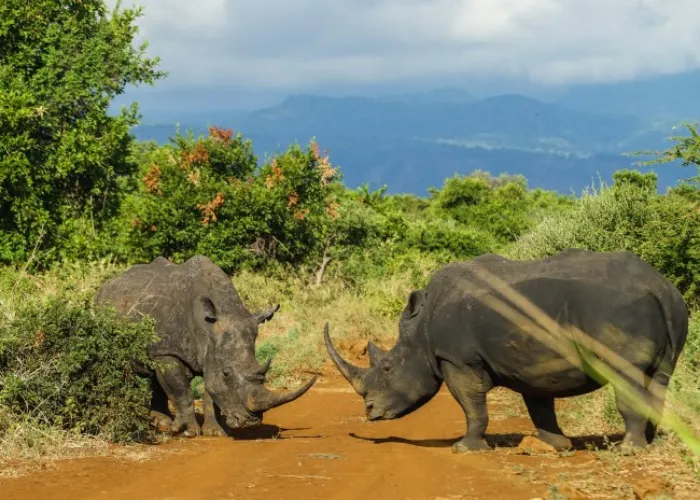
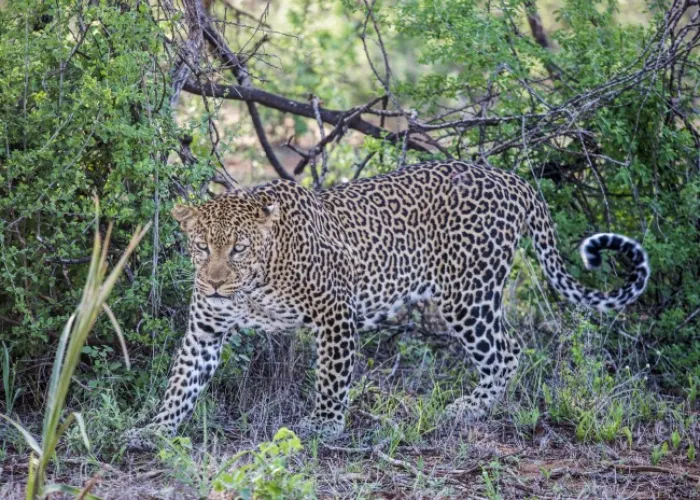
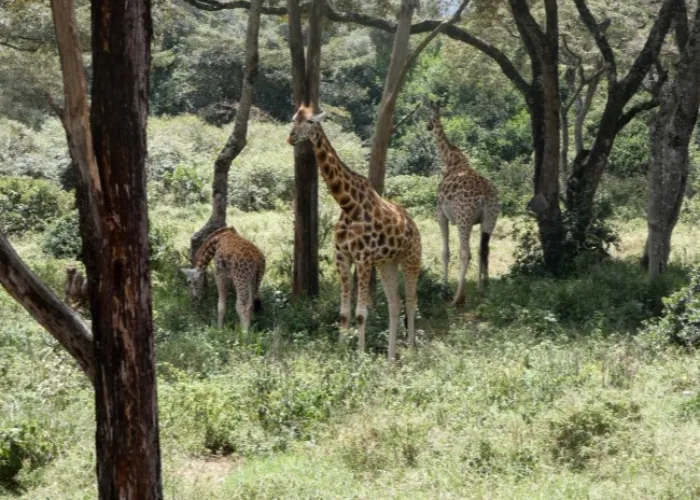
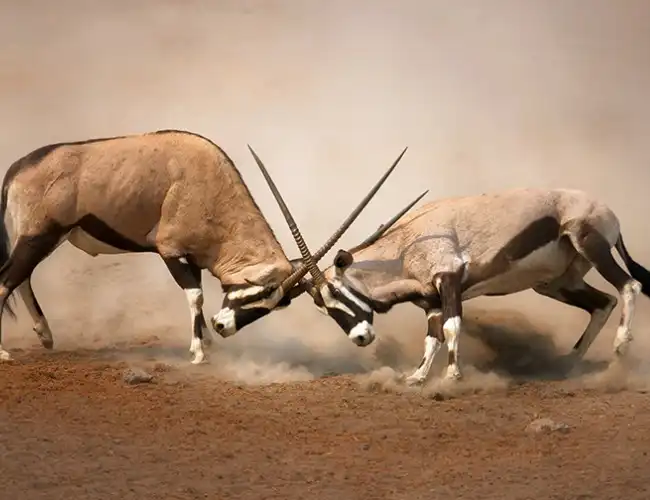
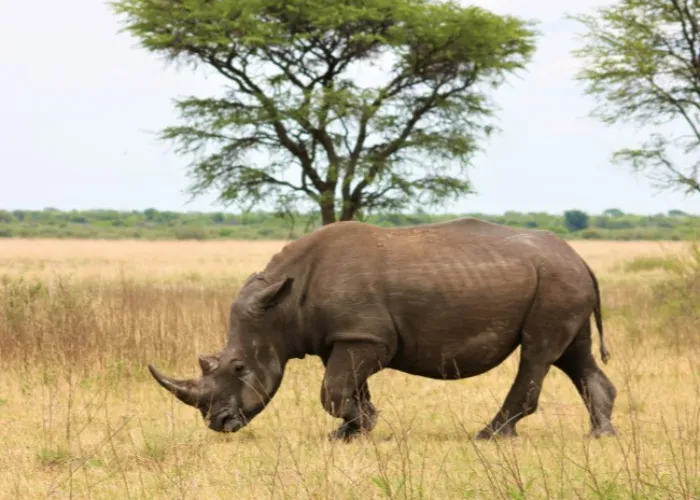
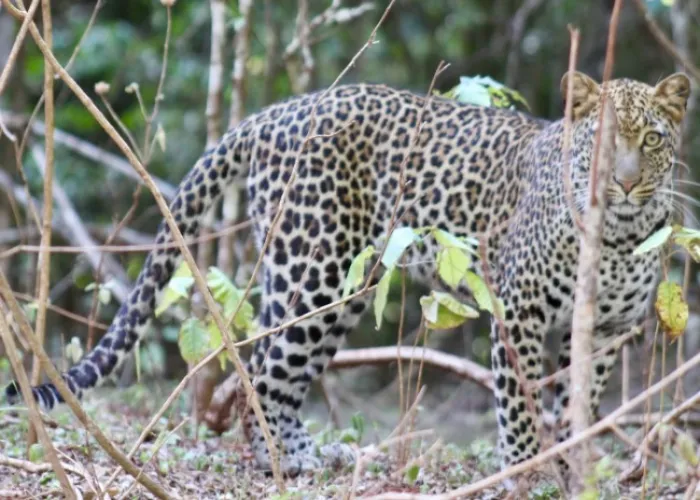
Safari excursions in Kenya are notable for their amazing wildlife. The most well-known safari game parks are typically found along the main route between Nairobi and Mombasa. Amboseli, Chyulu Hills, Masai Mara, and Tsavo East and West are located here. The northern game parks of Buffalo Springs, Samburu, and Shaba are also exceptional because they are dry wildernesses where animals congregate to drink at the waters of the Ewaso N'yiro River, attracting sizable herds of elephants, leopards, gerenuk, oryx, and giraffe. The impressive wildlife that one can find in Kenya, including Big cats like the Lion, Leopard, and Cheetah, Elephants, Rhinos, and Giraffes, and that's just the beginning, is most likely the main draw.

Wildlife Highlights

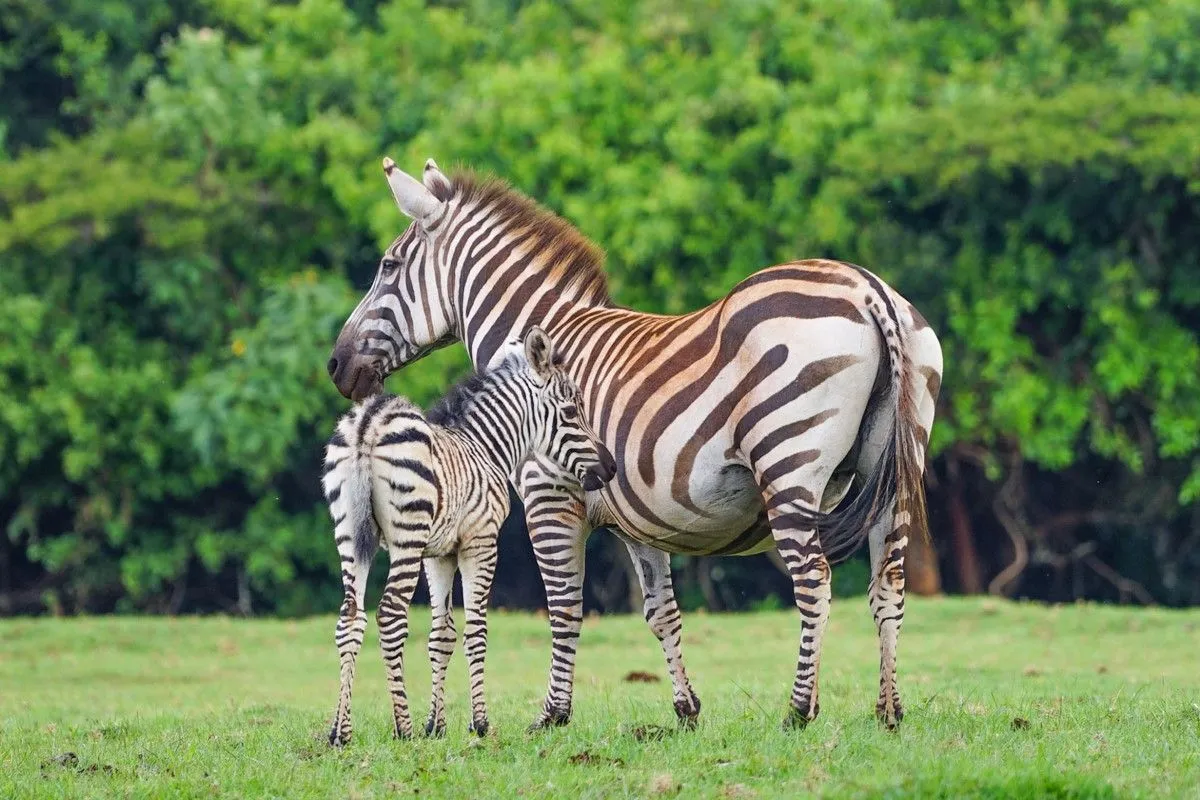
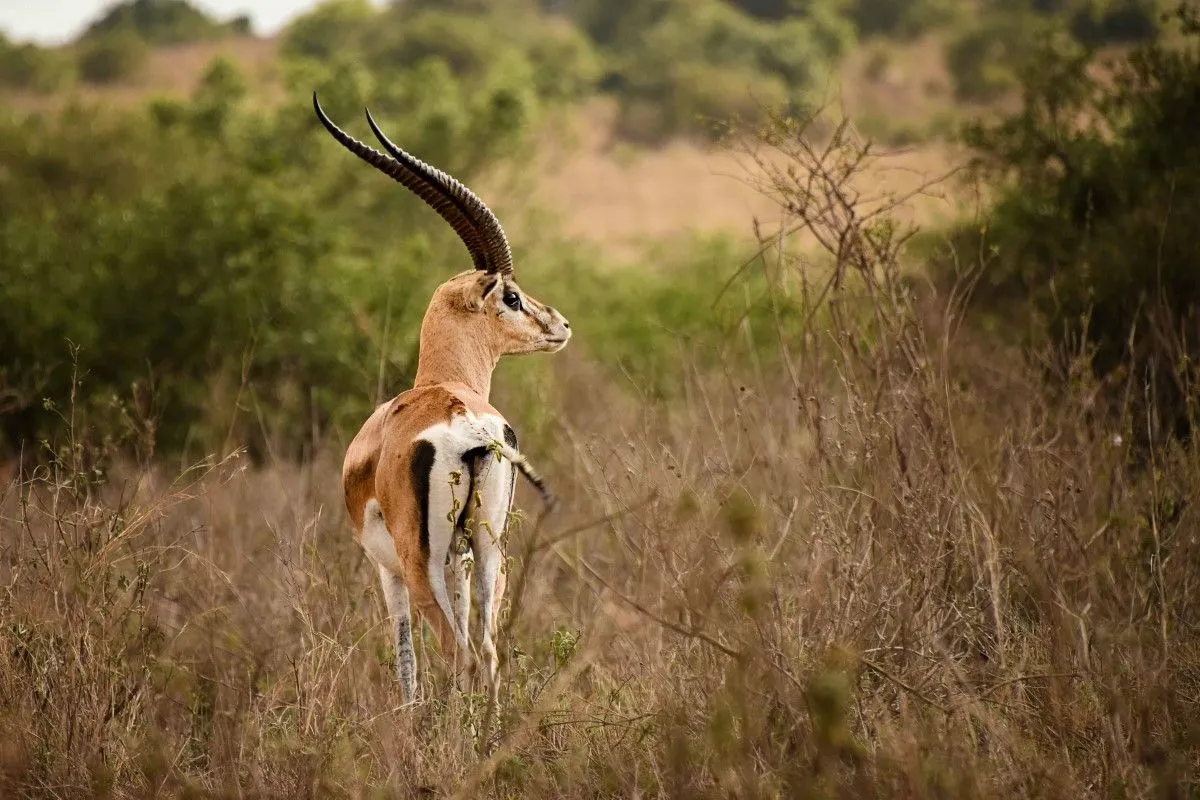
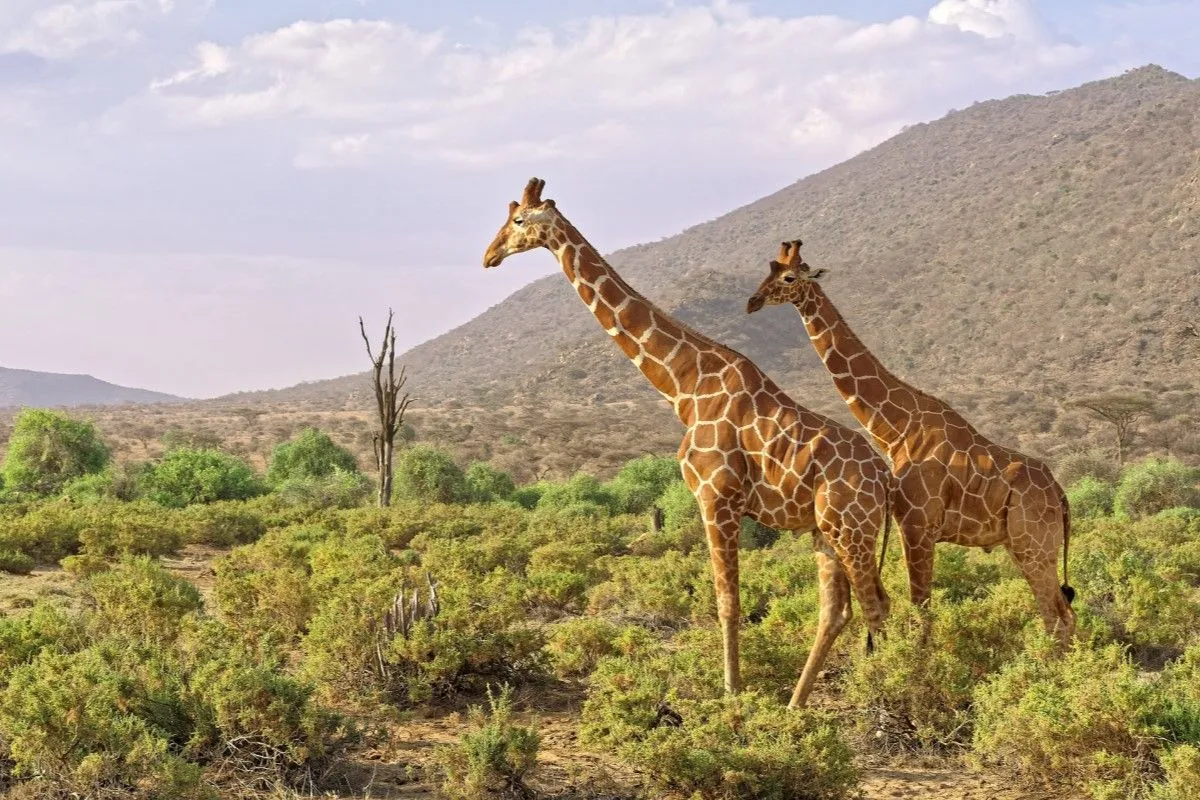
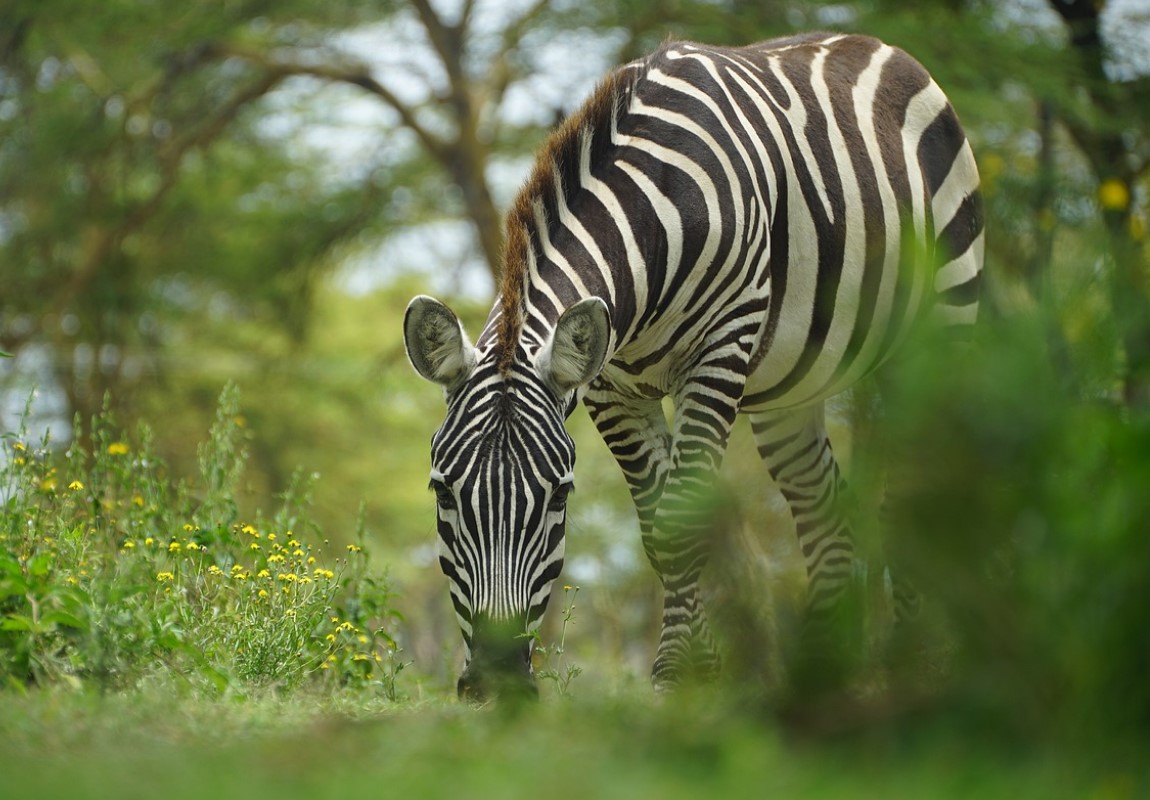
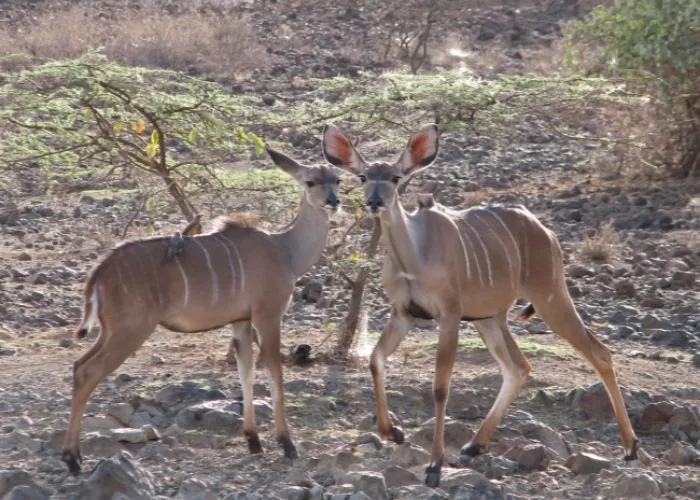
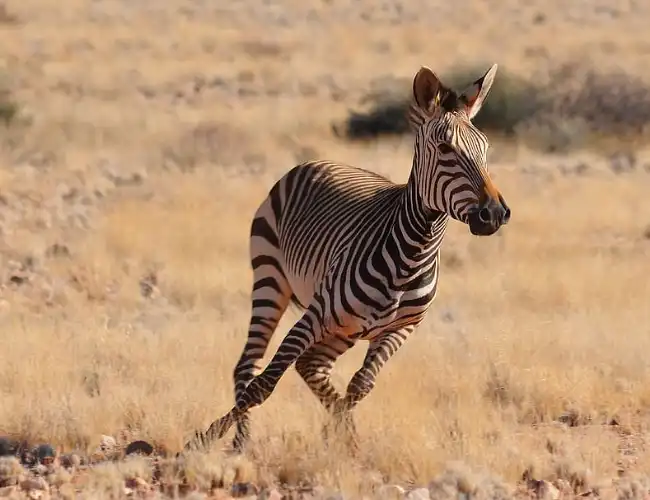
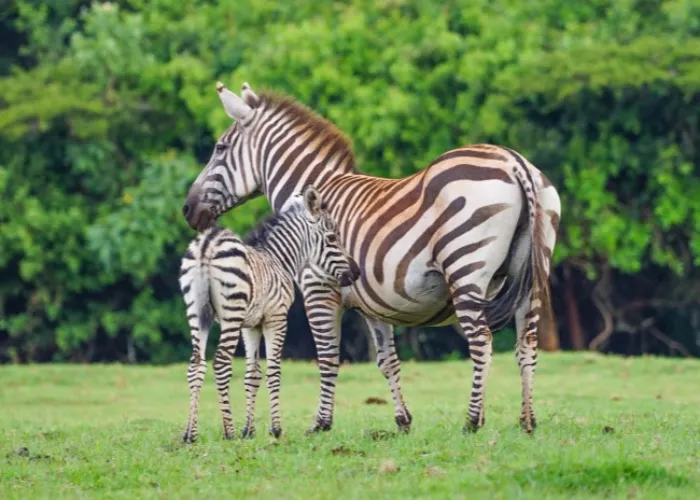
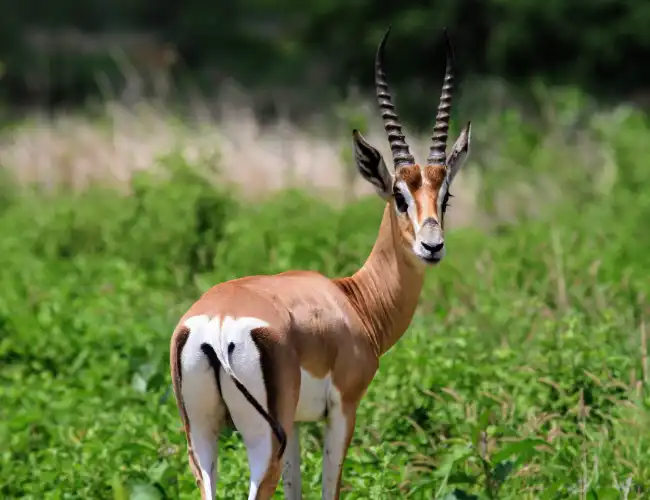
Samburu and Meru in the north are home to some fascinating limited dry-country species. The odd-looking gerenuk is regularly seen standing on its rear legs benefiting from dry bushes. The Grevy's zebra and reticulated giraffe are lovely variations to the more normal species found all through the area. Tsavo is home to the uncommon periphery-eared oryx.

The Great Wildebeest Migration

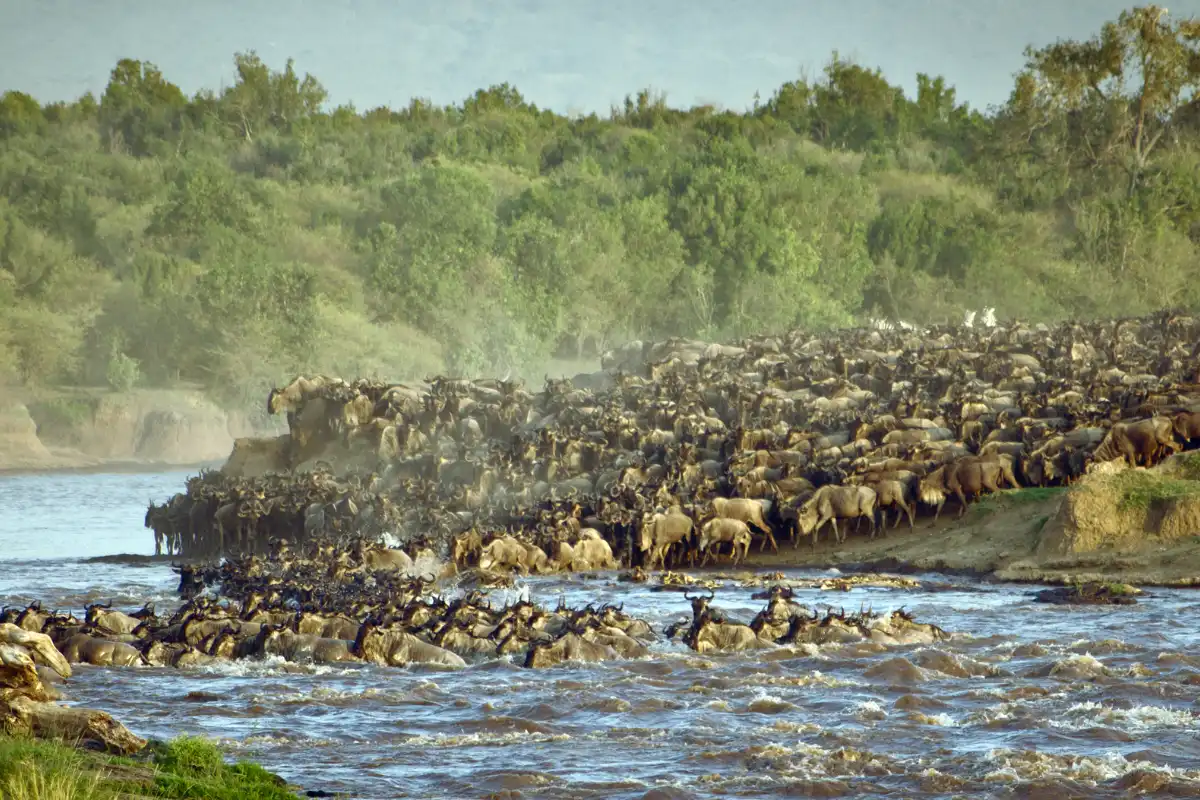
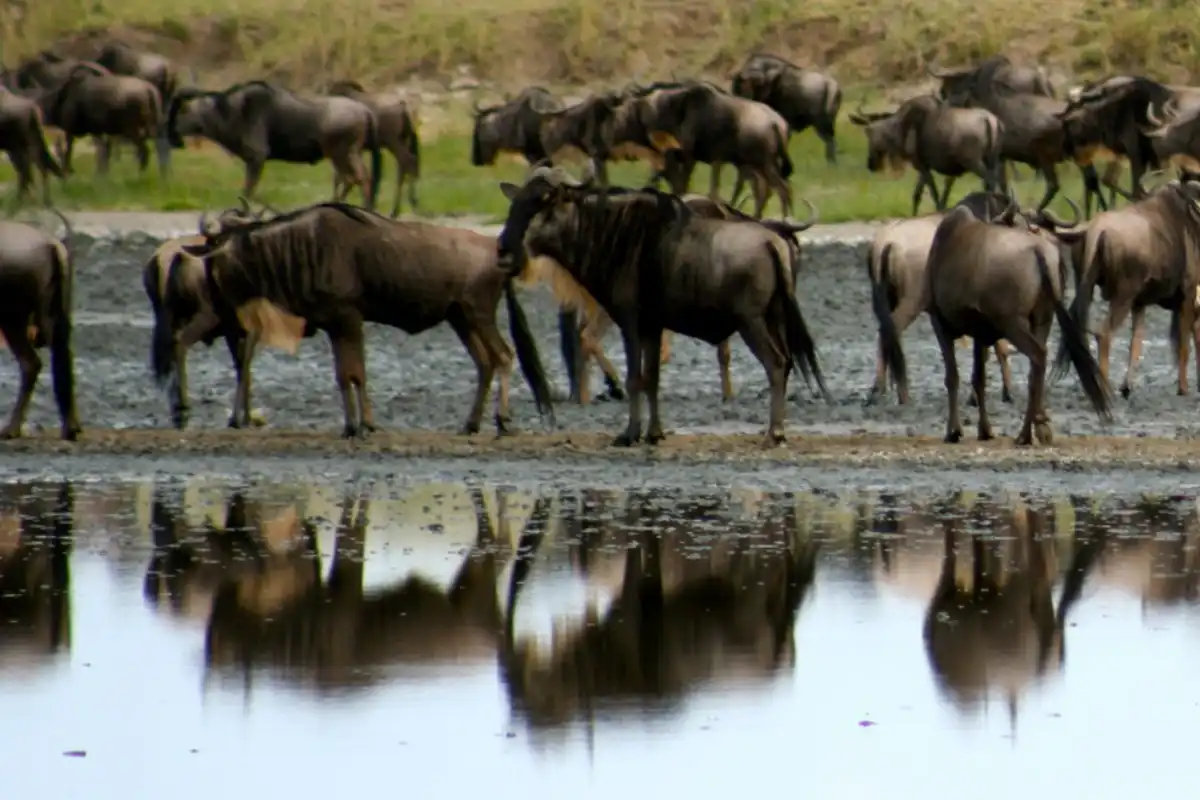
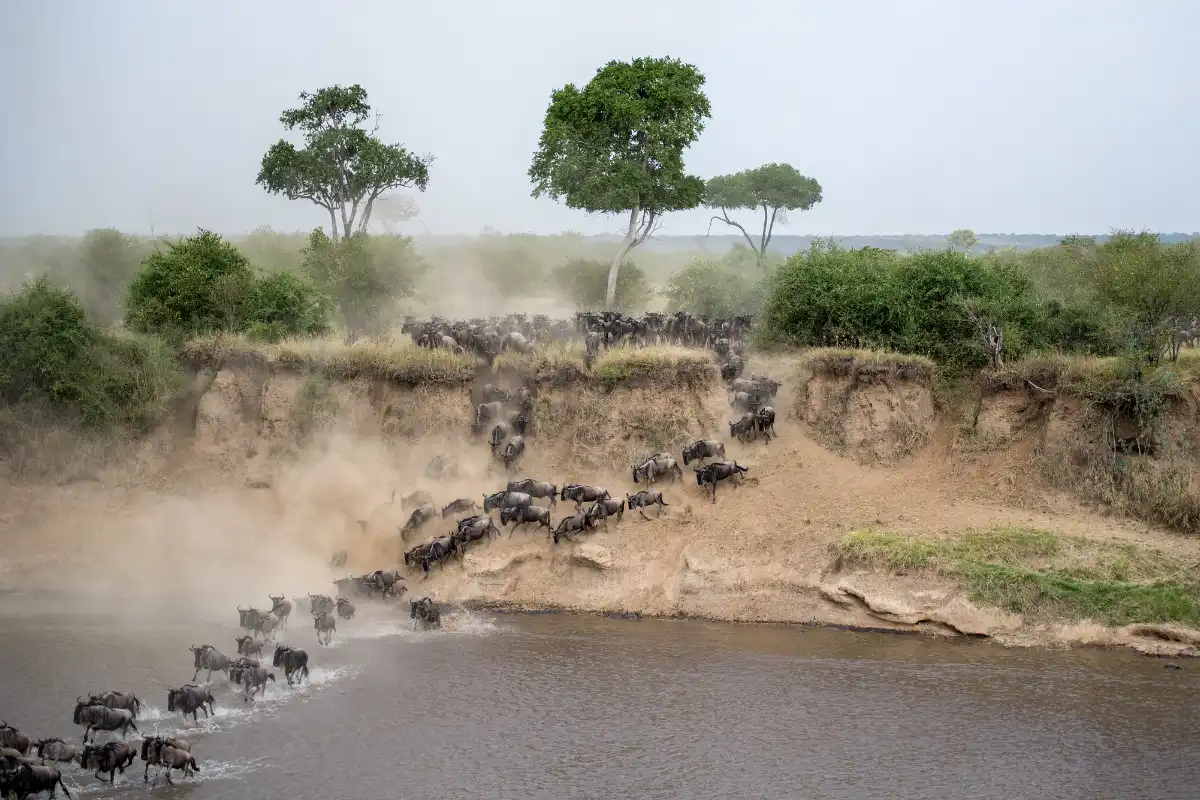
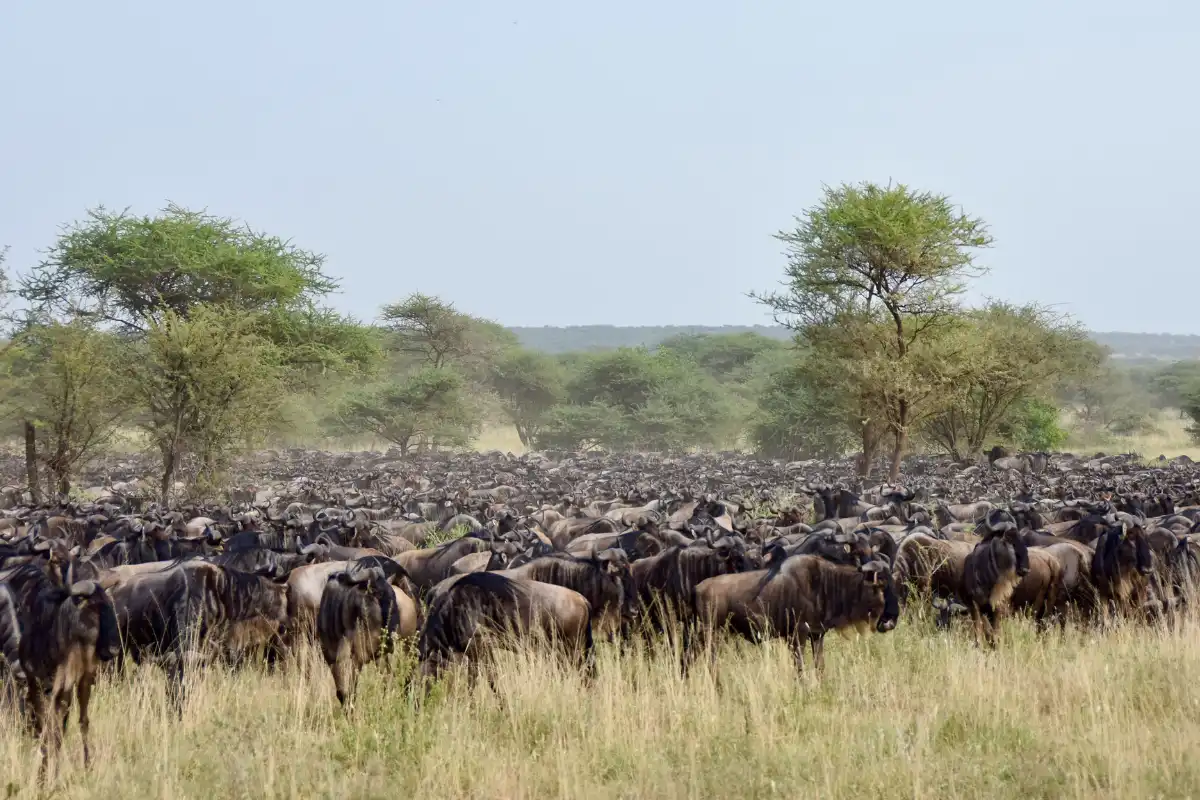
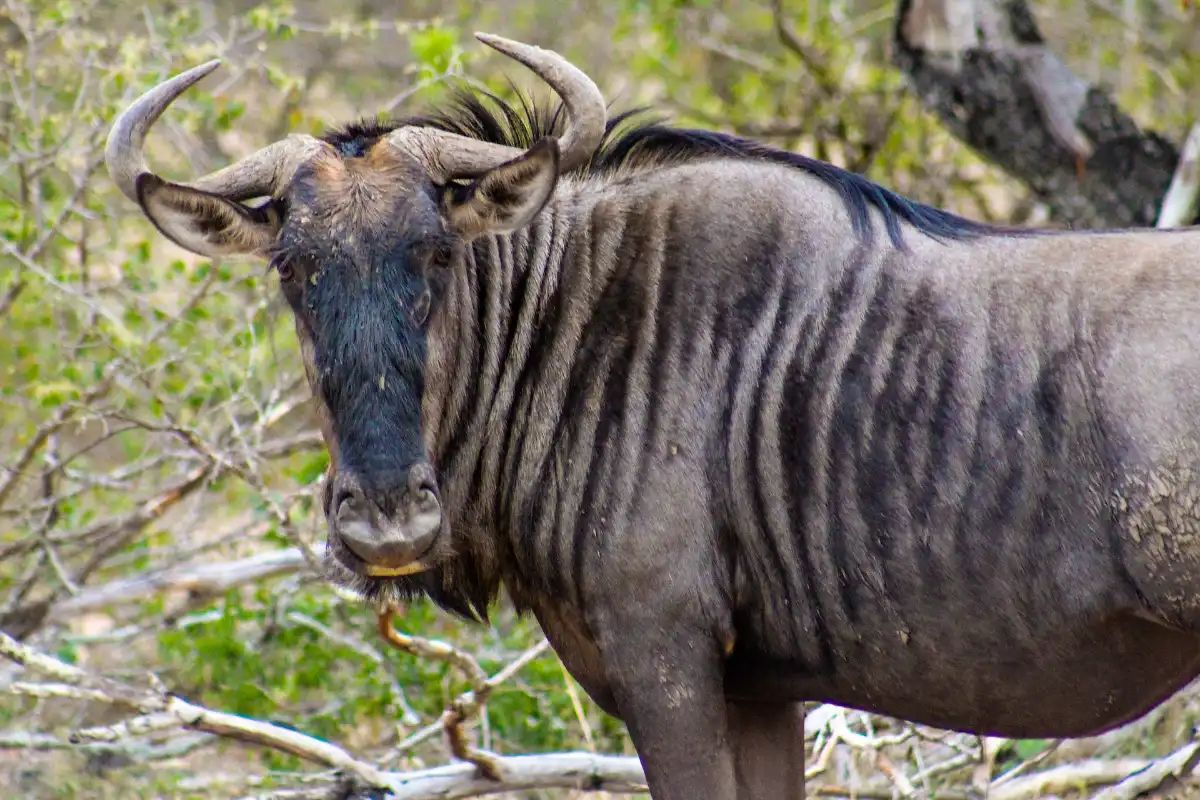
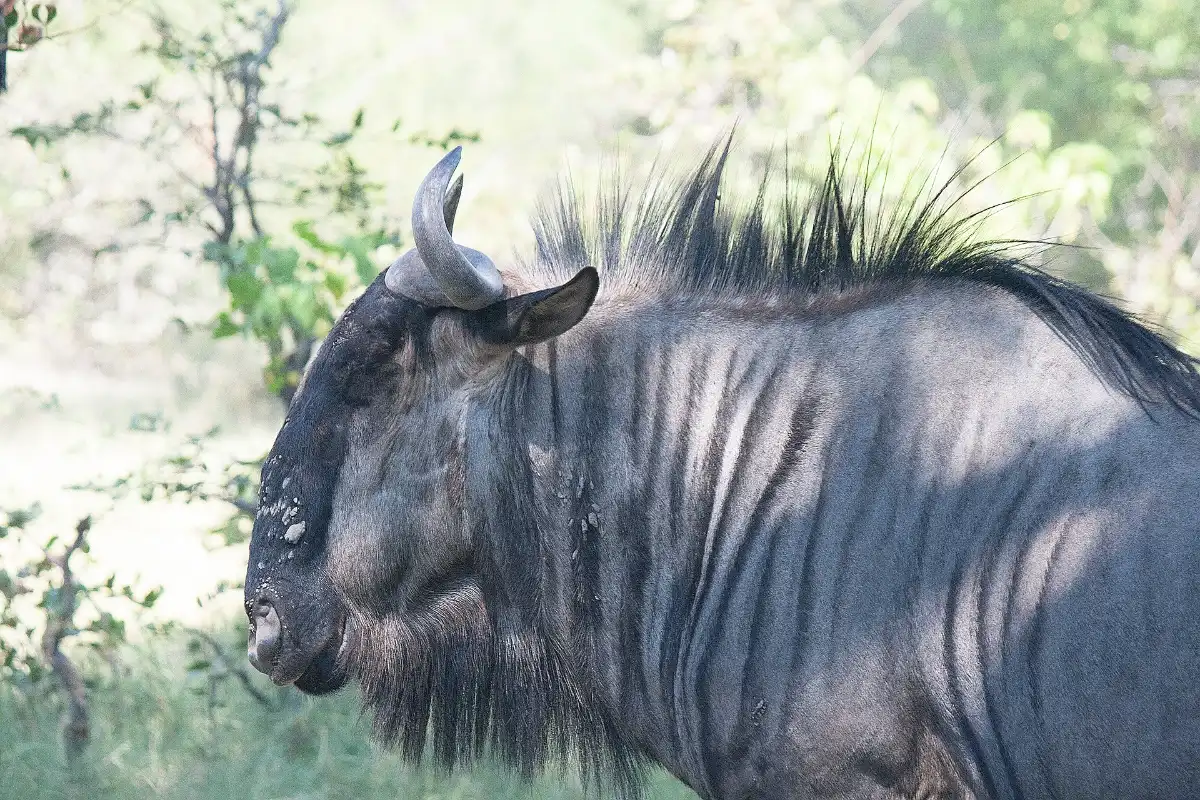
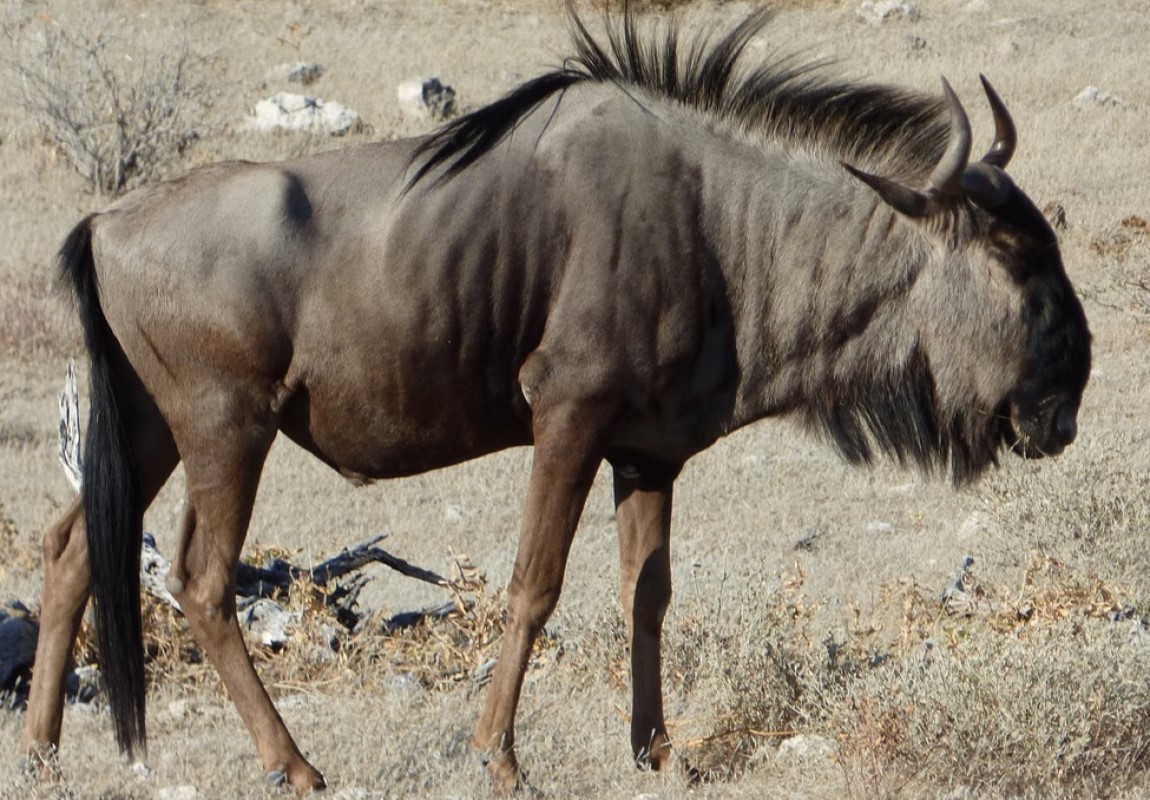
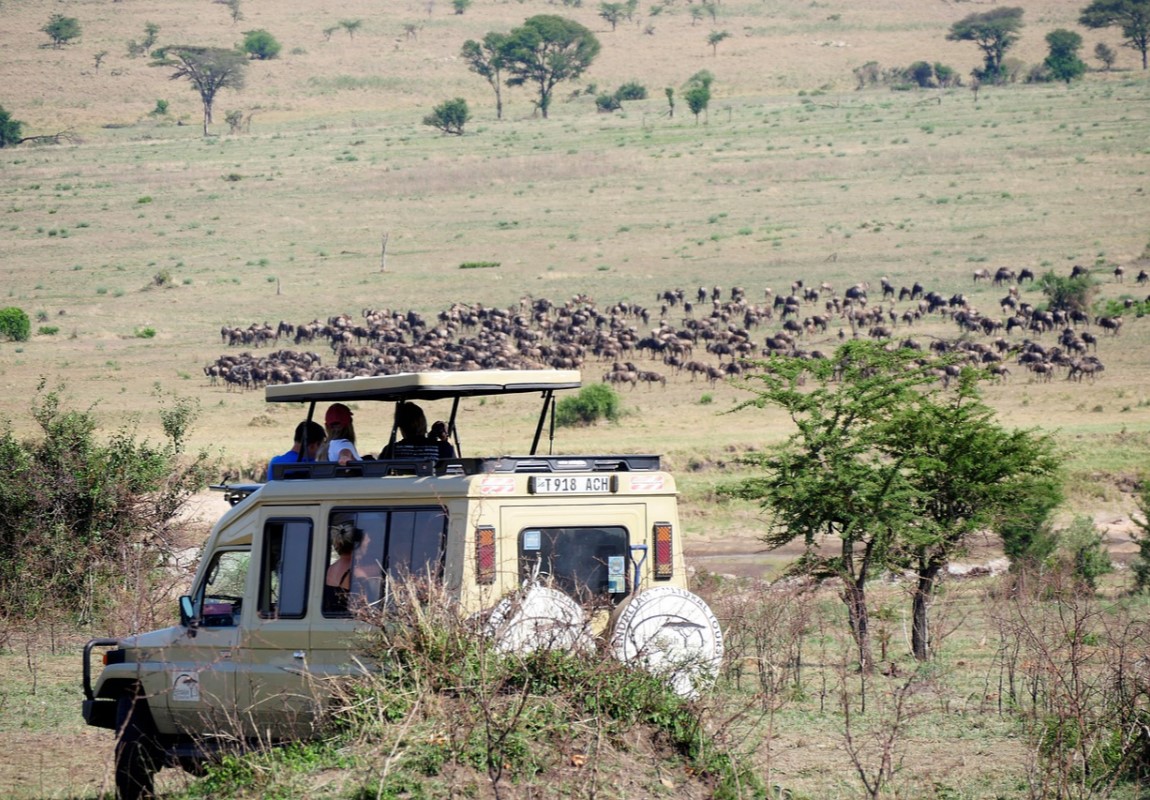
Those wishing to encounter the great migration of the white-bearded wildebeest can observe this scene directly in the Maasai Mara when the migration passes into southern Kenya from July through late October. More than 2,000,000 herbivores advance north from the Serengeti in Tanzania into Kenya as they follow the yearly downpour designs in their interminable hunt for lusher, greener grass. 

Best Time for Wildlife Viewing

Wildlife viewing can be done throughout the year in Kenya, but still, the best time to visit is in the Dry season from June to October. This includes the great wildebeest migration in Masai Mara. The parks are much quieter in the low season, and prices are more competitive as well.

Birds

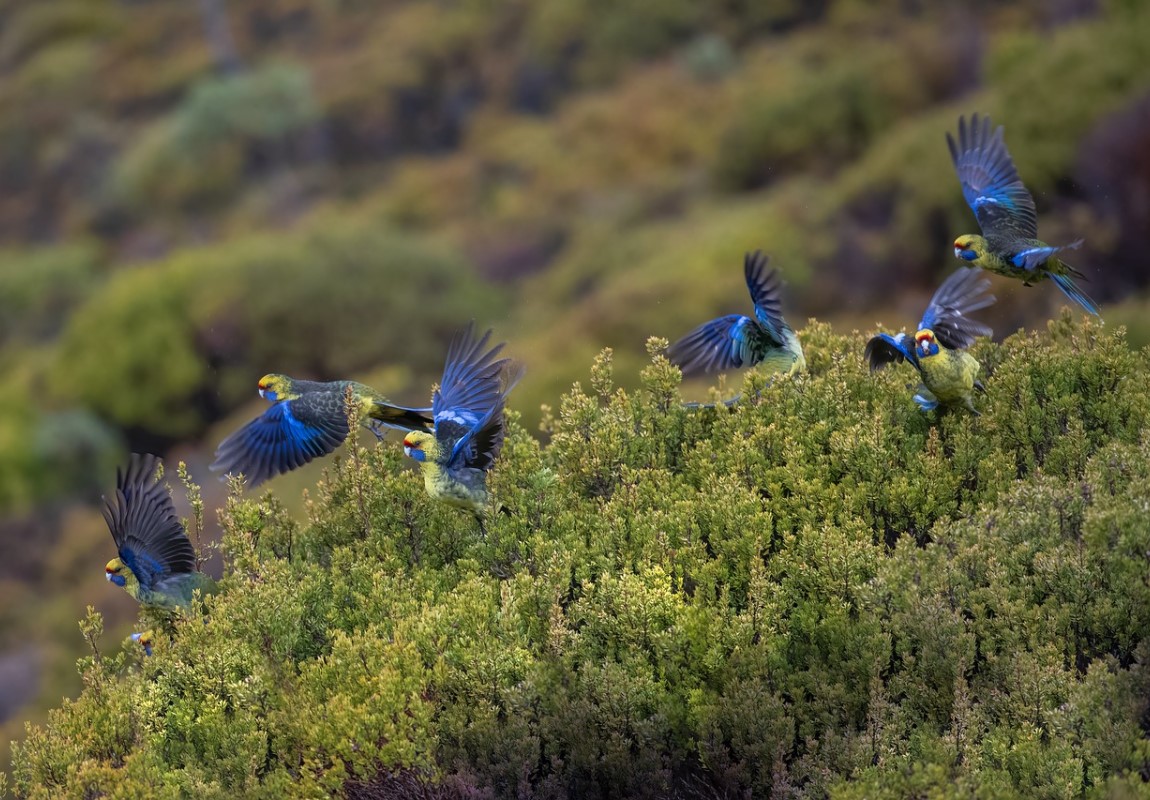
With over 1100 species recorded, Kenya is one of the best birding destinations in Africa, from the alpine Mt. Kenya and the western lowland forests at Kakamega to soda-encrusted, flamingo-filled Rift Valley lakes. On any birding trip, you can without much of a stretch see a respectable number of endemic and near-endemic species. These birds are targeted specifically because they unexpectedly enter the country or pass by without being noticed. From September to April, immigrants from Europe are available.

Best Time for Wildlife Viewing

Birding can be done throughout the year in Kenya, but the best time to visit is from September to April when migratory birds from Europe and northern Africa are present. At this time, many resident bird species are nesting and breeding plumage. For wildlife viewing, however, the Dry season is better.

Activities

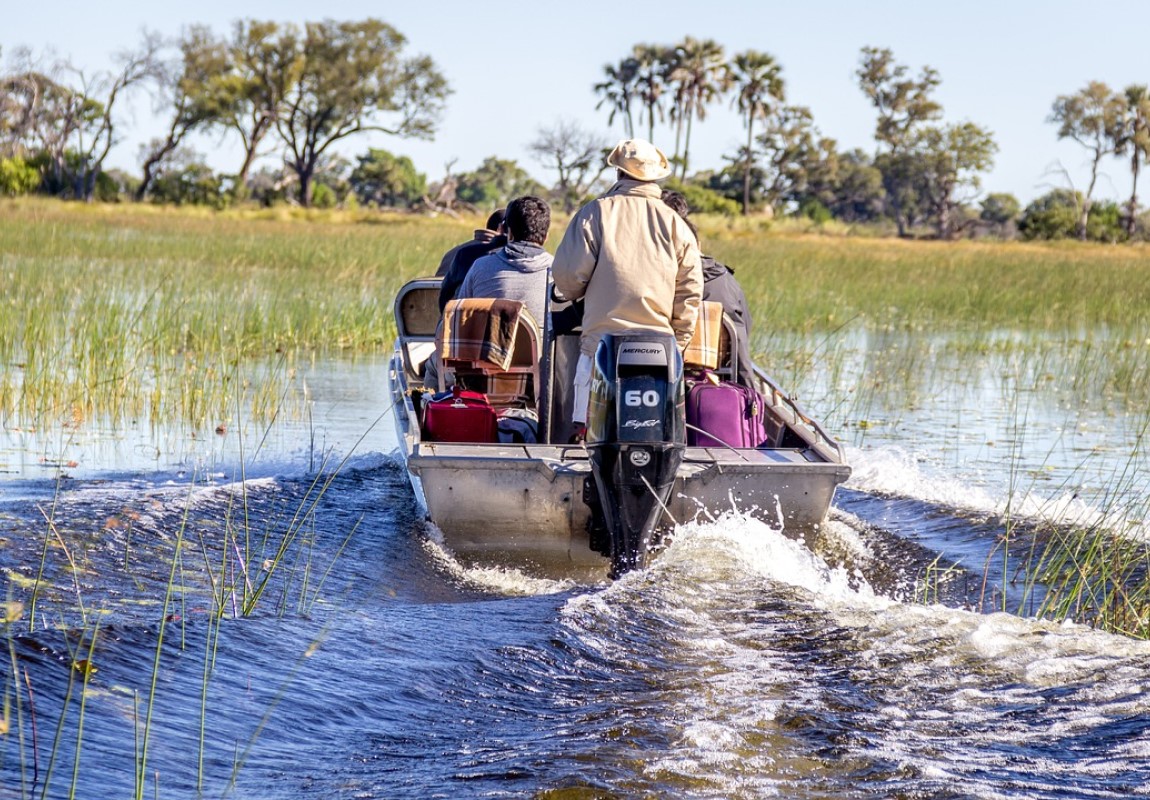
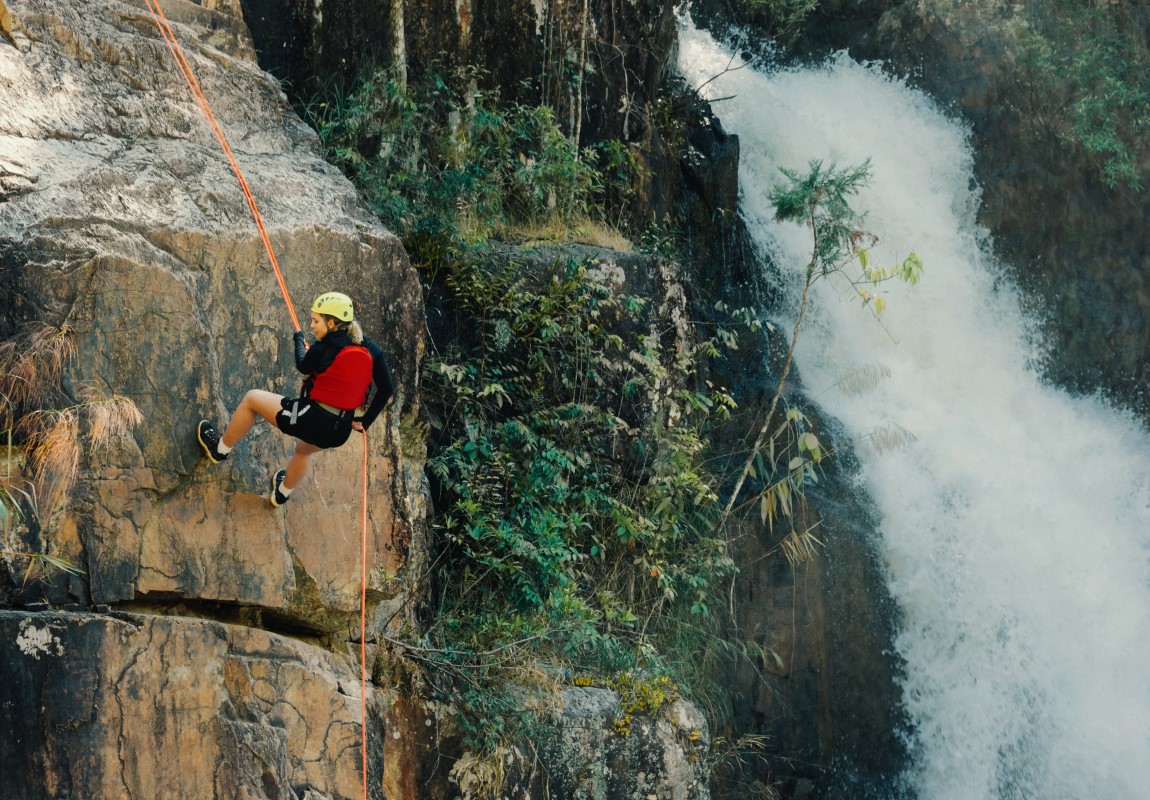
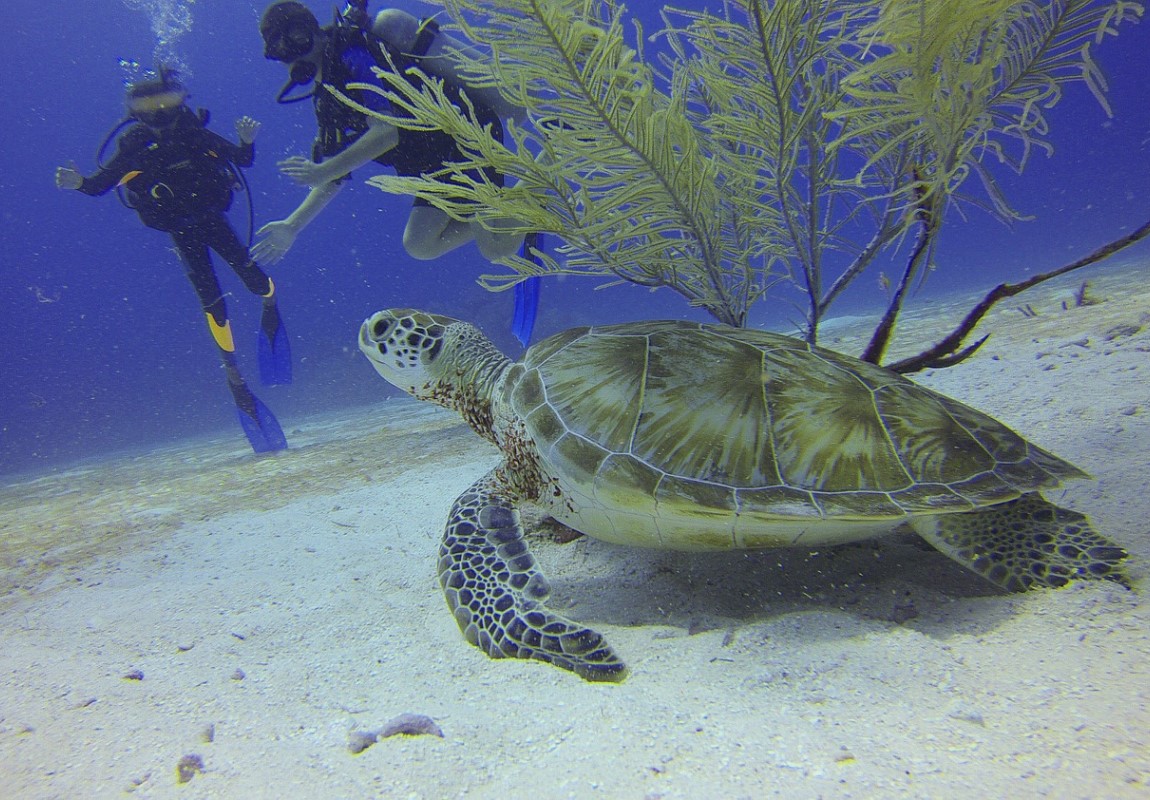
From game drives and walking safaris to cultural encounters and adventure excursions, Kenya offers a wide variety of activities for every type of traveler.

Cuisines

Kenyan dishes are among the best you will ever devour. Ask any Kenyan who lives away and they will tell you how much they miss Kenyan cuisine. Kenya is a country with 42 tribes and almost every community has its own unique dish. The culinary scene varies throughout the country. The fact is you will never taste all of them but make sure you try the following dishes before leaving Kenya so you can judge Kenya’s cuisine. The fact is you will never taste all of them but make sure you try the following dishes before leaving Kenya so you can judge Kenya’s cuisine.
Ugali (Cornmeal), Samaki (Fish), Nyama Choma (Grilled Meat), Kachumbari (Tomato and Onion Salsa), Githeri (Boiled Corn and Beans), Mukimo (No occasion is complete without mukimo), Matoke (Plantain Banana Stew), Omena (Silver Fish), Ingoho (Chicken), Sukumawiki (Kale/Collard Greens), Kenyan Style Stew, Mutura (Kenyan Sausage), Mrenda (Jute Mallow), Wali wa Nazi (Coconut Rice), Makai (Roast Maize) and Chips Mayai (Omelet and French fries).


Culture

Kenya is not a homogeneous country ethnicity-wise. The make-up of Kenyans is primarily that of 13 ethnic groups with an additional 27 smaller groups. The majority of Kenyans belong to ‘Bantu’ tribes such as the Kikuyu, Luhya and Kamba. There are also the ‘Nilotic’ tribes such as the Luo, Kalenjin, Maasai and Turkana. The ‘Hamitic’ people include the Turkana, Rendille and Samburu. Around 13% of the population are of non-African descent, i.e. Indian, Arab and European.
Kenyans are group-orientated rather than individualistic. “Harambee,” (coming from the Bantu word meaning “to pull together”) defines the people’s approach to others in life. The concept is essentially about mutual assistance, mutual effort, mutual responsibility and community self-reliance.

National Parks & Game Reserves

Kenya is home to some of the most spectacular national parks and game reserves in Africa. From vast savannahs to dense forests, each park offers unique landscapes, diverse wildlife, and unforgettable safari experiences. Whether you’re searching for the Big Five or hidden natural wonders, Kenya has something for every safari enthusiast.

Maasai Mara NR

Masai Mara National Reserve situated in southwest Kenya is an immense scenic spread of delicately...

Lewa Wildlife Conservancy

The Lewa Wildlife Conservancy (also known as Lewa Downs) is located in northern Kenya and is a pr...

Tsavo West National Park

Tsavo National Park is one of the largest national parks on the planet which covers 4% of Kenya. ...

Lake Nakuru NP

On the floor of the Great Rift Valley, encircled by a lush and ragged meadow, lies the delightful...

Amboseli National Park

Crowned by Mount Kilimanjaro, Africa's highest peak, the Amboseli National Parks is one of Kenya'...

Aberdare National Park

The Aberdare National Park is a protected area in the Aberdare Mountain Range in central Kenya lo...

Lake Bogoria National Reserve

Lake Bogoria National Reserve is in the Great Rift Valley, Kenya, covering Lake Bogoria and the l...

Nairobi National Park

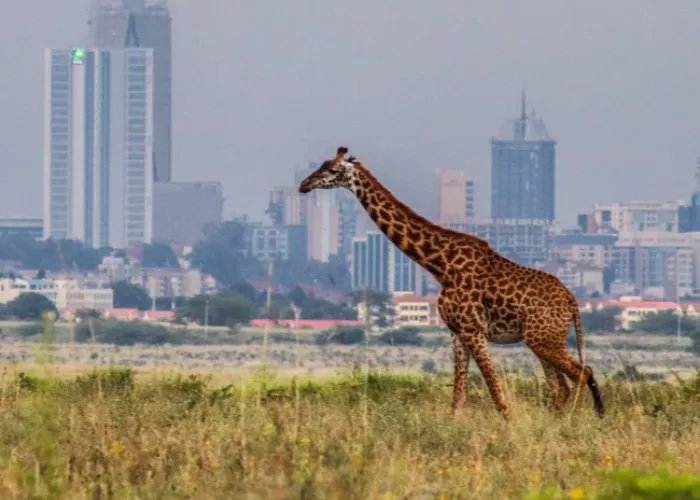
Nairobi National Park is the world’s only protected area that lies so close to a capital city. ...

Tsavo East National Park

Tsavo National Park is one of the largest national parks on the planet which covers 4% of Kenya. ...

Ol Pejeta Conservancy

The Ol Pejeta Conservancy is a not-for-profit-driven wildlife conservancy in Central Kenya's Laik...

Samburu National Reserve

The Samburu National Reserve is a game reserve on the banks of the Ewaso Ng'iro river in Kenya. T...

Malindi

Malindi is one of Kenya’s most famous coastal destinations, located along the Indian Ocean and ...

Meru National Park

Meru National Park is a remote national park in Kenya. This wild and beautiful park has diverse l...

Kakamega Forest NR

Time has stopped for the Kakamega Forest, a remnant of the tropical jungle that extended all over...

Saiwa Swamp National Park

Saiwa Swamp National Park is situated close to Kitale, in Trans-Nzoia County, Rift Valley Provinc...

Lake Turkana NP

Lake Turkana National Parks is a group of three national parks situated around Lake Turkana in Ke...

Chyulu Hills National Park

The Chyulu Hills is a mountain range in Makueni County, South Eastern Kenya. Verdant rolling hill...

Ruma National Park

Ruma National Park is the only terrestrial park in Kenya's Nyanza Province. A mosaic of scenes, g...

Shaba National Reserve

Shaba National Reserve is a protected region in Isiolo County in northern Kenya toward the east o...

Shimba Hills National Reserve

The Shimba Hills National Reserve is a small National Reserve in the former Coast Province of Ken...

Solio Game Reserve

Solio Ranch or Solio Game Reserve is a privately-owned wildlife conservancy situated in Kenya's C...

Arabuko Sokoke National Reserve

The Arabuko Sokoke Forest Reserve is located on the coast of Kenya, 110 km north of Mombasa and i...

Marsabit National Park

Far toward the north of Kenya, a thickly forested mountain and three pit lakes give a safe house ...

Buffalo Springs NR

Buffalo Springs National Reserve, Shaba National Reserve and Samburu National Reserve share a sim...

Kora National Park

Kora National Park is situated in Tana River County, Kenya. Home to the Adamsons' Camp - Kampi ya...

Nairobi

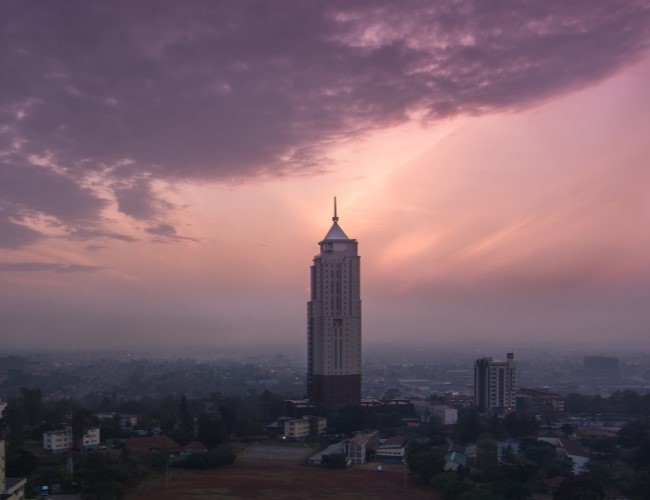
Nairobi is a 4.4 million-person city on the Nairobi River. It is Kenya's political, financial, an...

Diani Beach

Diani Beach is a popular tourist destination located on the South Coast of Kenya, in East Africa....

Mombasa

Mombasa is Kenya's most popular tourist destination. It is located on Kenya's eastern coast, bord...

Watamu

Watamu is a small town on Kenya's Indian Ocean coast, about 105 kilometres north of Mombasa and 1...

Showing 1-0 of 0 reviews
Recently Added
5 Stars Only
4 Stars and above
3 Stars and above

No reviews yet for this destination. Be the first to share your experience !

Safety & Security

Kenya is one of Africa's most popular tourist destinations, with world-class national parks, the annual wildebeest migration, and a stunning coastline. The country has had several security issues, which harmed tourist numbers for a while, but it has recovered thanks to its tourism pedigree. People from all over the world visit Kenya to experience the richness of its culture as well as its stunning parks with abundant wildlife. The United States has sent the most tourists to Kenya, followed by the United Kingdom, India, and China.

Please see the links below for travel advice on Kenya Safari Trips:


General Safety Tips

  • Keep valuables secure and avoid displaying expensive items
  • Stay alert in crowded areas and tourist hotspots
  • Use registered tour operators and licensed guides
  • Follow local customs and respect cultural sensitivities
  • Keep copies of important documents in a safe place

Safari Safety

  • Always follow your guide's instructions during game drives
  • Stay inside your vehicle unless instructed otherwise
  • Keep noise levels low to avoid startling wildlife
  • Never approach or feed wild animals
  • Carry essential medications and first aid supplies

Health & Medical

Before traveling to Kenya, consult with your healthcare provider about recommended vaccinations and health precautions. Common recommendations include malaria prophylaxis, hepatitis A and B vaccines, and routine immunizations. Carry any necessary medications and consider travel insurance that covers medical emergencies.

Getting There

Tourists can visit these safari locations once in Kenya and can show up via air, land or ocean, however, flights are the most favoured mode of transport. Kenya is a huge nation and while you can go via vehicle on a safari circuit, getting between the various regions is better on a booked flight.Kenya's main airport is Jomo Kenyatta International Airport (NBO), located 15km/9mi southeast of Nairobi. Kenya's second international Airport is Moi International Airport (MBA), located 9km/6mi west of Mombasa, but aside from flights to Zanzibar, this is primarily used for domestic and charter flights.From Nairobi or Mombasa, one can fly or drive between reserves, or opt to do a bit of both. Most domestic flights out of Nairobi depart from Wilson Airport (WIL), 6km/4mi south of Nairobi.

Travel Requirements

  • All foreign visitors need a passport that is valid for at least six months
  • Passports must have a clean and a full visa page for endorsement.
  • When arriving from a yellow-fever-infected country in Africa or the Americas a yellow fever vaccination certificate is required.
  • Citizens of most countries require a visa. A list of countries that don't need a visa is available.
  • Visas are best obtained in advance through an official online visa-application portal (Link), but they can also be obtained through your local Kenyan Embassy or High Commission.
  • Visas can also be obtained on arrival but this is a lengthy process that can take one to two hours.

Domestic Transportation

Wilson Airport (WIL) is used for flights to Tanzania and domestic flights.Domestic flights can be booked with several carriers:

The best time to visit Kenya for safari is during the dry season from June to October and January to February. During these months, wildlife congregates around water sources making animals easier to spot, vegetation is less dense, and roads are more accessible. The peak season coincides with the Great Wildebeest Migration (July-October) in the Masai Mara. However, the wet season (March-May and November-December) offers lower prices, fewer crowds, and excellent bird watching opportunities with migratory species present.
Kenya safari costs vary widely depending on accommodation type, season, and safari length. Budget camping safaris start from $150-250 per person per day, mid-range lodge safaris cost $300-500 per person per day, while luxury and exclusive safari experiences range from $600-1500+ per person per day. A typical 7-day safari package costs between $2,000-10,000 per person. Prices include accommodation, meals, park fees, game drives, and guide services. Peak season (July-October) commands premium prices, while shoulder seasons offer better value.
Most international visitors require a visa to enter Kenya. Citizens from most countries can apply for an e-Visa online before travel through the official Kenya eVisa portal, which costs $51 for a single-entry tourist visa valid for 90 days. The application process takes 2-7 business days. Some African countries and a few others have visa-free or visa-on-arrival arrangements. Your passport must be valid for at least six months from your date of entry and have at least two blank pages. Always check current requirements as visa policies can change.
Yellow fever vaccination is mandatory if you are arriving from a yellow fever endemic country and recommended for all travelers visiting certain regions. Other recommended vaccinations include Hepatitis A and B, Typhoid, Tetanus, and Rabies (especially if you will be in remote areas). Malaria prophylaxis is strongly advised for most safari destinations and coastal areas. Consult your doctor or travel clinic at least 6-8 weeks before departure as some vaccines require multiple doses. Bring your yellow fever certificate as proof of vaccination may be required at entry.
Kenya is generally safe for tourists, especially in main safari destinations, national parks, and popular tourist areas. The government prioritizes tourist safety, and millions visit Kenya annually without incident. Exercise normal precautions in Nairobi and Mombasa - avoid walking alone at night, use registered taxis or hotel transport, and keep valuables secure. Safari parks and established lodges have excellent security. Some border regions near Somalia are not recommended for travel. Always follow your guide's instructions during game drives, stay updated on travel advisories, and use reputable tour operators.
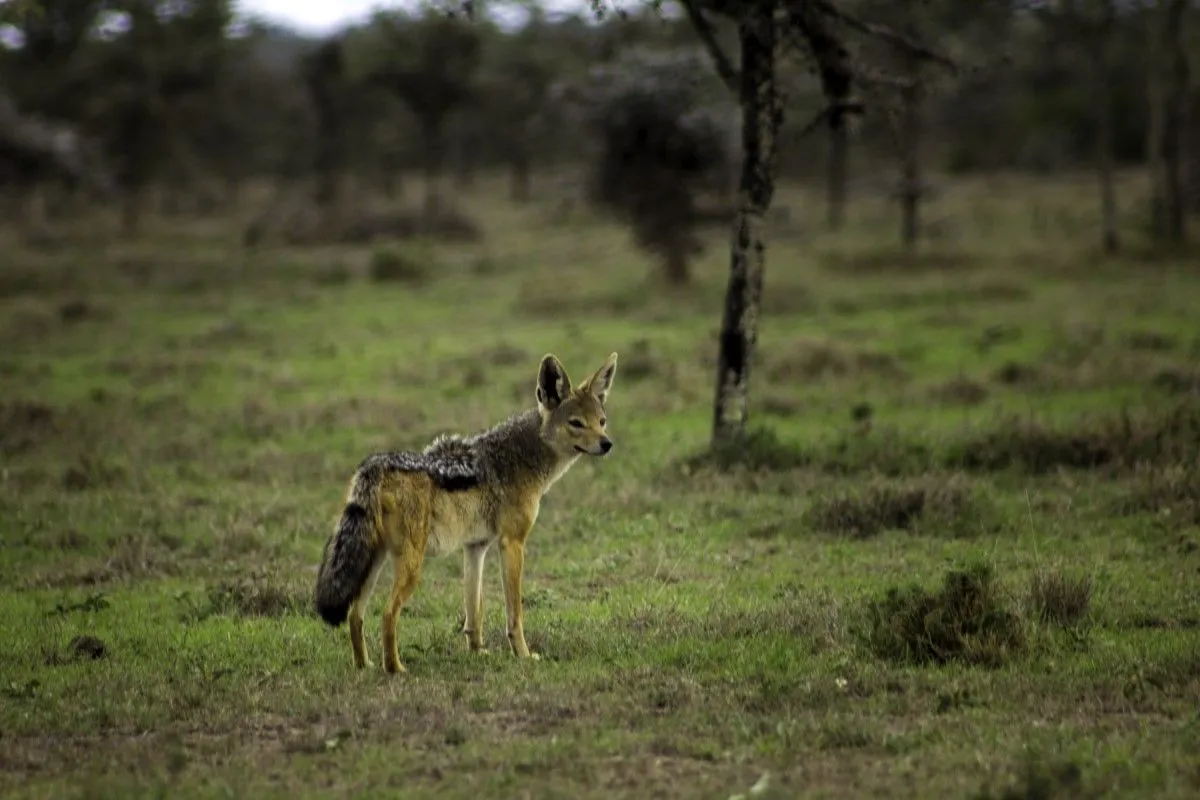
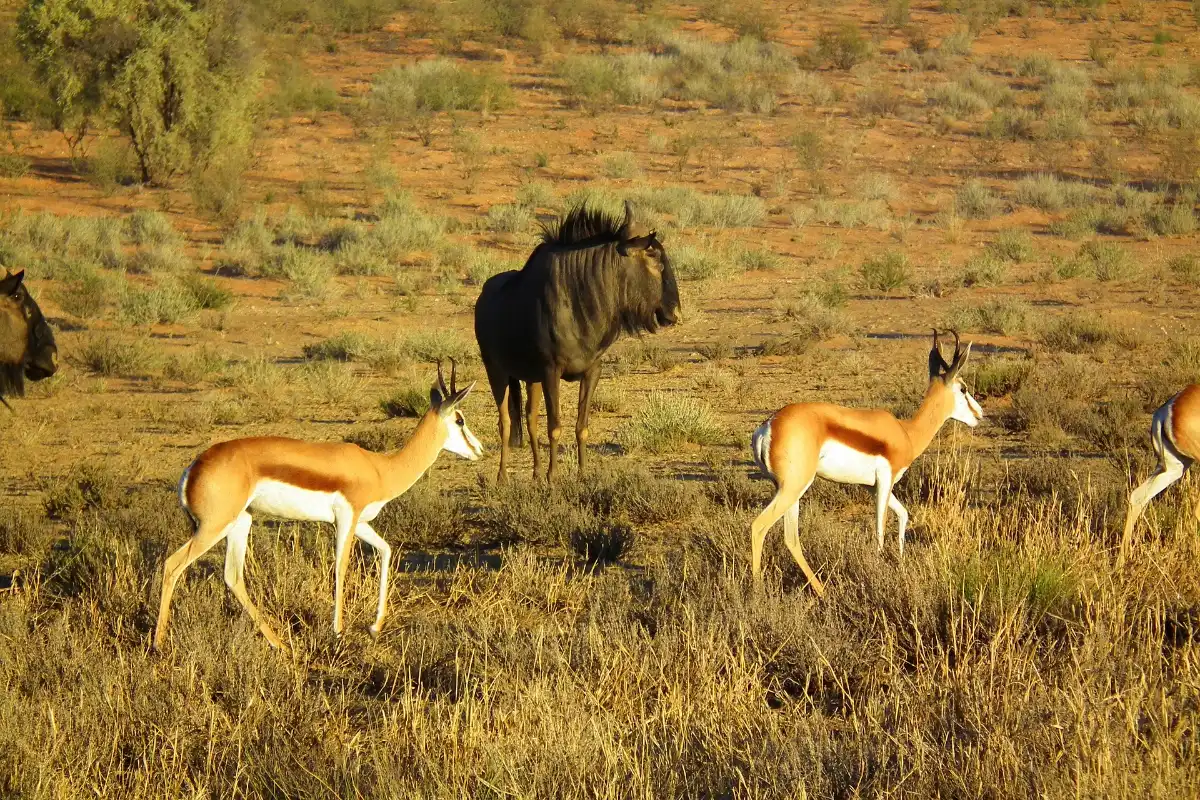
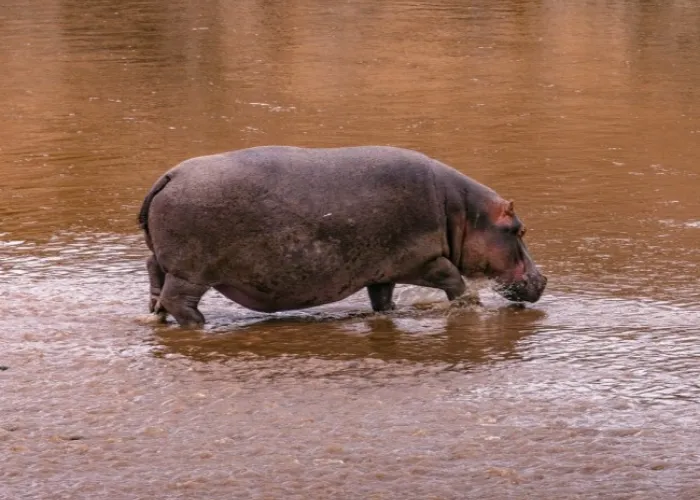
Kenya safaris offer incredible wildlife diversity. The "Big Five" (lion, leopard, elephant, buffalo, and rhino) can be seen in parks like Masai Mara, Amboseli, Tsavo, and Samburu. Common sightings include zebras, wildebeest, giraffes, hippos, crocodiles, various antelope species (impala, gazelle, topi), hyenas, jackals, and cheetahs. The Great Wildebeest Migration features over 2 million wildebeest and zebras. Kenya has over 1,100 bird species. Rare species like Grevy's zebra, reticulated giraffe, and gerenuk are found in northern parks. Wildlife viewing success depends on season, location, and luck.
The Great Wildebeest Migration reaches Kenya's Masai Mara National Reserve typically from July through October, with peak crossings of the Mara River occurring in August and September. The exact timing varies annually based on rainfall patterns. The dramatic river crossings, where wildebeest brave crocodile-infested waters, are most frequent in August-September. By October, herds begin their return journey to Tanzania's Serengeti. July sees the arrival of the migration, while late October to November marks their departure. Book accommodations 6-12 months in advance for this peak season.
Essential safari packing includes neutral-colored clothing (khaki, olive, beige) to blend with the environment, lightweight long-sleeved shirts and pants for sun and insect protection, a warm fleece or jacket for early morning game drives, comfortable walking shoes, sunhat, sunglasses, and high SPF sunscreen. Bring binoculars, camera with zoom lens, spare batteries and memory cards, insect repellent with DEET, personal medications, and copies of important documents. Most lodges offer laundry services, so pack light. Avoid camouflage patterns (restricted in Kenya) and bright colors that may disturb wildlife. A small backpack for daily game drives is essential.
Kenya has no single "best" park as each offers unique experiences. Masai Mara is renowned for the Great Migration and high predator density. Amboseli offers spectacular elephant herds with Mount Kilimanjaro views. Samburu features unique northern species like Grevy's zebra and reticulated giraffe. Tsavo East and West are Kenya's largest parks with vast wilderness and famous red elephants. Lake Nakuru is excellent for rhinos and flamingos. First-time visitors often prefer Masai Mara for diverse wildlife and excellent infrastructure. Multi-park safaris provide the most comprehensive experience, combining different ecosystems and wildlife populations.
A minimum of 5-7 days is recommended for a fulfilling Kenya safari experience. This allows time for 2-3 different parks or reserves, adjusting to the environment, and maximizing wildlife sightings without feeling rushed. A 3-4 day safari covers one main park (typically Masai Mara) with some beach time. A 7-10 day safari combines multiple parks like Masai Mara, Amboseli, and Samburu with varied ecosystems. For the ultimate experience including migration viewing, diverse wildlife, and relaxation, 10-14 days is ideal. Consider travel time between parks (3-6 hours typically) when planning. Longer safaris increase chances of rare sightings and allow a more relaxed pace.
Self-drive safaris are possible in Kenya but not commonly recommended for first-time visitors. While some parks allow self-driving with a 4WD vehicle, most travelers choose guided safaris for safety, expertise, and significantly better wildlife spotting. Challenges include rough roads, navigation difficulties, park regulation complexities, and lack of expert knowledge for finding animals. If self-driving, you need an international driving permit, comprehensive insurance, a reliable 4WD with high clearance, camping equipment if budget camping, and thorough research of park rules. Nairobi and Mombasa traffic can be chaotic. Guided safaris provide armed rangers for walking safaris, expert tracking skills, and safety advantages that greatly enhance the experience.
Game drives are vehicle-based wildlife viewing excursions conducted in open-sided 4WD safari vehicles, typically lasting 3-4 hours in early morning or late afternoon when animals are most active. They cover larger distances and allow closer approaches to dangerous animals safely. Game walks are guided walking safaris led by armed rangers, offering intimate bush experiences where you track animals on foot, learn about smaller wildlife, plants, and animal tracks. Walks typically last 2-3 hours and focus on ecosystems rather than just large animals. Game drives are standard in all safari packages, while game walks are specialty experiences available in specific areas like Masai Mara conservancies and private reserves, offering adventurous travelers a different perspective on African wilderness.
Malaria is present in most of Kenya's safari destinations except high-altitude areas above 2,500 meters like Nairobi and the highlands. Risk is highest in coastal areas, western Kenya, and all major safari parks. Prevention is essential: take antimalarial prophylaxis prescribed by your doctor (start before arrival, continue during, and after your trip as directed), use insect repellent containing 30-50% DEET, wear long sleeves and pants during dusk and dawn when mosquitoes are most active, sleep under mosquito nets (provided by most lodges), and consider treating clothes with permethrin. Most safari lodges implement mosquito control measures. Symptoms include fever, chills, and flu-like illness - seek immediate medical attention if these develop.
Kenya's official currency is the Kenyan Shilling (KES), with exchange rates typically around 100-150 KES to 1 USD. US dollars are widely accepted at safari lodges, hotels, and for tour payments, preferably bills dated 2013 or newer. Major credit cards (Visa and Mastercard) are accepted in cities and established lodges, though cash is needed for markets, tips, and rural areas. Exchange money at banks, authorized forex bureaus, or withdraw from ATMs in major towns for the best rates. Avoid exchanging at airports due to poor rates. Keep small denomination shillings for tips, souvenirs, and incidental expenses. Most safari packages are pre-paid, so you need spending money mainly for tips, drinks, and personal purchases.
Kenya offers diverse safari accommodation options to suit all budgets and preferences. Budget options include public campgrounds and basic bandas (simple huts) from $30-100 per person. Mid-range includes comfortable tented camps and lodges with en-suite facilities ($150-400 per person per night). Luxury options feature upscale lodges, luxury tented camps with gourmet dining, swimming pools, and spa facilities ($500-1000+ per person per night). Ultra-luxury includes exclusive conservancy camps, private villas, and mobile camps ($1000-2000+ per person per night). Tented camps offer authentic safari experiences while lodges provide more permanent structures. Location matters - properties inside national parks offer convenience while conservancy camps outside parks allow walking safaris and night drives.
Yes, Kenya safaris can be excellent family experiences, though age restrictions vary by accommodation and activity. Many lodges and camps welcome children with minimum ages ranging from 3-12 years depending on the property. Some luxury camps are adults-only while others specialize in family safaris with interconnected tents, child-friendly meals, and junior ranger programs. Children under 5 may find long game drives challenging; shorter drives and properties with pools and activities work best. Most parks allow children in vehicles, but walking safaris typically require minimum age 12-16. Consider malaria risk areas, ensure children have appropriate vaccinations, and choose accommodations with family rooms and childcare. Private vehicle safaris offer more flexibility for families than group tours.
Tipping is customary and important in Kenya's tourism industry. Recommended daily tipping guidelines: safari guide/driver $15-25 per person per day for excellent service, lodge/camp staff $10-15 per person per day (placed in a communal tip box), private vehicle driver $10-20 per day, and porters $2-5 per bag. For exceptional service, tip generously. Tips are usually given in US dollars or Kenyan shillings at the end of your safari or lodge stay. If on a group tour, coordinate with fellow travelers for guide tips. Many lodges provide tip boxes in communal areas for camp staff, while guide tips are given directly. Factor tips into your safari budget as they represent a significant portion of staff income in this service-oriented industry.
Kenya has diverse climates due to varied topography. Coastal areas are hot and humid year-round (25-32°C/77-90°F). Safari destinations have two distinct seasons: dry season (June-October and January-February) with warm days (25-28°C/77-82°F) and cool mornings/evenings (10-15°C/50-59°F), and wet season (March-May long rains, November-December short rains) with afternoon showers and lush landscapes. Nairobi and highlands are cooler (15-25°C/59-77°F) due to higher elevation. Northern Kenya is hot and arid. Pack layers as temperatures fluctuate significantly between day and night in safari areas. The equatorial location means consistent 12-hour days year-round. Dry season offers best wildlife viewing but wet season provides dramatic skies, fewer tourists, and lower prices.
Absolutely! The classic "bush and beach" combination is popular and highly recommended. Kenya's Indian Ocean coastline offers stunning white-sand beaches, coral reefs, and excellent resorts. After 5-7 days of safari, 3-5 days at the coast provides perfect relaxation. Popular beach destinations include Diani Beach (best beaches and resorts), Watamu (excellent for snorkeling and diving), Malindi (historic Swahili culture), and Lamu Island (UNESCO World Heritage Site with authentic culture). Most itineraries fly from Masai Mara or Nairobi directly to coastal airports (Mombasa, Malindi, or Diani). This combination balances adventure with relaxation and is ideal for families and couples. Consider timing - March-April can be too rainy on the coast.
Yes, comprehensive travel insurance is essential for Kenya safaris. Ensure your policy covers medical emergencies including evacuation (critical as nearest advanced medical facilities may be hours away), trip cancellation and interruption (safaris involve significant prepayment), lost or delayed baggage, and adventure activities if doing walking safaris, hot air balloon rides, or other activities. Verify coverage for safari-specific risks and that Kenya is included in covered destinations. Medical evacuation from remote safari areas to Nairobi can cost $10,000-50,000 without insurance. Some tour operators require proof of insurance. Purchase insurance immediately after booking to maximize coverage benefits. Read policy exclusions carefully, especially regarding pre-existing conditions and adventure activities.
Kenya has two official languages: English and Swahili (Kiswahili). English is widely spoken in tourist areas, safari lodges, and by guides, making communication easy for international visitors. Swahili is the national language and serves as a lingua franca among Kenya's diverse ethnic groups. In urban areas and tourist destinations, you will have no language barriers with English. Rural areas may have less English proficiency, but guides always speak excellent English. Learning basic Swahili phrases enhances your experience: "Jambo" (Hello), "Asante" (Thank you), "Habari" (How are you?), "Karibu" (Welcome), "Pole pole" (Slowly/carefully). Additionally, Kenya has over 40 ethnic languages spoken by different communities. Your safari guide can often communicate in multiple local languages.
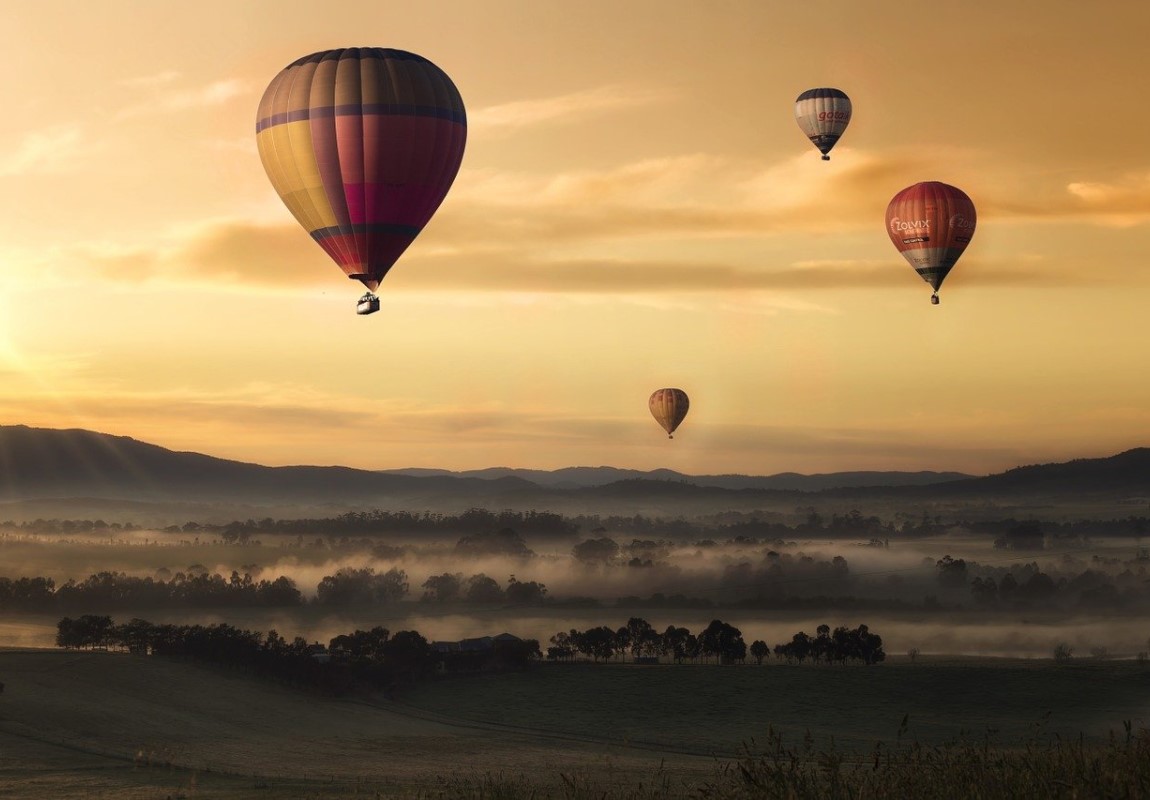
Yes, hot air balloon safaris are available and highly recommended, offering a magical perspective of the African savanna. The Masai Mara offers the most famous balloon safari experience, launching at dawn to float silently over wildlife-rich plains, often witnessing the wildebeest migration from above. Flights last approximately one hour, followed by a champagne breakfast in the bush. Cost is typically $400-500 per person. Other locations offering balloon safaris include Amboseli (with Kilimanjaro views), Samburu, and some private conservancies. Advance booking is essential, especially during peak season (July-October). Flights are weather-dependent and occasionally cancelled for safety. Minimum age is usually 7 years, and some weight restrictions apply. This once-in-a-lifetime experience provides stunning photography opportunities and unforgettable memories.
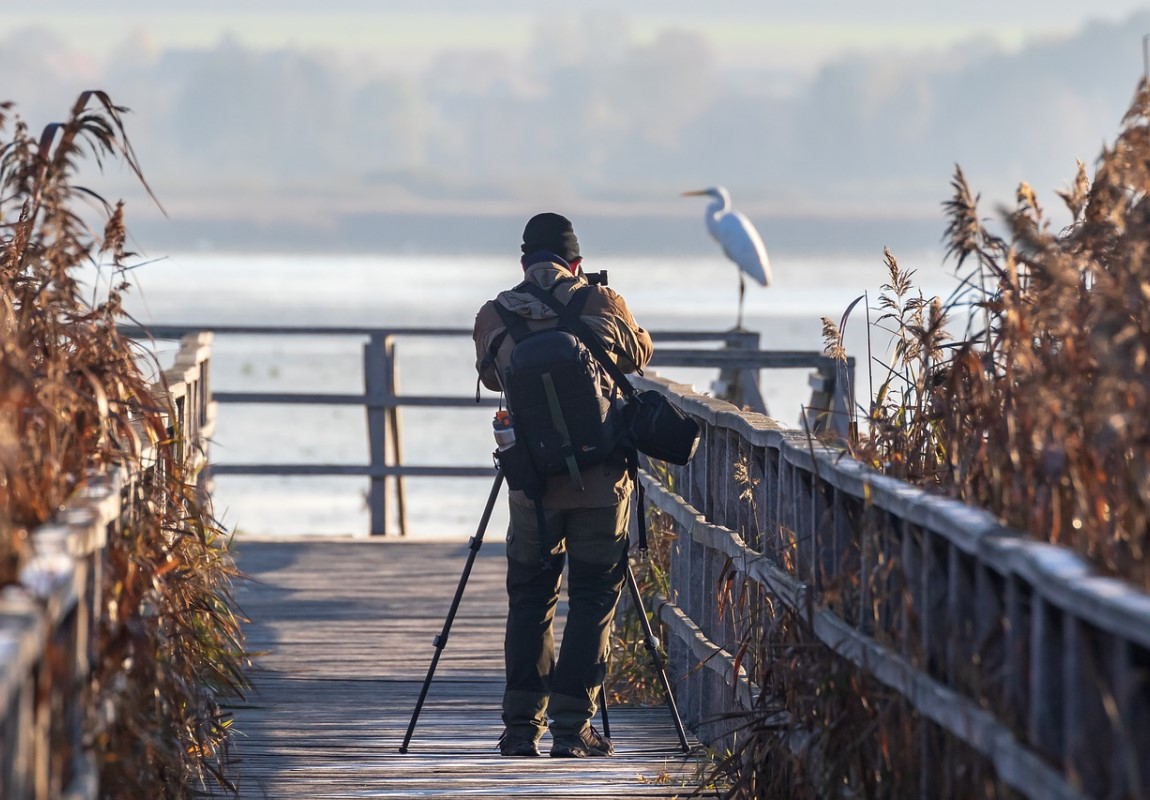
Successful wildlife photography requires preparation and technique. Bring a DSLR or mirrorless camera with a telephoto zoom lens (200-400mm minimum, 400-600mm ideal), though modern smartphones produce surprisingly good results. Essential accessories include spare batteries (cold mornings drain them quickly), multiple memory cards, a beanbag for stabilizing your camera on vehicle doors, and a dust cover. Photograph during golden hours (early morning and late afternoon) for best lighting. Use fast shutter speeds (1/500s minimum) to freeze motion, shoot in RAW format for maximum editing flexibility, and focus on the animal's eyes. Respect your guide's positioning instructions and never pressure them to disturb animals for photos. Patience is crucial - sometimes waiting quietly yields the best shots. Consider bringing a backup camera and protect gear from dust with sealed bags.
Standard game drive safaris are not physically demanding and suitable for most fitness levels and ages. Activities involve sitting in vehicles during 3-4 hour game drives twice daily with comfort stops. Lodges and camps are accessible, though some luxury tented camps require walking on uneven ground. More adventurous options like walking safaris, gorilla trekking, or hiking require moderate to good fitness. Long drives between parks (4-8 hours) can be tiring on rough roads. Early morning starts (5:30-6:00 AM) are standard for best wildlife viewing. High altitude areas like Mount Kenya require acclimatization. Those with mobility concerns should inform operators in advance for appropriate accommodations - many lodges are wheelchair accessible. Overall, safaris are about observation and patience rather than physical exertion, making them accessible to a wide age range from children to seniors.
Mobile connectivity varies significantly by location. Nairobi, Mombasa, and major towns have excellent 4G/5G coverage with reliable internet. Major safari lodges and camps in popular areas like Masai Mara typically offer Wi-Fi in common areas, though it may be slow or intermittent due to satellite connections. Remote wilderness camps may have limited or no connectivity, which many travelers appreciate as part of the authentic safari experience. Leading Kenyan networks are Safaricom (best coverage), Airtel, and Telkom. Consider purchasing a local SIM card at the airport for data if connectivity is important. Some luxury lodges have strong Wi-Fi throughout including in rooms. Remote areas, particularly in northern Kenya and deep in national parks, have no mobile signal. Check with your specific accommodation about connectivity if staying in touch is essential.
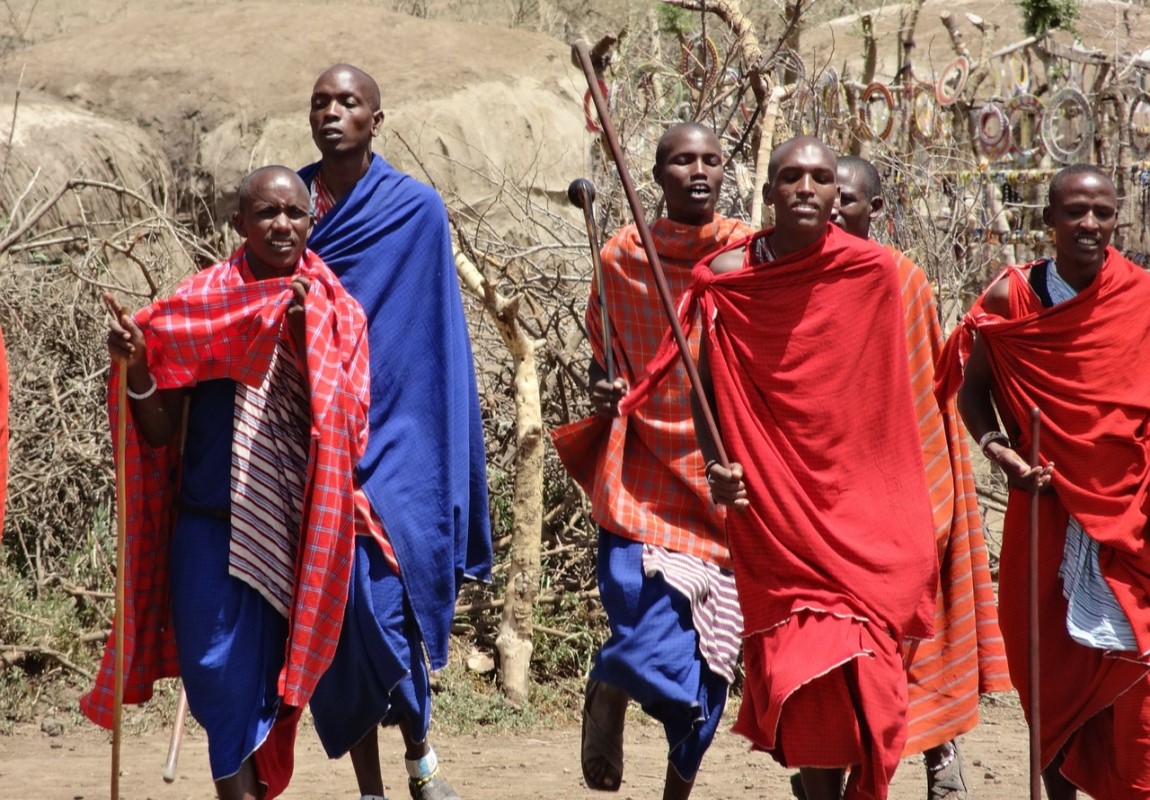
Yes, cultural experiences are often included or available as optional activities on Kenya safaris. Popular experiences include visits to Maasai villages (manyattas) where you can learn about traditional Maasai culture, lifestyle, beadwork, and participate in traditional dances. Many lodges partner with nearby communities for authentic cultural exchanges. Activities may include village tours, visits to local schools, market visits, and interactions with community members. Samburu region offers experiences with Samburu people, while coastal areas showcase Swahili culture. Ensure cultural visits are ethical and benefit local communities - choose operators that work directly with villages and where tourism income supports community development. Respect local customs, ask permission before photographing people, dress modestly (especially shoulders and knees covered), and bring small gifts like school supplies rather than money. These encounters provide meaningful insights into Kenyan life beyond wildlife viewing.
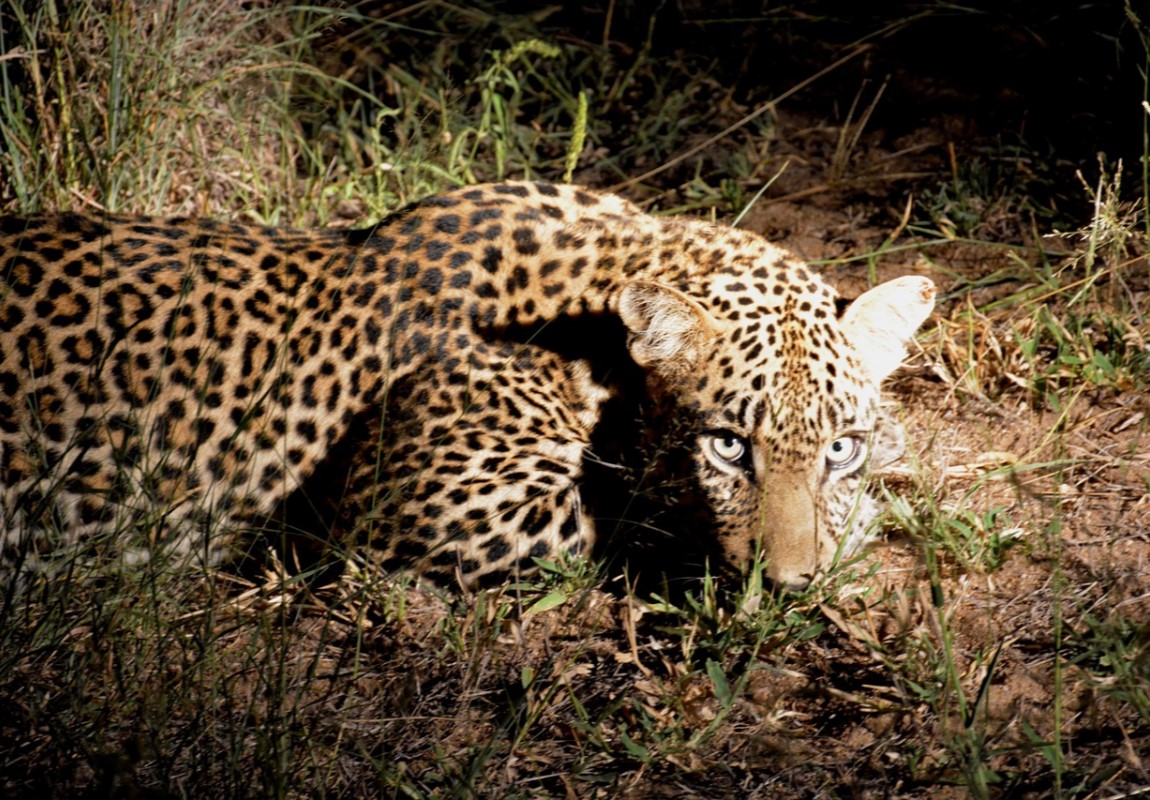
Kenya offers excellent opportunities to see the Big Five (lion, leopard, elephant, buffalo, and rhino), though seeing all five requires multiple days and sometimes visiting different parks. Masai Mara has strong Big Five presence with high lion and leopard populations, abundant elephants and buffalo, and increasingly successful rhino populations. Elephants are almost guaranteed in Amboseli and Masai Mara. Lions are frequently spotted in Masai Mara, Samburu, and Tsavo. Leopards, being elusive and solitary, are more challenging but regularly seen in Masai Mara, Samburu, and around lodges. Buffalo travel in large herds and are commonly sighted. Rhinos are endangered and hardest to spot - Lake Nakuru, Masai Mara conservancies, and Ol Pejeta have the best rhino viewing. A 7-day safari visiting 2-3 parks gives excellent chances of seeing all five, though leopards and rhinos require patience and luck.
Learning basic Swahili phrases enhances your Kenya safari experience and delights locals. Here are 10 essential phrases with pronunciations:

1) Jambo (JAM-bo) - Hello/Greetings
2) Habari (ha-BAR-ee) - How are you?
3) Nzuri (n-ZOO-ree) - Good/Fine (response to Habari)
4) Asante (ah-SAN-teh) - Thank you
5) Asante sana (ah-SAN-teh SAH-nah) - Thank you very much
6) Karibu (ka-REE-boo) - Welcome/You are welcome
7) Tafadhali (ta-fa-THAL-ee) - Please
8) Pole pole (POH-leh POH-leh) - Slowly/Carefully/Take it easy
9) Hakuna matata (ha-KOO-nah ma-TAH-tah) - No worries/No problem
10) Kwaheri (kwa-HEH-ree) - Goodbye

Bonus safari vocabulary: Simba (lion), Tembo (elephant), Twiga (giraffe), Punda milia (zebra). Your guide and lodge staff will appreciate your efforts to speak Swahili, even if just a few words. Most Kenyans are patient and encouraging with visitors attempting their language!

Change Currency

Loading currencies...

Give your feedback