

Uganda Safari Destination Uganda flag

Uganda Safari Information

The Pearl of Africa

252 Tours 216 Tour Operators 5 Accommodation Properties

Starting from

$475PP

Overview

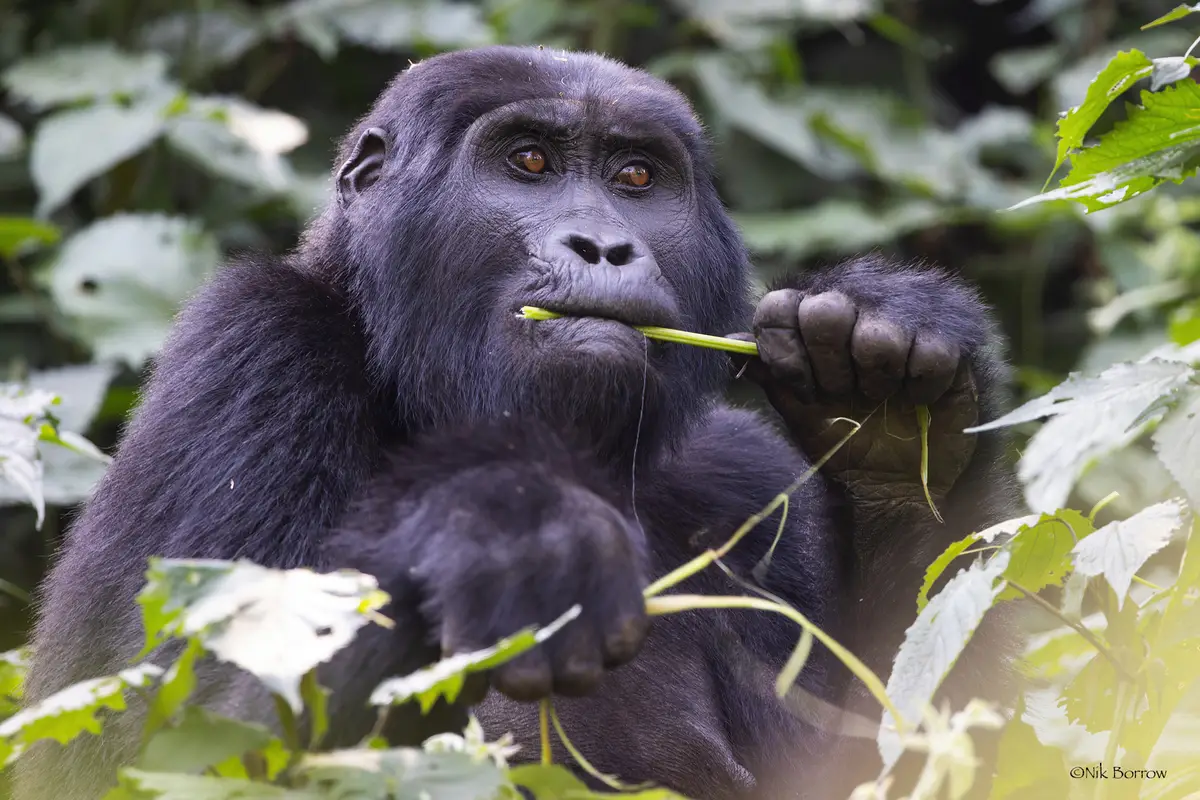
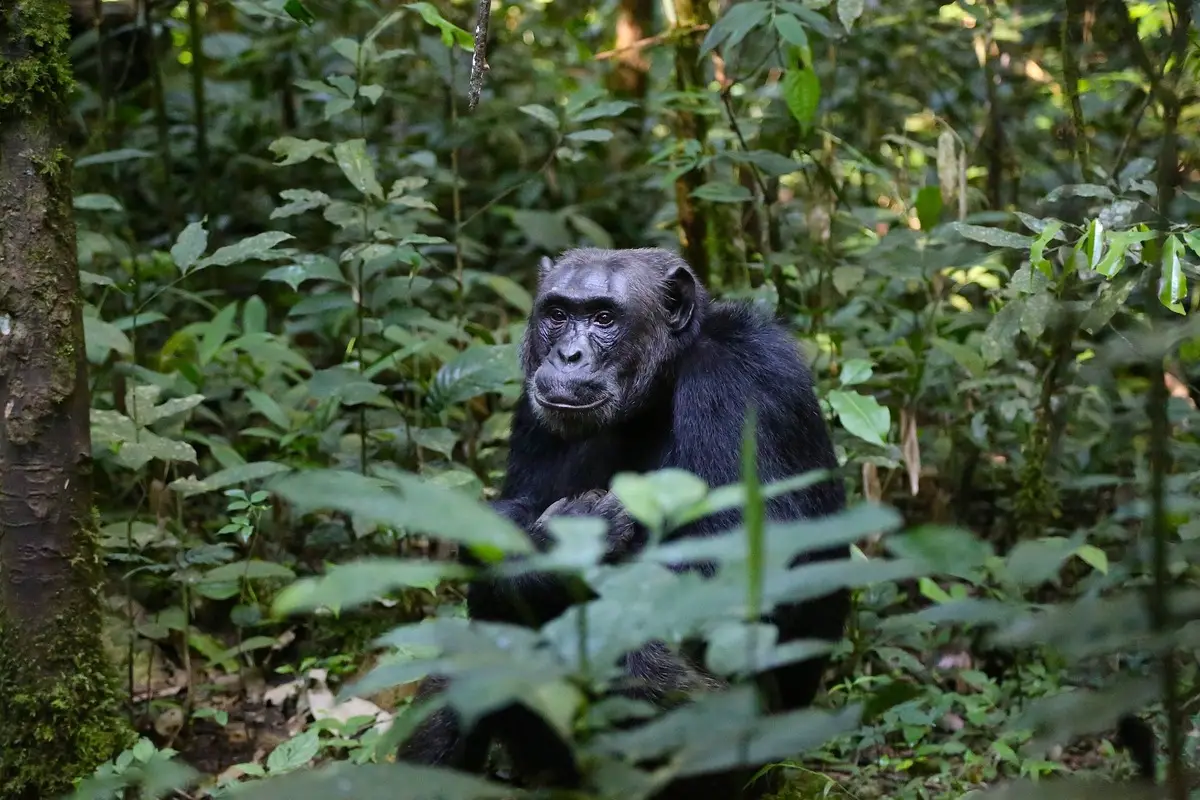
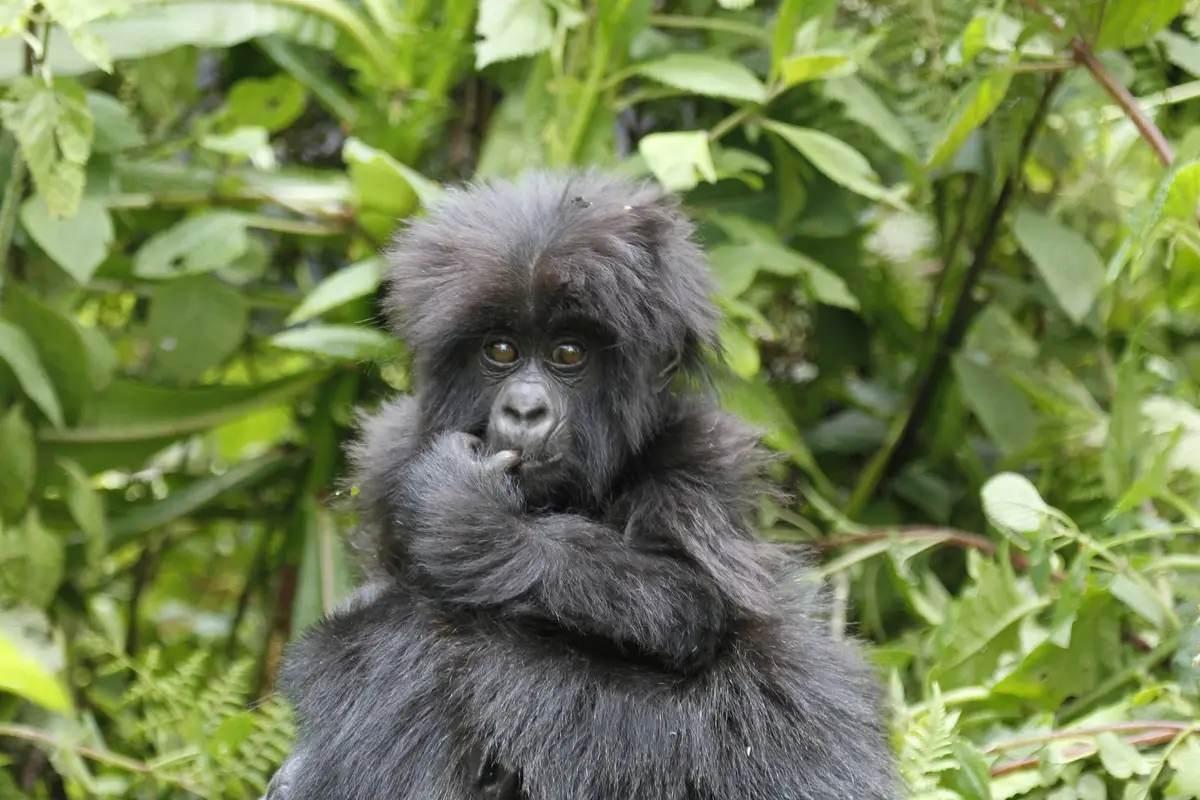
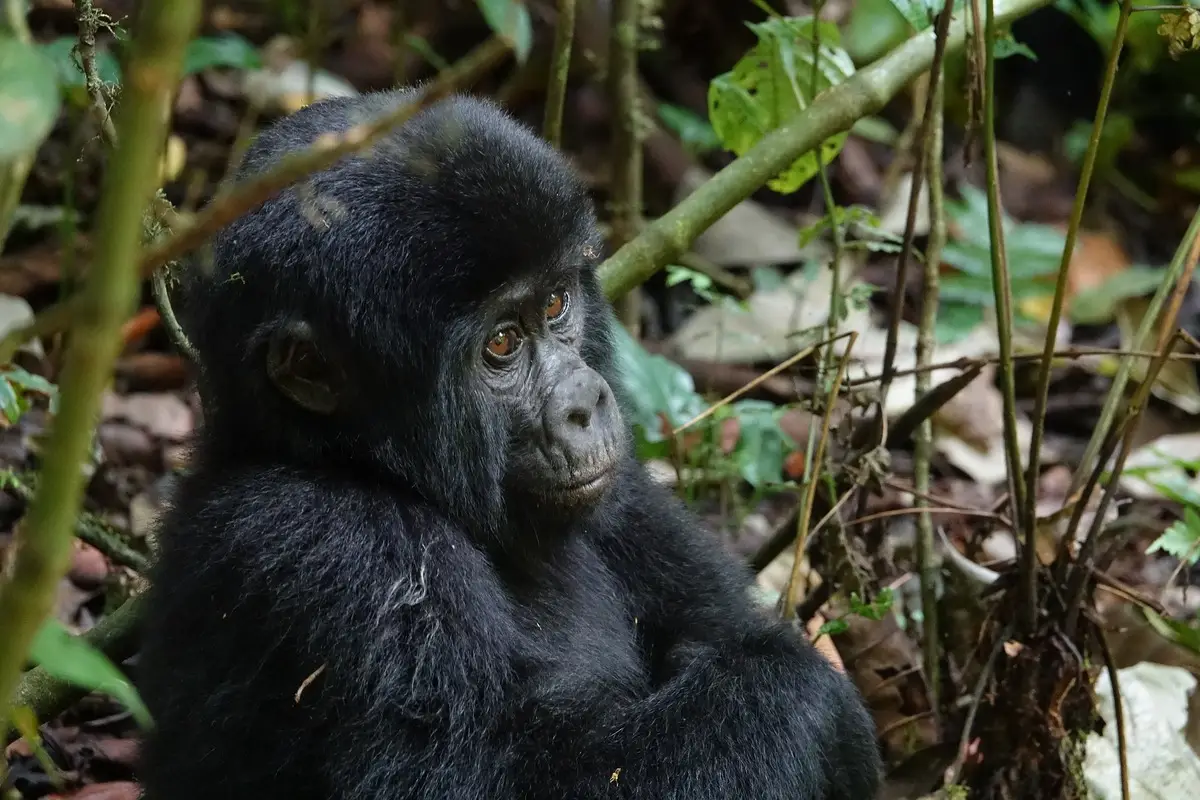
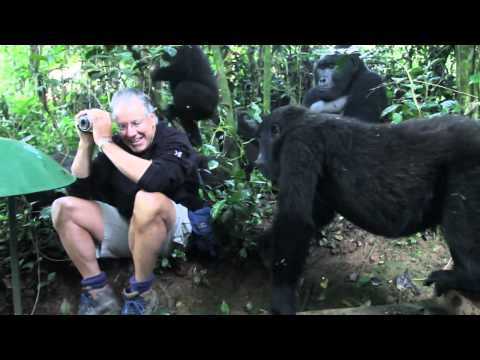
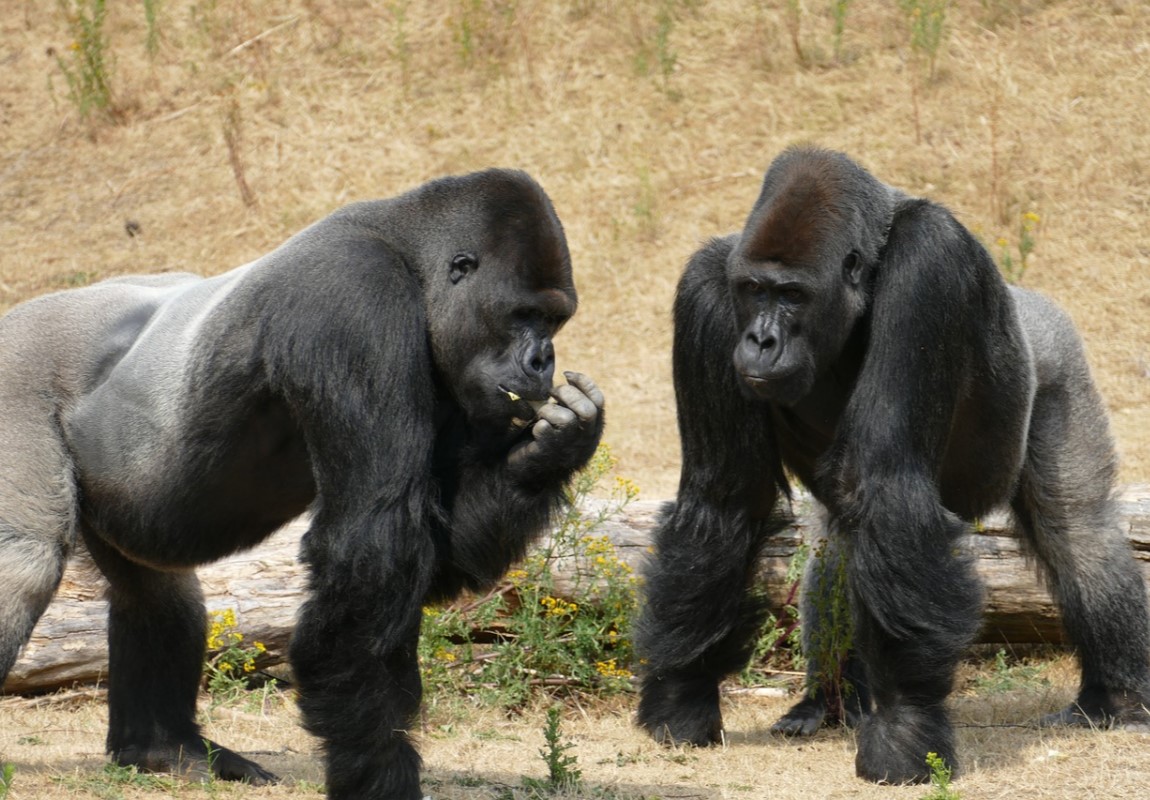
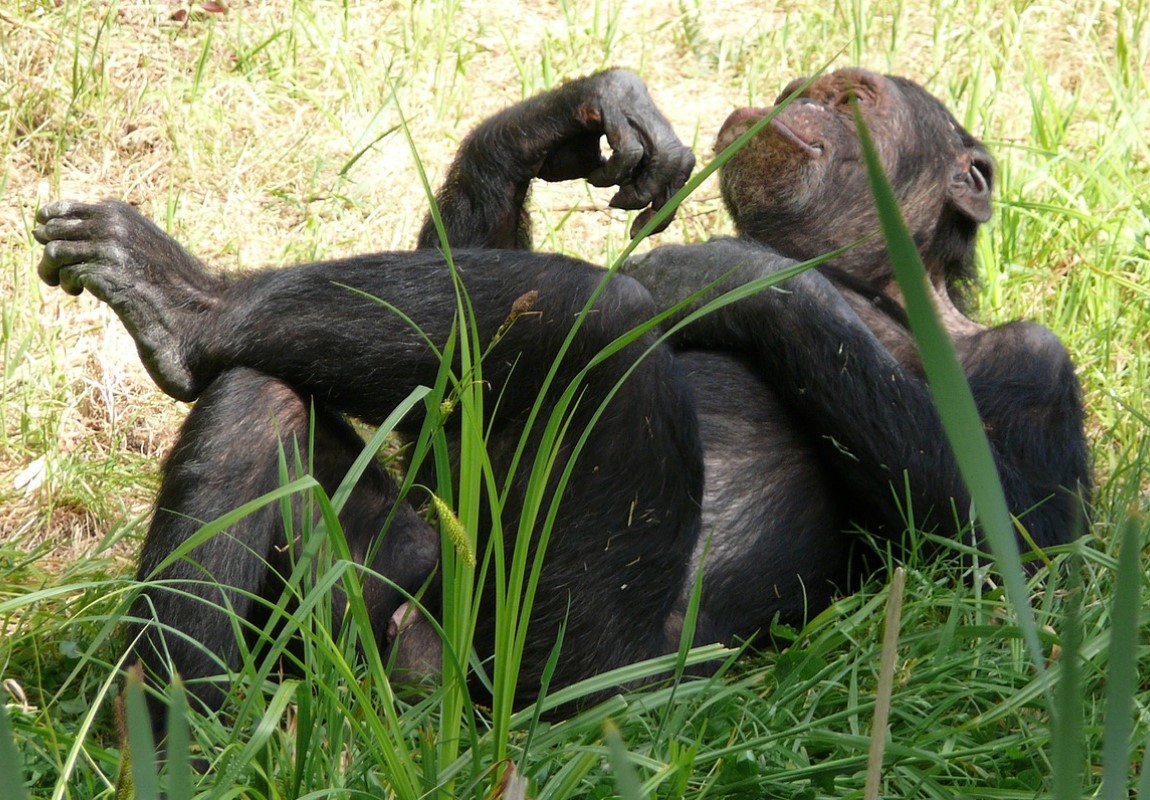
Uganda is a landlocked country that lies to the north of Tanzania and Rwanda and to the west of Kenya. Uganda has a wide variety of different habitats, including mountains, hills, tropical rainforest, woodland, freshwater lakes, swamps and savanna with scattered clumps of trees. There are ten national parks and thirteen wildlife reserves; some 345 species of mammal and 1020 species of bird have been recorded in the country. For Gorilla trekking, you can visit Bwindi or Mgahinga where roughly half of the world’s population of mountain gorillas is available. Whereas chimpanzees can be easily spotted in Kibale National park with its 13 species, as well as 70 species of mammals and over 375 bird species. Queen Elizabeth National Park hosts four of the big five (the rhino is sadly not present), as well as antelope, chimps and other primates. All five of the Big five can be only spotted in Murchison National Park in Uganda.

Rates (USD)
$350 pp/day
Currency
Ugandan shilling (‎UGX‎)‎
Capital
Kampala
Languages
English, ‎Swahili‎
High Season
June to September
Best Time to Go
December to February & June to August

Pros & Cons

  • Low-density tourism and eco-friendly lodges
  • Excellent wildlife viewing in northern parks
  • Beautiful and diverse scenery of dry desert, saltpans, savannah grasslands and delta waterways
  • Low population and vast, undeveloped areas
  • Political stability and safety
  • Expensive upmarket safaris with few budget options
  • Availability can be limited during high season

Map in Africa

Uganda Map in Africa

Safari Reviews

User Reviews
0.0/5
(0 Reviews)

Share Your Experience

Help other travelers by writing a review

Best Time to Visit – Uganda

The best time to visit Uganda is during the dry seasons which come twice a year (December to February and June to September). The dry season will be the best time for trekking to see mountain gorillas and chimpanzees. Also for game watching it's the best time to visit as there is less vegetation and wildlife seeks out waterholes.

High Season
June to September
Low Season
April, May & November
Best Weather
December to February & June to August
Worst Weather
March, April & May

June to August & December to February (Dry Season)

  • Best time for Gorilla & Chimpanzee trekking
  • As vegetation is less and animals gather around river crossing and waterholes, Its easier to spot wildlife
  • Usually, during the high season, parks are less crowded
  • Clear blue skies and most of the days are sunny
  • Need to book Gorilla permits in advance

March to May & September to November (Wet Season)

  • Due to heavy rains, the scenery of the savannah reserves is greener
  • It's a low season hence lower rates
  • It's challenging to drive in forest trails as roads become very slippery

Best Time to Go to Uganda by Major Park

The best time to visit most of the parks is in the Dry season only (June to August & December to February)

Wildlife & Animals

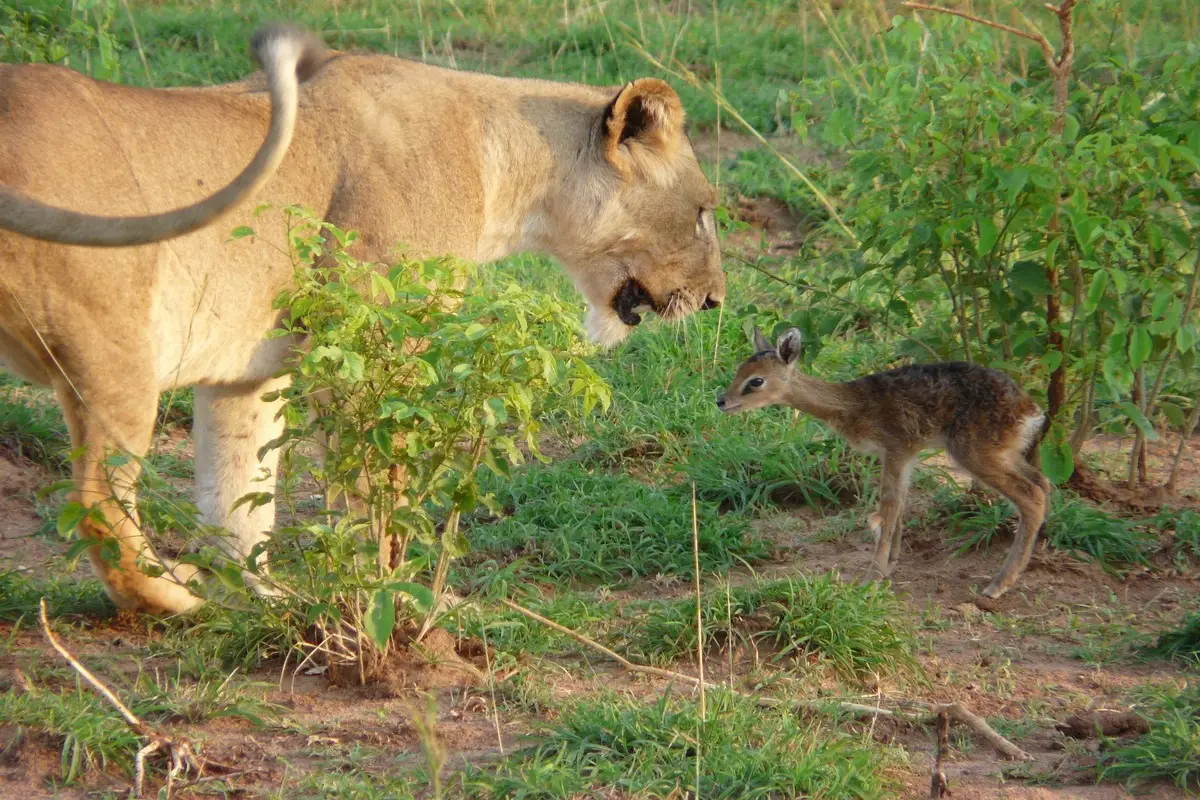
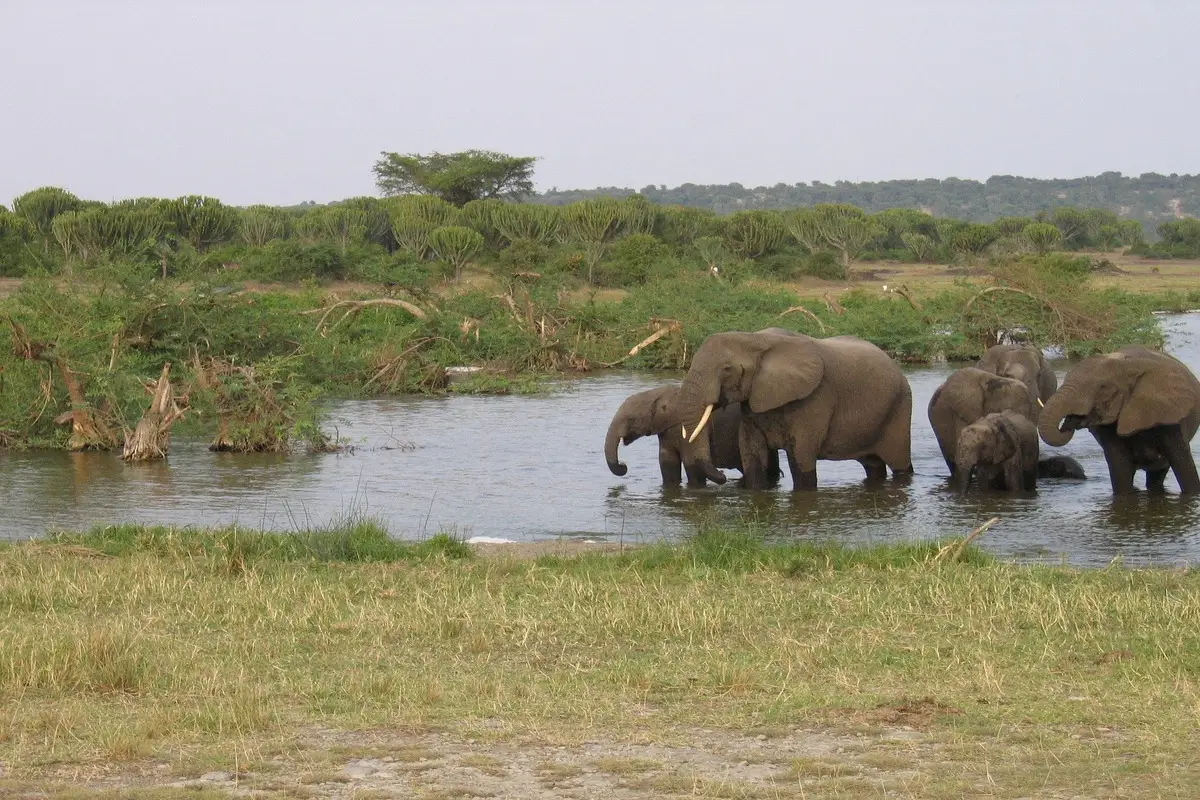
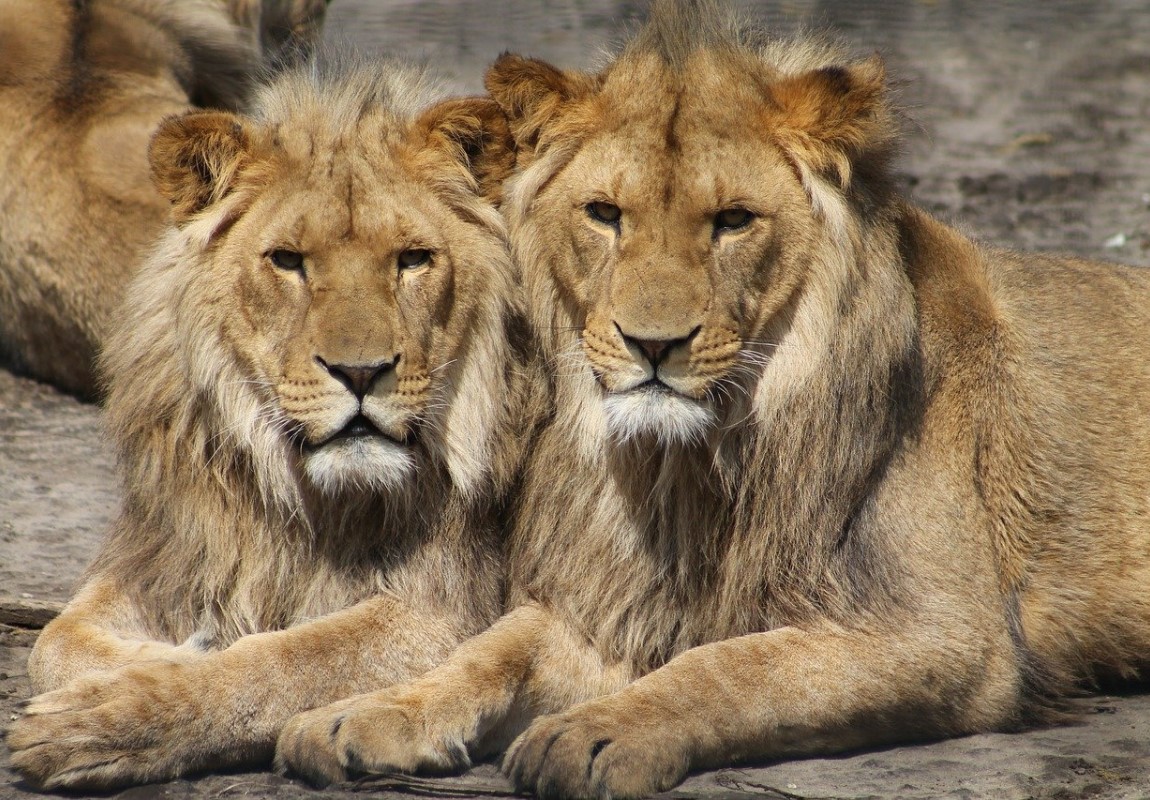
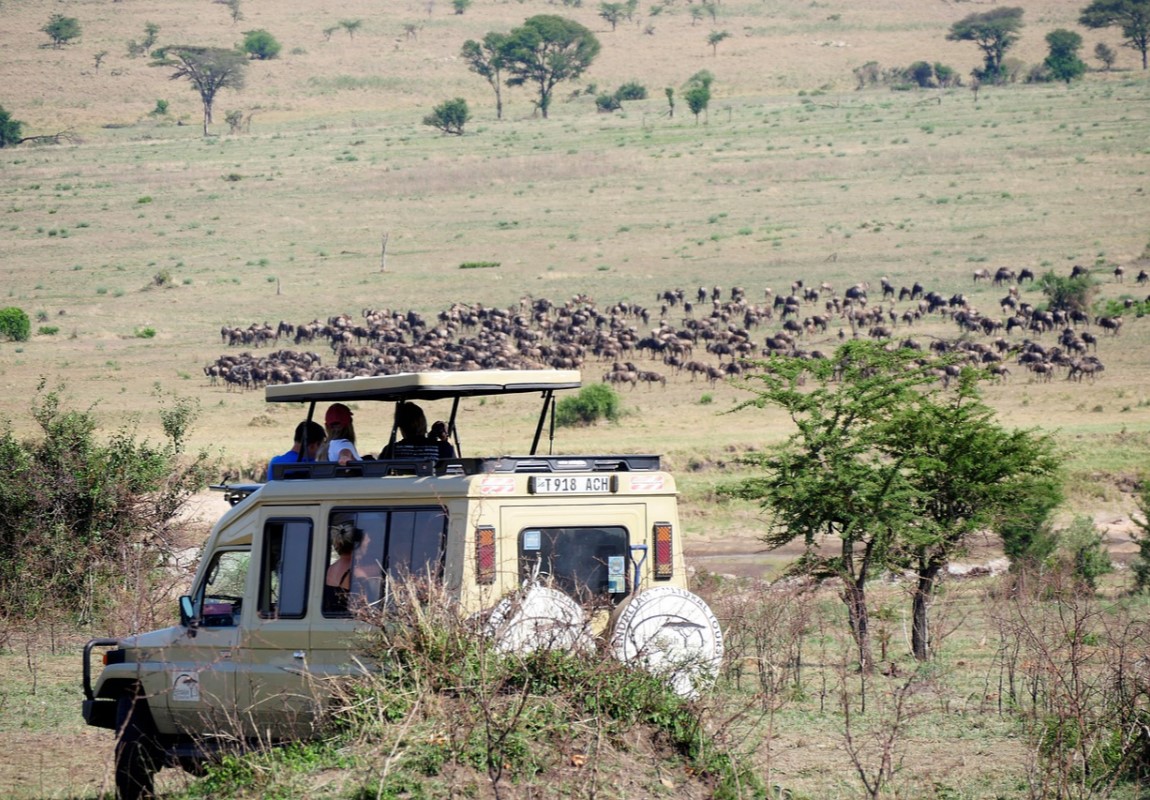
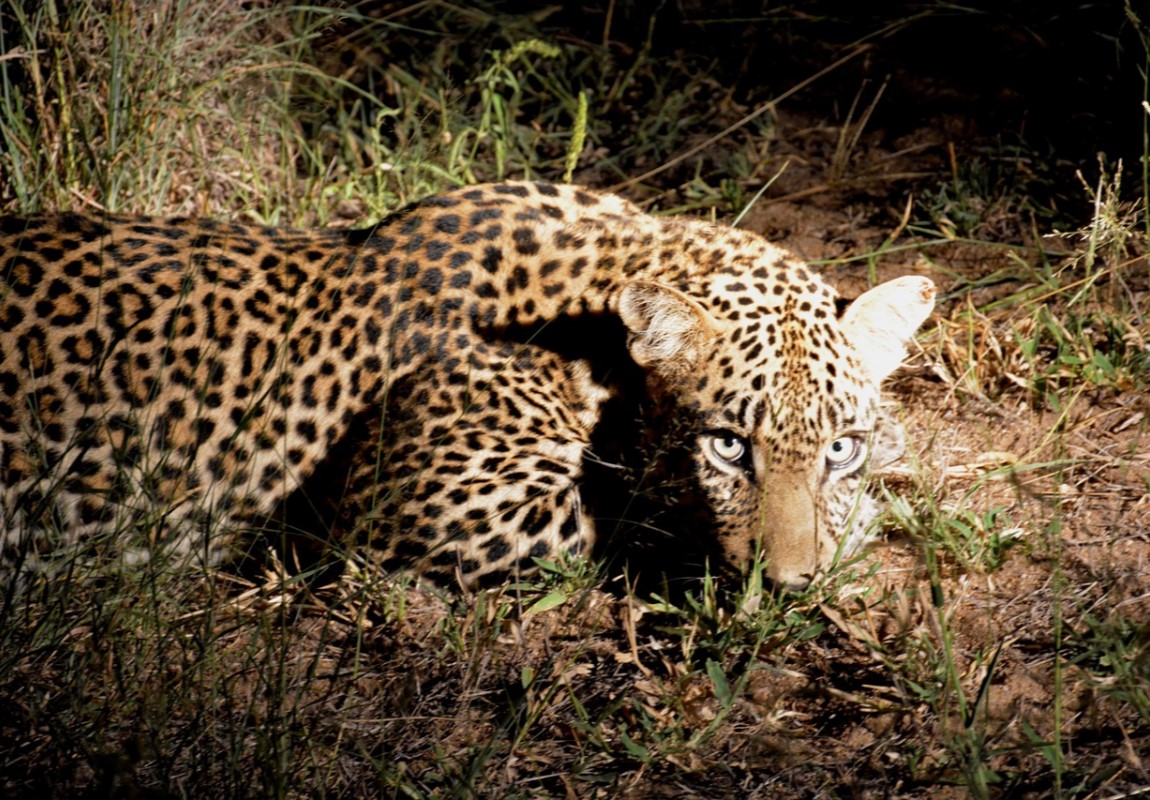
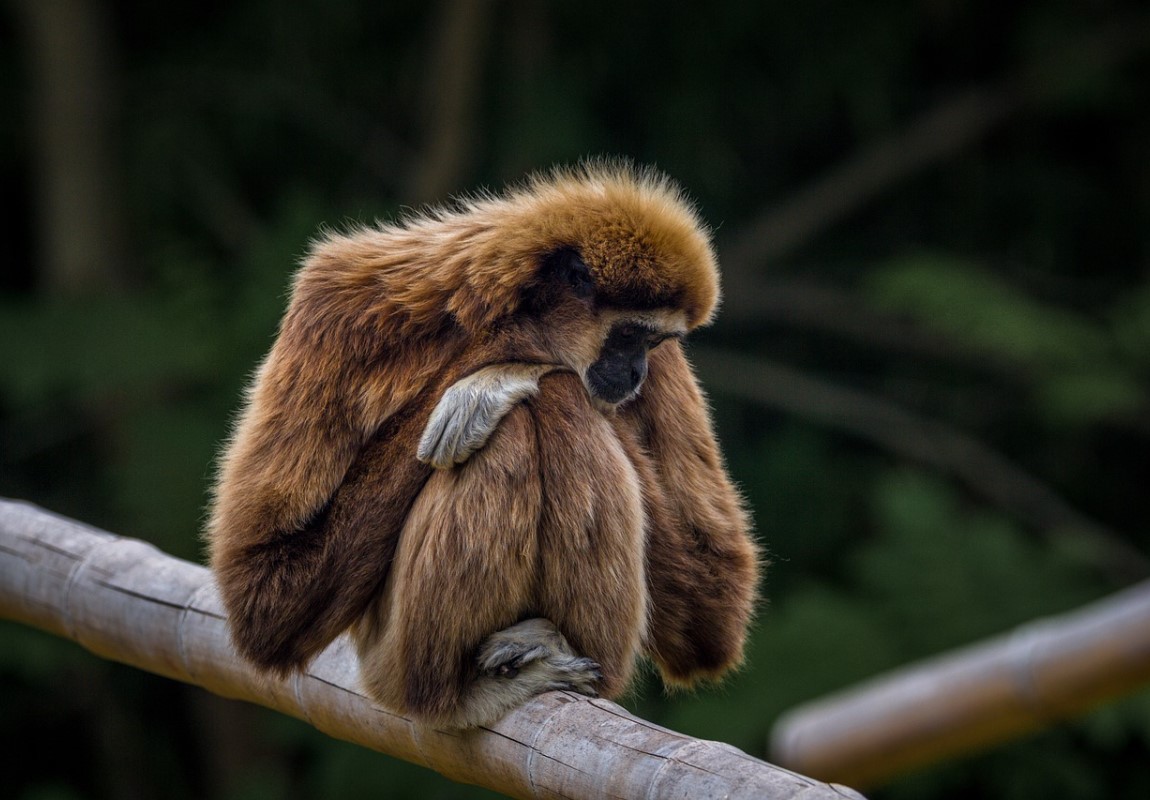
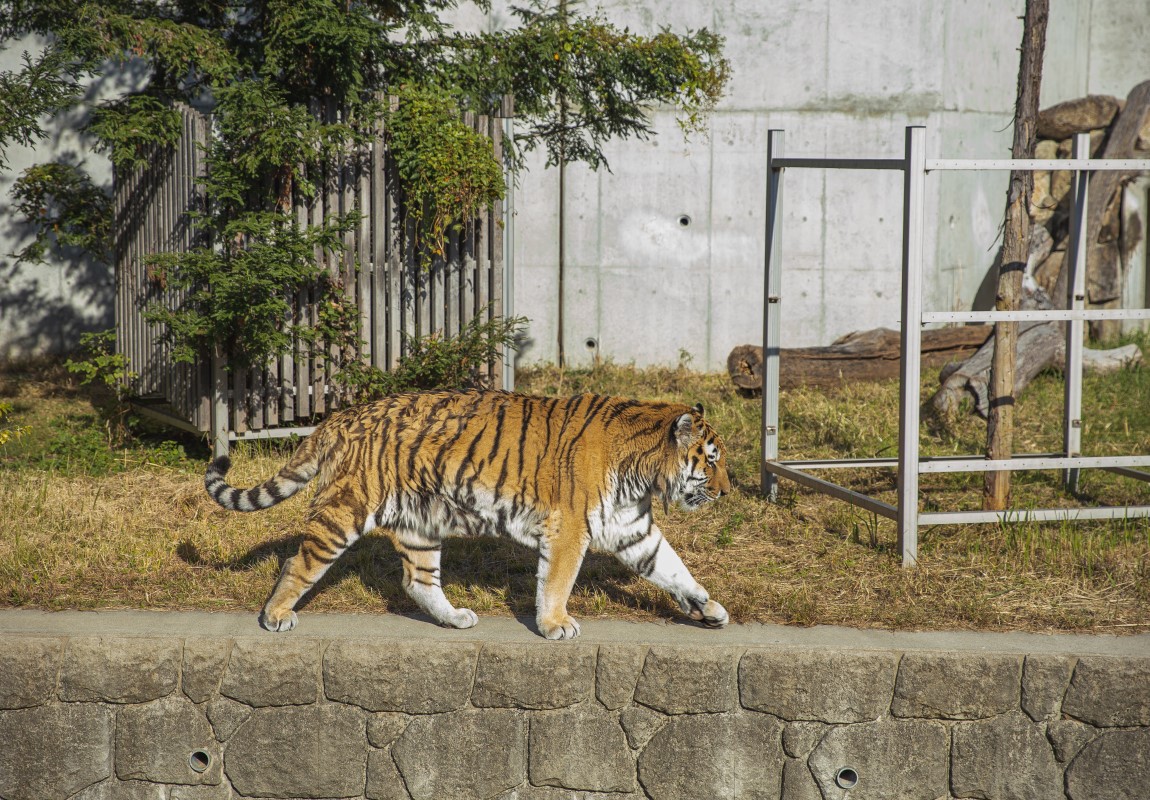
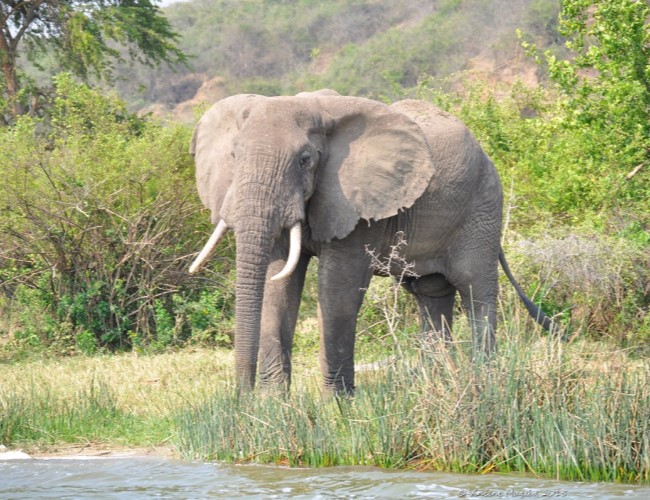
Uganda is home to some of the most diverse and concentrated African wildlife, including the highly endangered mountain gorilla, as well as the chimpanzee. Uganda has 1o national parks and 12 wildlife reserves to choose from, offering safaris of all kinds to its visitors. Besides gorillas and chimpanzees, visitors could see elephants, eland, hippos, lions, leopards and more. Uganda also offers great savannah safaris, and all of the Big Five are present. Lions can be easily spotted in Queen Elizabeth, Murchison Falls and Kidepo national parks.
Wildlife Highlights

Around 345 species of mammals have been recorded in the country. Nearly half of the mountain gorillas in the world live in the Bwindi Impenetrable National Park, and it is also a sanctuary for colobus monkeys and chimpanzees. In the Queen Elizabeth National Park, there are 95 species of mammal, including African buffalo, Ugandan kob, hippopotamus, Nile crocodile, African bush elephant, African leopard, lion, and chimpanzee. In Kibale National Park there are 13 species of primates which includes several habituated communities of the common chimpanzees, as well as several species of Central African monkey including the Uganda mangabey, the Ugandan red colobus, the L'Hoest's monkey, the black-and-white colobus and the blue monkey.

Best Time for Wildlife Viewing

The best time to visit Uganda is during the dry seasons which come twice a year (December to February and June to September). The dry season will be the best time for trekking to see mountain gorillas and chimpanzees. Also for game watching it's the best time to visit as there is less vegetation and wildlife seeks out waterholes.

Birds

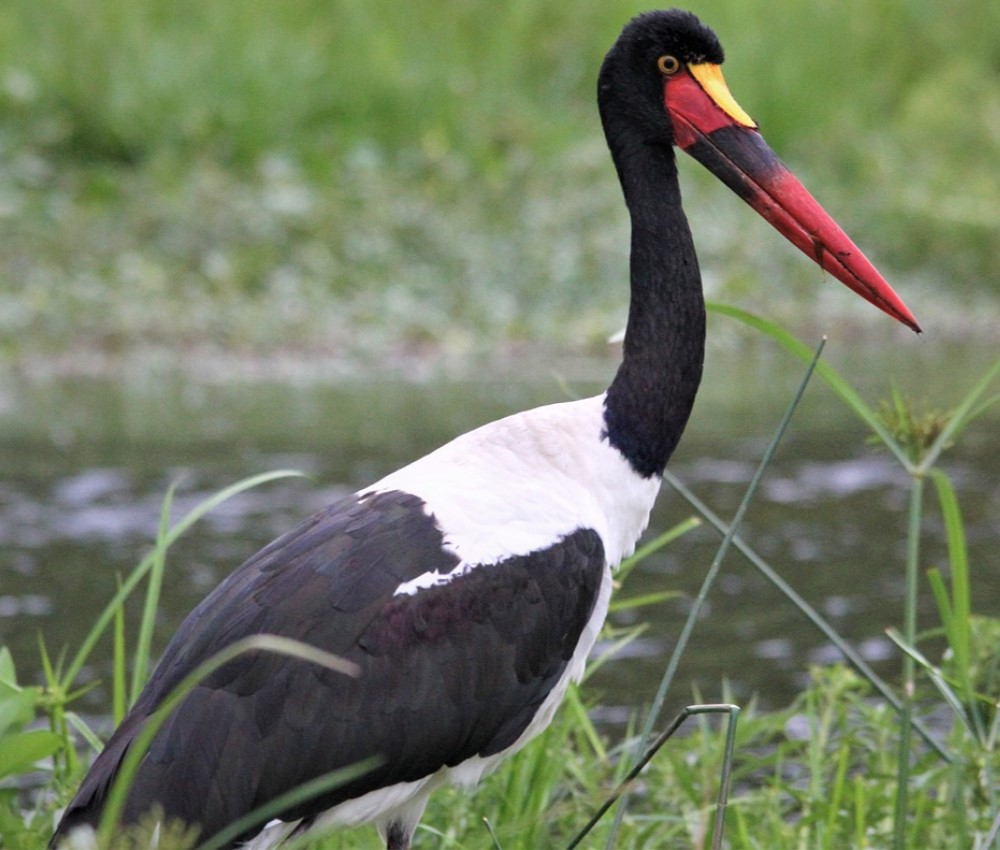
Uganda is regarded as a hotspot for biodiversity with 1,020 species of bird (around half of the total number found in Africa). Of them, one is endemic, 66 are accidental, and three have been introduced by humans. Migrant birds are present from November to April.

Best Time for Wildlife Viewing

The best time for birding in Uganda is from May to September when there is less rain. In Bwindi & Mgahinga National park, the best time for birding is May to June. The best time for primate tracking and wildlife viewing in the savannah reserves is also in the Dry season, from June to August and December to February.

Activities

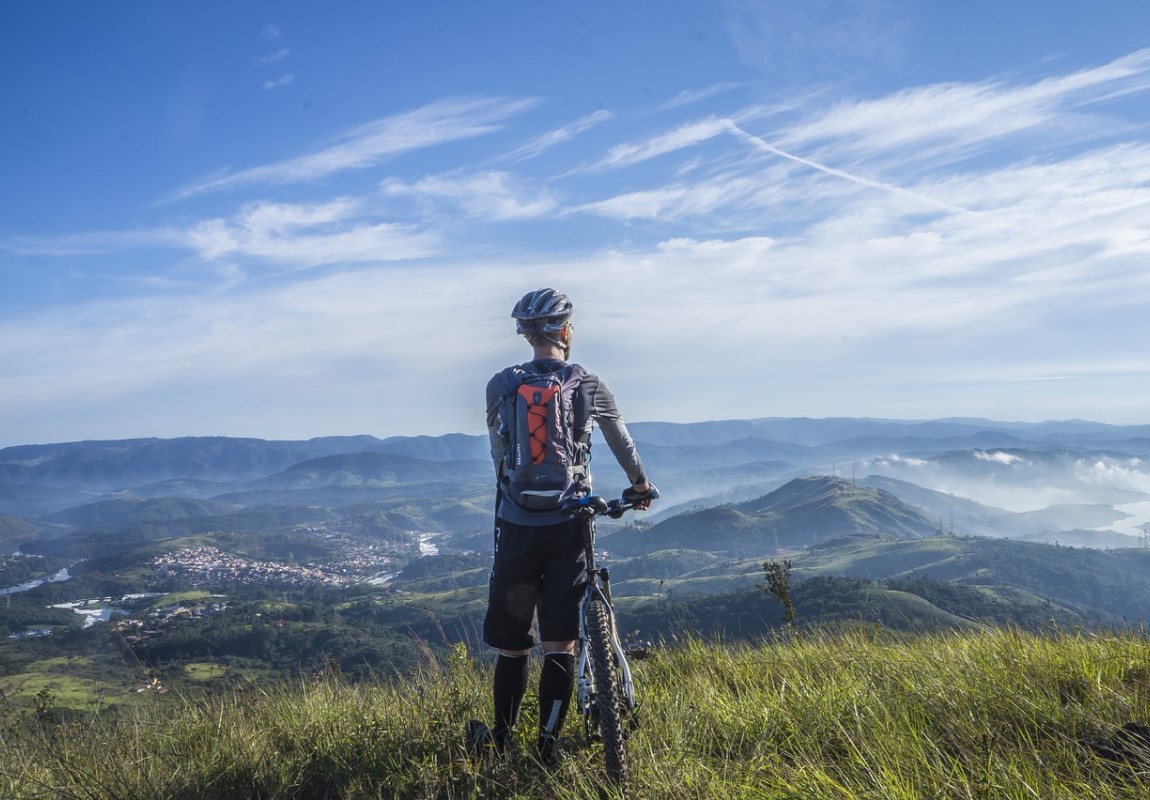
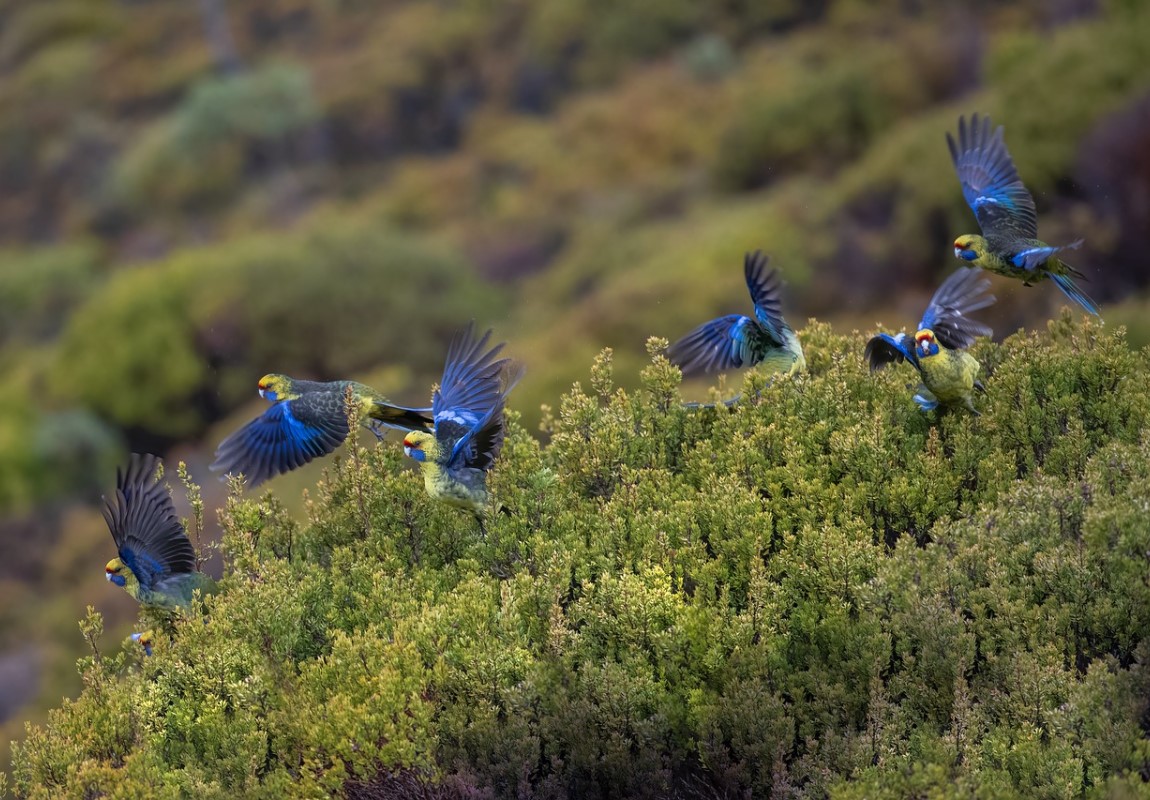
From game drives and walking safaris to cultural encounters and adventure excursions, Uganda offers a wide variety of activities for every type of traveler.
Cuisines

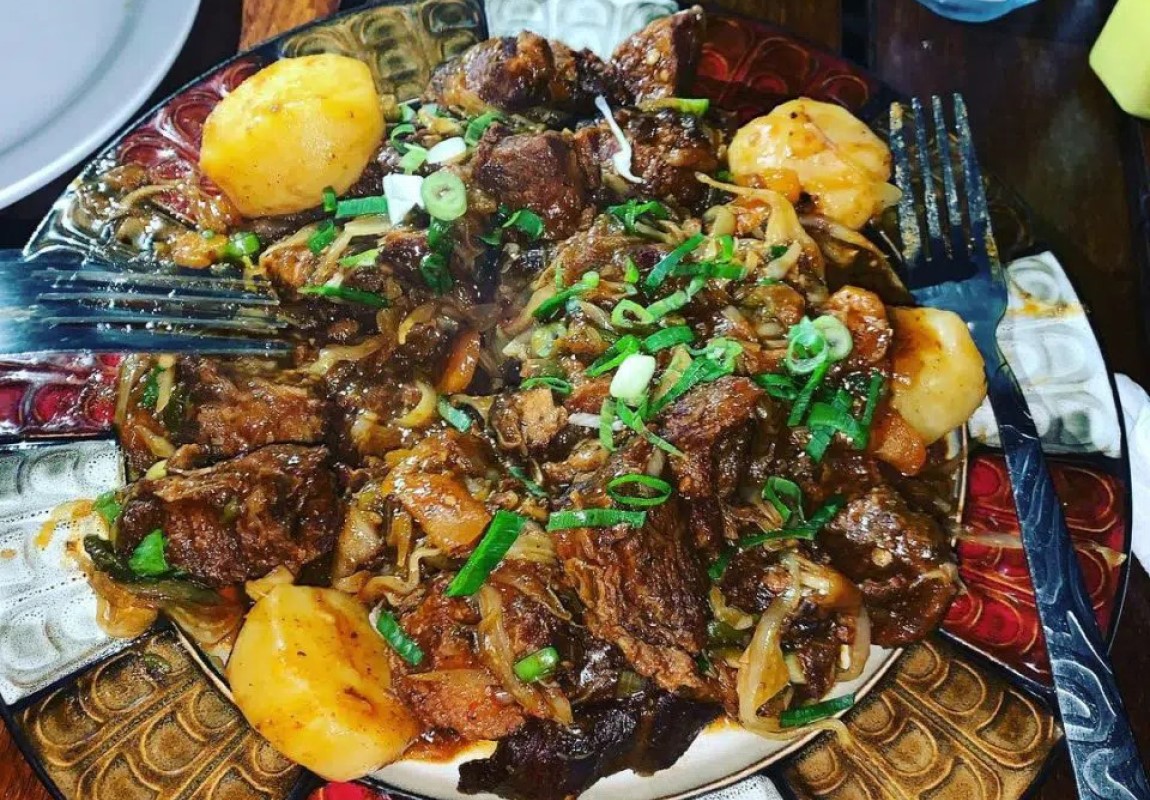
Their cuisine is influenced by English, Arab and Asian flavours. Most of their food has starch as a base, with sauces of beans or meat to add flavour to it. The wealthier part of Uganda enjoys several courses. The starch is maize meal or matoke (boiled or mashed green bananas). In the north, they use pearl millet. Ugali (maize flour) is mixed with water for porridge for breakfast for children. Cassava, yam and African sweet potato are also added to their diet. The wealthier Ugandans enjoy rice and Irish potato. Soybeans are also eaten here, usually for breakfast and Chapati (which you may be familiar with as Asian flatbread) is also used to extend meals, with various fillings in it. For protein, they eat chicken, fish, beef, goat and mutton, but in the rural areas, there would have to be a celebration of some sort before they slaughter an animal for the table, as they do not eat meat every day.

Culture

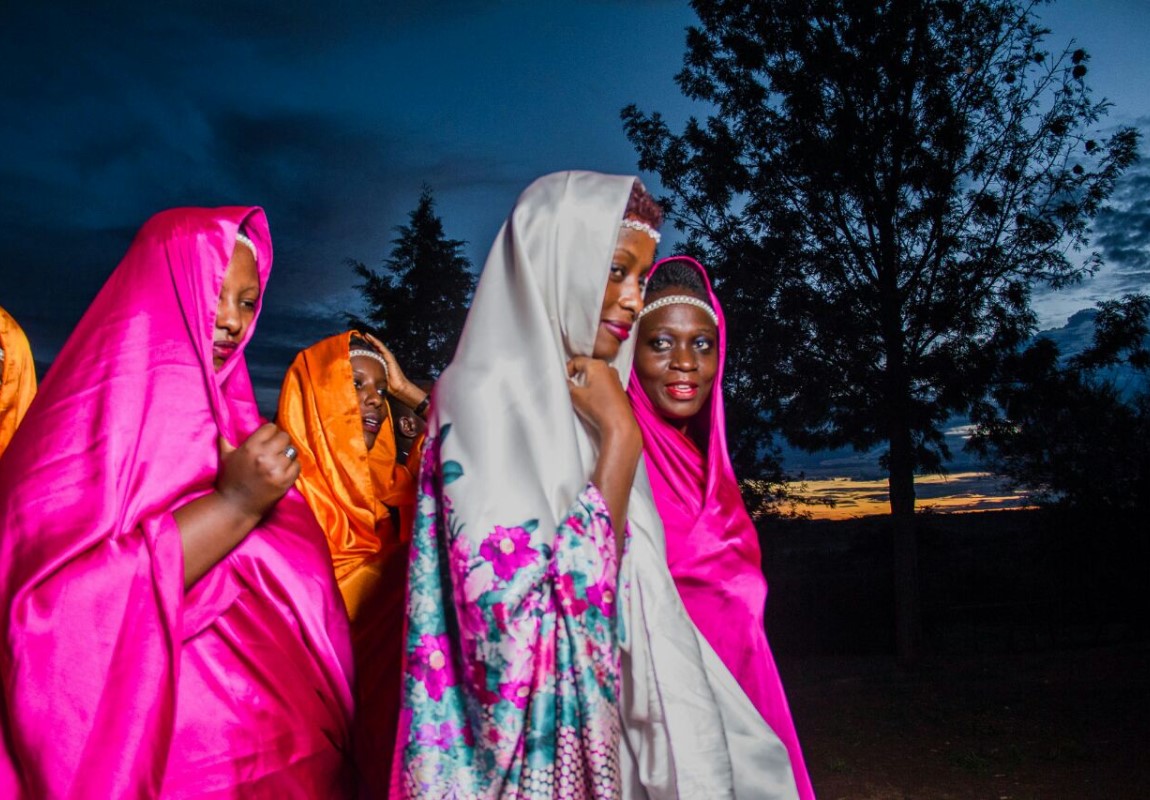
Uganda has a diverse ethnic population and many different languages, including Luganda (the most common), English (spoken by a small percentage of the population), Bantu, Swahili, Nilotic, and Lumasaba. Africans enjoy dancing, and Uganda is no exception. Dance is used to commemorate any ceremony or special occasion. Tamenhaibunga, a dance based on the importance of love and friendship, is performed by the Basoga in the east. It literally means "good friends drink together without fighting to avoid breaking the gourd that holds the drink!"

National Parks & Game Reserves

Uganda is home to some of the most spectacular national parks and game reserves in Africa. From vast savannahs to dense forests, each park offers unique landscapes, diverse wildlife, and unforgettable safari experiences. Whether you’re searching for the Big Five or hidden natural wonders, Uganda has something for every safari enthusiast.
Queen Elizabeth National Park

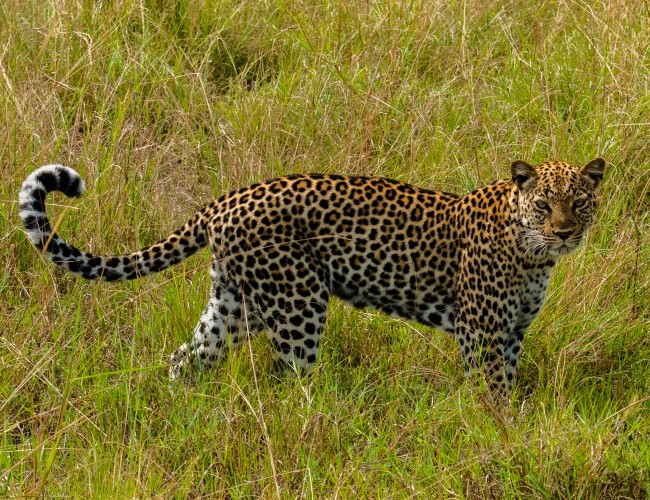
Queen Elizabeth National Park is the most popular tourist destination in Uganda. The park’s div...
Kidepo Valley National Park

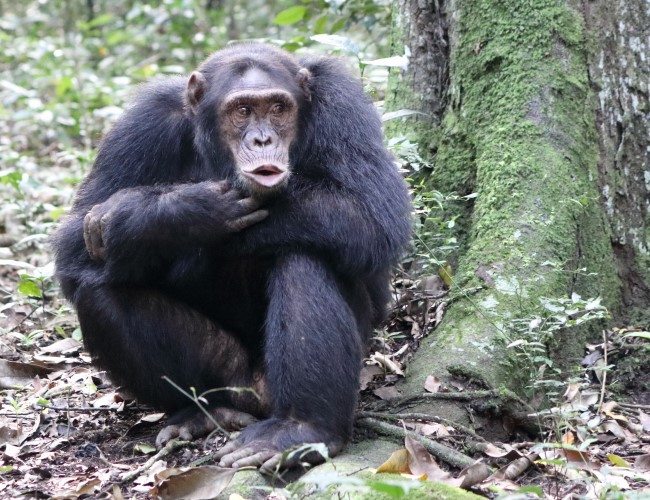
Kidepo Valley National Park is Uganda’s most remote and isolated park, yet breathtaking, admira...

Bwindi Impenetrable NP

Bwindi Impenetrable National Park is an Afro-montane rainforest situated at the edge of the Rift ...

Mgahinga Gorilla National Park

Mgahinga National Park is the country’s smallest park, covering only 33.7 km². Mgahinga’s mo...

Kibale National Park

Kibale National Park contains some of the most beautiful and varied tropical forests in Uganda. N...

Lake Mburo National Park

Lake Mburo National Park lies in the middle of an extensive rich acacia woodland which is one of ...

Budongo Central Forest Reserve

The Budongo Forest is a moist, semi-deciduous tropical rainforest located at the top of the Alber...

Murchison Falls National Park

Murchison Falls National Park lies at the northern end of the Albertine Rift Valley, where the sw...

Toro Semliki Wildlife Reserve

Toro-Semliki Wildlife Reserve has a dramatic rift valley setting between the Rwenzori, Kijura esc...

Katonga Wildlife Reserve

The Katonga Wildlife Reserve is a wildlife reserve in western Uganda, along the banks of the Kato...

Entebbe

Entebbe, located on the shores of Lake Victoria, is a popular destination for tourists in Uganda,...

Kampala

Kampala is the capital city of Uganda and is not typically considered a destination for safari to...

Showing 1-0 of 0 reviews
Recently Added
5 Stars Only
4 Stars and above
3 Stars and above

No reviews yet for this destination. Be the first to share your experience !

Safety & Security

Uganda is generally safe to visit, in our opinion. The people are welcoming and eager to welcome visitors to their country. Several governments have advised against travelling to some remote areas, but tour operators will only take you to safe areas. Please see the travel advisory links below for more information on these remote areas. There is some crime in the cities, as in many other countries, but most problems can be avoided by taking basic safety precautions. Every year, a large number of tourists visit Uganda, and the vast majority of them have a pleasant experience.

Please see the links below for travel advice on Uganda Safari Trips:

General Safety Tips

  • Keep valuables secure and avoid displaying expensive items
  • Stay alert in crowded areas and tourist hotspots
  • Use registered tour operators and licensed guides
  • Follow local customs and respect cultural sensitivities
  • Keep copies of important documents in a safe place

Safari Safety

  • Always follow your guide's instructions during game drives
  • Stay inside your vehicle unless instructed otherwise
  • Keep noise levels low to avoid startling wildlife
  • Never approach or feed wild animals
  • Carry essential medications and first aid supplies

Health & Medical

Before traveling to Uganda, consult with your healthcare provider about recommended vaccinations and health precautions. Common recommendations include malaria prophylaxis, hepatitis A and B vaccines, and routine immunizations. Carry any necessary medications and consider travel insurance that covers medical emergencies.

Getting There

From outside East Africa, Uganda can be easily accessed either by road or Air and mostly by Air to Entebbe International Airport (EBB). Water transport can also be used to travel in and around our destinations especially the ferry crossing from the Southern part of Murchison Falls National Park to the Northern part of Murchison Falls National Park. Flights to Uganda are cheapest during the rainy seasons from March to May and October to November. The best wildlife viewing months are June to September and December to February, when flights are likely to be more expensive.

Travel Requirements

  • All foreign visitors need a passport that is valid for at least six months
  • Passports must have a clean and a full visa page for endorsement.
  • When arriving from a yellow-fever-infected country in Africa or the Americas a yellow fever vaccination certificate is required.
  • Citizens of most countries require a visa. A list of countries that don't need a visa is available.
  • Visas are best obtained in advance through an official online visa-application portal (https://visas.immigration.go.ug/), but they can also be obtained through your local Tanzania Embassy or High Commission.
  • Visas can also be obtained on arrival but this is a lengthy process that can take one to two hours.
  • Tourist visas are available for Uganda only, or East Africa (which covers entry to Uganda, Kenya and Rwanda) for the same cost.

Domestic Transportation

Aerolink runs scheduled domestic flights to several parks or nearby gateway towns. 

Fly Uganda recently resumed flights to Kihihi (for the Bwindi and Ishasha sectors of Queen Elizabeth) and intends to extend its network of flights in 2019. Alternatively, your tour operator can organize charter flights at a very high price. The only destination in Uganda that is more often reached by air than by road is the remote Kidepo Valley National Park.

Gorilla trekking is possible year-round in Uganda, but the best times are during the dry seasons: June to September and December to February. During these months, trails are less muddy and hiking conditions are more favorable, though rain is still possible as Uganda is equatorial. The wet seasons (March-May and October-November) offer advantages including lower accommodation rates, fewer tourists, and lush forest landscapes - gorillas are actually easier to find as they don't travel far for food. Permits are also more readily available during wet season. Bwindi Impenetrable Forest and Mgahinga Gorilla National Park both offer year-round trekking. For combining gorilla trekking with wildlife safaris, June-September is ideal. Uganda's climate is generally pleasant year-round due to its high altitude, with temperatures ranging 18-28°C (64-82°F) in most safari areas.
Uganda safari costs vary significantly based on activities and accommodation. Budget safaris with basic lodges start from $150-250 per person per day excluding gorilla permits. Mid-range safaris cost $300-500 per person per day. Luxury safaris range from $600-1,200+ per person per day. The major expense is gorilla trekking permits: $800 per person in Uganda (compared to $1,500 in Rwanda), valid for one hour with one gorilla family. Chimpanzee tracking permits cost $250 in Kibale or $100 in Budongo Forest. A typical 7-day gorilla trekking and wildlife safari costs $3,000-7,000 per person depending on accommodation level. A 10-day comprehensive Uganda safari including gorilla trekking, chimpanzees, wildlife safaris, and Nile activities costs $4,000-10,000 per person. Prices include accommodation, meals, transport, park fees, guide services, and activities. Uganda offers excellent value compared to Rwanda for gorilla trekking.
Most international visitors require a visa to enter Uganda. Tourist visas are available through the official Uganda e-immigration system before travel, which is recommended. Single-entry Uganda tourist visa costs $50 and is valid for 90 days. Applications take 2-5 business days. Visas can also be obtained on arrival at Entebbe International Airport and land borders, though pre-applying online is faster and more convenient. The East Africa Tourist Visa costs $100 and allows multiple entries to Uganda, Kenya, and Rwanda for 90 days - excellent value if visiting multiple countries. Your passport must be valid for at least 6 months beyond entry date with at least two blank pages. Some African countries and a limited number of others have visa-free or visa-on-arrival arrangements. Always check current requirements before travel as visa policies can change. Yellow fever vaccination certificate is mandatory for entry.
Yellow fever vaccination is mandatory for all travelers entering Uganda and you must present your yellow fever certificate upon arrival - this is strictly enforced. Other strongly recommended vaccinations include Hepatitis A and B, Typhoid, Tetanus, Rabies (especially for gorilla trekking and rural areas), Meningitis, and Polio. Malaria prophylaxis is essential for all areas below 2,000 meters, including all safari parks and Entebbe. Gorilla trekking areas (Bwindi, Mgahinga) are high altitude but malaria risk still exists. Consult a travel medicine specialist 6-8 weeks before departure as some vaccines require multiple doses. For gorilla trekking, you must be in good health - you will not be permitted to trek with contagious illnesses (colds, flu) to protect the gorillas who share 98% of our DNA and are vulnerable to human diseases. Bring your vaccination record as it may be checked at park gates.
Yes, Uganda is generally safe for tourists, particularly in national parks and established tourism areas. The country has a stable government and has prioritized tourism development. Safari areas, gorilla trekking sites, and major lodges maintain high security standards. Kampala and Entebbe are relatively safe but exercise normal urban precautions - avoid walking alone at night, use registered taxis or hotel transport (ride-sharing apps like Uber and Bolt operate in Kampala), secure valuables, and be alert in crowded areas. Gorilla trekking is safe with armed rangers accompanying all groups to protect against wildlife and ensure safety. Northern Uganda near South Sudan border and northeastern areas nearKenya border have travel advisories - consult current warnings. Popular safari circuits (Queen Elizabeth, Murchison Falls, Bwindi) are very safe. Uganda's people are exceptionally friendly and welcoming. Use reputable tour operators, follow park rules, and stay updated on travel advisories. Road safety requires caution as driving standards vary.
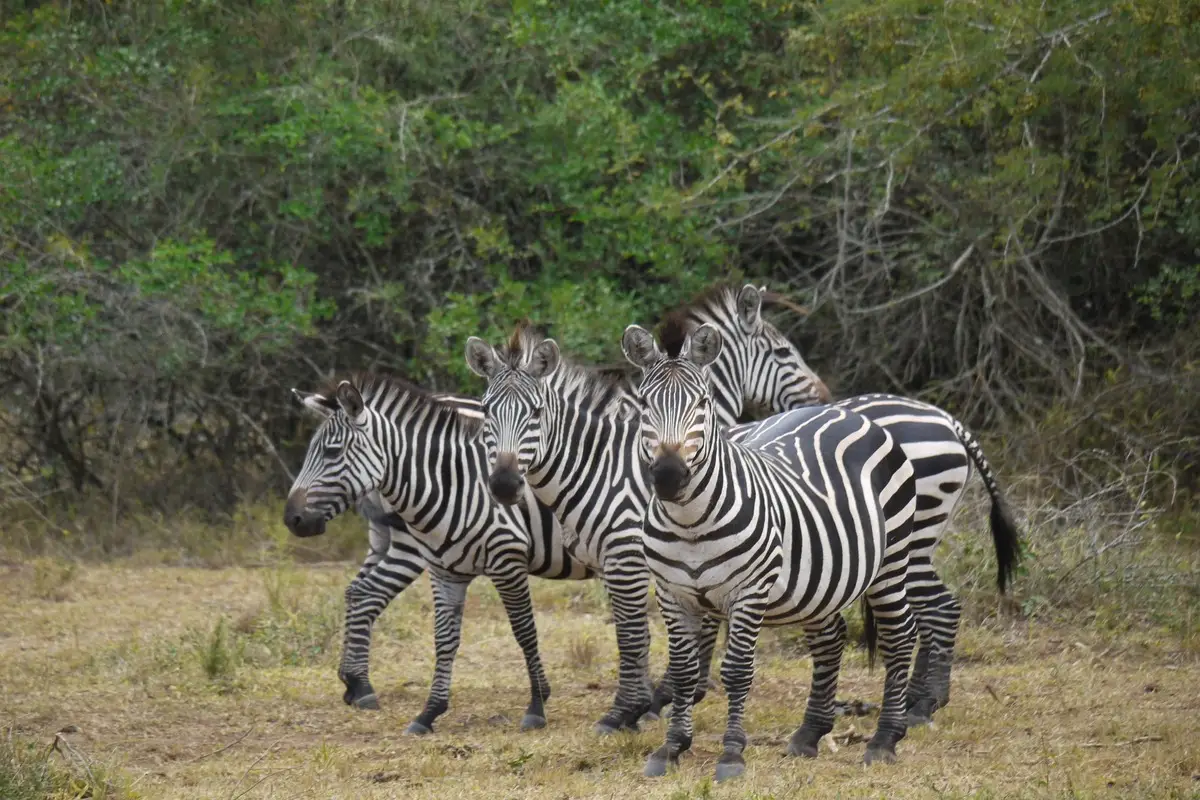
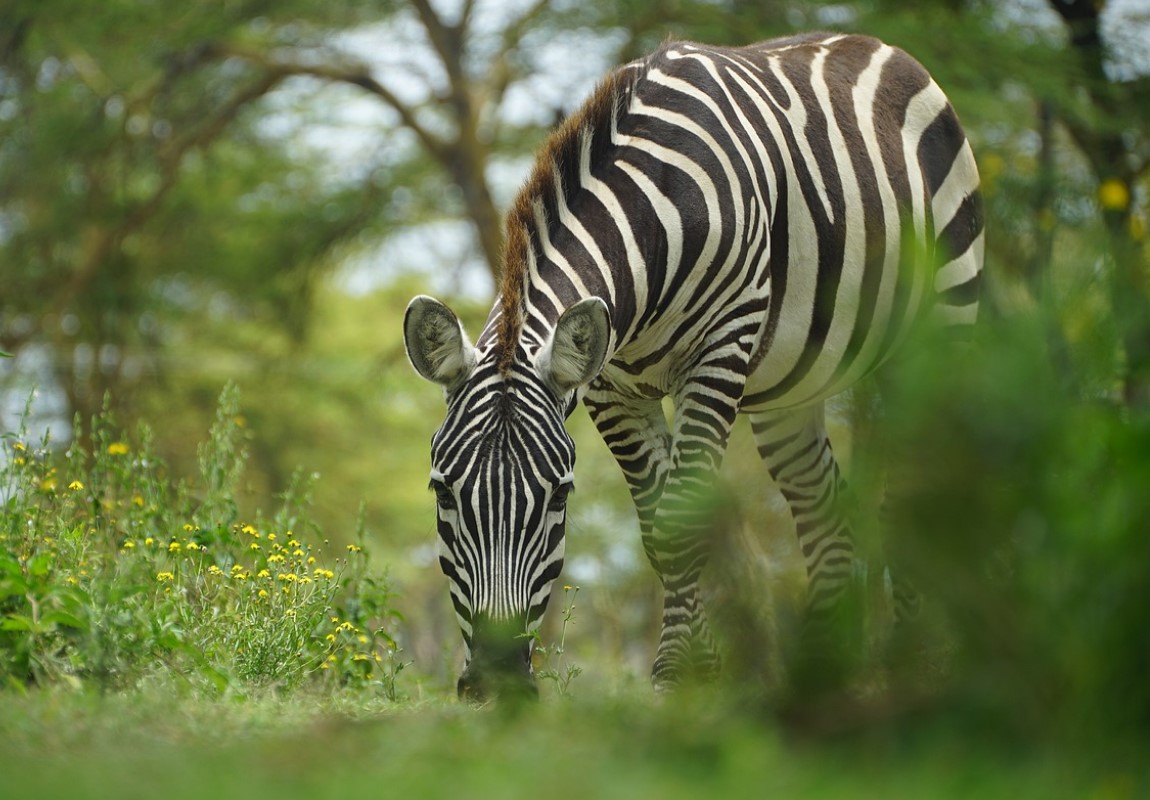
Uganda offers incredible wildlife diversity beyond gorillas. The country has over 1,080 bird species (more than entire European continent) making it a birding paradise. Big Five viewing: Lions (including tree-climbing lions in Queen Elizabeth and Murchison Falls), leopards, elephants, buffalos are present; rhinos are found at Ziwa Rhino Sanctuary. Uganda is famous for primates: mountain gorillas (Bwindi and Mgahinga), chimpanzees (Kibale, Budongo, Kyambura), golden monkeys (Mgahinga), colobus monkeys, and 12 other primate species. Other wildlife includes hippos, crocodiles, giraffes (Murchison Falls and Kidepo), zebras, various antelope species (Uganda kob, waterbuck, bushbuck, eland), warthogs, hyenas, and jackals. Shoebill storks are rare species found in Mabamba Swamp. Kidepo Valley offers unique species like cheetahs, ostriches, and bat-eared foxes found nowhere else in Uganda. Queen Elizabeth National Park has exceptional biodiversity with 95 mammal species.
Gorilla trekking difficulty varies from moderate to strenuous depending on gorilla family location and forest conditions. Treks can last 1-8 hours (average 2-4 hours) through steep, muddy, dense mountain forest at 2,200-2,600m altitude. Bwindi Impenetrable Forest has four tracking sectors with varying difficulty levels - some are more accessible than others. Terrain includes steep slopes, thick vegetation, stinging nettles, and potentially slippery conditions. A reasonable fitness level is required - you should be able to hike for several hours on uneven terrain. Porters (available for hire at $15-20) carry your backpack and provide physical support on difficult sections - highly recommended. Walking sticks are provided. Minimum age is 15 years. You spend one magical hour with gorillas once found. Difficulty can be reduced by requesting less strenuous gorilla families when booking permits - discuss with your operator. The experience is absolutely worth any challenge - standing meters from wild mountain gorillas is unforgettable.
Essential packing for Uganda safaris includes layered clothing for varying temperatures and activities. For gorilla trekking: sturdy waterproof hiking boots with good ankle support and grip (essential), long-sleeved shirt and long pants (thick fabric to protect from stinging nettles and vegetation), waterproof jacket and pants, gardening gloves for grabbing vegetation, and gaiters to keep pants dry and protect from insects. General safari items: neutral-colored clothing (khaki, olive, green, brown) for game drives, warm fleece or jacket for cool mornings and high-altitude areas, wide-brimmed hat and sunglasses, high SPF sunscreen, and insect repellent with DEET. Photography equipment: camera with lens (70-200mm for gorillas, 200-400mm for wildlife), spare batteries, and waterproof camera cover. Other essentials: daypack, reusable water bottle, headlamp, basic first-aid kit, personal medications, and binoculars. Uganda has frequent rain, so pack waterproof bags for electronics. Most lodges offer laundry services. Avoid bright colors that disturb wildlife and camouflage patterns (illegal in Uganda).
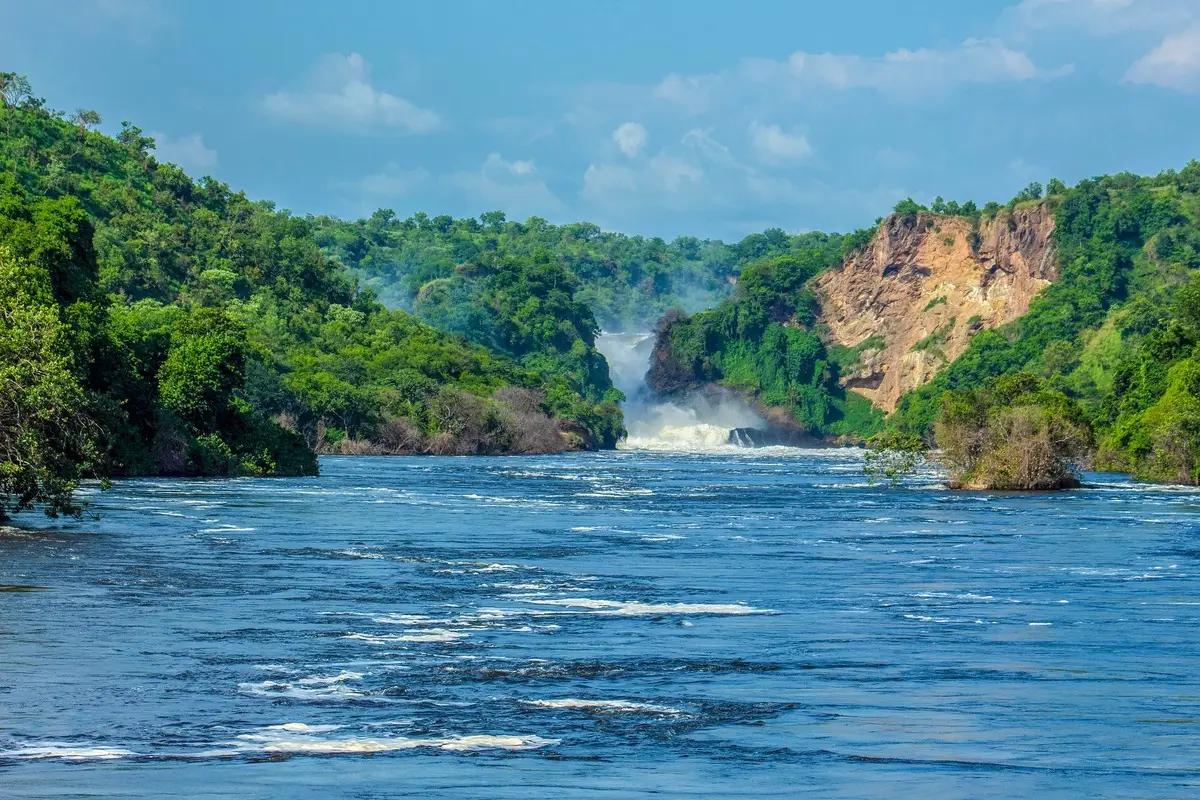
Uganda has no single "best" park as each offers unique experiences. Bwindi Impenetrable National Park is world-famous for mountain gorilla trekking with approximately 459 gorillas (half the world's population) and is a UNESCO World Heritage Site. Queen Elizabeth National Park offers the most diverse wildlife safari with tree-climbing lions, boat safaris on Kazinga Channel, chimps in Kyambura Gorge, and incredible birdlife (over 600 species). Murchison Falls National Park is Uganda's largest park featuring dramatic Murchison Falls where the Nile explodes through a narrow gorge, excellent game viewing with high animal densities, and Nile boat safaris with hippos and crocodiles. Kibale National Park is the "primate capital of the world" with the best chimpanzee tracking and 13 primate species. Kidepo Valley is remote wilderness with stunning scenery and species found nowhere else in Uganda including cheetahs and ostriches. Most itineraries combine multiple parks: gorilla trekking (Bwindi) + wildlife safaris (Queen Elizabeth/Murchison) + chimps (Kibale) for comprehensive Uganda experience.
A minimum of 7-8 days is recommended for a fulfilling Uganda safari combining gorillas, chimps, and wildlife. A typical 7-day itinerary includes: gorilla trekking in Bwindi (2 days), chimpanzee tracking in Kibale (1 day), and wildlife safari in Queen Elizabeth or Murchison Falls (2-3 days) with travel days. For gorilla trekking only, 3-4 days suffices (1 day travel each way, 1-2 days trekking). A comprehensive 10-12 day safari allows multiple parks, relaxed pacing, and additional activities like golden monkey tracking, boat safaris, Nile activities, and birding without rushing. A 14-day ultimate Uganda experience combines gorilla and chimp trekking, multiple wildlife parks (Queen Elizabeth, Murchison Falls, Kidepo), and adventure activities on the Nile. Consider that driving between parks takes time: Kampala to Bwindi (8-9 hours), Kampala to Queen Elizabeth (6-7 hours), Kampala to Murchison (5-6 hours). More days allow a comfortable pace, better acclimatization to altitude for gorilla trekking, and increased wildlife sighting opportunities.
Uganda and Rwanda both offer mountain gorilla trekking but with key differences. Permit costs: Uganda charges $800 per permit while Rwanda charges $1,500 - Uganda offers better value. Gorilla populations: Uganda has approximately 459 gorillas (half the world population) in Bwindi and Mgahinga; Rwanda has about 604 gorillas in Volcanoes National Park. Trekking difficulty: Uganda's Bwindi is steeper, more challenging terrain through dense impenetrable forest; Rwanda's Volcanoes National Park has more open bamboo forests with generally easier trekking. Accessibility: Rwanda is more accessible from Kigali (2-3 hours drive); Uganda requires longer drives (8-9 hours from Kampala) or domestic flights. Tourist infrastructure: Rwanda has more luxury high-end lodges near the park; Uganda has good options but more mid-range focused. Overall experience: Uganda offers more adventurous, authentic experience in wilder forests; Rwanda is more convenient and accessible. Both countries have habituated gorilla families, similar rules (15+ years, one hour with gorillas, 7-meter distance), and unforgettable encounters. Choose Uganda for value and adventure; Rwanda for convenience and luxury.
Yes, Uganda offers excellent chimpanzee tracking and is considered the best destination for wild chimp encounters in East Africa. Kibale National Park is the "primate capital of the world" with the highest density of primates - approximately 1,500 chimpanzees and 98% success rate for sightings. Tracking permits cost $250 per person for standard tracking (morning or afternoon sessions) or $300 for Chimpanzee Habituation Experience (full day spending 4 hours with chimps). Budongo Forest (near Murchison Falls) offers chimpanzee tracking for $100 with excellent sighting rates in beautiful mahogany forest. Kyambura Gorge in Queen Elizabeth National Park offers chimp tracking in dramatic gorge setting though success rates are lower. Queen Elizabeth's Kalinzu Forest also has chimp tracking. Other great ape experiences include golden monkey tracking in Mgahinga ($100). Chimpanzee tracking involves hiking through forest following guide trackers who locate habituated groups. Encounters are dynamic - chimps move frequently through trees and on the ground, feeding, playing, and vocalizing. Minimum age is typically 12-15 years depending on location. The experience complements gorilla trekking perfectly for comprehensive primate safari.
Uganda offers diverse accommodation options for all budgets. Budget options include basic guesthouses, bandas, and campsites ($30-100 per person per night) - comfortable for adventurous travelers but basic facilities. Mid-range encompasses comfortable lodges and tented camps with en-suite bathrooms, good food, and pleasant settings ($150-350 per person per night) - excellent value and quality. Luxury includes upscale lodges with gourmet dining, swimming pools, spa facilities, and exceptional service ($400-800 per person per night). Ultra-luxury features exclusive properties like Sanctuary Gorilla Forest Camp, Clouds Mountain Gorilla Lodge, and Volcanoes Safaris properties ($800-1,500+ per person per night) with world-class service and prime locations. Near Bwindi, accommodation ranges from community-run bandas to luxury eco-lodges perched on forest edges with gorilla views. Kibale has excellent mid-range and luxury options. Queen Elizabeth and Murchison Falls offer lodges inside parks and nearby. Location matters for gorilla trekking - choose lodges near your tracking sector to minimize early morning drives. Most lodges are eco-conscious supporting conservation and communities.
Yes, comprehensive travel insurance is absolutely essential for Uganda. Ensure coverage includes: medical emergencies and evacuation (critical - evacuation from remote Bwindi to Kampala or Nairobi can cost $30,000-75,000), trip cancellation and interruption (gorilla permits are non-refundable within specific periods), lost or delayed baggage, and adventure activities including gorilla trekking, chimpanzee tracking, white-water rafting, and wildlife safaris. Verify policy covers trekking and hiking activities in mountainous areas up to 2,600 meters. Some insurance companies specifically exclude gorilla trekking - read policies carefully and choose providers familiar with African adventure travel. Medical facilities in remote areas are very limited. If you fall ill and cannot trek on your scheduled gorilla permit day, insurance should cover permit loss (though some operators may allow rescheduling if space available). Purchase insurance immediately after booking to maximize coverage benefits. Many tour operators require proof of adequate insurance before confirming bookings. Recommended insurers include World Nomads, IMG Global, and specialist adventure travel insurance providers.
Uganda's official currency is the Ugandan Shilling (UGX), with exchange rates typically around 3,700-3,900 UGX to 1 USD. US dollars are widely accepted at safari lodges, hotels, and for tour payments - bills should be dated 2013 or newer as older bills are often rejected. Gorilla and chimp permits must be paid in USD. Credit cards (Visa and Mastercard) are accepted in Kampala, major lodges, and Entebbe but rarely elsewhere - cash is essential. ATMs are available in Kampala, Entebbe, and major towns like Fort Portal and Kasese, but unreliable in remote areas - withdraw sufficient cash before leaving cities. Exchange money at banks or authorized forex bureaus in Kampala for best rates. Most safari packages are pre-paid, so you need spending money mainly for tips ($200-400 for week-long safari), drinks, souvenirs, and personal expenses. Keep small denomination shillings (5,000, 10,000, 20,000 notes) for markets, tips, and incidentals. Many lodges price in USD but accept payment in shillings at current rates. Kampala has the best exchange rates; avoid airport exchanges.
Yes, children can enjoy Uganda safaris, though gorilla and chimp trekking have age restrictions. Minimum age for gorilla trekking is strictly 15 years (enforced with passport checks) - no exceptions. Chimpanzee tracking minimum age is typically 12-15 years depending on location. For wildlife safaris in Queen Elizabeth, Murchison Falls, and other parks, children of all ages are welcome in vehicles. Many lodges and camps accept families with children, offering family rooms, interconnecting accommodations, and child-friendly meals. Some luxury properties have minimum age requirements (often 12+) or are adults-only. Uganda is excellent for family safaris combining wildlife viewing, boat safaris, nature walks, and cultural experiences appropriate for younger children. Activities like boat safaris on Kazinga Channel or Nile, visiting Ziwa Rhino Sanctuary, and community visits work well for families. Consider malaria prophylaxis - consult pediatricians about appropriate medications for children. Private vehicle safaris offer more flexibility than group tours for families. Choose accommodations with swimming pools and activities to keep children engaged between game drives. Families with teenagers (15+) can enjoy complete Uganda experiences including gorilla trekking.
Tipping is customary and important in Uganda's tourism industry as it represents significant income for staff. Recommended guidelines: Safari guide/driver: $15-25 per person per day for excellent service, Gorilla trekking guides: $10-15 per guide (shared among group), Gorilla trackers: $10-15 (for the tracking team), Porters (gorilla trekking): $15-20 per porter (essential to hire them for your trek - supports local communities), Lodge/camp staff: $10-15 per person per day (placed in communal tip box), Chimpanzee tracking guides: $10 per guide, Boat safari operators: $5-10. For exceptional service, tip generously. Tips are typically given in USD or Ugandan Shillings at the end of service. Gorilla trekking tips are given after the trek to guides, trackers, and porters separately. Most lodges provide tip boxes with recommended amounts. For group tours, coordinate with fellow travelers. Factor $200-400 total per person for tips on a 7-10 day safari including gorilla trekking into your budget. Hiring porters is recommended even if you don't need help - it provides crucial income to local communities and supports conservation efforts.
Uganda has an equatorial climate with moderate temperatures year-round due to high altitude. The country experiences two dry seasons (December-February and June-September) and two wet seasons (March-May and October-November), though rain is possible any time. Average temperatures: lowland areas and Kampala (20-28°C/68-82°F), safari parks like Queen Elizabeth and Murchison Falls (18-28°C/64-82°F), and high-altitude areas including Bwindi and Mgahinga (15-25°C/59-77°F) but can drop to 10°C (50°F) at night. Uganda's weather is generally pleasant - never extremely hot like some African destinations due to altitude, and never very cold except in mountains at night. Gorilla trekking areas are cool and misty, earning Bwindi the name "Impenetrable" due to thick cloud forest. Pack layers as temperatures fluctuate between day and night and with altitude changes. Rain can occur any season, especially afternoons - waterproof gear is essential. Dry seasons offer easier trekking conditions but wet seasons provide lush landscapes and fewer tourists. The country's nickname "Pearl of Africa" reflects its green, fertile, beautiful landscapes year-round.
Uganda's official language is English, making it very accessible for international travelers - it's one of the best English-speaking countries in Africa due to its colonial history. English is widely spoken in tourist areas, lodges, and by guides. Luganda is the most widely spoken local language, particularly in central Uganda including Kampala. Uganda has over 40 indigenous languages across different ethnic groups. Swahili is also spoken and increasingly promoted as an official language, though less common than English or Luganda. In tourist areas, safari parks, and established accommodations, English communication is excellent. Guides speak excellent English and often multiple local languages, facilitating interactions during cultural visits. Learning a few Luganda or Swahili phrases enhances your experience. Rural areas may have varying English proficiency, but your guide will always translate. Uganda's linguistic diversity reflects its cultural richness - Bantu languages dominate the south and center, Nilotic languages the north. For travelers, English proficiency throughout the tourism industry makes Uganda very accessible and easy to navigate.
Uganda offers exceptional adventure activities beyond traditional safaris. White-water rafting on the Nile at Jinja is world-class with Grade 5 rapids - half-day, full-day, and multi-day rafting trips available ($125-150). Source of the Nile at Jinja offers kayaking, stand-up paddleboarding, boat cruises, and scenic views. Bungee jumping over the Nile (44 meters) is East Africa's highest commercial bungee jump. Zip-lining through Mabira Forest canopy provides adrenaline and forest views. Mountain hiking includes Rwenzori Mountains ("Mountains of the Moon") for serious trekkers with multi-day climbs to Margherita Peak (5,109m), Mount Elgon with unique caldera and caves (4,321m), and various crater lakes for nature walks. Boat safaris on Kazinga Channel in Queen Elizabeth National Park and the Nile in Murchison Falls offer wildlife viewing from water perspectives. Birding is exceptional with over 1,080 species including rare shoebill storks in Mabamba Swamp. Community walks, village visits, and cultural performances provide cultural immersion. Uganda perfectly combines wildlife safaris, primate tracking, and adventure activities for comprehensive East African experiences.
International flights arrive at Entebbe International Airport (EBB), Uganda's main gateway located 40km from Kampala (1 hour drive). Major airlines include Ethiopian Airlines, Kenya Airways, KLM, Turkish Airlines, Qatar Airways, Brussels Airlines, and RwandAir. Most safaris start from Kampala or Entebbe. Travel between parks is primarily by road in 4WD safari vehicles - part of the adventure with scenic landscapes and villages. Driving times from Kampala: Murchison Falls (5-6 hours), Queen Elizabeth (6-7 hours), Kibale (5-6 hours), Bwindi (8-10 hours via Kabale). The southwest circuit (Bwindi, Queen Elizabeth, Kibale) can be done as a loop. For time-constrained travelers or to avoid long drives to Bwindi, scheduled or charter flights operate from Entebbe to Kihihi or Kisoro airstrips (1.5 hours) near Bwindi, though expensive ($250-400 per person one-way). Domestic flights also serve Kidepo Valley. Some itineraries combine road and air travel. Self-driving is possible but challenging - roads vary from good tarmac to rough murram, and guides greatly enhance wildlife viewing and navigation. Most visitors choose organized safaris with professional drivers/guides and safari vehicles.
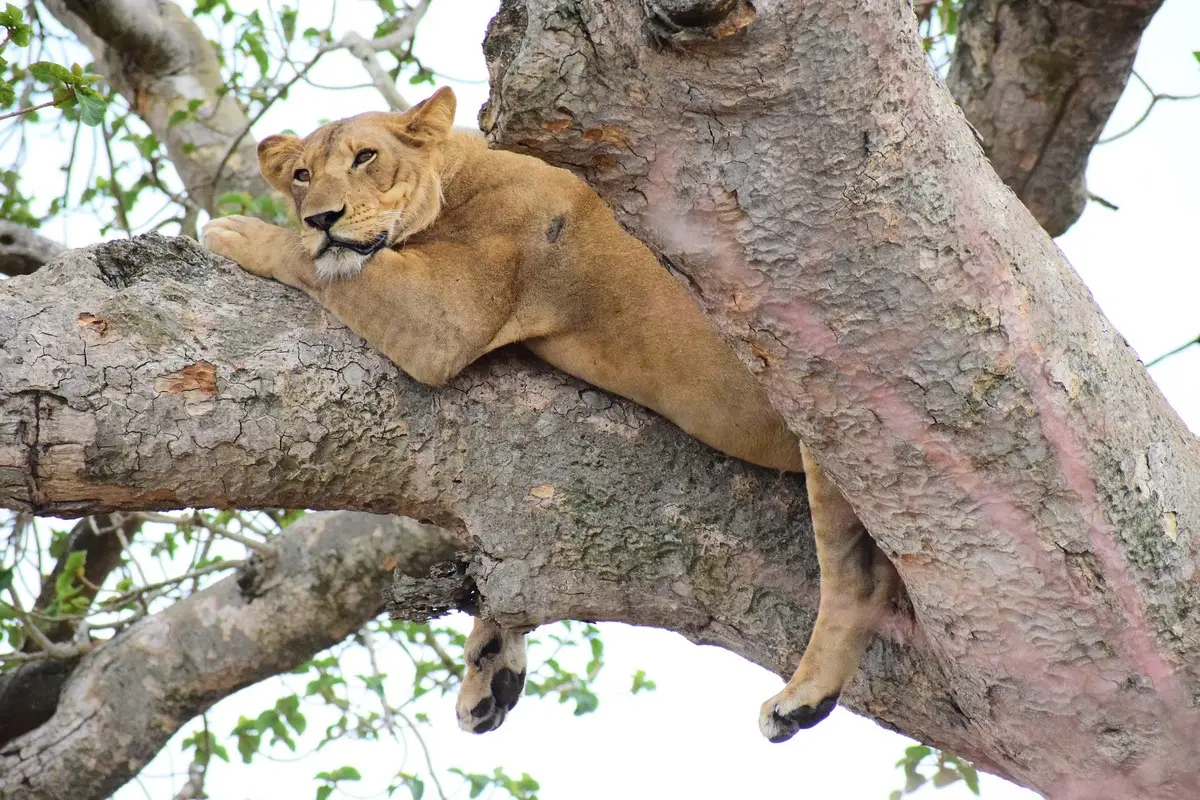
Yes, Uganda is one of the few places in Africa where you can see the unique behavior of tree-climbing lions. Queen Elizabeth National Park's Ishasha sector is famous for tree-climbing lions that lounge in ancient fig trees during the heat of the day - this behavior is thought to help them escape ground heat and biting insects while providing better vantage points for spotting prey. Ishasha has approximately 40 lions with several prides exhibiting this behavior regularly. Best viewing times are during hot midday hours (10am-3pm) when lions seek shade in trees. Success rate is approximately 60-70% depending on season and luck - lions don't climb every day. Murchison Falls National Park also has occasional tree-climbing lion sightings but less reliably than Ishasha. The only other reliable tree-climbing lion population is in Tanzania's Lake Manyara National Park. Ishasha is located in the southern sector of Queen Elizabeth National Park, accessible as part of safaris from Bwindi (en route) or from main Queen Elizabeth areas. Most Uganda itineraries combining gorillas and wildlife include Ishasha specifically for this unique phenomenon. Patience and good timing increase sighting chances significantly.
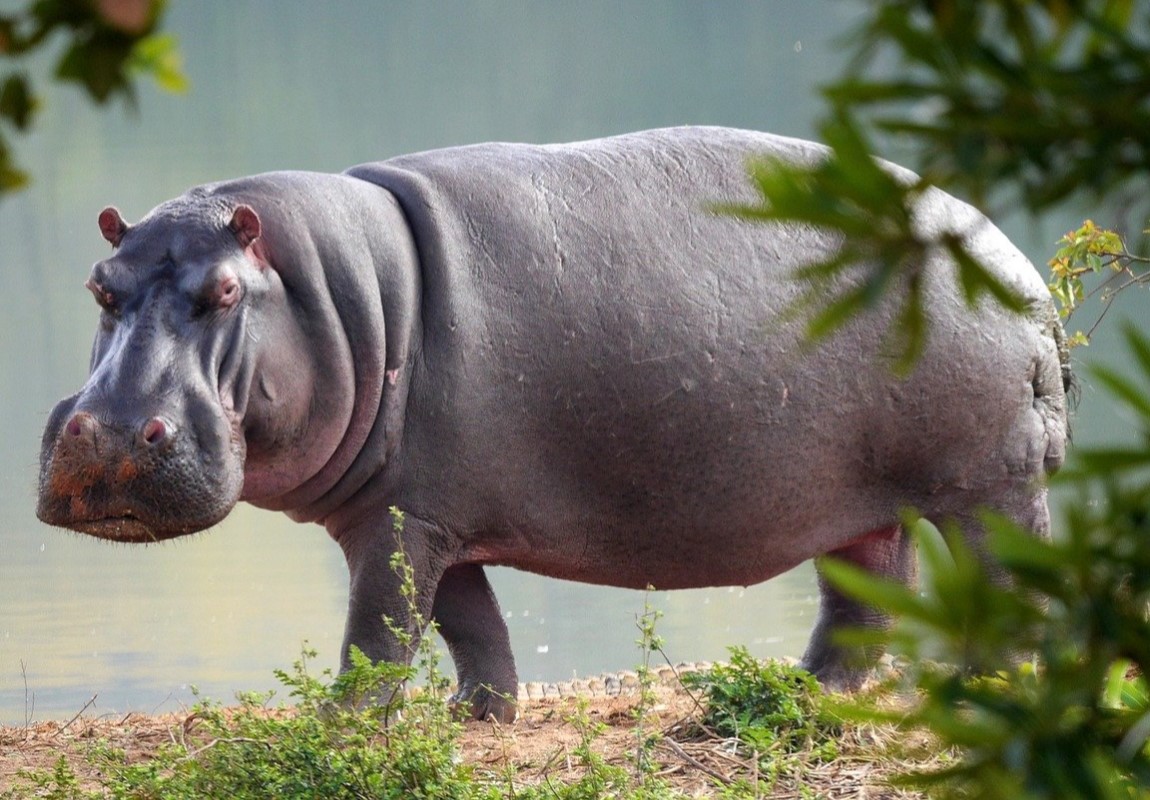
The Kazinga Channel is a 32-kilometer natural waterway connecting Lake Edward and Lake George in Queen Elizabeth National Park - it's one of Uganda's most spectacular wildlife experiences. Boat safaris on the channel (2-3 hours, typically in afternoon) offer incredible wildlife viewing from water perspectives with some of Africa's highest concentrations of hippos (thousands), massive Nile crocodiles sunbathing on shores, elephants drinking and bathing, buffalo herds, and diverse antelope species including Uganda kob and waterbuck. The channel is a birding paradise with over 60 species recorded including African fish eagles, malachite kingfishers, pied kingfishers, open-billed storks, pelicans, cormorants, and herons. The boat cruise complements traditional game drives by offering different viewing angles and opportunities to see aquatic and shore-dwelling wildlife. Best time is late afternoon (2-3pm departure) when animals congregate at water to escape heat. The experience is suitable for all ages and fitness levels. Kazinga Channel boat safaris cost approximately $30-40 per person and are included in most Queen Elizabeth National Park itineraries. This is often cited as one of the highlights of Uganda safaris.
Uganda's primary language is English, but learning basic Luganda (most widely spoken local language) and Swahili phrases delights locals. Here are 10 essential Luganda phrases with pronunciations:

1) Oli otya (OH-lee OH-tyah) - How are you?
2) Gyendi (jen-DEE) - I'm fine
3) Weebale (way-BAH-leh) - Thank you
4) Weebale nyo (way-BAH-leh NYOH) - Thank you very much
5) Tukuba (too-KOO-bah) - Goodbye
6) Bambi (BAHM-bee) - Please
7) Ye (YEH) - Yes
8) Nedda (NEH-dah) - No
9) Ssebo (SEH-boh) - Sir/formal address for men
10) Nnyabo (NYAH-boh) - Madam/formal address for women

Bonus Swahili phrases (also understood): Jambo (Hello), Asante (Thank you), Karibu (Welcome), Habari (How are you?). Useful wildlife words in Luganda: Empologoma (lion), Enjovu (elephant), Enkima (monkey). Ugandans are exceptionally friendly and appreciate any efforts to speak local languages, even if most speak excellent English. Your guides will happily teach you phrases during safaris!

Change Currency

Loading currencies...

Give your feedback