

Seychelles Safari Destination Seychelles flag

Seychelles Safari Information

Another world !

0 Tours 18 Tour Operators 0 Accommodation Properties

Starting from

$600PP

Overview

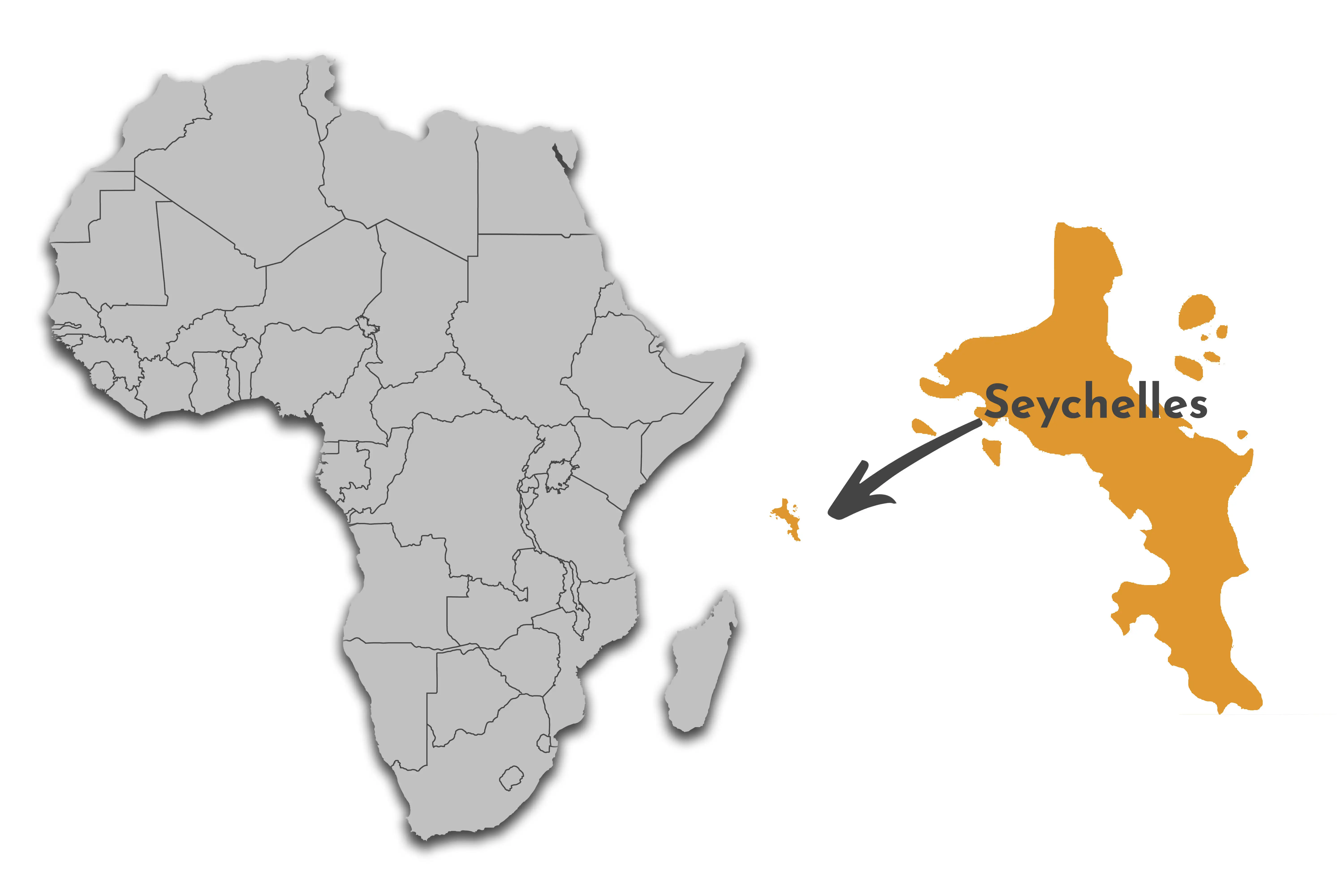
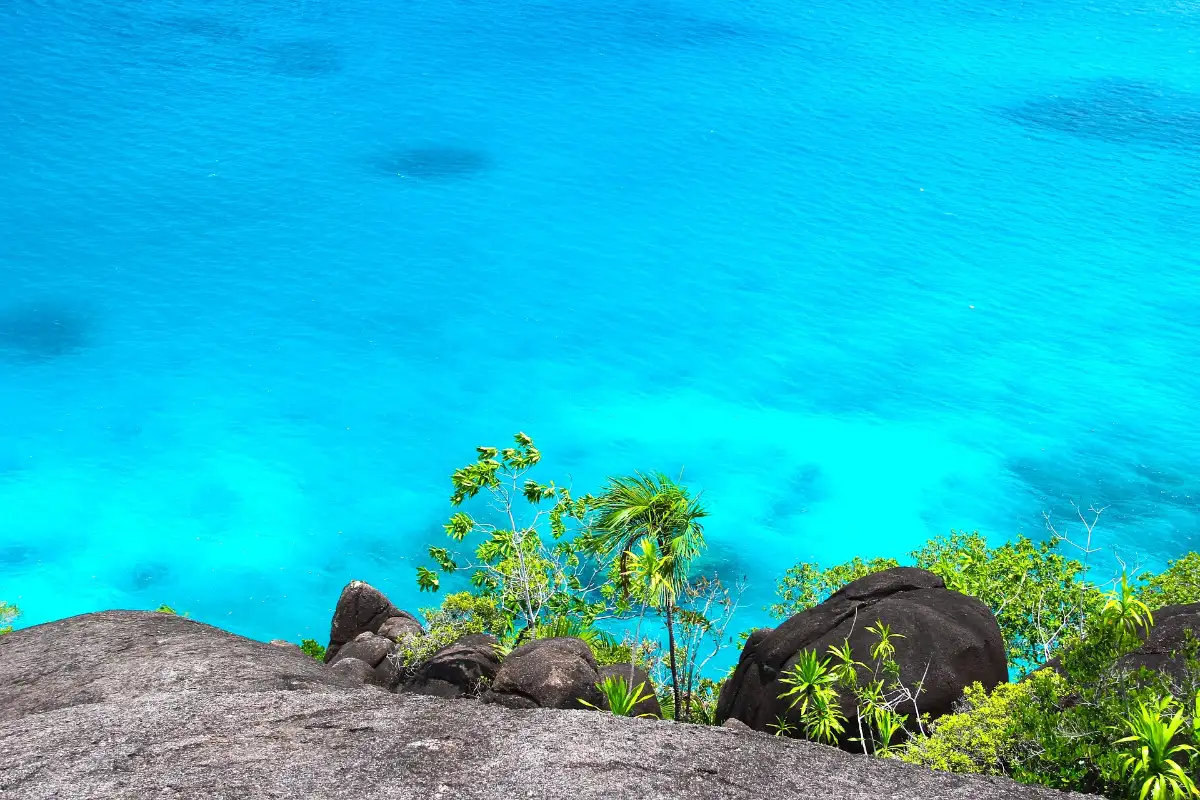
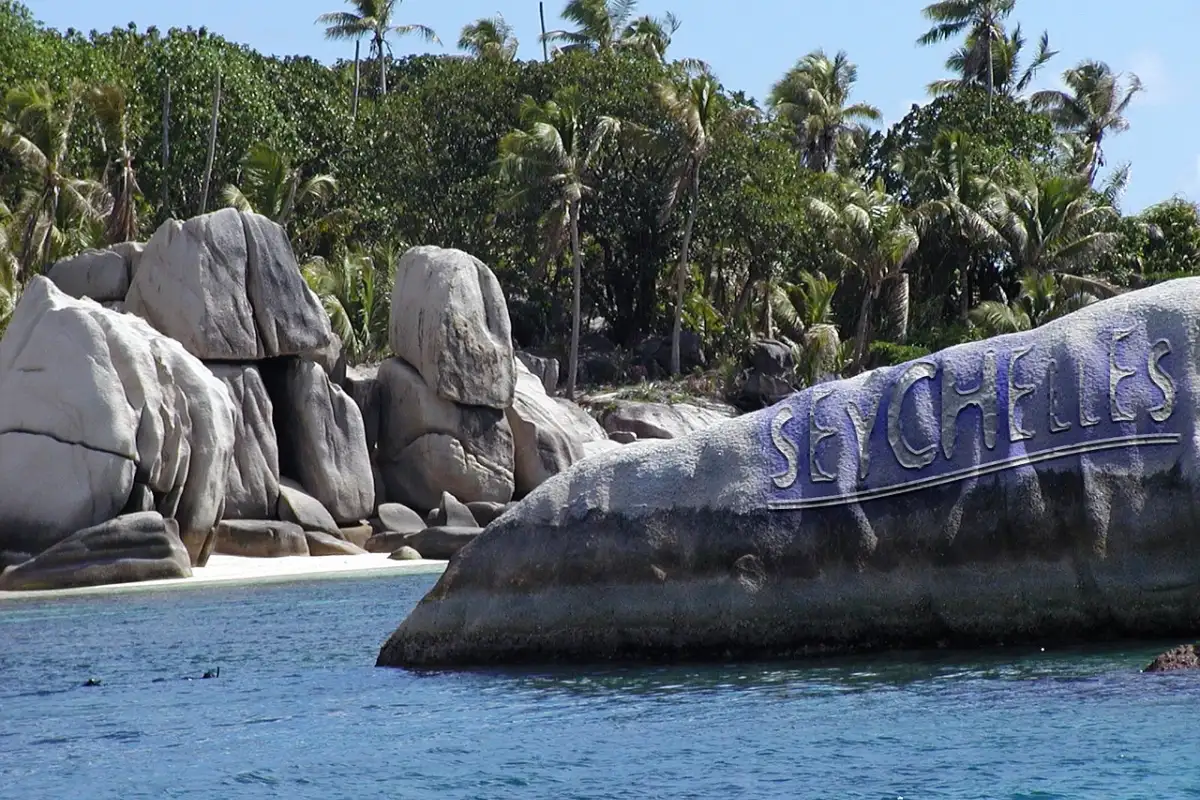
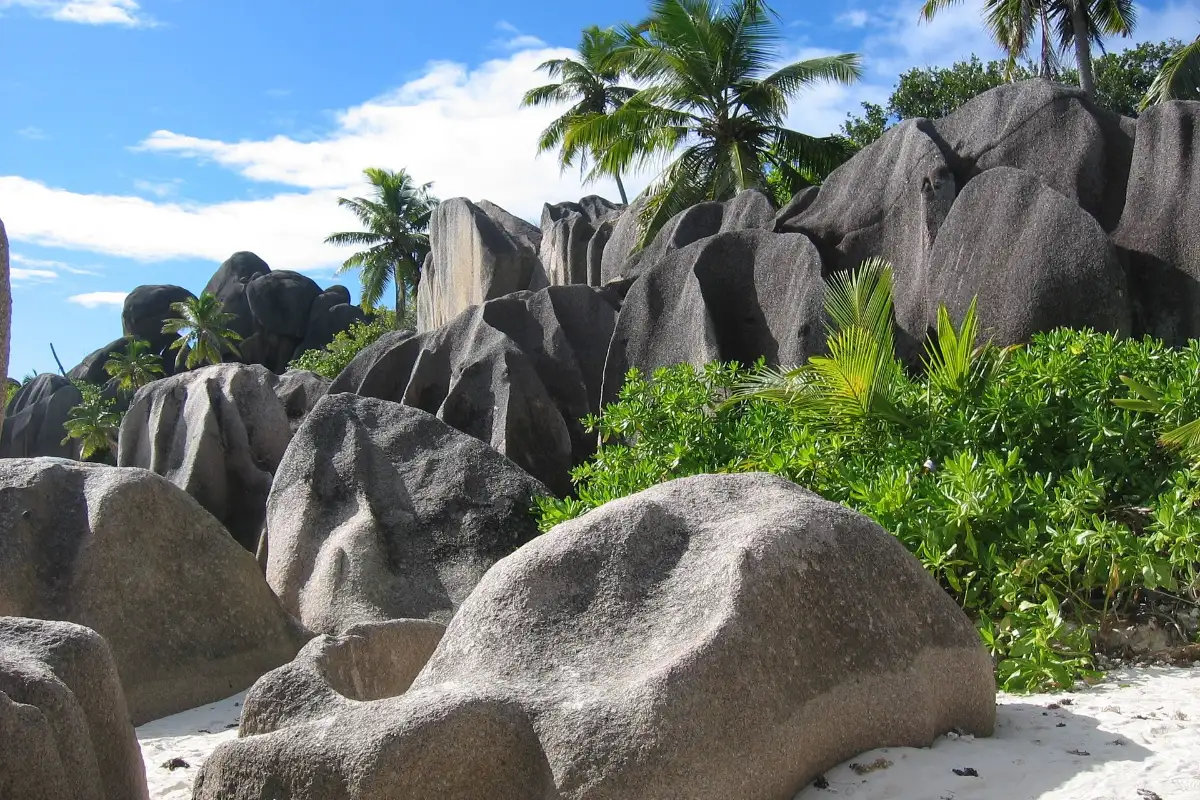
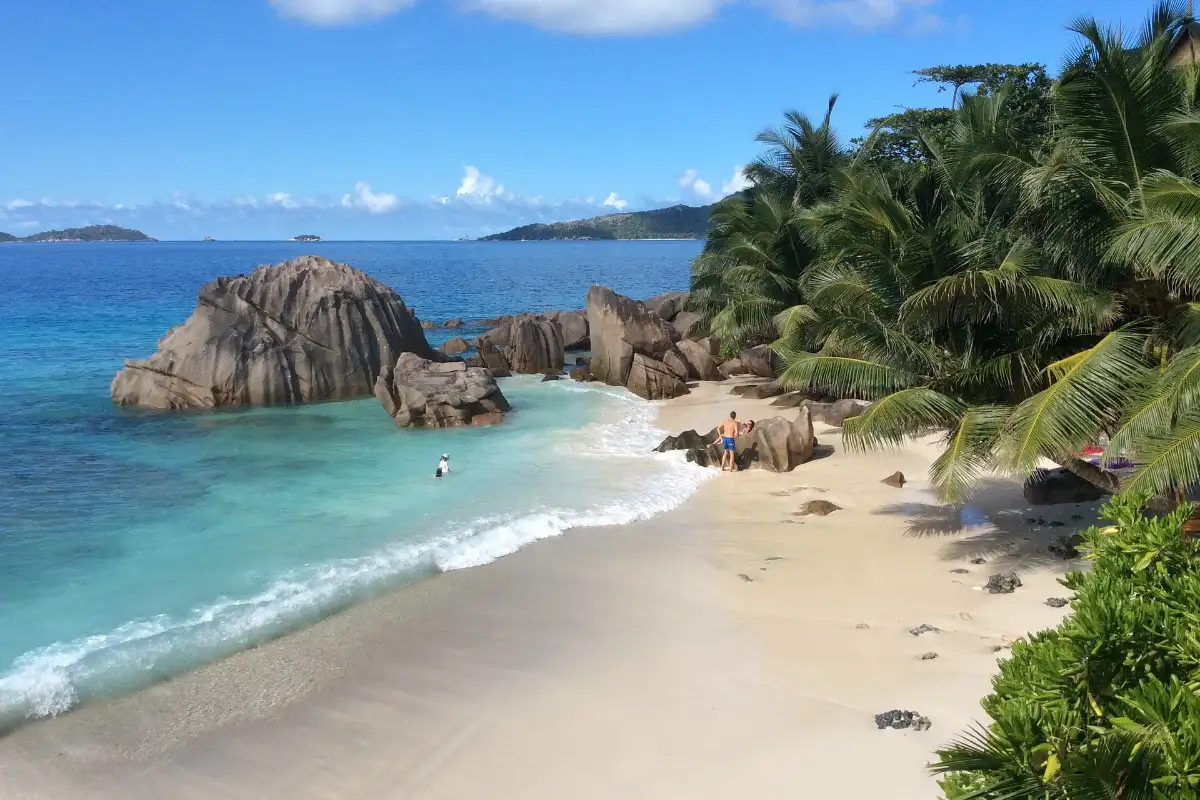
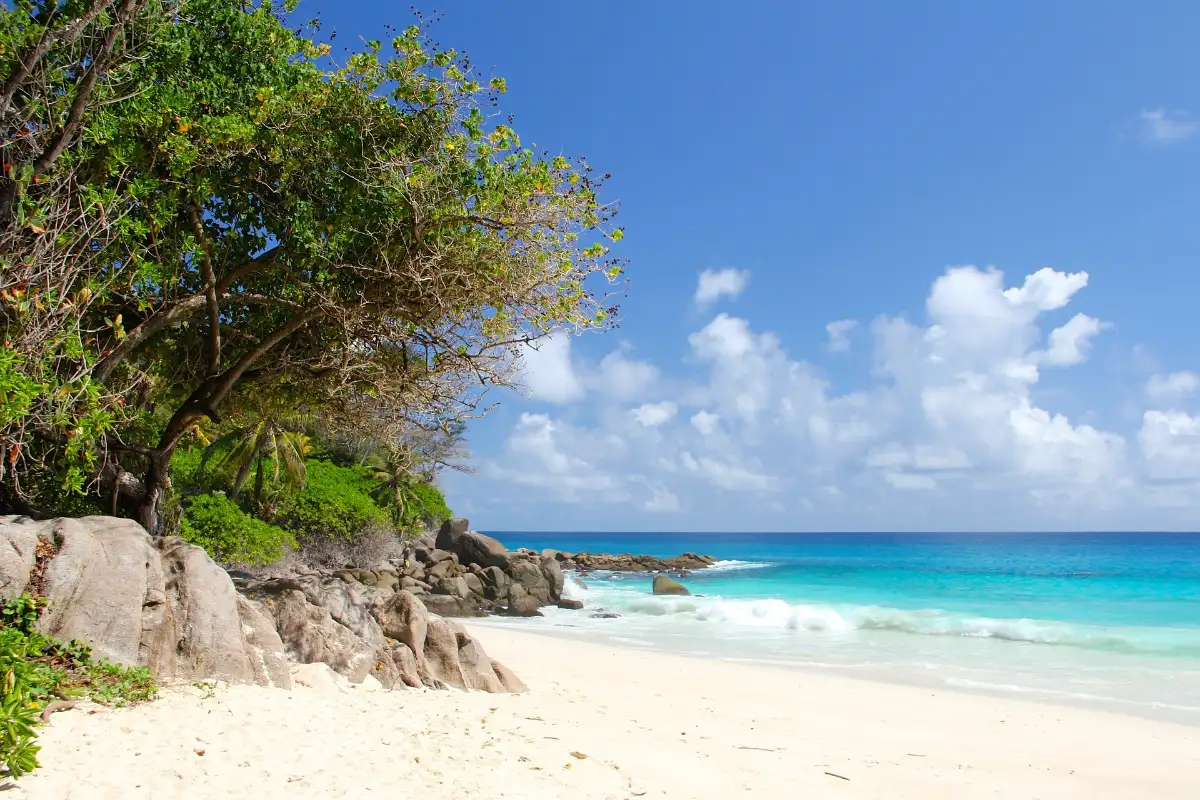
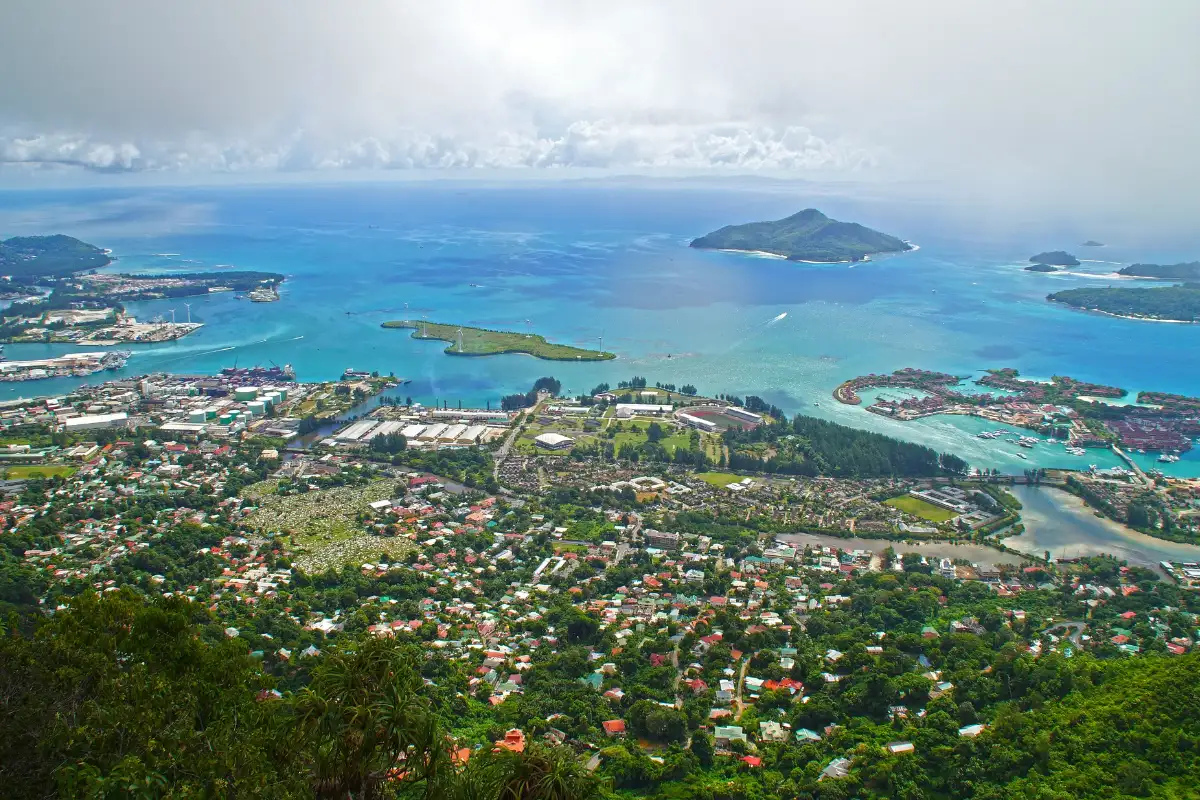
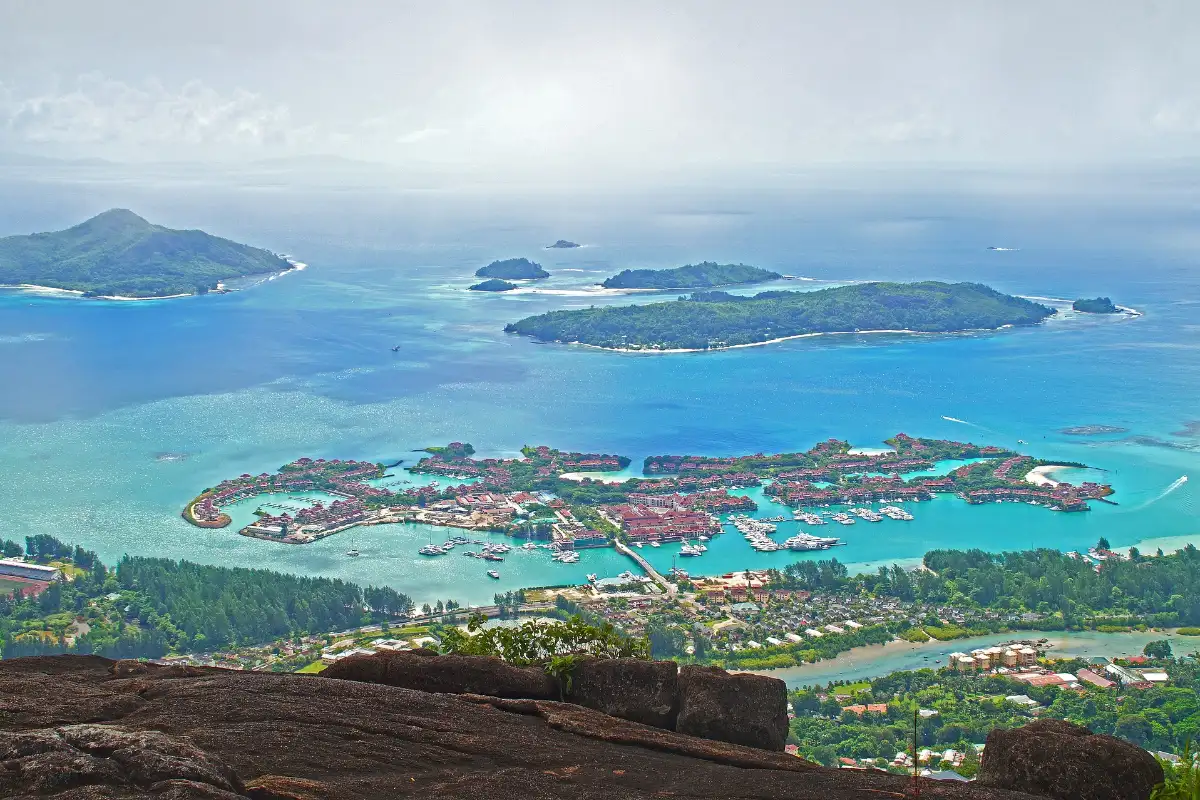
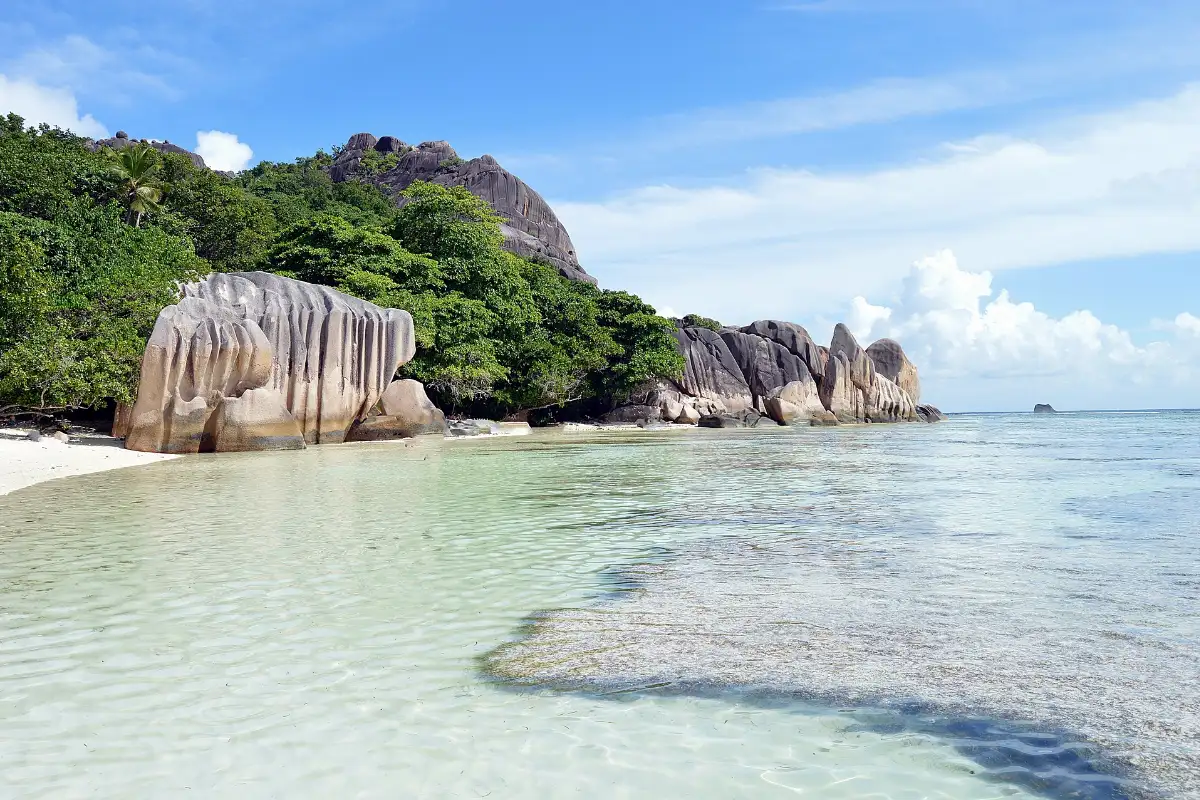
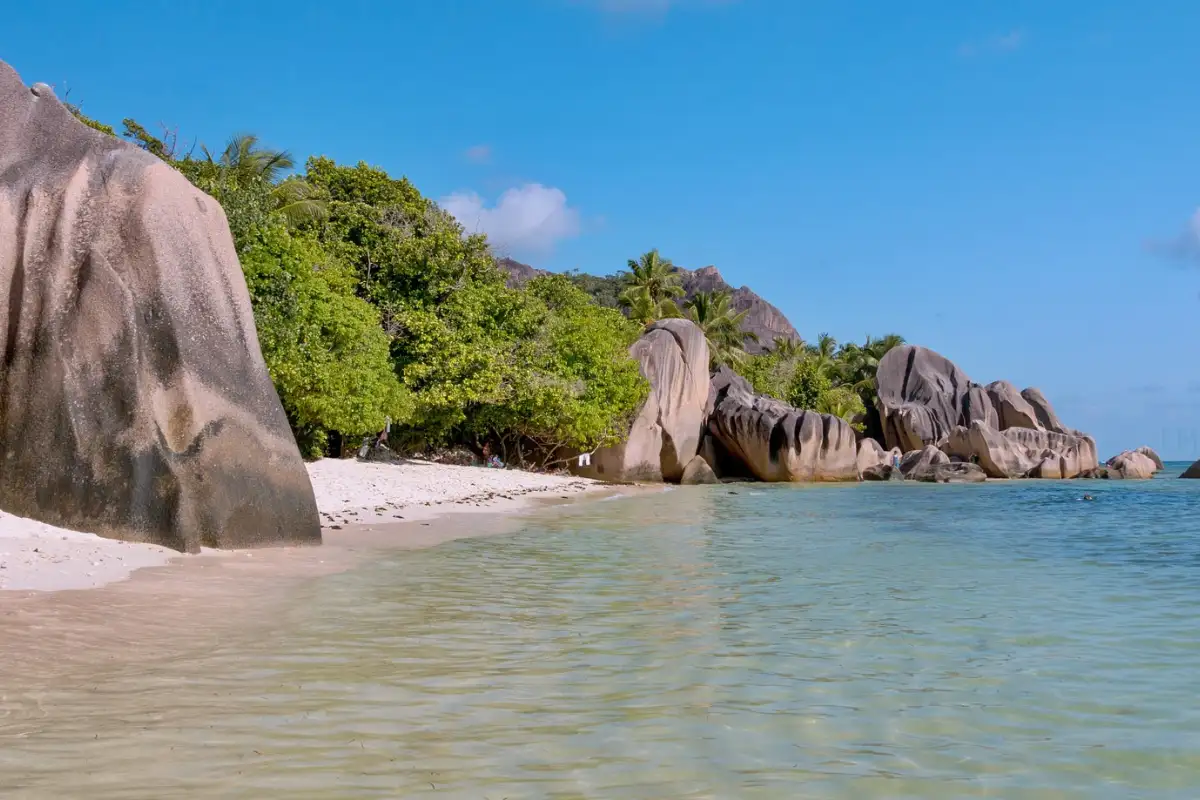
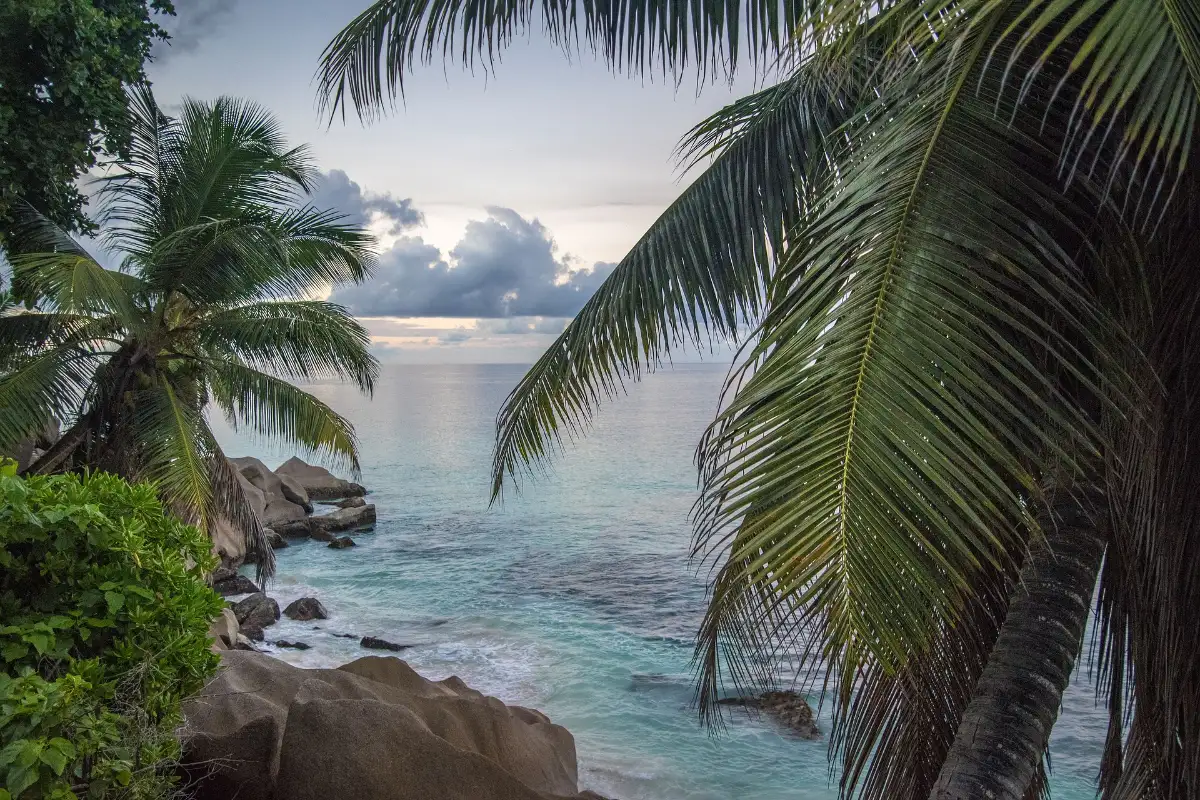
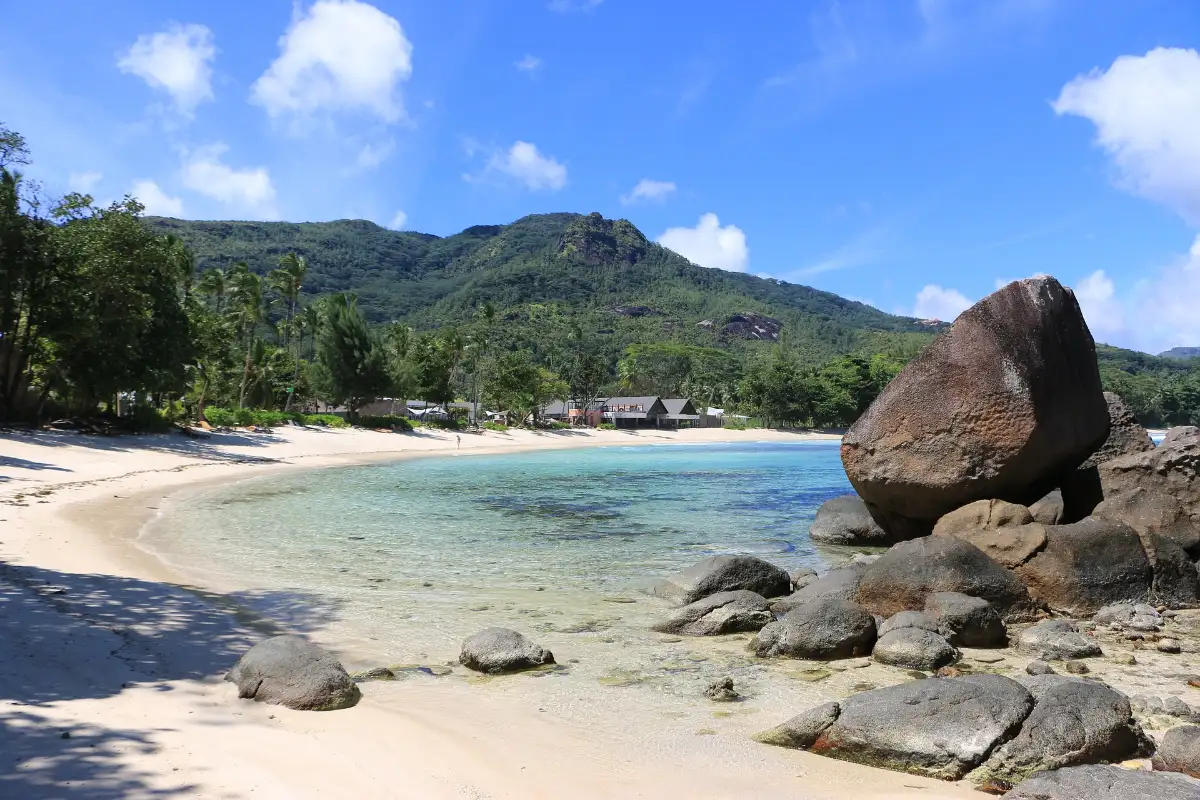
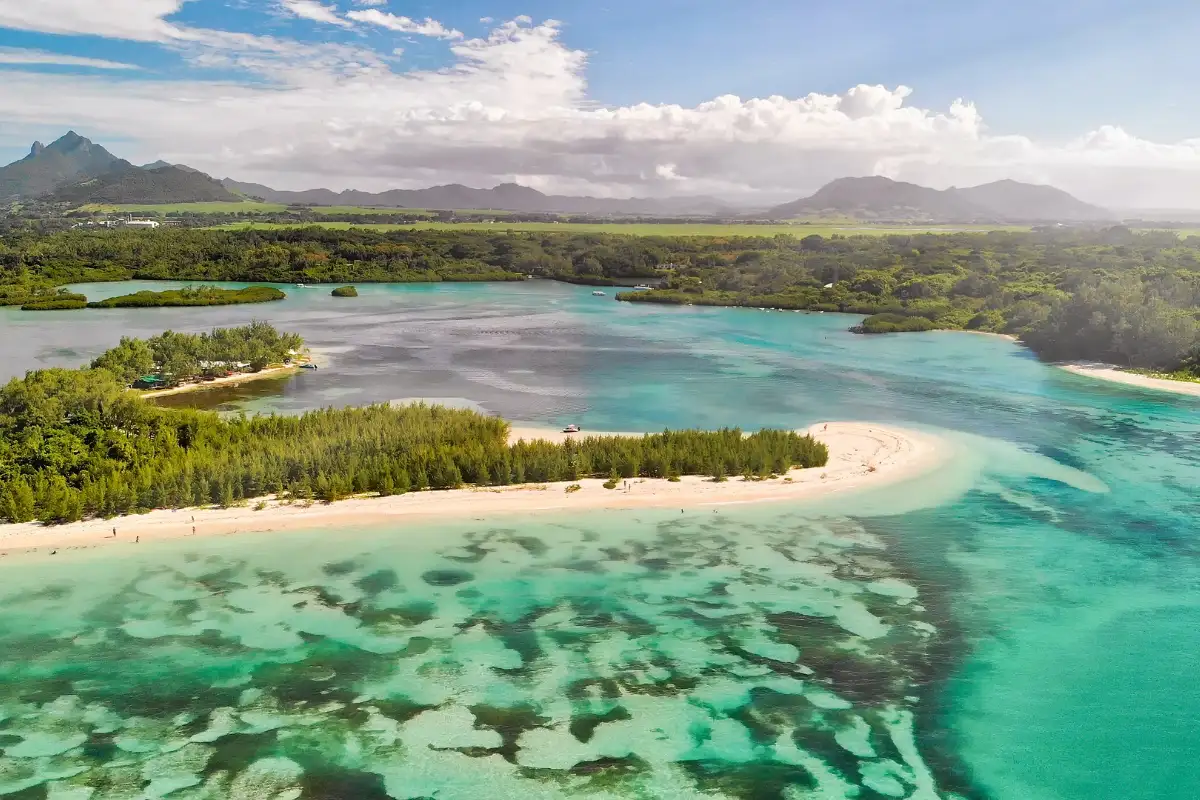
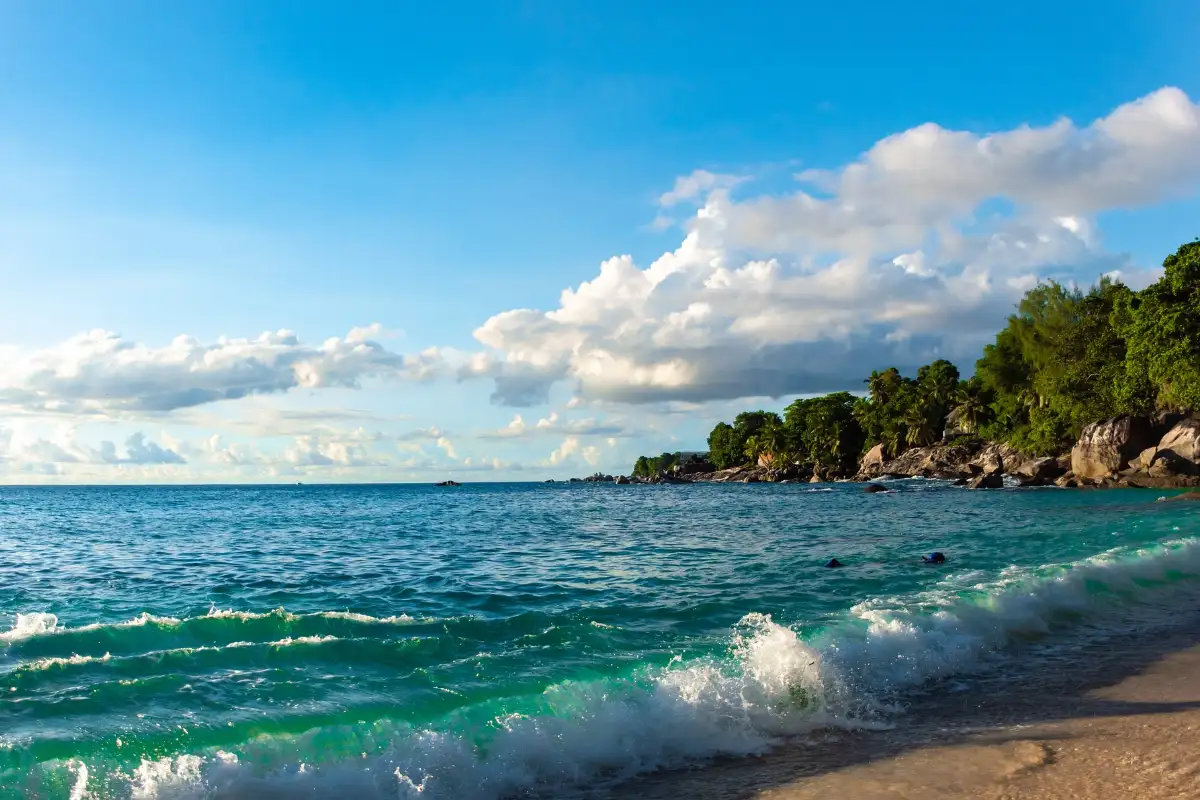
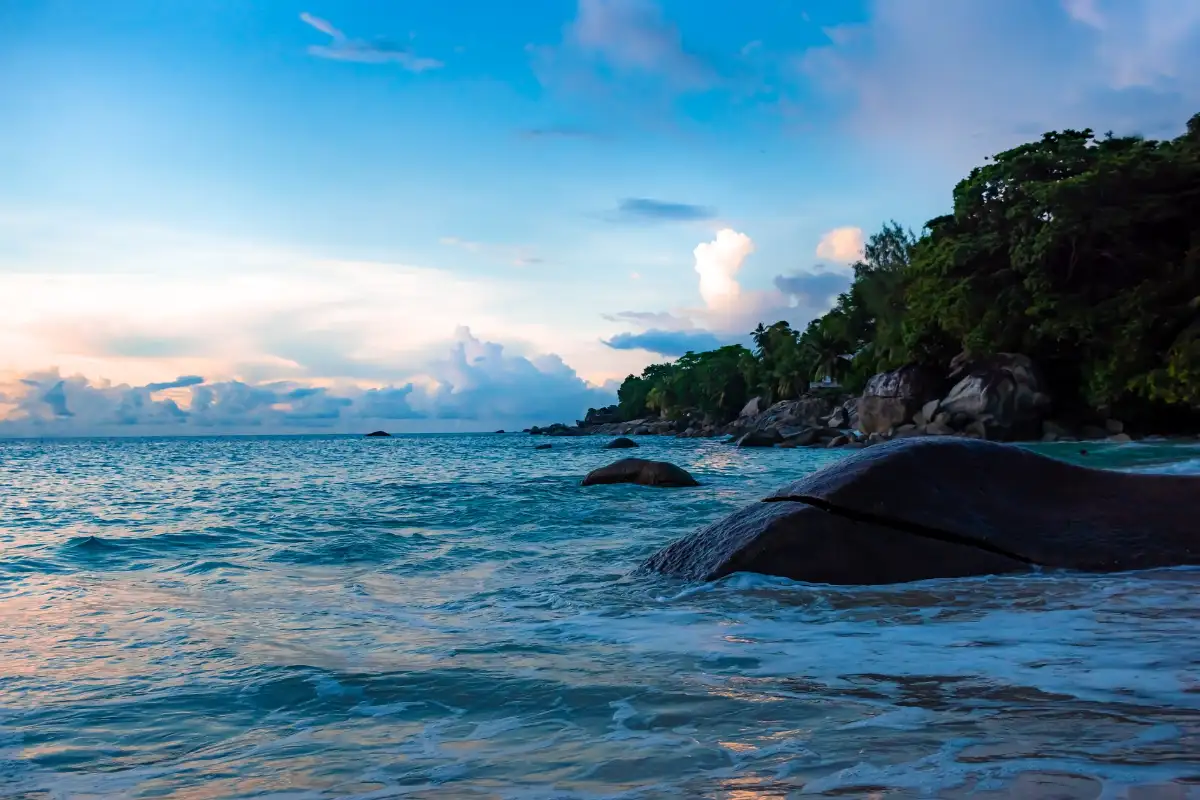
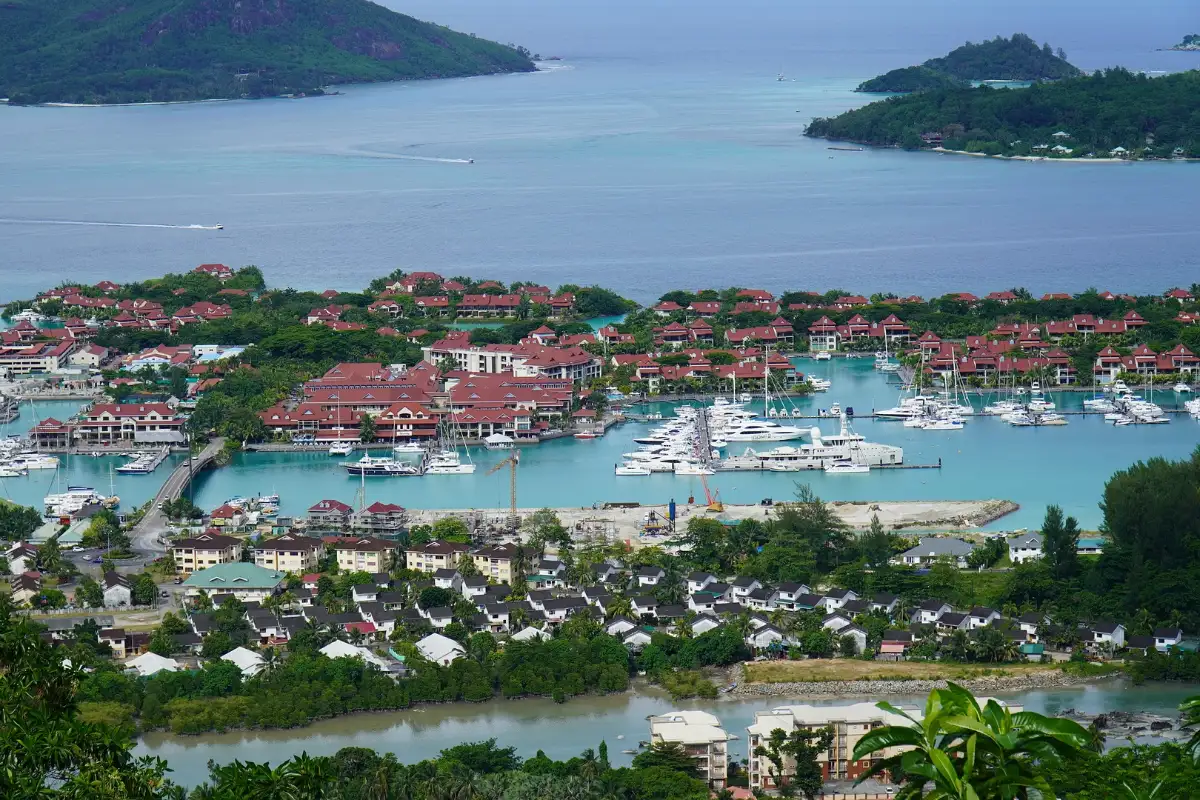
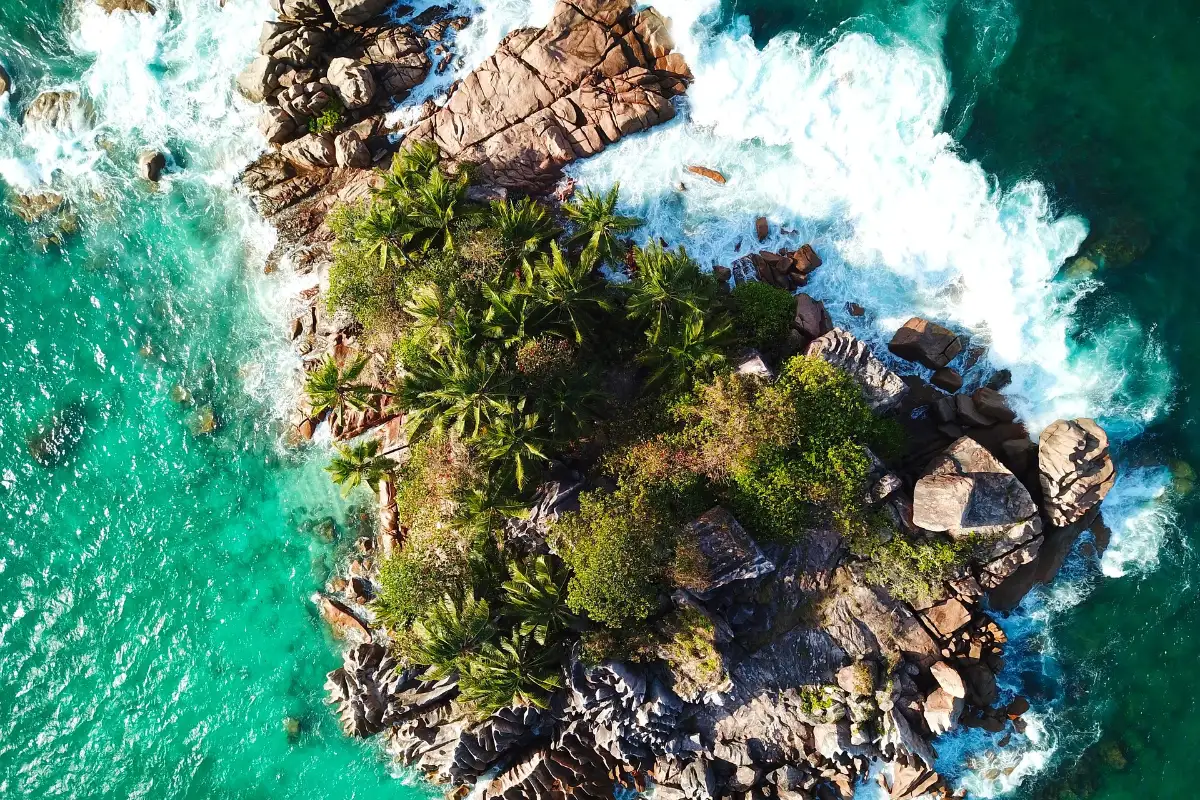
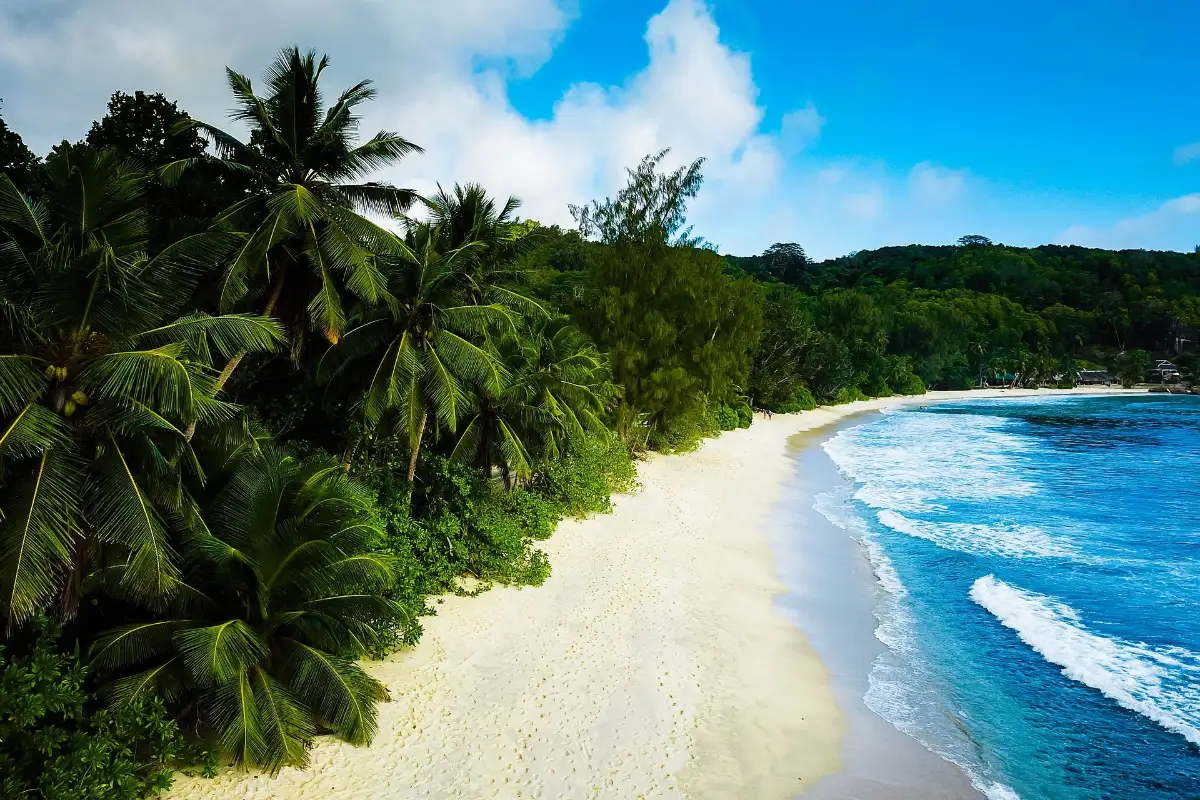
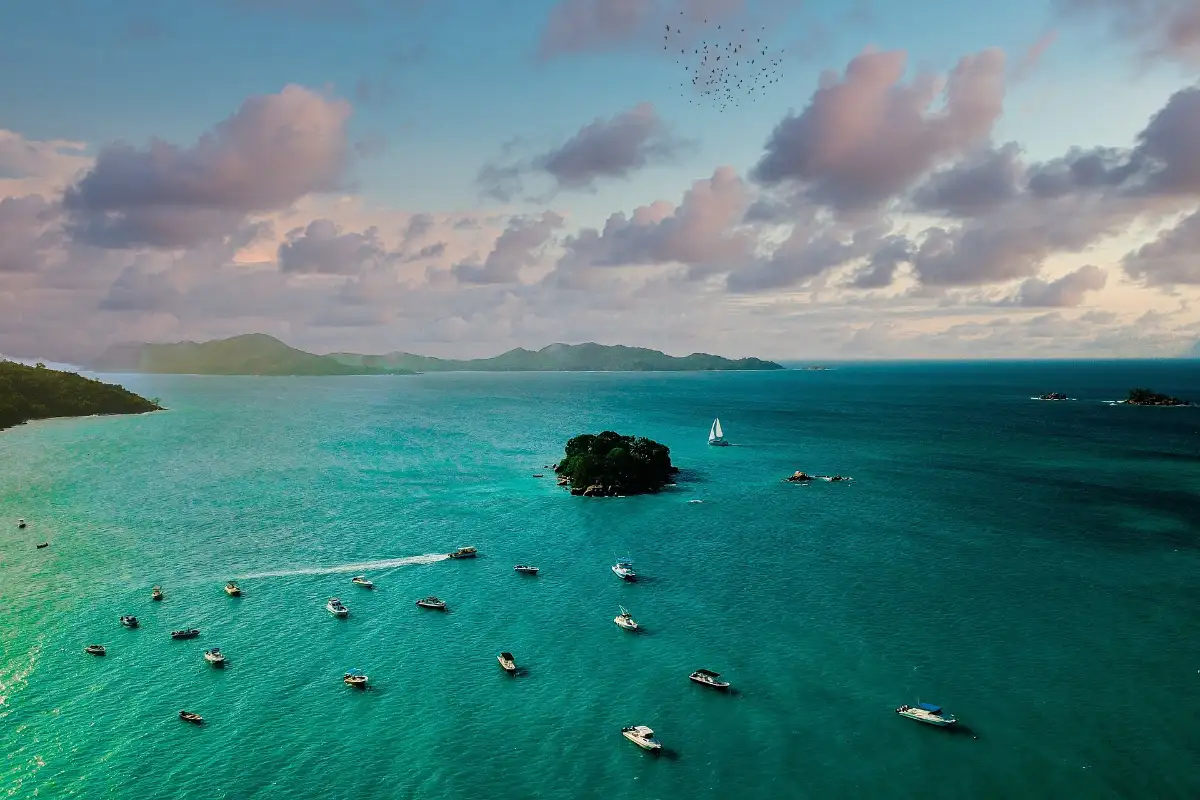
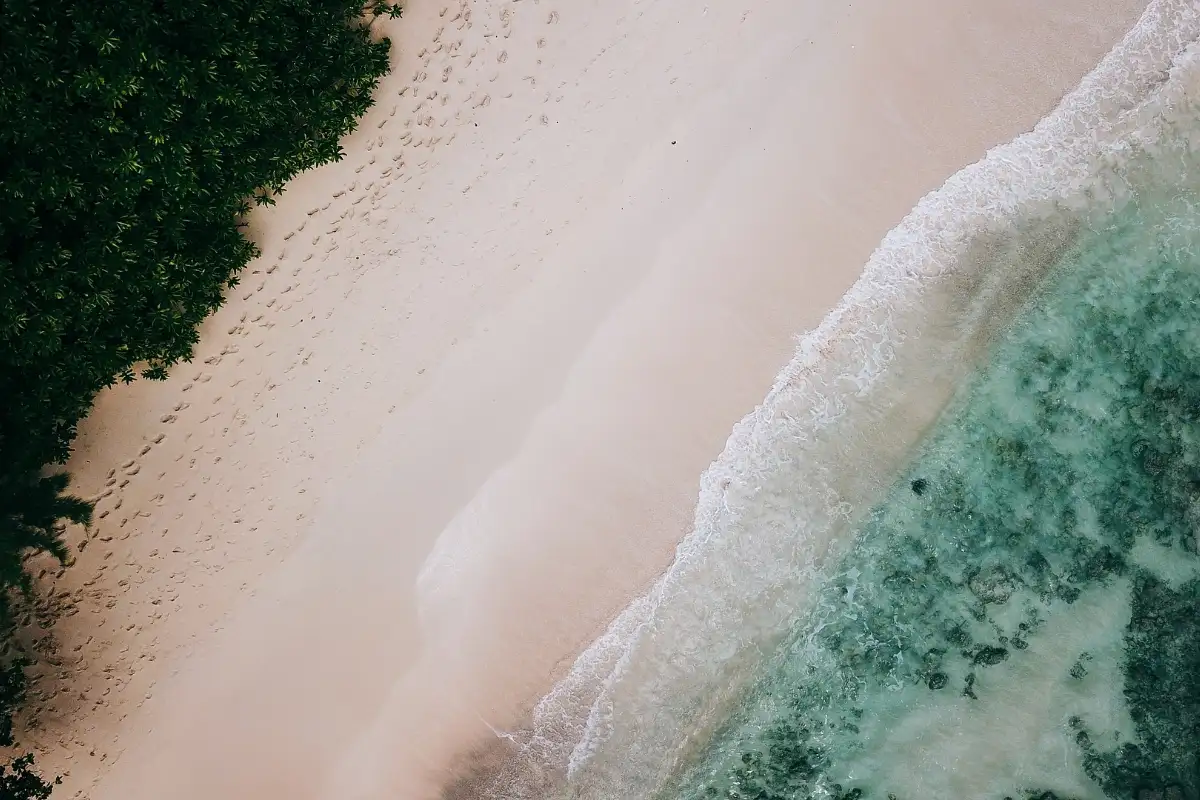
Seychelles, an archipelago of 92 islands with a population of 67,000 people, is located east of Nairobi. The islands draw tourists all year round due to their 74° median temperature, an abundance of beaches, and natural beauty. "A home of sea, birds, trees, tranquilly, beauty, quiet, and hospitality," Seychelles is "an oasis of sun-drenched cays lapped by the Indian Ocean."  Unimaginably bright blue waves lap at beaches with pristine, white sand where you can swim or snorkel. Diverse marine life, booming seabird colonies, and forests climbing volcanic hillsides present several natural wonders. And the sensory explosion of spicy Creole food, scented spice gardens, and the pampering of elite resorts all complement Seychelles' out-of-this-world beauty.Beautiful boulder-strewn beaches, virgin jungles, thriving coral reefs, and UNESCO-listed nature reserves are just a few of the archipelago's 115 coral and granite islands, which are the peaks of a massive underwater plateau.

Rates (USD)
$200 pp/day
Currency
Seychellois Rupee
Capital
Victoria
Languages
English, French, Creole
High Season
December to February
Best Time to Go
March, April, October and November

Pros & Cons

  • Low-density tourism and eco-friendly lodges
  • Excellent wildlife viewing in northern parks
  • Beautiful and diverse scenery of dry desert, saltpans, savannah grasslands and delta waterways
  • Low population and vast, undeveloped areas
  • Political stability and safety
  • Expensive upmarket safaris with few budget options
  • Availability can be limited during high season

Map in Africa

Seychelles Map in Africa

Safari Reviews

User Reviews
0.0/5
(0 Reviews)

Share Your Experience

Help other travelers by writing a review

Best Time to Visit – Seychelles

Seychelles can be visited at any time of year. May to September is a beautiful time of year to come because it is the driest and coolest. Hikers will really love this period. This is when the southeast trade winds blow and the sea can be turbulent. The ideal months for diving and snorkelling are March through May and September through November.

High Season
December to February
Low Season
May to September
Best Weather
December to February
Worst Weather
May to September

May to September (Dry Season)

  • Beautiful weather with lots of sunshine
  • Bird Island is home to rust colored terns.
  • It is less hot and humid than during the Wet season.
  • The sea can be rough, making snorkelling and diving conditions less than ideal.

October to April (Wet Season)

  • Snorkeling and diving have the best visibility.
  • The best time to go bird watching because migrants are present.
  • From December to February, it can be extremely rainy.
  • It is extremely hot and humid.

Best Time to Go to Seychelles by Major Park

Seychelles can be visited at any time of year. May to September is a beautiful time of year to come because it is the driest and coolest. Hikers will really love this time. However, the southeast trade winds are blowing and the sea may be turbulent. The ideal months for diving and snorkelling are March to May and September to November.

Activities

From game drives and walking safaris to cultural encounters and adventure excursions, Seychelles offers a wide variety of activities for every type of traveler.

Cuisines

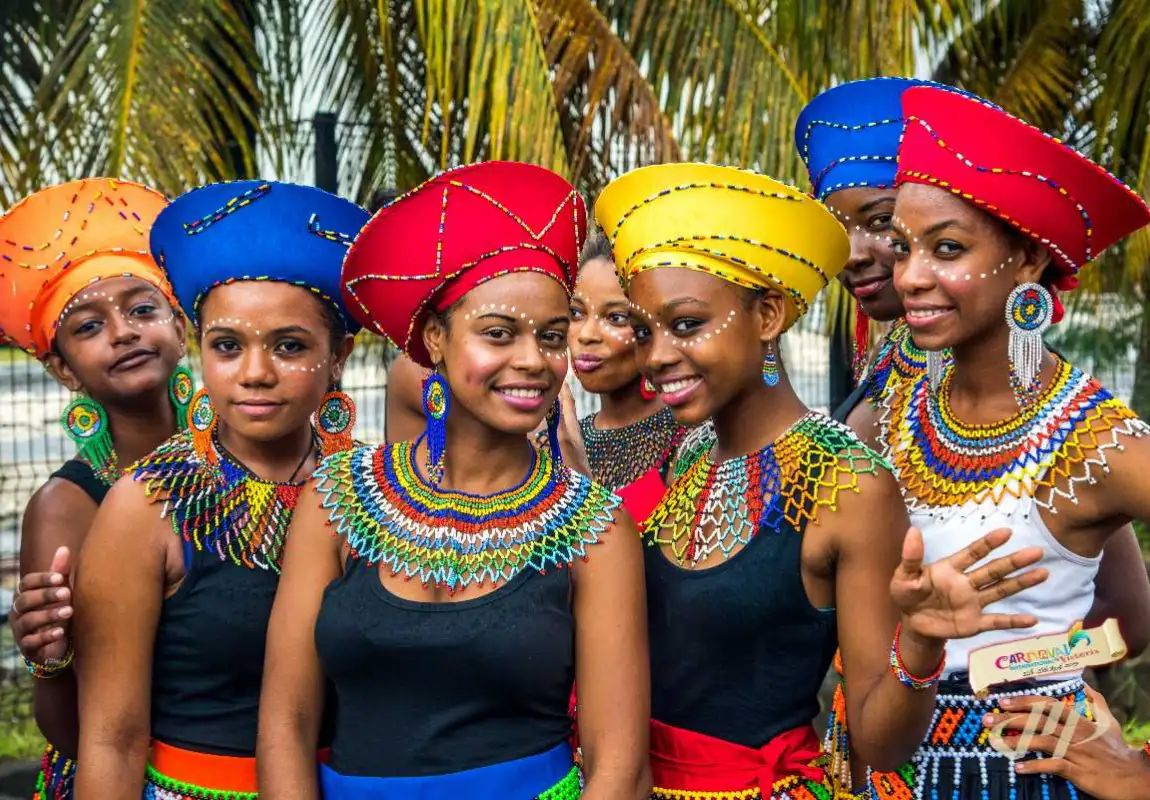
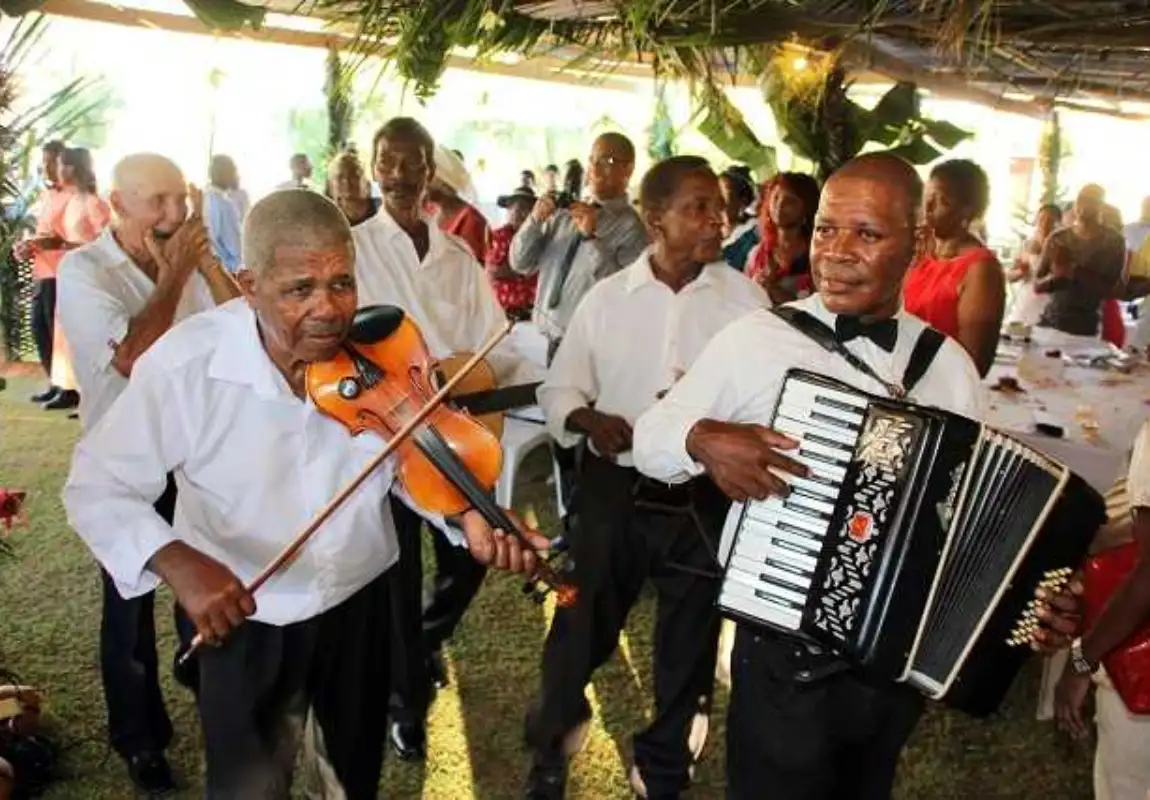
European and British, African, Indian, and even Moorish cultures are intermingled in Seychelles traditions. All of these cultures are mirrored in Creole language and art: music, dance, and theatre. Language, of course, is the most valuable asset. It received official recognition in 1981.
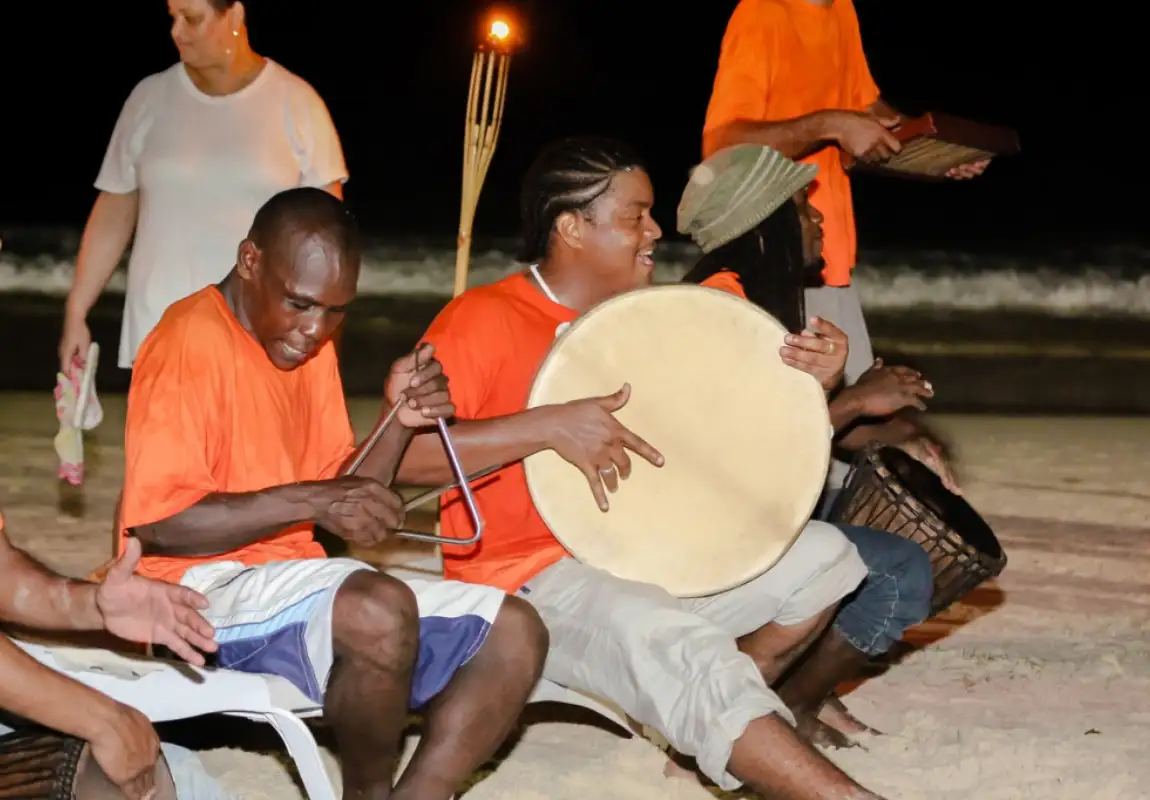
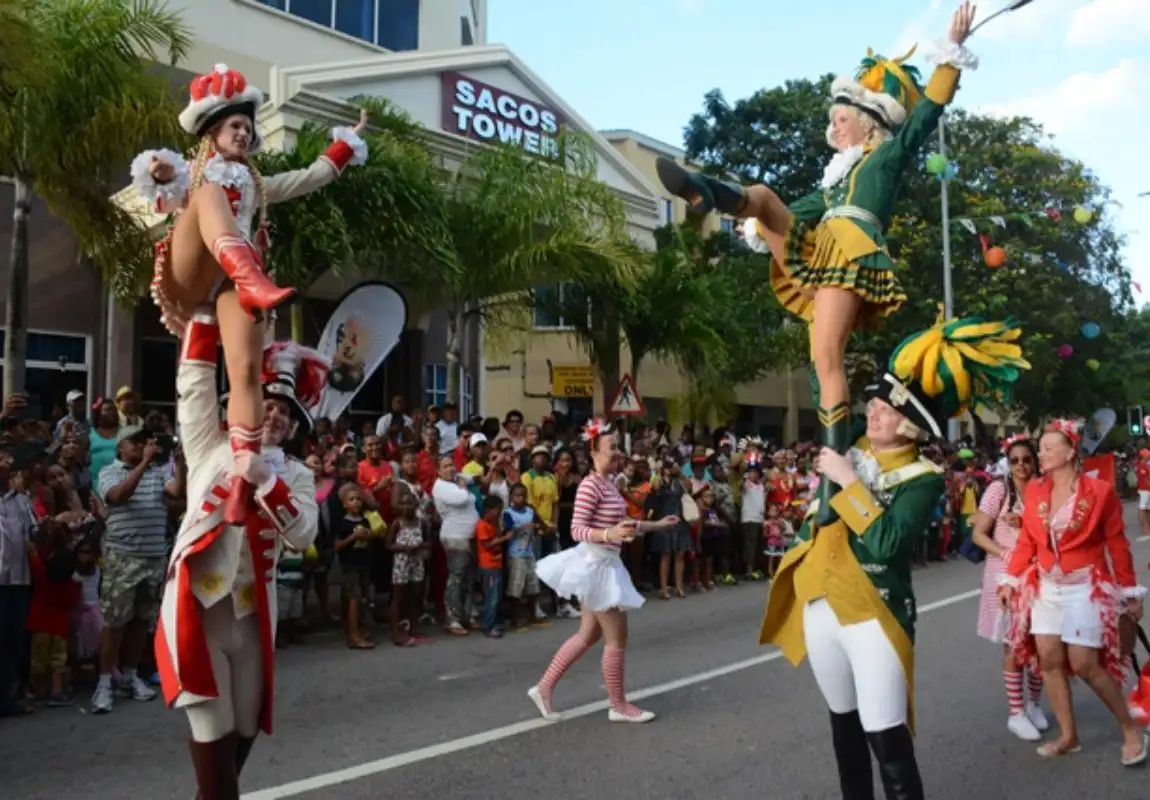
The islanders like music and enjoy singing and dancing. Creoles dance with masks and traditional musical instruments such as zez, bonm, makalapo, and tam tam. If you wish to see the merging of cultures from several ethnic groups in one area at the same time, the Creole Festival is not to be missed. Every year in October, this week-long event provides a getaway from the mundane. Dive into the sea of cultures and discover different cuisines, drinks, music, and dancing, all with a multi-racial twist.
Seychelles music has its own form of European contredanse known as Kontredans, as well as Reggae known as Seggae and Mouggae (mingled with the tunes of Sega and Moutya respectively).

Culture

European and British, African, Indian, and even Moorish cultures are intermingled in Seychelles traditions. All of these cultures are mirrored in Creole language and art: music, dance, and theatre. Language, of course, is the most valuable asset. It received official recognition in 1981.
The islanders like music and enjoy singing and dancing. Creoles dance with masks and traditional musical instruments such as zez, bonm, makalapo, and tam tam. If you wish to see the merging of cultures from several ethnic groups in one area at the same time, the Creole Festival is not to be missed. Every year in October, this week-long event provides a getaway from the mundane. Dive into the sea of cultures and discover different cuisines, drinks, music, and dancing, all with a multi-racial twist.
Seychelles music has its own form of European contredanse known as Kontredans, as well as Reggae known as Seggae and Mouggae (mingled with the tunes of Sega and Moutya respectively).

National Parks & Game Reserves

Seychelles is home to some of the most spectacular national parks and game reserves in Africa. From vast savannahs to dense forests, each park offers unique landscapes, diverse wildlife, and unforgettable safari experiences. Whether you’re searching for the Big Five or hidden natural wonders, Seychelles has something for every safari enthusiast.

No parks & Reserves

Showing 1-0 of 0 reviews
Recently Added
5 Stars Only
4 Stars and above
3 Stars and above

No reviews yet for this destination. Be the first to share your experience !

Safety & Security

In our opinion, visiting Seychelles is generally safe. Travellers should take basic safety precautions, as they would anywhere else in the world, and not leave valuables lying around unattended. The majority of petty crime occurs in cities.

Please see the links below for travel advice on Seychelles Safari Trips:

General Safety Tips

  • Keep valuables secure and avoid displaying expensive items
  • Stay alert in crowded areas and tourist hotspots
  • Use registered tour operators and licensed guides
  • Follow local customs and respect cultural sensitivities
  • Keep copies of important documents in a safe place

Safari Safety

  • Always follow your guide's instructions during game drives
  • Stay inside your vehicle unless instructed otherwise
  • Keep noise levels low to avoid startling wildlife
  • Never approach or feed wild animals
  • Carry essential medications and first aid supplies

Health & Medical

Before traveling to Seychelles, consult with your healthcare provider about recommended vaccinations and health precautions. Common recommendations include malaria prophylaxis, hepatitis A and B vaccines, and routine immunizations. Carry any necessary medications and consider travel insurance that covers medical emergencies.

Getting There

All foreign aircraft land at Seychelles International Airport (SEZ), located 8 kilometres south of Victoria on Mahé. Large hotels provide airport transportation, but taxis are also available. Domestic flights depart from the domestic terminal. Ferries can also be used to travel between the islands. If you've booked a package, your tour operator will arrange for airport pickup and all subsequent transportation.

Seychelles is a visa-free country, which means that there are no visa requirements for anyone wishing to travel there, except for passport holders from Kosovo, who will be denied entry because Seychelles does not recognise the State of Kosovo. Although other passport holders are not required to obtain a visa to enter Seychelles, visitors must have a valid passport or other travel documents recognised by the Seychelles government to gain entry.

Travel Requirements

  • All foreign visitors must have a passport that is valid for the duration of their intended stay until they return to their home country.
  • On arrival, regardless of nationality, a free visitor's permit valid for up to one month is issued.
  • Permits can be extended for free for a period of up to three months.

Domestic Transportation

Scheduled flights between Mahé and Praslin are operated by Air Seychelles. Islands Development Company offers inter-island chartered flights to neighbouring islands.

Seychelles enjoys a tropical climate making it a year-round destination, though conditions vary by season. April to May and October to November (transition periods) are considered best times with calm seas perfect for diving and snorkeling, temperatures around 27-30°C/81-86°F, minimal wind, excellent underwater visibility, and moderate hotel prices. These months offer ideal conditions for water activities and beach relaxation. May to September (southeast monsoon/dry season) brings cooler temperatures (24-28°C/75-82°F), lower humidity, stronger winds particularly on southern coasts, rougher seas affecting boat trips and swimming on exposed beaches, excellent for sailing and windsurfing, and peak tourist season (July-August) with higher prices. This period is driest with less rainfall. December to March (northwest monsoon/wet season) features warmer, more humid conditions (28-32°C/82-90°F), calmer seas on northern beaches, occasional heavy rain showers (usually brief afternoon storms), best time for birdwatching as migratory species arrive, lush vegetation, and lower accommodation prices (except Christmas-New Year peak). Best months overall: April, May, October, and November offer optimal weather, calm seas, and good value. December to March is warmest and wettest but still pleasant with brief showers. Diving and snorkeling: March to May and September to November provide best visibility. Surfing: May to September brings consistent swells. Fishing: October to April for sailfish and marlin. Seychelles has no cyclone risk making it safe year-round. Peak season (July-August, December-January) requires advance booking at premium prices. Shoulder seasons offer best balance of weather, activities, and value.
Seychelles is one of the world's most expensive tropical destinations with costs reflecting its exclusivity and pristine nature. Budget travel: challenging in Seychelles - minimum $100-150 per day including guesthouses or self-catering apartments ($50-80 per night), local Creole takeaways and markets ($15-30), public buses ($0.50-1 per journey on Mahé and Praslin), and free beaches. Budget travelers stay on Mahé or Praslin using self-catering and local transport. Mid-range travel: $300-500 per day with 3-4 star hotels or small resorts ($150-250 per night), mix of local and tourist restaurants ($50-80), car rental ($50-70 per day), and paid activities. Luxury travel: $800-2,000+ per day featuring 5-star resorts like Four Seasons, Six Senses Zil Pasyon, North Island ($1,000-3,000+ per night), fine dining ($100-200+ per meal), private transfers, helicopter rides, spa treatments, and premium excursions. Ultra-luxury resorts can exceed $5,000 per night (North Island, private islands). Typical week-long vacation: budget $1,500-2,500, mid-range $3,500-6,000, luxury $10,000-25,000+ per person. Activities costs: diving ($80-120 per dive), island hopping day trips ($150-250), catamaran cruises ($120-200), and snorkeling tours ($80-150). Flights expensive: from Europe $800-1,500, from Middle East $600-1,000, from Africa $500-800. All costs are high: meals $15-40 at local restaurants, $50-100+ at resort restaurants, groceries expensive (imported goods), and fuel costly. Self-catering significantly reduces costs. Seychelles rivals Maldives for expense but offers more freedom to explore versus resort-bound Maldives. Ultra-luxury honeymooners and celebrities choose Seychelles for privacy and pristine beauty. Budget travelers can visit but requires careful planning and sacrificing convenience.
Seychelles has one of the world's most welcoming visa policies. No visa required: all visitors regardless of nationality receive free visitor's permit on arrival valid for one month (30 days). No pre-application, no fees, no sponsorship needed. Requirements for entry: valid passport for duration of stay (though 6 months validity recommended), confirmed accommodation (hotel booking or private address), sufficient funds for stay (approximately $150 per day though rarely checked), and return or onward ticket. Visitor permit conditions: tourist purposes only, no employment permitted, extendable up to maximum 12 months total. Extensions: can extend visitor permit for additional periods (3 months maximum per extension) up to total one year by applying at Immigration Office in Victoria, Mahé. Requires proof of funds, valid accommodation, and return ticket. Extensions generally granted easily for genuine tourists. Overstaying: results in fines and potential deportation - ensure permit covers entire stay. Long-term residence: work permits, gainful occupation permits, and residence permits available for those wanting to work, invest, or retire but require separate applications. Health requirements: yellow fever vaccination certificate required if arriving from endemic countries (parts of Africa, South America) or transiting through endemic areas for 12+ hours. No other vaccinations mandatory. Entry process: arrival card completed on plane, immigration straightforward taking 10-20 minutes at Seychelles International Airport. Seychelles actively welcomes tourists with minimal bureaucracy making entry among easiest worldwide - reflects commitment to tourism as economic pillar. Always verify current requirements before travel, though Seychelles maintains liberal policy facilitating tourism.
Seychelles has minimal vaccination requirements making it one of the safest tropical health destinations. Yellow fever: vaccination certificate required ONLY if arriving from yellow fever endemic countries (parts of Africa, South America) or transiting through endemic areas for more than 12 hours. Direct arrivals from Europe, Middle East, Asia, and most countries do not require yellow fever vaccination. Recommended vaccinations: Hepatitis A and B (protection against food and waterborne diseases), Typhoid (contaminated food/water risk), Tetanus (ensure up-to-date booster), and routine vaccinations (MMR, diphtheria, pertussis). Consult travel doctor 6-8 weeks before departure. Malaria: Seychelles is completely malaria-free - no prophylaxis required, making it major advantage for families and health-conscious travelers. Dengue fever: present in Seychelles though risk is low. No vaccine available, so use insect repellent with DEET, wear long sleeves/pants during dawn and dusk, and use mosquito nets if available. Chikungunya: occasional cases reported. Same prevention as dengue. Zika virus: minimal risk but pregnant women should consult doctors and follow mosquito precautions. Healthcare: Seychelles has good medical facilities with Victoria Hospital on Mahé offering quality care. Private clinics available. Praslin and La Digue have smaller health centers. Medical evacuation insurance recommended for serious emergencies requiring transport to Mauritius, Reunion, or international facilities. Pharmacies well-stocked in Victoria and main islands. Tap water: safe to drink throughout Seychelles from municipal supplies - among few African destinations with potable tap water. Bottled water available if preferred. Sun protection: intense equatorial sun requires SPF 50+ sunscreen, hats, sunglasses, and midday shade. Marine hazards: occasional jellyfish, stone fish in rocky areas, and strong currents require caution. Overall Seychelles is exceptionally healthy tropical destination with no malaria, safe water, good medical care, and minimal disease risks - ideal for families, elderly, and health-conscious travelers seeking tropical paradise without health concerns.
Yes, Seychelles is very safe for tourists with low crime rates, stable democracy, and welcoming culture making it one of the safest destinations in Africa and Indian Ocean. General safety: violent crime against tourists is extremely rare. Petty theft (bag snatching, pickpocketing) can occur in Victoria market and crowded areas - use basic precautions. Don't leave valuables unattended on beaches, secure belongings in hotel safes, avoid displaying expensive jewelry, and be alert in busy areas. Resort and beach safety is excellent. Most beaches are safe and secluded with minimal concerns. Beach safety: swim only at beaches with lifeguards or known safe conditions. Some beaches have strong currents and undertows particularly during monsoon transitions - observe warning signs and local advice. Granite boulders can have sharp edges - wear water shoes. Never swim alone in remote areas. Jellyfish occasionally present particularly December-January - vinegar helps stings. Road safety: Mahé and Praslin have winding, hilly roads requiring careful driving. Speed limits generally 40-65 km/h. Driving is on left (British influence). Scooter rentals popular but require caution on hills and corners. Wear helmets. Water activities: reputable operators maintain good safety standards. Use licensed providers for diving, snorkeling, boat trips, and water sports. Check weather conditions before boat trips. Women travelers: Seychelles is very safe for solo women with respectful culture and minimal harassment. Normal precautions apply. Locals are friendly, helpful, and proud of their safe reputation. Natural hazards: tropical sun requires protection - sunscreen, hats, hydration essential to avoid heat stroke and sunburn. Occasional heavy rain and flash floods during wet season require weather awareness. No dangerous land animals or venomous snakes in Seychelles. Wildlife encounters (giant tortoises, fruit bats, tropical birds) are harmless and delightful. Overall Seychelles maintains excellent safety reputation with professional tourism industry, low crime, political stability, and friendly locals making it stress-free paradise for all travelers including families, couples, solo travelers, and honeymooners.
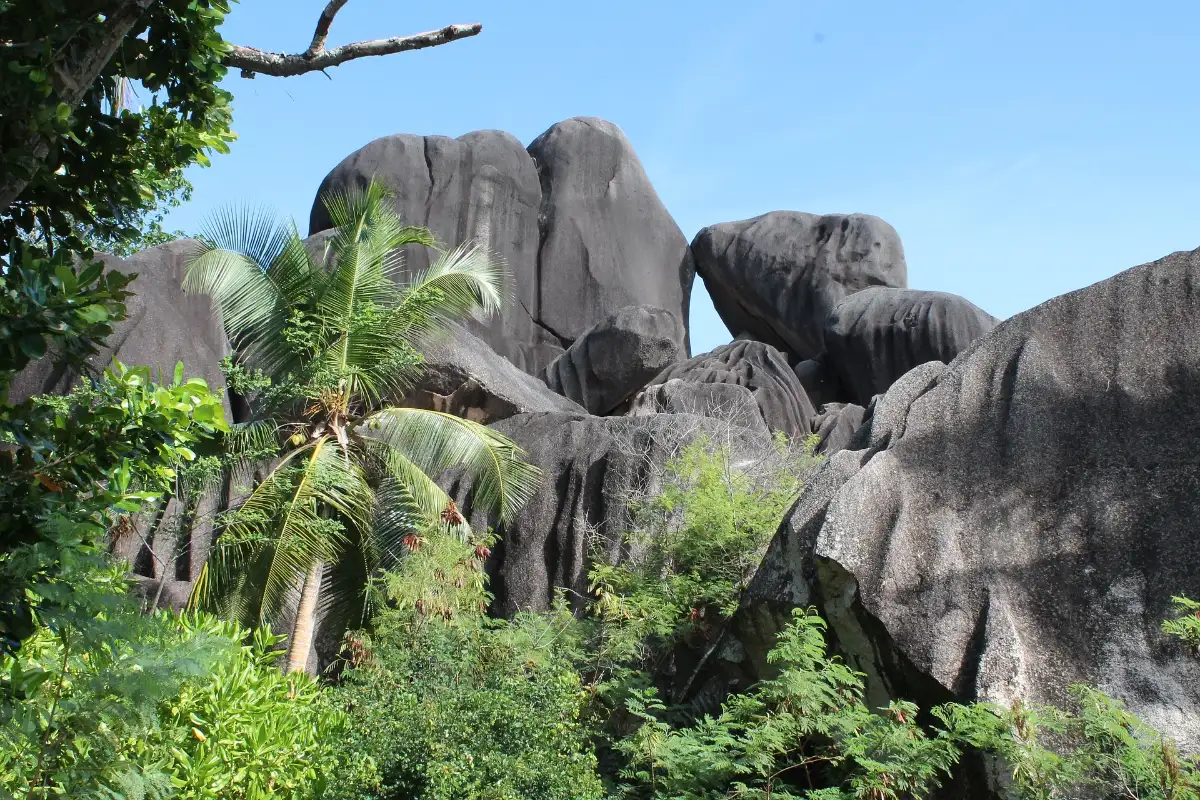
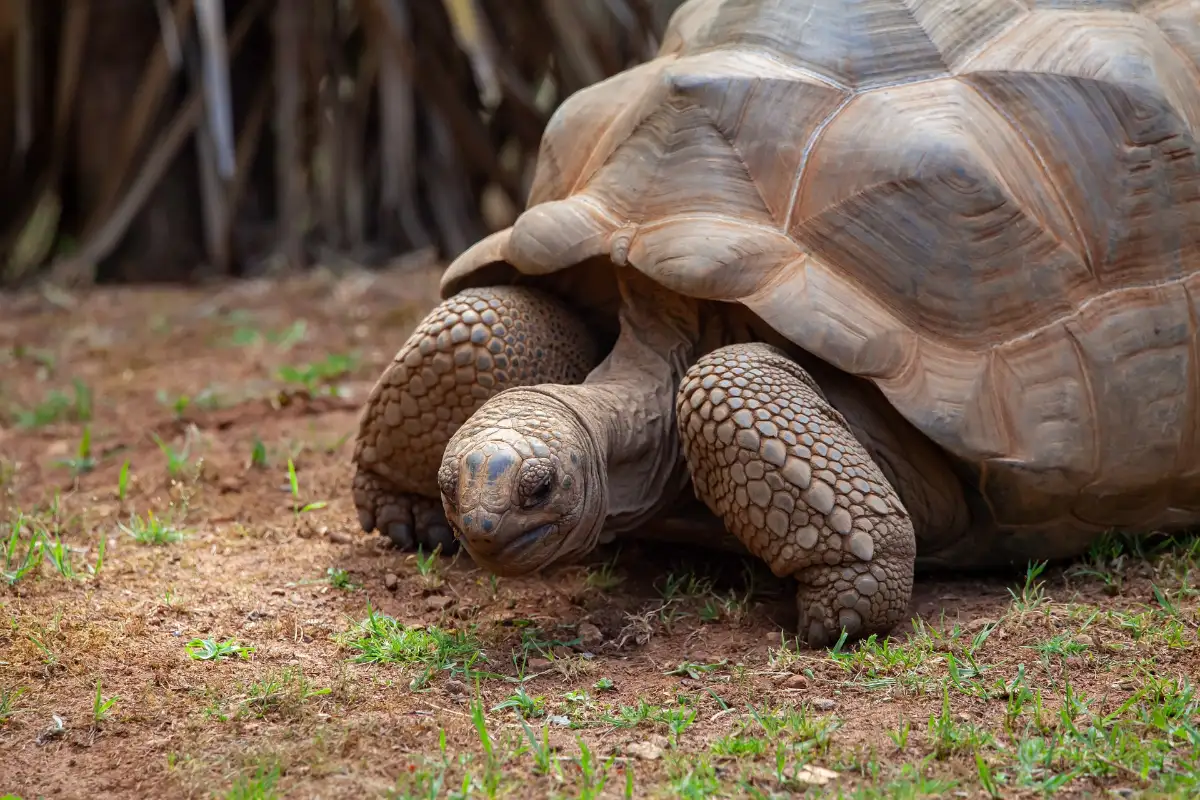
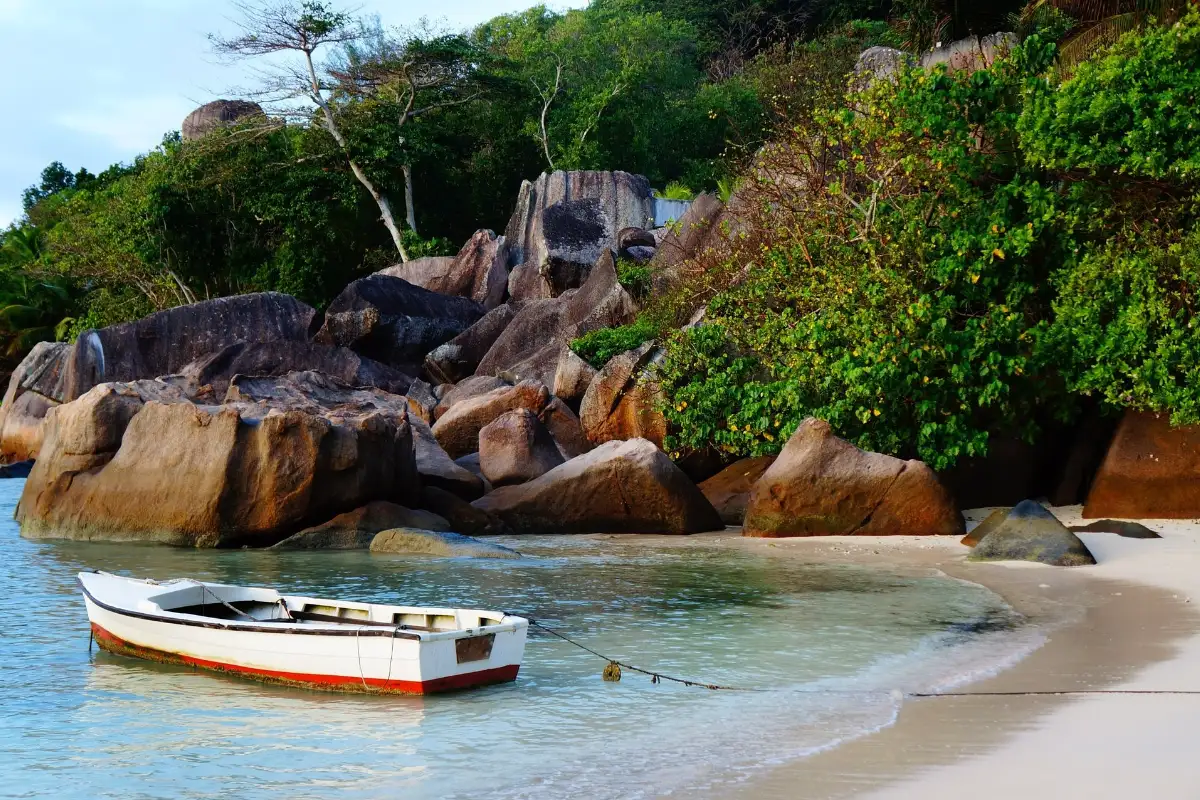
Seychelles offers breathtaking natural beauty combining pristine beaches, unique granite formations, and endemic wildlife. Anse Source d'Argent (La Digue): world's most photographed beach with iconic pink granite boulders, shallow turquoise waters, powdery white sand, perfect for swimming and photography - L'Union Estate entrance fee required (100 SCR/$7). Absolutely stunning and must-visit. Vallée de Mai (Praslin): UNESCO World Heritage Site, ancient palm forest containing rare Coco de Mer palms (world's largest seeds shaped suggestively), endemic birds including Black Parrot, prehistoric atmosphere - entrance 350 SCR ($25). Walking trails 1-3 hours. Anse Lazio (Praslin): consistently ranked among world's best beaches with granite boulders, crystal-clear waters, excellent swimming and snorkeling, picture-perfect scenery - free access, popular so arrive early. Victoria (Mahé): world's smallest capital city with colorful Sir Selwyn Clarke Market (fresh fish, fruits, spices, souvenirs), Clocktower (replica of London's Vauxhall Clock), Seychelles National Museum, Hindu and Christian temples, botanical gardens, and local culture. Morne Seychellois National Park (Mahé): mountainous rainforest with hiking trails including Morne Blanc (2-3 hours) and Copolia (1-2 hours) offering spectacular views, endemic flora and fauna, and lush jungle. Curieuse Island: former leper colony now nature reserve with giant Aldabra tortoises roaming freely (over 300), mangrove forests, pristine beaches, and Curieuse Marine Park - accessible by boat tour from Praslin. Aride Island: special reserve with incredible bird colonies (over 1 million seabirds), endemic species, and pristine nature - limited access by organized tours. Aldabra Atoll: remote UNESCO site (world's largest raised coral atoll) with 100,000+ giant tortoises - extremely difficult and expensive to visit but ultimate wildlife experience. Island hopping: exploring multiple islands (Mahé, Praslin, La Digue minimum) essential to experience Seychelles diversity. Each island has unique character and beaches. Snorkeling and diving: Seychelles Marine Parks protect coral reefs teeming with tropical fish, sea turtles, rays, and diverse marine life - world-class underwater experiences.
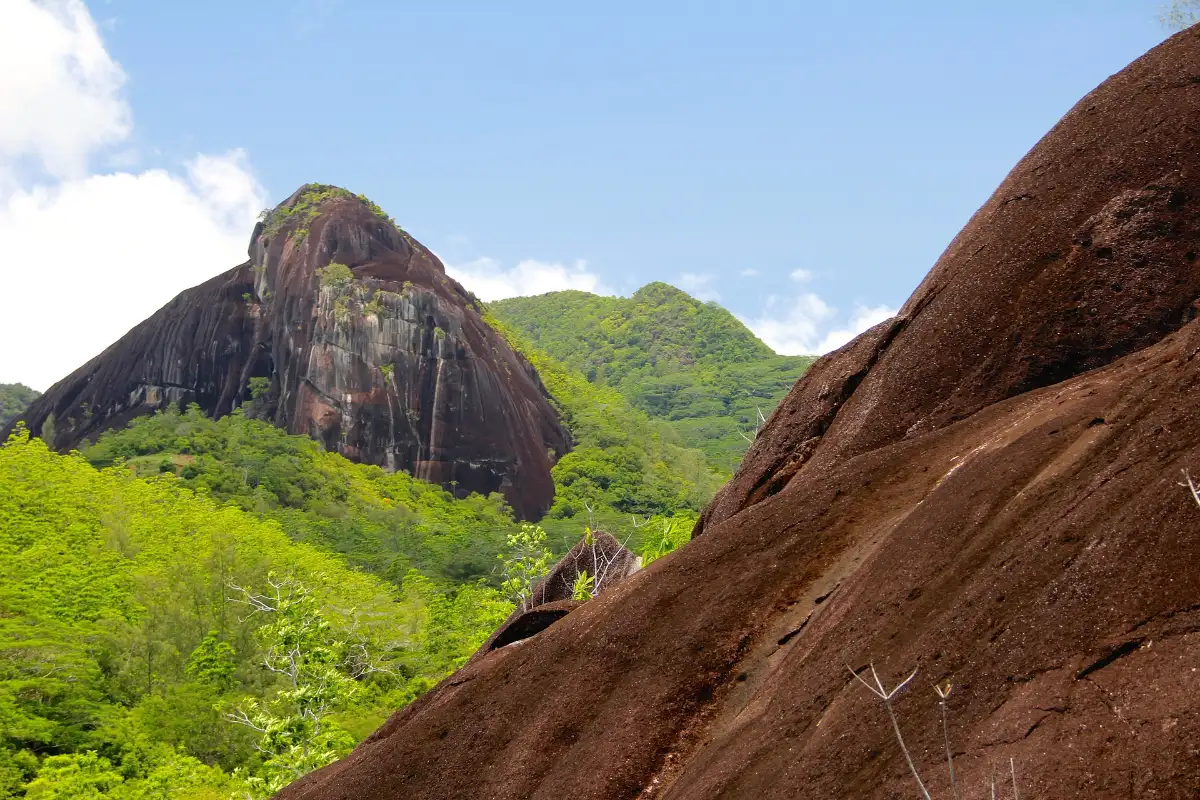
Packing for Seychelles requires preparation for tropical beach paradise with granite boulder landscapes and island hopping. Clothing essentials: lightweight, breathable clothing in cotton or linen, swimwear (at least 2-3 sets), beach cover-ups and sarongs, shorts and t-shirts, sundresses or light casual wear, one light sweater or cardigan for air-conditioned restaurants and evening breezes, smart casual outfit for upscale dining (some restaurants require long pants for men), and modest clothing for Victoria city and religious sites. Footwear: comfortable walking sandals, flip-flops for beach, reef shoes or water shoes (essential for rocky beaches and protecting against sea urchins), hiking shoes or sneakers for nature trails (Vallée de Mai, Morne Seychellois), and dress sandals/shoes for resort dining. Sun protection: SPF 50+ reef-safe sunscreen (critical - Seychelles sun is intense), after-sun lotion or aloe vera, wide-brimmed hat or cap, UV-protective sunglasses, and lip balm with SPF. Water activities: snorkeling gear (mask, snorkel, fins) though rentals available, underwater camera or waterproof phone case, dry bag for valuables during boat trips, and rash guard or dive skin for sun protection while swimming. Other essentials: insect repellent with DEET (mosquitoes present particularly wet season), prescription medications and basic first-aid kit, reusable water bottle (tap water safe), universal power adapter (Type G - UK three-pin plugs), phone/camera chargers and power bank, travel documents and copies, credit cards and some cash (Seychelles Rupees). Optional but useful: binoculars for bird watching, daypack for excursions, portable clothesline for drying swimwear, snorkel vest for safety and comfort, GoPro or action camera, and light rain jacket (brief showers possible). What NOT to pack: formal wear (Seychelles is relaxed), excessive beach toys (not needed), plastic bags (banned in Seychelles), and drones (require permits and restricted in many areas). Pack light, breathable fabrics suitable for hot, humid tropical climate. Most resorts have laundry services. Seychelles is casual destination - comfort and sun protection are priorities.
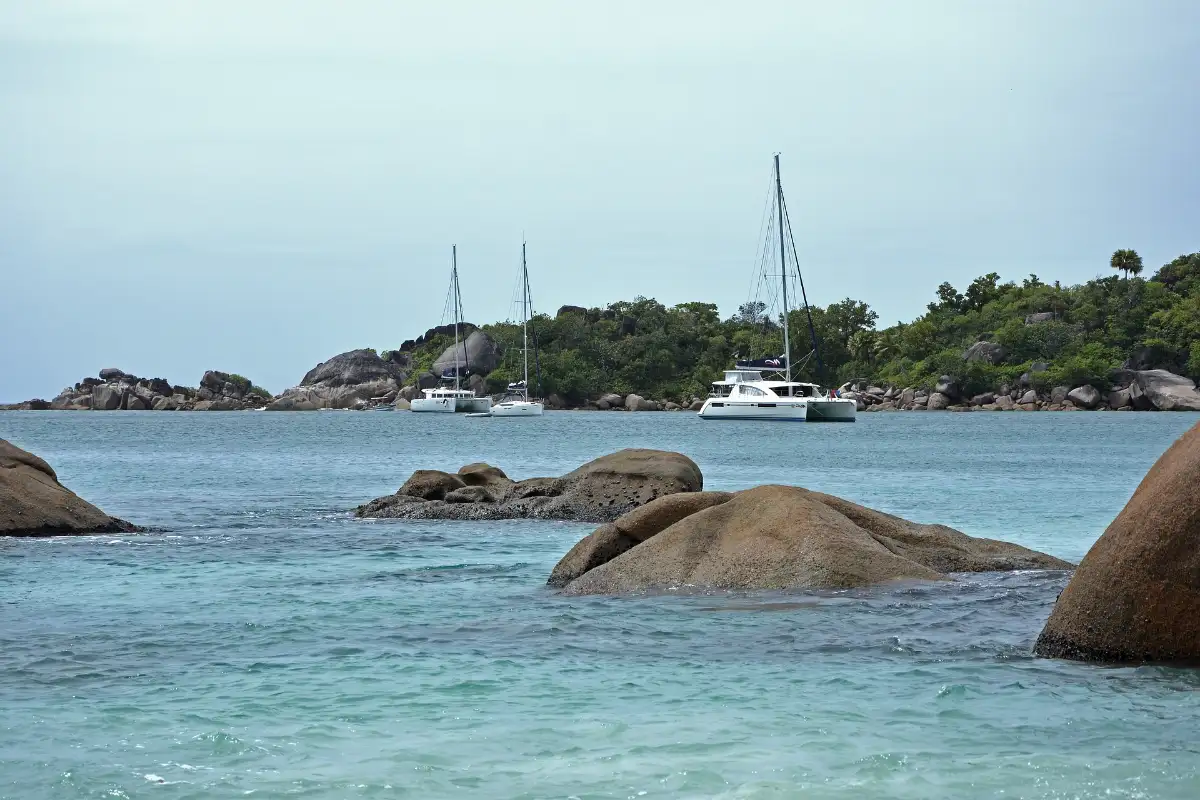
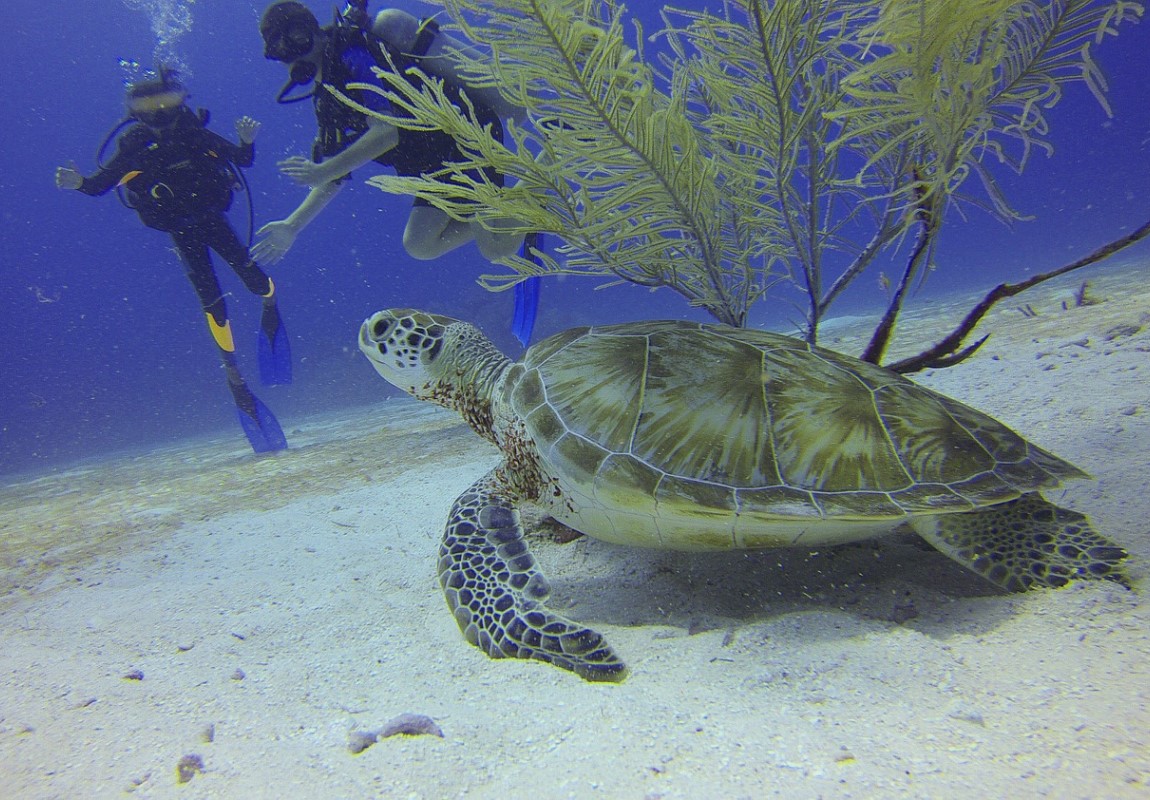
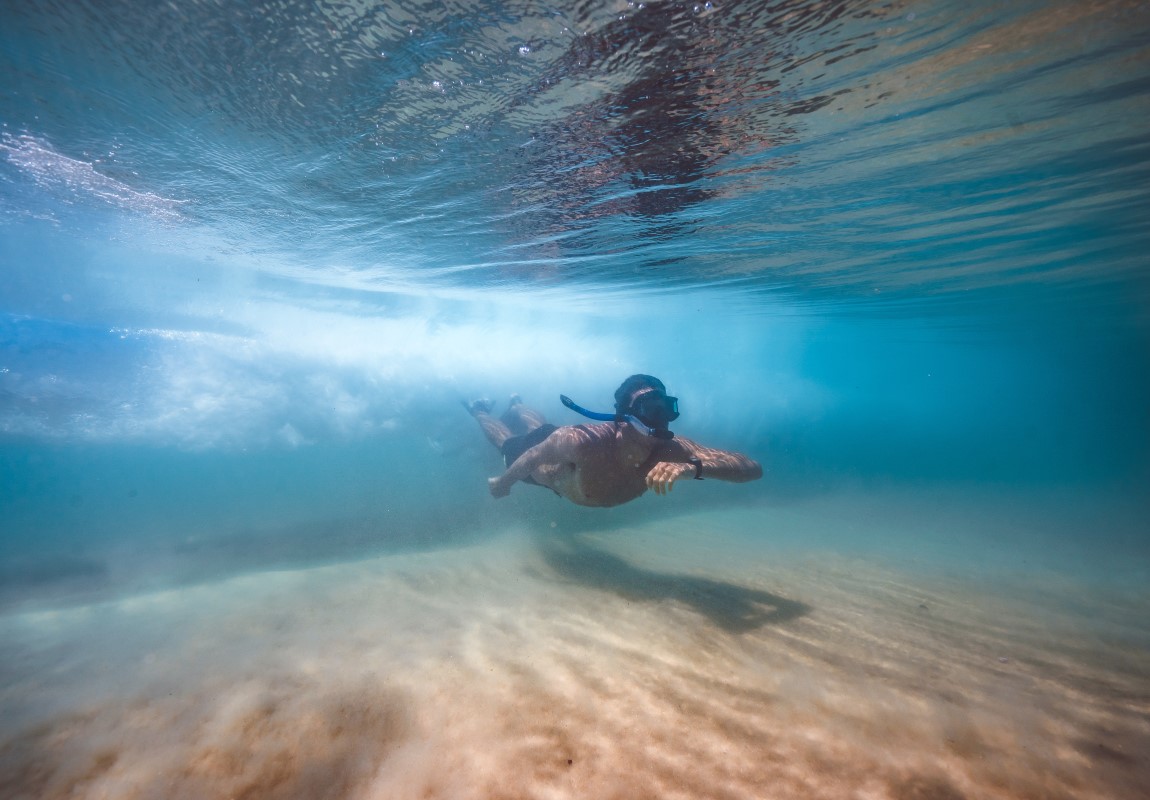
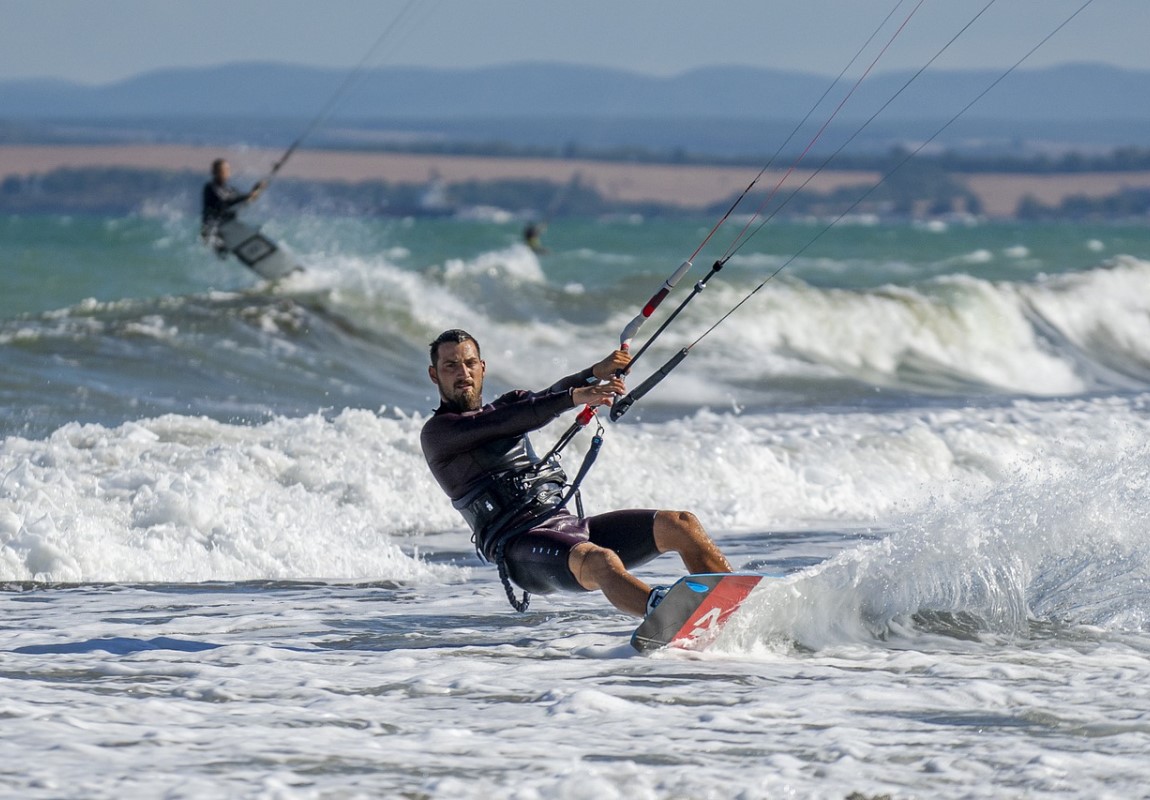
Seychelles offers world-class water activities in pristine marine environment. Diving and snorkeling: over 115 islands with diverse dive sites including granite formations, coral reefs, wrecks, and walls. Marine life includes sea turtles, reef sharks, rays, barracuda, Napoleon wrasse, and tropical fish. Best sites: Shark Bank (Mahé), Brissare Rocks (Praslin), and Sister Islands. Cost: $80-120 per dive. PADI courses available. Snorkeling from beaches free at many locations (Anse Lazio, Anse Source d'Argent, Beau Vallon). Island hopping: boat trips to multiple islands including Curieuse (giant tortoises), Cousin (bird reserve), St. Pierre (snorkeling), and Coco Island. Full-day excursions $150-250 including lunch, snorkeling, and beach time. Kayaking: explore coastlines, granite coves, and mangroves at your own pace. Rentals available at major beaches. Stand-up paddleboarding: calm lagoons perfect for SUP with spectacular scenery. Popular at Beau Vallon and resort beaches. Sailing and catamaran cruises: half-day or full-day sailing trips with snorkeling stops, beach BBQs, and sunset cruises. Cost: $100-200. Yacht charters available for luxury multi-day island hopping. Deep-sea fishing: marlin, sailfish, tuna, wahoo, and dorado. Half-day ($600-800) or full-day ($1,000-1,500) charters. October to April is peak season. Surfing: limited but available May-September at specific breaks on Mahé (Anse Forbans, Anse Parnel). Intermediate to advanced only. Kitesurfing and windsurfing: consistent southeast trades May-September make certain beaches suitable. Rentals and lessons available. Submarine experiences: semi-submersible tours for non-divers to observe marine life through glass. Cost: $100-150. Swimming with whale sharks: seasonal encounters (September-November) with gentle giants - organized tours available. Most resorts include non-motorized water sports (kayaks, paddleboards, snorkeling gear) for guests. Seychelles's crystal-clear waters, diverse marine life, and protected marine parks create unparalleled underwater experiences suitable for all abilities.
Ideal Seychelles vacation length depends on budget, interests, and travel style. Minimum recommended: 7-8 days allows visiting three main islands - Mahé (2-3 days for arrival, Victoria tour, beaches, maybe hiking), Praslin (2-3 days for Anse Lazio, Vallée de Mai, beaches), La Digue (2 days for Anse Source d'Argent, cycling, beaches), including ferry travel time. This provides good introduction to Seychelles beauty and main highlights without excessive rushing. Ideal duration: 10-14 days enables relaxed exploration - extended time on each island (3-4 days Mahé, 3-4 days Praslin, 2-3 days La Digue), island-hopping boat excursions (Curieuse, Cousin, St. Pierre), diving certification or multiple dive days, hiking Seychelles' nature trails, spa days, and genuine beach relaxation. This allows proper "island time" rhythm alternating activity with pure relaxation. Extended stay: 14-21+ days for honeymooners, complete unwinding, visiting outer islands (Silhouette, Denis, Bird Island), extensive diving/sailing, and truly disconnecting from world. Many luxury travelers spend 2-3 weeks enjoying ultimate paradise. Weekend getaway: 4-5 days possible focusing on Mahé and one other island for quick tropical escape, though long flights make it less ideal for short stays. Consider: Seychelles is expensive making longer stays costly. However, island-hopping requires time with ferries between islands (45 minutes Mahé-Praslin, 15 minutes Praslin-La Digue). Rushing between islands defeats purpose of Seychelles' laid-back paradise. Best approach: minimum one week visiting three main islands experiencing diversity, extending to 10-14 days for comprehensive relaxed experience without feeling rushed. Seychelles rewards slow travel with beach time, incredible sunsets, and "island time" rather than frantic sightseeing. Quality over quantity - spending adequate time on each island to absorb beauty and rhythm is essential to Seychelles experience.
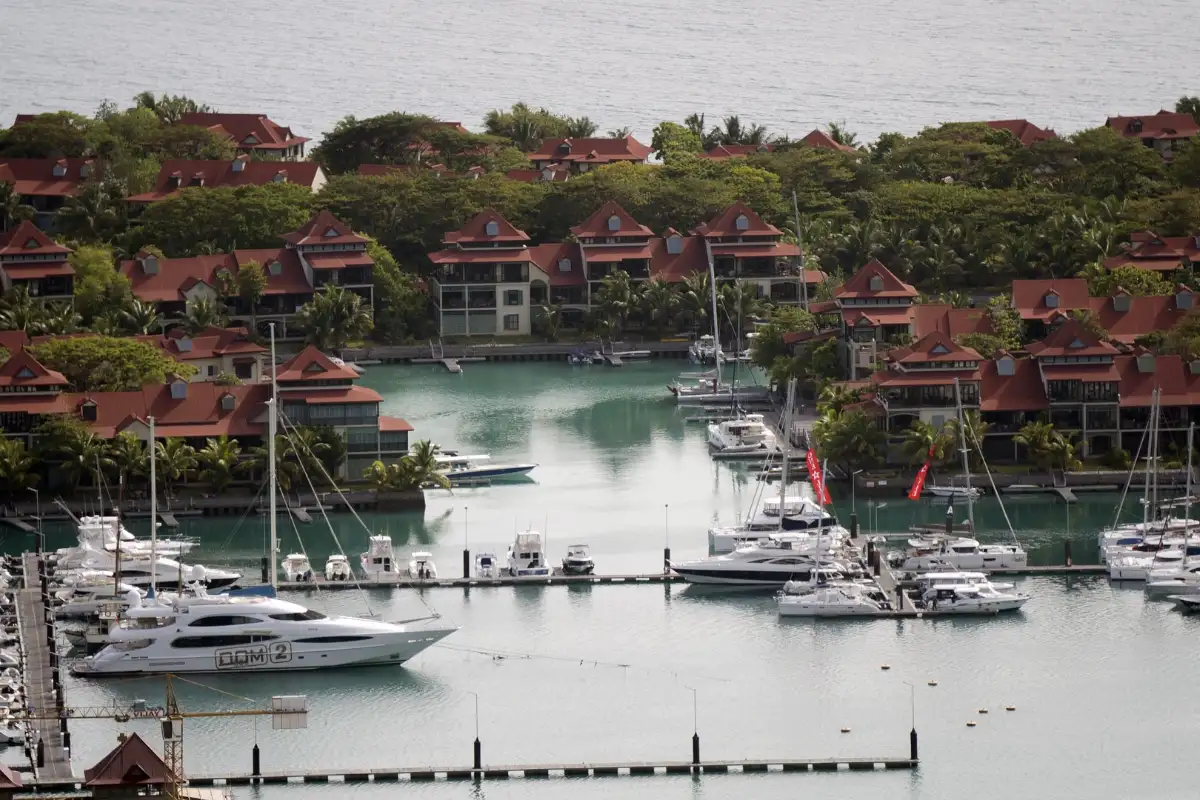
Seychelles offers diverse accommodation though generally expensive compared to other destinations. Budget guesthouses and self-catering: $60-120 per night providing basic rooms or apartments with kitchenettes, local hospitality, and authentic experience away from resort areas. Popular on Mahé (Beau Vallon area) and Praslin. Self-catering significantly reduces food costs. Examples: chez local properties, Airbnb rentals. Mid-range hotels and small resorts: $150-350 per night with comfortable rooms, pools, restaurants, beachfront or beach access, and good facilities. Examples: Le Relax Beach Resort (Mahé), Hotel L'Archipel (Praslin), Patatran Village (La Digue). Good balance of comfort and value. 4-5 star resorts: $350-800 per night featuring excellent facilities, multiple restaurants, spa, water sports, kids clubs, and beautiful beach settings. Examples: Kempinski Seychelles (Mahé), Constance Lemuria (Praslin), Hilton Seychelles. Premium service and amenities. Ultra-luxury resorts: $800-5,000+ per night at exclusive properties like Six Senses Zil Pasyon (Félicité Island, $1,500-3,000+), Four Seasons Resort Seychelles (Mahé, $1,000-2,500+), North Island (private island, $4,000-10,000+ per night - celebrity favorite), Fregate Island Private, and Denis Private Island. World-class everything with ultimate privacy. Guest houses vs resorts: guesthouses offer authenticity, lower costs, and local interaction but require self-sufficiency (own transport, restaurant choices). Resorts provide convenience, activities, and ease but can feel isolated and expensive. Island accommodation: Mahé has most options across all budgets with best infrastructure. Praslin offers mid-range to luxury, fewer budget options. La Digue has limited choices, mostly guesthouses and small properties. Outer islands exclusively luxury resorts or private islands. All-inclusive: less common in Seychelles than Maldives or Mauritius. Most resorts operate half-board (breakfast + dinner) or bed & breakfast with à la carte lunch. Peak season (July-August, December-January) requires 6-12 months advance booking particularly luxury properties. Seychelles accommodation reflects destination positioning as exclusive, pristine paradise appealing to honeymooners, celebrities, and discerning travelers rather than mass tourism.
Yes, comprehensive travel insurance is essential for Seychelles given remote location, expensive medical care, and adventure activities. Ensure coverage includes: medical emergencies and treatment (Seychelles has reasonable medical facilities on Mahé but expensive without insurance - consultations $100-200+, hospital stays $300-500+ per day, medical procedures very costly), medical evacuation (critical for serious emergencies requiring evacuation to Mauritius, Reunion, or international facilities - costs $30,000-150,000+), trip cancellation and interruption protecting expensive resort bookings and long-haul flights (Seychelles vacations represent significant investment), lost or delayed baggage, and water sports activities including diving, snorkeling, sailing, and island hopping. Seychelles-specific considerations: remote location means medical evacuation is more likely for serious conditions requiring specialized care unavailable locally. Verify evacuation coverage is adequate. Water activities: diving accidents, decompression sickness, boat mishaps, and marine injuries require comprehensive coverage. Some policies exclude certain activities - read carefully. Weather disruptions: while no cyclone risk, occasional weather delays can affect inter-island ferries and flights requiring accommodation extensions. Flight delays: connections through hubs (Dubai, Doha, Johannesburg) can miss connections requiring rebooking and overnight stays - adequate coverage essential. High vacation costs: given Seychelles' premium pricing for everything, trip cancellation/interruption coverage protects significant financial investment if emergency prevents travel. COVID and illness: policies covering contagious illnesses preventing travel increasingly important. Many credit cards provide basic travel insurance but verify adequacy particularly medical evacuation coverage. Purchase comprehensive insurance immediately after booking flights/resorts. Recommended insurers include World Nomads, Allianz, IMG Global, and specialist luxury travel insurance providers. Emergency evacuation coverage should be minimum $250,000. Given Seychelles' remote location, expensive costs, and paradise status justifying long journey, adequate insurance is non-negotiable for protecting health and financial investment.
Seychelles' official currency is the Seychelles Rupee (SCR), with exchange rates typically around 13-15 SCR to 1 USD, 15-17 SCR to 1 EUR. Major currencies: US dollars, Euros, and British pounds are widely accepted at hotels, resorts, tour operators, and tourist restaurants, though exchange rates may be less favorable. Many resorts quote prices in euros. Credit cards (Visa and Mastercard) are widely accepted at hotels, resorts, restaurants, shops, and tourist areas. American Express less common. ATMs available in Victoria (Mahé), Grand Anse (Praslin), and La Passe (La Digue) dispensing local currency. Banks have limited hours (weekdays only, 8:30am-2:30pm typically). Withdraw sufficient cash before weekends. Exchange options: banks (MCB, Seychelles Savings Bank) offer best rates, exchange bureaus in Victoria and airport available, hotels/resorts provide exchange but with inferior rates. Keep exchange receipts for reconverting excess rupees at departure. Budget daily cash needs: self-catering/budget travelers need 500-1,000 SCR ($35-70) for meals, transport, and activities. Resort guests need minimal cash - maybe 200-500 SCR ($15-35) for tips and incidental purchases as most expenses charged to room. Tipping: restaurants 10% (often included as service charge), hotel staff 50-100 SCR per service, tour guides 100-200 SCR per day, taxi drivers 50 SCR or round up. Public transport cheap: buses 7-10 SCR per journey. Ferries 715 SCR ($50) Mahé-Praslin, 65 SCR ($5) Praslin-La Digue. Taxis expensive: airport to Beau Vallon 250-300 SCR ($18-22), cross-island transfers 400-600 SCR ($30-45). Car rentals $50-70 per day. Most major expenses (hotels, activities) paid by card. Carry some local currency for markets, local restaurants, buses, and small purchases. Seychelles has modern banking making payments straightforward, though cash useful for local experiences and avoiding card fees.
Absolutely! Seychelles is exceptional family destination offering safe beaches, calm waters, unique wildlife, and family-friendly resorts. Family-friendly resorts: many properties welcome families with kids clubs (ages 4-12), teens programs, family rooms/suites, connecting rooms, kids pools, playgrounds, organized activities, babysitting services, and children's menus. Examples: Constance Ephelia (excellent kids club, adventure activities), Kempinski Seychelles (family villas), Hilton Seychelles Northolme (family-friendly), and Savoy Seychelles (kids facilities). Some ultra-luxury properties are adults-only or have age minimums. Beach safety: calm, shallow lagoons protected by coral reefs perfect for children to swim, paddle, and play safely. Granite boulders create natural pools ideal for kids. Anse Source d'Argent (La Digue) has shallow pools between boulders - paradise for children. Most resort beaches have lifeguards. Activities for kids: snorkeling (colorful fish visible in shallow water), giant tortoises at Curieuse Island (children can interact with and feed tortoises), La Digue bicycle riding (safe, flat, car-free cycling), glass-bottom boat tours, kayaking in calm waters, nature walks spotting tropical birds and fruit bats, beach combing for shells, and swimming in natural rock pools. Educational: children learn about endemic species (coco de mer palms, black parrots, giant tortoises), marine conservation, and tropical ecosystems - naturally educational environment. Safety: Seychelles is very safe for families with no malaria, safe tap water, low crime, friendly locals, and excellent healthcare. Beaches are pristine and clean. Age considerations: toddlers enjoy shallow beach play and pools. School-age children (6-12) love snorkeling, cycling, wildlife, and exploration. Teenagers enjoy water sports, diving, hiking, and photography. Baby-friendly: resorts provide cribs, high chairs, bottle sterilizers, and baby food. Some have dedicated baby clubs for toddlers. Family culture: Seychellois love children and are very welcoming to families. Restaurants accommodate kids well. Seychelles offers stress-free family paradise combining beaches, nature, wildlife, and safety in breathtaking setting without malaria concerns typical of African destinations.
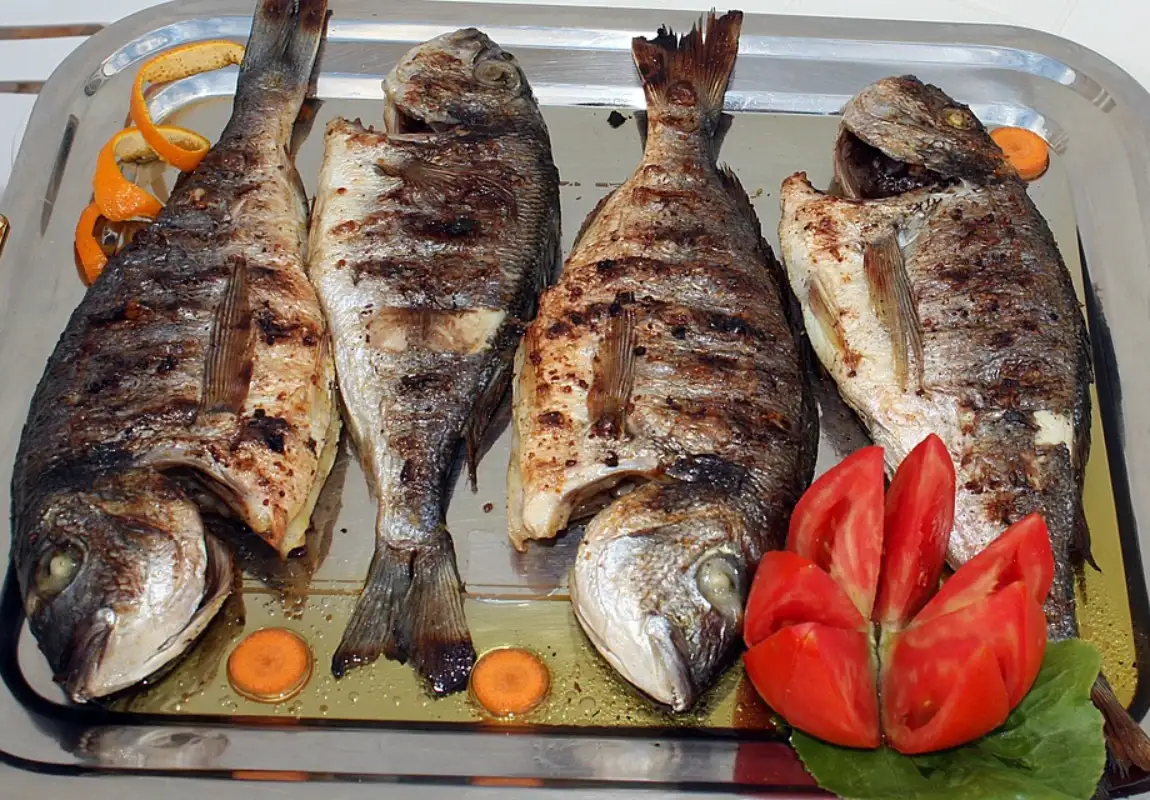
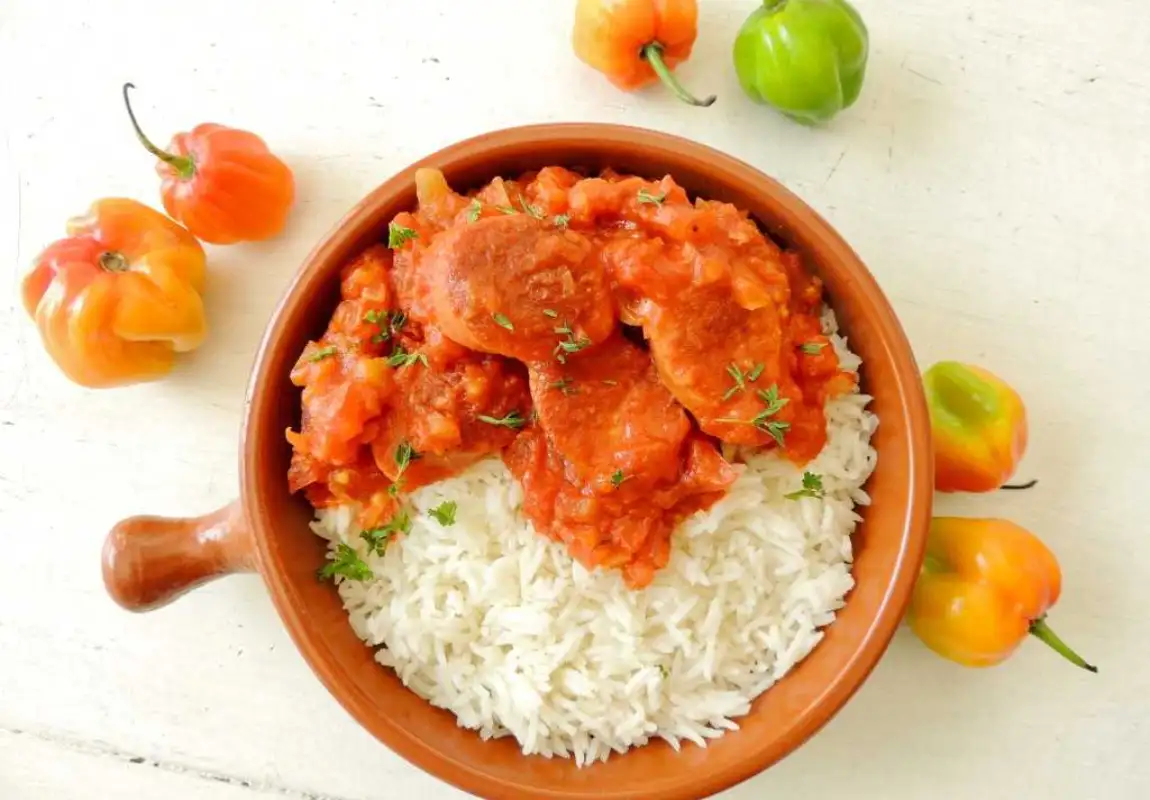
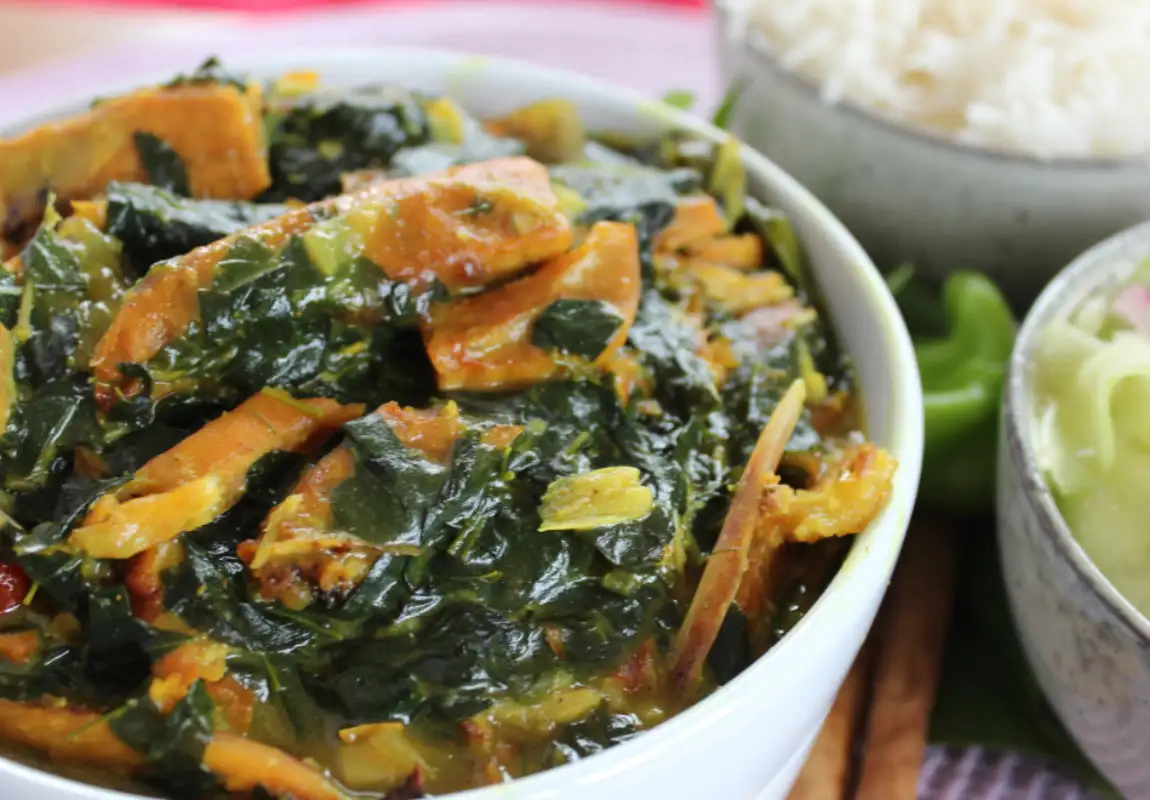
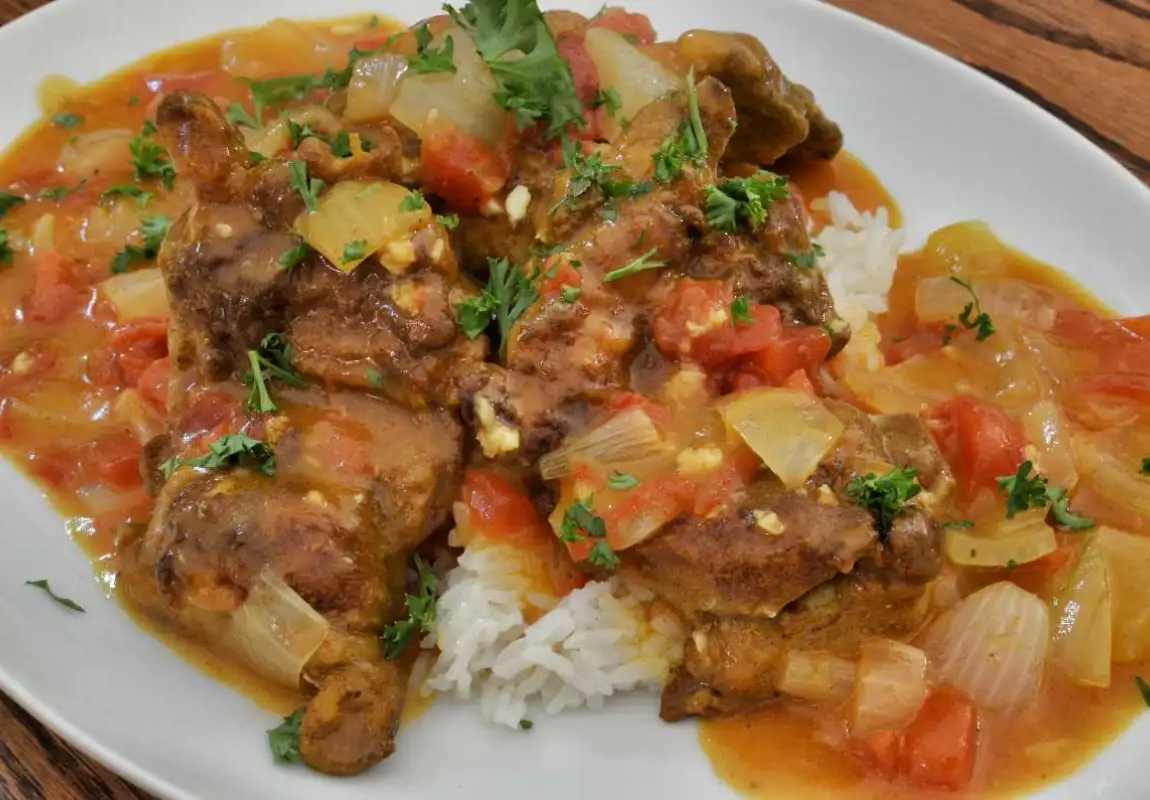
Seychellois cuisine reflects Creole heritage blending African, French, Indian, and Chinese influences with abundant fresh seafood. Must-try dishes: Fish curry - coconut-based curry with local fish (red snapper, bourgeois, job), tomatoes, onions, and spices served with rice - national favorite. Grilled fish - fresh catch grilled with lemon and garlic, simply prepared highlighting freshness. Octopus curry (kari zourit) - tender octopus in spicy Creole curry sauce with coconut milk. Shark chutney - smoked shark flaked and mixed with lime, onions, and bilimbi fruit - unique tangy condiment. Ladob - sweet or savory dish with plantains or cassava cooked in coconut milk, cinnamon, nutmeg, and sugar - traditional dessert. Bouillon bréde - hearty vegetable stew with local greens, pumpkin, and sometimes fish or pork. Pwason ek diri - fish with rice, classic everyday meal. Bat curry - fruit bat curry (not for everyone, but traditional delicacy). Fresh seafood: lobster, prawns, crab, tuna, trevally, barracuda prepared grilled, curried, or Creole-style. Catch of the day at local restaurants. Street food: fresh fruit stalls, samosas, bakeries with bread and pastries showing French influence. Drinks: Seybrew and Eku (local beers), Takamaka rum (locally produced, excellent), fresh fruit juices (passion fruit, guava, papaya, soursop), coconut water straight from coconut. French influence: quality wines, baguettes, pastries, and French cuisine available particularly at upscale restaurants. Dining options: local Creole takeaways (cheapest, authentic - 100-150 SCR/$7-11), casual restaurants (200-300 SCR/$15-22), resort restaurants (expensive, 500-1,000+ SCR/$35-75+), and fine dining (1,000+ SCR/$75+). Markets: Victoria Market offers fresh fish, tropical fruits, vegetables, and spices - great for self-catering. Dietary: vegetarian options available though seafood dominates. Vegan more challenging. Creole food can be spicy - specify preference. Seychelles food scene showcases fresh seafood, tropical flavors, and multicultural influences creating unique Creole fusion cuisine best enjoyed at local restaurants rather than exclusively resort dining.
Seychelles has relaxed Creole culture blending African, French, Asian, and British influences creating warm, welcoming society. General etiquette: Seychellois are friendly, laid-back, and hospitable. Greetings include handshakes, "Bonzour" (Creole hello), or "Bonjour" (French). Smile and friendliness are valued. Dress code: beachwear confined to beaches and pools - cover up when leaving beach areas and entering towns, shops, or restaurants. Casual smart for upscale dining. Topless sunbathing not culturally acceptable and best avoided. Most Seychellois dress modestly outside beaches. Religious respect: Seychelles is predominantly Roman Catholic (76%) with Anglican and other Christian minorities, plus small Hindu and Muslim communities. Sunday church services important culturally. Respect religious sites - modest dress at churches. Language: Seychellois Creole (Kreol Seselwa) is most spoken language alongside French and English. Most Seychellois speak all three. English widely understood in tourism. Attempting Creole phrases appreciated. Tipping: not mandatory as 5-10% service charge often included in restaurant bills. Additional tipping for exceptional service welcomed - 10% restaurants, 50-100 SCR hotel staff, 100-200 SCR guides. Environmental consciousness: Seychelles prioritizes conservation and environmental protection. Don't litter, damage coral reefs, disturb wildlife, or remove shells/sand from beaches. Plastic bags banned - bring reusable bags. Marine park rules: no fishing, coral collecting, or touching marine life in protected areas. Fines strictly enforced. Photography: always ask permission before photographing people. Some may expect small payment. Pace of life: "island time" prevails - patience essential. Things move slower than Western standards. Rushing is frowned upon. Social customs: Seychellois are private about personal lives but warm once acquainted. Accept hospitality graciously. Public displays of affection moderate - hand-holding fine, excessive kissing inappropriate. Respect: Seychellois are proud of their islands, culture, and conservation success. Show respect for environment, culture, and local ways. Overall Seychelles's Creole culture creates welcoming, tolerant atmosphere making visitors feel comfortable while expecting respect for pristine natural environment and local customs.
Seychelles enjoys a tropical climate making it a year-round destination, though conditions vary by season. April to May and October to November (transition periods) are considered best times with calm seas perfect for diving and snorkeling, temperatures around 27-30°C/81-86°F, minimal wind, excellent underwater visibility, and moderate hotel prices. These months offer ideal conditions for water activities and beach relaxation. May to September (southeast monsoon/dry season) brings cooler temperatures (24-28°C/75-82°F), lower humidity, stronger winds particularly on southern coasts, rougher seas affecting boat trips and swimming on exposed beaches, excellent for sailing and windsurfing, and peak tourist season (July-August) with higher prices. This period is driest with less rainfall. December to March (northwest monsoon/wet season) features warmer, more humid conditions (28-32°C/82-90°F), calmer seas on northern beaches, occasional heavy rain showers (usually brief afternoon storms), best time for birdwatching as migratory species arrive, lush vegetation, and lower accommodation prices (except Christmas-New Year peak). Best months overall: April, May, October, and November offer optimal weather, calm seas, and good value. December to March is warmest and wettest but still pleasant with brief showers. Diving and snorkeling: March to May and September to November provide best visibility. Surfing: May to September brings consistent swells. Fishing: October to April for sailfish and marlin. Seychelles has no cyclone risk making it safe year-round. Peak season (July-August, December-January) requires advance booking at premium prices. Shoulder seasons offer best balance of weather, activities, and value.
Seychelles is one of the world's most expensive tropical destinations with costs reflecting its exclusivity and pristine nature. Budget travel: challenging in Seychelles - minimum $100-150 per day including guesthouses or self-catering apartments ($50-80 per night), local Creole takeaways and markets ($15-30), public buses ($0.50-1 per journey on Mahé and Praslin), and free beaches. Budget travelers stay on Mahé or Praslin using self-catering and local transport. Mid-range travel: $300-500 per day with 3-4 star hotels or small resorts ($150-250 per night), mix of local and tourist restaurants ($50-80), car rental ($50-70 per day), and paid activities. Luxury travel: $800-2,000+ per day featuring 5-star resorts like Four Seasons, Six Senses Zil Pasyon, North Island ($1,000-3,000+ per night), fine dining ($100-200+ per meal), private transfers, helicopter rides, spa treatments, and premium excursions. Ultra-luxury resorts can exceed $5,000 per night (North Island, private islands). Typical week-long vacation: budget $1,500-2,500, mid-range $3,500-6,000, luxury $10,000-25,000+ per person. Activities costs: diving ($80-120 per dive), island hopping day trips ($150-250), catamaran cruises ($120-200), and snorkeling tours ($80-150). Flights expensive: from Europe $800-1,500, from Middle East $600-1,000, from Africa $500-800. All costs are high: meals $15-40 at local restaurants, $50-100+ at resort restaurants, groceries expensive (imported goods), and fuel costly. Self-catering significantly reduces costs. Seychelles rivals Maldives for expense but offers more freedom to explore versus resort-bound Maldives. Ultra-luxury honeymooners and celebrities choose Seychelles for privacy and pristine beauty. Budget travelers can visit but requires careful planning and sacrificing convenience.
Seychelles has one of the world's most welcoming visa policies. No visa required: all visitors regardless of nationality receive free visitor's permit on arrival valid for one month (30 days). No pre-application, no fees, no sponsorship needed. Requirements for entry: valid passport for duration of stay (though 6 months validity recommended), confirmed accommodation (hotel booking or private address), sufficient funds for stay (approximately $150 per day though rarely checked), and return or onward ticket. Visitor permit conditions: tourist purposes only, no employment permitted, extendable up to maximum 12 months total. Extensions: can extend visitor permit for additional periods (3 months maximum per extension) up to total one year by applying at Immigration Office in Victoria, Mahé. Requires proof of funds, valid accommodation, and return ticket. Extensions generally granted easily for genuine tourists. Overstaying: results in fines and potential deportation - ensure permit covers entire stay. Long-term residence: work permits, gainful occupation permits, and residence permits available for those wanting to work, invest, or retire but require separate applications. Health requirements: yellow fever vaccination certificate required if arriving from endemic countries (parts of Africa, South America) or transiting through endemic areas for 12+ hours. No other vaccinations mandatory. Entry process: arrival card completed on plane, immigration straightforward taking 10-20 minutes at Seychelles International Airport. Seychelles actively welcomes tourists with minimal bureaucracy making entry among easiest worldwide - reflects commitment to tourism as economic pillar. Always verify current requirements before travel, though Seychelles maintains liberal policy facilitating tourism.
Seychelles has minimal vaccination requirements making it one of the safest tropical health destinations. Yellow fever: vaccination certificate required ONLY if arriving from yellow fever endemic countries (parts of Africa, South America) or transiting through endemic areas for more than 12 hours. Direct arrivals from Europe, Middle East, Asia, and most countries do not require yellow fever vaccination. Recommended vaccinations: Hepatitis A and B (protection against food and waterborne diseases), Typhoid (contaminated food/water risk), Tetanus (ensure up-to-date booster), and routine vaccinations (MMR, diphtheria, pertussis). Consult travel doctor 6-8 weeks before departure. Malaria: Seychelles is completely malaria-free - no prophylaxis required, making it major advantage for families and health-conscious travelers. Dengue fever: present in Seychelles though risk is low. No vaccine available, so use insect repellent with DEET, wear long sleeves/pants during dawn and dusk, and use mosquito nets if available. Chikungunya: occasional cases reported. Same prevention as dengue. Zika virus: minimal risk but pregnant women should consult doctors and follow mosquito precautions. Healthcare: Seychelles has good medical facilities with Victoria Hospital on Mahé offering quality care. Private clinics available. Praslin and La Digue have smaller health centers. Medical evacuation insurance recommended for serious emergencies requiring transport to Mauritius, Reunion, or international facilities. Pharmacies well-stocked in Victoria and main islands. Tap water: safe to drink throughout Seychelles from municipal supplies - among few African destinations with potable tap water. Bottled water available if preferred. Sun protection: intense equatorial sun requires SPF 50+ sunscreen, hats, sunglasses, and midday shade. Marine hazards: occasional jellyfish, stone fish in rocky areas, and strong currents require caution. Overall Seychelles is exceptionally healthy tropical destination with no malaria, safe water, good medical care, and minimal disease risks - ideal for families, elderly, and health-conscious travelers seeking tropical paradise without health concerns.
Yes, Seychelles is very safe for tourists with low crime rates, stable democracy, and welcoming culture making it one of the safest destinations in Africa and Indian Ocean. General safety: violent crime against tourists is extremely rare. Petty theft (bag snatching, pickpocketing) can occur in Victoria market and crowded areas - use basic precautions. Don't leave valuables unattended on beaches, secure belongings in hotel safes, avoid displaying expensive jewelry, and be alert in busy areas. Resort and beach safety is excellent. Most beaches are safe and secluded with minimal concerns. Beach safety: swim only at beaches with lifeguards or known safe conditions. Some beaches have strong currents and undertows particularly during monsoon transitions - observe warning signs and local advice. Granite boulders can have sharp edges - wear water shoes. Never swim alone in remote areas. Jellyfish occasionally present particularly December-January - vinegar helps stings. Road safety: Mahé and Praslin have winding, hilly roads requiring careful driving. Speed limits generally 40-65 km/h. Driving is on left (British influence). Scooter rentals popular but require caution on hills and corners. Wear helmets. Water activities: reputable operators maintain good safety standards. Use licensed providers for diving, snorkeling, boat trips, and water sports. Check weather conditions before boat trips. Women travelers: Seychelles is very safe for solo women with respectful culture and minimal harassment. Normal precautions apply. Locals are friendly, helpful, and proud of their safe reputation. Natural hazards: tropical sun requires protection - sunscreen, hats, hydration essential to avoid heat stroke and sunburn. Occasional heavy rain and flash floods during wet season require weather awareness. No dangerous land animals or venomous snakes in Seychelles. Wildlife encounters (giant tortoises, fruit bats, tropical birds) are harmless and delightful. Overall Seychelles maintains excellent safety reputation with professional tourism industry, low crime, political stability, and friendly locals making it stress-free paradise for all travelers including families, couples, solo travelers, and honeymooners.
Seychelles offers breathtaking natural beauty combining pristine beaches, unique granite formations, and endemic wildlife. Anse Source d'Argent (La Digue): world's most photographed beach with iconic pink granite boulders, shallow turquoise waters, powdery white sand, perfect for swimming and photography - L'Union Estate entrance fee required (100 SCR/$7). Absolutely stunning and must-visit. Vallée de Mai (Praslin): UNESCO World Heritage Site, ancient palm forest containing rare Coco de Mer palms (world's largest seeds shaped suggestively), endemic birds including Black Parrot, prehistoric atmosphere - entrance 350 SCR ($25). Walking trails 1-3 hours. Anse Lazio (Praslin): consistently ranked among world's best beaches with granite boulders, crystal-clear waters, excellent swimming and snorkeling, picture-perfect scenery - free access, popular so arrive early. Victoria (Mahé): world's smallest capital city with colorful Sir Selwyn Clarke Market (fresh fish, fruits, spices, souvenirs), Clocktower (replica of London's Vauxhall Clock), Seychelles National Museum, Hindu and Christian temples, botanical gardens, and local culture. Morne Seychellois National Park (Mahé): mountainous rainforest with hiking trails including Morne Blanc (2-3 hours) and Copolia (1-2 hours) offering spectacular views, endemic flora and fauna, and lush jungle. Curieuse Island: former leper colony now nature reserve with giant Aldabra tortoises roaming freely (over 300), mangrove forests, pristine beaches, and Curieuse Marine Park - accessible by boat tour from Praslin. Aride Island: special reserve with incredible bird colonies (over 1 million seabirds), endemic species, and pristine nature - limited access by organized tours. Aldabra Atoll: remote UNESCO site (world's largest raised coral atoll) with 100,000+ giant tortoises - extremely difficult and expensive to visit but ultimate wildlife experience. Island hopping: exploring multiple islands (Mahé, Praslin, La Digue minimum) essential to experience Seychelles diversity. Each island has unique character and beaches. Snorkeling and diving: Seychelles Marine Parks protect coral reefs teeming with tropical fish, sea turtles, rays, and diverse marine life - world-class underwater experiences.
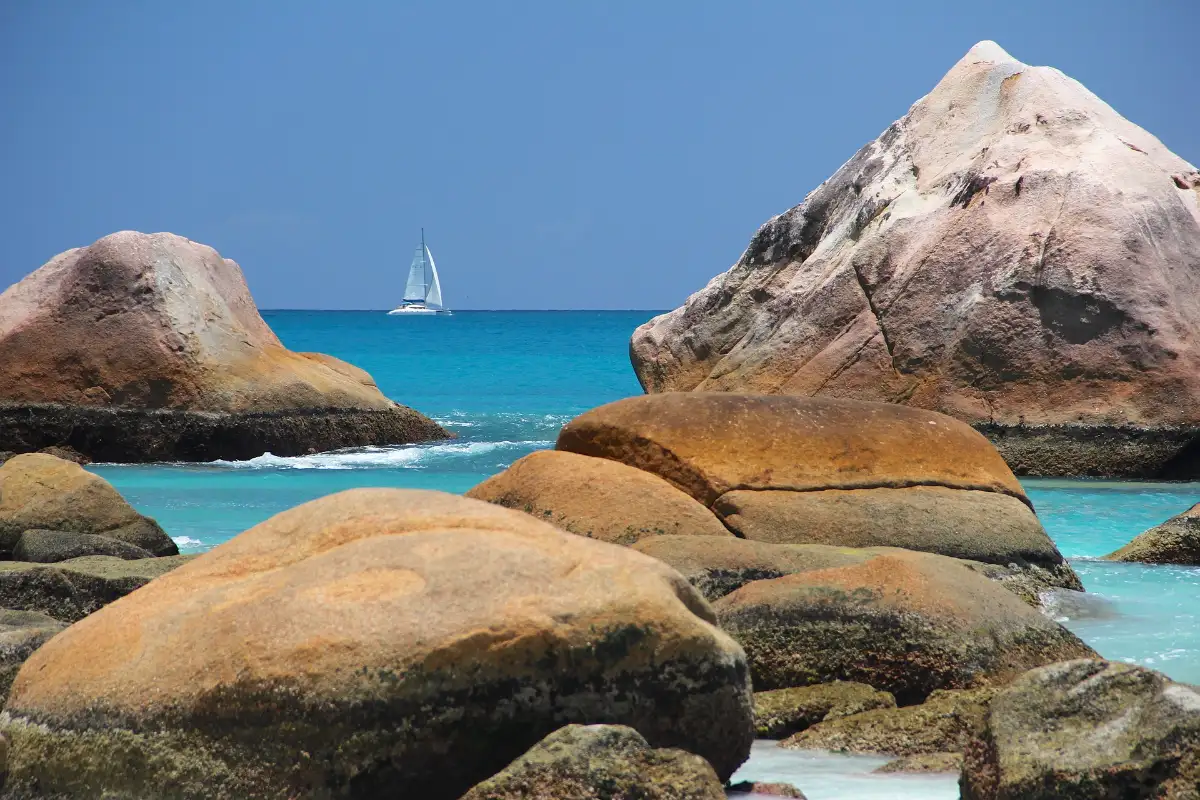
Packing for Seychelles requires preparation for tropical beach paradise with granite boulder landscapes and island hopping. Clothing essentials: lightweight, breathable clothing in cotton or linen, swimwear (at least 2-3 sets), beach cover-ups and sarongs, shorts and t-shirts, sundresses or light casual wear, one light sweater or cardigan for air-conditioned restaurants and evening breezes, smart casual outfit for upscale dining (some restaurants require long pants for men), and modest clothing for Victoria city and religious sites. Footwear: comfortable walking sandals, flip-flops for beach, reef shoes or water shoes (essential for rocky beaches and protecting against sea urchins), hiking shoes or sneakers for nature trails (Vallée de Mai, Morne Seychellois), and dress sandals/shoes for resort dining. Sun protection: SPF 50+ reef-safe sunscreen (critical - Seychelles sun is intense), after-sun lotion or aloe vera, wide-brimmed hat or cap, UV-protective sunglasses, and lip balm with SPF. Water activities: snorkeling gear (mask, snorkel, fins) though rentals available, underwater camera or waterproof phone case, dry bag for valuables during boat trips, and rash guard or dive skin for sun protection while swimming. Other essentials: insect repellent with DEET (mosquitoes present particularly wet season), prescription medications and basic first-aid kit, reusable water bottle (tap water safe), universal power adapter (Type G - UK three-pin plugs), phone/camera chargers and power bank, travel documents and copies, credit cards and some cash (Seychelles Rupees). Optional but useful: binoculars for bird watching, daypack for excursions, portable clothesline for drying swimwear, snorkel vest for safety and comfort, GoPro or action camera, and light rain jacket (brief showers possible). What NOT to pack: formal wear (Seychelles is relaxed), excessive beach toys (not needed), plastic bags (banned in Seychelles), and drones (require permits and restricted in many areas). Pack light, breathable fabrics suitable for hot, humid tropical climate. Most resorts have laundry services. Seychelles is casual destination - comfort and sun protection are priorities.
Seychelles offers world-class water activities in pristine marine environment. Diving and snorkeling: over 115 islands with diverse dive sites including granite formations, coral reefs, wrecks, and walls. Marine life includes sea turtles, reef sharks, rays, barracuda, Napoleon wrasse, and tropical fish. Best sites: Shark Bank (Mahé), Brissare Rocks (Praslin), and Sister Islands. Cost: $80-120 per dive. PADI courses available. Snorkeling from beaches free at many locations (Anse Lazio, Anse Source d'Argent, Beau Vallon). Island hopping: boat trips to multiple islands including Curieuse (giant tortoises), Cousin (bird reserve), St. Pierre (snorkeling), and Coco Island. Full-day excursions $150-250 including lunch, snorkeling, and beach time. Kayaking: explore coastlines, granite coves, and mangroves at your own pace. Rentals available at major beaches. Stand-up paddleboarding: calm lagoons perfect for SUP with spectacular scenery. Popular at Beau Vallon and resort beaches. Sailing and catamaran cruises: half-day or full-day sailing trips with snorkeling stops, beach BBQs, and sunset cruises. Cost: $100-200. Yacht charters available for luxury multi-day island hopping. Deep-sea fishing: marlin, sailfish, tuna, wahoo, and dorado. Half-day ($600-800) or full-day ($1,000-1,500) charters. October to April is peak season. Surfing: limited but available May-September at specific breaks on Mahé (Anse Forbans, Anse Parnel). Intermediate to advanced only. Kitesurfing and windsurfing: consistent southeast trades May-September make certain beaches suitable. Rentals and lessons available. Submarine experiences: semi-submersible tours for non-divers to observe marine life through glass. Cost: $100-150. Swimming with whale sharks: seasonal encounters (September-November) with gentle giants - organized tours available. Most resorts include non-motorized water sports (kayaks, paddleboards, snorkeling gear) for guests. Seychelles's crystal-clear waters, diverse marine life, and protected marine parks create unparalleled underwater experiences suitable for all abilities.
Ideal Seychelles vacation length depends on budget, interests, and travel style. Minimum recommended: 7-8 days allows visiting three main islands - Mahé (2-3 days for arrival, Victoria tour, beaches, maybe hiking), Praslin (2-3 days for Anse Lazio, Vallée de Mai, beaches), La Digue (2 days for Anse Source d'Argent, cycling, beaches), including ferry travel time. This provides good introduction to Seychelles beauty and main highlights without excessive rushing. Ideal duration: 10-14 days enables relaxed exploration - extended time on each island (3-4 days Mahé, 3-4 days Praslin, 2-3 days La Digue), island-hopping boat excursions (Curieuse, Cousin, St. Pierre), diving certification or multiple dive days, hiking Seychelles' nature trails, spa days, and genuine beach relaxation. This allows proper "island time" rhythm alternating activity with pure relaxation. Extended stay: 14-21+ days for honeymooners, complete unwinding, visiting outer islands (Silhouette, Denis, Bird Island), extensive diving/sailing, and truly disconnecting from world. Many luxury travelers spend 2-3 weeks enjoying ultimate paradise. Weekend getaway: 4-5 days possible focusing on Mahé and one other island for quick tropical escape, though long flights make it less ideal for short stays. Consider: Seychelles is expensive making longer stays costly. However, island-hopping requires time with ferries between islands (45 minutes Mahé-Praslin, 15 minutes Praslin-La Digue). Rushing between islands defeats purpose of Seychelles' laid-back paradise. Best approach: minimum one week visiting three main islands experiencing diversity, extending to 10-14 days for comprehensive relaxed experience without feeling rushed. Seychelles rewards slow travel with beach time, incredible sunsets, and "island time" rather than frantic sightseeing. Quality over quantity - spending adequate time on each island to absorb beauty and rhythm is essential to Seychelles experience.
Seychelles offers diverse accommodation though generally expensive compared to other destinations. Budget guesthouses and self-catering: $60-120 per night providing basic rooms or apartments with kitchenettes, local hospitality, and authentic experience away from resort areas. Popular on Mahé (Beau Vallon area) and Praslin. Self-catering significantly reduces food costs. Examples: chez local properties, Airbnb rentals. Mid-range hotels and small resorts: $150-350 per night with comfortable rooms, pools, restaurants, beachfront or beach access, and good facilities. Examples: Le Relax Beach Resort (Mahé), Hotel L'Archipel (Praslin), Patatran Village (La Digue). Good balance of comfort and value. 4-5 star resorts: $350-800 per night featuring excellent facilities, multiple restaurants, spa, water sports, kids clubs, and beautiful beach settings. Examples: Kempinski Seychelles (Mahé), Constance Lemuria (Praslin), Hilton Seychelles. Premium service and amenities. Ultra-luxury resorts: $800-5,000+ per night at exclusive properties like Six Senses Zil Pasyon (Félicité Island, $1,500-3,000+), Four Seasons Resort Seychelles (Mahé, $1,000-2,500+), North Island (private island, $4,000-10,000+ per night - celebrity favorite), Fregate Island Private, and Denis Private Island. World-class everything with ultimate privacy. Guest houses vs resorts: guesthouses offer authenticity, lower costs, and local interaction but require self-sufficiency (own transport, restaurant choices). Resorts provide convenience, activities, and ease but can feel isolated and expensive. Island accommodation: Mahé has most options across all budgets with best infrastructure. Praslin offers mid-range to luxury, fewer budget options. La Digue has limited choices, mostly guesthouses and small properties. Outer islands exclusively luxury resorts or private islands. All-inclusive: less common in Seychelles than Maldives or Mauritius. Most resorts operate half-board (breakfast + dinner) or bed & breakfast with à la carte lunch. Peak season (July-August, December-January) requires 6-12 months advance booking particularly luxury properties. Seychelles accommodation reflects destination positioning as exclusive, pristine paradise appealing to honeymooners, celebrities, and discerning travelers rather than mass tourism.
Yes, comprehensive travel insurance is essential for Seychelles given remote location, expensive medical care, and adventure activities. Ensure coverage includes: medical emergencies and treatment (Seychelles has reasonable medical facilities on Mahé but expensive without insurance - consultations $100-200+, hospital stays $300-500+ per day, medical procedures very costly), medical evacuation (critical for serious emergencies requiring evacuation to Mauritius, Reunion, or international facilities - costs $30,000-150,000+), trip cancellation and interruption protecting expensive resort bookings and long-haul flights (Seychelles vacations represent significant investment), lost or delayed baggage, and water sports activities including diving, snorkeling, sailing, and island hopping. Seychelles-specific considerations: remote location means medical evacuation is more likely for serious conditions requiring specialized care unavailable locally. Verify evacuation coverage is adequate. Water activities: diving accidents, decompression sickness, boat mishaps, and marine injuries require comprehensive coverage. Some policies exclude certain activities - read carefully. Weather disruptions: while no cyclone risk, occasional weather delays can affect inter-island ferries and flights requiring accommodation extensions. Flight delays: connections through hubs (Dubai, Doha, Johannesburg) can miss connections requiring rebooking and overnight stays - adequate coverage essential. High vacation costs: given Seychelles' premium pricing for everything, trip cancellation/interruption coverage protects significant financial investment if emergency prevents travel. COVID and illness: policies covering contagious illnesses preventing travel increasingly important. Many credit cards provide basic travel insurance but verify adequacy particularly medical evacuation coverage. Purchase comprehensive insurance immediately after booking flights/resorts. Recommended insurers include World Nomads, Allianz, IMG Global, and specialist luxury travel insurance providers. Emergency evacuation coverage should be minimum $250,000. Given Seychelles' remote location, expensive costs, and paradise status justifying long journey, adequate insurance is non-negotiable for protecting health and financial investment.
Seychelles' official currency is the Seychelles Rupee (SCR), with exchange rates typically around 13-15 SCR to 1 USD, 15-17 SCR to 1 EUR. Major currencies: US dollars, Euros, and British pounds are widely accepted at hotels, resorts, tour operators, and tourist restaurants, though exchange rates may be less favorable. Many resorts quote prices in euros. Credit cards (Visa and Mastercard) are widely accepted at hotels, resorts, restaurants, shops, and tourist areas. American Express less common. ATMs available in Victoria (Mahé), Grand Anse (Praslin), and La Passe (La Digue) dispensing local currency. Banks have limited hours (weekdays only, 8:30am-2:30pm typically). Withdraw sufficient cash before weekends. Exchange options: banks (MCB, Seychelles Savings Bank) offer best rates, exchange bureaus in Victoria and airport available, hotels/resorts provide exchange but with inferior rates. Keep exchange receipts for reconverting excess rupees at departure. Budget daily cash needs: self-catering/budget travelers need 500-1,000 SCR ($35-70) for meals, transport, and activities. Resort guests need minimal cash - maybe 200-500 SCR ($15-35) for tips and incidental purchases as most expenses charged to room. Tipping: restaurants 10% (often included as service charge), hotel staff 50-100 SCR per service, tour guides 100-200 SCR per day, taxi drivers 50 SCR or round up. Public transport cheap: buses 7-10 SCR per journey. Ferries 715 SCR ($50) Mahé-Praslin, 65 SCR ($5) Praslin-La Digue. Taxis expensive: airport to Beau Vallon 250-300 SCR ($18-22), cross-island transfers 400-600 SCR ($30-45). Car rentals $50-70 per day. Most major expenses (hotels, activities) paid by card. Carry some local currency for markets, local restaurants, buses, and small purchases. Seychelles has modern banking making payments straightforward, though cash useful for local experiences and avoiding card fees.
Absolutely! Seychelles is exceptional family destination offering safe beaches, calm waters, unique wildlife, and family-friendly resorts. Family-friendly resorts: many properties welcome families with kids clubs (ages 4-12), teens programs, family rooms/suites, connecting rooms, kids pools, playgrounds, organized activities, babysitting services, and children's menus. Examples: Constance Ephelia (excellent kids club, adventure activities), Kempinski Seychelles (family villas), Hilton Seychelles Northolme (family-friendly), and Savoy Seychelles (kids facilities). Some ultra-luxury properties are adults-only or have age minimums. Beach safety: calm, shallow lagoons protected by coral reefs perfect for children to swim, paddle, and play safely. Granite boulders create natural pools ideal for kids. Anse Source d'Argent (La Digue) has shallow pools between boulders - paradise for children. Most resort beaches have lifeguards. Activities for kids: snorkeling (colorful fish visible in shallow water), giant tortoises at Curieuse Island (children can interact with and feed tortoises), La Digue bicycle riding (safe, flat, car-free cycling), glass-bottom boat tours, kayaking in calm waters, nature walks spotting tropical birds and fruit bats, beach combing for shells, and swimming in natural rock pools. Educational: children learn about endemic species (coco de mer palms, black parrots, giant tortoises), marine conservation, and tropical ecosystems - naturally educational environment. Safety: Seychelles is very safe for families with no malaria, safe tap water, low crime, friendly locals, and excellent healthcare. Beaches are pristine and clean. Age considerations: toddlers enjoy shallow beach play and pools. School-age children (6-12) love snorkeling, cycling, wildlife, and exploration. Teenagers enjoy water sports, diving, hiking, and photography. Baby-friendly: resorts provide cribs, high chairs, bottle sterilizers, and baby food. Some have dedicated baby clubs for toddlers. Family culture: Seychellois love children and are very welcoming to families. Restaurants accommodate kids well. Seychelles offers stress-free family paradise combining beaches, nature, wildlife, and safety in breathtaking setting without malaria concerns typical of African destinations.
Seychellois cuisine reflects Creole heritage blending African, French, Indian, and Chinese influences with abundant fresh seafood. Must-try dishes: Fish curry - coconut-based curry with local fish (red snapper, bourgeois, job), tomatoes, onions, and spices served with rice - national favorite. Grilled fish - fresh catch grilled with lemon and garlic, simply prepared highlighting freshness. Octopus curry (kari zourit) - tender octopus in spicy Creole curry sauce with coconut milk. Shark chutney - smoked shark flaked and mixed with lime, onions, and bilimbi fruit - unique tangy condiment. Ladob - sweet or savory dish with plantains or cassava cooked in coconut milk, cinnamon, nutmeg, and sugar - traditional dessert. Bouillon bréde - hearty vegetable stew with local greens, pumpkin, and sometimes fish or pork. Pwason ek diri - fish with rice, classic everyday meal. Bat curry - fruit bat curry (not for everyone, but traditional delicacy). Fresh seafood: lobster, prawns, crab, tuna, trevally, barracuda prepared grilled, curried, or Creole-style. Catch of the day at local restaurants. Street food: fresh fruit stalls, samosas, bakeries with bread and pastries showing French influence. Drinks: Seybrew and Eku (local beers), Takamaka rum (locally produced, excellent), fresh fruit juices (passion fruit, guava, papaya, soursop), coconut water straight from coconut. French influence: quality wines, baguettes, pastries, and French cuisine available particularly at upscale restaurants. Dining options: local Creole takeaways (cheapest, authentic - 100-150 SCR/$7-11), casual restaurants (200-300 SCR/$15-22), resort restaurants (expensive, 500-1,000+ SCR/$35-75+), and fine dining (1,000+ SCR/$75+). Markets: Victoria Market offers fresh fish, tropical fruits, vegetables, and spices - great for self-catering. Dietary: vegetarian options available though seafood dominates. Vegan more challenging. Creole food can be spicy - specify preference. Seychelles food scene showcases fresh seafood, tropical flavors, and multicultural influences creating unique Creole fusion cuisine best enjoyed at local restaurants rather than exclusively resort dining.
Seychelles has relaxed Creole culture blending African, French, Asian, and British influences creating warm, welcoming society. General etiquette: Seychellois are friendly, laid-back, and hospitable. Greetings include handshakes, "Bonzour" (Creole hello), or "Bonjour" (French). Smile and friendliness are valued. Dress code: beachwear confined to beaches and pools - cover up when leaving beach areas and entering towns, shops, or restaurants. Casual smart for upscale dining. Topless sunbathing not culturally acceptable and best avoided. Most Seychellois dress modestly outside beaches. Religious respect: Seychelles is predominantly Roman Catholic (76%) with Anglican and other Christian minorities, plus small Hindu and Muslim communities. Sunday church services important culturally. Respect religious sites - modest dress at churches. Language: Seychellois Creole (Kreol Seselwa) is most spoken language alongside French and English. Most Seychellois speak all three. English widely understood in tourism. Attempting Creole phrases appreciated. Tipping: not mandatory as 5-10% service charge often included in restaurant bills. Additional tipping for exceptional service welcomed - 10% restaurants, 50-100 SCR hotel staff, 100-200 SCR guides. Environmental consciousness: Seychelles prioritizes conservation and environmental protection. Don't litter, damage coral reefs, disturb wildlife, or remove shells/sand from beaches. Plastic bags banned - bring reusable bags. Marine park rules: no fishing, coral collecting, or touching marine life in protected areas. Fines strictly enforced. Photography: always ask permission before photographing people. Some may expect small payment. Pace of life: "island time" prevails - patience essential. Things move slower than Western standards. Rushing is frowned upon. Social customs: Seychellois are private about personal lives but warm once acquainted. Accept hospitality graciously. Public displays of affection moderate - hand-holding fine, excessive kissing inappropriate. Respect: Seychellois are proud of their islands, culture, and conservation success. Show respect for environment, culture, and local ways. Overall Seychelles's Creole culture creates welcoming, tolerant atmosphere making visitors feel comfortable while expecting respect for pristine natural environment and local customs.
International flights arrive at Seychelles International Airport (SEZ) on Mahé, the main island, located near Victoria. Major airlines: Air Seychelles (national carrier), Emirates (via Dubai - most common route), Ethiopian Airlines (via Addis Ababa), Qatar Airways (via Doha), Turkish Airlines (via Istanbul), Kenya Airways (via Nairobi), and Etihad Airways (via Abu Dhabi). Direct flights from limited European cities (Paris, London on limited schedules). Most travelers connect through Middle East hubs (Dubai, Doha, Abu Dhabi) from Europe, Asia, Americas, and Australia. Direct flights from South Africa (Johannesburg) and Mauritius. Getting around: Inter-island ferries (Cat Cocos): fast catamaran service between Mahé, Praslin, and La Digue. Mahé-Praslin (45 minutes, 715 SCR/$50 one-way, 3-5 departures daily), Praslin-La Digue (15 minutes, 65 SCR/$5 one-way, multiple daily departures). Advance booking recommended particularly peak season. Weather dependent - rough seas can cancel services. Domestic flights: Air Seychelles operates between Mahé, Praslin, and other islands (15 minutes Mahé-Praslin, 1,500-2,500 SCR/$100-180 one-way). Small aircraft with luggage restrictions (15kg). Views spectacular. Within islands: Mahé - car rental essential ($50-70 per day) as public buses limited and taxis expensive. Winding roads require careful driving. Praslin - car rental or bicycle for flexibility ($50 per day cars, $15 per day bikes), taxis available. La Digue - bicycles primary transport (car-free largely), rentals 100-150 SCR ($7-11) per day, ox-carts for luggage between pier and hotels, walking feasible as island is small (5km x 3km). Taxis: available on Mahé and Praslin but expensive - negotiate or agree fare beforehand. No meters. Outer islands: private islands and outer island resorts accessible by helicopter or charter boat - arranged by resorts. Boat excursions: day trips to nearby islands (Curieuse, Cousin, St. Pierre, Coco) organized through tour operators ($150-250 including transport, lunch, snorkeling). Seychelles' island-hopping requires planning around ferry schedules or budget for flights. Allow time for inter-island travel in itinerary.
Seychelles outer islands offer ultimate exclusivity and pristine nature beyond the main granitic Inner Islands (Mahé, Praslin, La Digue). Outer islands divided into: Coralline Islands - flat coral atolls and islands (Aldabra, Cosmoledo, Farquhar Group) located 1,000+ km from Mahé. Aldabra Atoll is crown jewel - UNESCO World Heritage Site, world's second-largest coral atoll with 100,000+ giant tortoises (more than Galápagos), pristine coral reefs, endemic species, and incredible biodiversity. Accessible only by liveaboard diving boats or research expeditions (7-10 days, $5,000-15,000+). Limited tourism protects fragile ecosystem. Cosmoledo and Farquhar attract fly-fishing enthusiasts ($8,000-12,000+ per week). Outer islands with resorts: Denis Island - private island resort (25 rooms) with excellent bird watching, diving, fishing, and intimate atmosphere ($800-1,500+ per night). North Island - ultra-exclusive private island ($4,000-10,000+ per night) famous for conservation, celebrity guests (Duke and Duchess of Cambridge honeymooned here), villas with private plunge pools, and total privacy. Maximum 22 guests. Desroches Island - coral island resort with stunning beaches, world-class diving, and remote tranquility ($600-1,200+ per night). Bird Island - eco-lodge focused on nature with millions of sooty terns (May-October), giant tortoises, and pristine environment ($300-600 per night). Silhouette Island - third-largest granitic island with luxury resort, nature reserve, endemic species, and mountainous terrain ($400-800+ per night). Frégate Island - private island resort ($2,000-5,000+ per night) with conservation projects including giant tortoises and endangered birds. Who should visit: outer islands suit travelers seeking ultimate privacy, exclusivity, pristine nature, world-class diving/fishing, and escape from civilization. Requires significant budget and appreciation for remote simplicity. Access: private charter flights or boats arranged by resorts. Most outer islands are day-trip inaccessible - requires overnight stays. Conservation: outer islands prioritize conservation with limited development and protected ecosystems. Visitor numbers strictly controlled preserving pristine conditions. Outer islands represent Seychelles at its most exclusive and untouched - premium investment rewarding travelers with unparalleled natural beauty and solitude.
Seychellois Creole (Kreol Seselwa) is the most widely spoken language in daily life, though English and French are also common. Learning basic Creole delights locals. Here are 10 essential Seychellois Creole phrases with pronunciations:

1) Bonzour (bon-ZOOR) - Hello/Good morning
2) Bonswar (bon-SWAR) - Good evening
3) Kouman (koo-MAHN) - How are you?
4) Mon byen (mon bee-EN) - I'm fine
5) Mersi / Mersi boku (mair-SEE / mair-SEE boh-KOO) - Thank you / Thank you very much
6) Tanpri / Silvouple (tan-PREE / seel-voo-PLAY) - Please
7) Wi (wee) - Yes
8) Non (non) - No
9) Eskiz / Pardon (es-KEEZ / par-DON) - Excuse me/Sorry
10) Orevwar (oh-rev-WAR) - Goodbye

Bonus phrases: Kot ou reste? (Where do you live/stay?), Mon kontan (I like/I'm happy), Annou ale (Let's go), Sa sel (That's all). Food: Manze (food), Dlo (water), Pwason (fish). Places: Laplaz (beach), Lazil (island). Seychellois are trilingual and friendly - they'll appreciate your effort to speak Creole even if just greetings, and will happily switch to English or French to help you. Your attempts at Creole will bring smiles and warm connections!

Change Currency

Loading currencies...

Give your feedback