
 English
 French
Manyeleti Game Reserve 
Manyeleti Game Reserve - South Africa Wildlife Destination
Starting from
$500PP
Overview
Manyeleti Game Reserve is a privately managed conservation area located between Kruger National Park and the Sabi Sand and Timbavati reserves in South Africa’s Greater Kruger ecosystem. Spanning vast tracts of open savannah, mixed woodland, and riverine habitats, Manyeleti offers an authentic and less commercial safari experience compared to its more famous neighbors. With no fences separating it from Kruger National Park, wildlife moves freely across the landscape, allowing visitors to experience true wilderness conditions. The reserve is known for its emphasis on conservation, community involvement, and low-impact tourism, making it ideal for travelers seeking immersive and uncrowded game viewing experiences.
Pros & Cons
- Part of the Greater Kruger ecosystem with free-roaming wildlife
- Excellent Big Five sightings
- Low visitor numbers and uncrowded safaris
- Strong conservation and community focus
- Outstanding wildlife photography opportunities
- Fewer luxury lodge options compared to Sabi Sand
- Limited public access as it is lodge-based
- Hot summer temperatures
Map in South Africa

Want to Visit Manyeleti Game Reserve?


Want to Visit Manyeleti Game Reserve?
Wildlife & Animals
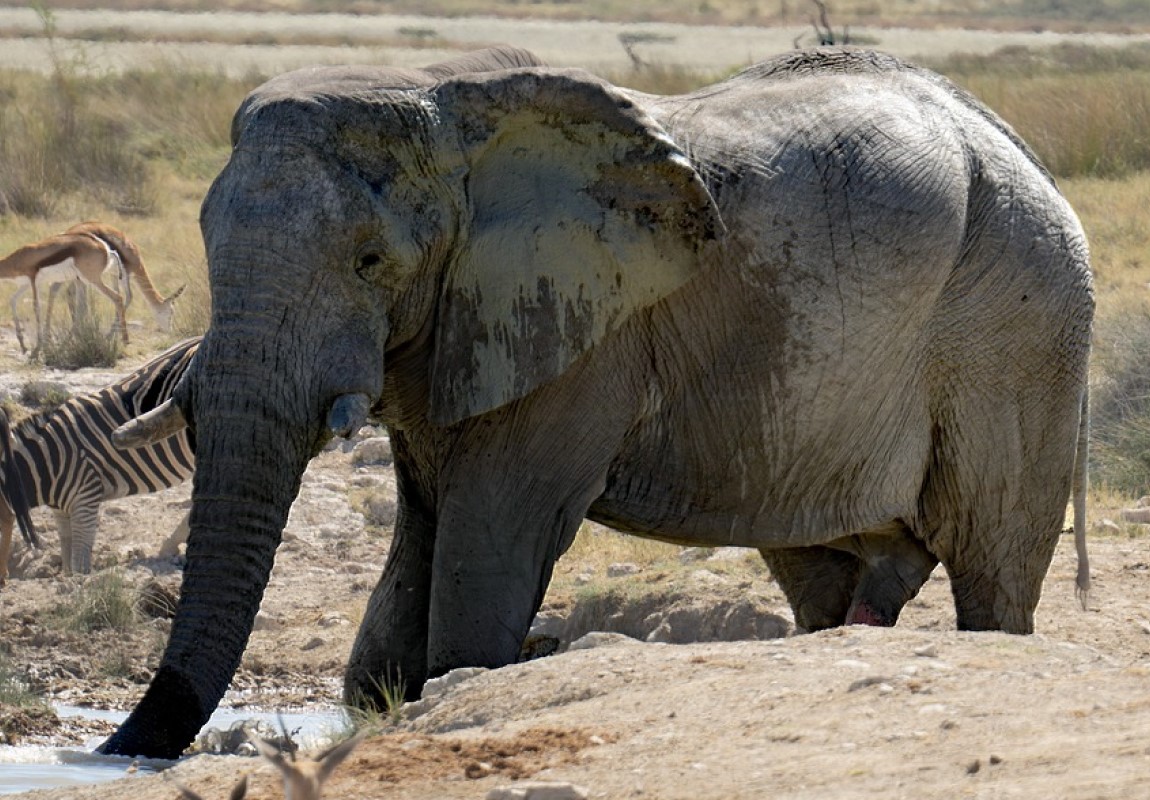
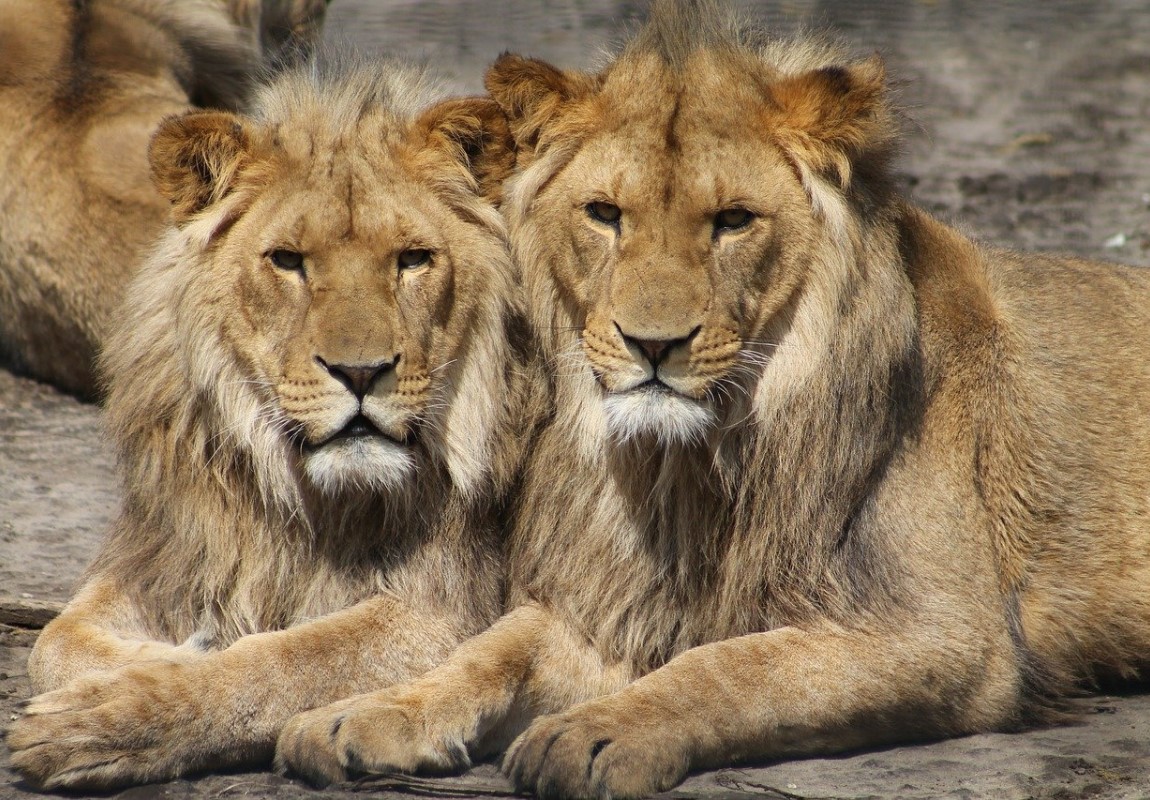
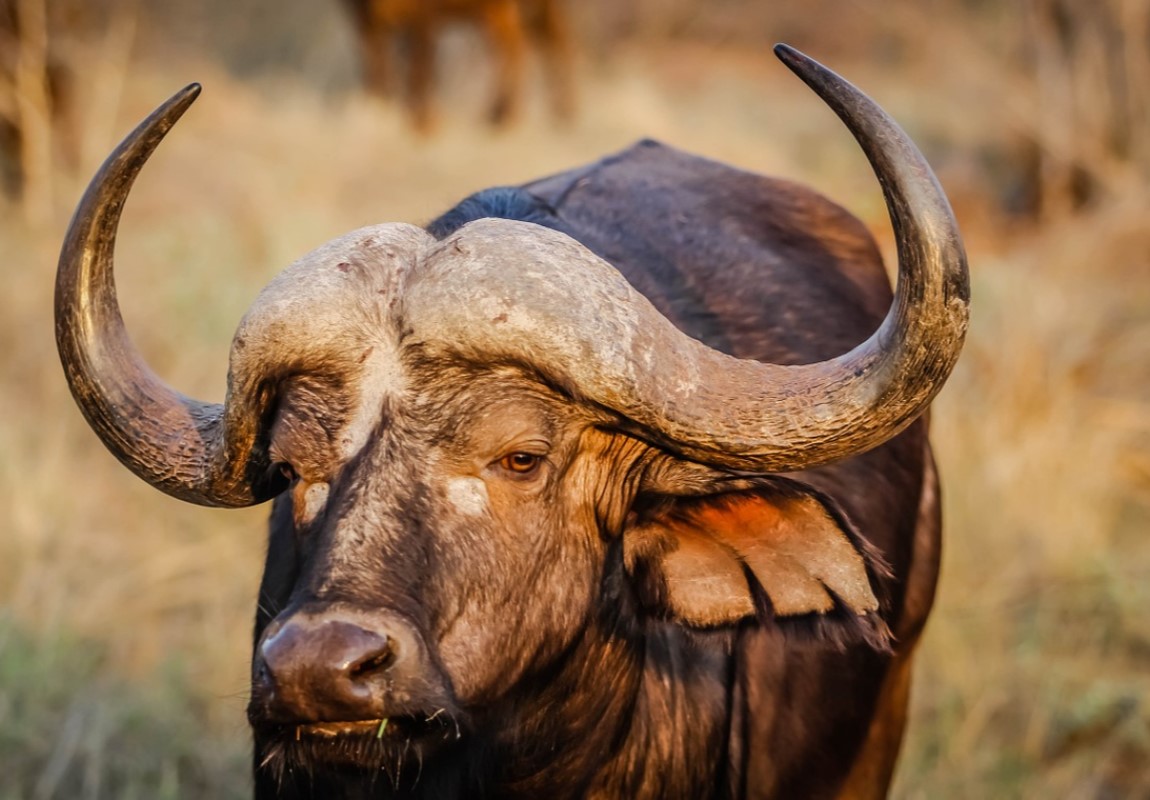
Manyeleti Game Reserve supports a rich diversity of wildlife typical of the Greater Kruger region. The reserve is home to the Big Five, with healthy populations of elephants, lions, leopards, buffalo, and both white and black rhinoceros. Large herds of plains game such as zebra, wildebeest, giraffe, and several antelope species are frequently encountered, supporting strong predator populations. The open borders with neighboring reserves ensure natural migration patterns and genetic diversity, contributing to excellent year-round wildlife viewing.

Wildlife Highlights
Wildlife highlights at Manyeleti include consistent Big Five sightings, particularly leopards and lions that move freely across reserve boundaries. Elephant herds are often seen along drainage lines, while buffalo gather in large numbers during the dry season. The reserve is also known for rewarding sightings of hyena, wild dog, and a variety of nocturnal species during night drives.
Best Time for Wildlife Viewing
The best time to visit Manyeleti Game Reserve for wildlife viewing is during the dry season from June to September. Sparse vegetation and limited water sources make animals easier to locate, while cooler temperatures result in increased daytime activity and more productive game drives.
Want to Visit Manyeleti Game Reserve?
Birds
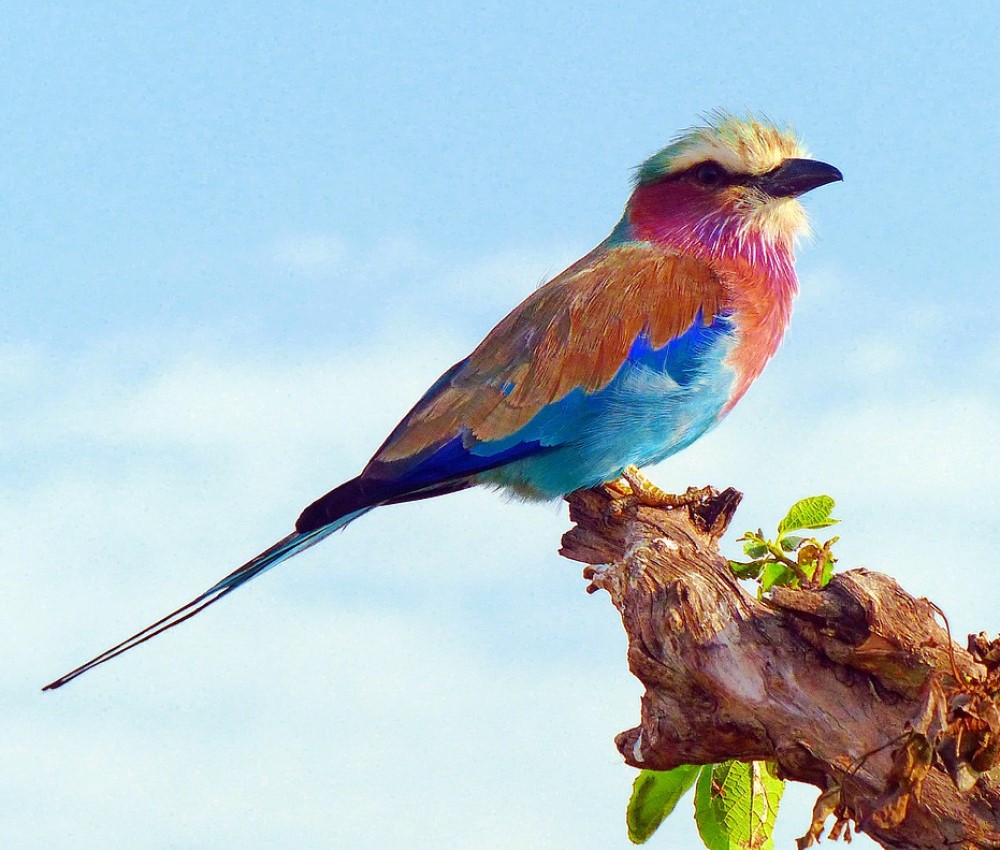
Manyeleti Game Reserve hosts a diverse bird population with more than 300 recorded species, benefiting from its varied habitats that include open plains, woodlands, and seasonal riverbeds. Raptors, hornbills, rollers, and kingfishers are commonly seen, while summer months attract migratory species that enhance the reserve’s birding appeal. Birdlife adds an extra dimension to safaris, particularly for guests interested in ecology and photography.


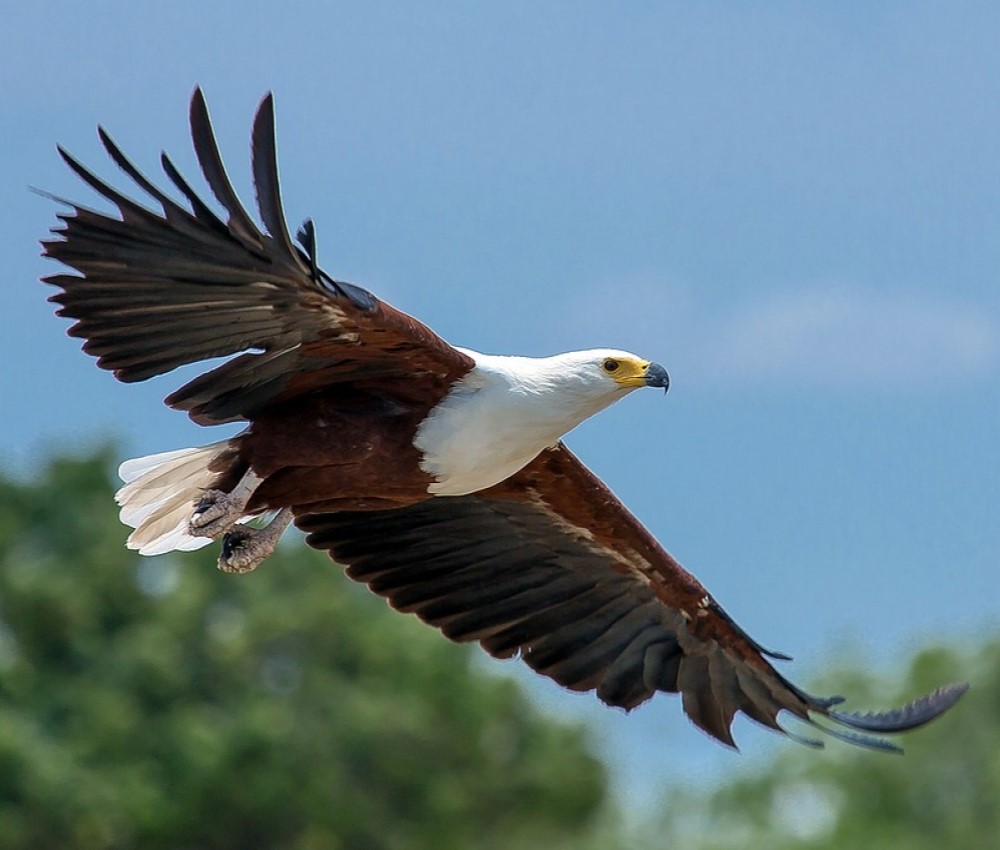
Best Time for Birding
The prime birding season in Manyeleti runs from November to March, when migratory birds arrive following summer rains. This period offers peak bird diversity, active breeding behavior, and vibrant plumage, making it the most rewarding time for birdwatching.
Want to Visit Manyeleti Game Reserve?
Best Time to Visit – Manyeleti Game Reserve
The best time to visit Manyeleti Game Reserve for wildlife viewing is during the dry season from June to September. Sparse vegetation and limited water sources make animals easier to locate, while cooler temperatures result in increased daytime activity and more productive game drives.
May to September (Dry Season)
- Excellent wildlife visibility
- Cooler temperatures
- High predator activity
- Colder early mornings
- Dusty conditions
October to March (Wet Season)
- Lush landscapes
- Best birding season
- Fewer visitors
- Dense vegetation reduces visibility
- Hot and humid weather
Want to Visit Manyeleti Game Reserve?
Activities
Explore popular activities available in and around Manyeleti Game Reserve.
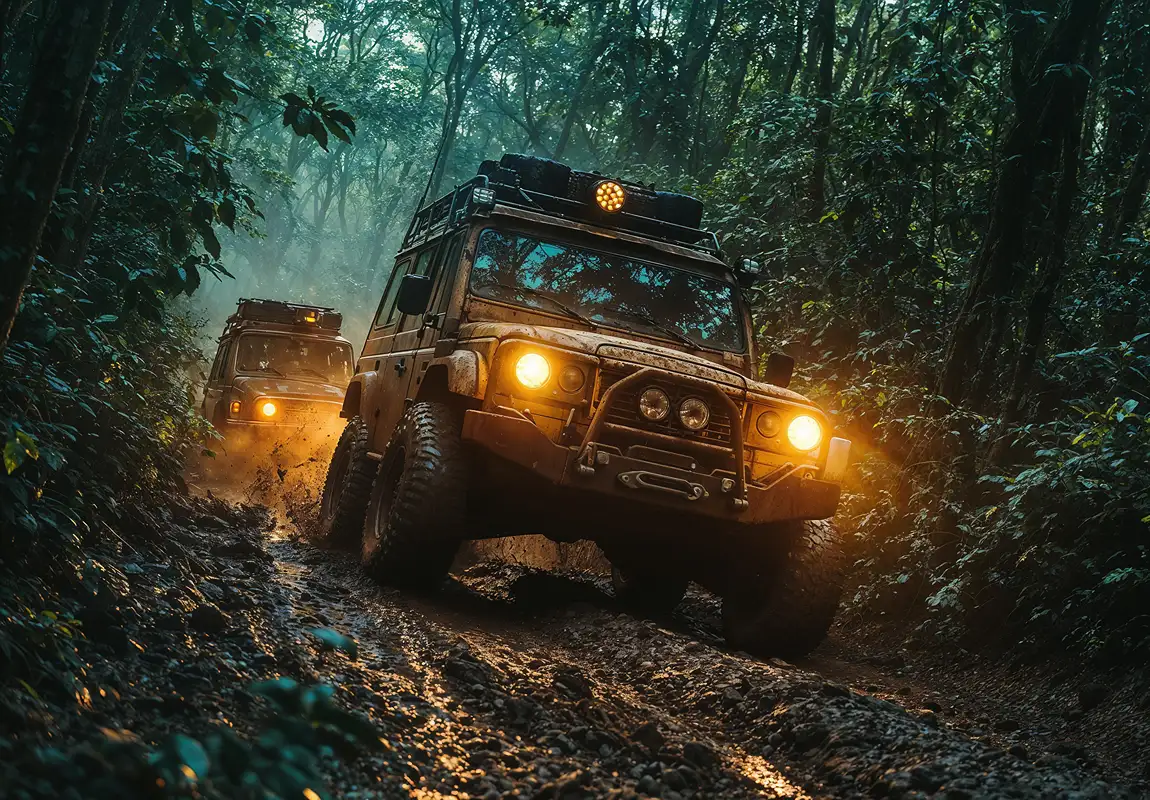
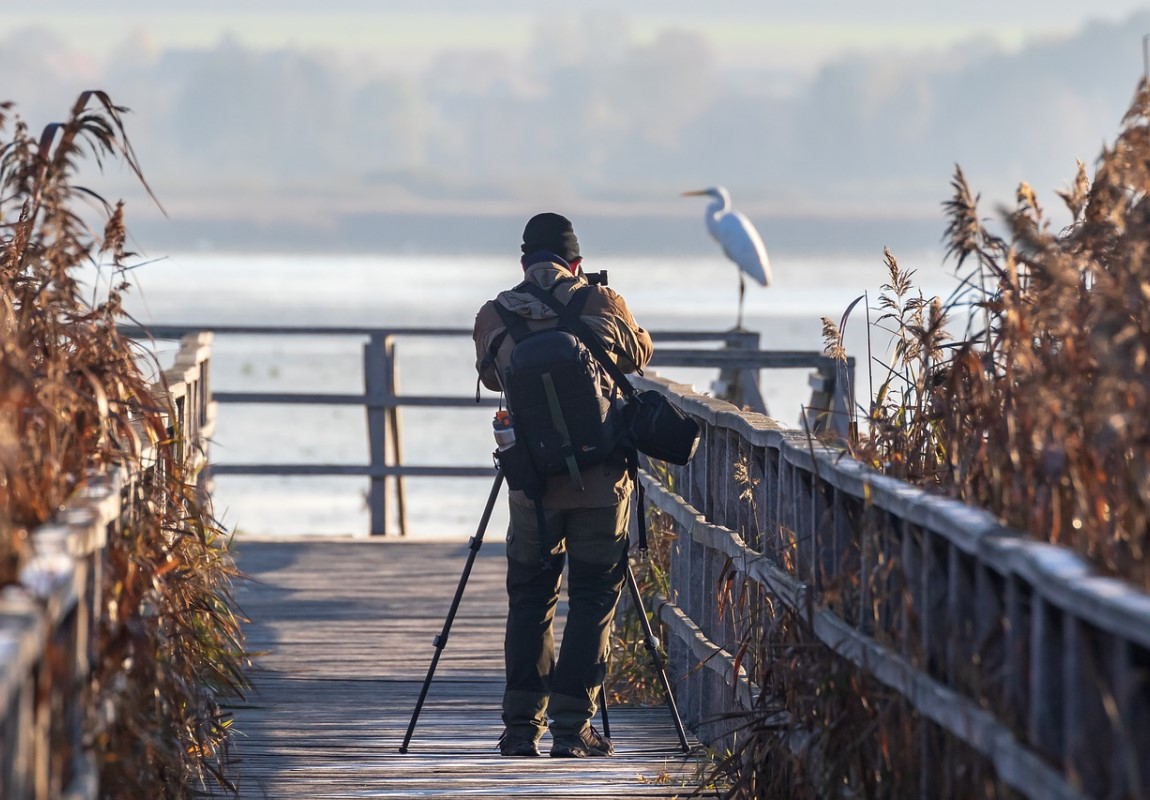
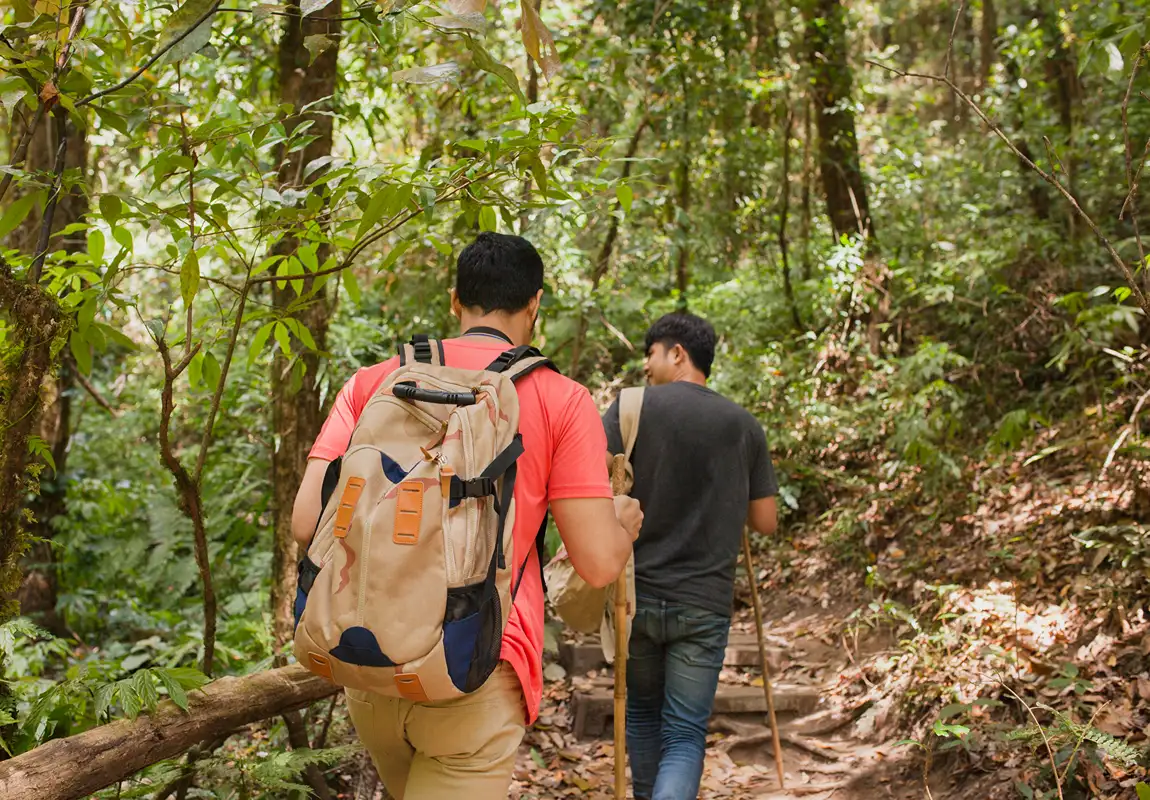
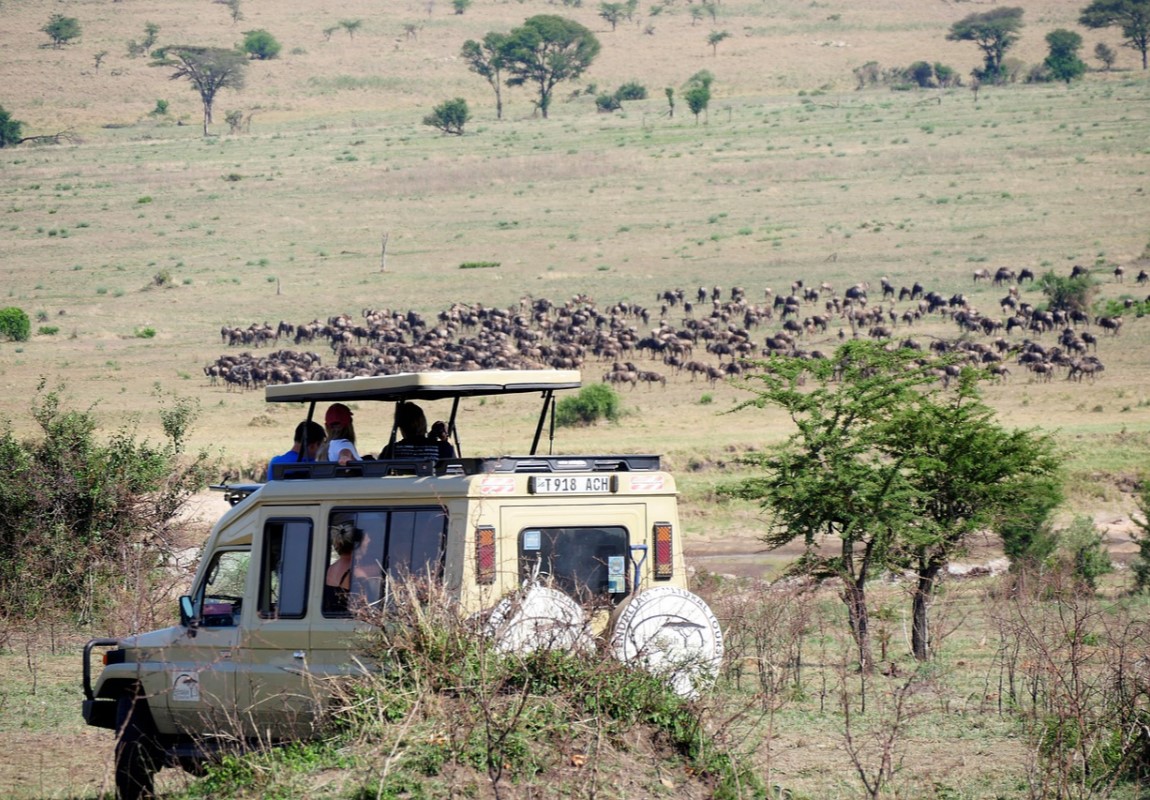
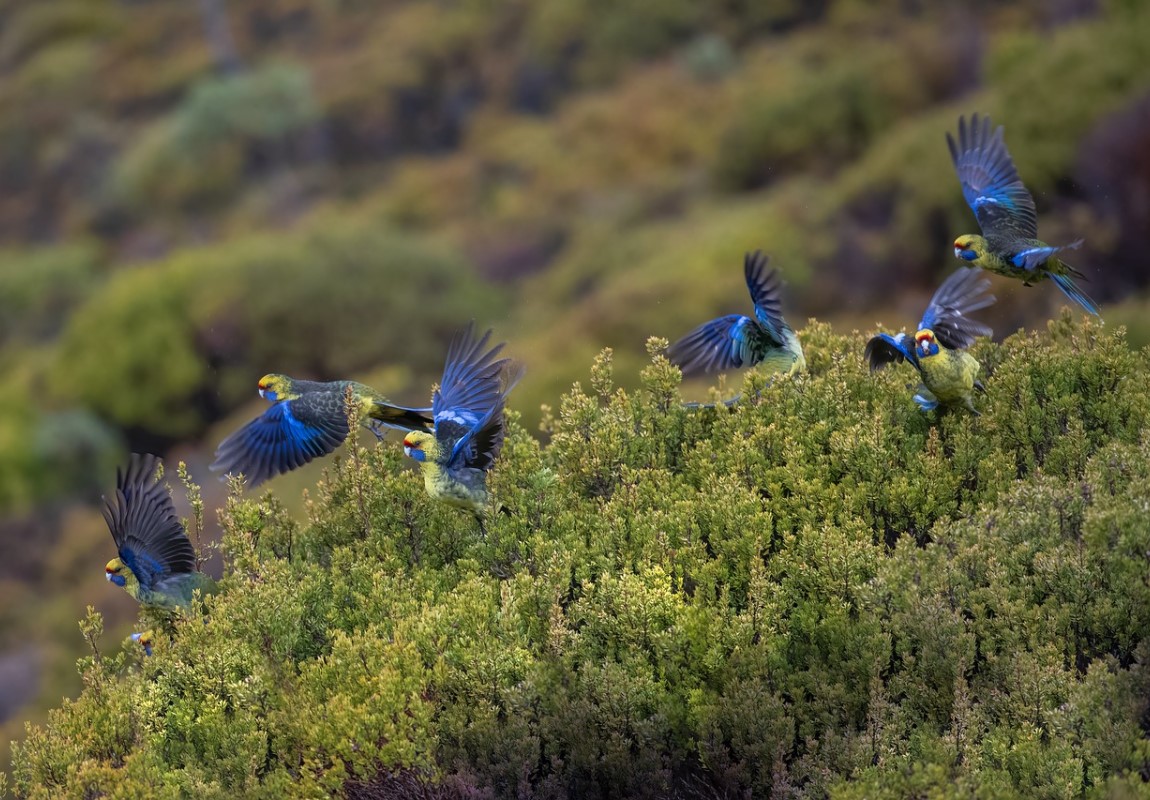
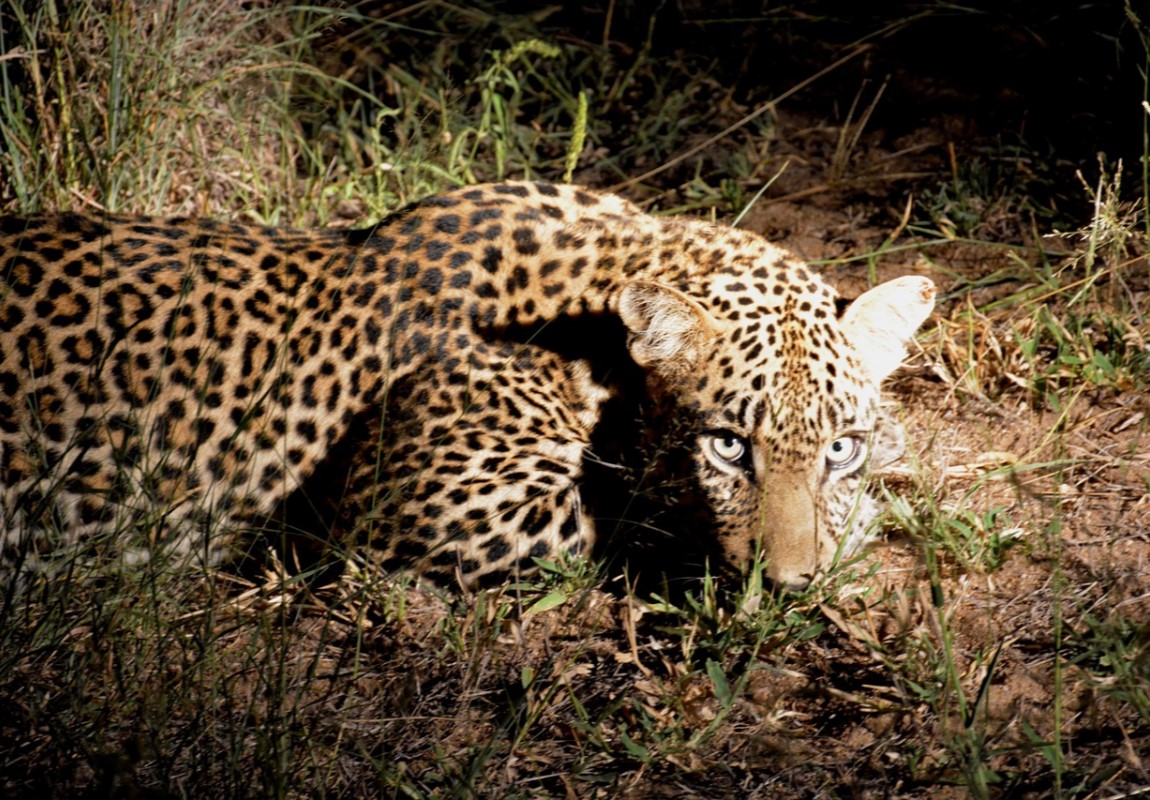
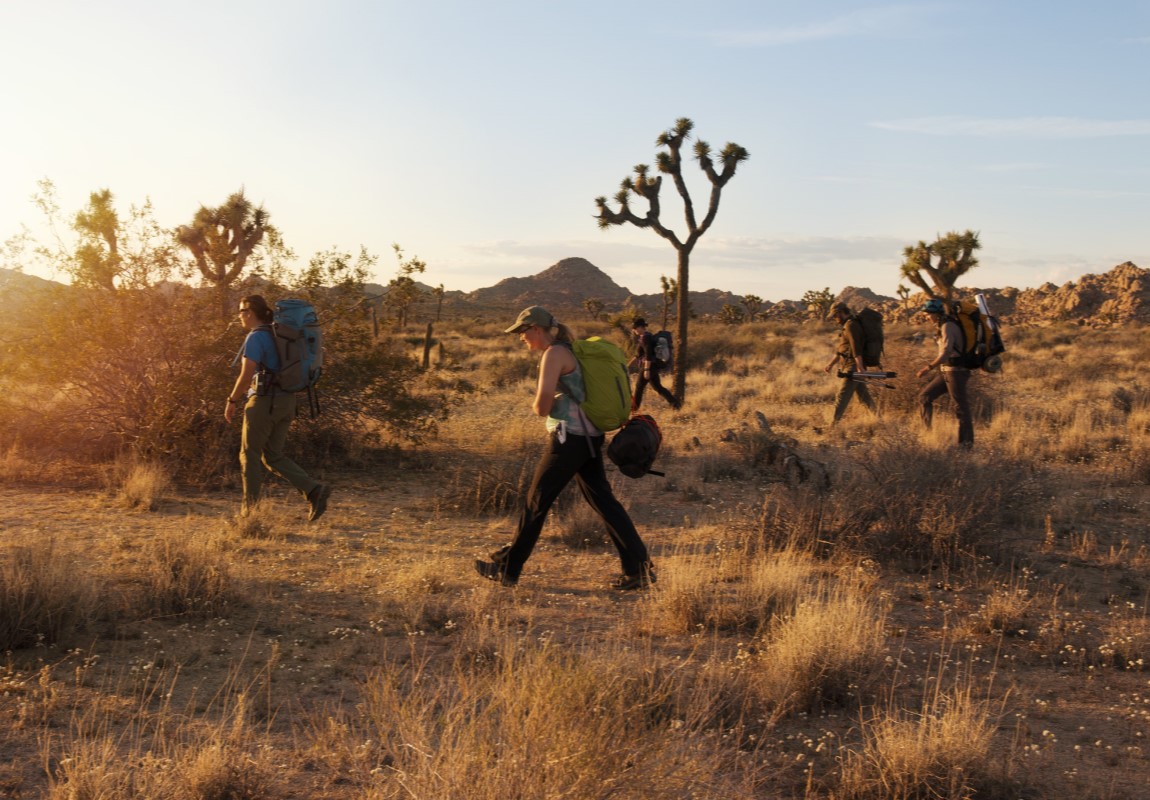
Want to Visit Manyeleti Game Reserve?
No FAQs available for this park yet.
