
 English
 French
Tembe Elephant Park 
Tembe Elephant Park - South Africa Wildlife Destination
Starting from
$500PP
Overview
Tembe Elephant Park is a protected wildlife reserve located in northern KwaZulu-Natal, near the border with Mozambique. The park is internationally recognized for conserving one of South Africa’s largest populations of indigenous elephants, many of which carry impressive tusks due to long-term protection and minimal human interference. Covering a mosaic of sand forests, grasslands, and wetlands, Tembe represents a rare ecosystem found nowhere else in the country. The reserve plays a vital role in cross-border conservation as part of the greater Lubombo Transfrontier Conservation Area, offering visitors a quieter, conservation-focused safari experience away from heavily commercialized routes.
Pros & Cons
- Home to some of South Africa’s largest tusked elephants
- Rare sand forest ecosystem
- Low visitor numbers and peaceful safari experience
- Strong conservation and community focus
- Limited predator sightings
- Dense vegetation can reduce visibility
- Less luxury accommodation compared to private reserves
Map in South Africa

Want to Visit Tembe Elephant Park?


Want to Visit Tembe Elephant Park?
Wildlife & Animals
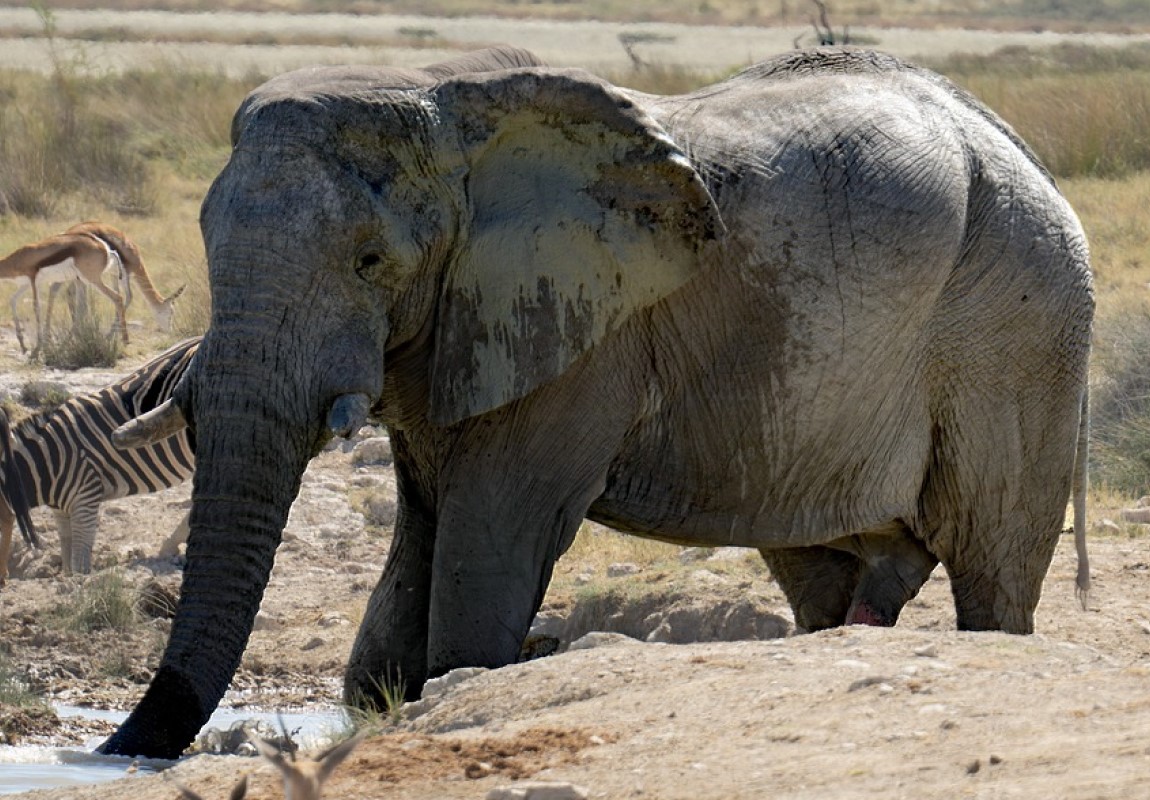
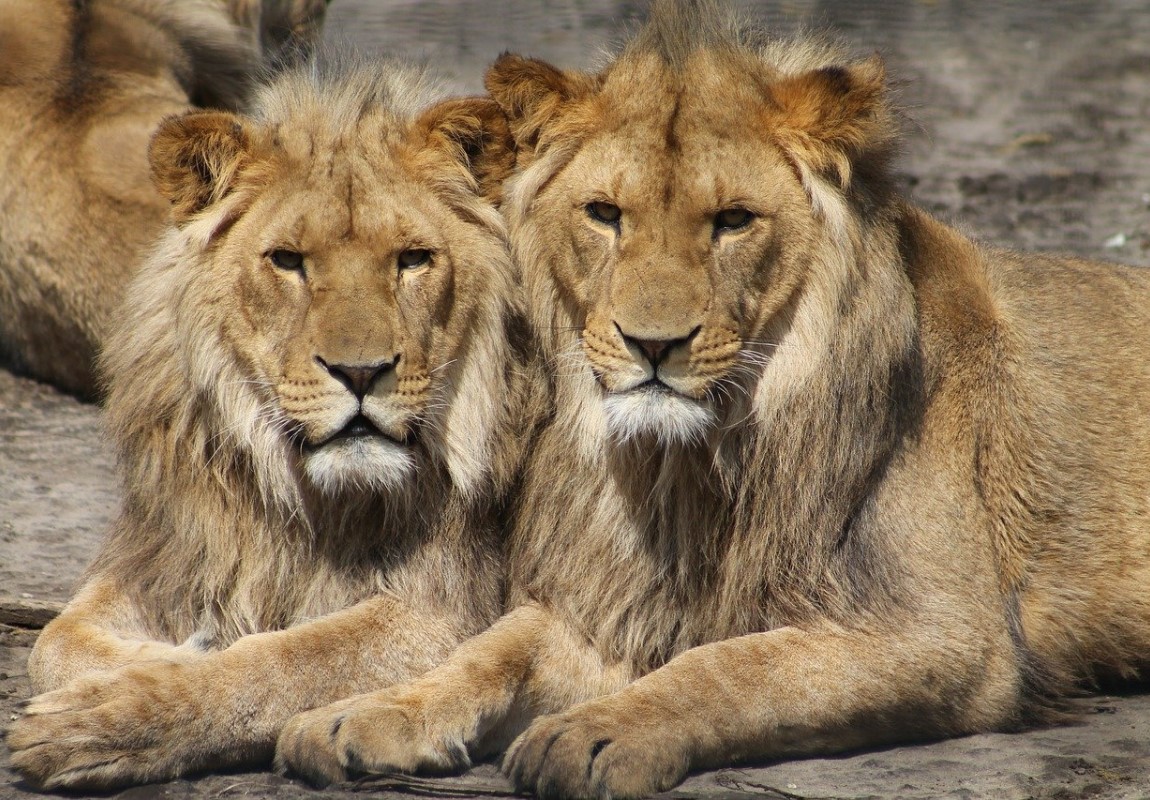
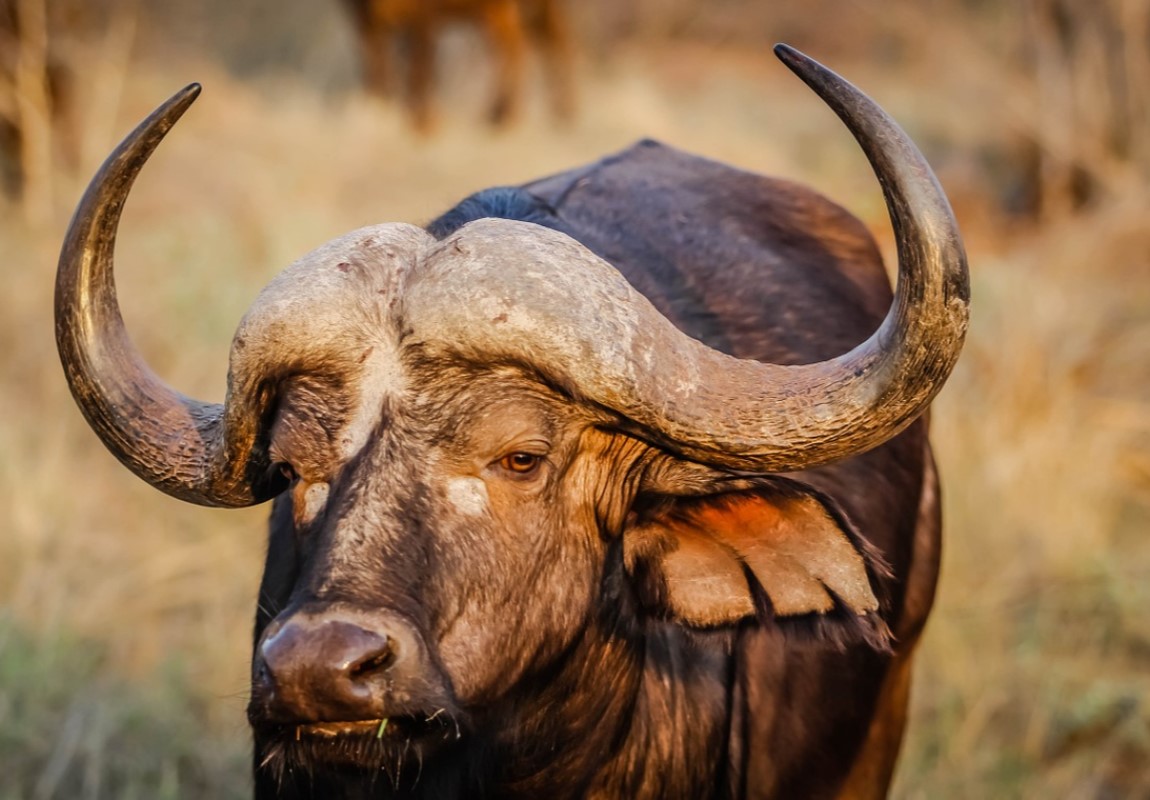
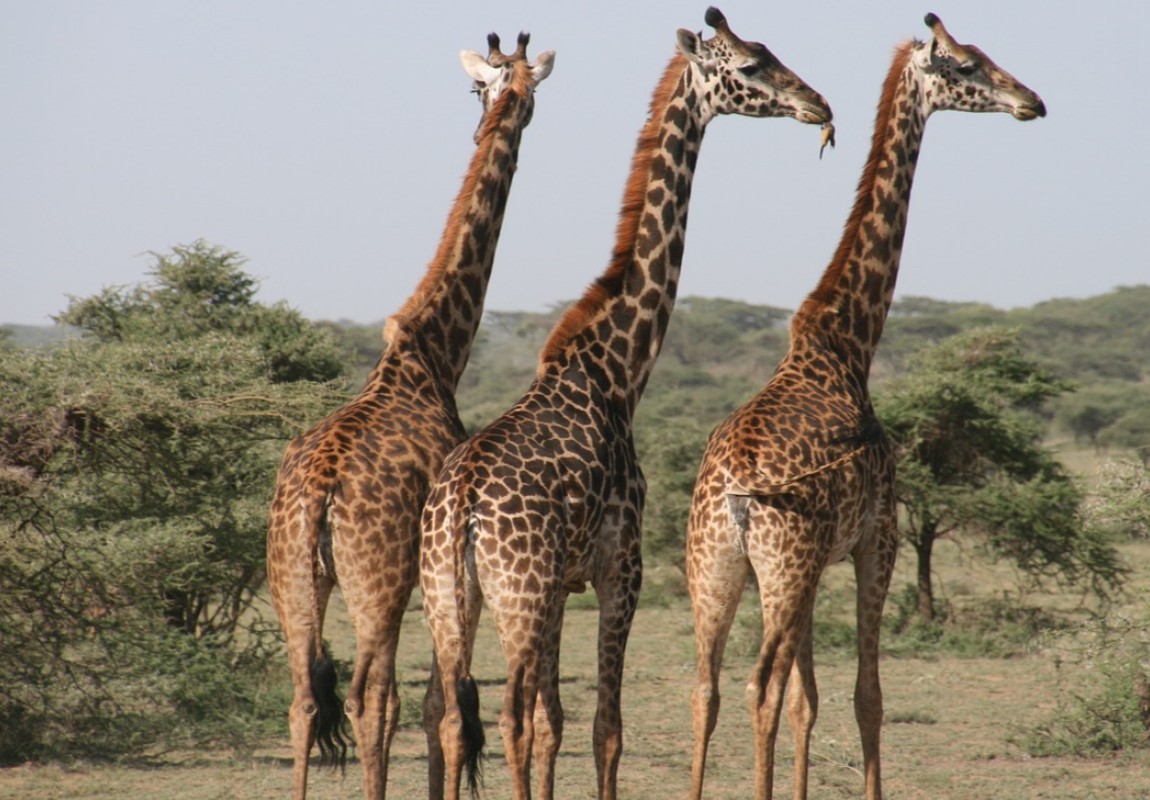
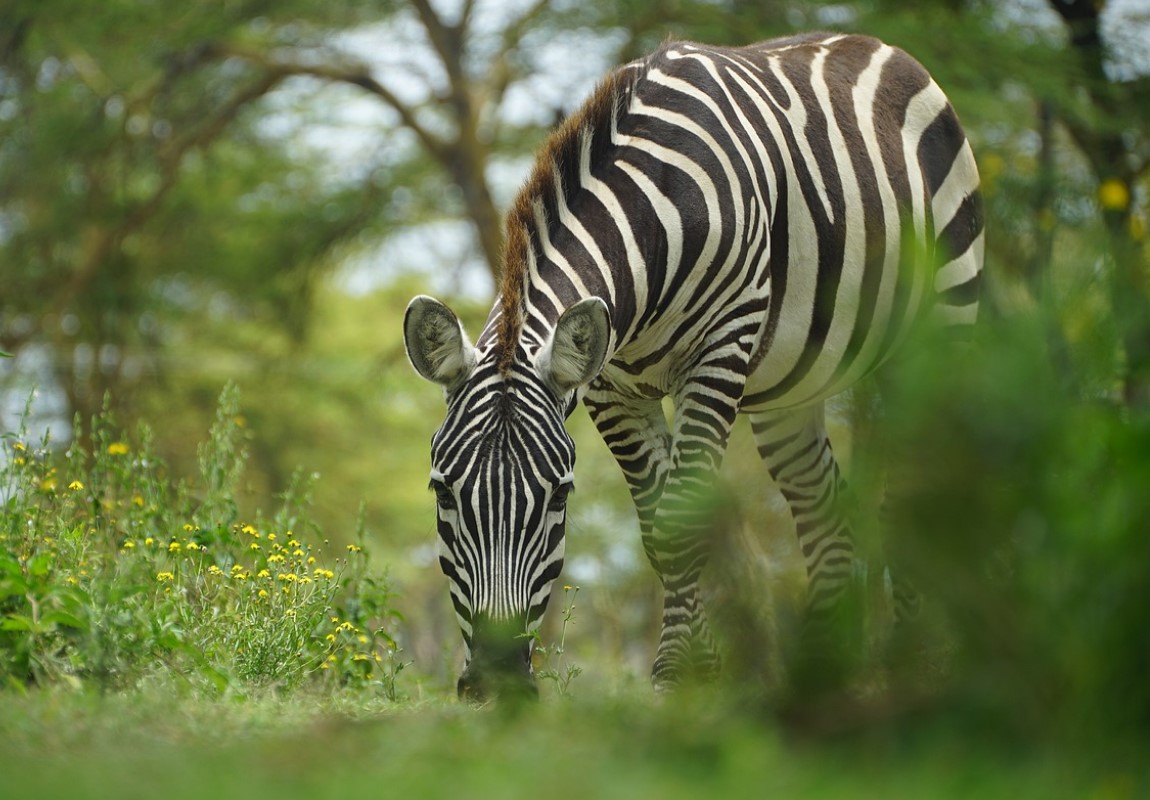
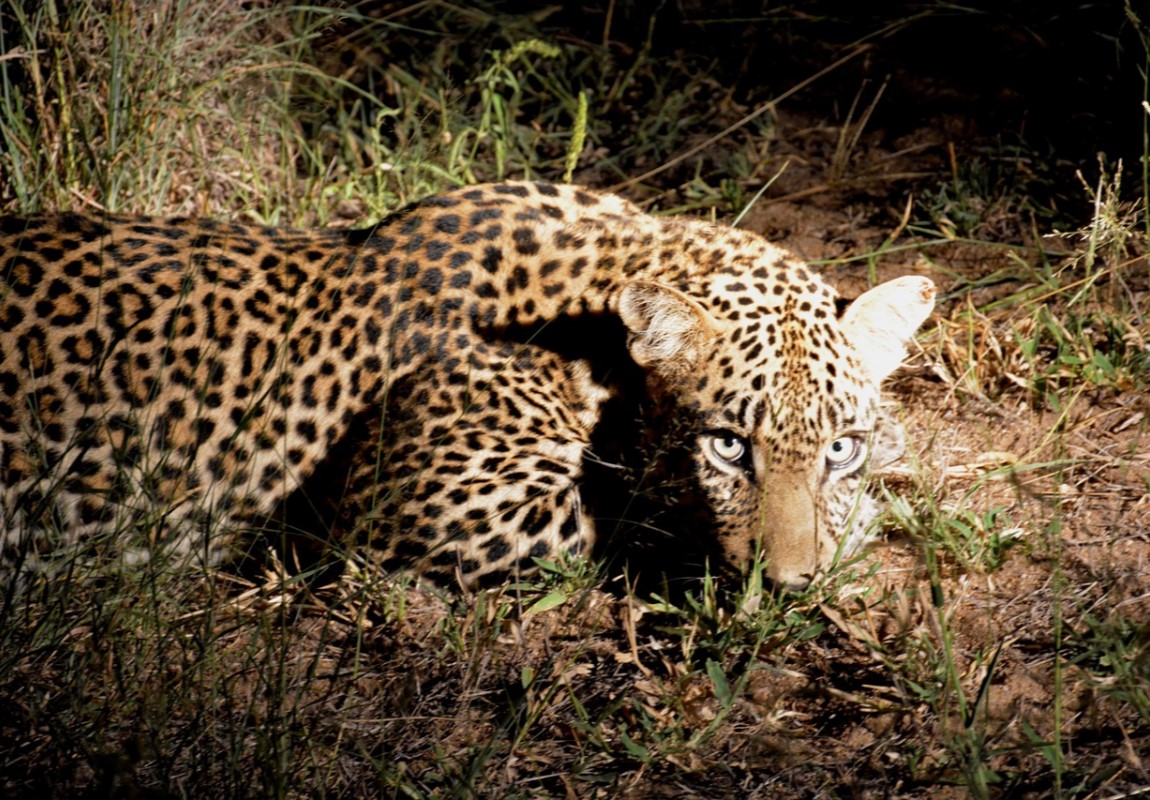
Tembe Elephant Park is primarily renowned for its elephant population, which includes some of the largest remaining tuskers in southern Africa. These elephants move freely across the reserve’s wetlands and sand forests, creating unforgettable viewing opportunities. Other mammals such as buffalo, rhinoceros, zebra, and various antelope species thrive in the park, while predators are present in lower densities. The diversity of habitats supports a balanced ecosystem, with wetlands attracting water-dependent species and open grasslands sustaining grazing animals.



Wildlife Highlights
The defining highlight of Tembe Elephant Park is its population of giant-tusked elephants, rarely seen elsewhere in South Africa. Early morning sightings of elephants moving through mist-covered wetlands are particularly memorable. Rhino conservation is another key focus, with both white and black rhinos protected within the reserve. The park’s tranquil atmosphere allows for unhurried wildlife encounters and strong educational value.
Best Time for Wildlife Viewing
The dry winter months from June to September offer the best wildlife viewing in Tembe Elephant Park. During this period, animals gather around permanent waterholes and wetlands, improving visibility despite dense vegetation. Cooler temperatures also make game drives more comfortable and increase daytime animal activity.
Want to Visit Tembe Elephant Park?
Birds
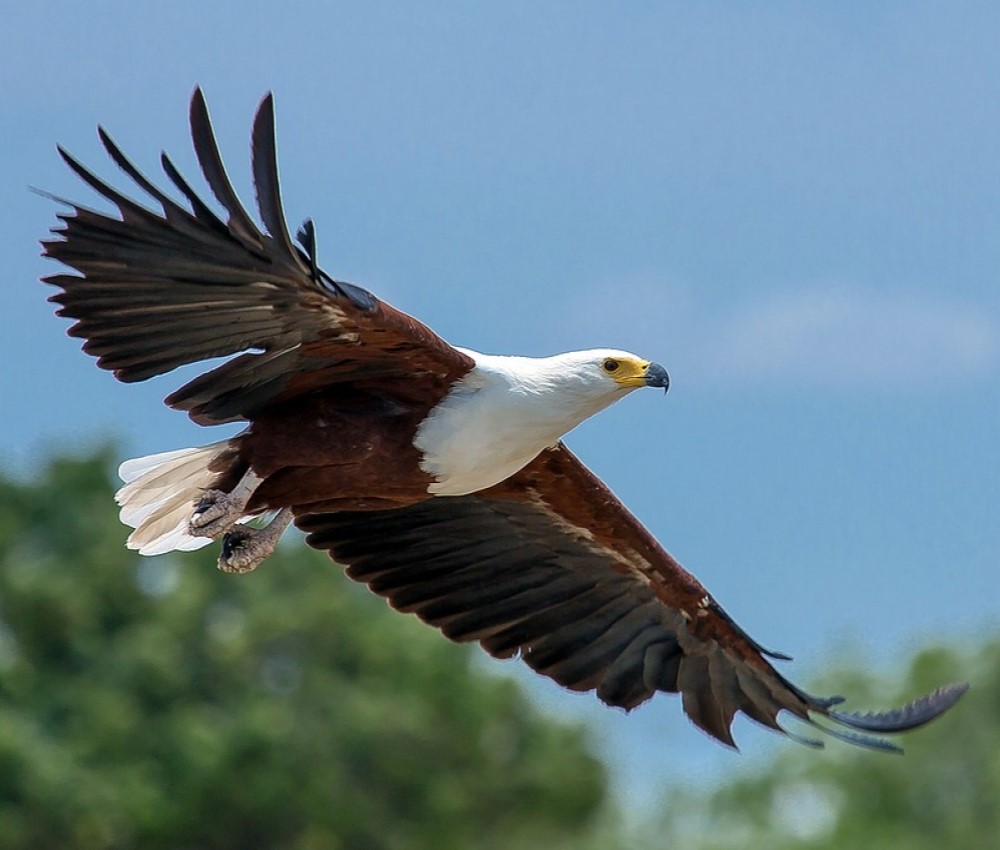
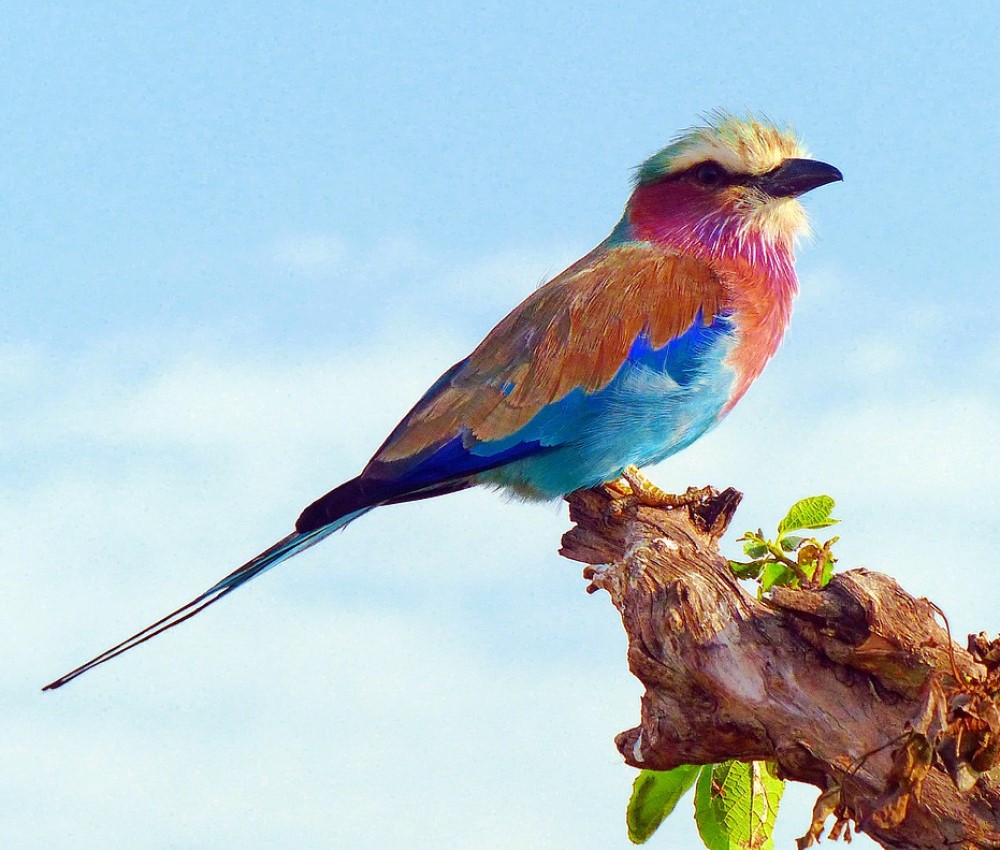
Tembe Elephant Park is a rewarding destination for bird enthusiasts, especially those interested in rare forest and wetland species. The reserve hosts over 340 bird species, with sand forest endemics, waterbirds, and migratory species all well represented. Wetlands attract herons, storks, and kingfishers, while forested areas support elusive and localized bird species rarely seen elsewhere in South Africa.


Best Time for Birding
Birdwatching is at its best from November to March, when migratory birds arrive and breeding season begins. Increased rainfall leads to lush vegetation, higher insect activity, and more vocal birds, making identification and sightings easier.
Want to Visit Tembe Elephant Park?
Best Time to Visit – Tembe Elephant Park
The dry winter months from June to September offer the best wildlife viewing in Tembe Elephant Park. During this period, animals gather around permanent waterholes and wetlands, improving visibility despite dense vegetation. Cooler temperatures also make game drives more comfortable and increase daytime animal activity.
May to September (Dry Season)
- Excellent elephant sightings
- Cool and comfortable weather
- Improved visibility near water sources
- Vegetation still dense in forest areas
- Limited bird diversity compared to summer
October to March (Wet Season)
- Peak birding season
- Lush landscapes and wetlands
- Active breeding behavior
- Hot and humid conditions
- Wildlife more dispersed
Want to Visit Tembe Elephant Park?
Activities
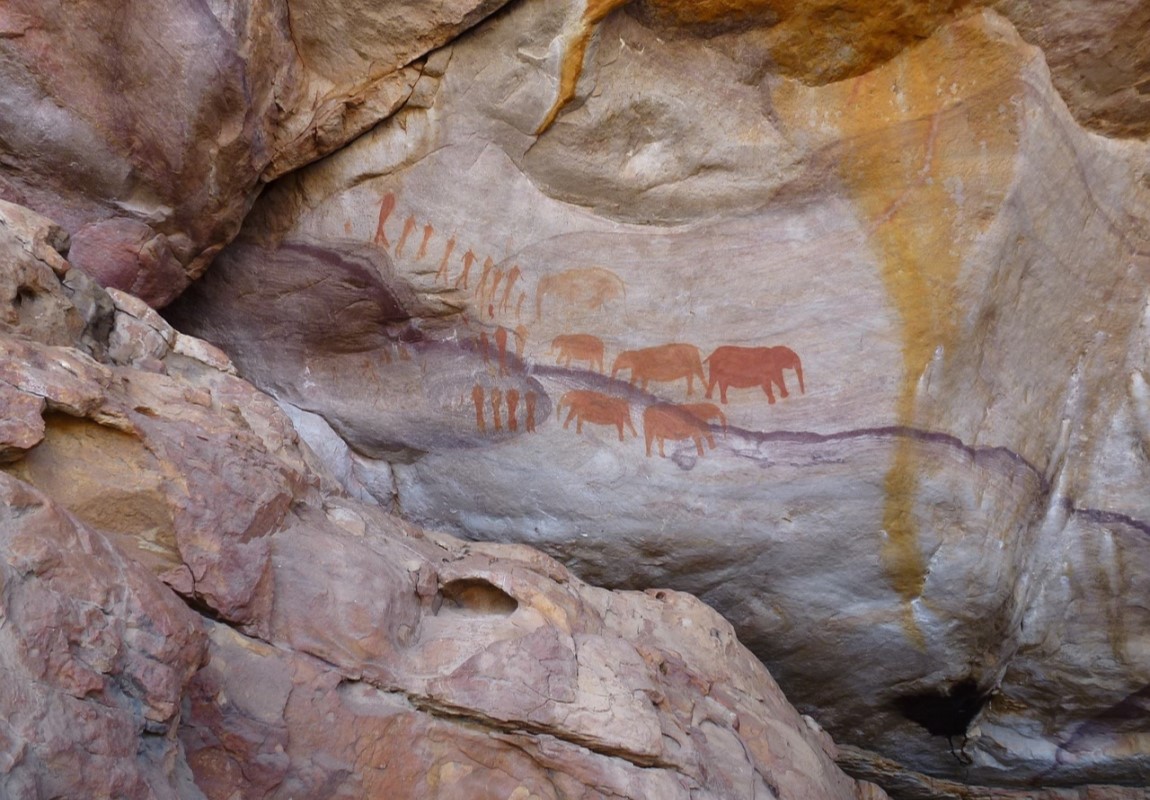
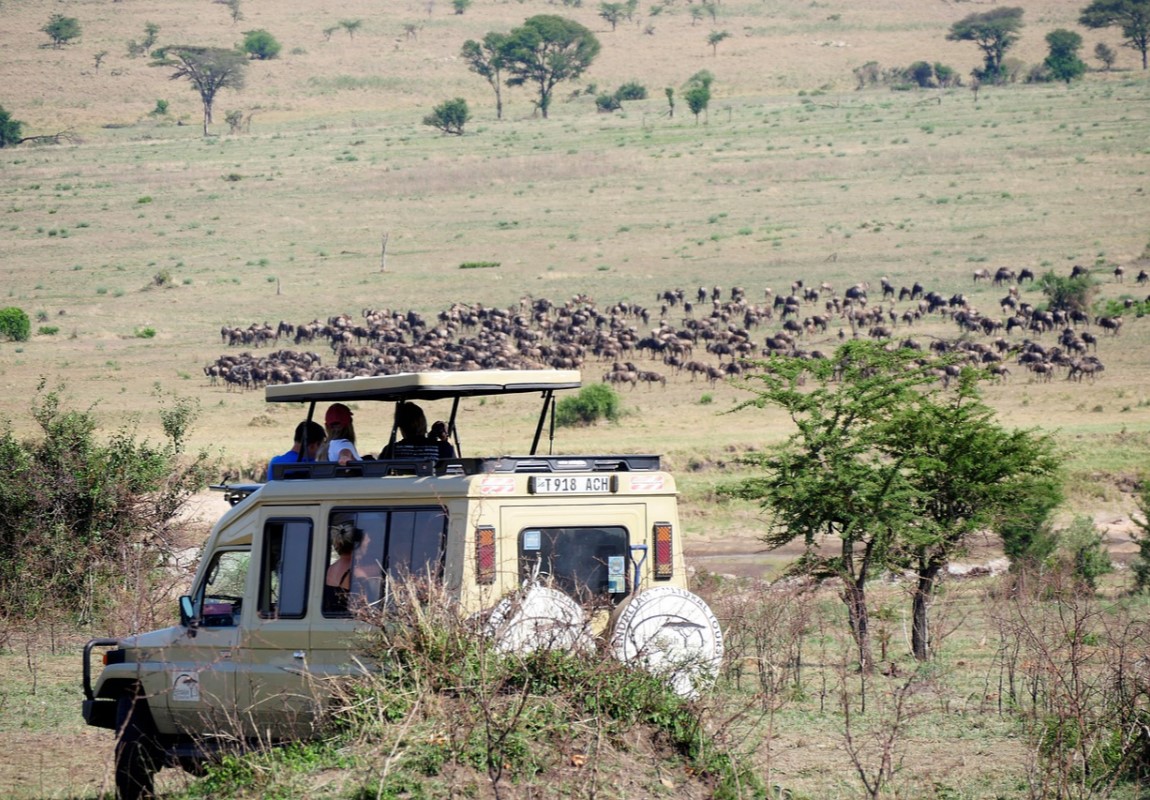
Explore popular activities available in and around Tembe Elephant Park.

Want to Visit Tembe Elephant Park?
No FAQs available for this park yet.
